01
Tuition
For families looking for careful academic support in English, Mathematics or Science.
YOU ARE HERE
ROUTE CHECKCONNECTED TO
Trajectory tuition reads the signal, repairs the gaps, and shows the route forward.
Start with what brought you here
You may be looking for tuition, trying to understand what your child needs, helping a student through a difficult stage or following a question about education and where it leads. eduKateSG brings tuition, parent guidance, student support and wider educational thinking into one place, so you can begin with the part that matters to you now.
Start with the question closest to you. The larger map can unfold from there.
01
For families looking for careful academic support in English, Mathematics or Science.
02
For parents who want to understand what their child needs next.
03
For students who need support, confidence, structure or a stronger way forward.
04
For readers who want to understand how learning really works.
05
For readers exploring education, Singapore and civilisation as connected systems.
eduKateSG Learning Position Primer
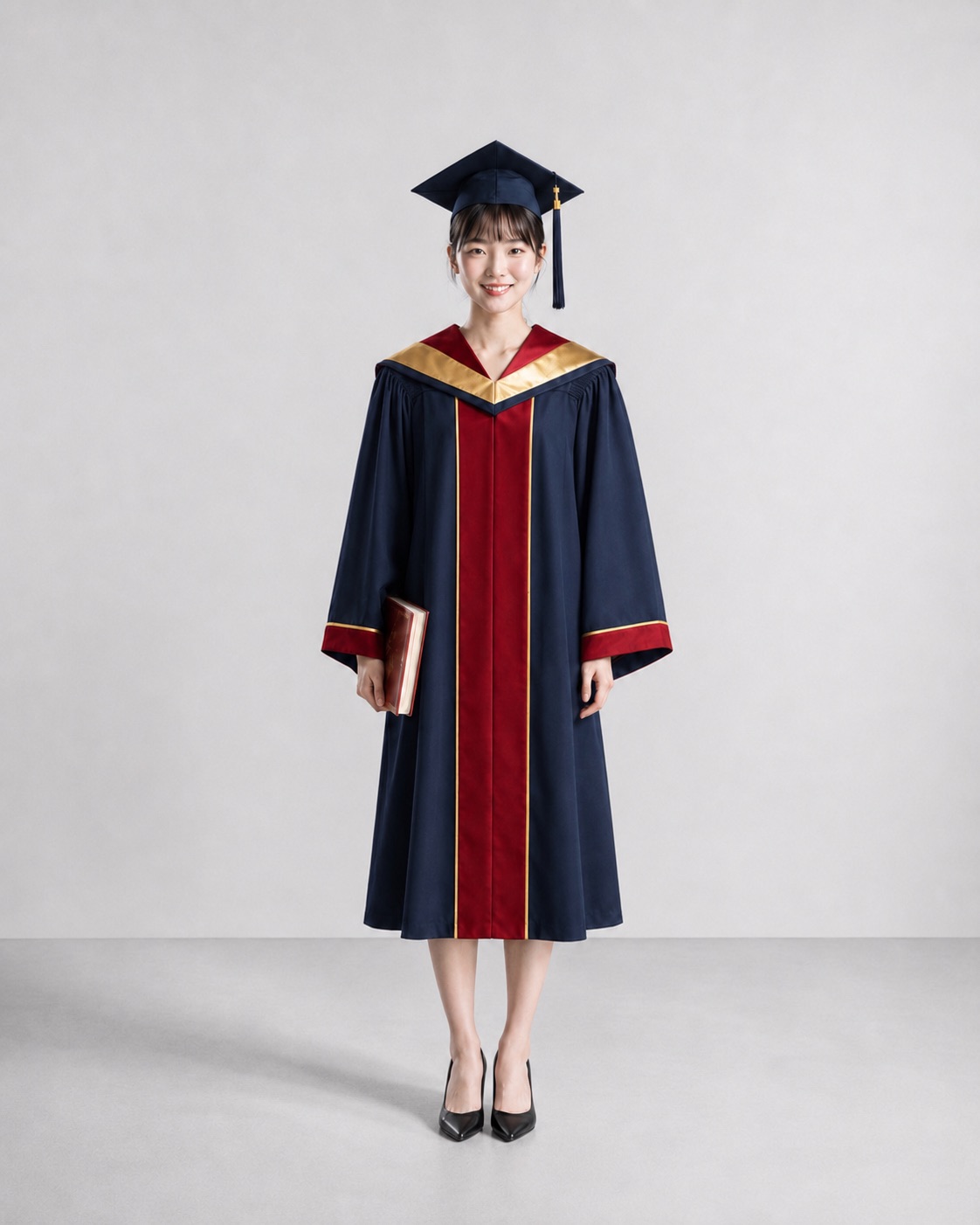
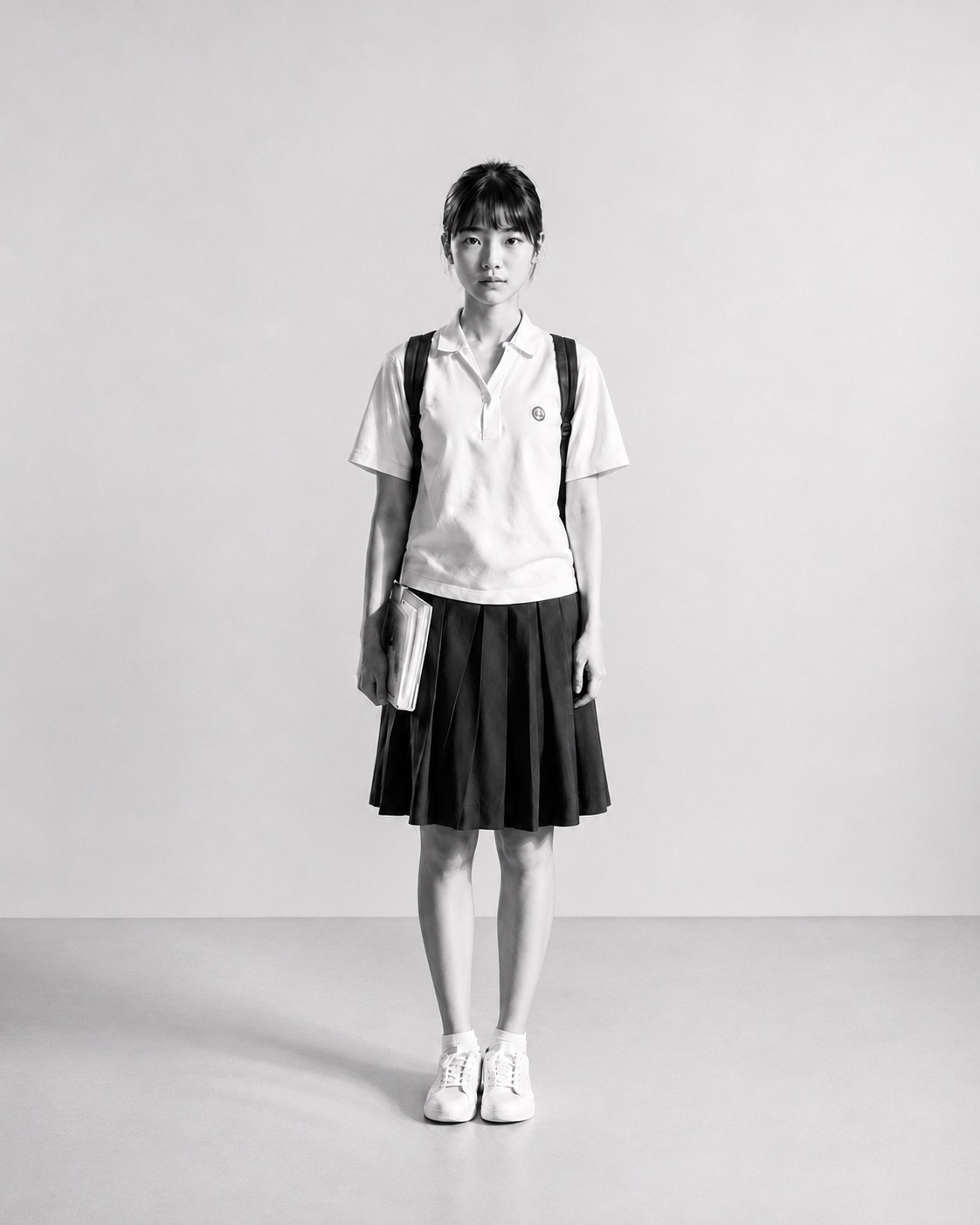
Six students, six learning positions — each one showing how education meets a child at a different point in the system. eduKateSG helps families make the next right learning decision, so the child is supported, the family sees clearly, and education continues its work of building the future.

A student shines when the learning system starts to work.
Read the 6 Student TypesSix Student Types
A student may look ready from the outside, but the right support depends on what is happening underneath. This is why eduKateSG begins by reading the student first — their confidence, gaps, rhythm, pressure, direction, and readiness — before deciding what kind of teaching should come next.
Next section: use the tuition decision guide below to test the signal more clearly — level, concern, readiness and direction.
NEXT · TURN PARENT CONCERN INTO A CLEAR DECISION
This guide helps you understand where your child may be in school right now, what may be holding them back, and what kind of support could help them move forward with more confidence.
Step 1
Choose the closest fit. The signal is a parent guide, not a final diagnosis.
Step 2
Choose the pattern you notice most often. Whether your child needs help in English, Mathematics, or Science, this helps us understand the concern more clearly and guide you towards the right next step.
Step 3
Choose what best reflects your child now. “Almost” means the skill is starting to show, but it may still need support before it becomes consistent.
Look for understanding in the child’s own words.
This applies to comprehension, word problems, diagrams and exam instructions.
Strong students can show how they arrived at the answer.
Weak wording, missing keywords or unclear method can cost marks.
This checks complete Mathematics working, Science explanations and structured English answers, not just short final answers.
This is where many students lose marks when the exam question changes shape.
Improvement comes from correction, not just doing more worksheets.
Confidence tells parents whether the child feels prepared or overwhelmed.
This step helps parents see whether the problem is still manageable at home, becoming unstable, or already time-sensitive.
Step 4
This final selection adjusts the advice so the next move is practical, not dramatic.
Green does not mean “ignore it”. It means the pattern still looks manageable. Keep short, regular practice, check whether mistakes repeat, and consider tuition mainly for stretch, steadier school pace or calmer parent-child routines at home.
Amber means the child may understand parts of the work, but the skill is not reliable yet. Check repeated mistakes, weak explanation, rushed reading, incomplete answers, and whether school pace is starting to pull away.
No. Red means there are enough repeated signs to act calmly and earlier. Start with diagnosis, repair the exact missing skill, then rebuild confidence before adding more papers or heavier revision.
Small Group tutorials increase contact time.
We help students understand the route, the method, and the reason.
Why 3-pax works
In 3-pax tuition, the tutor can see each student’s working, correct the real mistake, and keep the lesson moving without losing individual attention.
Good tuition is diagnosis, explanation, correction, practice, and confidence.
Repair weak foundations before school pace makes them louder.
Parent doubt
This is often an older gap disturbing a newer topic. The student may follow the lesson, but cannot rebuild the method alone yet.
We restore the route so the child knows what to do and why it works.
Teach difficult topics until the method becomes usable.
Parent doubt
Listening is not mastery. We train the student to choose the method, explain the reason, and attempt the question independently.
The goal is simple: “I saw this before” becomes “I know what to do next.”
Prepare before pressure arrives in the exam hall.
Parent doubt
Knowledge may be partly there, but exam execution is not stable yet. Students need timing, working discipline, and recovery habits.
Exam confidence is built before exam month, not during panic week.
Sharpen stronger students for accuracy, speed, and judgement.
Parent doubt
Strong students do not always need more volume. They need cleaner judgement, faster routes, sharper wording, and fewer small errors.
Capable students become more reliable when their small habits are sharpened.
Know whether to catch up, keep up, or move ahead.
Parent doubt
Parents often see the symptoms before results fully show the pattern. We turn homework behaviour, test errors, and confidence changes into a next step.
Clarity helps parents act earlier without panic.
One experienced tutor follows the learning journey properly.
Parent doubt
Children do not reset every term. Habits, gaps, confidence, and strengths carry forward. A consistent tutor sees the longer pattern.
Continuity gives the tutor memory. The journey is followed properly.

$320 onwards
✓ Primary & Secondary
✓ 1.5 hours 4 lessons
✓ 3 pax classes
✓ Full Time Tutor
✓ PSLE and SEC
✓ Secondary G1, G2 & G3
$320 onwards
✓ Primary & Secondary
✓ 1.5 hours 4 lessons
✓ 3 pax classes
✓ Full Time Tutor
✓ PSLE, E-Math, A-Math
✓ Secondary G1, G2 & G3
$320 onwards
✓ Primary
✓ 1.5 hours
✓ 3 pax classes
✓ Full Time Tutor
✓ PSLE only
✓ Primary 3-6
Make it Work For You · CHOOSE THE SUPPORT ENVIRONMENT · MAKE SURE THE STUDENT CAN BE SEEN
Fewer students means closer attention, earlier correction and less room for confusion to hide. This guide helps parents compare 3 pax small-group tuition with 1-to-1 and large-group tuition.
For parents who want learning to become clearer, steadier, and worth the time.
We help students understand the topic, correct weak spots early, and build stronger control over schoolwork and examinations, so parents can worry less, see further, and plan the next stage with confidence.
Less noise. More clarity. Better direction.



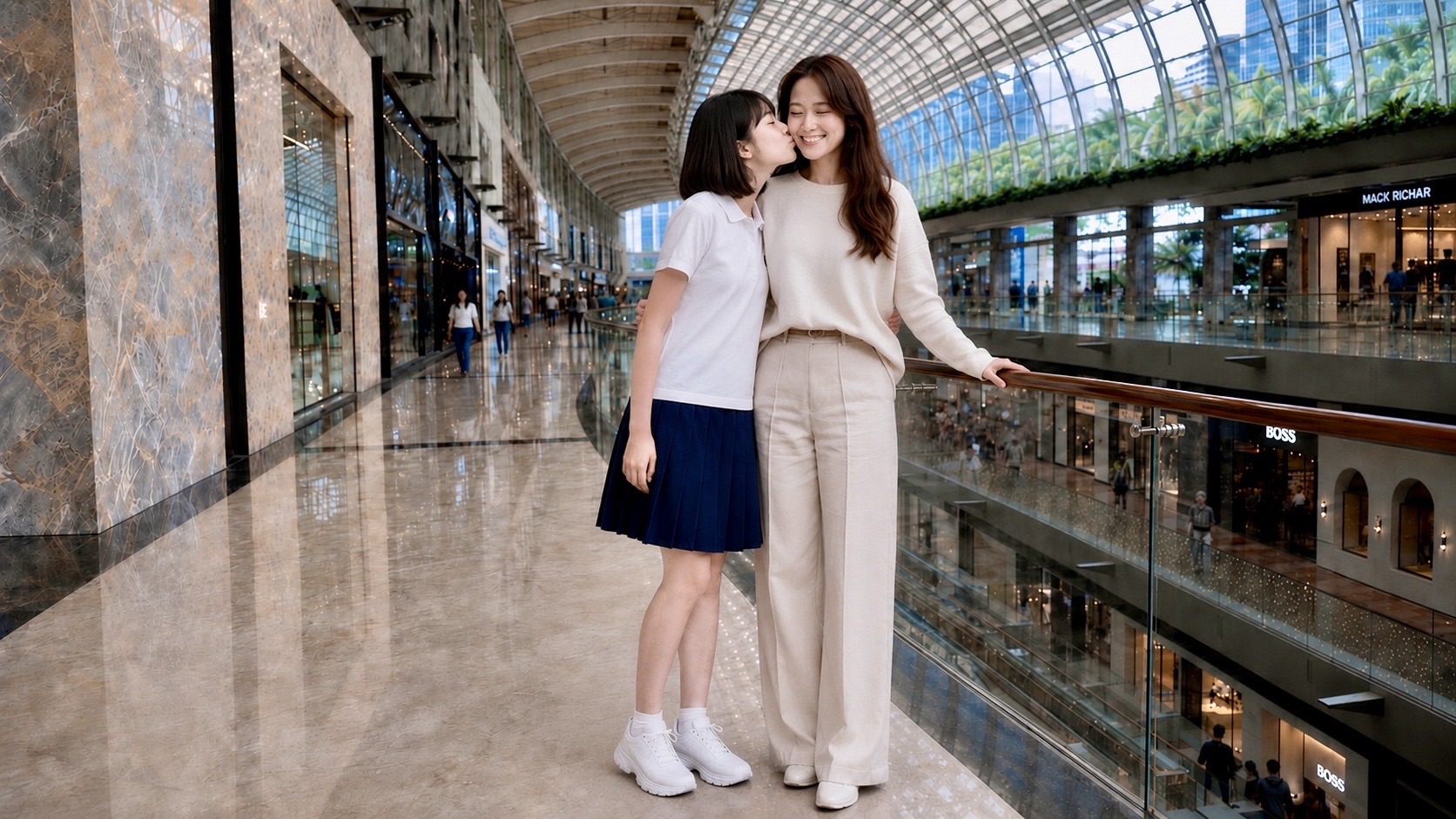
ZOOM OUT · SEE THE SCHOOL YEARS AS ONE CONTINUOUS PATH
Before grades become serious, children are learning the deeper habits: reading instructions, writing clearly, counting carefully, listening well, correcting mistakes and staying calm when work feels new.
Science begins, English becomes more demanding, and Mathematics starts requiring method. This is where parents often discover that understanding a lesson is not the same as answering well.
The PSLE corridor tests more than content. It tests retrieval, accuracy, time control, explanation, language discipline, stamina and the child’s ability to perform under pressure.
After PSLE, students enter a larger system with new teachers, new subjects, faster pacing and more independence. The important question is how quickly they stabilise after the move.
English, Mathematics and Additional Mathematics can move differently for the same child. One subject may need repair, another may need stability, and another may need stretch towards higher performance.
Primary 1–2
Primary 1 and 2 are not “easy years” to ignore. They are where children build the operating system for school: how to read, write, count, listen, try, correct and continue. Find out more below:
Slow reading, weak spelling, messy handwriting, careless counting, worksheet fear, or needing too much help to begin.
Early gaps do not usually disappear by themselves. They follow the child into longer questions, word problems and independent learning.
We strengthen English and Mathematics foundations patiently, so children become steady learners before the curriculum becomes heavier.
Primary 3–4
Primary 3 and 4 are where learning becomes less direct. Students need more language, more method and more explanation. A child can know the topic but still lose marks because the answer is not complete enough. Find out more below:
The child understands in class but loses marks, avoids word problems, gives incomplete Science answers, or struggles with longer comprehension.
P3 and P4 prepare the child for PSLE thinking. Waiting until P5 can make the runway shorter and the repair work heavier.
We connect English precision, Mathematics method and Science explanation so students learn how to answer, not just remember.
Primary 5–6 / PSLE
Primary 5 and 6 bring earlier learning back into one examination pathway. Students need more than hard work: they need method, timing, answer structure, memory discipline and confidence under pressure. Find out more below:
Marks swing, careless errors remain, Science OEQ loses keywords, Math methods break under pressure, or compositions do not improve enough.
PSLE closes Primary school and opens the Secondary corridor. It affects posting groups, confidence and the way a child enters Sec 1.
We repair gaps, organise revision, sharpen answering technique and help students turn effort into clearer examination execution.
Secondary 1
Secondary 1 is not Primary 7. It is a new system. Students meet more subjects, more teachers, faster expectations and greater independence. Weak foundations can surface quickly if the transition is not managed. Find out more below
The child seems fine at first, then slips in algebra, comprehension, writing stamina, weekly organisation or test confidence.
PG1, PG2 and PG3 are entry positions. The real work is building Secondary habits before Sec 2 subject choices become sharper.
We stabilise the transition, rebuild weak Primary foundations where needed, and install stronger English and Mathematics routines early.
Secondary 2–4
From Secondary 2 onwards, the path becomes sharper. Subject levels, E-Math, A-Math, upper-secondary pacing, O-Level preparation, IP, IB and IGCSE expectations all require more precise planning. Find out more below:
One subject improves while another drops, algebra becomes fragile, English answers lose structure, or A-Math exposes gaps quickly.
G1, G2 and G3 routes can differ by subject. Students may need repair in one area, stability in another and stretch elsewhere.
We identify the correct academic move: catch up, keep steady, move ahead, or prepare for exam execution with sharper technique.
NOW CHANGE PERSPECTIVE · LOOK THROUGH THE STUDENT’S EYES
From a student’s point of view, school can look like one continuous stream of lessons, worksheets, homework, corrections and examinations. The child sees the work in front of them. They may not see the learning chain underneath it.
I attended the lesson. I completed the work. I revised. Why did I still get the question wrong?
The hidden problem
A result is produced by connected actions. The student must receive, notice, understand, remember, practise, repair, apply and retrieve the learning.
Select a familiar student experience above, or click any link below to examine what may be happening.
Link One
“I read the question, but I am not completely sure what it wants me to do.”
Ask the student to restate the task, identify the required action and explain what a complete answer must contain.

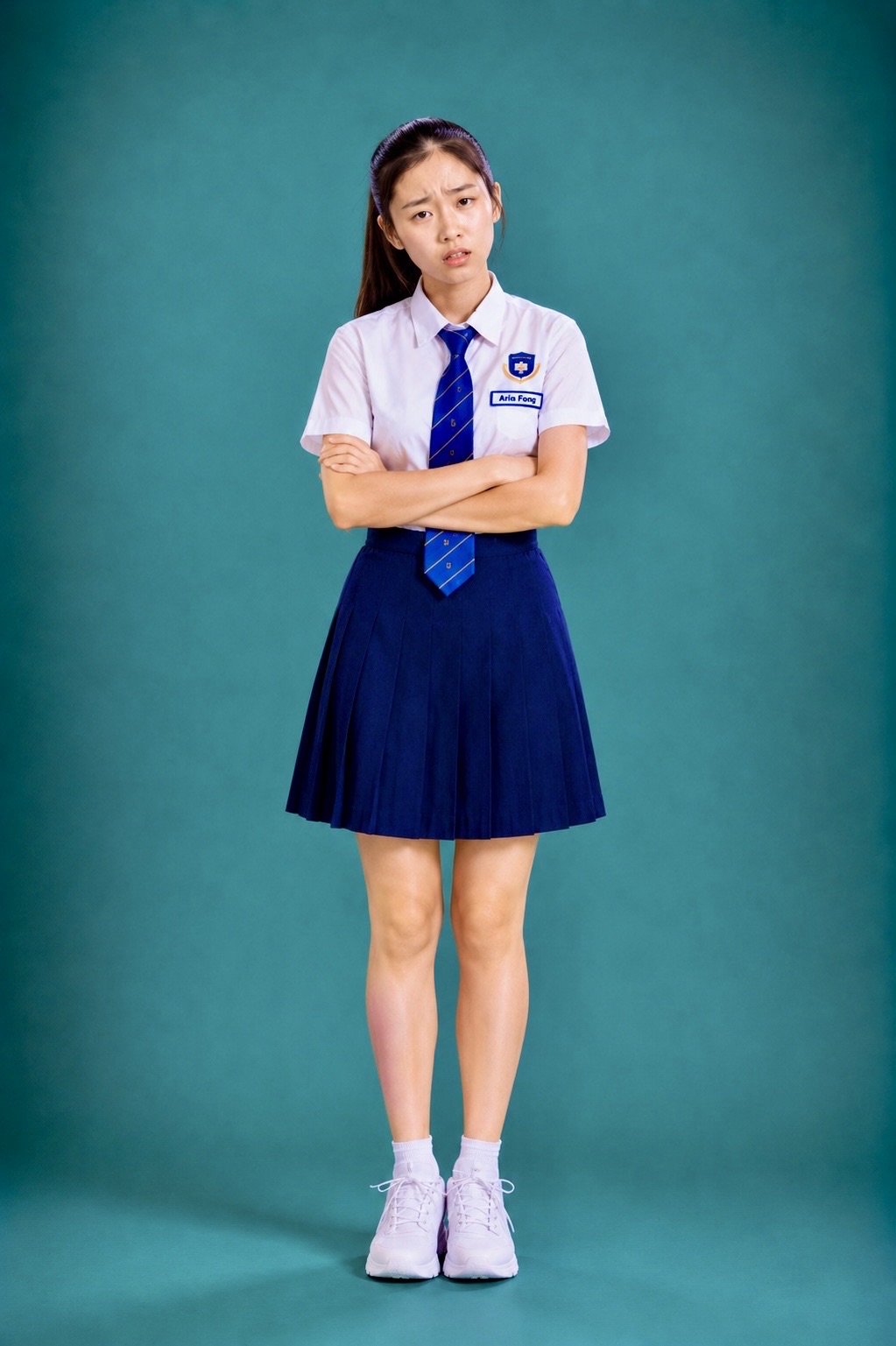
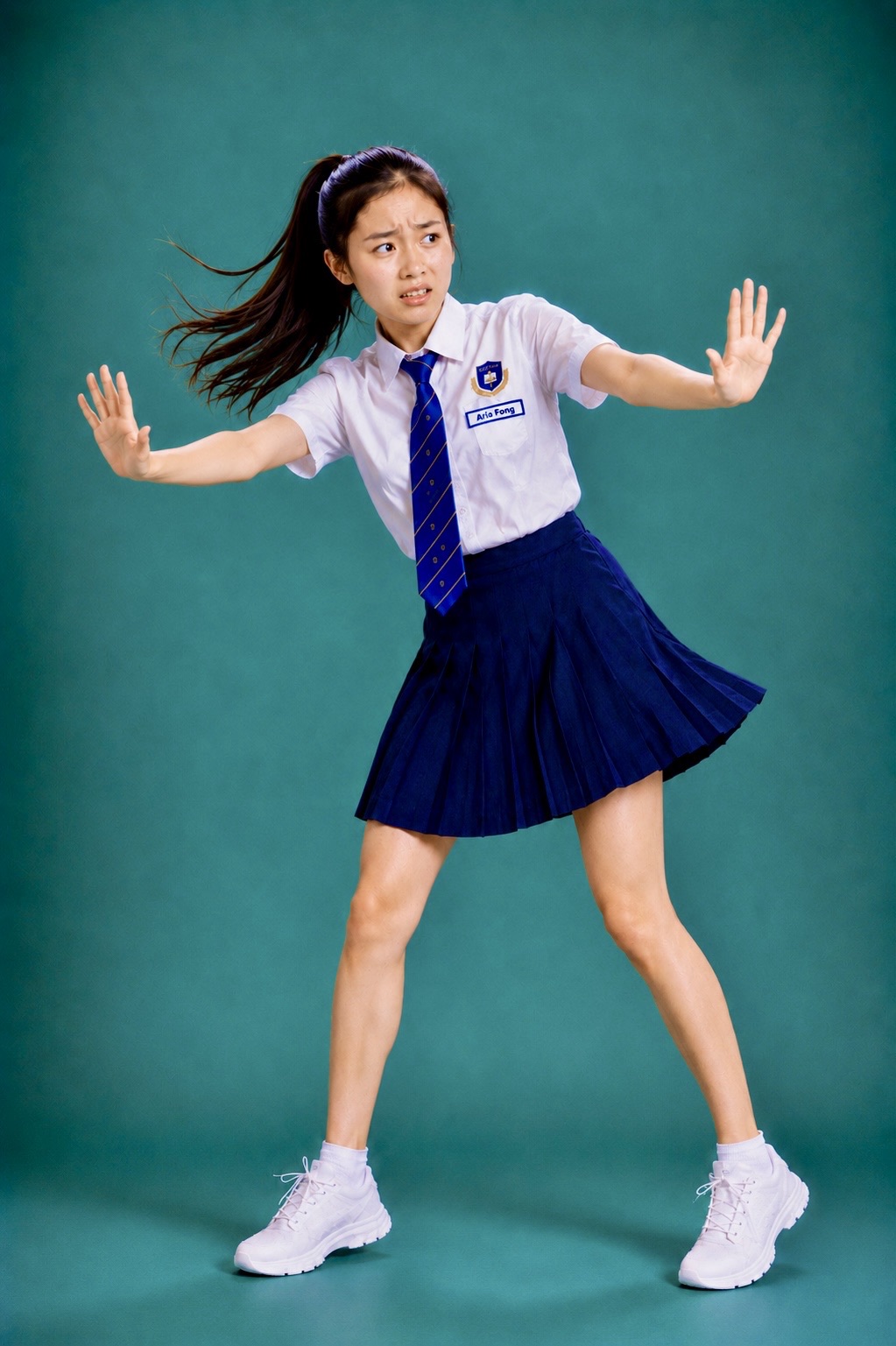


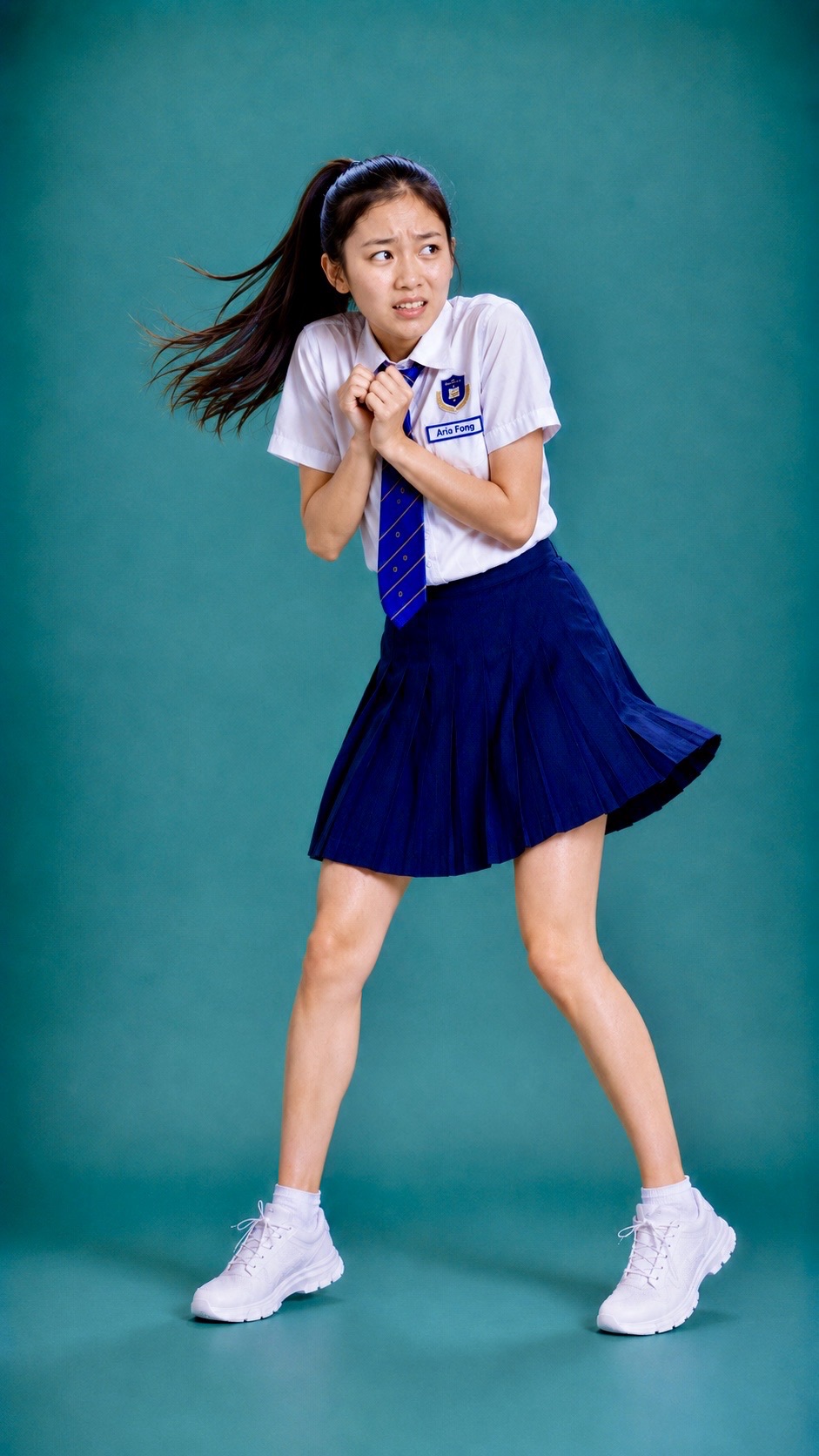
What Next · Turn the signal into action · Awareness identifies the position · Action changes the direction.
Asking “Am I OK?” creates awareness. But awareness alone does not repair learning. The student must learn how to name the difficulty, locate it in the learning chain and take the next useful action.
Self-awareness
“I am confused.” “I am nearly there.” “I understand this.” These are important signals, but they are not yet a complete learning response.
Self-direction
The next step is to turn the signal into action: pause, name, locate, repair, practise and continue.
This is not failure. It means the student has enough understanding to continue, but still needs practice, feedback or clearer connections.
Step Five
“I understand the correction now, but I am not sure whether I can do it alone.”
Practice tests whether the repaired understanding can survive without immediate hints, examples or tutor support.
Complete one similar question, one slightly different question and one delayed question without copying the model.
Replace vague signals
With usable information
Check the Change · Did the Repair Hold?
A solution is not complete when it has been explained. It is complete when the student can use it again under a slightly different condition, recover from mistakes and continue with less help. Choose the result that most closely matches what you are seeing now.
01 / Yes
The student can explain the idea, apply the method and recover from mistakes with less prompting.
02 / Partly
The student understands the repair, but it still disappears when the question changes or pressure rises.
03 / Not Yet
The same mistake continues, confidence remains unstable or the student still cannot identify the first step.
School can feel like too many subjects, too many tests, too many instructions, and not enough time to understand what is actually going wrong.
eduKateSG helps students translate school into clearer next steps.
Is it an English vocabulary gap?
A Mathematics method drift?
A Science concept bottleneck?
A confidence issue?
A pacing issue?
An examcraft issue?
Our tutorials help students find the signal inside the noise.
We look at the student’s school work, habits, pressure, mistakes and readiness, then help them rebuild from the right point.
For English, we help students read, infer, explain, write and speak with more control.
For Mathematics, we help students repair weak foundations, stabilise methods and solve with more accuracy.
For Science, we help students connect concepts, use keywords properly and answer with evidence.
School becomes easier when students know what the problem is, what to repair, and what to do next.
That is what eduKateSG tutorials are built for.

NOW MOVE FORWARD · THIS IS WHERE EDUKATE SINGAPORE HELPS
OverviewParents have seen the route from Primary to Secondary. Students have looked at school from their own point of view and asked, “Am I OK?” The next question is: what do I do next?
eduKate Singapore turns that answer into a working route. We identify the gap, rebuild the missing capability, stabilise the student’s methods and help them continue through school with greater control.
What we help students move through
The purpose of support is not to keep the student in tuition. It is to help the student continue.
The eduKateSG Tuition Method
At eduKateSG, tuition follows a continuous student-reading, teaching and review loop.
With a maximum of three students, the tutor can see how each learner reads, reasons, writes, solves and responds—then choose the correct academic move instead of applying one fixed lesson to every child.
Understand before prescribing
Read beyond the latest mark. Notice the student’s gaps, habits, confidence, pressure, pace, readiness and direction. In a 3-pax small group, the tutor can see the working, hear the reasoning and distinguish a temporary mistake from a repeated learning pattern.
Find what is actually failing
Determine whether the problem is knowledge, vocabulary, comprehension, reasoning, recall, method selection, evidence, written expression, accuracy or examination control. English is a meaning system, Mathematics is a logic system and Science is an evidence system; each can break in a different place.
Choose the correct academic move
Decide whether the student needs to catch up, keep steady, move ahead, rebuild confidence or prepare for examination execution. The next lesson should address the highest-leverage need—not simply the loudest symptom or the next chapter in a file.
Rebuild from the earliest weak link
Teach the missing language, concept, method or evidence chain from first principles. Make expert thinking visible, model the complete route and correct the earliest unstable dependency so the student is not asked to perform on top of a weak foundation.
Convert explanation into usable skill
Move from modelling to guided attempts, supported correction and independent work. Vary the wording, context and difficulty so understanding becomes retrievable and transferable rather than dependent on copying one familiar example.
Build a connected learning system
Link vocabulary to comprehension and writing, number sense to algebra and problem-solving, and observation to scientific explanation. Students become stronger when knowledge forms a usable network instead of remaining as isolated chapter routines.
Make learning visible under pressure
Train question reading, planning, method selection, written presentation, evidence, timing, checking and recovery. School assessments, PSLE and Secondary examinations require students not only to know, but to show what they know accurately within time.
Let evidence update the route
Use the next lesson, homework attempt, school result or timed paper to read the student again. Continue when the repair is stable, extend when readiness appears, or return to an earlier weak link when the evidence shows that more rebuilding is needed.
Primary and Secondary English, Mathematics and Science Tuition
Speak with eduKateSG about 3-pax tuition for Primary and Secondary English, Mathematics and Science, including PSLE, Secondary English, G1, G2 and G3 Mathematics, SEC E-Math and Additional Mathematics. We will discuss your child’s level, present concern, learning habits, confidence, school demands and suitable class fit before recommending the next step.
LIFE AFTER SCHOOL · CARRY EDUCATION INTO THE WORLD
School was never the final destination. Education prepares the student to enter the world: to participate in society, contribute to culture, inherit civilisation and help shape what comes next.
The visible ending
The lessons are completed. The examinations are over. The certificates are awarded. One formal education chain closes.
The larger beginning
The graduate now carries knowledge, habits, values and decisions into a world shared with everyone else.
The graduate leaves school carrying knowledge, methods, habits, values and the ability to continue learning without a classroom directing every step.
Stage One
“School is over. What am I supposed to do with everything I have learned?”
Graduation converts structured learning into personal capability: the ability to think, decide, adapt and keep learning without constant instruction.
Carry knowledge, judgement and values into work, relationships, citizenship and every new problem that has no answer sheet.
Replace the narrow ending
With the larger beginning


We believe education is not only about exams. Education is one of the ways a civilisation transfers knowledge, capability, values and responsibility from one generation to the next.
A student does not grow inside a classroom alone. Every learner exists inside a family, a school, a community, a culture, a society, a civilisation and, ultimately, a planetary system.
eduKate Research studies these connections. We ask how knowledge is created, how societies organise themselves, how cultures preserve meaning, how teams cooperate, how conflict changes civilisations, and how education prepares young people for a future that is still being built.
A thought about education
Another thing worth knowing
Students are taught the concept, guided through practice, corrected during the lesson, and trained to apply the method again.
Our current standard tuition classes are kept to 3 students
We teach English, Mathematics, and Science for Primary and Secondary students, including PSLE, Secondary English, SEC E-Math, and A-Math.
Contact us with your child’s level, subject, current concern, and preferred timing. We will advise on suitable class options where available.
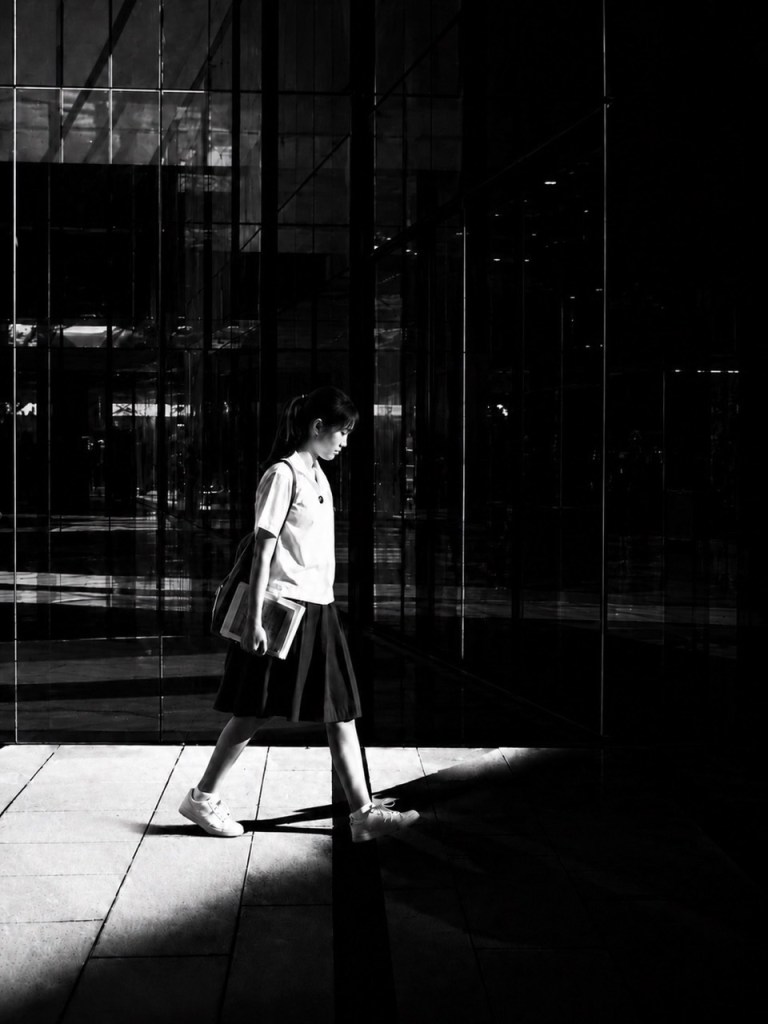
1. As students grow in knowledge, they grow in capability. They learn to understand more, question better, solve carefully and carry themselves with greater confidence.
With every skill a student learns, a new door opens. The ability to read carefully, think clearly, solve problems, explain ideas and make good decisions is a gift that grows with responsibility.
We believe education helps students become capable young people who use what they learn with care, confidence and purpose — for school, for life, and for the future they will help build.
2. Every child is building a future, one lesson at a time.