
Studying for your PSLE examination can be a challenging and time-consuming process, but with the right approach, you can make it more manageable and effective. Remember that effective studying requires time, effort, and discipline. By following these steps and staying focused, you can increase your chances of success on the exam.
- Create a study plan: Make a list of all the topics you need to cover for the exam and create a study schedule that allows you to allocate time to each topic. This will help you stay organized and focused, and ensure that you cover all the necessary material before the exam.
- Use a variety of resources: Don’t rely solely on your lecture notes or textbook. Use a variety of resources, including online tutorials, study guides, practice questions, and past papers, to help you understand the material better.
- Practice with past papers: Past papers are a great way to get an idea of the types of questions that may be asked in the exam. Practice answering past papers under exam conditions to improve your time management and get a feel for the exam format.
- Stay motivated: Studying for an exam can be a long and tiring process. Stay motivated by taking regular breaks, rewarding yourself after achieving study goals, and staying positive and focused.
- Get enough rest: It’s important to get enough rest during the study period and the night before the exam. Lack of sleep can affect your ability to concentrate and recall information, so aim for at least 7-8 hours of sleep each night.
- Seek help if needed: If you’re struggling with a particular topic, seek help from your teacher, tutor, or classmates. Don’t be afraid to ask questions or seek clarification on any areas you don’t understand.
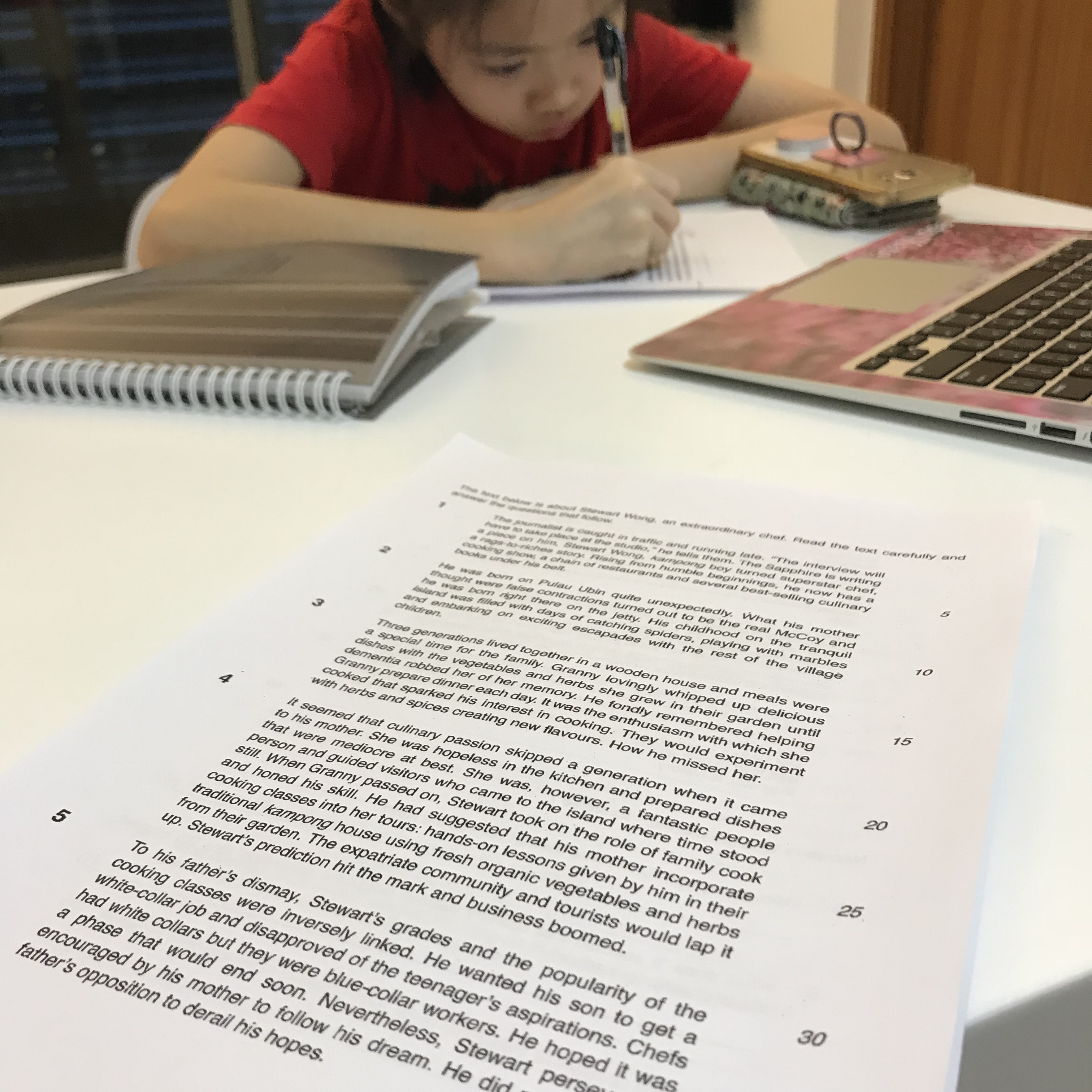
How to create a study plan?
- Determine the exam date: Start by finding out the date of your exam, so you know how much time you have to prepare.
- Make a list of topics: Make a list of all the topics you need to cover for the exam. This will help you to stay organized and ensure you don’t miss any important areas.
- Allocate time: Decide how much time you have available to study each day or week. This will depend on your other commitments, such as work or school, and the amount of time you have before the exam.
- Prioritize topics: Prioritize the topics on your list based on their importance and the amount of time you need to cover them. This will help you to focus on the most important topics first.
- Break down topics: Break down each topic into smaller, more manageable sections. This will help you to avoid feeling overwhelmed and make it easier to track your progress.
- Create a schedule: Create a schedule that shows when you will study each topic. Be sure to include breaks and time for other activities to avoid burnout.
- Monitor progress: Regularly monitor your progress to ensure that you are on track to meet your study goals. If necessary, adjust your schedule to make up for lost time or to give more attention to areas where you’re struggling.
What resources do you need for PSLE?
- MOE Syllabus: The Ministry of Education (MOE) in Singapore provides a detailed syllabus for each subject tested in the PSLE. This can be found on the MOE website.
- Textbooks: Textbooks are a useful resource for understanding the content of each subject. Check with your school to see if they have textbooks available, or you can purchase textbooks from bookstores or online retailers.
- Assessment books: Assessment books are a popular resource for PSLE preparation, and are available at bookstores and online retailers. They usually contain practice questions and exercises to help you apply what you’ve learned.
- Past year papers: Past year papers are a valuable resource for PSLE preparation, as they give you a sense of the format and types of questions that may be asked in the exam. Past year papers can be found on the MOE website or purchased from bookstores or online retailers.
- Online resources: There are many online resources that can help you prepare for the PSLE, such as video tutorials, practice questions, and study guides. Some popular websites include the Learning Lab, Khan Academy, and Top School Exam Papers.
- Tuition: If you’re struggling with a particular subject, you may want to consider tuition. Leave us an SMS at +65 8222 6327 as we offer PSLE preparation classes.
How does practicing Past Year papers help in PSLE?
Before any exams, our students at eduKate go through a lot of Past Year Papers. Be it in class, or as homework or online lessons, we make sure we cover as much questions as possible before the PSLE starts. Practicing past year papers is an important part of PSLE preparation as it provides several benefits, such as:
- Familiarity with the exam format: Practicing past year papers helps you become familiar with the format of the PSLE examination. It allows you to get a sense of the types of questions that may be asked and the way they are presented. This can help you feel more confident and less anxious on exam day.
- Identifying areas of weakness: Practicing past year papers can help you identify areas where you need to improve. When you review your answers, you can see which questions you got wrong and which topics you struggled with. This allows you to focus your study efforts on the areas where you need the most help.
- Improving time management: Practicing past year papers under timed conditions can help you improve your time management skills. You will learn how to pace yourself and manage your time effectively during the exam. This is especially important as time is a crucial factor in the PSLE examination.
- Boosting confidence: Practicing past year papers can help boost your confidence and reduce exam anxiety. The more familiar you are with the exam format and types of questions, the more confident you will feel on exam day.
- Experiencing exam-like conditions: Practicing past year papers under exam-like conditions, such as timed conditions and with a quiet and distraction-free environment, can simulate the real exam environment. This helps you get used to exam conditions and reduces any surprises on exam day.
How do we stay motivated for an examination?
Motivation is the driving force that propels us to take action and achieve our goals. Staying motivated during exam preparation can be a challenge, especially when you have a lot of material to cover and the exam date is approaching. Personally, we prepare students for PSLE a lot earlier than needed so that we reduce the stresses that can occur when the PSLE dates comes near. But with that, we have a longer time frame that we need our students to keep themselves motivated. It gets hard when the goal is set so far away and it seems like eternity for them to keep their motivation high for so long. motivation can help us to be better in exams by increasing our effort, focus, performance, and resilience, and reducing anxiety. By finding ways to stay motivated and focused, we can improve our exam performance and achieve our goals. Remember that staying motivated requires a positive mindset, a clear focus on your goals, and a balance between study and self-care. Make learning fun and engaging by using games, activities, or other interactive tools. This can help your child stay interested and motivated, while also reinforcing learning.
Remember that every child is unique, and at eduKate, we keep our tutorial classes small (3 pax per class) so that we can focus on their differing study skills and requirements.
By following these tips, you can stay motivated and prepare effectively for your examination:
- Set achievable clear goals: Setting clear goals can help you stay focused and motivated. Break down the exam material into smaller, achievable goals, and track your progress towards these goals.
- Use positive affirmations: Encourage your child and provide positive feedback when they make progress or achieve their goals. This can help boost their confidence and keep them motivated. Use positive affirmations to stay motivated and focused. Repeat positive phrases to yourself, such as “I am capable of succeeding on this exam” or “I am prepared and confident for this exam”.
- Reward yourself: Break down difficult tasks into smaller, more manageable steps. This can help your child avoid feeling overwhelmed and make it easier for them to see progress. Use rewards to motivate your child. This could be a small treat, extra screen time or an activity they enjoy. Be sure to choose rewards that are meaningful to your child and that are given for achievement.
- Find a study group: Studying with a group can help you stay motivated and provide peer support. Discussing and sharing your progress and challenges with a group can also help to reduce anxiety and stress. Provide guidance and support to your child, especially when they are struggling. Help them identify what they need to work on and provide resources or support to help them succeed.
- Visualize success: Visualize yourself succeeding on the exam. Imagine yourself confidently answering the exam questions and receiving a good grade. This positive visualization can help you stay motivated and focused. Know that a successful charge in the PSLE has its reward in the form of a well suited secondary school.
- Take breaks: Taking regular breaks can help you stay refreshed and energized during exam preparation. Take a walk, listen to music, or do something else you enjoy during your breaks to recharge your batteries.
When we are motivated, we are more likely to put in the effort required to achieve our goals. This means we are more likely to study harder, practice more, and pay more attention to detail when preparing for exams. Motivation can help us maintain our focus on the task at hand. This means we are less likely to get distracted by other things and more likely to stay focused on our exam preparation. When we are motivated, we are more likely to perform at our best. This is because we are more focused, confident, and willing to put in the effort required to achieve our goals. Motivation can help reduce anxiety during exam periods. This is because we are more confident in our abilities, more focused on the task at hand, and less likely to be distracted by negative thoughts. When we are motivated, we are more resilient in the face of challenges. This means we are better able to cope with setbacks and failures, and more likely to bounce back and continue working towards our goals.
How to get enough sleep/rest during the PSLE?
Getting enough rest is essential during you PSLE exam periods as it can help you stay alert, focused, and perform at your best. Remember, getting enough rest is just as important as studying during exam periods. By following these tips, you can create healthy sleep habits and improve your overall exam performance
- Establish a regular sleep routine: Establish a regular sleep routine that allows you to get at least 7-8 hours of sleep each night. Go to bed and wake up at the same time each day, including weekends. This helps your body get used to a consistent sleep schedule.
- Create a sleep-conducive environment: Create a sleep-conducive environment that is quiet, cool, and comfortable. Use blackout curtains, earplugs, and a comfortable mattress and pillows to promote quality sleep.
- Avoid screen time before bed: Avoid using electronic devices such as phones, tablets, or laptops before bed. The blue light emitted from these devices can disrupt your sleep-wake cycle and make it harder to fall asleep.
- Avoid caffeine and sugary drinks: Avoid consuming caffeine or sugary drinks, especially in the afternoon or evening. These can interfere with your sleep and keep you awake at night.
- Take short naps: Taking short naps during the day can help you recharge and stay alert. A 20-30 minute nap can help you feel refreshed without interfering with your nighttime sleep.
- Practice relaxation techniques: Practice relaxation techniques such as deep breathing, meditation, or yoga to help you unwind and relax before bedtime.
Sleep is essential for the brain to function properly because it allows the brain to perform several vital functions that are important for learning, memory, and cognitive function. Sleep is important for memory consolidation, which is the process of strengthening and storing memories. During sleep, the brain replays and strengthens the neural connections that form memories, making it easier to retrieve them later. Sleep is important for brain plasticity, which is the brain’s ability to change and adapt. During sleep, the brain consolidates new information and rewires neural connections, which helps to improve learning and cognitive function. Sleep is important for the removal of toxins from the brain. The glymphatic system, which is a network of channels that remove waste from the brain, is most active during sleep. This helps to clear toxins such as beta-amyloid, which is a protein that is associated with Alzheimer’s disease. It is is important for mental and emotional well-being. Lack of sleep can lead to irritability, mood swings, and difficulty concentrating, which can impact mental and emotional health. Sleep is also important for physical health, as it helps to regulate hormones and maintain a healthy immune system. Lack of sleep can increase the risk of chronic health conditions such as diabetes, heart disease, and obesity.
How does an eduKate Tutor help in the PSLE Preparations?
An eduKate tutor can be a valuable resource for students preparing for the Primary School Leaving Examination (PSLE) in Singapore.
- Personalized attention: A tutor can provide personalized attention to the student, which is not always possible in a classroom setting. The tutor can identify the student’s strengths and weaknesses and tailor the teaching approach to suit their learning style.
- One-on-one coaching: A tutor can provide one-on-one coaching, which allows the student to ask questions and receive immediate feedback. This can help the student to clarify concepts and address any misunderstandings.
- Practice tests: A tutor can provide practice tests that simulate the PSLE examination. This can help the student become familiar with the exam format and types of questions, as well as improve their time management skills.
- Customized study plan: A tutor can help the student create a customized study plan that is tailored to their individual needs and schedule. This can help the student stay organized and focused, and ensure they cover all the necessary material before the exam.
- Motivation: A tutor can provide motivation and encouragement to the student, especially during times when the student is feeling overwhelmed or anxious. This can help the student stay focused and confident during the PSLE preparation period.
- Parental guidance: A tutor can provide guidance to parents on how they can support their child’s PSLE preparation at home. This can include tips on creating a conducive study environment and strategies for reducing stress and anxiety.
Experiencing stress during exams is common and can negatively impact exam performance. Here are some tips on how to lower exam stress:
- Prepare well in advance: Start preparing for the exam well in advance to avoid last-minute cramming, which can increase stress levels. Create a study plan, set realistic goals and track your progress.
- Get enough rest: Getting enough rest is essential to reduce stress. Make sure you get at least 7-8 hours of sleep every night, and avoid using electronic devices such as phones or laptops before bed, as these can interfere with your sleep.
- Eat well: Eating a healthy, balanced diet can help reduce stress levels. Avoid sugary or fatty foods and instead eat foods that are rich in nutrients such as fruits, vegetables, and whole grains.
- Stay hydrated: Drink plenty of water to keep your body hydrated. Dehydration can cause fatigue and stress, which can negatively impact exam performance.
- Take breaks: Taking regular breaks can help reduce stress levels. Take a short walk, do some light exercise, or engage in a relaxing activity such as reading or listening to music.
- Practice relaxation techniques: Practice relaxation techniques such as deep breathing, meditation, or yoga to help reduce stress levels. These techniques can help you stay calm and focused during the exam.
- Manage time effectively: Manage your time effectively by planning your exam day in advance. Make sure you arrive at the exam location with plenty of time to spare and allocate time for each question during the exam.
- Think positively: Try to think positively and avoid negative thoughts. Focus on your strengths and remember that you have prepared well for the exam.
 eduKate Singapore English Maths Science Small Group Tuition