
Top Additional Mathematics tuition in Singapore. Message us at +65 82226327 for Expert Additional Mathematics tutors. Customized Additional Mathematics tuition.
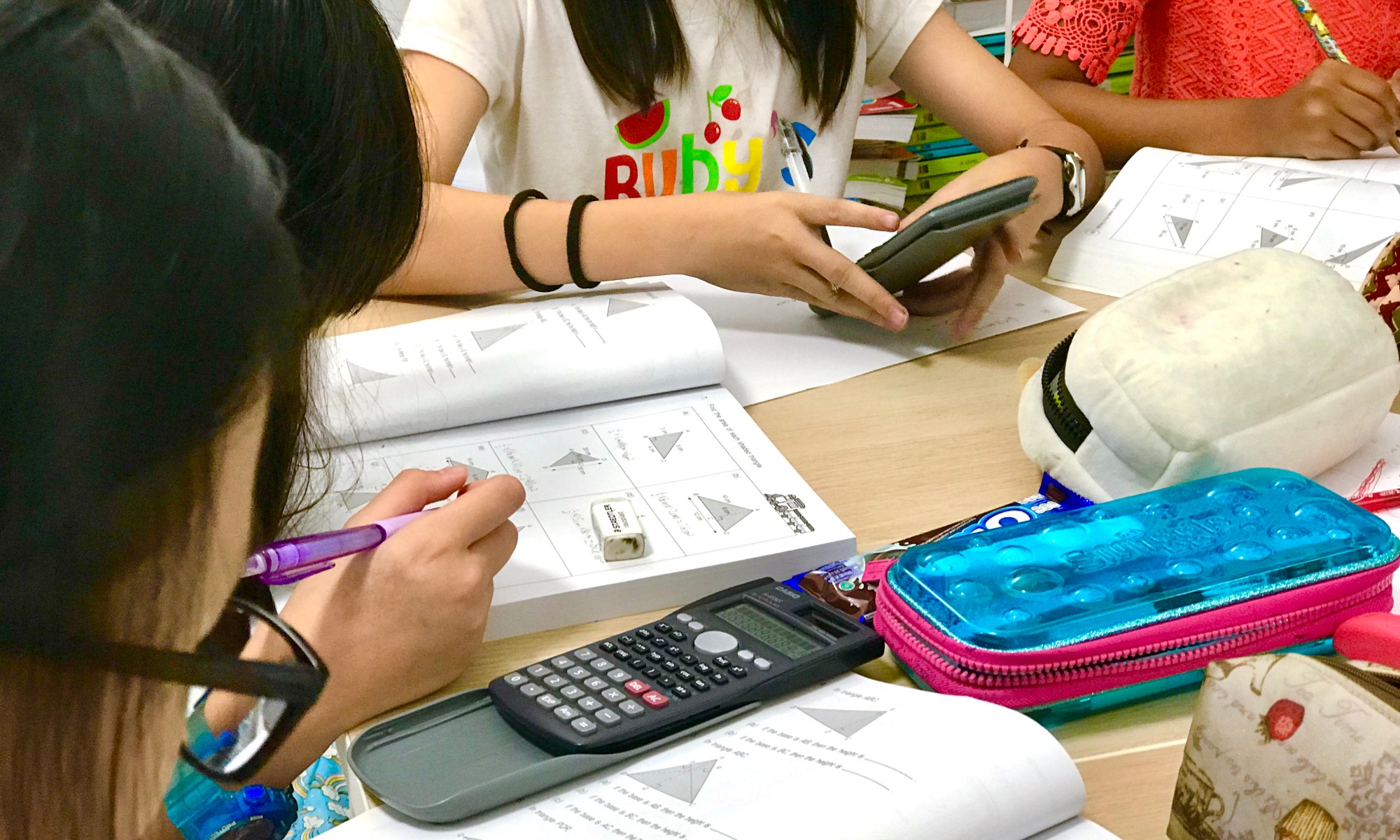
Effective ways to study Additional Mathematics. To study effectively for Additional Mathematics, you should start by reviewing the key concepts and formulas, and then practicing with problems to solidify your understanding. Study techniques for Additional Mathematics: You should also create a study schedule and set aside regular study time, break up your study sessions into manageable chunks, and take breaks to avoid burnout. Other tips include seeking help when you get stuck, working with a study group, and using additional resources such as textbooks, online tutorials, and past exam papers. In addition, it is important to stay motivated and focused by setting goals, tracking your progress, and celebrating small wins along the way. Maximize your study efforts for Additional Mathematics. By following these study strategies, you can improve your understanding of Additional Mathematics and perform well on exams. Acing Additional Mathematics: Study tips and tricks
Study effectively
Here’s some tips for studying Additional Mathematics. Studying effectively for GCE O level Additional Mathematics requires a solid understanding of the basic mathematical concepts as well as effective study strategies. Here are some tips to help you study effectively:
- Start early: Don’t wait until the last minute to start studying. Begin preparing for the exam weeks or even months in advance to ensure that you have enough time to review all the concepts and practice problems.
- Practice regularly: Consistent practice is key to mastering Additional Mathematics. Set aside time every day to practice solving problems and reviewing concepts. Make use of practice papers and previous exam papers to get a sense of the types of questions that may be asked.
- Focus on understanding: It’s important to focus on understanding the concepts rather than just memorizing formulas. Make sure you have a clear understanding of each concept before moving on to more complex problems.
- Seek help: Don’t be afraid to seek help from your teacher or tutor if you’re struggling with a particular concept. They can provide valuable insights and help you overcome any difficulties you may be having.
- Make use of visual aids: Drawing diagrams and graphs can be a helpful way to visualize complex concepts and understand them better.
- Take breaks: Taking regular breaks is important to prevent burnout and to help you retain information more effectively. Take short breaks every hour or so to rest and recharge your brain.
- Stay motivated: It’s important to stay motivated and focused during your studies. Set achievable goals for yourself, reward yourself for your progress, and stay positive and confident in your abilities.
Effective Additional Mathematics tuition involves personalized teaching and customized lesson plans to help students achieve their academic goals. A good Additional Mathematics tutor should have a strong understanding of the subject matter and be able to provide clear explanations and practice questions to help students build their understanding of complex mathematical concepts. Additionally, effective Additional Mathematics tuition should also incorporate strategies for improving study habits and time management, as well as providing support and guidance to students to help them build their confidence and motivation in the subject.
Setting Aside Time
Setting aside time for studying is an important part of developing good study habits. Here are some tips on how to set a study schedule:
- Set aside a specific time: Choose a specific time of day when you’re most alert and focused to study. This could be in the morning, afternoon, or evening, depending on your personal preference and schedule.
- Determine the duration: Decide on how long you want to study for. It’s recommended to study for 30-60 minutes at a time, with short breaks in between to help you stay focused.
- Be consistent: Consistency is key to developing good study habits. Try to study at the same time every day, or at least on a regular schedule.
- Prioritize your tasks: Make a list of the tasks that you need to complete and prioritize them based on their importance and urgency. Focus on the most important tasks first, and try to complete them during your scheduled study time.
- Use a planner: Use a planner or calendar to keep track of your study schedule and other important tasks. This can help you stay organized and make sure that you’re making progress towards your goals.
- Minimize distractions: Make sure to eliminate distractions during your study time. Turn off your phone, log out of social media, and find a quiet, comfortable space to work in.
- Be flexible: Be prepared to adjust your study schedule if needed. Life can be unpredictable, and sometimes you may need to change your study time to accommodate other responsibilities or unexpected events. Be willing to be flexible and adapt as needed.
There are many study techniques that can be helpful for students, Boost your Additional Mathematics grades with these study methods, here are a few:
- Active reading: Rather than simply reading a text, try to actively engage with the material by highlighting important passages, writing summaries, or asking questions.
- Practice problems: Practice problems can help you reinforce what you have learned and prepare you for tests or exams.
- Note-taking: Taking good notes can help you stay organized and better understand the material. Use an outline format, write down key concepts, and review your notes regularly.
- Flashcards: Flashcards can be a useful tool for memorizing key facts or concepts. Write the term or question on one side and the answer on the other.
- Mnemonics: Mnemonics are memory aids that can help you remember complex information. You can create a rhyme, acronym, or visual image to help you recall the information.
- Concept mapping: Concept mapping is a visual tool that can help you organize and connect ideas. Start with a central concept and add branches for related concepts.
- Time management: Good time management skills are essential for effective studying. Use a planner or schedule to manage your time and prioritize your tasks.
- Group study: Studying with a group can be helpful for reviewing material, discussing complex concepts, and getting feedback from others.
- Active learning: Engage with the material by asking questions, participating in class discussions, and seeking out additional resources.
- Self-testing: Regular self-testing can help you assess your understanding of the material and identify areas where you need additional practice or review.
Note Taking
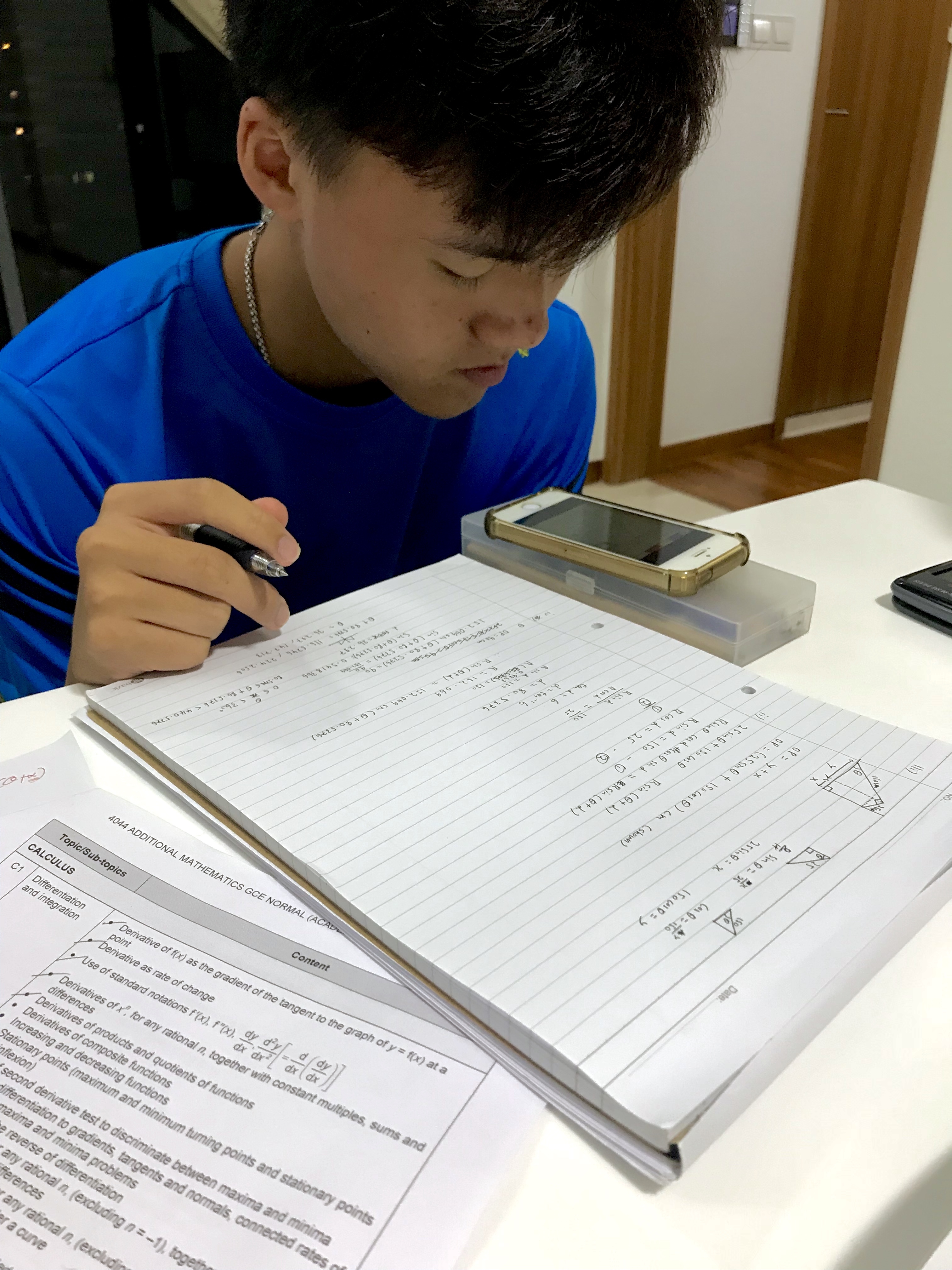
Note-taking is a process of recording and organizing information that you want to remember. It is an important skill that helps you to retain and recall important information from lectures, textbooks, or any other sources of information. Effective note-taking techniques vary depending on the type of material being covered and the individual’s learning style. Some common note-taking techniques include the Cornell Method, mind mapping, outlining, and mapping. Good note-taking involves listening carefully, identifying key points, and organizing them in a way that makes sense to you. By taking effective notes, you can improve your comprehension, recall, and ability to apply the information in your studies.
- Cornell Method: This method involves dividing your page into three sections: a large note-taking area, a smaller cue or prompt column, and a summary section at the bottom. It’s a structured way to organize your notes and make them easier to review later.
- Mind Mapping: Mind mapping is a visual note-taking technique that involves creating a central idea or concept and branching out into related ideas or subtopics. This technique can help you see the big picture and make connections between different ideas.
- Outline Method: The outline method involves creating a hierarchical structure of headings and subheadings. It’s a linear way to organize your notes and can be especially useful for taking notes during lectures or while reading textbooks.
- Mapping Method: The mapping method involves creating a visual map of your notes, similar to a mind map. However, instead of branching out from a central concept, you start with a main idea and create related branches that connect to it.
- Charting Method: The charting method involves creating a table or chart to organize your notes. This can be a useful technique for comparing and contrasting different ideas or for organizing information by category.
- Sentence Method: The sentence method involves writing down key points or ideas in complete sentences. This can be a useful technique for capturing detailed information and can be especially helpful for studying material that requires a lot of memorization.
- Abbreviation Method: The abbreviation method involves using symbols and abbreviations to take notes more quickly. This can be a useful technique for taking notes during lectures or when you need to capture a lot of information quickly.
What to expect in GCE O levels Additional Mathematics?
Scoring distinctions in Additional Mathematics requires consistent and effective study habits. One recommended method is to practice regularly, starting with a review of fundamental concepts and working through progressively more challenging problems. It is important to develop a solid understanding of the key formulas and concepts and to be able to apply them to different types of problems. Another effective method is to seek out additional resources such as online tutorials, textbooks, and past exam papers. These resources can help you to identify your weaknesses and practice with a range of problems that are similar to those that you may encounter on exams.
In addition, it is important to stay organized and to keep track of your progress by setting goals and tracking your scores. By using effective study habits and taking advantage of additional resources, you can improve your understanding of Additional Mathematics and increase your chances of scoring a distinction on exams.
GCE O level Additional Mathematics is a subject that is typically taken by students in Singapore and other countries in the region. It builds upon the foundation of secondary level mathematics and provides students with a deeper understanding of algebra, geometry, and trigonometry.
The syllabus covers a wide range of topics, including functions, quadratic equations, polynomials, trigonometric functions, differentiation, integration, and vectors. Students are expected to have a strong understanding of basic mathematics concepts and to be able to apply these concepts to solve more complex problems.
The GCE O level Additional Mathematics examination typically consists of two papers, both of which are 2.5 hours long. The first paper consists of multiple-choice questions, while the second paper includes structured and open-ended questions that require more detailed answers.
A strong foundation in Additional Mathematics is important for students who plan to pursue further studies in fields such as science, technology, engineering, and mathematics. It is also an important subject for students who wish to pursue careers in finance, data analysis, and other related fields.
Additional Mathematics Tutors
Experienced Additional Mathematics tutors have a deep understanding of the subject matter and are able to explain complex concepts in a clear and concise way. They have a strong foundation in mathematics and are able to provide a wide range of examples and practice problems to help students improve their skills and confidence in the subject. Additionally, experienced Additional Mathematics tutors are able to adapt their teaching methods to match the learning style of the student, and can provide individualized support and guidance to help students overcome their challenges and achieve their academic goals. They should also be able to provide feedback and assess the progress of the student to ensure that the learning objectives are being met.
Finding a good tutor for Additional Mathematics can be a daunting task, but here are some tips to help you get started:
- Ask for recommendations: Ask your school or friends and family if they know of any good tutors. They may have had a positive experience with a particular tutor or may know someone who can provide you with a recommendation.
- Search online: There are many online platforms that can connect you with qualified and experienced tutors. Look for reputable websites that have a good track record of connecting students with quality tutors.
- Check qualifications: Look for tutors who have the relevant qualifications and experience teaching Additional Mathematics. They should have a strong foundation in mathematics and a deep understanding of the subject matter.
- Ask for references: Good tutors should be able to provide you with references from past students or parents. Contact these references to get a sense of the tutor’s teaching style and effectiveness.
- Conduct interviews: Once you have a shortlist of potential tutors, set up a meeting or interview to get to know them better. Ask them about their teaching approach, experience, and qualifications.
- Consider compatibility: It’s important to find a tutor who is compatible with your learning style and personality. Look for someone who is patient, encouraging, and supportive.
- Evaluate progress: After you start working with a tutor, make sure to regularly evaluate your progress and assess whether the tutor is helping you achieve your goals. If you’re not seeing the results you want, don’t be afraid to switch to a different tutor.
Studying hard for exams is important for several reasons. First, it helps you to develop a deep understanding of the material that you are learning, which is important for long-term retention and success. Second, it can increase your confidence and reduce your stress level during exams. Third, it can help you to perform well on exams and achieve good grades, which can lead to further educational and career opportunities. Fourth, it can help you to develop important study habits and skills that will benefit you throughout your life.
Finally, it is an investment in your future, as the knowledge and skills you gain through your studies can help you to achieve your goals and aspirations. By studying hard and preparing thoroughly for exams, you can improve your academic performance and achieve success in your studies and in your future endeavors.
 eduKate Singapore English Maths Science Small Group Tuition