

Do not stop at University.
Start inculcating the idea in our kids that learning does not stop when school stops. Life-long learning in education is the idea that learning is not limited to the years spent in formal education but continues throughout an individual’s life. It is the process of acquiring knowledge, skills, and abilities beyond the traditional schooling age, life-long learning is an essential component of personal and professional development. It helps individuals to remain engaged, informed, and competitive, and is an important tool for achieving personal and professional goals.
In the modern world, knowledge and technology are advancing at an unprecedented pace, and the skills required to thrive in the workplace are constantly changing. As a result, life-long learning has become an essential requirement for maintaining professional skills and remaining competitive in the job market.
The benefits of life-long learning are numerous. First and foremost, it enables individuals to stay up-to-date with the latest advances in their fields of interest. It allows them to acquire new skills and knowledge, which can be applied to their personal and professional lives.
Life-long learning also helps individuals to remain intellectually engaged, and to continue to pursue their passions and interests. It provides opportunities to meet new people, to network, and to discover new areas of interest.
For many individuals, life-long learning is a means of staying intellectually active and socially connected. As people age, they may experience a decline in their cognitive abilities, and life-long learning has been shown to be a powerful tool for maintaining cognitive function and overall mental well-being.
Educational institutions have recognized the importance of life-long learning and have begun to offer a wide range of programs and courses that cater to the needs of learners at all stages of life. These programs include continuing education courses, professional development programs, and online learning opportunities.
Front loading education: Benefits and strategies
Front loading is a teaching strategy that involves introducing students to key concepts, vocabulary, and skills before a lesson or unit of study. The goal of front loading is to provide students with a foundation of knowledge and understanding that they can build upon during the lesson or unit, front loading is an effective teaching strategy that can help students better understand and engage with new material, while also helping to bridge prior knowledge gaps.
Front loading is often used to help students with prior knowledge gaps or who may struggle with complex or abstract concepts. By introducing essential concepts and skills beforehand, students are better equipped to engage with new material and make meaningful connections.
Front loading can take many forms, such as pre-teaching key vocabulary, reviewing foundational knowledge, or providing relevant background information. It can be done through a variety of activities, such as reading, discussions, or hands-on experiences.
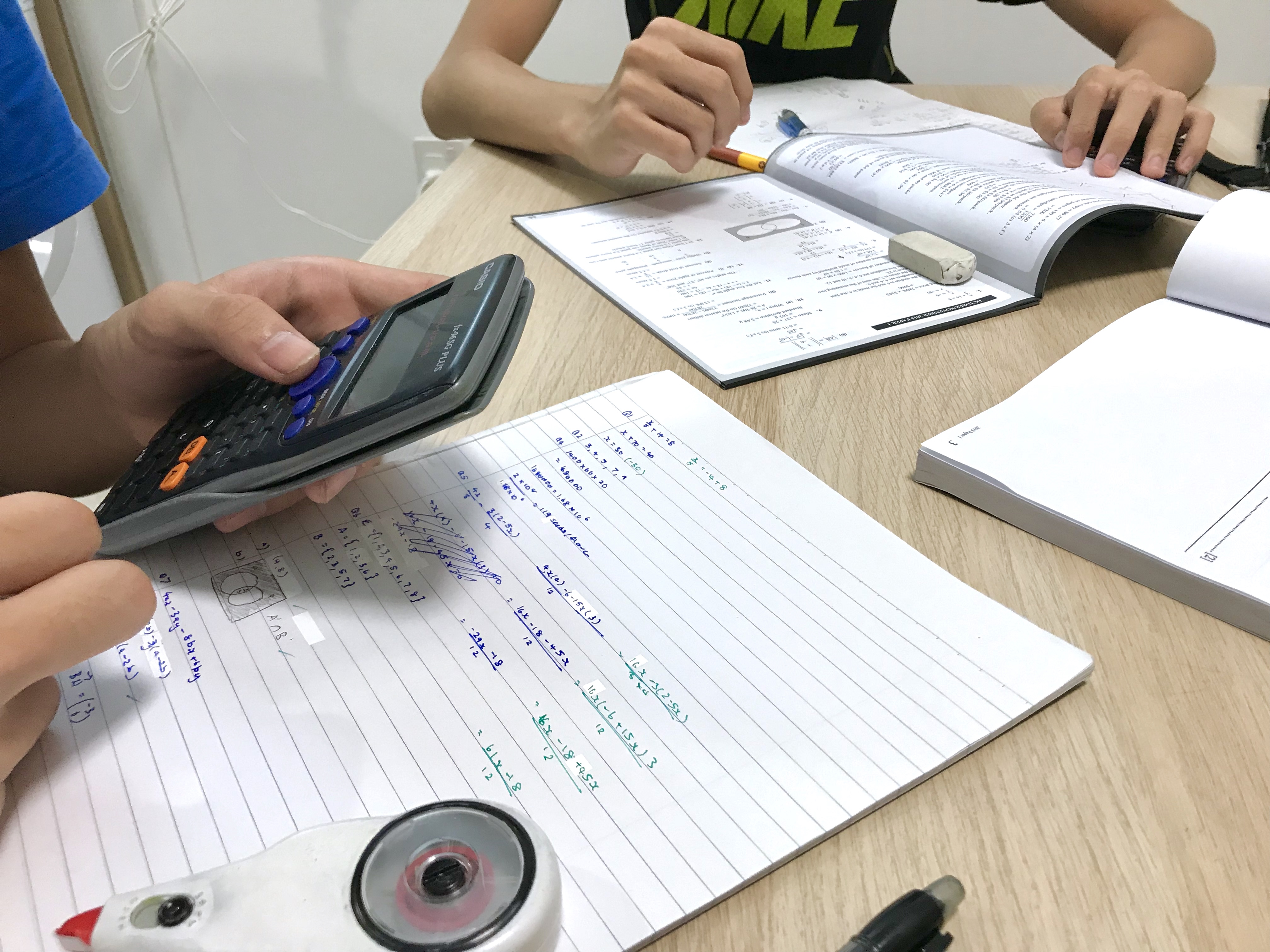
How to front load students for academic success. Strategies for effective front loading in the classroom
Here are some ways to front load a student:
- Previewing: Before starting a new topic, have students look at the material beforehand. This can include reading the first chapter of a book or article, watching a related video, or looking up key terms and concepts.
- Vocabulary: Identify key terms and concepts that students will encounter in the new material. Provide a list of these words and their definitions, and give students the opportunity to practice using them.
- KWL chart: A KWL chart is a tool that helps students to identify what they know, what they want to know, and what they have learned about a topic. This is an excellent way to front load as it helps students to identify gaps in their knowledge and questions they may have about the new topic.
- Graphic organizers: Graphic organizers can help students to organize information and understand the relationships between different concepts. These can include mind maps, Venn diagrams, and flowcharts.
- Real-life examples: Providing real-life examples of the new material can help students to understand how it applies to their lives. This can help to make the material more relatable and engaging.
- Summarizing: After introducing new material, have students summarize what they have learned. This will help them to solidify their understanding of the material and identify any gaps in their knowledge that may need to be addressed.
It is a way of preparing students for upcoming material and helps to build background knowledge and create a foundation for deeper learning. This strategy has been shown to be effective in promoting student engagement, improving comprehension, and increasing retention.
Front loading can take many different forms, from providing a brief overview of a unit to providing students with background information about a specific topic. The goal is to provide students with a framework for understanding the upcoming material and to build connections between new information and what students already know.
One of the most common ways to front load education is through the use of advance organizers. An advance organizer is a tool that helps students to understand how new information relates to their existing knowledge. This can take the form of a graphic organizer, a mind map, or a simple outline. By providing students with an advance organizer before a lesson or unit, teachers can help to focus students’ attention and prepare them for deeper learning.
Another way to front load education is through the use of pre-reading or pre-viewing activities. This involves giving students an opportunity to preview upcoming material before they actually engage with it. This can take the form of a short video, a reading assignment, or a class discussion. By providing students with an opportunity to preview the material before the actual lesson, teachers can help to build background knowledge and create a foundation for deeper learning.
The advantages of front loading to maximise education
The impact of front loading on student achievement, there are many benefits to front loading in education. For one, it can help to increase student engagement. By providing students with an overview of what they will be learning, teachers can help to pique their interest and build excitement about the upcoming material and maximizing student potential. Additionally, front loading can help to improve comprehension. By providing students with a framework for understanding the upcoming material, teachers can help to ensure that students are better able to make sense of the material when they engage with it. Finally, front loading can help to increase retention. By providing students with a foundation for deeper learning, teachers can help to ensure that students are better able to remember the material over time.
However, one of the main criticisms of front loading is that it can be overwhelming for students. If too much information is presented too quickly, students may struggle to retain the information or to see how it fits together. This can lead to frustration and a sense of being left behind, which can in turn discourage students from wanting to learn or engage with the material.
Additionally, front loading can sometimes lead to a focus on rote memorization rather than understanding. If students are presented with a large amount of information all at once, they may be more likely to try to memorize it without fully understanding what it means or how it fits into a larger context. This can make it difficult for them to apply what they have learned to new situations or to think critically about the material.
Another potential negative of front loading is that it can be difficult to engage students who are not already interested in the topic. If students are given a lot of information all at once, they may be less likely to find the topic interesting or relevant to their lives. This can make it more difficult for them to engage with the material and to stay motivated to learn.
Finally, front loading can also be expensive and time-consuming for educators. Preparing materials and delivering them to students takes time and resources, and if the information is not delivered effectively, it may not provide any benefit.
Front loading education: A key to lifelong learning
Front loading in education is a powerful strategy for preparing students for upcoming material. By providing students with an overview of what they will be learning, teachers can help to build background knowledge, create a foundation for deeper learning, and increase student engagement, comprehension, and retention. Whether through the use of advance organizers, pre-reading activities, or other means, front loading is an effective way to promote lifelong learning and help students to achieve their full potential. As long as we don’t make front loading become too much of a chore and navigate students through potential pitfalls, it remains a good method of studying.
Why Lifelong Learning and front loading our students? Both are ideas that we would want kids to embrace and if they start incorporating good habits into their life like front loading in education, it will become a lifelong skill which helps them to continuously learn, more efficiently and also to filter through things they like and put effort into, or immediately decide that it will not be worthy of further pursuit. Sort of a prelude to what they want to spend time and effort on.
Lifelong learning is the process of learning continuously throughout one’s life. It is an essential practice that helps individuals to acquire new knowledge and skills, develop new interests, and stay relevant in today’s rapidly changing world. The pursuit of lifelong learning can be pursued through various means such as formal education, self-directed learning, and experiential learning. This essay will discuss the importance of lifelong learning, the benefits of lifelong learning, and how one can achieve lifelong learning.
The Importance of Lifelong Learning The world is rapidly changing, and as technology advances, so do the needs of the workforce. This means that individuals who do not adapt to the changes will be left behind. This is why it is essential to embrace the concept of lifelong learning. By continuing to learn, individuals can acquire new skills and knowledge, stay up to date with current trends and technology, and improve their employability.
The Benefits of Lifelong Learning
There are many benefits to lifelong learning, some of which include:
- Career advancement: By learning new skills and improving their knowledge, individuals can advance their careers and take on more challenging roles.
- Personal growth: Lifelong learning helps individuals to broaden their horizons, acquire new perspectives, and develop new interests, which can lead to personal growth.
- Improved cognitive function: Research has shown that learning can help improve cognitive function, memory, and critical thinking skills.
- Increased self-confidence: As individuals learn new things and gain new skills, they become more confident in their abilities.
- Improved well-being: Lifelong learning can help reduce stress, improve mental health, and promote a sense of well-being.
How to Achieve Lifelong Learning
Achieving lifelong learning is a continuous process that requires effort, time, and resources. Here are some ways to achieve lifelong learning:
- Formal education: Formal education is the most traditional way of achieving lifelong learning. It involves enrolling in courses, attending lectures, and completing assignments.
- Self-directed learning: Self-directed learning involves setting learning goals, identifying resources, and learning independently. This type of learning can be achieved through reading, online courses, or attending conferences.
- Experiential learning: Experiential learning involves learning by doing. This type of learning can be achieved through internships, volunteering, or apprenticeships.
- Use technology: Technology has made it easier than ever to achieve lifelong learning. Online resources, e-learning, and educational apps are just a few examples of how technology can be used to achieve lifelong learning.
The Bottom Line, lifelong learning is essential for personal growth, career advancement, and well-being. It is a continuous process that requires effort, time, and resources. There are various ways to achieve lifelong learning, and it is up to individuals to choose the methods that work best for them. By embracing the concept of lifelong learning, individuals can stay relevant in today’s rapidly changing world, and continue to grow and develop throughout their lives.
Encouraging lifelong learning is an important part of education. Here are some ways to help students develop a love for learning that lasts a lifetime:
- Foster a Growth Mindset: Teach students that their abilities can be developed through hard work and dedication. Encourage them to embrace challenges and persevere in the face of setbacks.
- Encourage Exploration: Encourage students to explore their interests and try new things. Provide them with opportunities to learn about different subjects and engage in activities that interest them.
- Teach Study Skills: Help students develop effective study skills that will enable them to learn more efficiently and effectively. Teach them strategies for note-taking, time management, and goal-setting.
- Promote Active Learning: Encourage students to actively engage with the material they are learning. Encourage them to ask questions, participate in class discussions, and apply what they are learning to real-world situations.
- Model Lifelong Learning: Be a role model for your students by demonstrating a love for learning yourself. Share with them your own experiences with lifelong learning and how it has benefited you.
By implementing these strategies, educators can help students develop a passion for learning that will last a lifetime. With students learning throughout their lives, promoting innovation and creativity in lifelong learning is crucial for staying relevant and competitive in today’s rapidly changing world. The ability to innovate and think creatively is essential for developing new ideas, improving existing processes, and adapting to new technologies and market trends. It can help individuals and organizations to stay ahead of the curve and achieve greater success in their endeavors. Lifelong learners should be encouraged to explore new ideas, concepts, and technologies. They should be provided with opportunities to engage in diverse experiences and perspectives, which can broaden their thinking and foster creativity.
Failure is an essential part of the learning process. It can help to identify areas for improvement and provide valuable feedback for future endeavors. Lifelong learners should be encouraged to take risks, experiment with new ideas, and learn from their failures.
Innovation and creativity often emerge from collaboration and teamwork. Lifelong learners should be given opportunities to work in groups, share ideas, and collaborate on projects. This can help to generate new ideas and perspectives, as well as develop critical thinking and problem-solving skills.
There are many life-long lessons that individuals can learn, but some of the most important ones include:
- Continuous learning: Always be willing to learn and grow, both personally and professionally.
- Time management: Learn to manage your time efficiently and effectively, so you can prioritize your tasks and achieve your goals.
- Effective communication: Learn how to communicate effectively with others, whether it’s in person, over the phone, or in writing. Communication is an essential life skill that we can always work on. Improving our ability to communicate effectively can help us in our personal and professional lives.
- Goal-setting: Set clear, achievable goals for yourself and work towards achieving them.
- Problem-solving: Problem-solving is a skill that we can always improve. Learning how to approach problems from different angles can help us become more effective problem-solvers.
- Resilience: Learn how to bounce back from setbacks and overcome obstacles in order to achieve success.
- Adaptability: Be willing to adapt to changing circumstances and be flexible in your thinking and approach.
- Empathy: Develop your ability to understand and empathize with others, and be willing to see things from their perspective.
- Self-awareness: Understand your own strengths and weaknesses, and work to improve in areas where you may be lacking.
- Financial literacy: Learn how to manage your finances effectively and make informed decisions about money.
- Technology: Technology is constantly changing, and there is always something new to learn. Staying up-to-date on the latest advancements in technology can help us stay relevant in our professional lives.
- Health and wellness: Take care of your physical, emotional, and mental well-being, and develop healthy habits that will last a lifetime.
- Creativity: Creativity is not just for artists and writers. We can all benefit from learning how to think more creatively and come up with innovative solutions to problems.
- Leadership: Whether we are leading a team at work or in our personal lives, there is always more to learn about how to be an effective leader.
- History and culture: Learning about different cultures and their history can help us become more empathetic and understanding of others.
Stay relevant to twilight years.
The world is constantly evolving, and this has been made more evident with the rapid advancement of technology. As such, it is increasingly important for individuals to be able to adapt to changes in the workforce and the ever-changing demands of the economy. One of the most effective ways to achieve this is through lifelong learning.
The digital age has made lifelong learning more accessible and convenient than ever before. Online courses, webinars, and educational resources are widely available, allowing individuals to learn at their own pace and on their own schedule. This flexibility makes it possible for people to balance their work and personal commitments with ongoing education.
Another significant advantage of lifelong learning in the digital age is the ability to connect with people from all over the world. Online platforms and social media make it possible to collaborate with others, share knowledge and experiences, and expand one’s network.
In addition, the digital age has brought about new ways of learning that are interactive and engaging. For example, virtual and augmented reality technologies enable immersive learning experiences that simulate real-world scenarios. Gamification techniques, such as the use of game elements in educational settings, can also make learning more fun and engaging.
Despite the many benefits of lifelong learning in the digital age, there are also challenges that must be addressed. One of the main challenges is the digital divide, which refers to the gap between those who have access to technology and those who do not. It is important to ensure that everyone has equal access to educational resources and opportunities to prevent further disparities.
Moreover, with the abundance of information available online, it can be challenging to discern what is reliable and accurate. It is essential to develop critical thinking skills to evaluate sources of information and ensure that the knowledge gained is credible and applicable.
 eduKate Singapore English Maths Science Small Group Tuition