

How to Improve Secondary 1 Mathematics with Bukit Timah Tuition
Excellence Teaching with Distinction Results
Discover how Bukit Timah small-group tuition can elevate Secondary 1 Mathematics. Learn evidence-based strategies, expert teaching methods, and how to achieve distinction results.
Building Strong Foundations
- Reinforce Primary 6 concepts (fractions, ratios, percentages, decimals) before moving into Secondary 1 topics.
- Teach students to connect PSLE Math with Secondary Math (e.g., algebra as an extension of arithmetic).
- Clarify mathematical vocabulary and ensure students understand definitions precisely.
Mastering Algebra Early
- Focus on algebra basics: simplifying expressions, solving linear equations, understanding brackets.
- Correct common misconceptions (e.g., negative signs, distributive law).
- Provide structured practice sets that gradually increase in difficulty.
Problem-Solving & Application
- Train students in step-by-step methods for word problems.
- Encourage model drawing → algebra translation to bridge Primary to Secondary methods.
- Introduce heuristics such as “draw diagrams, identify patterns, and test cases.”
Exam Technique
- Teach time management strategies for Paper 1 (no calculator) and Paper 2 (calculator allowed).
- Provide past-year papers for familiarity with exam formats.
- Train students to check answers systematically to avoid careless mistakes.
Personalised Coaching
- Diagnose weak areas with diagnostic tests.
- Provide customised worksheets targeting gaps (e.g., algebra vs geometry).
- Use spaced repetition and retrieval practice to improve retention.
Confidence & Motivation
- Set small, achievable targets to build momentum.
- Use real-world applications (shopping discounts, speed/time/distance in travel) to make math meaningful.
- Encourage students to explain solutions aloud to strengthen conceptual clarity.
Consistent Monitoring
- Review errors and analyse why mistakes happen (conceptual, careless, or misread questions).
- Track progress with weekly mini-tests.
- Give parents feedback reports on strengths and areas needing support.
Introduction
Secondary 1 marks a pivotal shift for students in Singapore. Mathematics evolves from mostly arithmetic and visuals to symbolic algebra, proofs, and more abstract reasoning. For many students, this jump is disorienting — causing confidence dips, topic gaps, and performance issues.
With Bukit Timah tuition, it’s possible not just to survive but excel in Secondary 1 Mathematics. Through excellence teaching methods, small group attention, and data-driven feedback, students can reach distinction results (A’s or top grades) while building a strong foundation for upper secondary challenges.
This article will cover:
- Why the Secondary 1 year is critical
- Common pitfalls and difficulties
- How top-tier Bukit Timah tuition approaches improvement
- Strategies for parents & students to maximise gains
- What to look for in a quality tuition provider
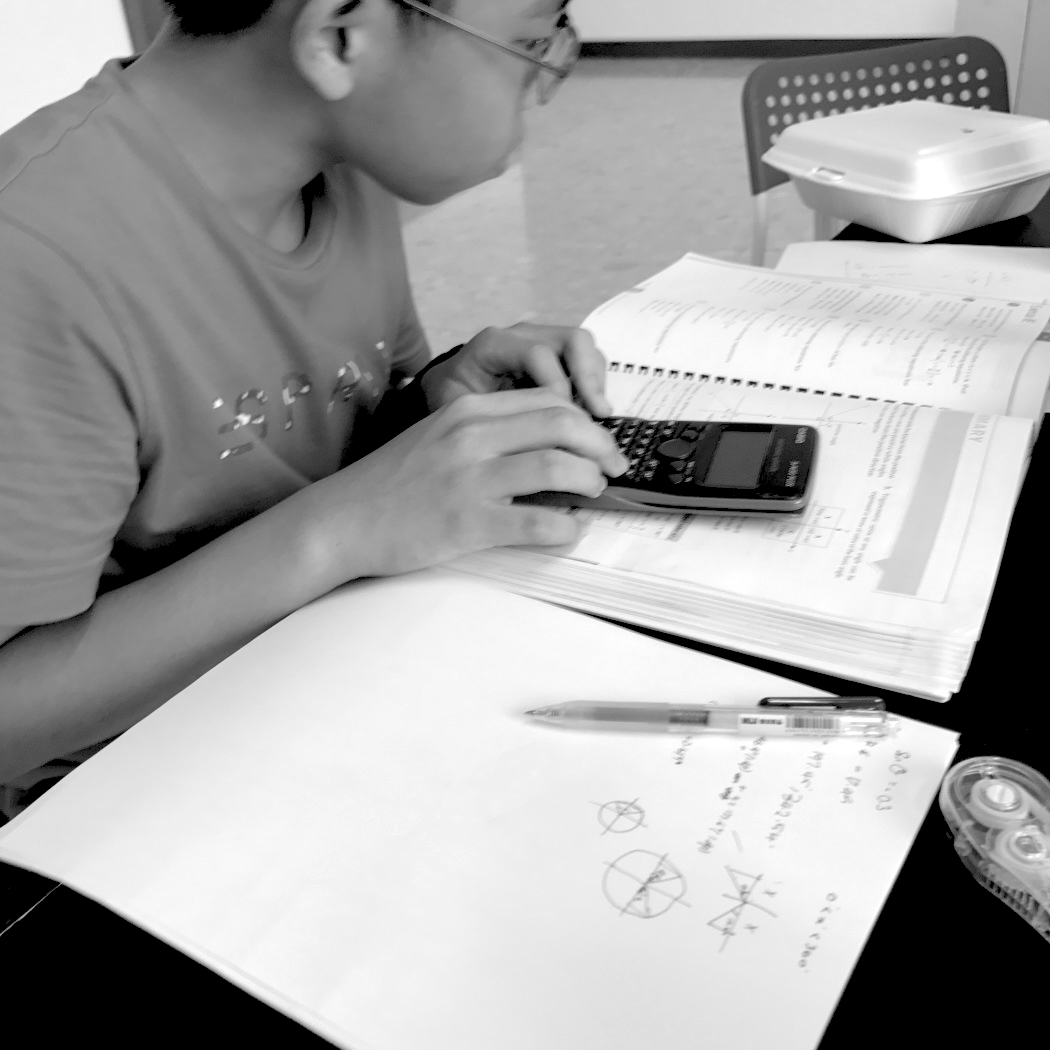
Why Secondary 1 Mathematics Is So Crucial
The Conceptual Leap
In Primary school, mathematics often relies on concrete models, visual illustrations, and step-by-step procedures. In Secondary 1, students must begin working with algebraic variables, symbolic manipulation, and proofs. Many children find this leap tough. As noted by education commentators, “the uncertainty raises after the child finishes P6 and today faces Secondary 1, a completely different kind of math children may find daunting to learn.” (advancedlearning.com.sg)
If a student fails to internalize algebraic thinking early, the difficulty compounds in later years. As one article argues, many math challenges in school stem not from innate difficulty but from lack of good foundation in earlier topics. (Superstar Teacher)
Anxiety, Gaps & Low Progress
In Singapore’s high-performance education system, students who fall behind in early secondary years often struggle to catch up. Research on “low progress math in a high performing system” shows that math anxiety correlates negatively with performance, especially among students in math support programmes. (arXiv)
Early intervention in Secondary 1 can avoid the cycle of anxiety → avoidance → further skill erosion.
Common Challenges in Sec 1 Mathematics
| Domain | Typical Struggle | Root Cause |
|---|---|---|
| Algebra | Confusion when introducing variables & expressions | Transition from arithmetic to symbolic logic |
| Indices & Powers | Misapplication of rules | Weak grasp of multiplication foundations |
| Geometry & Proofs | Difficulty constructing logical proofs | Lack of experience in structured reasoning |
| Word Problems | Translating English to math | Weak reading comprehension + ignoring key information |
| Pacing & Exam Skills | Leaving questions unanswered | Lack of timed practice |
Because mathematics is cumulative, gaps in any of these domains tend to cascade into bigger difficulties in Sec 2–4.
How Bukit Timah Tuition Can Drive Improvement
Here’s how a well-executed tuition programme in Bukit Timah can turn a struggling Sec 1 math student into a distinction performer:
1. Small-Group, High Attention Format
A class size of 3 students strikes a balance: interactive learning plus personal feedback. Tutors can monitor each student’s reasoning, spot misconceptions early, and adapt pacing accordingly.
2. First-Principles & Conceptual Teaching
Instead of “here’s the formula, use it,” tutors work from first principles: e.g. why x + y = y + x, how index laws extend from repeated multiplication, how proofs are structured logically. This builds deeper understanding rather than superficial memorisation.
3. Diagnostic Assessments & Gap Closure
Early assessments profile each student’s strengths and weaknesses (e.g. algebraic simplification, reading comprehension in word questions). The tutor uses this data to design bridging lessons — closing gaps before moving ahead.
4. Scaffolded Progression
Rather than pushing all topics at once, the tuition programme introduces new content only after mastery of prior concepts. For example: master simple algebra before tackling simultaneous equations.
5. Encourage Student Explanation & Peer Teaching
Studies show that self-explanation (SE) and peer explanation (PE) help consolidate both conceptual and procedural understanding. (arXiv) In practice, students explain a solution to each other, or reflect in writing, which helps solidify knowledge and uncover weak spots.
6. Timed Practice & Exam Strategy
Regular drills under timed conditions teach pacing, allow students to internalise time allocation per mark, and reduce exam anxiety. Tutors also teach how to structure answers to maximize method marks even when getting stuck.
7. Regular Feedback & Communication
Tutors send progress reports, highlight persistent errors, and suggest home practices. Open parent-tutor communication ensures reinforcement at home.
Strategies Students & Parents Can Use
To maximise the effect of tuition, here are actionable strategies:
- Daily Micro Practice
Even 10–15 minutes a day on algebra, indices, or simple proofs helps solidify neural pathways. - Mistake Journals
Record each error, the correction, and why the mistake occurred. Review them weekly. - Teach What You Learn
Ask your child to explain a problem to you or a peer. This strengthens retention (supported by SE/PE research). (arXiv) - Prioritize Rest & Nutrition
Brain function is sensitive to sleep and diet. A rested, well-nourished brain learns faster, spots errors more easily, and maintains focus. - Don’t Skip Foundations
If a concept is shaky (e.g. algebra laws), pause and master it fully before moving on. Jumping ahead too fast invites compounding gaps. - Simulate Exams
From early in the year, simulate full math assessments under timed conditions so students get used to the pressure. - Frequent Review Cycles
Use spaced repetition. Topics learned early in the year should be revisited monthly, not forgotten.
What Distinguishes Excellence Tuition in Bukit Timah
When evaluating tuition options, look for these markers of excellence:
- Instructor credentials & track record (ex MOE/JC educators)
- Evidence of past student distinctions (testimonials, before/after scores)
- Use of data/diagnostics to guide teaching
- Small class sizes for meaningful interaction
- Integration of explanation strategies (SE/PE)
- Strong feedback loops with parents
- Curriculum design with scaffolded progression
- Focus on reasoning, not rote drilling
A tuition provider demonstrating these will likely produce distinction-level results.
Sample Success Story
A Sec 1 student began the year scoring 55–60% in her school’s math tests. Her struggles included misapplication of algebra rules and weak reasoning in geometry. After 8 months of targeted tuition in Bukit Timah, her performance shifted:
- Regular quizzes consistently over 80%
- She started explaining her own proofs to peers
- At year-end, she secured a distinction in mathematics, positioning her strongly for Sec 2 and beyond
This transformation was built through diagnostic intervention, scaffolded teaching, and continuous feedback.
Conclusion
Improving Secondary 1 Mathematics isn’t about throwing more worksheets at students — it’s about excellence teaching, early gap closure, scaffolded progression, and student engagement through explanation. With high-quality Bukit Timah tuition, supported by small classes, diagnostic methods, and feedback loops, it’s entirely feasible to guide students toward distinction-level results.
If you’re looking for a tuition provider in Bukit Timah that embodies these standards, reach out and compare whether their structure, track record, and methodology measure up to these benchmarks.

 eduKate Singapore English Maths Science Small Group Tuition