

Primary 2 Math Tuition | Primary 2 Mathematics Tutor (MOE SEAB Math Syllabus)
Start here for our Primary Tutorial main hub.
Why Start Primary 2 Math Tuition Early? A Simple Guide for Parents
Starting strong in Primary 2 Math builds the essential skills your child needs for the entire MOE Primary Math Syllabus, leading all the way to a confident PSLE performance.
At eduKateSG, our Primary 2 Mathematics tuition focuses on fun, hands-on learning from first principles using the Concrete-Pictorial-Abstract approach.
This helps children truly understand concepts like numbers to 1,000, fractions, time, and measurement—preventing future gaps that could affect PSLE Math scores.
We teach key problem-solving heuristics, such as model drawing and guess-and-check, in small groups or one-to-one sessions.
This early boost develops critical thinking and confidence, setting your child on the path to achieve AL1 in PSLE Math.
Strong Primary 2 foundations directly impact secondary school choices: excellent PSLE Math grades (AL1-AL3) open doors to top Integrated Programme schools like Raffles Girls’ School (COP around 5), Hwa Chong Institution, and Nanyang Girls’ High School (around 6).
Weaker starts may limit options to schools with higher COPs (20+).
By joining our Primary 2 Math tuition now, you’re investing in broader, better secondary pathways—giving your child access to elite programmes that bypass O-Levels and prepare for future success.
At a Glance: Benefits of eduKateSG Primary 2 Math Tuition
- Builds rock-solid foundations aligned with the latest MOE syllabus—no knowledge gaps later
- Uses proven CPA method: hands-on objects → drawings → numbers for deep understanding
- Masters early heuristics to excel in PSLE problem-solving and aim for AL1
- Small classes or personalised tutoring for quick confidence gains and better school results
- Directly improves PSLE Math score, unlocking top secondary schools (e.g., Raffles, Hwa Chong)
- Parents see real progress fast—stronger exams, less stress, more choices ahead
- Experienced tutors focused on making Math enjoyable and effective
Sign up today for Primary 2 Math tuition at eduKateSG and give your child the head start they deserve! Contact us to discuss a tailored plan.
Building a strong foundation in Primary 2 mathematics is crucial for long-term success, as it directly supports mastery of the MOE Primary Math Syllabus and prepares students for advanced topics in the PSLE Math Syllabus.
Early tuition helps children grasp concepts confidently, fostering PSLE Math Critical Thinking skills that lead to excellence in later years.
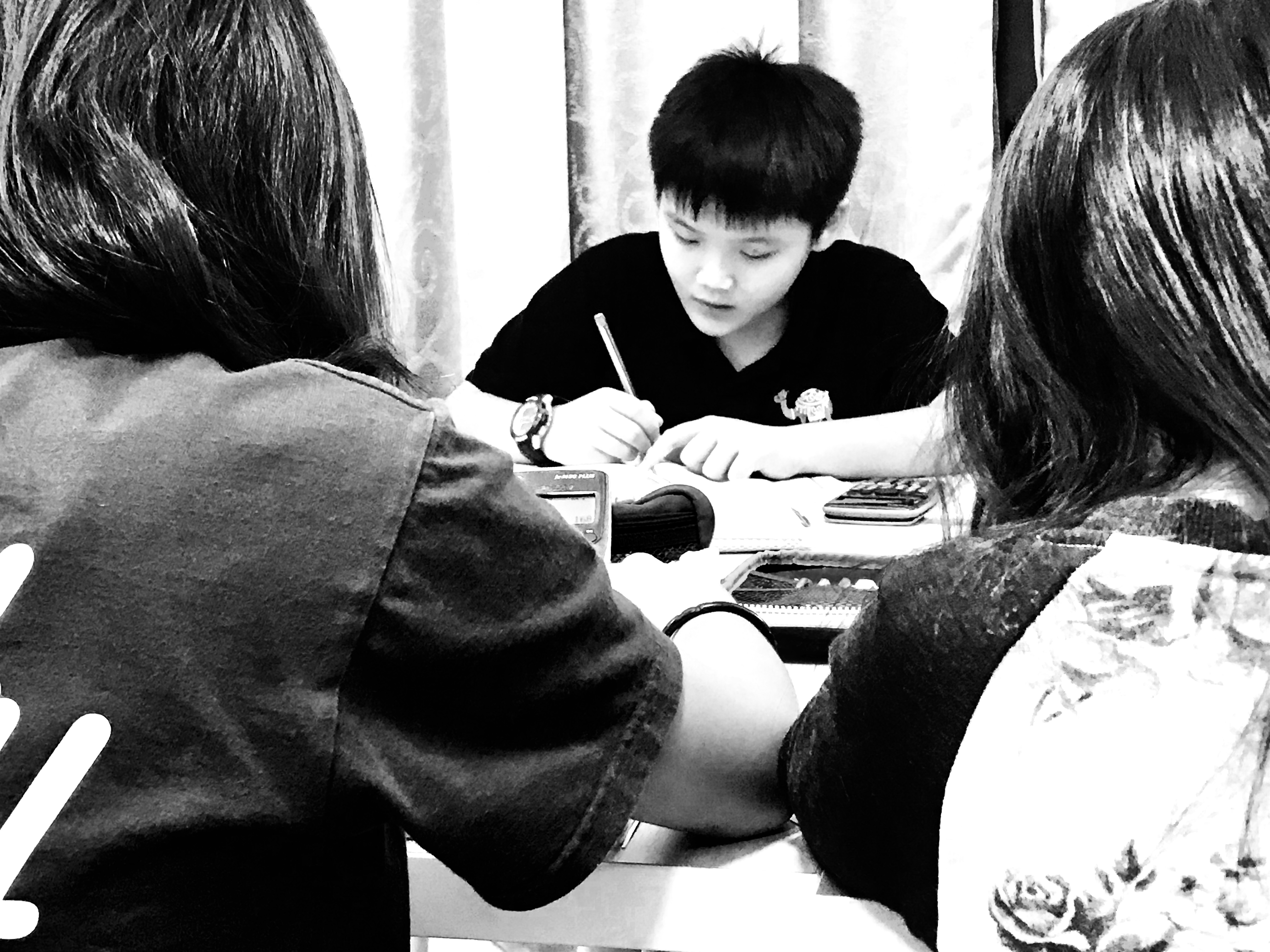
Why Primary 2 Math Matters for PSLE Success
Primary 2 introduces essential building blocks aligned with the latest MOE syllabus (updated December 2024). Mastering these early prevents gaps that affect Primary 6 Math Syllabus performance.
The PSLE Syllabus 2025 follows the 2013 framework for P6, but the 2021 syllabus applies to lower levels—ensuring progressive learning toward PSLE Math Algebra Ratio Circles and heuristics.
Strong P2 skills support strategies to Achieve AL1 PSLE Math, emphasizing conceptual understanding over rote learning.
Key Primary 2 Math Topics (MOE Syllabus)
From the official 2021 Primary Mathematics Syllabus (applicable to P2 in 2025):
Numbers and Algebra
- Whole numbers up to 1,000: Addition/subtraction (including mental calculations).
- Multiplication/division: Tables of 2, 3, 4, 5, 10; solving word problems.
- Fractions: Understanding as part of a whole; comparing/ordering; adding/subtracting like fractions.
- Money: Decimal notation, conversions, comparisons.
Measurement and Geometry
- Length (metres), mass (kg/g), volume (litres): Measuring and comparing.
- Time: Telling time to the minute; conversions between hours/minutes.
- Shapes: Identifying 2D/3D shapes; patterns with attributes.
- Picture graphs: Reading and interpreting data with scales.
These topics build procedural fluency and lay groundwork for PSLE Math Problem-Solving Strategies.
Benefits of Primary 2 Math Tuition
Tuition provides targeted support for the SEAB PSLE Math pathway:
- Personalized guidance on heuristics like model drawing and guess-and-check—key for PSLE Math Heuristics AL1.
- Early intervention boosts confidence, reducing anxiety for the PSLE Math Exam Format (two papers testing application).
- Small-group or 1-to-1 sessions align with PSLE Math Preparation Guide, focusing on critical thinking.
- Prepares for upcoming PSLE Math Syllabus Changes 2026 (full 2021 syllabus for P6, emphasizing reasoning).
Parents see quick improvements in school assessments, setting children on track for PSLE AL1 Tips.
Tips for Parents: Supporting Primary 2 Math at Home
Deliver fast, actionable advice:
- Practice daily: 15-20 minutes on weak areas like fractions or time.
- Use real-life examples: Shopping for money concepts; cooking for measurements.
- Encourage heuristics: Draw models for word problems to visualize.
- Review mistakes: Discuss why errors occur to build resilience.
- Link to PSLE: Highlight how P2 skills connect to advanced topics like ratio or circles.
Consistent home support complements tuition for a Complete Guide to PSLE Math Syllabus.
Exam Insights: From P2 to PSLE
The PSLE Math Exam Format includes Paper 1 (MCQ/short-answer) and Paper 2 (structured problems, calculator allowed)—total 100 marks.
PSLE Foundation Mathematics offers a gentler path if needed.
Focus on Singapore PSLE Syllabus Guide strategies: Understand problems, plan using heuristics, execute accurately, check answers.
Early P2 mastery aids non-routine questions requiring PSLE Math Critical Thinking.
How We Teach Primary 2 Math Students from First Principles
At eduKateSG, we teach Primary 2 Math using the proven Concrete-Pictorial-Abstract (CPA) approach, aligned with the MOE Primary Math Syllabus. This method builds deep understanding from first principles, ensuring students grasp concepts before advancing—essential for long-term success in the PSLE Math Syllabus.
Starting with Concrete Experiences
We begin every topic with hands-on manipulatives, allowing students to explore mathematical ideas through real objects. For numbers up to 1,000 or basic fractions, children use counters, base-10 blocks, or everyday items to physically add, subtract, group, and share. This concrete stage develops PSLE Math Critical Thinking by letting students discover patterns and relationships themselves, fostering intuition that supports PSLE Math Problem-Solving Strategies later.
Transitioning to Pictorial Representations
Once comfortable with concrete tools, we move to drawings and visual models, such as bar models, number bonds, and picture graphs. Students illustrate problems on paper—for example, drawing arrays for multiplication tables or parts for fractions. This bridges tangible experiences to symbols, reinforcing heuristics like model drawing, a key element in PSLE Math Heuristics AL1 and preparing for topics like PSLE Math Algebra Ratio Circles.
Mastering Abstract Concepts
Finally, we introduce numbers, equations, and symbols for efficient computation. Students solve problems using formal notation, but always linking back to prior stages for verification. This progression ensures fluency while emphasizing reasoning, helping students Achieve AL1 PSLE Math through strong foundations that align with the PSLE Syllabus 2025 and upcoming changes.
By teaching from first principles via CPA, we cultivate confidence and adaptability, guiding Primary 2 students toward mastery in the SEAB MOE PSLE Mathematics Guide and excellence in the PSLE Math Exam Format. This approach not only covers current topics but builds resilience for advanced Primary 6 Math Syllabus demands.
The Long-Term Impact of Primary 2 Math Performance on Secondary School Choices
Strong performance in Primary 2 Math lays essential foundations that directly influence PSLE Mathematics scores, often determining eligibility for top secondary schools. Under the Achievement Level (AL) system, where the total PSLE score ranges from 4 (best) to 32, excellence in Math—aiming for AL1 or AL2—can significantly lower the overall score, opening doors to prestigious options.
How PSLE Math Scores Shape Secondary School Options
A high PSLE Math AL (e.g., AL1-AL3) contributes to total scores of 4-8, qualifying students for elite Integrated Programme (IP) schools like Raffles Girls’ School (COP around 5), Hwa Chong Institution (around 6), and Nanyang Girls’ High School. These schools offer accelerated pathways bypassing O-Levels, with advanced curricula in areas like PSLE Math Algebra Ratio Circles.
The Consequences of Weaker Early Foundations
Gaps in Primary 2 concepts, such as numbers to 1,000, fractions, or measurement, often persist, leading to higher Math ALs (e.g., AL5-AL7) and total PSLE scores above 20. This typically limits choices to neighbourhood schools with higher COPs (22+), restricting access to specialised programmes and potentially affecting future streams under Full Subject-Based Banding.
Why Early Intervention at eduKateSG Changes Outcomes
Our Primary 2 tuition focuses on closing gaps from first principles using the CPA approach, building confidence and PSLE Math Critical Thinking early. Students aiming for choice schools benefit from targeted heuristics and problem-solving strategies, proven to help achieve AL1 in PSLE Math and secure spots in top institutions—empowering parents with broader, higher-quality secondary options for their child’s future.
Contact eduKateSG for expert Primary 2 Math tuition tailored to the SEAB MOE PSLE Mathematics Guide. Start early for AL1 success!
Resources
High-Authority External Links
- MOE Primary Mathematics Syllabus (Updated Dec 2024) – Official document detailing P1-P6 topics and implementation.
- SEAB PSLE Page – Exam formats, dates, and regulations for PSLE.
- MOE Primary Curriculum Overview – Syllabuses and updates across subjects.
Internal eduKateSG Links
- PSLE Science Tutor | Punggol Science Tuition for 2026
- Understanding the SEAB English Syllabus for 2024
- Top 100 PSLE Primary 6 Vocabulary List: Level Intermediate
- What are some strategies for reviewing and reinforcing learned vocabulary?
- About eduKate Singapore Tuition

 eduKate Singapore English Maths Science Small Group Tuition