

When to start Additional Mathematics Tuition? Sec 3 or Sec 4?
In the competitive landscape of Singapore’s secondary education, parents and students often ponder when to start Sec 3/Sec 4 Additional Mathematics Tuition to ensure a strong grasp of the subject. Additional Mathematics, commonly known as A-Math, is an elective that builds on Elementary Mathematics and introduces advanced concepts crucial for future studies in fields like engineering and sciences. For students preparing for the Singapore Examinations and Assessment Board (SEAB) examinations under the evolving SEC framework, timing this supplementary support can make a significant difference in performance and confidence.
Understanding the structure of the Additional Mathematics syllabus helps clarify when to start Sec 3/Sec 4 Additional Mathematics Tuition, as the subject is typically introduced in Secondary 3 and intensifies in Secondary 4. The syllabus, as outlined by the Ministry of Education (MOE), covers three main strands: Algebra, Geometry and Trigonometry, and Calculus. Algebra includes topics like quadratic functions, polynomials, and partial fractions, which require a solid foundation from earlier years to avoid early struggles.
Many students face common challenges that highlight the importance of deciding when to start Sec 3/Sec 4 Additional Mathematics Tuition before gaps widen. Weak prerequisites from Secondary 1 and 2, such as basic equations or graphing, can lead to difficulties in grasping surds, inequalities, or binomial expansions. According to insights from educational resources, these foundational issues often compound, making abstract concepts feel overwhelming without timely intervention.
The benefits of beginning early become evident when considering when to start Sec 3/Sec 4 Additional Mathematics Tuition, particularly at the onset of Secondary 3. Early tuition allows students to preview topics like trigonometric identities and coordinate geometry, fostering familiarity and reducing anxiety. Research from platforms like Khan Academy, which offers free tutorials aligned with global standards, shows that proactive learning enhances retention and application skills.
Examining the difficulty level further underscores when to start Sec 3/Sec 4 Additional Mathematics Tuition to mitigate perceived hardness. The SEAB examinations demand multi-step problem-solving and logical reasoning, with papers featuring a mix of short and structured questions that test real-world applications. Students who delay support might struggle with time management during the 2-hour 15-minute papers, where precision in calculus techniques like differentiation and integration is essential.
Parents should evaluate their child’s readiness when determining when to start Sec 3/Sec 4 Additional Mathematics Tuition, ideally during the transition from Secondary 2. This period is perfect for bridging any knowledge gaps in prerequisite areas, ensuring a smoother entry into the syllabus. Educational experts recommend assessing performance in Elementary Mathematics to gauge if additional help is needed early on.
When to Start Sec 3/Sec 4 Additional Mathematics Tuition: Best Timing Guide for Singapore SEC Examinations
When to start A-Math Tuition? Test your Secondary Mathematics Exam readiness with our free test “Questionnaire Exam Ready ChatGPT Chatbot“—spot your A-Math strengths today.
Starting Additional Mathematics Tuition at the Beginning of Secondary 3 – The Ideal Headstart
Most experienced tutors strongly recommend deciding when to start Sec 3/Sec 4 Additional Mathematics Tuition right at the beginning of Secondary 3, ideally January or February. At this stage, students are introduced to completely new topics such as surds, indices, logarithms, quadratic functions, and trigonometry for the first time. Starting early gives a gentle progression rate of about 1–1.5 new topics per month, allowing full understanding and multiple rounds of practice before the weighted assessments. Students who begin here typically move from “completely lost” to scoring 75–85 marks in Sec 3 mid-year exams and have a realistic shot at A1 in the SEC examinations. The main advantage is low stress, deep conceptual mastery, and time to correct foundational weaknesses from Sec 1–2. The only minor con is the longer financial commitment, but the ROI in grades and confidence is highest at this timing.
Starting Mid-Sec 3 (After March/April Weighted Assessment or After June Holidays)
Many parents only realise the need when to start Sec 3/Sec 4 Additional Mathematics Tuition after their child scores below 60 in the first Sec 3 weighted assessment. Starting in April/May or right after the June holidays is still very viable. At this point, the student has already covered 30–40 % of the syllabus, so tuition focuses on both catching up on missed concepts and keeping pace with school. With intensive twice-weekly sessions, most students can close the gap within 8–10 weeks and still aim for A2–B3 in SEC. The progression rate becomes faster (almost 2 topics per week), which is manageable with a skilled tutor. The advantage is that the student now feels the urgency and is more motivated. The con is slightly higher pressure and less buffer time for mistakes.
Starting After Sec 3 End-of-Year Exams (November/December)
A common question is whether it makes sense when to start Sec 3/Sec 4 Additional Mathematics Tuition only after the Sec 3 final exams. The answer is yes — especially if the student scored C5 or lower in Sec 3 EOY. The long December holiday provides an excellent window for an intensive “Sec 3 crash revision + Sec 4 preview” programme. Students can revisit the entire Sec 3 syllabus in 6–8 weeks and pre-learn differentiation, integration, and kinematics before Sec 4 begins. This timing resets the progression rate to a comfortable pace again in Sec 4 and dramatically improves the chances of jumping from C6/F9 to at least B4–A2 in the SEC examinations. Many of our past students who started here still achieved A1 because the December foundation was rock-solid.
Starting at the Beginning of Secondary 4 (January)
Starting when to start Sec 3/Sec 4 Additional Mathematics Tuition in January of Sec 4 is still considered “late but still doable”. By this time the student should already know most Sec 3 topics, so tuition immediately dives into new Sec 4 chapters (differentiation, integration, proofs in plane geometry, etc.) while plugging any remaining Sec 3 holes. With 10–11 months to the SEC examinations and 3–4 hours of weekly tuition plus daily practice, an A2 or low A1 is still achievable if the student is disciplined. Progression rate is now at peak intensity, but experienced tutors can streamline revision and focus on high-weightage topics. This timing works very well for students who were borderline in Sec 3 and just needed consistent guidance.
Starting Mid-Sec 4 (After June Mid-Year Exams or After Prelims)
When parents ask when to start Sec 3/Sec 4 Additional Mathematics Tuition only after the Sec 4 mid-year exams or even after prelims, the honest answer is: it is possible to rescue a grade rather than to aim for a distinction. With only 3–4 months left, the progression rate becomes extremely condensed — full syllabus revision + hundreds of past-year questions in weekly intensive sessions. Students who were failing (F9/E8) can usually be pulled to C6–B4, and secure polytechnic entry, while those at C5–B4 can sometimes reach A2. Achieving A1 from zero base in this short window is rare but not impossible with daily tuition and 6–8 hours of self-study. The advantage is laser-focused exam techniques; the con is high stress and limited margin for error.
Summary Table: When to Start Sec 3/Sec 4 Additional Mathematics Tuition & Realistic Outcomes
| Starting Point | Progression Rate | Realistic SEC Grade (with good tutor + effort) | Best For |
|---|---|---|---|
| Beginning Sec 3 (Jan/Feb) | Slow & steady | A1 (85–95 marks) | Distinction seekers |
| Mid Sec 3 (Apr–Jun) | Moderate acceleration | A2–A1 | Strong recovery + distinction |
| After Sec 3 EOY (Dec holidays) | Reset & comfortable | A2–A1 | Late realisation, strong comeback |
| Beginning Sec 4 (Jan) | Fast but structured | B3–A2 (possible A1) | Borderline Sec 3 students |
| Mid Sec 4 (after MYE/prelims) | Very intensive | C6–B3 (occasional A2) | Grade rescue & poly entry |
In conclusion, the earlier you decide when to start Sec 3/Sec 4 Additional Mathematics Tuition, the higher and less stressful the journey to an A1 will be. However, no matter which timing you choose, a dedicated tutor can always help the student achieve far beyond what they thought possible in the Singapore SEC examinations.
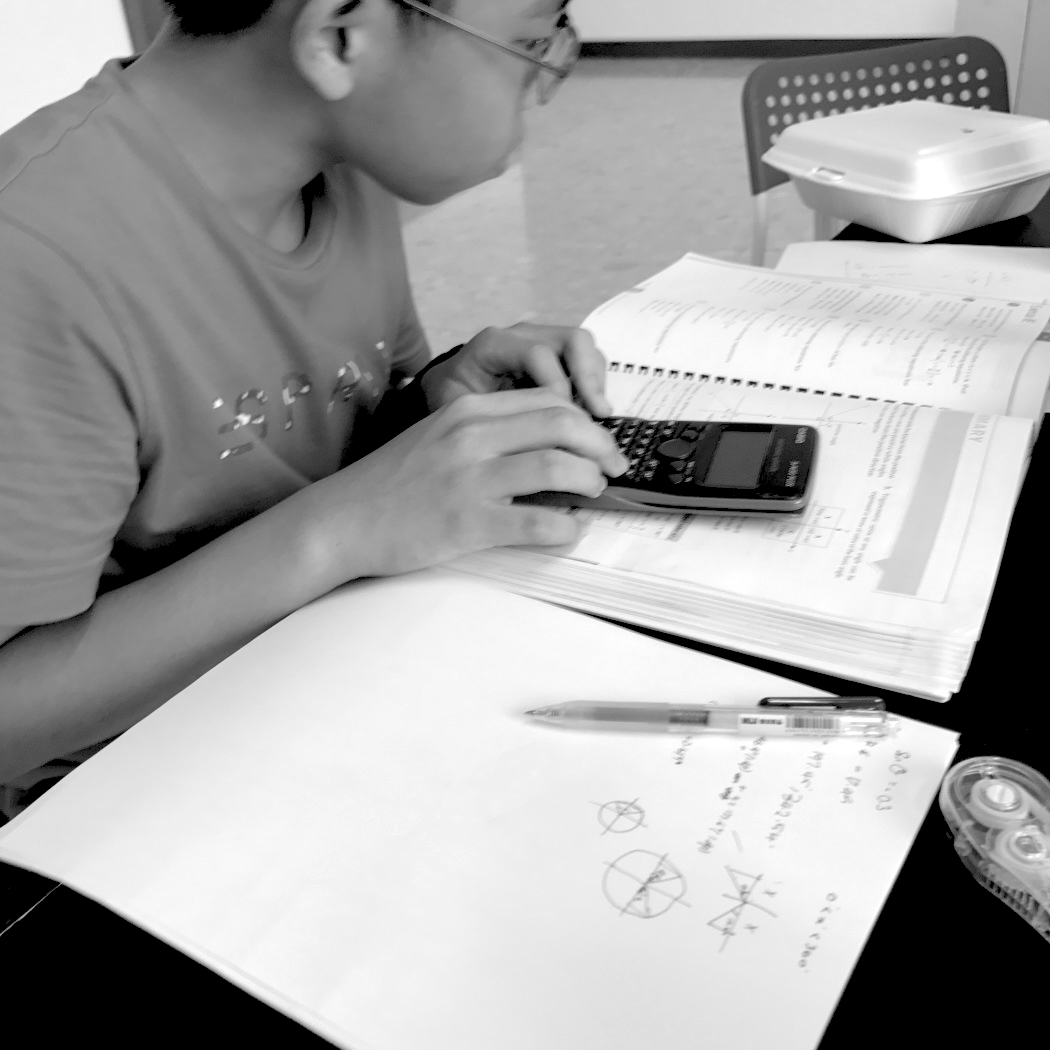
Incorporating effective study strategies is key once deciding when to start Sec 3/Sec 4 Additional Mathematics Tuition, with methods like active recall and spaced repetition proving invaluable. Active recall involves testing oneself on formulas without notes, which strengthens memory for topics such as exponential functions or circle equations. Spaced repetition, supported by apps like Anki, spaces out reviews to embed concepts deeply over time.
The role of tuition in overcoming specific pitfalls emphasizes when to start Sec 3/Sec 4 Additional Mathematics Tuition to address issues like algebraic errors or misinterpreting questions. Common mistakes, such as sign errors in polynomials or improper use of the chain rule in differentiation, can be rectified through guided practice. Resources from the SEAB website provide past papers that tutors can use to simulate exam conditions.
For students aiming for distinctions in the SEC examinations, figuring out when to start Sec 3/Sec 4 Additional Mathematics Tuition early in Secondary 3 can provide a competitive edge. Early exposure to calculus applications, like rates of change in kinematics, allows for deeper understanding rather than rushed cramming. This approach aligns with MOE’s emphasis on developing reasoning and communication skills through mathematical processes.
Considering individual learning paces is crucial when planning when to start Sec 3/Sec 4 Additional Mathematics Tuition, as some students may benefit from preparatory sessions in late Secondary 2. This preemptive strategy helps in mastering foundational trigonometry, such as exact values for special angles, before the full syllabus unfolds. Personalized tuition plans can tailor content to address unique weaknesses, drawing from diverse resources.
The integration of technology in learning reinforces the timing of when to start Sec 3/Sec 4 Additional Mathematics Tuition, with tools like graphing calculators and software such as Desmos enhancing visualization. Students who begin tuition early learn to use these effectively for sketching curves or verifying trigonometric graphs, which is vital for the geometry strand. Online platforms like GeoGebra offer interactive simulations that make abstract ideas more tangible.
Building confidence through consistent practice is a major advantage when choosing when to start Sec 3/Sec 4 Additional Mathematics Tuition at the right moment. Anxiety from unseen problems or time pressure can be alleviated with regular mock tests, helping students adapt to the exam format. Educational studies indicate that early intervention boosts self-efficacy, leading to better outcomes in high-stakes assessments.
Exploring real-world applications motivates students and informs when to start Sec 3/Sec 4 Additional Mathematics Tuition to connect theory with practice. Topics like optimization in calculus can model scenarios in economics or physics, making the subject relevant. Tuition centers often incorporate these examples, drawing from SEAB’s focus on contextual problem-solving to prepare for the examinations.
Parental involvement plays a supportive role in deciding when to start Sec 3/Sec 4 Additional Mathematics Tuition, with monitoring progress and encouraging a balanced schedule. Discussing goals with tutors ensures alignment with the child’s aspirations, whether for polytechnic entry or junior college. Resources from Parenting.sg provide guidance on fostering a positive learning environment at home.
The transition to Secondary 4 intensifies the need to have already determined when to start Sec 3/Sec 4 Additional Mathematics Tuition, as revision and advanced topics like integration by parts come into play. Students who started early can focus on refinement rather than basics, allowing time for interdisciplinary links with subjects like Physics. This holistic preparation is essential for the SEC framework’s emphasis on integrated knowledge.
Incorporating group study dynamics in tuition highlights when to start Sec 3/Sec 4 Additional Mathematics Tuition to leverage peer learning. Small class settings encourage discussions on challenging proofs or identities, promoting diverse perspectives. Evidence from educational research shows that collaborative environments improve problem-solving skills, particularly for non-routine questions.
Addressing burnout prevention is vital when scheduling when to start Sec 3/Sec 4 Additional Mathematics Tuition, ensuring sessions are balanced with rest and extracurriculars. Techniques like the Pomodoro method—25-minute focused study blocks—help maintain energy levels. Tutors trained in student well-being can integrate these habits, supporting long-term academic success.
Reviewing past success stories can guide families on when to start Sec 3/Sec 4 Additional Mathematics Tuition, with many testimonials showing improvements from F9 to A1 grades. These narratives often credit early enrollment for allowing gradual mastery, as seen in forums like KiasuParents. Such insights validate the investment in structured support.
The evolving educational landscape, including updates to the syllabus for 2025 and beyond, reinforces the timeliness of when to start Sec 3/Sec 4 Additional Mathematics Tuition. With potential shifts in assessment objectives under SEC, staying ahead through tuition ensures adaptability. Official updates from SEAB keep curricula relevant to global standards.
Finally, committing to a plan based on informed decisions about when to start Sec 3/Sec 4 Additional Mathematics Tuition paves the way for academic excellence. By starting proactively, students not only conquer the syllabus but also develop lifelong skills in analytical thinking and perseverance, setting a strong foundation for future endeavors in Singapore’s rigorous system.
Give us a call for our Sec 3 A-Math tutorials here
Essential Research Links for Parents on When to Start Additional Mathematics Tuition in Singapore
As a parent navigating the fast-paced world of Singapore’s secondary education, deciding when to start Sec 3/Sec 4 Additional Mathematics Tuition can feel overwhelming—especially with the transition to the Singapore-Cambridge Secondary Education Certificate (SEC) framework emphasizing deeper conceptual understanding and real-world applications.
Drawing from our guide on optimal timing (from early Sec 3 for steady progression to mid-Sec 4 for targeted rescue), these curated links provide authoritative insights, parent forums, official syllabi, and practical advice.
Whether your child aims for A1 distinctions or just solid B3s to secure polytechnic pathways, these resources help evaluate readiness, syllabus demands, and tuition benefits under Full Subject-Based Banding (SBB). Explore them to align tuition starts with your teen’s pace and goals.
- Ministry of Education (MOE) Secondary Mathematics Syllabus: Official 2020-2025 syllabus outline for G3 Additional Mathematics, detailing Sec 3 entry topics like surds and trigonometry—ideal for parents assessing if early Sec 3 tuition is needed to bridge from Sec 2 E-Math.
- SEAB O-Level Additional Mathematics Syllabus (4049) for 2025: SEAB’s updated blueprint for SEC-aligned exams, highlighting progression from Sec 3 algebra to Sec 4 calculus; use this to plan mid-Sec 3 starts for balanced coverage and exam readiness.
- KiasuParents Forum: Highly Recommended A & E Maths Tutors for Secondary 3: Real parent testimonials on starting Sec 3 A-Math tuition, including success stories from F9 to A1—great for gauging if beginning tuition post-March weighted assessments works for your child’s needs.
- New Dawn Learning: When Should You Start A Math Tuition for the Best Results?: In-depth parent guide on timing from late Sec 2 previews to Sec 4 beginnings, with pros/cons like reduced stress for early starts versus intensive catch-up in mid-Sec 4.
- eduKate Singapore: Sec 3 Additional Math Tuition Bukit Timah: Focuses on foundational Sec 3 tuition under SBB, explaining how early enrollment builds A1 potential and addresses the “steep jump” in difficulty for SEC prep.
- Strear Consulting: Math Tuition for Secondary 3 Students in Singapore – A Parent’s Essential Guide: Practical advice for parents on Sec 3 timing, including O-Level prep impacts and why starting post-Sec 2 transition prevents streaming setbacks.
- Jimmy Maths: Sec 3 & 4 Online O-Level A-Math Tuition Singapore: Breaks down syllabus progression, recommending Sec 3 starts for the 3-Step K-C-A method to master abstract topics early and avoid mid-Sec 4 cramming.
- Tim Gan Math: A Math Tuition Singapore | Sec 3 & Sec 4 O-Level: Details fixed-fee programs from Sec 3, with small groups (8-12 students) for personalized pacing—perfect for parents weighing beginning Sec 3 versus after EOY resets.
- The Science Academy: A Math Tuition Singapore – Additional Mathematics Tuition: Emphasizes graphical approaches for Sec 3/4, advising early tuition to visualize complex concepts like binomial expansions before SEC’s multi-step problems.
- EipiMath: A Math Tuition Singapore: 100% of Students Improved 3 Grades!: Case studies on Sec 3 starts yielding A2-B3 jumps, including trial lessons to test if mid-year acceleration suits your child’s progression rate.
- Zenith Education Studio: Secondary Math Tuition Singapore – Sec 3 & 4 Math Tuition: Aligns with 2025 O-Level curriculum, suggesting Sec 3 beginnings for 80% A-grade track record, with free trials to evaluate post-June holiday starts.
- AGrader Learning Centre: Secondary Maths Tuition in Singapore: MOE-aligned program teaching ahead of school, recommending early Sec 3 for exam techniques and contextual practice under SEC’s integrated knowledge focus.
- Terry Chew Academy: Secondary O Level Maths Tuition Singapore: Guides on E vs. A-Math distinctions, advocating Sec 3 starts for 2-grade improvements in 6 months, with tips for balanced schedules.
- Math Academy: Sec 3 and 4 Maths Tuition | A Maths: Ex-MOE tutor insights on small-group Sec 3 classes for G3 pathways, highlighting December holiday previews for post-EOY tuition timing.
- Indigo Education Group: A Math Tuition Singapore | Sec 3 & Sec 4 G3 A Math Tuition: Covers quadratic mastery in Sec 3, with free trials to assess if beginning tuition aligns with O-Level A-Math goals like H2 Math prep.
- KiasuParents: Clueless About Subject Combinations for Sec 3? Read Our Guide!: Discusses A-Math electives under SBB, advising early Sec 3 tuition for poly/JC routes and the “huge jump” in difficulty.
- Overmugged: O Level Math Tuition │ Secondary Maths Tuition Singapore: Flexible options for Sec 3/4, focusing on anxiety reduction through targeted starts, with parent reviews on realistic A1 achievability.
- The Sequoia Vision: O Level Mathematics & Additional Mathematics Exam Timetable (2025): 2025 SEC timetable (Oct 22-29), helping parents back-plan tuition from mid-Sec 4 for full syllabus revision.
- Achevas: Secondary School A Math, Additional Math, IP Math: Weekly live classes with revision outlines, recommending Sec 3 starts for conceptual depth and frequent recaps to hit SEC benchmarks.
- Glenn Lee Learning Centre: O-Level Additional Mathematics (A Math) Tuition In Singapore: Stresses constant practice for O-Levels, with Sec 3 timing advice for building proof skills essential under SEC’s reasoning emphasis.
- Tuition with Jason: Math Specialist – A-Math, E-Math, Sec 1 & Sec 2 Math: Small-group options in Woodlands/Boon Lay, noting pro-rated fees for mid-month Sec 3 starts to ease into syllabus without overload.
- Matrix Math: Secondary Math Tuition in Singapore | O-Level Math: Research-based program on top school papers, suggesting Sec 3 for bridging gaps, with 2025 term fees ($680-710) for structured progression.
- Keynote Learning: Secondary Maths Tuition in Singapore- A & E Math O Level Prep: 2-hour classes in Ang Mo Kio, advising early Sec 3 for logical reasoning, with monthly fees adjusted for 5-lesson months.
- Singapore Tuition Teachers: Secondary 4 Maths Tuition | #1 Secondary 4 Maths Tutors in Singapore: Home tuition rates guide, emphasizing Sec 4 mid-year starts for O-Level intensity, with top tutors for last-minute A2 pushes.
- Joy Dream Believe: Supporting Your Sec 4 Teens to Succeed in Math: A Guide to Math Tuition for Singapore Parents: Parent-focused on Sec 4 geometry/trigonometry, recommending tuition after mid-years for confidence in SEC’s contextual problems.
These links, spanning official bodies, tuition providers, and community forums, empower you to make informed choices on when to start Sec 3/Sec 4 Additional Mathematics Tuition. For personalized advice tailored to your child’s SEC goals, consider a session at eduKateSG.com—we’re here to support your family’s academic journey.
 eduKate Singapore English Maths Science Small Group Tuition