
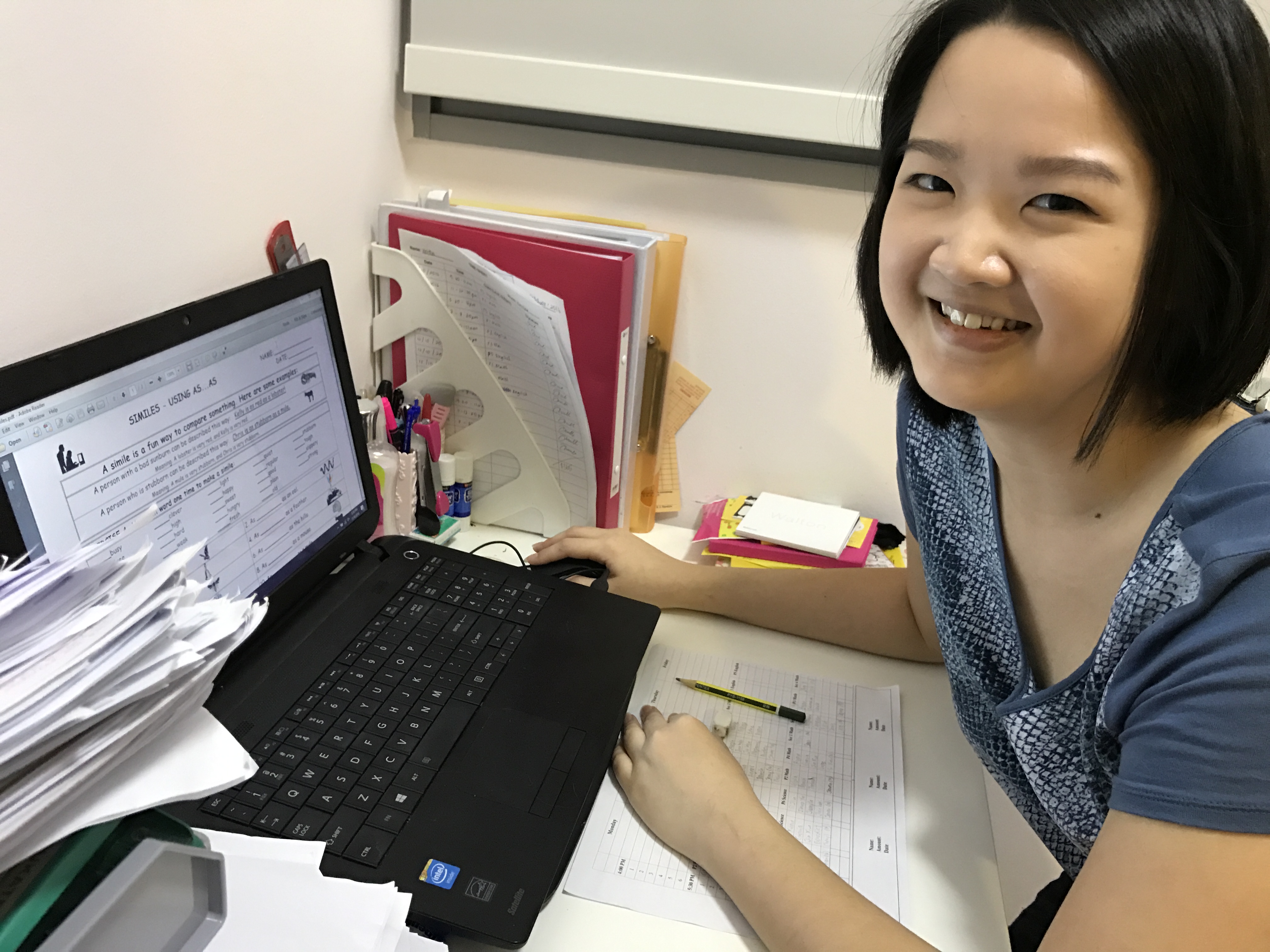
eduKate Punggol Classroom Photo Archive | Small-Group English, Mathematics & Science, 2017 keeps its original publication date and URL, but the page now has one clear archival job. The old inline gallery contained dozens of large photographs from an earlier blogging era. The 2026 rebuild removes that gallery from the main reading flow and replaces it with a deep guide to visual evidence, historical interpretation and classroom memory.
For readers searching for eduKate Punggol, classroom photos, small-group tuition, English tuition, Mathematics tuition, Science tuition or the history of eduKateSG teaching, the page should answer a better question than “What do the photos look like?” It should explain what a photograph can establish, what remains uncertain and what other evidence would be needed for stronger educational claims.
A still image may document a room, materials, people and an arrangement at a particular moment. It cannot by itself prove learning, grade improvement, current class configuration, current staffing, current location or the effectiveness of a method. That boundary is the organising principle of this archive.
Current programme details should be checked on current eduKateSG pages rather than inferred from a 2017 visual record.
Why Keep the Archive?
Historical photographs preserve details that prose often forgets: tables, materials, worksheet formats, classroom arrangements and the ordinary visual texture of teaching. Their value is documentary. They show that certain scenes existed and help later readers understand organisational continuity and change.
Evidence and Inference
Evidence is what the image directly contains. Inference is the story a viewer builds from it. “Three students are visible” is an observation. “Every class had three students” is a larger claim. A responsible archive marks the gap between the two.
A Still Image Has Low Temporal Resolution
Teaching is a sequence. Explanation, guided practice, independent work, correction, retrieval and transfer can unfold across minutes, weeks or years. One image freezes a fraction of that chain. It can preserve a moment but not the entire learning loop.
Learning Is Not a Facial Expression
Smiles, posture and eye direction can be described, but they are not reliable measures of understanding. A learner can look engaged and misunderstand. Another can look quiet and be reasoning deeply. Learning requires performance evidence across time.
Archive Versus Marketing
Marketing asks an image to persuade. Archiving asks an image to preserve. This page now chooses the second function. The photographs belong to organisational history and should not be made to carry current claims they were never capable of proving.
Why the Old Gallery Left the Reading Flow
Forty-seven large inline images made sense in an earlier photo-blog format. They are a poor modern learning surface. Removing them from the article body does not erase the historical publication; it prevents visual clutter from overwhelming the page’s present informational job.
Triangulation
A photograph becomes stronger historical evidence when paired with dated worksheets, posts, timetables, captions or other contemporaneous records. Multiple independent traces can support a conclusion more confidently than one vivid frame.
Time-Aware Language
Words such as “in 2017”, “in this image” and “in the historical archive” keep claims anchored to the period the evidence can support. Present-tense service claims should come from current records, not historical photographs.
Forty Lenses for Reading a Classroom Photograph
Each lens below makes the archive more precise by separating direct observation, plausible interpretation, unresolved uncertainty and current-state boundaries.
Archive Lens 1: Framing
Start with the frame itself. Directly supportable claim: The frame documents only what the camera included.
Boundary: Never convert the visible crop into a claim about the entire room. A smaller true claim is more useful than a larger speculative claim.
Unknown layer: the frame does not automatically tell us the learner’s prior knowledge, how much prompting occurred, what happened earlier or later, whether the task was typical, or whether the learning survived after the image was made.
Corroboration: Look for dated records that test the interpretation. A photograph is most useful when it sits inside a wider dated evidence chain.
Falsification question: what additional fact would make the current interpretation wrong? Cropping, absence, staged positioning, another task phase or contradictory records may change the story. Asking this question stops the archive from becoming self-confirming.
Current-state boundary: even when the historical interpretation is strong, it does not automatically describe today’s class size, staffing, timetable, location, fees or teaching sequence. Current operations require current evidence.
Archive language: write “This 2017 frame documents…” rather than “This proves…”. The first stays close to the source. The second often crosses from description into causation or outcome without enough support.
Educational value: framing matters because classroom images compress a complex learning system into one visible surface. The archive becomes deeper when it restores the invisible dimensions—time, task conditions, feedback, retrieval, transfer and learner independence.
Archive Lens 2: Timing
Describe before interpreting. Directly supportable claim: The image freezes one instant from a longer lesson.
Boundary: Do not turn one moment into a claim about the whole teaching sequence. Vividness should not be mistaken for evidentiary strength.
Unknown layer: the frame does not automatically tell us the learner’s prior knowledge, how much prompting occurred, what happened earlier or later, whether the task was typical, or whether the learning survived after the image was made.
Corroboration: Compare another frame or a contemporaneous document. A photograph is most useful when it sits inside a wider dated evidence chain.
Falsification question: what additional fact would make the current interpretation wrong? Cropping, absence, staged positioning, another task phase or contradictory records may change the story. Asking this question stops the archive from becoming self-confirming.
Current-state boundary: even when the historical interpretation is strong, it does not automatically describe today’s class size, staffing, timetable, location, fees or teaching sequence. Current operations require current evidence.
Archive language: write “This 2017 frame documents…” rather than “This proves…”. The first stays close to the source. The second often crosses from description into causation or outcome without enough support.
Educational value: timing matters because classroom images compress a complex learning system into one visible surface. The archive becomes deeper when it restores the invisible dimensions—time, task conditions, feedback, retrieval, transfer and learner independence.
Archive Lens 3: Attendance
Treat the photograph as a bounded record. Directly supportable claim: Fewer visible students may reflect absence, cropping or staggered work.
Boundary: Class-size claims need records beyond one frame. Uncertainty can be documented rather than erased.
Unknown layer: the frame does not automatically tell us the learner’s prior knowledge, how much prompting occurred, what happened earlier or later, whether the task was typical, or whether the learning survived after the image was made.
Corroboration: Use a worksheet, timetable or written record if the question requires more than visual description. A photograph is most useful when it sits inside a wider dated evidence chain.
Falsification question: what additional fact would make the current interpretation wrong? Cropping, absence, staged positioning, another task phase or contradictory records may change the story. Asking this question stops the archive from becoming self-confirming.
Current-state boundary: even when the historical interpretation is strong, it does not automatically describe today’s class size, staffing, timetable, location, fees or teaching sequence. Current operations require current evidence.
Archive language: write “This 2017 frame documents…” rather than “This proves…”. The first stays close to the source. The second often crosses from description into causation or outcome without enough support.
Educational value: attendance matters because classroom images compress a complex learning system into one visible surface. The archive becomes deeper when it restores the invisible dimensions—time, task conditions, feedback, retrieval, transfer and learner independence.
Archive Lens 4: Tutor position
Ask what is visible and what is not. Directly supportable claim: Tutor proximity can document where the tutor stood at that instant.
Boundary: Do not equate proximity with teaching quality. The purpose is accurate memory, not cynical doubt.
Unknown layer: the frame does not automatically tell us the learner’s prior knowledge, how much prompting occurred, what happened earlier or later, whether the task was typical, or whether the learning survived after the image was made.
Corroboration: If no corroboration exists, preserve the uncertainty. A photograph is most useful when it sits inside a wider dated evidence chain.
Falsification question: what additional fact would make the current interpretation wrong? Cropping, absence, staged positioning, another task phase or contradictory records may change the story. Asking this question stops the archive from becoming self-confirming.
Current-state boundary: even when the historical interpretation is strong, it does not automatically describe today’s class size, staffing, timetable, location, fees or teaching sequence. Current operations require current evidence.
Archive language: write “This 2017 frame documents…” rather than “This proves…”. The first stays close to the source. The second often crosses from description into causation or outcome without enough support.
Educational value: tutor position matters because classroom images compress a complex learning system into one visible surface. The archive becomes deeper when it restores the invisible dimensions—time, task conditions, feedback, retrieval, transfer and learner independence.
Archive Lens 5: Student posture
Separate observation from the story your mind wants to complete. Directly supportable claim: Posture can be described but has several possible meanings.
Boundary: Do not infer understanding from body position. The archive becomes stronger when its limits are explicit.
Unknown layer: the frame does not automatically tell us the learner’s prior knowledge, how much prompting occurred, what happened earlier or later, whether the task was typical, or whether the learning survived after the image was made.
Corroboration: Match the source type to the claim type. A photograph is most useful when it sits inside a wider dated evidence chain.
Falsification question: what additional fact would make the current interpretation wrong? Cropping, absence, staged positioning, another task phase or contradictory records may change the story. Asking this question stops the archive from becoming self-confirming.
Current-state boundary: even when the historical interpretation is strong, it does not automatically describe today’s class size, staffing, timetable, location, fees or teaching sequence. Current operations require current evidence.
Archive language: write “This 2017 frame documents…” rather than “This proves…”. The first stays close to the source. The second often crosses from description into causation or outcome without enough support.
Educational value: student posture matters because classroom images compress a complex learning system into one visible surface. The archive becomes deeper when it restores the invisible dimensions—time, task conditions, feedback, retrieval, transfer and learner independence.
Archive Lens 6: Smiling
Start with the frame itself. Directly supportable claim: A smile is a visible expression at one moment.
Boundary: Enjoyment, understanding and achievement are different claims. A smaller true claim is more useful than a larger speculative claim.
Unknown layer: the frame does not automatically tell us the learner’s prior knowledge, how much prompting occurred, what happened earlier or later, whether the task was typical, or whether the learning survived after the image was made.
Corroboration: Look for dated records that test the interpretation. A photograph is most useful when it sits inside a wider dated evidence chain.
Falsification question: what additional fact would make the current interpretation wrong? Cropping, absence, staged positioning, another task phase or contradictory records may change the story. Asking this question stops the archive from becoming self-confirming.
Current-state boundary: even when the historical interpretation is strong, it does not automatically describe today’s class size, staffing, timetable, location, fees or teaching sequence. Current operations require current evidence.
Archive language: write “This 2017 frame documents…” rather than “This proves…”. The first stays close to the source. The second often crosses from description into causation or outcome without enough support.
Educational value: smiling matters because classroom images compress a complex learning system into one visible surface. The archive becomes deeper when it restores the invisible dimensions—time, task conditions, feedback, retrieval, transfer and learner independence.
Archive Lens 7: Silence
Describe before interpreting. Directly supportable claim: A still frame may look quiet.
Boundary: Quietness is a condition, not a measure of thinking. Vividness should not be mistaken for evidentiary strength.
Unknown layer: the frame does not automatically tell us the learner’s prior knowledge, how much prompting occurred, what happened earlier or later, whether the task was typical, or whether the learning survived after the image was made.
Corroboration: Compare another frame or a contemporaneous document. A photograph is most useful when it sits inside a wider dated evidence chain.
Falsification question: what additional fact would make the current interpretation wrong? Cropping, absence, staged positioning, another task phase or contradictory records may change the story. Asking this question stops the archive from becoming self-confirming.
Current-state boundary: even when the historical interpretation is strong, it does not automatically describe today’s class size, staffing, timetable, location, fees or teaching sequence. Current operations require current evidence.
Archive language: write “This 2017 frame documents…” rather than “This proves…”. The first stays close to the source. The second often crosses from description into causation or outcome without enough support.
Educational value: silence matters because classroom images compress a complex learning system into one visible surface. The archive becomes deeper when it restores the invisible dimensions—time, task conditions, feedback, retrieval, transfer and learner independence.
Archive Lens 8: Materials
Treat the photograph as a bounded record. Directly supportable claim: Worksheets, books or manipulatives can document resources present.
Boundary: Presence does not establish learning impact. Uncertainty can be documented rather than erased.
Unknown layer: the frame does not automatically tell us the learner’s prior knowledge, how much prompting occurred, what happened earlier or later, whether the task was typical, or whether the learning survived after the image was made.
Corroboration: Use a worksheet, timetable or written record if the question requires more than visual description. A photograph is most useful when it sits inside a wider dated evidence chain.
Falsification question: what additional fact would make the current interpretation wrong? Cropping, absence, staged positioning, another task phase or contradictory records may change the story. Asking this question stops the archive from becoming self-confirming.
Current-state boundary: even when the historical interpretation is strong, it does not automatically describe today’s class size, staffing, timetable, location, fees or teaching sequence. Current operations require current evidence.
Archive language: write “This 2017 frame documents…” rather than “This proves…”. The first stays close to the source. The second often crosses from description into causation or outcome without enough support.
Educational value: materials matters because classroom images compress a complex learning system into one visible surface. The archive becomes deeper when it restores the invisible dimensions—time, task conditions, feedback, retrieval, transfer and learner independence.
Archive Lens 9: Marked work
Ask what is visible and what is not. Directly supportable claim: Corrections can document feedback artifacts.
Boundary: The image cannot show later retention or transfer. The purpose is accurate memory, not cynical doubt.
Unknown layer: the frame does not automatically tell us the learner’s prior knowledge, how much prompting occurred, what happened earlier or later, whether the task was typical, or whether the learning survived after the image was made.
Corroboration: If no corroboration exists, preserve the uncertainty. A photograph is most useful when it sits inside a wider dated evidence chain.
Falsification question: what additional fact would make the current interpretation wrong? Cropping, absence, staged positioning, another task phase or contradictory records may change the story. Asking this question stops the archive from becoming self-confirming.
Current-state boundary: even when the historical interpretation is strong, it does not automatically describe today’s class size, staffing, timetable, location, fees or teaching sequence. Current operations require current evidence.
Archive language: write “This 2017 frame documents…” rather than “This proves…”. The first stays close to the source. The second often crosses from description into causation or outcome without enough support.
Educational value: marked work matters because classroom images compress a complex learning system into one visible surface. The archive becomes deeper when it restores the invisible dimensions—time, task conditions, feedback, retrieval, transfer and learner independence.
Archive Lens 10: Whiteboard
Separate observation from the story your mind wants to complete. Directly supportable claim: Board content can preserve topic and example traces.
Boundary: The quality of oral explanation is not visible. The archive becomes stronger when its limits are explicit.
Unknown layer: the frame does not automatically tell us the learner’s prior knowledge, how much prompting occurred, what happened earlier or later, whether the task was typical, or whether the learning survived after the image was made.
Corroboration: Match the source type to the claim type. A photograph is most useful when it sits inside a wider dated evidence chain.
Falsification question: what additional fact would make the current interpretation wrong? Cropping, absence, staged positioning, another task phase or contradictory records may change the story. Asking this question stops the archive from becoming self-confirming.
Current-state boundary: even when the historical interpretation is strong, it does not automatically describe today’s class size, staffing, timetable, location, fees or teaching sequence. Current operations require current evidence.
Archive language: write “This 2017 frame documents…” rather than “This proves…”. The first stays close to the source. The second often crosses from description into causation or outcome without enough support.
Educational value: whiteboard matters because classroom images compress a complex learning system into one visible surface. The archive becomes deeper when it restores the invisible dimensions—time, task conditions, feedback, retrieval, transfer and learner independence.
Archive Lens 11: Desk layout
Start with the frame itself. Directly supportable claim: Furniture can document physical organisation.
Boundary: Layout does not prove actual interaction patterns. A smaller true claim is more useful than a larger speculative claim.
Unknown layer: the frame does not automatically tell us the learner’s prior knowledge, how much prompting occurred, what happened earlier or later, whether the task was typical, or whether the learning survived after the image was made.
Corroboration: Look for dated records that test the interpretation. A photograph is most useful when it sits inside a wider dated evidence chain.
Falsification question: what additional fact would make the current interpretation wrong? Cropping, absence, staged positioning, another task phase or contradictory records may change the story. Asking this question stops the archive from becoming self-confirming.
Current-state boundary: even when the historical interpretation is strong, it does not automatically describe today’s class size, staffing, timetable, location, fees or teaching sequence. Current operations require current evidence.
Archive language: write “This 2017 frame documents…” rather than “This proves…”. The first stays close to the source. The second often crosses from description into causation or outcome without enough support.
Educational value: desk layout matters because classroom images compress a complex learning system into one visible surface. The archive becomes deeper when it restores the invisible dimensions—time, task conditions, feedback, retrieval, transfer and learner independence.
Archive Lens 12: Books open
Describe before interpreting. Directly supportable claim: Open books can identify resources in use.
Boundary: They do not reveal depth of reading. Vividness should not be mistaken for evidentiary strength.
Unknown layer: the frame does not automatically tell us the learner’s prior knowledge, how much prompting occurred, what happened earlier or later, whether the task was typical, or whether the learning survived after the image was made.
Corroboration: Compare another frame or a contemporaneous document. A photograph is most useful when it sits inside a wider dated evidence chain.
Falsification question: what additional fact would make the current interpretation wrong? Cropping, absence, staged positioning, another task phase or contradictory records may change the story. Asking this question stops the archive from becoming self-confirming.
Current-state boundary: even when the historical interpretation is strong, it does not automatically describe today’s class size, staffing, timetable, location, fees or teaching sequence. Current operations require current evidence.
Archive language: write “This 2017 frame documents…” rather than “This proves…”. The first stays close to the source. The second often crosses from description into causation or outcome without enough support.
Educational value: books open matters because classroom images compress a complex learning system into one visible surface. The archive becomes deeper when it restores the invisible dimensions—time, task conditions, feedback, retrieval, transfer and learner independence.
Archive Lens 13: Writing in progress
Treat the photograph as a bounded record. Directly supportable claim: A pen on paper documents production activity.
Boundary: Volume is not the same as learning. Uncertainty can be documented rather than erased.
Unknown layer: the frame does not automatically tell us the learner’s prior knowledge, how much prompting occurred, what happened earlier or later, whether the task was typical, or whether the learning survived after the image was made.
Corroboration: Use a worksheet, timetable or written record if the question requires more than visual description. A photograph is most useful when it sits inside a wider dated evidence chain.
Falsification question: what additional fact would make the current interpretation wrong? Cropping, absence, staged positioning, another task phase or contradictory records may change the story. Asking this question stops the archive from becoming self-confirming.
Current-state boundary: even when the historical interpretation is strong, it does not automatically describe today’s class size, staffing, timetable, location, fees or teaching sequence. Current operations require current evidence.
Archive language: write “This 2017 frame documents…” rather than “This proves…”. The first stays close to the source. The second often crosses from description into causation or outcome without enough support.
Educational value: writing in progress matters because classroom images compress a complex learning system into one visible surface. The archive becomes deeper when it restores the invisible dimensions—time, task conditions, feedback, retrieval, transfer and learner independence.
Archive Lens 14: Group interaction
Ask what is visible and what is not. Directly supportable claim: Shared attention can be visible.
Boundary: Productive collaboration still needs task context. The purpose is accurate memory, not cynical doubt.
Unknown layer: the frame does not automatically tell us the learner’s prior knowledge, how much prompting occurred, what happened earlier or later, whether the task was typical, or whether the learning survived after the image was made.
Corroboration: If no corroboration exists, preserve the uncertainty. A photograph is most useful when it sits inside a wider dated evidence chain.
Falsification question: what additional fact would make the current interpretation wrong? Cropping, absence, staged positioning, another task phase or contradictory records may change the story. Asking this question stops the archive from becoming self-confirming.
Current-state boundary: even when the historical interpretation is strong, it does not automatically describe today’s class size, staffing, timetable, location, fees or teaching sequence. Current operations require current evidence.
Archive language: write “This 2017 frame documents…” rather than “This proves…”. The first stays close to the source. The second often crosses from description into causation or outcome without enough support.
Educational value: group interaction matters because classroom images compress a complex learning system into one visible surface. The archive becomes deeper when it restores the invisible dimensions—time, task conditions, feedback, retrieval, transfer and learner independence.
Archive Lens 15: Individual work
Separate observation from the story your mind wants to complete. Directly supportable claim: Separate work can document an independent phase.
Boundary: The amount of prior prompting remains unknown. The archive becomes stronger when its limits are explicit.
Unknown layer: the frame does not automatically tell us the learner’s prior knowledge, how much prompting occurred, what happened earlier or later, whether the task was typical, or whether the learning survived after the image was made.
Corroboration: Match the source type to the claim type. A photograph is most useful when it sits inside a wider dated evidence chain.
Falsification question: what additional fact would make the current interpretation wrong? Cropping, absence, staged positioning, another task phase or contradictory records may change the story. Asking this question stops the archive from becoming self-confirming.
Current-state boundary: even when the historical interpretation is strong, it does not automatically describe today’s class size, staffing, timetable, location, fees or teaching sequence. Current operations require current evidence.
Archive language: write “This 2017 frame documents…” rather than “This proves…”. The first stays close to the source. The second often crosses from description into causation or outcome without enough support.
Educational value: individual work matters because classroom images compress a complex learning system into one visible surface. The archive becomes deeper when it restores the invisible dimensions—time, task conditions, feedback, retrieval, transfer and learner independence.
Archive Lens 16: Teacher gesture
Start with the frame itself. Directly supportable claim: Pointing or writing can document a teaching action.
Boundary: The meaning of the gesture depends on context. A smaller true claim is more useful than a larger speculative claim.
Unknown layer: the frame does not automatically tell us the learner’s prior knowledge, how much prompting occurred, what happened earlier or later, whether the task was typical, or whether the learning survived after the image was made.
Corroboration: Look for dated records that test the interpretation. A photograph is most useful when it sits inside a wider dated evidence chain.
Falsification question: what additional fact would make the current interpretation wrong? Cropping, absence, staged positioning, another task phase or contradictory records may change the story. Asking this question stops the archive from becoming self-confirming.
Current-state boundary: even when the historical interpretation is strong, it does not automatically describe today’s class size, staffing, timetable, location, fees or teaching sequence. Current operations require current evidence.
Archive language: write “This 2017 frame documents…” rather than “This proves…”. The first stays close to the source. The second often crosses from description into causation or outcome without enough support.
Educational value: teacher gesture matters because classroom images compress a complex learning system into one visible surface. The archive becomes deeper when it restores the invisible dimensions—time, task conditions, feedback, retrieval, transfer and learner independence.
Archive Lens 17: Room environment
Describe before interpreting. Directly supportable claim: Furniture, lighting and storage document the physical setting.
Boundary: Comfort and educational effect are different questions. Vividness should not be mistaken for evidentiary strength.
Unknown layer: the frame does not automatically tell us the learner’s prior knowledge, how much prompting occurred, what happened earlier or later, whether the task was typical, or whether the learning survived after the image was made.
Corroboration: Compare another frame or a contemporaneous document. A photograph is most useful when it sits inside a wider dated evidence chain.
Falsification question: what additional fact would make the current interpretation wrong? Cropping, absence, staged positioning, another task phase or contradictory records may change the story. Asking this question stops the archive from becoming self-confirming.
Current-state boundary: even when the historical interpretation is strong, it does not automatically describe today’s class size, staffing, timetable, location, fees or teaching sequence. Current operations require current evidence.
Archive language: write “This 2017 frame documents…” rather than “This proves…”. The first stays close to the source. The second often crosses from description into causation or outcome without enough support.
Educational value: room environment matters because classroom images compress a complex learning system into one visible surface. The archive becomes deeper when it restores the invisible dimensions—time, task conditions, feedback, retrieval, transfer and learner independence.
Archive Lens 18: Technology
Treat the photograph as a bounded record. Directly supportable claim: Devices document access to a tool.
Boundary: Technology presence does not prove pedagogical value. Uncertainty can be documented rather than erased.
Unknown layer: the frame does not automatically tell us the learner’s prior knowledge, how much prompting occurred, what happened earlier or later, whether the task was typical, or whether the learning survived after the image was made.
Corroboration: Use a worksheet, timetable or written record if the question requires more than visual description. A photograph is most useful when it sits inside a wider dated evidence chain.
Falsification question: what additional fact would make the current interpretation wrong? Cropping, absence, staged positioning, another task phase or contradictory records may change the story. Asking this question stops the archive from becoming self-confirming.
Current-state boundary: even when the historical interpretation is strong, it does not automatically describe today’s class size, staffing, timetable, location, fees or teaching sequence. Current operations require current evidence.
Archive language: write “This 2017 frame documents…” rather than “This proves…”. The first stays close to the source. The second often crosses from description into causation or outcome without enough support.
Educational value: technology matters because classroom images compress a complex learning system into one visible surface. The archive becomes deeper when it restores the invisible dimensions—time, task conditions, feedback, retrieval, transfer and learner independence.
Archive Lens 19: Printed notes
Ask what is visible and what is not. Directly supportable claim: Printed notes document materials in circulation.
Boundary: Appearance does not establish quality. The purpose is accurate memory, not cynical doubt.
Unknown layer: the frame does not automatically tell us the learner’s prior knowledge, how much prompting occurred, what happened earlier or later, whether the task was typical, or whether the learning survived after the image was made.
Corroboration: If no corroboration exists, preserve the uncertainty. A photograph is most useful when it sits inside a wider dated evidence chain.
Falsification question: what additional fact would make the current interpretation wrong? Cropping, absence, staged positioning, another task phase or contradictory records may change the story. Asking this question stops the archive from becoming self-confirming.
Current-state boundary: even when the historical interpretation is strong, it does not automatically describe today’s class size, staffing, timetable, location, fees or teaching sequence. Current operations require current evidence.
Archive language: write “This 2017 frame documents…” rather than “This proves…”. The first stays close to the source. The second often crosses from description into causation or outcome without enough support.
Educational value: printed notes matters because classroom images compress a complex learning system into one visible surface. The archive becomes deeper when it restores the invisible dimensions—time, task conditions, feedback, retrieval, transfer and learner independence.
Archive Lens 20: Student-created work
Separate observation from the story your mind wants to complete. Directly supportable claim: Drafts or calculations document learner output.
Boundary: Support conditions and independence remain relevant. The archive becomes stronger when its limits are explicit.
Unknown layer: the frame does not automatically tell us the learner’s prior knowledge, how much prompting occurred, what happened earlier or later, whether the task was typical, or whether the learning survived after the image was made.
Corroboration: Match the source type to the claim type. A photograph is most useful when it sits inside a wider dated evidence chain.
Falsification question: what additional fact would make the current interpretation wrong? Cropping, absence, staged positioning, another task phase or contradictory records may change the story. Asking this question stops the archive from becoming self-confirming.
Current-state boundary: even when the historical interpretation is strong, it does not automatically describe today’s class size, staffing, timetable, location, fees or teaching sequence. Current operations require current evidence.
Archive language: write “This 2017 frame documents…” rather than “This proves…”. The first stays close to the source. The second often crosses from description into causation or outcome without enough support.
Educational value: student-created work matters because classroom images compress a complex learning system into one visible surface. The archive becomes deeper when it restores the invisible dimensions—time, task conditions, feedback, retrieval, transfer and learner independence.
Archive Lens 21: Corrections
Start with the frame itself. Directly supportable claim: Cross-outs and revisions document change on the page.
Boundary: Educational value depends on later independent use. A smaller true claim is more useful than a larger speculative claim.
Unknown layer: the frame does not automatically tell us the learner’s prior knowledge, how much prompting occurred, what happened earlier or later, whether the task was typical, or whether the learning survived after the image was made.
Corroboration: Look for dated records that test the interpretation. A photograph is most useful when it sits inside a wider dated evidence chain.
Falsification question: what additional fact would make the current interpretation wrong? Cropping, absence, staged positioning, another task phase or contradictory records may change the story. Asking this question stops the archive from becoming self-confirming.
Current-state boundary: even when the historical interpretation is strong, it does not automatically describe today’s class size, staffing, timetable, location, fees or teaching sequence. Current operations require current evidence.
Archive language: write “This 2017 frame documents…” rather than “This proves…”. The first stays close to the source. The second often crosses from description into causation or outcome without enough support.
Educational value: corrections matters because classroom images compress a complex learning system into one visible surface. The archive becomes deeper when it restores the invisible dimensions—time, task conditions, feedback, retrieval, transfer and learner independence.
Archive Lens 22: Subject identity
Describe before interpreting. Directly supportable claim: Visible words, equations or diagrams can identify task families.
Boundary: Subject labels should be grounded in direct evidence. Vividness should not be mistaken for evidentiary strength.
Unknown layer: the frame does not automatically tell us the learner’s prior knowledge, how much prompting occurred, what happened earlier or later, whether the task was typical, or whether the learning survived after the image was made.
Corroboration: Compare another frame or a contemporaneous document. A photograph is most useful when it sits inside a wider dated evidence chain.
Falsification question: what additional fact would make the current interpretation wrong? Cropping, absence, staged positioning, another task phase or contradictory records may change the story. Asking this question stops the archive from becoming self-confirming.
Current-state boundary: even when the historical interpretation is strong, it does not automatically describe today’s class size, staffing, timetable, location, fees or teaching sequence. Current operations require current evidence.
Archive language: write “This 2017 frame documents…” rather than “This proves…”. The first stays close to the source. The second often crosses from description into causation or outcome without enough support.
Educational value: subject identity matters because classroom images compress a complex learning system into one visible surface. The archive becomes deeper when it restores the invisible dimensions—time, task conditions, feedback, retrieval, transfer and learner independence.
Archive Lens 23: English reading
Treat the photograph as a bounded record. Directly supportable claim: Passages or vocabulary lists can document reading-related tasks.
Boundary: Comprehension depth remains unproven. Uncertainty can be documented rather than erased.
Unknown layer: the frame does not automatically tell us the learner’s prior knowledge, how much prompting occurred, what happened earlier or later, whether the task was typical, or whether the learning survived after the image was made.
Corroboration: Use a worksheet, timetable or written record if the question requires more than visual description. A photograph is most useful when it sits inside a wider dated evidence chain.
Falsification question: what additional fact would make the current interpretation wrong? Cropping, absence, staged positioning, another task phase or contradictory records may change the story. Asking this question stops the archive from becoming self-confirming.
Current-state boundary: even when the historical interpretation is strong, it does not automatically describe today’s class size, staffing, timetable, location, fees or teaching sequence. Current operations require current evidence.
Archive language: write “This 2017 frame documents…” rather than “This proves…”. The first stays close to the source. The second often crosses from description into causation or outcome without enough support.
Educational value: english reading matters because classroom images compress a complex learning system into one visible surface. The archive becomes deeper when it restores the invisible dimensions—time, task conditions, feedback, retrieval, transfer and learner independence.
Archive Lens 24: English writing
Ask what is visible and what is not. Directly supportable claim: Drafts can document extended writing practice.
Boundary: Planning, feedback and transfer require other evidence. The purpose is accurate memory, not cynical doubt.
Unknown layer: the frame does not automatically tell us the learner’s prior knowledge, how much prompting occurred, what happened earlier or later, whether the task was typical, or whether the learning survived after the image was made.
Corroboration: If no corroboration exists, preserve the uncertainty. A photograph is most useful when it sits inside a wider dated evidence chain.
Falsification question: what additional fact would make the current interpretation wrong? Cropping, absence, staged positioning, another task phase or contradictory records may change the story. Asking this question stops the archive from becoming self-confirming.
Current-state boundary: even when the historical interpretation is strong, it does not automatically describe today’s class size, staffing, timetable, location, fees or teaching sequence. Current operations require current evidence.
Archive language: write “This 2017 frame documents…” rather than “This proves…”. The first stays close to the source. The second often crosses from description into causation or outcome without enough support.
Educational value: english writing matters because classroom images compress a complex learning system into one visible surface. The archive becomes deeper when it restores the invisible dimensions—time, task conditions, feedback, retrieval, transfer and learner independence.
Archive Lens 25: Mathematics working
Separate observation from the story your mind wants to complete. Directly supportable claim: Equations can document mathematical activity.
Boundary: Concept understanding and method selection need changed tasks. The archive becomes stronger when its limits are explicit.
Unknown layer: the frame does not automatically tell us the learner’s prior knowledge, how much prompting occurred, what happened earlier or later, whether the task was typical, or whether the learning survived after the image was made.
Corroboration: Match the source type to the claim type. A photograph is most useful when it sits inside a wider dated evidence chain.
Falsification question: what additional fact would make the current interpretation wrong? Cropping, absence, staged positioning, another task phase or contradictory records may change the story. Asking this question stops the archive from becoming self-confirming.
Current-state boundary: even when the historical interpretation is strong, it does not automatically describe today’s class size, staffing, timetable, location, fees or teaching sequence. Current operations require current evidence.
Archive language: write “This 2017 frame documents…” rather than “This proves…”. The first stays close to the source. The second often crosses from description into causation or outcome without enough support.
Educational value: mathematics working matters because classroom images compress a complex learning system into one visible surface. The archive becomes deeper when it restores the invisible dimensions—time, task conditions, feedback, retrieval, transfer and learner independence.
Archive Lens 26: Science diagrams
Start with the frame itself. Directly supportable claim: Diagrams can document scientific representation.
Boundary: Causal reasoning cannot be inferred from the diagram alone. A smaller true claim is more useful than a larger speculative claim.
Unknown layer: the frame does not automatically tell us the learner’s prior knowledge, how much prompting occurred, what happened earlier or later, whether the task was typical, or whether the learning survived after the image was made.
Corroboration: Look for dated records that test the interpretation. A photograph is most useful when it sits inside a wider dated evidence chain.
Falsification question: what additional fact would make the current interpretation wrong? Cropping, absence, staged positioning, another task phase or contradictory records may change the story. Asking this question stops the archive from becoming self-confirming.
Current-state boundary: even when the historical interpretation is strong, it does not automatically describe today’s class size, staffing, timetable, location, fees or teaching sequence. Current operations require current evidence.
Archive language: write “This 2017 frame documents…” rather than “This proves…”. The first stays close to the source. The second often crosses from description into causation or outcome without enough support.
Educational value: science diagrams matters because classroom images compress a complex learning system into one visible surface. The archive becomes deeper when it restores the invisible dimensions—time, task conditions, feedback, retrieval, transfer and learner independence.
Archive Lens 27: Tutor notes
Describe before interpreting. Directly supportable claim: Annotations document a feedback event.
Boundary: Feedback quality is shown by what the learner later does with it. Vividness should not be mistaken for evidentiary strength.
Unknown layer: the frame does not automatically tell us the learner’s prior knowledge, how much prompting occurred, what happened earlier or later, whether the task was typical, or whether the learning survived after the image was made.
Corroboration: Compare another frame or a contemporaneous document. A photograph is most useful when it sits inside a wider dated evidence chain.
Falsification question: what additional fact would make the current interpretation wrong? Cropping, absence, staged positioning, another task phase or contradictory records may change the story. Asking this question stops the archive from becoming self-confirming.
Current-state boundary: even when the historical interpretation is strong, it does not automatically describe today’s class size, staffing, timetable, location, fees or teaching sequence. Current operations require current evidence.
Archive language: write “This 2017 frame documents…” rather than “This proves…”. The first stays close to the source. The second often crosses from description into causation or outcome without enough support.
Educational value: tutor notes matters because classroom images compress a complex learning system into one visible surface. The archive becomes deeper when it restores the invisible dimensions—time, task conditions, feedback, retrieval, transfer and learner independence.
Archive Lens 28: Repeated images
Treat the photograph as a bounded record. Directly supportable claim: Several similar frames can support that a setting recurred.
Boundary: Repeated images can repeat the same blind spots. Uncertainty can be documented rather than erased.
Unknown layer: the frame does not automatically tell us the learner’s prior knowledge, how much prompting occurred, what happened earlier or later, whether the task was typical, or whether the learning survived after the image was made.
Corroboration: Use a worksheet, timetable or written record if the question requires more than visual description. A photograph is most useful when it sits inside a wider dated evidence chain.
Falsification question: what additional fact would make the current interpretation wrong? Cropping, absence, staged positioning, another task phase or contradictory records may change the story. Asking this question stops the archive from becoming self-confirming.
Current-state boundary: even when the historical interpretation is strong, it does not automatically describe today’s class size, staffing, timetable, location, fees or teaching sequence. Current operations require current evidence.
Archive language: write “This 2017 frame documents…” rather than “This proves…”. The first stays close to the source. The second often crosses from description into causation or outcome without enough support.
Educational value: repeated images matters because classroom images compress a complex learning system into one visible surface. The archive becomes deeper when it restores the invisible dimensions—time, task conditions, feedback, retrieval, transfer and learner independence.
Archive Lens 29: Travel or lifestyle images
Ask what is visible and what is not. Directly supportable claim: Old blogs often mixed classroom and personal images.
Boundary: Historical relevance does not require current prominence. The purpose is accurate memory, not cynical doubt.
Unknown layer: the frame does not automatically tell us the learner’s prior knowledge, how much prompting occurred, what happened earlier or later, whether the task was typical, or whether the learning survived after the image was made.
Corroboration: If no corroboration exists, preserve the uncertainty. A photograph is most useful when it sits inside a wider dated evidence chain.
Falsification question: what additional fact would make the current interpretation wrong? Cropping, absence, staged positioning, another task phase or contradictory records may change the story. Asking this question stops the archive from becoming self-confirming.
Current-state boundary: even when the historical interpretation is strong, it does not automatically describe today’s class size, staffing, timetable, location, fees or teaching sequence. Current operations require current evidence.
Archive language: write “This 2017 frame documents…” rather than “This proves…”. The first stays close to the source. The second often crosses from description into causation or outcome without enough support.
Educational value: travel or lifestyle images matters because classroom images compress a complex learning system into one visible surface. The archive becomes deeper when it restores the invisible dimensions—time, task conditions, feedback, retrieval, transfer and learner independence.
Archive Lens 30: Captions
Separate observation from the story your mind wants to complete. Directly supportable claim: Captions preserve what the site said at the time.
Boundary: A caption is a document, not automatic verification. The archive becomes stronger when its limits are explicit.
Unknown layer: the frame does not automatically tell us the learner’s prior knowledge, how much prompting occurred, what happened earlier or later, whether the task was typical, or whether the learning survived after the image was made.
Corroboration: Match the source type to the claim type. A photograph is most useful when it sits inside a wider dated evidence chain.
Falsification question: what additional fact would make the current interpretation wrong? Cropping, absence, staged positioning, another task phase or contradictory records may change the story. Asking this question stops the archive from becoming self-confirming.
Current-state boundary: even when the historical interpretation is strong, it does not automatically describe today’s class size, staffing, timetable, location, fees or teaching sequence. Current operations require current evidence.
Archive language: write “This 2017 frame documents…” rather than “This proves…”. The first stays close to the source. The second often crosses from description into causation or outcome without enough support.
Educational value: captions matters because classroom images compress a complex learning system into one visible surface. The archive becomes deeper when it restores the invisible dimensions—time, task conditions, feedback, retrieval, transfer and learner independence.
Archive Lens 31: Alt text
Start with the frame itself. Directly supportable claim: Old alt text may be keyword-heavy.
Boundary: Treat it as publishing metadata, not objective description. A smaller true claim is more useful than a larger speculative claim.
Unknown layer: the frame does not automatically tell us the learner’s prior knowledge, how much prompting occurred, what happened earlier or later, whether the task was typical, or whether the learning survived after the image was made.
Corroboration: Look for dated records that test the interpretation. A photograph is most useful when it sits inside a wider dated evidence chain.
Falsification question: what additional fact would make the current interpretation wrong? Cropping, absence, staged positioning, another task phase or contradictory records may change the story. Asking this question stops the archive from becoming self-confirming.
Current-state boundary: even when the historical interpretation is strong, it does not automatically describe today’s class size, staffing, timetable, location, fees or teaching sequence. Current operations require current evidence.
Archive language: write “This 2017 frame documents…” rather than “This proves…”. The first stays close to the source. The second often crosses from description into causation or outcome without enough support.
Educational value: alt text matters because classroom images compress a complex learning system into one visible surface. The archive becomes deeper when it restores the invisible dimensions—time, task conditions, feedback, retrieval, transfer and learner independence.
Archive Lens 32: File names
Describe before interpreting. Directly supportable claim: File names may hint at date or place.
Boundary: They are weak evidence without corroboration. Vividness should not be mistaken for evidentiary strength.
Unknown layer: the frame does not automatically tell us the learner’s prior knowledge, how much prompting occurred, what happened earlier or later, whether the task was typical, or whether the learning survived after the image was made.
Corroboration: Compare another frame or a contemporaneous document. A photograph is most useful when it sits inside a wider dated evidence chain.
Falsification question: what additional fact would make the current interpretation wrong? Cropping, absence, staged positioning, another task phase or contradictory records may change the story. Asking this question stops the archive from becoming self-confirming.
Current-state boundary: even when the historical interpretation is strong, it does not automatically describe today’s class size, staffing, timetable, location, fees or teaching sequence. Current operations require current evidence.
Archive language: write “This 2017 frame documents…” rather than “This proves…”. The first stays close to the source. The second often crosses from description into causation or outcome without enough support.
Educational value: file names matters because classroom images compress a complex learning system into one visible surface. The archive becomes deeper when it restores the invisible dimensions—time, task conditions, feedback, retrieval, transfer and learner independence.
Archive Lens 33: Gallery order
Treat the photograph as a bounded record. Directly supportable claim: Order can show how a gallery was assembled.
Boundary: It does not necessarily prove lesson chronology. Uncertainty can be documented rather than erased.
Unknown layer: the frame does not automatically tell us the learner’s prior knowledge, how much prompting occurred, what happened earlier or later, whether the task was typical, or whether the learning survived after the image was made.
Corroboration: Use a worksheet, timetable or written record if the question requires more than visual description. A photograph is most useful when it sits inside a wider dated evidence chain.
Falsification question: what additional fact would make the current interpretation wrong? Cropping, absence, staged positioning, another task phase or contradictory records may change the story. Asking this question stops the archive from becoming self-confirming.
Current-state boundary: even when the historical interpretation is strong, it does not automatically describe today’s class size, staffing, timetable, location, fees or teaching sequence. Current operations require current evidence.
Archive language: write “This 2017 frame documents…” rather than “This proves…”. The first stays close to the source. The second often crosses from description into causation or outcome without enough support.
Educational value: gallery order matters because classroom images compress a complex learning system into one visible surface. The archive becomes deeper when it restores the invisible dimensions—time, task conditions, feedback, retrieval, transfer and learner independence.
Archive Lens 34: Missing images
Ask what is visible and what is not. Directly supportable claim: Broken assets create archival gaps.
Boundary: Do not invent what the missing item contained. The purpose is accurate memory, not cynical doubt.
Unknown layer: the frame does not automatically tell us the learner’s prior knowledge, how much prompting occurred, what happened earlier or later, whether the task was typical, or whether the learning survived after the image was made.
Corroboration: If no corroboration exists, preserve the uncertainty. A photograph is most useful when it sits inside a wider dated evidence chain.
Falsification question: what additional fact would make the current interpretation wrong? Cropping, absence, staged positioning, another task phase or contradictory records may change the story. Asking this question stops the archive from becoming self-confirming.
Current-state boundary: even when the historical interpretation is strong, it does not automatically describe today’s class size, staffing, timetable, location, fees or teaching sequence. Current operations require current evidence.
Archive language: write “This 2017 frame documents…” rather than “This proves…”. The first stays close to the source. The second often crosses from description into causation or outcome without enough support.
Educational value: missing images matters because classroom images compress a complex learning system into one visible surface. The archive becomes deeper when it restores the invisible dimensions—time, task conditions, feedback, retrieval, transfer and learner independence.
Archive Lens 35: Privacy
Separate observation from the story your mind wants to complete. Directly supportable claim: Historical classroom photos may identify students.
Boundary: Modern use should minimise unnecessary exposure. The archive becomes stronger when its limits are explicit.
Unknown layer: the frame does not automatically tell us the learner’s prior knowledge, how much prompting occurred, what happened earlier or later, whether the task was typical, or whether the learning survived after the image was made.
Corroboration: Match the source type to the claim type. A photograph is most useful when it sits inside a wider dated evidence chain.
Falsification question: what additional fact would make the current interpretation wrong? Cropping, absence, staged positioning, another task phase or contradictory records may change the story. Asking this question stops the archive from becoming self-confirming.
Current-state boundary: even when the historical interpretation is strong, it does not automatically describe today’s class size, staffing, timetable, location, fees or teaching sequence. Current operations require current evidence.
Archive language: write “This 2017 frame documents…” rather than “This proves…”. The first stays close to the source. The second often crosses from description into causation or outcome without enough support.
Educational value: privacy matters because classroom images compress a complex learning system into one visible surface. The archive becomes deeper when it restores the invisible dimensions—time, task conditions, feedback, retrieval, transfer and learner independence.
Archive Lens 36: Consent history
Start with the frame itself. Directly supportable claim: Past publication occurred under earlier norms and permissions.
Boundary: Historical presence does not authorise new performance claims. A smaller true claim is more useful than a larger speculative claim.
Unknown layer: the frame does not automatically tell us the learner’s prior knowledge, how much prompting occurred, what happened earlier or later, whether the task was typical, or whether the learning survived after the image was made.
Corroboration: Look for dated records that test the interpretation. A photograph is most useful when it sits inside a wider dated evidence chain.
Falsification question: what additional fact would make the current interpretation wrong? Cropping, absence, staged positioning, another task phase or contradictory records may change the story. Asking this question stops the archive from becoming self-confirming.
Current-state boundary: even when the historical interpretation is strong, it does not automatically describe today’s class size, staffing, timetable, location, fees or teaching sequence. Current operations require current evidence.
Archive language: write “This 2017 frame documents…” rather than “This proves…”. The first stays close to the source. The second often crosses from description into causation or outcome without enough support.
Educational value: consent history matters because classroom images compress a complex learning system into one visible surface. The archive becomes deeper when it restores the invisible dimensions—time, task conditions, feedback, retrieval, transfer and learner independence.
Archive Lens 37: Outcome claims
Describe before interpreting. Directly supportable claim: Photos cannot establish grade improvement.
Boundary: Outcome claims need assessment evidence. Vividness should not be mistaken for evidentiary strength.
Unknown layer: the frame does not automatically tell us the learner’s prior knowledge, how much prompting occurred, what happened earlier or later, whether the task was typical, or whether the learning survived after the image was made.
Corroboration: Compare another frame or a contemporaneous document. A photograph is most useful when it sits inside a wider dated evidence chain.
Falsification question: what additional fact would make the current interpretation wrong? Cropping, absence, staged positioning, another task phase or contradictory records may change the story. Asking this question stops the archive from becoming self-confirming.
Current-state boundary: even when the historical interpretation is strong, it does not automatically describe today’s class size, staffing, timetable, location, fees or teaching sequence. Current operations require current evidence.
Archive language: write “This 2017 frame documents…” rather than “This proves…”. The first stays close to the source. The second often crosses from description into causation or outcome without enough support.
Educational value: outcome claims matters because classroom images compress a complex learning system into one visible surface. The archive becomes deeper when it restores the invisible dimensions—time, task conditions, feedback, retrieval, transfer and learner independence.
Archive Lens 38: Current programme
Treat the photograph as a bounded record. Directly supportable claim: 2017 images cannot prove current fees, staffing or class size.
Boundary: Current questions need current sources. Uncertainty can be documented rather than erased.
Unknown layer: the frame does not automatically tell us the learner’s prior knowledge, how much prompting occurred, what happened earlier or later, whether the task was typical, or whether the learning survived after the image was made.
Corroboration: Use a worksheet, timetable or written record if the question requires more than visual description. A photograph is most useful when it sits inside a wider dated evidence chain.
Falsification question: what additional fact would make the current interpretation wrong? Cropping, absence, staged positioning, another task phase or contradictory records may change the story. Asking this question stops the archive from becoming self-confirming.
Current-state boundary: even when the historical interpretation is strong, it does not automatically describe today’s class size, staffing, timetable, location, fees or teaching sequence. Current operations require current evidence.
Archive language: write “This 2017 frame documents…” rather than “This proves…”. The first stays close to the source. The second often crosses from description into causation or outcome without enough support.
Educational value: current programme matters because classroom images compress a complex learning system into one visible surface. The archive becomes deeper when it restores the invisible dimensions—time, task conditions, feedback, retrieval, transfer and learner independence.
Archive Lens 39: Comparison over time
Ask what is visible and what is not. Directly supportable claim: Archives can document visible change.
Boundary: Do not assume change automatically means improvement. The purpose is accurate memory, not cynical doubt.
Unknown layer: the frame does not automatically tell us the learner’s prior knowledge, how much prompting occurred, what happened earlier or later, whether the task was typical, or whether the learning survived after the image was made.
Corroboration: If no corroboration exists, preserve the uncertainty. A photograph is most useful when it sits inside a wider dated evidence chain.
Falsification question: what additional fact would make the current interpretation wrong? Cropping, absence, staged positioning, another task phase or contradictory records may change the story. Asking this question stops the archive from becoming self-confirming.
Current-state boundary: even when the historical interpretation is strong, it does not automatically describe today’s class size, staffing, timetable, location, fees or teaching sequence. Current operations require current evidence.
Archive language: write “This 2017 frame documents…” rather than “This proves…”. The first stays close to the source. The second often crosses from description into causation or outcome without enough support.
Educational value: comparison over time matters because classroom images compress a complex learning system into one visible surface. The archive becomes deeper when it restores the invisible dimensions—time, task conditions, feedback, retrieval, transfer and learner independence.
Archive Lens 40: Organisational memory
Separate observation from the story your mind wants to complete. Directly supportable claim: Photos preserve ordinary details written records may omit.
Boundary: Use them as bounded memory rather than proof of everything. The archive becomes stronger when its limits are explicit.
Unknown layer: the frame does not automatically tell us the learner’s prior knowledge, how much prompting occurred, what happened earlier or later, whether the task was typical, or whether the learning survived after the image was made.
Corroboration: Match the source type to the claim type. A photograph is most useful when it sits inside a wider dated evidence chain.
Falsification question: what additional fact would make the current interpretation wrong? Cropping, absence, staged positioning, another task phase or contradictory records may change the story. Asking this question stops the archive from becoming self-confirming.
Current-state boundary: even when the historical interpretation is strong, it does not automatically describe today’s class size, staffing, timetable, location, fees or teaching sequence. Current operations require current evidence.
Archive language: write “This 2017 frame documents…” rather than “This proves…”. The first stays close to the source. The second often crosses from description into causation or outcome without enough support.
Educational value: organisational memory matters because classroom images compress a complex learning system into one visible surface. The archive becomes deeper when it restores the invisible dimensions—time, task conditions, feedback, retrieval, transfer and learner independence.
An Evidence Hierarchy
Direct visual description is the first layer. Dated context is the second. Instructional artifacts such as worksheets or board content add a third. Marked performance evidence adds a fourth. Linked evidence across time—attempt, feedback, later independent performance—adds the strongest layer for learning questions. The hierarchy does not make lower layers useless; it matches evidence type to claim type.
Instructional Artifact Versus Outcome
A photographed worksheet can show what was assigned and perhaps what was written. It cannot show whether the learner can perform the same skill later without support. Historical classroom research becomes more accurate when opportunity to learn is separated from evidence of learning.
Continuity Evidence
The most informative educational archive would connect an early attempt to a later changed task. That sequence can begin to show retention and transfer. A still classroom image can support the context of that sequence but cannot replace it.
A Modern Archive Workflow
Identify the asset, record date and source, describe direct visual facts, record known context, list uncertainties, link corroborating materials, separate historical from current claims, then decide whether the asset belongs in the public reading flow. This makes preservation deliberate rather than accidental.
Preserve Without Re-Promoting
An organisation can retain old media as history without using every image as current promotion. Preservation and promotion are different editorial acts. Historical presence can be respected while the live article becomes quieter, more accurate and easier to read.
Old SEO Captions
Earlier web publishing often inserted long strings of subject, location and examination keywords into captions and alt text. Those strings are part of publishing history. They should not be copied forward as neutral visual description or present-day evidence. Search language belongs in coherent prose that answers an actual reader question.
Comparing 2017 With 2026
A historical page can support comparison when both sides are documented. We can describe how the page format changed—from image-heavy blogging to text-led archival interpretation—because the site itself preserves those surfaces. Claims about teaching improvement require stronger evidence than design change alone.
Why Fewer Visible Images Can Produce a Deeper Archive
Depth does not equal quantity. Forty-seven photographs can create visual abundance while leaving interpretation shallow. A text-led archive can be deeper when it distinguishes what is seen, what is inferred, what is unknown and what evidence would be required next.
Privacy as an Archival Constraint
Children photographed years ago remain people, not historical props. A modern archive should avoid unnecessary recirculation, performance claims based on appearance and needless identification. Historical preservation can coexist with restraint in present-day presentation.
The Archive as a Learning Object
This page can itself teach evidence literacy. Readers learn to ask what a source directly supports, what is inferred, how time changes relevance and how multiple traces can be combined. The archival method therefore mirrors a broader educational habit: observe, interpret, verify, update.
English, Mathematics and Science in the Archive
English images may preserve passages, vocabulary lists, composition drafts or corrections. Mathematics images may preserve equations, diagrams and working. Science images may preserve representations, notes or experimental materials. These traces can identify historical task families and materials.
They cannot by themselves establish comprehension depth, method selection, causal reasoning or long-term transfer. Those questions need performance evidence beyond the frame.
Photo-Archive Verification Checklist
Ask what the image directly shows, what is inferred, what year the claim belongs to, whether cropping or absence could change the apparent class size, whether names or locations are corroborated, whether another dated record agrees, whether appearance is being treated as learning evidence, and whether a historical scene is accidentally being turned into a current service claim.
If the archive cannot answer a question, the correct move is to leave it open. Honest uncertainty is part of historical resolution.
Related eduKateSG Routes
English Learning Hub — current English architecture.
Mathematics Learning Hub — current Mathematics routes.
Science Learning Hub — current Science routes.
Contact Us | eduKate Singapore — use current information rather than historical visual inference.
Frequently Asked Questions
Why remove the old inline gallery?
To make the page readable, reduce historical/current confusion and let archival interpretation carry the page. The original publication identity remains.
Do classroom photos prove engagement?
No. They show visible behaviour at an instant; engagement and understanding need stronger evidence.
Can visible headcount prove class size?
It proves only the number visible in the frame unless other records support the total.
Can a photograph prove teaching quality?
No. Quality depends on mechanisms and learner response across time.
Why keep the page?
It preserves dated organisational memory and teaches readers how to interpret that memory carefully.
Are old contact details current?
Do not assume so. Current contact pages should govern present-day enquiries.
Are captions reliable?
They document what the site said then; specific factual claims may still need corroboration.
Do photos prove grade improvement?
No. Grade improvement needs assessment evidence across comparable conditions.
Can Mathematics or Science understanding be seen in a photo?
The frame can show working or diagrams, but understanding needs explanation and transfer tests.
Is this a current programme brochure?
No. It is a historical archive rebuilt with evidence discipline.
The Larger Lesson
A good archive preserves the past without forcing the past to advertise the present. Classroom photographs can be vivid, specific and valuable while remaining bounded by what they actually show.
This rebuilt page now follows that standard: preserve the dated record, separate observation from inference, route current questions to current sources, and let claims about learning rest on evidence of learning.