
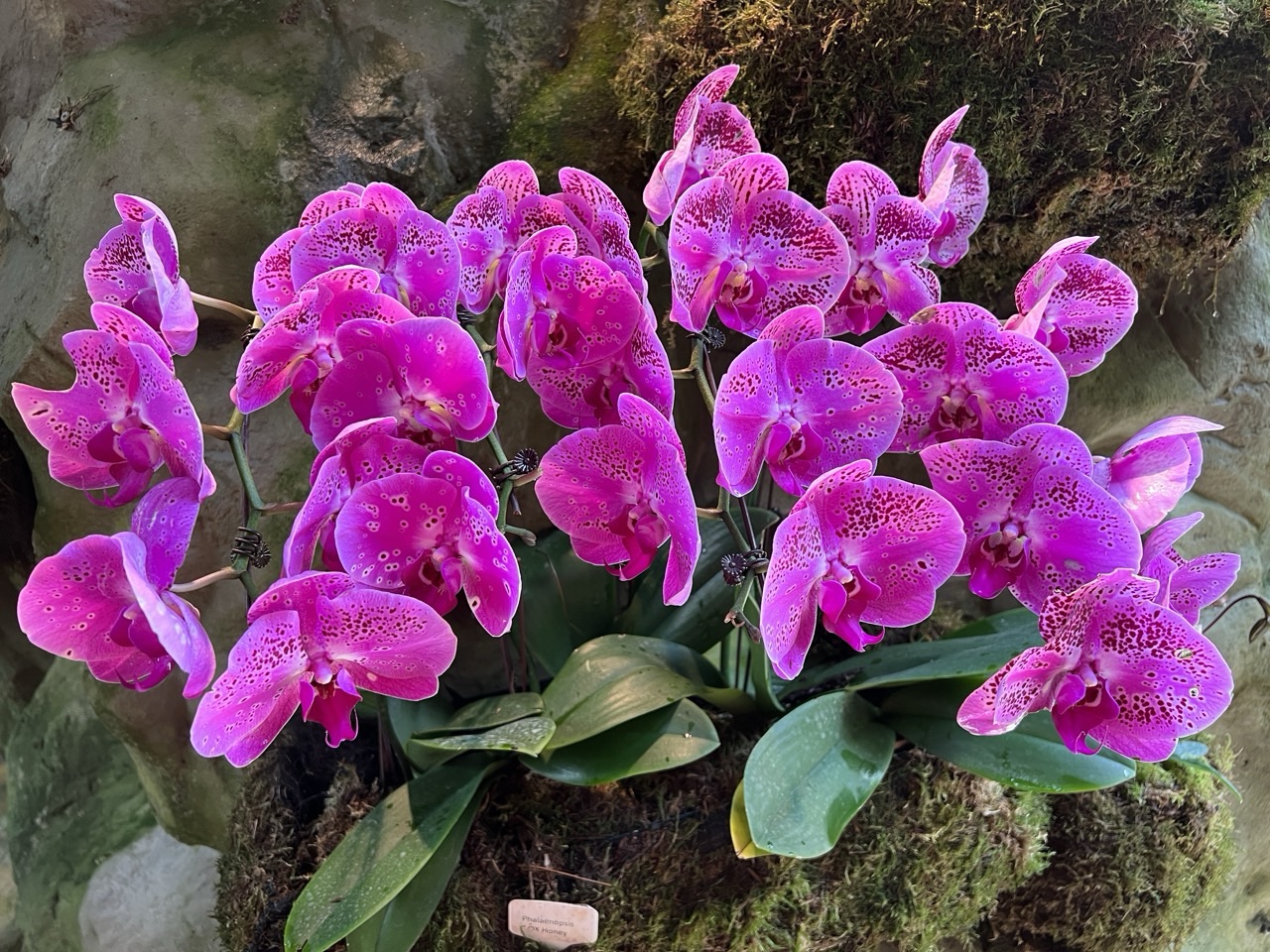
2026 syllabus and science note: keep the Primary 5 core centred on flower parts, pollination, fertilisation, fruit and seed formation, seed dispersal, germination and asexual reproduction in plants. Several older sections below extend into enrichment. Two important corrections: conifers reproduce by seeds rather than spores, so they should not be grouped with ferns as “spore plants”; and pollination by wind versus animals should be treated as a set of contrasting tendencies and mechanisms, not as an absolute “random versus active” rule. Double fertilisation, grafting, crop genetics and plant-disease case studies are useful enrichment but are not the core P5 causal chain.
Reproduction in plants is a key topic covered in the Primary School Leaving Examination (PSLE) syllabus set by the Singapore Examinations and Assessment Board (SEAB). This topic covers the life cycle of plants, the process of pollination, fertilization and seed dispersal. Students will also learn about the various parts of a flower and their functions, as well as the different types of fruits and their characteristics. Through the study of reproduction in plants, students will develop an understanding of the importance of plants in the ecosystem and the need to conserve and protect them.
Contact us at +65 8823 1234 for our small-group Primary Science tutorials.
For more Science guides, click here.
In order to excel in this topic, students should have a strong foundation in basic plant structures and processes, and be able to apply this knowledge to analyze and evaluate different plant reproductive strategies. With a solid understanding of reproduction in plants, students can develop an appreciation for the natural world and the role of plants in sustaining life on Earth.
Reproduction in plants is a crucial topic covered in the primary PSLE science syllabus. Students are taught that plants have two types of reproduction – sexual and asexual. In sexual reproduction, the male and female reproductive cells combine to form a zygote, which then develops into a seed. Asexual reproduction, on the other hand, does not involve the formation of seeds and instead uses other parts of the plant to create new ones.
The different methods of asexual reproduction include vegetative propagation, fragmentation, and budding. Vegetative propagation involves the use of plant parts such as roots, stems, and leaves to create new plants. Fragmentation involves the breaking off of a part of the plant, which then grows into a new plant. Budding is a method where a small bud or growth develops on the plant and then develops into a new plant.
Students are also taught about pollination, fertilization, and the life cycle of flowering plants. They learn about the different parts of a flower and their functions in the process of sexual reproduction. They also learn about the different agents of pollination, such as wind, water, and animals, and their role in plant reproduction.
Finally, students are taught about the importance of plant reproduction in sustaining life on Earth. They learn about the benefits of plant reproduction, including the production of food, oxygen, and habitat for other organisms.
Overall, the study of reproduction in plants is an important topic in the primary PSLE science syllabus, as it provides students with a fundamental understanding of how plants reproduce and their role in sustaining life on Earth.
Parts of a Plant
Plants are made up of different parts that work together to help the plant grow, produce food, and reproduce. These parts include the roots, stem, leaves, flowers, and fruits.
The roots are found below the ground and are responsible for anchoring the plant in the soil, as well as absorbing water and nutrients from the soil. The stem is the main support of the plant and connects the roots to the leaves and flowers. It also transports water and nutrients from the roots to the rest of the plant.
Leaves are responsible for photosynthesis, the process by which plants make their food using energy from the sun, carbon dioxide, and water. Flowers are responsible for reproduction, as they contain the plant’s reproductive organs that produce seeds.
Fruits are the mature ovary of a flowering plant and are a result of fertilization. They contain seeds that can grow into new plants. Fruits come in different shapes, sizes, and colors.
Plant Reproduction
In primary science, students learn about the different parts of a plant and how a plant reproduces. The reproductive process of plants is crucial in the survival and growth of the species.
Plants can reproduce both sexually and asexually. Sexual reproduction involves the transfer of pollen from the male part of the plant, called the stamen, to the female part, called the pistil. The ovules in the pistil are then fertilized by the pollen, which results in the formation of a seed.
Asexual reproduction, on the other hand, involves the plant producing offspring that are genetically identical to the parent plant. This can occur through vegetative propagation, where a part of the parent plant, such as a stem or root, grows into a new plant.
In both sexual and asexual reproduction, the seeds or offspring produced need to be dispersed to new locations in order to ensure the survival of the species. Seed dispersion can occur in a variety of ways, such as wind, water, or through animal consumption and excretion.
Parts of a Flower
In primary science, students learn about the parts of a flower, which include the following:
- Petals – the colorful part of the flower that attracts insects and other pollinators.
- Sepals – the green, leaf-like structures at the base of the flower that protect the developing bud.
- Stamens – the male reproductive structures that produce pollen.
- Anthers – the part of the stamen that produces and contains the pollen.
- Filament – the thin stalk that supports the anther.
- Pistil – the female reproductive structure that produces the ovules.
- Stigma – the sticky part of the pistil where the pollen lands.
- Style – the tube-like structure that connects the stigma to the ovary.
- Ovary – the swollen base of the pistil that contains the ovules.
Dissection in Plant
This is a laboratory experiment for primary schools:
Pollination
Next, students learn about flower pollination, which is the process by which pollen is transferred from the anther of a flower to the stigma of the same or a different flower. There are two main types of pollination: self-pollination, which occurs when the pollen from the anther of a flower lands on the stigma of the same flower, and cross-pollination, which occurs when the pollen from the anther of one flower lands on the stigma of a different flower.
The process of pollination is important for the reproduction of plants, as it allows for the transfer of genetic material between different plants. Pollination can occur through a variety of mechanisms, including wind, water, and animals such as bees, butterflies, and birds.
During pollination, the male reproductive organ (the stamen) produces pollen, which is transferred to the female reproductive organ (the pistil). The pistil contains the stigma, which is sticky and allows the pollen to stick to it. From there, the pollen travels down the style and reaches the ovary, where fertilization occurs and a seed is formed.
Difference between pollination by wind versus by animals
The main difference between flower pollination by wind and animal is the mode of transport of pollen grains from the male reproductive organ to the female reproductive organ of a flower. In wind pollination, the transfer of pollen grains occurs through air currents and relies on chance, while in animal pollination, the transfer occurs through a specific agent such as insects, birds, or mammals.
Wind-pollinated flowers produce a large amount of small and lightweight pollen grains that can be easily carried by the wind. These flowers usually do not have bright colors or a strong scent as they do not rely on attracting animals for pollination. Examples of wind-pollinated plants include grasses, ragweed, and many trees such as oak, birch, and pine.
Animal-pollinated flowers, on the other hand, produce heavier and stickier pollen grains that can be easily attached to an animal’s body. These flowers often have bright colors, attractive scents, and nectar to entice pollinators to visit them. Examples of animal-pollinated plants include fruit trees, sunflowers, and many garden flowers.
In summary, wind pollination is random and passive, relying on chance, while animal pollination is active and specific, relying on the interaction with a pollinator to transfer pollen from the male to the female reproductive organs of a flower.
Pollination by insects/animals
In addition to being important for the reproduction of plants, pollination also plays a crucial role in maintaining biodiversity and supporting the food chain. Without pollinators such as bees and butterflies, many plants would not be able to produce fruit, and the animals that depend on these fruits for food would be at risk.
Bees are one of the most important pollinators in the natural world. They are responsible for pollinating many different types of plants, including fruits, vegetables, and flowers. Bees have a special relationship with flowers, as they rely on them for food and in turn help to pollinate them. Bees have a unique adaptation in their bodies, such as long tongues and hairy legs, which allow them to collect nectar and pollen from flowers. As they move from flower to flower, they transfer pollen, allowing plants to reproduce and produce fruit.
Declining bee population
Bees are facing a number of threats in the wild that are causing declines in their populations. Some of the major factors contributing to bee population declines include habitat loss and degradation, pesticide exposure, diseases and parasites, and climate change.
Yes, bees are important pollinators for many plants because of their unique biology and behaviors. They have specialized body parts and behaviors that allow them to efficiently transfer pollen between flowers, which is necessary for the plants to produce fruit and seeds. Some plants, such as almonds and apples, are almost entirely dependent on bees for pollination. Without bees, many crops and natural plant populations would suffer, which could have a significant impact on our food supply and the environment.
Habitat loss and degradation occur when natural habitats are destroyed or altered by human activity such as deforestation, urbanization, and intensive agriculture. This reduces the amount of forage available to bees and makes it more difficult for them to find suitable nesting sites.
Pesticide exposure is another major threat to bees. Many pesticides used in agriculture and landscaping can be toxic to bees, killing them or impairing their ability to forage, navigate, and reproduce.
Diseases and parasites are also a significant problem for bee populations. Varroa mites are one of the most damaging bee pests, feeding on bees and transmitting viruses that can weaken or kill entire colonies.
Climate change is also having an impact on bees, altering the timing of blooming and impacting the availability of flowers for bees to forage on.
Pollination by hummingbirds/animals
Pollination by hummingbirds and animals, known as zoophily, is a common process in the reproduction of many plant species. During this process, pollen is transferred from the anthers of one flower to the stigma of another by the movements of the animals, such as birds, bats, butterflies, moths, and bees, that visit the flowers in search of food.
Hummingbirds, for instance, are attracted to brightly colored and sweet-scented flowers, and they often pollinate flowers with long and narrow tubes that are well-suited for their slender beaks. As the birds insert their beaks into the flowers, their heads often brush against the pollen-laden anthers, which then transfer the pollen onto the birds’ heads. When the birds visit other flowers of the same species, some of the pollen from their heads may rub off onto the stigmas, resulting in pollination.
Similarly, other animals may carry out the process of pollination through their movements, such as the fluttering of the wings of butterflies or the buzzing of bees. Some plant species have even evolved specific adaptations to attract particular types of animals as their pollinators, such as the deep, tube-like shape of some flowers that are only accessible to certain types of birds and insects. This mutualistic relationship between plants and their animal pollinators is crucial for the survival and reproduction of many plant species.
Pollination by human
Humans can pollinate flowers using a technique called hand pollination. This involves transferring pollen from the anthers of one flower to the stigma of another flower using tools such as a small brush or cotton swab. Hand pollination can be used in situations where natural pollinators are not present, such as in greenhouses or in areas with a low bee population. It can also be used to selectively breed plants with desired traits, such as larger fruit or more vibrant colors. However, hand pollination can be a time-consuming and labor-intensive process, and it may not be practical on a large scale.
Pollination by wind
Pollination by wind is a natural process in which the pollen from the stamen of a flower is carried by the wind to the pistil of another flower. This transfer of pollen from one flower to another is necessary for fertilization to take place and for the growth and development of seeds. Wind pollination is common in many plants, including grasses, trees, and some flowers. These plants often have small, inconspicuous flowers that lack showy petals, but produce large amounts of pollen that are easily carried by the wind. Unlike animal pollination, which is often targeted and selective, wind pollination is a random process that can result in a high level of cross-pollination between different plants, leading to genetic diversity. However, wind pollination also has some disadvantages, such as the potential for loss of pollen due to air currents or rainfall, which can result in reduced seed production.
Fertilisation
Fertilisation is a crucial process in the reproductive cycle of flowering plants. It involves the fusion of the male and female gametes, resulting in the formation of a zygote that will develop into a seed. The process of fertilisation can be divided into two stages: pollination and double fertilisation.
During pollination, pollen grains are transferred from the anther of a flower to the stigma of another flower or the same flower. This can occur through self-pollination or cross-pollination with the help of agents such as wind, water, animals, or insects. Once a pollen grain reaches the stigma, it germinates and grows a pollen tube that penetrates the style to reach the ovary.
In double fertilisation, the pollen tube releases two sperm cells into the ovule. One sperm cell fuses with the egg cell to form a zygote, which develops into the embryo. The other sperm cell fuses with the two polar nuclei to form the endosperm, which provides nutrients for the developing embryo.
The fertilised ovule develops into a seed, which contains the embryo and endosperm. The ovary of the flower develops into a fruit, which encloses the seed and aids in its dispersal.
The process of fertilisation is vital for the propagation and survival of flowering plants, as it enables the production of new individuals and ensures the continuation of the species.
The fruit and seed
After fertilization, the ovule develops into a seed, while the ovary develops into a fruit. The fruit is responsible for protecting the seeds and dispersing them to new locations for germination. The process of fruit formation involves the enlargement of the ovary, which provides nourishment to the developing seeds. The ovary wall also undergoes changes, becoming thicker and tougher to protect the developing seeds.
Once the seeds are mature, the fruit ripens, becoming more attractive to animals that will consume it and disperse the seeds through their feces or through accidental dropping. The fruit’s color, shape, and smell may all play a role in attracting different animals for seed dispersal.
Seed dispersal
In primary science, students learn about the different ways seeds can be dispersed in the environment. Seed dispersion is the process by which seeds are scattered or spread away from the parent plant. This is an important process that allows plants to reproduce and grow in new areas, as well as maintain genetic diversity.
There are different modes of seed dispersion that are commonly observed in plants. Some plants have seeds that are dispersed by wind, water, or animals. Wind-dispersed seeds are typically lightweight and have structures that allow them to be carried by the wind. Water-dispersed seeds can float on water and are often found in plants that grow near water bodies. Animal-dispersed seeds have adaptations that allow them to be carried by animals such as birds or mammals, which then deposit them in new locations.
Plants have developed many mechanisms to ensure that their seeds are dispersed over a wide area. Some seeds have hooks, spines or barbs that allow them to attach to the fur or feathers of animals, while others have fleshy fruits that are eaten by animals, which then disperse the seeds through their droppings.
Understanding seed dispersion is important in understanding the growth and development of plants, as well as the ecological and environmental impact of plants in different areas. In primary science, students are taught to recognize different modes of seed dispersion, as well as the advantages and disadvantages of each mechanism.
Seed dispersal by explosive action
Seed dispersal by wind
Seed dispersal by animal
Germination: From a seed to a plant
Germination is the process by which a seed develops into a seedling. It is the initial stage in the growth of a plant. During germination, the dormant embryo of a seed begins to grow and break out of its protective seed coat. The process requires certain environmental conditions, such as moisture, oxygen, and the right temperature.
Once the seed absorbs enough water, it begins to grow a small root, known as a radicle, which will anchor the seedling into the soil. The radicle is followed by a shoot, which will develop into the stem and leaves of the plant. As the seedling continues to grow, it will eventually push its way through the soil and begin to photosynthesize, producing its own food through the absorption of sunlight.
Germination is a crucial stage in a plant’s life cycle, as it is the point at which the seed transforms from a dormant state into an actively growing plant. It is also a critical point in agriculture, as successful germination is essential for crop production. By understanding the environmental conditions necessary for germination, farmers can optimize their planting practices and ensure successful crop growth.
Asexual Reproduction of Plants
Asexual reproduction is a type of reproduction in which new plants are generated from a single individual, without the involvement of gametes or fertilization. In plants, asexual reproduction can occur through various methods such as runners, bulbs, corms, rhizomes, and budding. This process enables plants to rapidly propagate and create genetically identical offspring, allowing them to establish new populations quickly. However, asexual reproduction does not produce genetic diversity, which can be disadvantageous in changing environments. Nevertheless, it is a useful strategy for plants to ensure survival and adaptation to their surroundings.
Non-flowering plants: Reproduction by spores
Reproduction by spores is a method of asexual reproduction used by certain plants and fungi. Spores are produced by a parent organism and can be dispersed through the air or water to give rise to new individuals.
In plants, spores are typically produced in specialized structures such as sporangia, which are found on the undersides of fern fronds or in the cones of conifer trees. The spores are released into the environment and can be carried by the wind or other means to a suitable location where they can germinate and grow into new plants. This process is known as sporulation.
In fungi, spores are produced in a variety of ways, depending on the species. Some fungi produce spores in fruiting bodies, such as mushrooms, while others produce spores in specialized cells called sporangia. The spores can be dispersed by the wind or by animals and can give rise to new fungal individuals.
Reproduction by spores allows plants and fungi to produce offspring without the need for fertilization, which can be advantageous in certain environments or circumstances. However, spores are also more vulnerable to environmental factors such as drying out or being eaten by animals, which can limit their survival and dispersal.
Vegetative propagation
Vegetative propagation is the process of producing new plants from vegetative parts of an existing plant, rather than from seeds. This method is commonly used for plants that do not produce viable seeds, or for plants that have desirable characteristics that the grower wants to maintain in new plants. Some common methods of vegetative propagation include cuttings, grafting, layering, and tissue culture.
In cuttings, a piece of stem or root is cut from the parent plant and placed in soil or water to grow roots and eventually develop into a new plant. Grafting involves attaching a piece of one plant to another to create a hybrid plant with desirable traits from both. Layering involves bending a stem of a plant into the soil so that it grows roots and becomes a new plant. Tissue culture is a laboratory process where small pieces of plant tissue are grown in nutrient-rich solutions, producing new plants that are genetically identical to the parent plant.
Vegetative propagation is a useful technique for farmers and gardeners to propagate plants that are difficult to grow from seed or that have desirable traits that they want to maintain. It is also commonly used for ornamental plants, such as roses, where it is necessary to maintain a specific cultivar.
Asexual reproduction by leaf
Bryophyllum, also known as the “Mother of Thousands” plant, is a succulent plant species that can be propagated by leaf cutting. The leaves of the plant contain buds that can develop into plantlets. Here are the steps to grow Bryophyllum by leaf:
- Choose a healthy and mature leaf from the plant.
- Gently remove the leaf from the stem and make sure to include the small bud-like structures around the edges of the leaf.
- Allow the leaf to dry for a few hours until the cut end has formed a callus.
- Fill a pot with well-draining soil.
- Place the leaf flat on the soil with the cut end inserted slightly into the soil.
- Water the soil lightly and cover the pot with plastic wrap to create a greenhouse effect.
- Place the pot in a warm and bright location but avoid direct sunlight.
- Within a few weeks, new growth will appear at the base of the leaf, which will develop into new plants.
Asexual Reproduction by Grafting
Asexual reproduction by grafting is a technique used in horticulture and agriculture to propagate plants without the need for seeds. In grafting, a cutting, or scion, from a desired plant is attached to a rootstock of a related plant, which provides the root system. The two parts are bound together until they unite to form a single plant. This technique is commonly used to propagate fruit trees, such as apples and peaches, and ornamental trees and shrubs.
The benefits of asexual reproduction by grafting are that the new plant will have the same characteristics as the original, or parent, plant. This allows for the propagation of desirable traits, such as disease resistance and fruit quality, in a consistent and reliable manner. In addition, it can also result in earlier fruit production and more uniform growth.
However, there are some disadvantages to asexual reproduction by grafting. One is that it can be more labor-intensive and time-consuming than other propagation methods. Additionally, there is a risk of transmitting diseases from the parent plant to the new plant if proper sanitation measures are not followed. Finally, the resulting plants may be less genetically diverse, which could make them more susceptible to pests and diseases.
Overall, asexual reproduction by grafting is a useful technique for propagating plants with desirable traits, but it should be used in conjunction with other propagation methods to maintain genetic diversity and avoid potential disease transmission.
Asexual reproduction by suckers
Plants can reproduce asexually using suckers, which are new shoots that grow from the root system of the plant. Here are the basic steps involved in reproducing plants by suckers:
- Locate the suckers: Look for new shoots that are growing from the base of the plant or from the roots. These shoots may be small and tender, or they may be more established and sturdy.
- Choose the best suckers: Select one or more of the healthiest and most vigorous suckers to propagate. Look for suckers that have good leaf growth, strong stems, and no signs of disease or damage.
- Prepare the new plants: Cut the suckers from the parent plant using a clean and sharp pair of scissors or pruning shears. Trim away any leaves or flowers on the lower part of the stem, leaving only a few leaves at the top.
- Plant the suckers: Plant the suckers in a pot or directly in the ground, using a high-quality potting soil or garden soil. Make a small hole with your finger or a planting tool and gently insert the stem of the sucker into the soil. Firm the soil around the base of the plant to hold it in place.
- Water the new plants: Water the new plants thoroughly to help establish them and promote root growth. Keep the soil moist but not waterlogged, and avoid letting the soil dry out completely.
- Provide care and maintenance: Over the coming weeks and months, monitor the new plants for signs of growth and health. Provide them with appropriate care and maintenance, including regular watering, fertilization, and pruning as needed.
By reproducing plants through suckers, you can create new plants that are genetically identical to the parent plant, and that may be more resistant to disease and other environmental stressors. This method is particularly useful for propagating certain types of plants, such as fruit trees and shrubs, that can be difficult to grow from seeds.
Asexual Reproduction by Underground Stems
Some plants can reproduce asexually using underground stems, which are modified stems that grow underground and can give rise to new plants. Here are the basic steps involved in reproducing plants by underground stems:
- Identify the type of underground stem: There are several types of underground stems, including rhizomes, stolons, and tubers. Each type has a different appearance and growth pattern, and requires different techniques for propagation.
- Choose a healthy stem: Look for a healthy underground stem that has good growth and no signs of damage or disease. The stem should also have nodes, which are points along the stem where leaves or roots can grow.
- Prepare the new plant: Carefully dig up the underground stem and cut it into sections that include at least one node and a few roots. Make sure to use a clean and sharp cutting tool to avoid damaging the stem.
- Plant the new sections: Plant the new stem sections in a pot or directly in the ground, using a high-quality potting soil or garden soil. Make a small hole with your finger or a planting tool and gently insert the stem section into the soil. Firm the soil around the base of the plant to hold it in place.
- Water the new plants: Water the new plants thoroughly to help establish them and promote root growth. Keep the soil moist but not waterlogged, and avoid letting the soil dry out completely.
- Provide care and maintenance: Over the coming weeks and months, monitor the new plants for signs of growth and health. Provide them with appropriate care and maintenance, including regular watering, fertilization, and pruning as needed.
Disease of banana plant because of the lack of diversity in the genetic pool of bananas.
Banana plants are one of the most popularly cultivated crops in the world. They are also prone to diseases and pest infestations due to their low genetic diversity. The Cavendish banana is the most commonly grown variety worldwide, and it is susceptible to a fungus called Fusarium oxysporum f. sp. cubense (Foc), which causes Panama disease. This disease can destroy entire banana plantations, and once a plantation is infected, the only way to save it is to destroy all the plants and start anew with a different variety of banana.
The reason for the low genetic diversity of banana plants is that they are propagated asexually through cuttings. This means that all plants in a plantation are genetically identical, making them highly susceptible to diseases and pests. The lack of genetic diversity makes it difficult for breeders to develop new varieties that are resistant to diseases.
To combat this problem, scientists are trying to create new varieties of banana that are resistant to Panama disease. They are doing this by developing hybrids that combine the best traits of different banana varieties. By using traditional breeding methods, scientists hope to create new banana varieties that are resistant to diseases and pests, have a longer shelf life, and taste better than current varieties.
In addition to breeding new varieties, farmers can take other steps to prevent the spread of diseases and pests in their banana plantations. This includes using clean planting materials, practicing good sanitation, and controlling insect populations.
There are several reasons why we reproduce plants, including:
- To produce more plants: Reproduction ensures that we can create more plants, either for agricultural or horticultural purposes, or for aesthetic and environmental reasons like reduction of greenhouse gasses.
- To maintain genetic diversity: Reproducing plants helps to maintain genetic diversity, which is important for the long-term survival of plant species. This is especially important for crops, as genetic diversity can help to protect against disease and environmental stressors.
- To improve plant traits: Plant reproduction allows for the selection of desirable traits, such as disease resistance, yield, and fruit quality, which can be passed down to future generations.
- To study plant biology: Reproduction is a fundamental process in plant biology, and studying plant reproduction can help us better understand the biology of plants, as well as their evolution and ecological roles.
- To preserve rare and endangered species: Plant reproduction can be used to preserve rare and endangered plant species, by propagating them through seeds or cuttings to ensure their survival.
Extra information for AL1 in PSLE Science:
A Deeper Reader: Eight Questions for Following a Flowering Plant from Pollen to the Next Generation
Plant reproduction becomes much easier when the learner stops treating flower parts, pollination, fertilisation, fruit, seeds, dispersal and germination as separate vocabulary chapters. They are stages in one causal route. A flowering plant produces reproductive structures. Pollen is transferred. Male and female reproductive cells can meet. After fertilisation, structures change. Seeds are formed, transported away from the parent under many different mechanisms, and under suitable conditions a new plant begins to grow.
The scientific job is to keep the sequence intact while distinguishing each event precisely. Pollination is not fertilisation. A fruit is not merely a sweet edible structure. Dispersal is not germination. Asexual reproduction is not simply “another way to make seeds”. Once those boundaries are secure, unfamiliar plant questions become much easier to reason through.
1. What does each part of a flower actually do in the reproductive sequence?
The anther produces pollen grains. The stigma is the surface where suitable pollen may land. The style connects the stigma to the ovary. The ovary contains ovules. After successful pollination and fertilisation, the ovules can develop into seeds and the ovary commonly develops into fruit.
Students often memorise labelled diagrams without following the function. A stronger question is: if this structure were removed or blocked, which later stage could no longer occur normally? If no pollen reaches the stigma, the sexual reproductive chain cannot proceed in the usual way. If fertilisation does not occur, the normal seed-forming consequence does not follow.
Function therefore turns labels into a mechanism. The diagram becomes a map of a process rather than a picture to memorise.
2. Why must pollination and fertilisation remain separate ideas?
Pollination is the transfer of pollen from an anther to a stigma. It is transport. Fertilisation is the fusion of male and female reproductive cells. It is a cellular event that occurs after successful pollen transfer and subsequent steps.
A flower can be pollinated without successful fertilisation. Pollen may be incompatible, fail to germinate properly, or fail to complete the route needed for gametes to meet. Keeping the stages separate helps students interpret experiments: finding pollen on a stigma does not prove that seeds will form.
This distinction also strengthens examination answers. “Bees fertilise flowers” is normally the wrong mechanism. Bees can transfer pollen. The reproductive cells later carry out fertilisation within the plant.
3. What can wind-pollinated and animal-pollinated flowers teach us about structure-function trade-offs?
Wind-pollinated flowers often produce abundant, relatively small and light pollen and may have exposed anthers or large feathery stigmas that increase the chance of intercepting airborne pollen. Animal-pollinated flowers often use signals or rewards—colour, scent, nectar, flower shape—and pollen that can attach to a visiting animal. These are broad patterns, not absolute rules that every species follows perfectly.
The useful reasoning question is what each trait changes. An exposed anther may increase pollen release into moving air. A sticky pollen grain may remain on an animal more effectively. Nectar can alter visitor behaviour but costs the plant resources to produce.
Students should therefore replace “wind is random, animals are active” with a more precise comparison of transport mechanisms, probabilities and structural fit. Wind can be directional and animal visits can be unreliable; both systems contain uncertainty.
4. What exactly changes after fertilisation?
The central Primary Science relationship is that the fertilised ovule develops into a seed and the ovary commonly develops into a fruit. The seed contains the developing new plant and stored or supporting material needed for early development. The fruit can protect seeds and can also participate in dispersal.
That does not mean every fruit is fleshy or every fruit is dispersed by an animal. Dry fruits, pods, winged structures and many other forms exist. “Fruit” is a botanical role in the reproductive process, not a supermarket category based on sweetness.
Advanced details such as double fertilisation in flowering plants can be useful enrichment, but the Primary 5 learner should first be able to trace the simpler causal chain accurately without carrying unnecessary molecular detail.
5. Why are seed dispersal and germination different problems?
Seed dispersal changes location. Germination changes developmental state. Wind, water, animals, explosive mechanisms and gravity can move seeds away from the parent or redistribute them. Germination begins later when the seed encounters suitable conditions and the embryo resumes active growth.
Students sometimes say dispersal “helps seeds grow”. More precisely, dispersal can reduce competition with the parent or siblings and can move seeds into new locations. Whether the seed then germinates depends on conditions such as water, suitable temperature and oxygen. Light requirements vary among species and should not be treated as a universal condition for every seed.
A seed can be dispersed successfully and never germinate. It can germinate and later die. Each stage has a separate success condition.
6. Where does asexual reproduction fit—and what is the trade-off?
Asexual reproduction in plants creates new individuals without fertilisation. Vegetative structures such as runners, bulbs, tubers, suckers, leaf buds or cuttings can produce new plants. Horticultural techniques such as grafting are useful enrichment, but the simple conceptual distinction is whether a new plant is being produced through gamete fusion.
Asexual propagation can preserve a desirable combination of traits and produce new plants rapidly. It can also reduce genetic variation within a cultivated population when many plants are genetically very similar, which can make a shared vulnerability more consequential when a disease can exploit it.
This is why the banana example is useful when handled carefully: clonal propagation can preserve valuable characteristics, while low diversity can increase system-wide vulnerability. “Asexual is bad because all plants get disease” would be too crude. The trade-off depends on the crop, pathogen and wider management system.
7. Which counterexamples reveal fragile plant-reproduction understanding?
“Pollination means pollen meets the egg.” That collapses transport and fertilisation. “Conifers reproduce by spores.” Conifers are seed plants; ferns are a more appropriate familiar example of spore reproduction. “Every seed needs sunlight to germinate.” Species differ; water, oxygen and suitable temperature are the core general conditions.
“Animals pollinate because flowers choose them.” The language turns an ecological relationship into conscious intention. “Fruit exists only so animals eat it.” Fruits can have several dispersal mechanisms and protective functions. “A seed is a baby plant plus food, so the fruit becomes the new plant.” The seed contains the embryo; fruit and seed have different roles.
“Asexual reproduction creates seeds without fertilisation.” Many common vegetative forms create new plants without seeds at all. Strong understanding survives these counterexamples because the learner is following processes, not phrases.
8. What does an eight-step flowering-plant reproduction cycle look like?
- Identify the reproductive structures. Anther, stigma, ovary and ovules.
- Trace pollen transport. How can pollen move from anther to stigma?
- Separate pollination from fertilisation. Do not skip the cellular event.
- Trace structural change. Fertilised ovule → seed; ovary → fruit in the standard flowering-plant model.
- Identify the dispersal mechanism. Wind, water, animal, explosive action or another route.
- Check germination conditions. What does the seed need before growth resumes?
- Compare sexual and asexual reproduction. Which stages disappear or change?
- Transfer to an unfamiliar plant. Use evidence from its structures rather than memorising the example.
The final return is a learner who can follow a reproductive event forward and backward. If a seed did not form, where could the chain have broken? If a flower has feathery stigmas and exposed anthers, what pollination route does the structure suggest? If a new plant arose from a runner, which sexual stages were bypassed?
Owner boundary: keep this page as the Primary 5 flowering-plant reproduction owner. Plant structure pages can own roots/stems/leaves; environment pages can own pollinator ecology; genetics and advanced botany remain enrichment. This page owns the causal route from flower to the next generation.