
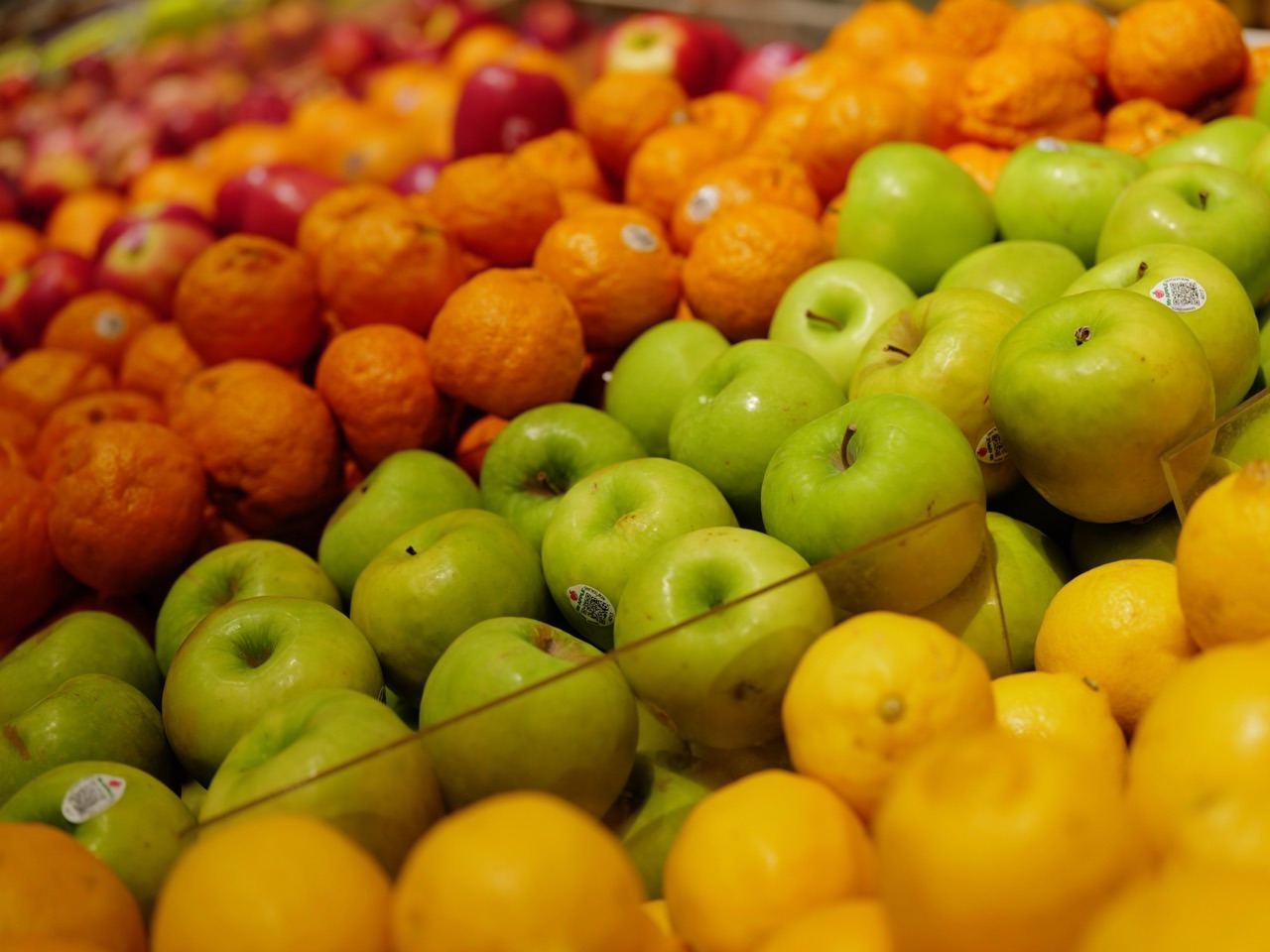
Top 50 Vocabulary Words with meanings and examples used to describe food in Creative Writing.
Table 1: Vocabulary Words
| Word | Meaning | Usage |
|---|---|---|
| Succulent | Tender, juicy, and full of flavor | She savored each bite of the succulent roasted chicken. |
| Piquant | Having a pleasantly sharp or spicy taste | The piquant salsa added a lively kick to the dish. |
| Ambrosial | Extremely delicious; food of the gods | The ambrosial dessert was a fitting end to the heavenly meal. |
| Unctuous | Rich, smooth, and greasy in texture | The unctuous sauce coated the pasta, making it a decadent treat. |
| Savory | Appetizing, with a pleasing taste or flavor | The savory stew warmed their spirits on the cold winter night. |
| Crispy | Firm and brittle; making a sharp noise | The crispy crust of the bread gave way to a soft, fluffy interior. |
| Delectable | Extremely pleasing to the taste; delicious | The delectable chocolate mousse was the highlight of the meal. |
| Earthy | Simple, robust, and hearty | The earthy flavors of the mushroom risotto were comforting and satisfying. |
| Pungent | Having a strong, sharp taste or smell | The pungent aroma of the blue cheese tantalized her taste buds. |
| Zesty | Lively and pleasingly tangy | The zesty lemon tart balanced the rich and creamy dishes that preceded it. |
| Fragrant | Having a pleasant smell | The fragrant spices filled the kitchen with a warm and inviting aroma. |
| Silky | Smooth and soft to the touch | The silky custard was a delightful contrast to the crunchy caramel topping. |
| Umami | A savory taste, one of the five basic tastes | The umami-rich soy sauce added depth and complexity to the dish. |
| Luscious | Richly satisfying and appealing to the senses | The luscious chocolate cake melted in her mouth. |
| Velvety | Smooth, soft, and thick in texture | The velvety texture of the purée enhanced the dish’s luxurious appeal. |
| Aromatic | Having a pleasant and distinctive smell | The aromatic herbs and spices infused the soup with intoxicating scents. |
| Tender | Easy to chew or cut; not tough | The tender meat fell off the bone effortlessly. |
| Hearty | Satisfying, filling, and nourishing | The hearty casserole warmed their hearts and filled their bellies. |
| Flaky | Tending to break apart into thin layers | The flaky layers of the pastry were a testament to the chef’s skill. |
| Buttery | Resembling or containing butter | The buttery croissant melted in her mouth with each satisfying bite. |
| Gooey | Soft and sticky | The gooey caramel center of the chocolate was an unexpected surprise. |
| Robust | Full-bodied and rich in flavor | The robust coffee was the perfect companion to the sweet dessert. |
| Nutty | Having the flavor of nuts | The nutty undertones of the browned butter sauce added depth to the dish. |
| Spicy | Having a strong, hot flavor | The spicy curry awakened their taste buds with a fiery heat. |
| Briny | Salty, reminiscent of the sea | The briny |
This is part 2 and the continuation from this Creative Writing Course Chapter Primary PSLE Creative Writing Skills: Food
Back to our main article: English Primary Overview
Table 2: Vocabulary Words 26-50
| Word | Meaning | Usage |
|---|---|---|
| Briny | Salty, reminiscent of the sea | The briny oysters transported them to the seaside with each bite. |
| Smoky | Having a taste or aroma of smoke | The smoky flavor of the grilled vegetables added depth to the salad. |
| Tangy | Having a pleasantly sharp or acidic taste | The tangy vinaigrette brightened the flavors of the dish. |
| Creamy | Smooth and soft, like cream | The creamy potato soup was comfort food at its finest. |
| Scrumptious | Extremely appetizing or delicious | The scrumptious homemade cookies were impossible to resist. |
| Chewy | Requiring prolonged chewing | The chewy texture of the caramel candies was strangely satisfying. |
| Crunchy | Firm and crisp; making a sharp noise | The crunchy lettuce added a fresh, satisfying texture to the sandwich. |
| Peppery | Having a hot or biting taste, like pepper | The peppery radishes added a welcome kick to the salad. |
| Bitter | Having a sharp, unpleasant taste | The bitter dark chocolate provided a sophisticated contrast to the sweet berries. |
| Decadent | Rich, luxurious, and indulgent | The decadent chocolate truffle cake was the perfect indulgence for a special occasion. |
| Dense | Compact and heavy in texture | The dense fruitcake was packed with rich flavors and a variety of textures. |
| Sweet | Having the pleasant taste characteristic of sugar | The sweet honey glaze added a delightful touch to the roasted carrots. |
| Crumbly | Breaking apart easily into small pieces | The crumbly shortbread cookies were buttery and delicious. |
| Juicy | Full of juice; moist and tender | The juicy steak was cooked to perfection, delighting the dinner guests. |
| Astringent | Sharp and slightly bitter | The astringent taste of the green tea cleansed their palates between courses. |
| Citrusy | Having a taste characteristic of citrus fruits | The citrusy notes in the cocktail were refreshing and invigorating. |
| Infused | Steeped or soaked to extract flavor | The vodka was infused with fragrant herbs, adding complexity to the drink. |
| Malty | Having a taste characteristic of malt | The malty beer paired perfectly with the hearty meal. |
| Seasoned | Enhanced with salt, spices, or other flavors | The well-seasoned vegetables were bursting with flavor. |
| Airy | Light and not dense in texture | The airy soufflé was a delightful contrast to the rich main course. |
| Spongy | Having a springy, porous texture | The spongy cake absorbed the syrup, making each bite moist and flavorful. |
| Toothsome | Delicious and pleasing to the taste | The toothsome dessert was a hit with everyone at the party. |
| Mellow | Soft, smooth, and pleasant in taste | The mellow flavors of the aged cheese were a delight to the palate. |
| Delicate | Subtle, mild, and easily damaged or broken | The delicate flavors of the dish required a gentle touch and careful seasoning. |
| Acidic | Having the properties of an acid; sharp-tasting | The acidic dressing cut through the richness of |
Introduction:
The intricate relationship between food and the human experience has been a powerful theme throughout the history of literature. Food often plays a significant role in storytelling, offering unique opportunities for authors to convey emotions, cultural nuances, and symbolic meanings. In creative writing, describing food in vivid and engaging detail can not only enrich the narrative but also evoke a strong sensory and emotional response from readers. This essay will explore the various ways in which vocabulary words can be employed to describe food in creative writing, offering insights and strategies that authors can apply to their work in order to achieve the level of intelligence and sophistication worthy of a Pulitzer Prize winner.
Section 1: Understanding the Role of Food Description in Creative Writing
1.1 The Multifaceted Significance of Food in Literature
Food, in literature, serves various functions, from driving the plot and creating atmosphere to revealing aspects of a character’s personality or social status. Food can also symbolize cultural and personal identity, acting as a powerful connector to memory, heritage, and tradition.
1.2 The Sensory Experience of Food and Its Impact on the Reader
The sensory experience of food – its taste, aroma, texture, and appearance – can be incredibly evocative and impactful for the reader. By employing rich and varied vocabulary to describe food, authors can create a multisensory experience that transports the reader into the narrative, engaging not only their minds but also their senses.
Section 2: Strategies for Incorporating Food Description into Creative Writing
2.1 Selecting the Right Vocabulary for the Narrative Context
Choosing the appropriate words to describe food is crucial for capturing the essence of a particular dish, ingredient, or culinary experience. Authors should consider the tone, setting, and cultural context of their narrative when selecting vocabulary to ensure that their descriptions are accurate, evocative, and in harmony with the overall story.
2.2 Balancing Specificity and Universality
In order to create engaging and relatable descriptions of food, authors should strike a balance between specificity and universality. While specific and unusual food terms can add authenticity and richness to a narrative, they should be used in conjunction with more familiar and universal terms to ensure that the reader can fully grasp and appreciate the description.
2.3 Utilizing Food Description to Enhance Characterization and Atmosphere
Food descriptions can be used not only to convey sensory experiences but also to develop characterization and create atmosphere. By thoughtfully incorporating food-related vocabulary in their narratives, authors can provide insights into a character’s background, personality, or emotional state and evoke a particular mood or atmosphere.
Section 3: Examples of Food Vocabulary and Their Use in Creative Writing
3.1 Succulent
Meaning: Tender, juicy, and full of flavor.
Usage: In a narrative centered around a family gathering, an author might describe the “succulent” roast that serves as the centerpiece of the meal, evoking a sense of warmth, abundance, and celebration.
3.2 Piquant
Meaning: Having a pleasantly sharp or spicy taste.
Usage: In a story set in an exotic locale, an author could introduce the reader to the local cuisine by describing the “piquant” flavors of the dishes, conveying a sense of adventure and exploration.
3.3 Ambrosial
Meaning: Extremely delicious or pleasing to the taste; food of the gods.
Usage: In a romantic narrative, the protagonist might share an “ambrosial” dessert with their love interest, creating a sensual and intimate atmosphere that draws the reader into the emotional core of the story.
Section 4: The Challenges and Limitations of Using Food Vocabulary in Creative Writing
4.1 The Risk of Overindulgence and Loss of Narrative Focus
One challenge that authors may encounter when using food vocabulary is the risk of overindulgence and loss of narrative focus. While rich and detailed descriptions of food can be engaging and evocative, excessive focus on food may distract from the overall story and diminish its impact. Authors should be mindful of their narrative priorities and ensure that food descriptions serve to enrich the story rather than detract from it.
4.2 Striking the Right Balance between Simplicity and Complexity
Another challenge when incorporating food vocabulary is striking the right balance between simplicity and complexity. Overly complex or obscure language may alienate or confuse the reader, while overly simplistic language may fail to evoke the desired sensory and emotional response. Authors should strive to use language that is accessible yet vivid, in order to create an immersive and relatable experience for the reader.
4.3 Cultural Sensitivity and Authenticity
Using food vocabulary in creative writing also requires a degree of cultural sensitivity and authenticity. Inaccurate or clichéd descriptions of food from different cultures can perpetuate stereotypes or reinforce misconceptions, which may detract from the reader’s enjoyment and trust in the narrative. Authors should undertake thorough research and consult reliable sources to ensure that their descriptions of food are accurate and respectful of the cultural context in which they are set.
Or go back to our main Creative Writing Course, here to learn more.
Summary
Incorporating food descriptions into creative writing can offer authors unique opportunities to engage readers on a sensory and emotional level, while also enhancing characterization, atmosphere, and thematic resonance. By carefully selecting vocabulary and using food-related language in a purposeful and thoughtful manner, authors can create vivid and evocative narratives that resonate with readers and achieve the level of intelligence and sophistication worthy of a Pulitzer Prize winner. By addressing the challenges and limitations associated with the use of food vocabulary, authors can ensure that their work is both immersive and accessible, striking a balance between the sensory and narrative elements of their story. Ultimately, the mastery of food vocabulary in creative writing is an essential skill for authors who seek to transport their readers to new worlds, capturing the tastes, textures, and aromas that define the human experience.
For the latest in SEAB PSLE English Syllabus, here.
2026 Rebuild: Food Vocabulary Should Make Writing More Precise, Not More Ornate
Food is one of the easiest topics for young writers to overdescribe. A composition can become crowded with adjectives—delicious, tasty, mouth-watering, amazing—without giving the reader a clear sensory picture. A stronger culinary lexicon helps students choose the exact word for taste, texture, aroma, preparation, temperature, appearance and eating experience.
The goal is not to make every meal scene sound like restaurant criticism. The goal is control. A child should know when “crisp” is more useful than “nice,” when “pungent” is different from “fragrant,” when “simmer” is more precise than “cook,” and when no food description is needed because the story should keep moving.

Taste Words Need Boundaries
Sweet, salty, sour, bitter and savoury are broad categories. Stronger writing often comes from learning the boundaries within each category. “Tangy” suggests a lively sourness; “cloying” suggests sweetness that has become excessive; “briny” carries the salty character of the sea.
Teach these words through contrast. Ask which one fits lemon juice, yoghurt, caramel sauce or seaweed. The child develops meaning by comparison rather than memorising isolated definitions.
Texture Words Make Food Visible
Texture is often more useful than another taste adjective. Crisp, crunchy, chewy, tender, flaky, creamy, silky, sticky, crumbly and soggy create immediate physical information.
Ask what the mouth or teeth experience. A pastry can be flaky outside and soft inside. Fried food can begin crisp and become soggy after sitting too long. Texture words become stronger when attached to a change or contrast.
Aroma and Smell
Fragrant, smoky, earthy, floral, spicy, buttery, pungent and stale describe very different smell experiences. Writers should avoid using “fragrant” as a universal positive label.
Smell is especially powerful when it triggers memory or changes the scene. The aroma of toasted bread can signal home and comfort; a sharp burnt smell can warn that something is wrong.
Temperature Can Carry Mood
Steaming soup, chilled fruit, lukewarm tea and piping-hot noodles do more than describe temperature. They can create comfort, disappointment, urgency or contrast with the setting.
Use temperature only when it matters. A cup of tea growing cold can reveal that a character has been waiting too long. The sensory detail earns its place because it also advances meaning.
Appearance Words Should Be Selective
Golden, glossy, charred, speckled, translucent, pale and vibrant can help the reader see food. But visual description should not become a catalogue of every colour and shape on the plate.
Choose one or two visually salient details. A glossy glaze or charred edge may be enough to create the image. Precision is stronger than density.
Cooking Verbs Are More Powerful Than Generic Verbs
Boil, simmer, steam, roast, grill, fry, sauté, bake, whisk, knead, fold, drizzle and garnish carry specific actions. They allow the writer to compress explanation into one accurate verb.
Teach the physical difference between methods. Simmer is not simply another word for boil; drizzle is not the same as pour. Culinary vocabulary becomes useful when the child can picture the action.
Cutting and Preparation Verbs
Slice, dice, chop, mince, grate, peel, shred and crush are useful because they specify the result of preparation. A recipe or cooking scene becomes clearer immediately.
These verbs also support procedural writing. The child learns that precise verbs reduce ambiguity and make instructions easier to follow.
Eating Verbs Reveal Character
Nibble, bite, chew, gobble, devour, sip, gulp, savour and pick at describe different ways of eating. They can reveal appetite, hurry, reluctance or enjoyment without directly naming the emotion.
A nervous child may pick at food. A hungry athlete may devour a meal. The verb becomes characterisation.
Use Food Description to Reveal Relationship
A meal can show care, tension, hospitality or distance. One character may serve another person’s favourite dish; another may refuse food during an argument. Description becomes meaningful when it interacts with people.
Ask what the food is doing in the story. If it has no relationship to mood, memory, conflict or action, the scene may not need much description.
Use Food to Trigger Memory
Taste and smell are natural memory triggers in narrative. A familiar soup, spice or bakery smell can return a character to a past event.
Keep the connection specific. The sensory detail should lead to a meaningful memory that changes the present scene rather than becoming an unrelated flashback.
Food Description Should Follow Narrative Importance
If the meal is only a transition, one sentence may be enough. If the meal contains the turning point—an apology, a discovery, a family argument—then sensory detail can slow the scene and increase attention.
Writers should spend words where meaning is concentrated. Culinary vocabulary is most effective when it supports pacing rather than simply increasing word count.
Avoid the “Delicious” Trap
“Delicious” tells the reader the writer’s judgement but gives little sensory evidence. Replace it where useful with a detail: crisp skin, rich broth, smoky aroma, tender meat or bright citrus flavour.
This does not mean the word “delicious” is forbidden. It means the writer should know when judgement is enough and when the reader needs evidence.
Avoid Overloading the Sentence
Students sometimes stack adjectives: “the hot, delicious, fragrant, crispy, golden, amazing chicken.” The sentence becomes heavy and imprecise.
Choose the one or two details that matter most. “The chicken arrived with crisp golden skin and a smoky aroma” gives the reader more usable information with fewer labels.
Use Collocations
Food words have natural partners: rich flavour, sharp aroma, creamy texture, flaky pastry, tender meat, freshly baked bread, lightly toasted nuts. Teaching the word with a common partner makes later writing more natural.
Ask children to collect collocations from real reading rather than inventing every combination. Authentic usage builds stronger lexical judgement.
Build a Taste Fence
A vocabulary fence around taste might include sweet, sugary, syrupy, tangy, tart, sour, bitter, savoury, salty, briny and spicy. Compare intensity and context.
The fence should help selection. Which word fits lemon? Which fits seawater? Which fits dark chocolate? The student learns to choose rather than merely recall.
Build a Texture Fence
Group crisp, crunchy, chewy, tender, creamy, silky, flaky, crumbly, sticky and soggy. Use real foods or pictures where possible.
Then ask the child to describe one food using two contrasting textures. Contrast often creates more vivid writing than a long list of adjectives.
Build an Aroma Fence
Group fragrant, smoky, earthy, floral, spicy, buttery, roasted, pungent and stale. Discuss which are usually positive, negative or context-dependent.
The child begins to understand tone. “Pungent” may be unpleasant in one scene and appealing in another cuisine context.
Build a Preparation Fence
Group slice, dice, mince, whisk, knead, fold, stir, simmer, roast and garnish. These words are especially useful for procedural writing and cooking scenes.
Ask the child to sequence the verbs in a simple recipe. Vocabulary becomes tied to action order and meaning.
Use Food Vocabulary in Oral Language
Before expecting words in composition, use them in speech. Ask the child to compare two snacks, describe a family meal or explain how a dish is prepared.
Oral retrieval is faster than writing and helps reveal whether the word is actually available.
Use Reading to Discover Culinary Language
Recipes, food articles, stories and restaurant descriptions provide authentic culinary vocabulary. Ask children to collect only a few useful words from each source.
Then compare how different writers describe the same sensory experience. This builds lexical range and editorial judgement.
Use Food Description to Control Pacing
Food scenes often tempt students to slow the story everywhere. Strong writers slow only the moments that matter. If the meal contains a discovery, argument, apology or important relationship shift, sensory detail can increase attention. If the character is simply eating before leaving for school, one short sentence is probably enough.
Ask which moment deserves the reader’s focus. Culinary language should concentrate there. This keeps description subordinate to narrative rather than allowing the meal to take over the composition.
Use Contrast to Make Food Memorable
Contrast is often more vivid than accumulation. A crisp shell around a soft centre, chilled fruit after a hot walk, bitter medicine after a sweet drink or smoky meat beside fresh herbs gives the reader two sensations to compare.
Teach students to look for one useful contrast instead of stacking five similar adjectives. Contrast also makes sentences more economical because the relationship itself carries meaning.
Use Food to Reveal Social Setting
A hawker-centre meal, birthday cake, school canteen snack or formal restaurant creates different expectations. The food, service, noise, seating and behaviour can establish context quickly.
Writers should select details that belong naturally to the setting rather than use generic “restaurant language” everywhere. Local familiarity can make scenes more credible and easier for young writers to control.
Use Cultural Food References Accurately
Food often carries cultural meaning, so students should avoid using dishes as exotic decoration when they do not understand the context. If a story mentions a festival meal, family tradition or regional dish, the surrounding details should be plausible.
Reading recipes, food histories and local stories can help. Cultural accuracy strengthens both vocabulary and world knowledge.
Use Food to Reveal Economic or Family Context Carefully
A packed lunch, shared meal, expensive restaurant or simple home-cooked dish can suggest family circumstances, but writers should avoid crude assumptions. Food can reveal routine, care, preference or occasion without stereotyping people.
The safest approach is to describe what is observable and connect it to the character’s experience rather than making a social judgement from one meal.
Food Can Drive Plot
A meal scene can create action: a forgotten ingredient, burnt dish, allergy warning, wrong order, unexpected guest or missing recipe can become the central problem.
When food drives the plot, culinary vocabulary becomes naturally useful because preparation and sensory detail are part of the causal chain rather than decoration added afterward.
Food Can Reveal Conflict
One character refuses a dish, another criticises the cooking, someone arrives late to a family meal or two people argue over who should prepare something. Food becomes the stage for relationship tension.
In these scenes, dialogue and body language may matter more than sensory detail. The culinary lexicon should support the conflict without burying it.
Food Can Signal Resolution
A shared meal can mark reconciliation, celebration or a return to ordinary life after conflict. The food itself may not solve the problem, but it can show that the relationship has changed.
Use a few quiet details rather than a long summary. Passing a dish, taking the first bite or serving someone else can carry meaning through action.
Use Food Vocabulary in Procedural Writing
Cooking instructions are excellent practice for precise sequencing. Students must choose verbs, quantities, order and timing carefully so another person could follow the process.
This builds a different form of English from narrative writing. Words such as whisk, fold, simmer, drain and garnish have procedural jobs, and sequence markers become essential.
Teach Sequence Markers Through Recipes
First, next, meanwhile, once, after, before, finally and until all help organise instructions. A recipe makes their function visible because changing the order may change the result.
Students can compare two versions of the same procedure and decide which one is clearer. Grammar and vocabulary become tied to successful communication.
Use Food Vocabulary for Comparison Writing
Students can compare two dishes by flavour, texture, preparation and cultural context. Comparison requires more than saying which one is better.
Ask which is sweeter, lighter, crispier, more aromatic or more labour-intensive to prepare. Comparative language becomes more precise because the categories are concrete.
Use Food Vocabulary for Persuasive Writing
A child can write a short recommendation for a dish, café or school-canteen option. The task requires evidence: taste, texture, price, convenience or nutrition.
This helps students see the difference between descriptive vocabulary and persuasive reasoning. “Creamy” describes texture; “worth trying because the creamy sauce balances the spicy filling” turns description into an argument.
Use Food Reviews to Teach Evidence
Food reviews can train children to justify judgement. “It was good” becomes stronger when the writer explains what created the positive response.
Teach a simple structure: claim, sensory evidence, conclusion. This supports later analytical writing while keeping the topic accessible.
Build Vocabulary Through Real Meals
Everyday meals provide low-cost vocabulary practice. Ask the child to identify one taste, one texture, one preparation method and one precise verb.
Do not turn every dinner into a lesson. Occasional deliberate noticing is enough to make culinary language concrete and memorable.
Use Reading to Expand Beyond Familiar Food
Books and articles can expose children to dishes, ingredients and techniques they do not encounter at home. This expands vocabulary and cultural knowledge together.
When a new food word appears, learn only enough context for accurate understanding. The goal is not to memorise a global menu, but to build language around meaningful examples.
Teach Register in Food Writing
A recipe, restaurant review, family story and scientific explanation of nutrition use different registers. “Yummy” may fit informal speech; “aromatic” may fit descriptive writing; “nutrient-dense” belongs in a more technical context.
Vocabulary strength includes choosing language appropriate to audience and purpose, not simply knowing more words.
Avoid Clichés When a Precise Detail Will Do
Phrases such as “bursting with flavour” or “melted in my mouth” can be useful occasionally, but overuse makes writing generic.
Ask the child what actually happened. Was the meat tender enough to separate with a fork? Did the sauce have a sharp lime flavour? Concrete details often sound more original because they are more exact.
Use Revision to Remove Redundant Food Words
After drafting, underline every food adjective and sensory phrase. Then remove those that repeat information or do not affect the scene.
This teaches students that strong descriptive writing often improves through subtraction. The best culinary lexicon is selective.
Use a Sensory Hierarchy
Not every sense deserves equal attention in every food scene. Taste and aroma may dominate one scene; texture and temperature may matter more in another.
Ask which sensory channel gives the reader the most useful information. This prevents mechanical “five senses” writing and develops editorial judgement.
Teach Word Families
Words such as aroma, aromatic, savour, savoury, crisp and crispy show how related forms change grammar or nuance.
Build small word families so children can use the same root in different sentence roles. Morphology helps vocabulary become more flexible.
Use Delayed Retrieval
Several days after learning a food vocabulary fence, close the notes and ask for words that fit a new dish or cooking scene.
If the words disappear, return to contrast, collocations and oral use. Recognition during the lesson is not yet durable vocabulary.
Use Delayed Writing Transfer
Give a fresh composition prompt where food appears naturally but do not remind the child of the vocabulary list. Watch whether precise words emerge independently.
Natural transfer is the strongest test. Forced insertion is not the goal.
A Weekly Culinary Vocabulary Routine
One week can introduce a small sensory fence, use several words in conversation, notice related language in reading and end with a short descriptive or procedural paragraph.
Keep the word set small enough for repeated use. Depth is more valuable than a long list that never returns.
The Final Culinary Writing Test
Give the student a fresh food scene and remove the vocabulary notes. Can the child choose one precise taste or texture word, one useful preparation or eating verb and one sensory detail that supports the scene?
If yes, the lexicon is becoming functional. If not, return to contrast and contextual use rather than adding more words.
The Culinary Lexicon Goal
The goal is not to make every composition sound like a food magazine. It is to give young writers enough precise language to describe food when food matters—and enough judgement to stop describing when the story needs to move.
For the wider vocabulary and creative-writing pathway, continue through the Vocabulary Hub, Creative Writing Materials Primary Schools and the English Learning Hub.
Use Nutrition Vocabulary Carefully
Food writing sometimes shifts from sensory description into health or nutrition. Words such as protein, carbohydrate, fibre, nutrient, balanced, energy and portion have more technical meanings than ordinary descriptive words. Students should use them accurately and avoid turning a creative-writing scene into a science lecture unless the context genuinely requires it.
When the task is informational writing, however, these words become useful. The same topic—food—can therefore teach children how vocabulary changes across narrative, procedural, persuasive and explanatory genres.
Use Food as a Gateway to Cross-Genre Writing
One food topic can produce several writing forms. A recipe teaches sequence. A review teaches judgement with evidence. A family-meal story teaches character and memory. A short explanation of fermentation or nutrition teaches informational language.
This cross-genre movement helps children understand that vocabulary choice depends on purpose. “Creamy” may belong in a review; “whisk” belongs in a procedure; “protein-rich” belongs in an informational explanation.
Age-Scaling the Culinary Lexicon
Lower-primary students can begin with basic taste, texture and action words. Middle-primary students can compare near-synonyms, use collocations and write short sensory scenes. Upper-primary students can control register, contrast, pacing and cultural context.
The vocabulary can therefore grow without changing the topic completely. The developmental shift is from naming, to selecting, to editing.
Teach Precision Through Replacement
Give students a bland sentence such as “The food was nice and I ate it quickly.” Ask them to replace only two words. “The noodles were savoury and I slurped them quickly” already creates more specificity without becoming elaborate.
Replacement exercises are useful because they isolate vocabulary choice from plot generation. The child can focus on the effect of one verb or adjective at a time.
Teach Editing Through Deletion
After a descriptive food paragraph is written, ask the student to remove one adjective from every sentence. Then reread. Which deletions made the paragraph stronger because the remaining words became more precise?
This teaches an important writing principle: vocabulary quality is not measured by density. Strong prose often contains fewer but better words.
Use Food Vocabulary to Practise Tone
The same dish can be described admiringly, critically, nostalgically or neutrally. Tone changes word choice. “Rich and buttery” may become “heavy and greasy” when the writer’s attitude changes.
Give students one food item and two different narrators. Ask how vocabulary changes. This develops awareness that description is never completely neutral in creative writing.
Use Food Scenes to Practise Perspective
A child who loves spicy food and a child who dislikes it will notice different details. A chef may focus on preparation; a hungry customer may focus on smell and anticipation.
Perspective therefore determines which culinary words become relevant. The student learns that vocabulary choice belongs to the character as well as the writer.
Build a Personal Culinary Word Bank
Instead of copying long generic lists, students can keep a small personal bank of words they have actually encountered and understand. Group them by taste, texture, aroma, preparation and eating behaviour.
Each word should have one natural example or collocation. The bank becomes a usable reference rather than a museum of difficult vocabulary.
Use Delayed Contrast
Several days after learning a group such as crisp, crunchy, flaky and crumbly, give four new foods and ask which word best fits each one. The child must retrieve both meaning and boundary.
This delayed contrast is stronger than immediate matching because it shows whether the semantic distinctions have become durable.
The Final Writing Principle
Food vocabulary is successful when the reader can see, smell, taste or feel exactly what matters in the scene—and when the description stops once that job is done.
That balance between precision and restraint is the real skill. A strong culinary lexicon gives the writer more choices; strong writing judgement decides which of those choices deserve to appear on the page.
One Final Transfer Test
Several days after the vocabulary lesson, give the student a completely different writing task in which food appears only incidentally: a family argument at dinner, a school celebration or a character waiting in a café. Do not remind the child of the culinary word bank. Watch whether one or two precise words appear naturally and whether the student still prioritises the story over description.
This changed context is the strongest test. If the vocabulary survives without prompting, the words have moved into the writer’s active system. If the child either forgets the words or forces too many of them into the scene, return to oral contrast and selective revision rather than adding more vocabulary.
The ultimate aim is flexible choice: enough language to describe food vividly when it matters, and enough editorial discipline to keep the description quiet when it does not.
A Final Editing Pass for Food Description
Before keeping a culinary detail, ask three questions: Does this word make the food more precise? Does the detail reveal something about the character, setting or mood? Does it deserve the time and space it takes? If the answer is no, remove it. A strong paragraph may end up shorter after revision because the remaining words do more work.
This final pass helps students distinguish vocabulary knowledge from writing judgement. Knowing many food words creates options; choosing only the necessary ones creates quality.
When students can make that decision independently, the culinary lexicon has become useful craft knowledge rather than a decorative vocabulary list.
That is the point where vocabulary becomes controlled, transferable writing skill.
That balance is the final craft standard.