
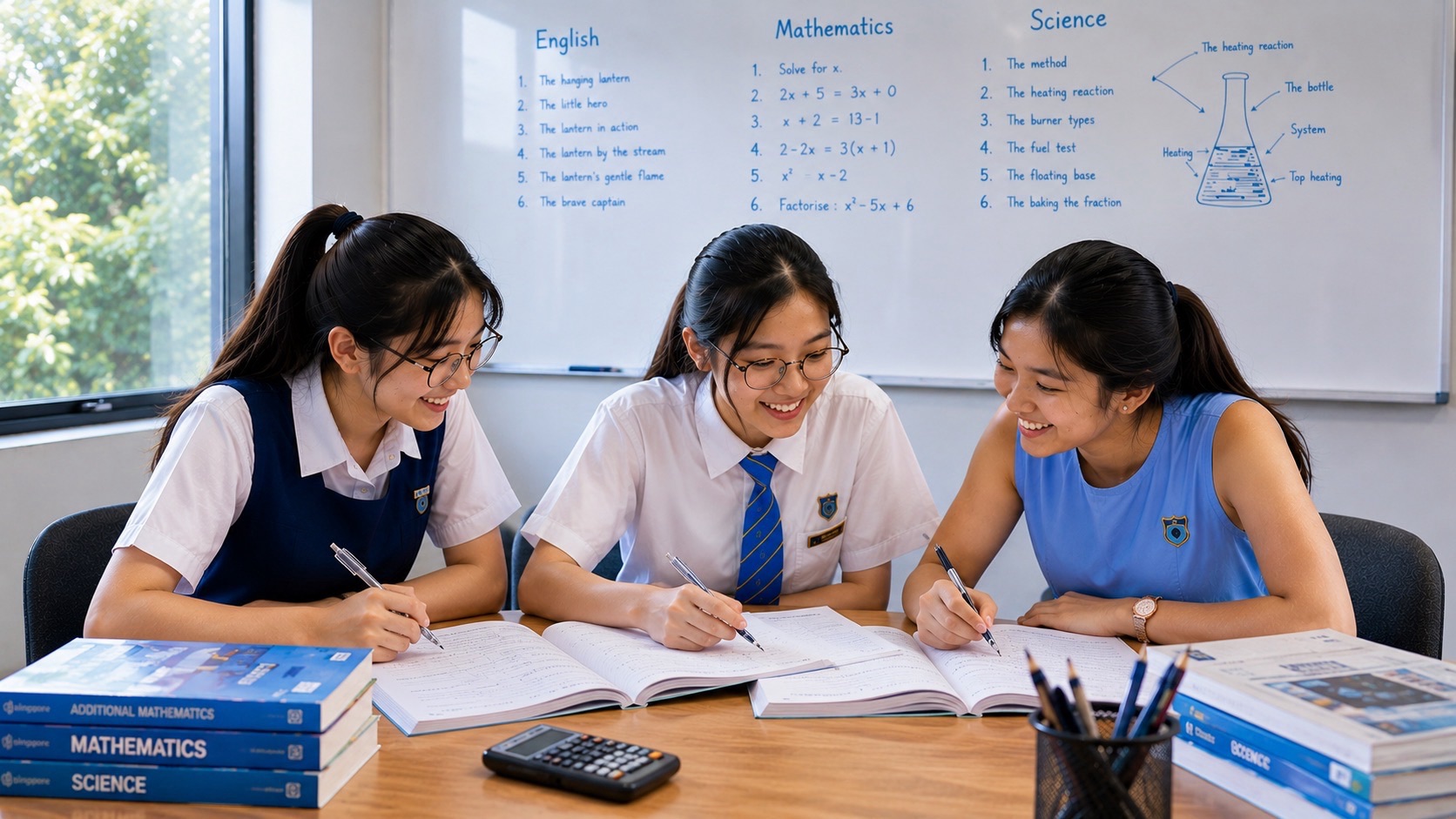
How to master Vietnamese correctly is a learning-design question: how to build accurate pronunciation, useful vocabulary, reliable grammar, listening comprehension and real communication without wasting months on disconnected study. People searching for how to learn Vietnamese fast, Vietnamese for beginners and how to speak Vietnamese fluently need a system connecting sound, meaning, form, retrieval and use.
The fastest reliable route is to define what you want to do, diagnose the first weak link, learn high-frequency material in context, retrieve it without looking, revisit it over time, receive specific feedback and transfer it into unfamiliar situations. Listening and speaking begin early; reading and writing reinforce the same language; grammar is learned as a meaning system.
This guide follows the eduKate mastery logic: understand the mechanism, practise the bottleneck, correct errors quickly, then test whether improvement survives a new context. The CEFR descriptors provide useful can-do benchmarks.
The Direct Answer: How Do You Master Vietnamese Correctly?
- Define an observable communication target.
- Build accurate sound and script knowledge.
- Learn high-frequency vocabulary in phrases.
- Learn grammar through sentence families.
- Listen every day.
- Speak before you feel ready.
- Retrieve and space important language.
- Track recurring errors.
- Read and write for flow and precision.
- Test transfer.
What Vietnamese Mastery Should Mean
Mastery is performance, not an app streak. Define a ten-minute conversation, a recording understood without subtitles, a graded text read without constant translation, or a connected message written with controlled language. A useful target contains task, quality, condition and evidence.
Choosing a primary regional model
This is a high-leverage part of Vietnamese. Learn it from reliable models, then move from explanation to production. Study clear examples, close the source, reproduce the pattern, check the result and correct the exact difference. The second attempt matters more than merely reading the correction.
Practise inside useful language. Build sentence families, change one variable at a time, say examples aloud, and return after a delay. If the pattern is available only while the page is open, it has not yet become usable knowledge.
Test transfer by changing topic, speaker, vocabulary, tense or social situation while preserving the underlying structure. If performance disappears when the surface changes, use varied retrieval rather than more passive explanation.
Vietnamese tones
This is a high-leverage part of Vietnamese. Learn it from reliable models, then move from explanation to production. Study clear examples, close the source, reproduce the pattern, check the result and correct the exact difference. The second attempt matters more than merely reading the correction.
Practise inside useful language. Build sentence families, change one variable at a time, say examples aloud, and return after a delay. If the pattern is available only while the page is open, it has not yet become usable knowledge.
Test transfer by changing topic, speaker, vocabulary, tense or social situation while preserving the underlying structure. If performance disappears when the surface changes, use varied retrieval rather than more passive explanation.
Vowel quality
This is a high-leverage part of Vietnamese. Learn it from reliable models, then move from explanation to production. Study clear examples, close the source, reproduce the pattern, check the result and correct the exact difference. The second attempt matters more than merely reading the correction.
Practise inside useful language. Build sentence families, change one variable at a time, say examples aloud, and return after a delay. If the pattern is available only while the page is open, it has not yet become usable knowledge.
Test transfer by changing topic, speaker, vocabulary, tense or social situation while preserving the underlying structure. If performance disappears when the surface changes, use varied retrieval rather than more passive explanation.
Initial and final consonants
This is a high-leverage part of Vietnamese. Learn it from reliable models, then move from explanation to production. Study clear examples, close the source, reproduce the pattern, check the result and correct the exact difference. The second attempt matters more than merely reading the correction.
Practise inside useful language. Build sentence families, change one variable at a time, say examples aloud, and return after a delay. If the pattern is available only while the page is open, it has not yet become usable knowledge.
Test transfer by changing topic, speaker, vocabulary, tense or social situation while preserving the underlying structure. If performance disappears when the surface changes, use varied retrieval rather than more passive explanation.
Spelling and diacritics
This is a high-leverage part of Vietnamese. Learn it from reliable models, then move from explanation to production. Study clear examples, close the source, reproduce the pattern, check the result and correct the exact difference. The second attempt matters more than merely reading the correction.
Practise inside useful language. Build sentence families, change one variable at a time, say examples aloud, and return after a delay. If the pattern is available only while the page is open, it has not yet become usable knowledge.
Test transfer by changing topic, speaker, vocabulary, tense or social situation while preserving the underlying structure. If performance disappears when the surface changes, use varied retrieval rather than more passive explanation.
High-frequency vocabulary
This is a high-leverage part of Vietnamese. Learn it from reliable models, then move from explanation to production. Study clear examples, close the source, reproduce the pattern, check the result and correct the exact difference. The second attempt matters more than merely reading the correction.
Practise inside useful language. Build sentence families, change one variable at a time, say examples aloud, and return after a delay. If the pattern is available only while the page is open, it has not yet become usable knowledge.
Test transfer by changing topic, speaker, vocabulary, tense or social situation while preserving the underlying structure. If performance disappears when the surface changes, use varied retrieval rather than more passive explanation.
Classifiers
This is a high-leverage part of Vietnamese. Learn it from reliable models, then move from explanation to production. Study clear examples, close the source, reproduce the pattern, check the result and correct the exact difference. The second attempt matters more than merely reading the correction.
Practise inside useful language. Build sentence families, change one variable at a time, say examples aloud, and return after a delay. If the pattern is available only while the page is open, it has not yet become usable knowledge.
Test transfer by changing topic, speaker, vocabulary, tense or social situation while preserving the underlying structure. If performance disappears when the surface changes, use varied retrieval rather than more passive explanation.
Pronouns and social relationships
This is a high-leverage part of Vietnamese. Learn it from reliable models, then move from explanation to production. Study clear examples, close the source, reproduce the pattern, check the result and correct the exact difference. The second attempt matters more than merely reading the correction.
Practise inside useful language. Build sentence families, change one variable at a time, say examples aloud, and return after a delay. If the pattern is available only while the page is open, it has not yet become usable knowledge.
Test transfer by changing topic, speaker, vocabulary, tense or social situation while preserving the underlying structure. If performance disappears when the surface changes, use varied retrieval rather than more passive explanation.
Word order
This is a high-leverage part of Vietnamese. Learn it from reliable models, then move from explanation to production. Study clear examples, close the source, reproduce the pattern, check the result and correct the exact difference. The second attempt matters more than merely reading the correction.
Practise inside useful language. Build sentence families, change one variable at a time, say examples aloud, and return after a delay. If the pattern is available only while the page is open, it has not yet become usable knowledge.
Test transfer by changing topic, speaker, vocabulary, tense or social situation while preserving the underlying structure. If performance disappears when the surface changes, use varied retrieval rather than more passive explanation.
Aspect and time expressions
This is a high-leverage part of Vietnamese. Learn it from reliable models, then move from explanation to production. Study clear examples, close the source, reproduce the pattern, check the result and correct the exact difference. The second attempt matters more than merely reading the correction.
Practise inside useful language. Build sentence families, change one variable at a time, say examples aloud, and return after a delay. If the pattern is available only while the page is open, it has not yet become usable knowledge.
Test transfer by changing topic, speaker, vocabulary, tense or social situation while preserving the underlying structure. If performance disappears when the surface changes, use varied retrieval rather than more passive explanation.
Serial and multiword patterns
This is a high-leverage part of Vietnamese. Learn it from reliable models, then move from explanation to production. Study clear examples, close the source, reproduce the pattern, check the result and correct the exact difference. The second attempt matters more than merely reading the correction.
Practise inside useful language. Build sentence families, change one variable at a time, say examples aloud, and return after a delay. If the pattern is available only while the page is open, it has not yet become usable knowledge.
Test transfer by changing topic, speaker, vocabulary, tense or social situation while preserving the underlying structure. If performance disappears when the surface changes, use varied retrieval rather than more passive explanation.
Listening
This is a high-leverage part of Vietnamese. Learn it from reliable models, then move from explanation to production. Study clear examples, close the source, reproduce the pattern, check the result and correct the exact difference. The second attempt matters more than merely reading the correction.
Practise inside useful language. Build sentence families, change one variable at a time, say examples aloud, and return after a delay. If the pattern is available only while the page is open, it has not yet become usable knowledge.
Test transfer by changing topic, speaker, vocabulary, tense or social situation while preserving the underlying structure. If performance disappears when the surface changes, use varied retrieval rather than more passive explanation.
Speaking
This is a high-leverage part of Vietnamese. Learn it from reliable models, then move from explanation to production. Study clear examples, close the source, reproduce the pattern, check the result and correct the exact difference. The second attempt matters more than merely reading the correction.
Practise inside useful language. Build sentence families, change one variable at a time, say examples aloud, and return after a delay. If the pattern is available only while the page is open, it has not yet become usable knowledge.
Test transfer by changing topic, speaker, vocabulary, tense or social situation while preserving the underlying structure. If performance disappears when the surface changes, use varied retrieval rather than more passive explanation.
Reading and writing
This is a high-leverage part of Vietnamese. Learn it from reliable models, then move from explanation to production. Study clear examples, close the source, reproduce the pattern, check the result and correct the exact difference. The second attempt matters more than merely reading the correction.
Practise inside useful language. Build sentence families, change one variable at a time, say examples aloud, and return after a delay. If the pattern is available only while the page is open, it has not yet become usable knowledge.
Test transfer by changing topic, speaker, vocabulary, tense or social situation while preserving the underlying structure. If performance disappears when the surface changes, use varied retrieval rather than more passive explanation.
High-frequency vocabulary
Apply this part deliberately. Choose a small target, attempt it without support, check the result, record the exact error and repeat the corrected form. Then use the same skill in a different sentence or situation so learning does not remain tied to one exercise.
Measure change through accuracy, speed, independence, retention and transfer. If a comparable task does not improve, change the practice design rather than simply adding more hours. This keeps Vietnamese learning diagnostic and efficient.
Chunks and collocations
Apply this part deliberately. Choose a small target, attempt it without support, check the result, record the exact error and repeat the corrected form. Then use the same skill in a different sentence or situation so learning does not remain tied to one exercise.
Measure change through accuracy, speed, independence, retention and transfer. If a comparable task does not improve, change the practice design rather than simply adding more hours. This keeps Vietnamese learning diagnostic and efficient.
Grammar through meaning
Apply this part deliberately. Choose a small target, attempt it without support, check the result, record the exact error and repeat the corrected form. Then use the same skill in a different sentence or situation so learning does not remain tied to one exercise.
Measure change through accuracy, speed, independence, retention and transfer. If a comparable task does not improve, change the practice design rather than simply adding more hours. This keeps Vietnamese learning diagnostic and efficient.
Retrieval practice
Apply this part deliberately. Choose a small target, attempt it without support, check the result, record the exact error and repeat the corrected form. Then use the same skill in a different sentence or situation so learning does not remain tied to one exercise.
Measure change through accuracy, speed, independence, retention and transfer. If a comparable task does not improve, change the practice design rather than simply adding more hours. This keeps Vietnamese learning diagnostic and efficient.
Spacing
Apply this part deliberately. Choose a small target, attempt it without support, check the result, record the exact error and repeat the corrected form. Then use the same skill in a different sentence or situation so learning does not remain tied to one exercise.
Measure change through accuracy, speed, independence, retention and transfer. If a comparable task does not improve, change the practice design rather than simply adding more hours. This keeps Vietnamese learning diagnostic and efficient.
Interleaving
Apply this part deliberately. Choose a small target, attempt it without support, check the result, record the exact error and repeat the corrected form. Then use the same skill in a different sentence or situation so learning does not remain tied to one exercise.
Measure change through accuracy, speed, independence, retention and transfer. If a comparable task does not improve, change the practice design rather than simply adding more hours. This keeps Vietnamese learning diagnostic and efficient.
Listen-check-shadow-retell
Apply this part deliberately. Choose a small target, attempt it without support, check the result, record the exact error and repeat the corrected form. Then use the same skill in a different sentence or situation so learning does not remain tied to one exercise.
Measure change through accuracy, speed, independence, retention and transfer. If a comparable task does not improve, change the practice design rather than simply adding more hours. This keeps Vietnamese learning diagnostic and efficient.
Word segmentation
Apply this part deliberately. Choose a small target, attempt it without support, check the result, record the exact error and repeat the corrected form. Then use the same skill in a different sentence or situation so learning does not remain tied to one exercise.
Measure change through accuracy, speed, independence, retention and transfer. If a comparable task does not improve, change the practice design rather than simply adding more hours. This keeps Vietnamese learning diagnostic and efficient.
Speaking early
Apply this part deliberately. Choose a small target, attempt it without support, check the result, record the exact error and repeat the corrected form. Then use the same skill in a different sentence or situation so learning does not remain tied to one exercise.
Measure change through accuracy, speed, independence, retention and transfer. If a comparable task does not improve, change the practice design rather than simply adding more hours. This keeps Vietnamese learning diagnostic and efficient.
Repair language
Apply this part deliberately. Choose a small target, attempt it without support, check the result, record the exact error and repeat the corrected form. Then use the same skill in a different sentence or situation so learning does not remain tied to one exercise.
Measure change through accuracy, speed, independence, retention and transfer. If a comparable task does not improve, change the practice design rather than simply adding more hours. This keeps Vietnamese learning diagnostic and efficient.
Recording yourself
Apply this part deliberately. Choose a small target, attempt it without support, check the result, record the exact error and repeat the corrected form. Then use the same skill in a different sentence or situation so learning does not remain tied to one exercise.
Measure change through accuracy, speed, independence, retention and transfer. If a comparable task does not improve, change the practice design rather than simply adding more hours. This keeps Vietnamese learning diagnostic and efficient.
Error logs
Apply this part deliberately. Choose a small target, attempt it without support, check the result, record the exact error and repeat the corrected form. Then use the same skill in a different sentence or situation so learning does not remain tied to one exercise.
Measure change through accuracy, speed, independence, retention and transfer. If a comparable task does not improve, change the practice design rather than simply adding more hours. This keeps Vietnamese learning diagnostic and efficient.
Knowledge versus performance problems
Apply this part deliberately. Choose a small target, attempt it without support, check the result, record the exact error and repeat the corrected form. Then use the same skill in a different sentence or situation so learning does not remain tied to one exercise.
Measure change through accuracy, speed, independence, retention and transfer. If a comparable task does not improve, change the practice design rather than simply adding more hours. This keeps Vietnamese learning diagnostic and efficient.
Intensive and extensive reading
Apply this part deliberately. Choose a small target, attempt it without support, check the result, record the exact error and repeat the corrected form. Then use the same skill in a different sentence or situation so learning does not remain tied to one exercise.
Measure change through accuracy, speed, independence, retention and transfer. If a comparable task does not improve, change the practice design rather than simply adding more hours. This keeps Vietnamese learning diagnostic and efficient.
Writing correction loops
Apply this part deliberately. Choose a small target, attempt it without support, check the result, record the exact error and repeat the corrected form. Then use the same skill in a different sentence or situation so learning does not remain tied to one exercise.
Measure change through accuracy, speed, independence, retention and transfer. If a comparable task does not improve, change the practice design rather than simply adding more hours. This keeps Vietnamese learning diagnostic and efficient.
Thirty-minute routine
Apply this part deliberately. Choose a small target, attempt it without support, check the result, record the exact error and repeat the corrected form. Then use the same skill in a different sentence or situation so learning does not remain tied to one exercise.
Measure change through accuracy, speed, independence, retention and transfer. If a comparable task does not improve, change the practice design rather than simply adding more hours. This keeps Vietnamese learning diagnostic and efficient.
Sixty-minute routine
Apply this part deliberately. Choose a small target, attempt it without support, check the result, record the exact error and repeat the corrected form. Then use the same skill in a different sentence or situation so learning does not remain tied to one exercise.
Measure change through accuracy, speed, independence, retention and transfer. If a comparable task does not improve, change the practice design rather than simply adding more hours. This keeps Vietnamese learning diagnostic and efficient.
Ninety-day plan
Apply this part deliberately. Choose a small target, attempt it without support, check the result, record the exact error and repeat the corrected form. Then use the same skill in a different sentence or situation so learning does not remain tied to one exercise.
Measure change through accuracy, speed, independence, retention and transfer. If a comparable task does not improve, change the practice design rather than simply adding more hours. This keeps Vietnamese learning diagnostic and efficient.
Busy-day routine
Apply this part deliberately. Choose a small target, attempt it without support, check the result, record the exact error and repeat the corrected form. Then use the same skill in a different sentence or situation so learning does not remain tied to one exercise.
Measure change through accuracy, speed, independence, retention and transfer. If a comparable task does not improve, change the practice design rather than simply adding more hours. This keeps Vietnamese learning diagnostic and efficient.
Topic depth
Apply this part deliberately. Choose a small target, attempt it without support, check the result, record the exact error and repeat the corrected form. Then use the same skill in a different sentence or situation so learning does not remain tied to one exercise.
Measure change through accuracy, speed, independence, retention and transfer. If a comparable task does not improve, change the practice design rather than simply adding more hours. This keeps Vietnamese learning diagnostic and efficient.
Connectors
Apply this part deliberately. Choose a small target, attempt it without support, check the result, record the exact error and repeat the corrected form. Then use the same skill in a different sentence or situation so learning does not remain tied to one exercise.
Measure change through accuracy, speed, independence, retention and transfer. If a comparable task does not improve, change the practice design rather than simply adding more hours. This keeps Vietnamese learning diagnostic and efficient.
Paraphrasing
Apply this part deliberately. Choose a small target, attempt it without support, check the result, record the exact error and repeat the corrected form. Then use the same skill in a different sentence or situation so learning does not remain tied to one exercise.
Measure change through accuracy, speed, independence, retention and transfer. If a comparable task does not improve, change the practice design rather than simply adding more hours. This keeps Vietnamese learning diagnostic and efficient.
Weekly diagnostics
Apply this part deliberately. Choose a small target, attempt it without support, check the result, record the exact error and repeat the corrected form. Then use the same skill in a different sentence or situation so learning does not remain tied to one exercise.
Measure change through accuracy, speed, independence, retention and transfer. If a comparable task does not improve, change the practice design rather than simply adding more hours. This keeps Vietnamese learning diagnostic and efficient.
First-conversation worked example
Apply this part deliberately. Choose a small target, attempt it without support, check the result, record the exact error and repeat the corrected form. Then use the same skill in a different sentence or situation so learning does not remain tied to one exercise.
Measure change through accuracy, speed, independence, retention and transfer. If a comparable task does not improve, change the practice design rather than simply adding more hours. This keeps Vietnamese learning diagnostic and efficient.
Weak-listening worked example
Apply this part deliberately. Choose a small target, attempt it without support, check the result, record the exact error and repeat the corrected form. Then use the same skill in a different sentence or situation so learning does not remain tied to one exercise.
Measure change through accuracy, speed, independence, retention and transfer. If a comparable task does not improve, change the practice design rather than simply adding more hours. This keeps Vietnamese learning diagnostic and efficient.
Grammar-plateau worked example
Apply this part deliberately. Choose a small target, attempt it without support, check the result, record the exact error and repeat the corrected form. Then use the same skill in a different sentence or situation so learning does not remain tied to one exercise.
Measure change through accuracy, speed, independence, retention and transfer. If a comparable task does not improve, change the practice design rather than simply adding more hours. This keeps Vietnamese learning diagnostic and efficient.
Resource hopping
Apply this part deliberately. Choose a small target, attempt it without support, check the result, record the exact error and repeat the corrected form. Then use the same skill in a different sentence or situation so learning does not remain tied to one exercise.
Measure change through accuracy, speed, independence, retention and transfer. If a comparable task does not improve, change the practice design rather than simply adding more hours. This keeps Vietnamese learning diagnostic and efficient.
Measuring performance
Apply this part deliberately. Choose a small target, attempt it without support, check the result, record the exact error and repeat the corrected form. Then use the same skill in a different sentence or situation so learning does not remain tied to one exercise.
Measure change through accuracy, speed, independence, retention and transfer. If a comparable task does not improve, change the practice design rather than simply adding more hours. This keeps Vietnamese learning diagnostic and efficient.
Tutor use
Apply this part deliberately. Choose a small target, attempt it without support, check the result, record the exact error and repeat the corrected form. Then use the same skill in a different sentence or situation so learning does not remain tied to one exercise.
Measure change through accuracy, speed, independence, retention and transfer. If a comparable task does not improve, change the practice design rather than simply adding more hours. This keeps Vietnamese learning diagnostic and efficient.
Independent study
Apply this part deliberately. Choose a small target, attempt it without support, check the result, record the exact error and repeat the corrected form. Then use the same skill in a different sentence or situation so learning does not remain tied to one exercise.
Measure change through accuracy, speed, independence, retention and transfer. If a comparable task does not improve, change the practice design rather than simply adding more hours. This keeps Vietnamese learning diagnostic and efficient.
Active immersion
Apply this part deliberately. Choose a small target, attempt it without support, check the result, record the exact error and repeat the corrected form. Then use the same skill in a different sentence or situation so learning does not remain tied to one exercise.
Measure change through accuracy, speed, independence, retention and transfer. If a comparable task does not improve, change the practice design rather than simply adding more hours. This keeps Vietnamese learning diagnostic and efficient.
Daily-life retrieval
Apply this part deliberately. Choose a small target, attempt it without support, check the result, record the exact error and repeat the corrected form. Then use the same skill in a different sentence or situation so learning does not remain tied to one exercise.
Measure change through accuracy, speed, independence, retention and transfer. If a comparable task does not improve, change the practice design rather than simply adding more hours. This keeps Vietnamese learning diagnostic and efficient.
What fast mastery means
Apply this part deliberately. Choose a small target, attempt it without support, check the result, record the exact error and repeat the corrected form. Then use the same skill in a different sentence or situation so learning does not remain tied to one exercise.
Measure change through accuracy, speed, independence, retention and transfer. If a comparable task does not improve, change the practice design rather than simply adding more hours. This keeps Vietnamese learning diagnostic and efficient.
eduKate mastery route
Apply this part deliberately. Choose a small target, attempt it without support, check the result, record the exact error and repeat the corrected form. Then use the same skill in a different sentence or situation so learning does not remain tied to one exercise.
Measure change through accuracy, speed, independence, retention and transfer. If a comparable task does not improve, change the practice design rather than simply adding more hours. This keeps Vietnamese learning diagnostic and efficient.
Frequently Asked Questions
Can I master Vietnamese quickly?
You can accelerate progress substantially with high-frequency language, daily listening, active retrieval, speaking and targeted correction. Advanced mastery still requires repeated use.
What should I learn first?
Begin with the sound and writing system, high-frequency vocabulary, core sentence patterns, questions and daily listening. Start controlled speaking immediately.
How long should I study?
A consistent thirty to sixty minutes can be effective when it includes retrieval, listening and production.
How do I stop translating?
Build direct associations between Vietnamese phrases and situations through repeated listening, self-talk and conversation.
Final Principle: Build One Connected Vietnamese System
Connect pronunciation, vocabulary, grammar, listening, speaking, reading and writing. Every correction should return in later retrieval. Speed comes from reducing wasted practice, not from pretending the language has no complexity.
Continue Learning
- How X Works | eduKateSG
- Vocabulary Learning Hub | eduKateSG
- CEFR Descriptors
- Spacing and Retrieval Practice
Vietnamese Mastery Transfer Drill 4738
Take one familiar Vietnamese pattern and move it through five contexts: a statement, a question, a negative sentence, a past or future reference where the language uses one, and a spontaneous reply. Produce each version without reading, check it, correct it, and repeat after a delay. This develops flexible control rather than memorised performance.
Then combine the pattern with vocabulary from a different topic and a new speaker or text. The purpose is to prove that the underlying language survives surface change. Record the result and add only recurring errors to the next practice cycle.
Vietnamese Mastery Transfer Drill 4838
Take one familiar Vietnamese pattern and move it through five contexts: a statement, a question, a negative sentence, a past or future reference where the language uses one, and a spontaneous reply. Produce each version without reading, check it, correct it, and repeat after a delay. This develops flexible control rather than memorised performance.
Then combine the pattern with vocabulary from a different topic and a new speaker or text. The purpose is to prove that the underlying language survives surface change. Record the result and add only recurring errors to the next practice cycle.
Vietnamese Mastery Transfer Drill 4938
Take one familiar Vietnamese pattern and move it through five contexts: a statement, a question, a negative sentence, a past or future reference where the language uses one, and a spontaneous reply. Produce each version without reading, check it, correct it, and repeat after a delay. This develops flexible control rather than memorised performance.
Then combine the pattern with vocabulary from a different topic and a new speaker or text. The purpose is to prove that the underlying language survives surface change. Record the result and add only recurring errors to the next practice cycle.
Vietnamese Mastery Transfer Drill 5038
Take one familiar Vietnamese pattern and move it through five contexts: a statement, a question, a negative sentence, a past or future reference where the language uses one, and a spontaneous reply. Produce each version without reading, check it, correct it, and repeat after a delay. This develops flexible control rather than memorised performance.
Then combine the pattern with vocabulary from a different topic and a new speaker or text. The purpose is to prove that the underlying language survives surface change. Record the result and add only recurring errors to the next practice cycle.
Vietnamese Mastery Transfer Drill 5138
Take one familiar Vietnamese pattern and move it through five contexts: a statement, a question, a negative sentence, a past or future reference where the language uses one, and a spontaneous reply. Produce each version without reading, check it, correct it, and repeat after a delay. This develops flexible control rather than memorised performance.
Then combine the pattern with vocabulary from a different topic and a new speaker or text. The purpose is to prove that the underlying language survives surface change. Record the result and add only recurring errors to the next practice cycle.