
Small Group Tutorials
Here to help students catch up, keep up, and move ahead. Book a consultation here.
Project Type: What is Civilisation
-

CivilisationOS | How StrategizeOS Fits Inside the Larger Operating System of Civilisation
StrategizeOS represents the journey from a current state (Point A) to a desired future (Point B), with the “bucket” symbolizing protected values. It operates within CivilisationOS, which encompasses the broader systems enabling these movements. Together, they address how strategies are formed, executed, and preserved within human civilization’s continuity and transformation.
-

What is Civilisation? I am an alien
The content explores civilization through a “Tangential Lens,” encouraging an external perspective to question its structures and functions. It highlights the significance of education, information transfer, and artificial intelligence, emphasizing that civilization is an ongoing process rather than a fixed entity. The ultimate responsibility lies in preserving understanding while adapting to future challenges.
-

What is Civilisation | The Control Tower
The article “Control Tower” emphasizes that no single individual or position can fully comprehend complex systems. Instead, it suggests that societal intelligence arises from interconnected perspectives—The Sky, Strategist, General, Receiver, and Nobody. The Control Tower serves as an architecture that preserves these diverse views, enabling coordination and adaptation in response to evolving circumstances.
-
What is Civilisation? | The Intelligence of Civilisation
The post discusses the concept of civilizational intelligence, emphasizing that it is not just the aggregate intelligence of individuals but rather the collective ability to perceive reality, process information, and convert knowledge into action effectively. It highlights the importance of interconnectivity, responsiveness, and memory in maintaining the continuity of intelligence throughout society.
-

What is Civilisation? | The Biology of Civilisation
This content explores the essential components of civilization as a living system, emphasizing the interdependence of its “body,” “organs,” and “nervous system.” It raises critical questions about civilization’s ability to sense, process, and adapt, suggesting that its survival hinges on maintaining connections among all parts to ensure continuity and repair.
-
What is Civilisation? | The Physiology of Civilisation
This content explores the distinction between the artifacts of civilization and its underlying processes that sustain it. It emphasizes that civilization is not merely defined by its physical remnants but by ongoing activities like coordination, repair, and knowledge transfer. Effective civilization depends on continuously reproducing capabilities, maintaining systems, and ensuring relationships, not just preserving structures.
-

Civilisation | The Runtime
Civilization is an active and interconnected system that encompasses various layers such as culture, education, infrastructure, economy, logistics, and defense. It thrives by ensuring essential services like food, water, and energy are coordinated effectively. Ultimately, civilization’s vitality depends on its ability to adapt, maintain stability, and facilitate trust among its people.
-

How Singapore Works | Introduction: How A Civilisation Works
Singapore presents a façade of simplicity with its clean city, efficient systems, and strong governance. However, beneath lies a complex web of interlinked systems that transform constraints into capabilities. This series explores how education plays a crucial role in making potential tangible, illustrating Singapore’s adaptability and forward-thinking, ensuring the future is within reach for all.
-
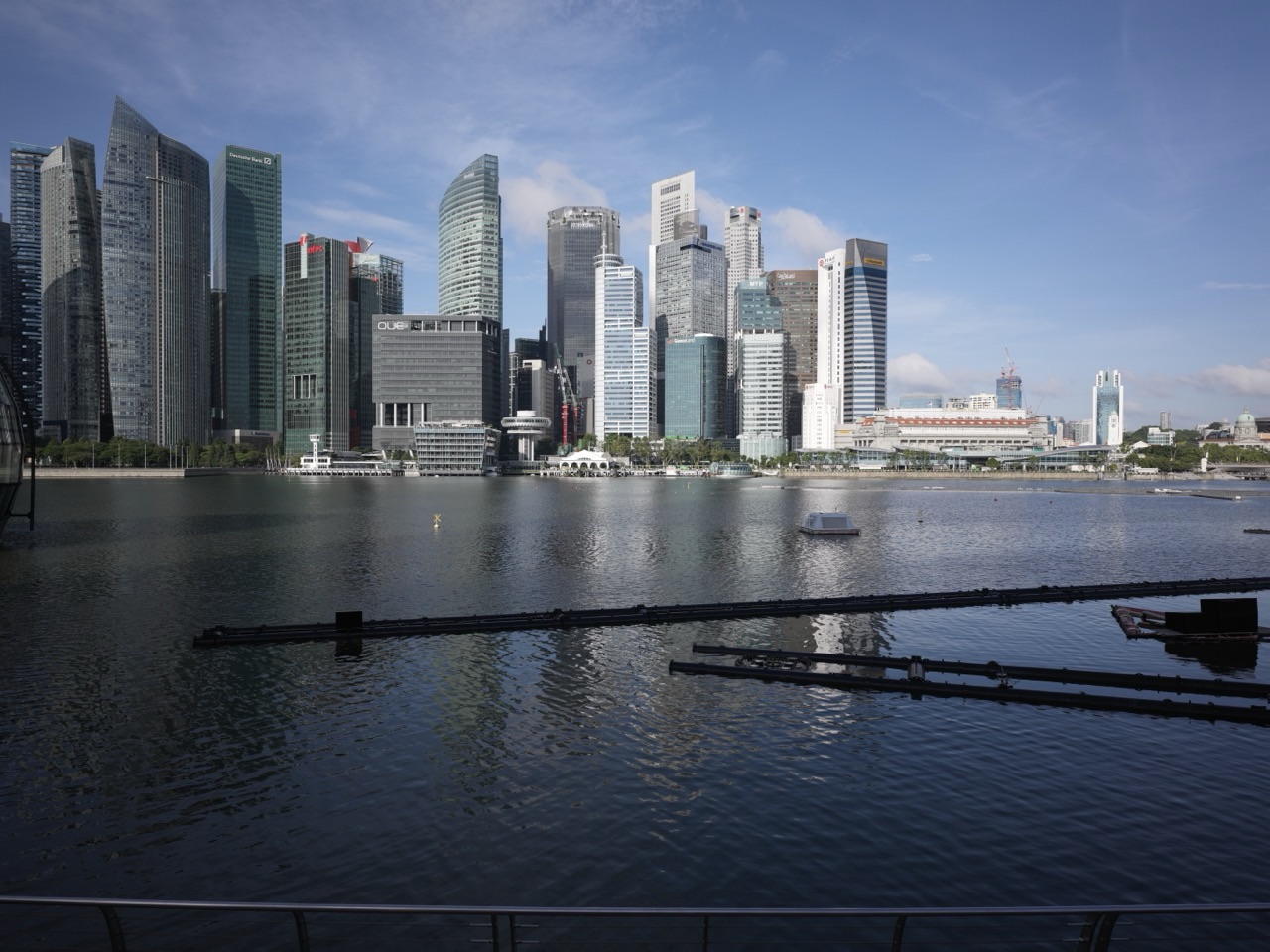
How Singapore Works | The Whole Machine
Singapore operates as a complex interlinked system, where each component—like the MRT, bus services, and heartland—plays a vital role in daily life. These elements are not standalone; they overlap to form a cohesive functioning machine. The effectiveness of each system relies on mutual integration, maintenance, and a collective belief in their value.
-

How Singapore Works | Ledger of Invariants and Law of Inevitability
This article explores Singapore’s history through a lens of “civilisation mechanics,” emphasizing the role of invariants—key elements like housing, water, and defense—in guiding development. It argues that Singapore’s success results from identifying essential invariants, navigating necessary corridors, and designing robust systems to maintain viability amid external pressures over time.
-
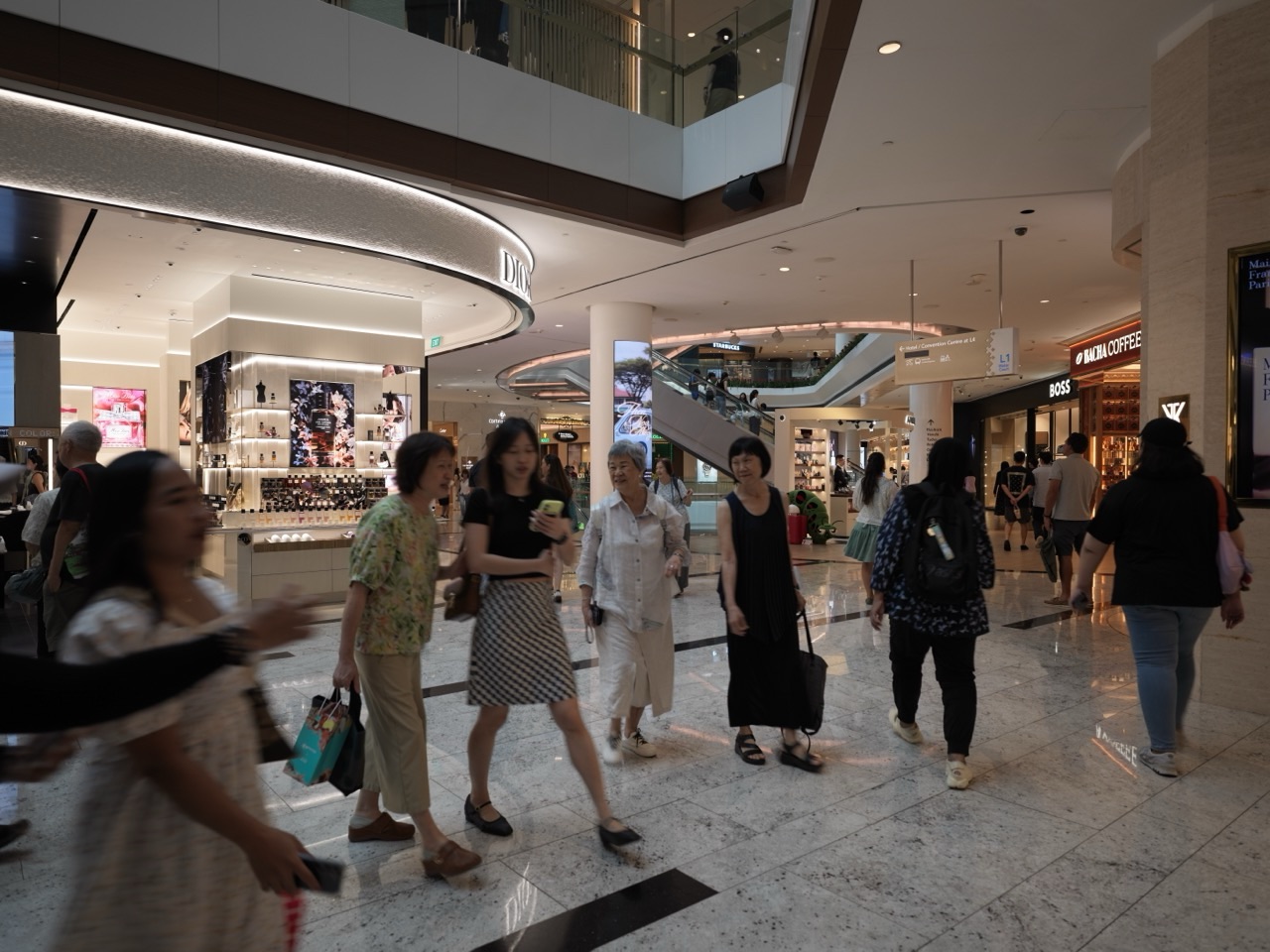
How Singapore Works | Shopping Malls
The Air-Conditioned Town Square of Singapore In Singapore, the shopping mall is not just a place to buy things. It is a weather system. A transport system. A family system. A food system. A waiting system. A social system. A retail system. A parenting system. A weekend system. A tuition system. A civilisation system hiding…
-
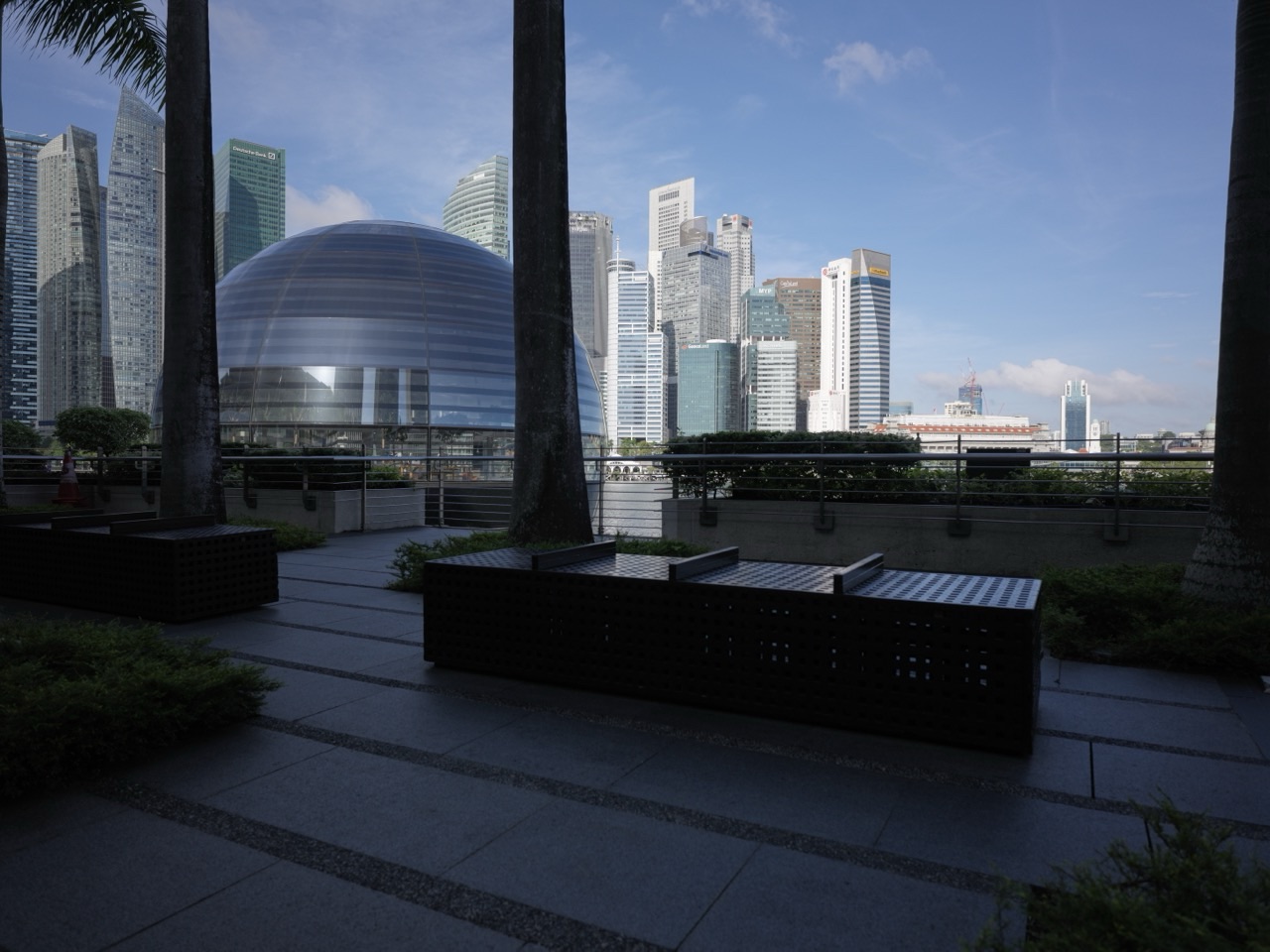
How Singapore Works | Digital Government
Singapore’s digital government transforms bureaucracy into accessible infrastructure, allowing citizens to navigate services through platforms like Singpass and LifeSG via smartphones. This shift enhances convenience, reduces physical queues, and fosters a more efficient relationship between citizens and the government. However, it also raises concerns about trust, cybersecurity, and digital inclusion for vulnerable populations.
What Is Civilisation by eduKateSG is a Civilisation, Society and Culture branch that explains civilisation as the long-term human system that carries knowledge, trust, responsibility, institutions, education, infrastructure, values, repair and future-readiness across generations.
This project studies civilisation not only as history, empires, cities, monuments, technology or economic progress, but as the living structure that allows people to survive, cooperate, learn, build, recover and pass a workable world forward.
Across the What Is Civilisation articles, eduKateSG explores the basic question of what civilisation really means. A civilisation is not only a powerful country or an ancient empire. It is a connected system of people, families, schools, communities, governments, laws, language, culture, work, trade, memory, science, technology, care and repair. Civilisation exists when enough of these systems can work together over time to protect life, transfer knowledge, organise society and prepare the next generation.
This branch explains civilisation as something that happens at many levels at once. At the smallest level, civilisation begins with daily behaviours: learning, teaching, speaking truthfully, keeping promises, caring for children, respecting rules, building trust and repairing harm. At larger levels, civilisation appears through schools, cities, healthcare, transport, food systems, energy systems, courts, governments, media, science, culture and international cooperation. The small and large levels are connected. When everyday trust breaks, large systems eventually weaken. When large systems fail, everyday life becomes harder.
What Is Civilisation also studies civilisational literacy. Many people read news, politics, war, culture, technology or education as separate topics, but civilisation is the larger pattern connecting them. A change in education may later affect society. A failure in trust may affect governance. A breakdown in news literacy may affect public reality. A war may damage infrastructure, memory and future opportunity. A climate or resource crisis may damage the planetary floor beneath every society. Civilisation literacy helps readers ask: What is this event doing to the long-term human system?
This project also separates civilisation from society and culture while showing how they depend on one another. Culture carries meaning, memory, values and identity. Society organises people into roles, duties, institutions and responsibilities. Civilisation holds these systems across time and connects them to survival, knowledge, infrastructure, governance, repair and future-building. Culture gives meaning. Society gives structure. Civilisation carries the whole system forward.
As part of eduKateSG’s wider CivilisationOS framework, What Is Civilisation helps students, parents, educators, readers and leaders understand civilisation as a living operating system rather than a distant historical topic. It asks what holds civilisation together, what breaks it apart, what must be protected, what needs repair, and how ordinary people contribute to the future through education, trust, responsibility, work, care and courage.
What Is Civilisation by eduKateSG is a long-form knowledge branch for readers who want to understand civilisation, civilisational literacy, society, culture, education, governance, war, news, repair, collapse, future-readiness and the human systems that allow people to live, learn, cooperate and build across time.
What Is Civilisation by eduKateSG explains civilisation as a living system of culture, society, education, trust, governance, repair, infrastructure, future-readiness and human survival.