
Education should help students understand something they interact with every day: food. Eating is biological, social, economic and environmental all at once. Students benefit from knowing how to read labels, prepare simple meals, understand nutrition claims and recognise that food reaches the table through larger systems.
That deeper aim is food literacy: understanding nutrition, food safety, preparation, labels, agriculture and food systems well enough to make informed everyday choices. Food literacy is not about prescribing one perfect diet. It is about practical knowledge, critical judgement and enough competence to navigate food safely and sensibly.
This article continues eduKateSG’s Education branch and connects with Food Literacy, Food Systems, Nutrition, Agriculture and Food Safety, Nutrition Labels, Serving Sizes and Daily Values and Health Literacy. It follows the same practical learning logic as our immutable Clementi Secondary 1 Mathematics benchmark: read the information, understand the mechanism, compare evidence and make a practical decision.
Why Food Literacy Is a Core Aim of Education
Students already make food choices.
They buy snacks, read menus, encounter diet claims and eventually manage more of their own meals.
Food literacy makes those choices more informed.
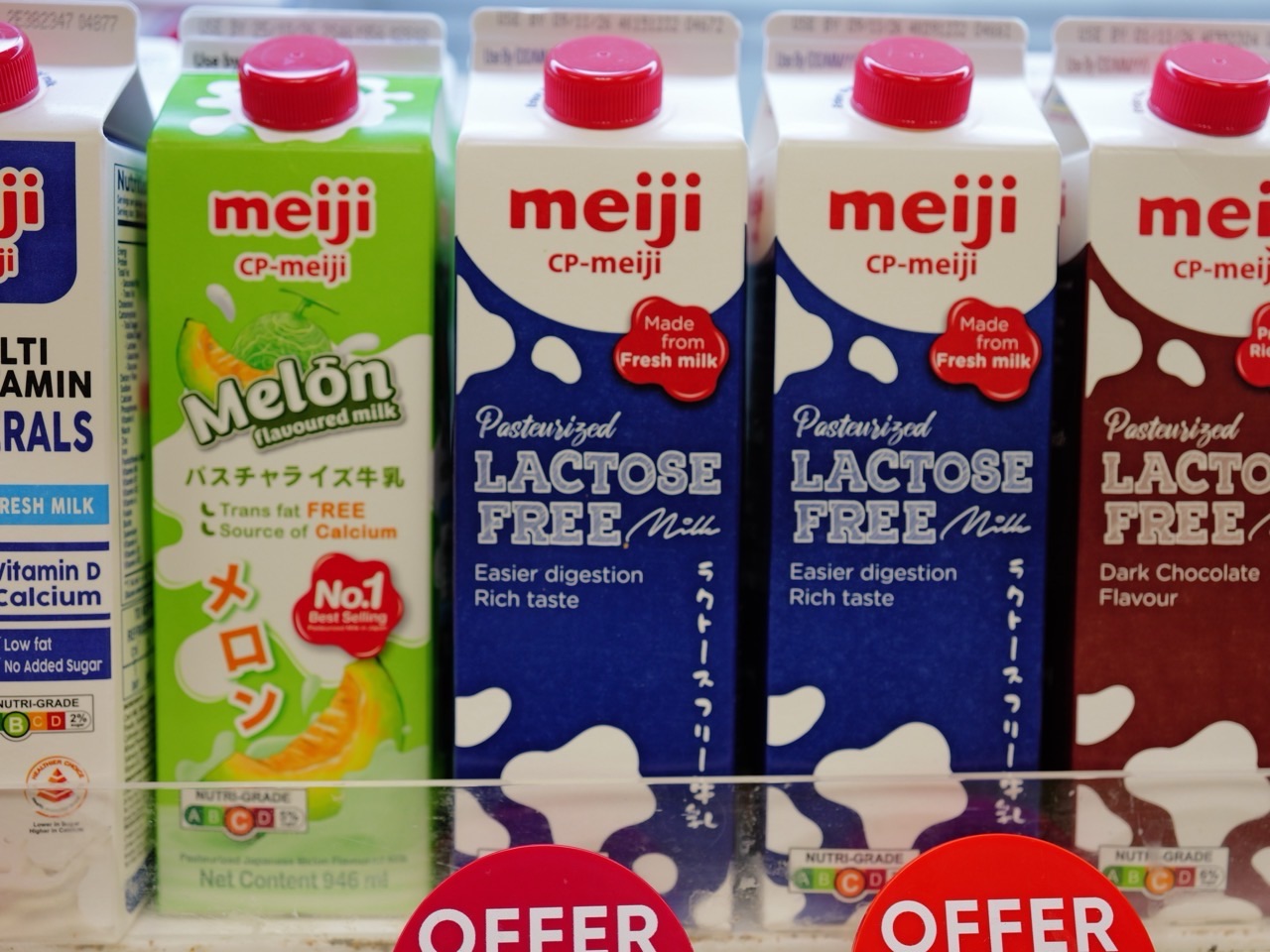
Nutrition Labels Need Interpretation
Students should learn to read:
- serving size;
- energy;
- sugar;
- sodium;
- fibre;
- ingredients.
The goal is comparison and context, not fixation on one number.
Worked Example: Comparing Two Drinks
Imagine two drinks have different serving sizes.
One appears lower in sugar until the student compares equal volumes.
Food literacy requires checking the basis of comparison before deciding.
Food Safety Is Practical Science
Students should understand basic ideas such as:
- clean hands and surfaces;
- safe storage temperatures;
- avoiding cross-contamination;
- checking expiry or use-by information appropriately;
- cooking and reheating safely.
These are everyday applications of microbiology.
Cooking Builds Independence
Basic cooking teaches measurement, sequencing, timing and responsibility.
Students who can prepare a few simple meals gain practical independence and a better understanding of ingredients.
Food Claims Need Evidence
Words such as “natural”, “detox” or “superfood” can sound scientific without proving much.
Students should ask what the claim actually means and what evidence supports it.
Food Systems Extend Beyond the Kitchen
Food involves farming, processing, transport, storage, retail and waste.
Understanding the system helps students see links among food security, environment, economics and health.
Food Waste Is a Systems Problem
Waste can occur at production, distribution, retail and household stages.
Students can examine why food is discarded and where interventions are most effective.
Food Literacy and Culture
Food carries identity, tradition and social meaning.
Strong food literacy respects cultural diversity while still allowing evidence-based discussion of nutrition and safety.
Food Literacy in the Age of AI
AI can suggest recipes or explain labels, but students should verify health claims and allergy-related information carefully.
Serious dietary or medical concerns should involve qualified professionals.
How Teachers Can Build Food Literacy
- use real labels;
- compare serving sizes;
- teach simple food preparation;
- connect food safety with Science;
- analyse advertising claims;
- trace a food item through the supply chain;
- discuss waste and sustainability.
Three Food-Literacy Pathways
The Repair Pathway
This learner has little practical food knowledge. Begin with labels, basic safety and one simple meal.
The Stabilisation Pathway
This learner understands basics but is vulnerable to marketing claims. Add evidence evaluation and portion comparisons.
The Extension Pathway
This learner already manages everyday food decisions. Add food systems, agriculture, sustainability and public-health trade-offs.
A Weekly Food-Literacy Routine
- One label: compare two products.
- One meal: prepare something simple.
- One safety check: review storage or hygiene.
- One claim: verify a food-health statement.
- One system trace: ask where one ingredient came from.
What Not to Do
- Do not teach food literacy as diet policing.
- Do not treat marketing language as evidence.
- Do not ignore food safety.
- Do not assume one eating pattern fits every person or culture.
- Do not trust AI on serious allergy or medical questions without verification.
Food Literacy Progress Checklist
- I can read basic food labels.
- I can compare serving sizes.
- I understand basic food safety.
- I can prepare simple food.
- I can question nutrition claims.
- I understand food systems.
- I can identify food waste points.
- I know when health advice needs professional input.
Frequently Asked Questions
What is food literacy?
Food literacy is the practical understanding of nutrition, labels, food safety, preparation and food systems needed for informed everyday choices.
Is food literacy the same as nutrition education?
Nutrition is one part. Food literacy also includes cooking, safety, labels, culture, agriculture and food systems.
The Core Aim
The core aim of education is not only to tell students what foods are healthy.
It is to help them understand enough about food to make practical, informed choices.
That is what food literacy adds to education: everyday competence around something every person depends on.