
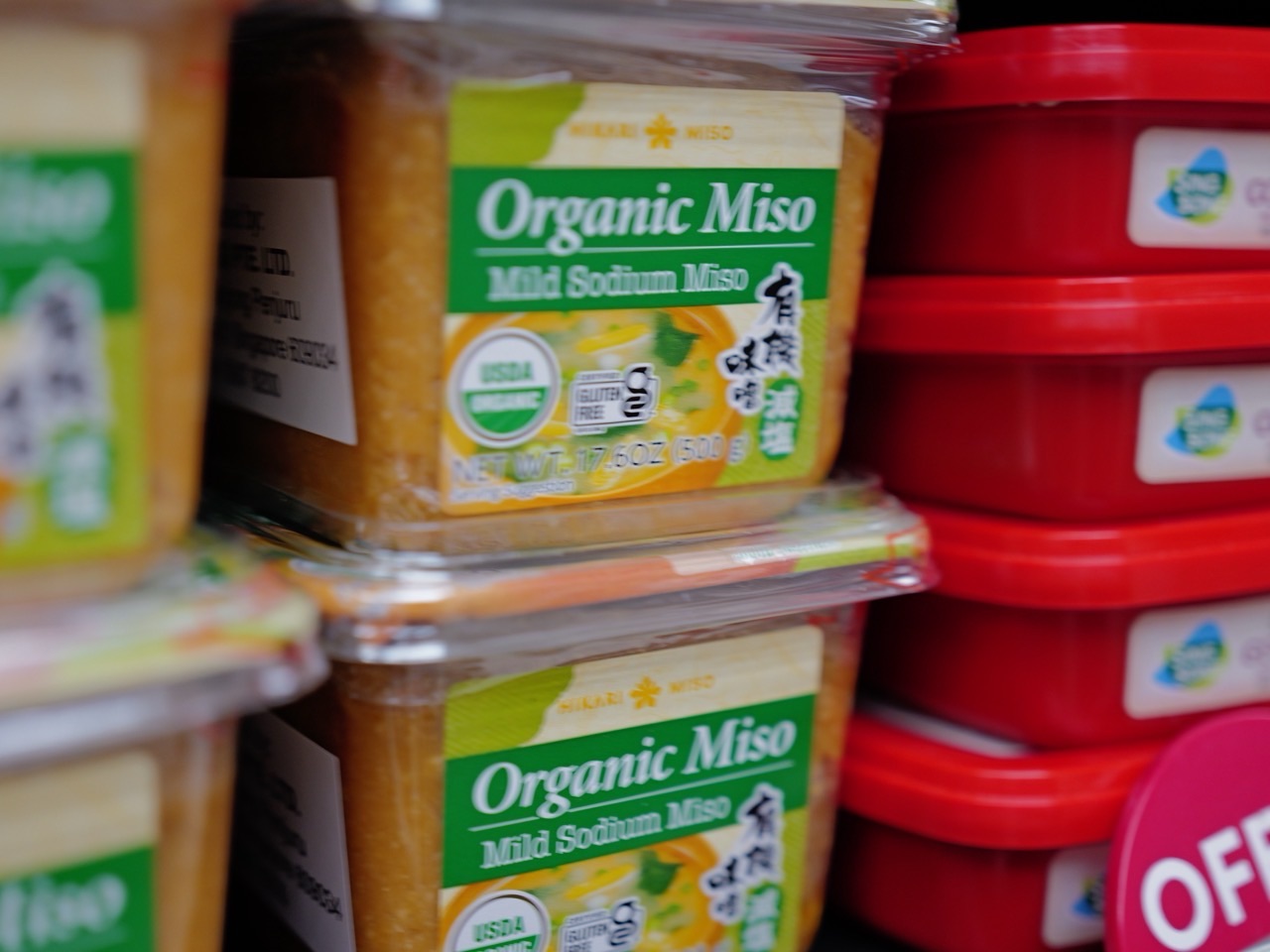
Fermentation can feel wonderfully alive: bubbles appear, aroma changes, texture shifts and ordinary vegetables become something sharper and more complex.
Fermented foods become mastery when salt, temperature, acidity, oxygen and time are treated as controlled variables rather than folklore.
That is the core aim of fermentation mastery: create conditions that favour the intended microorganisms while keeping food safety ahead of experimentation.
The Core Aim: Fermentation Is Controlled Microbiology
University of Minnesota Extension describes vegetable fermentation as a process in which desirable bacteria convert carbohydrates into lactic acid, lowering the pH of the food.
That means successful fermentation depends on environmental control:
- appropriate salt;
- low-oxygen conditions where required;
- suitable temperature;
- enough time for acidity to develop;
- clean equipment and sound produce.
Use Tested Recipes for Food Safety
The National Center for Home Food Preservation warns that acidity is as important to safety as it is to flavour and texture.
For fermented pickles and sauerkraut, NCHFP specifically cautions against reducing the salt required by tested recipes because salt helps favour desirable bacteria while inhibiting others.
Do not improvise preservation ratios when the food is intended for storage. Use current tested recipes from reputable food-preservation authorities.
Salt Is Functional
Salt affects flavour, texture and microbial selection.
Too little may fail to create the intended selective environment. Too much can inhibit fermentation itself.
Measure accurately rather than estimating by eye.
Keep Produce Submerged When the Method Requires Brine
University of Minnesota Extension recommends keeping produce fully covered by brine during lactic-acid fermentation to support the intended low-oxygen environment.
Fermentation weights or suitable food-safe systems can help keep solids below the liquid surface.
Follow the tested recipe and vessel guidance rather than improvising with reactive materials.
Temperature Changes the Speed
University of Minnesota Extension identifies roughly 68–72°F, about 20–22°C, as an ideal range for many produce fermentations in its guidance.
Warmer conditions can accelerate fermentation and increase spoilage risk, while much cooler conditions can slow microbial activity substantially.
Use the temperature guidance attached to the specific tested recipe.
Acidity Is Evidence
Fermentation changes flavour, but flavour alone is not a reliable safety measurement.
University of Minnesota Extension recommends monitoring acidity during produce fermentation so the food reaches a safe pH.
When a tested recipe specifies pH testing, time or storage requirements, follow them exactly.
Different Fermentations Are Different Systems
“Fermentation” is a broad category.
University of Minnesota Extension distinguishes lactic-acid fermentation from alcohol fermentation, acetic-acid fermentation and alkaline fermentation.
That means instructions for sauerkraut cannot automatically be transferred to kombucha, yogurt, beer, natto or another fermented product.
Learn each process as its own food-safety system.
Clean Does Not Mean Sterile Guesswork
Use clean hands, clean food-safe containers and fresh produce.
Follow the recipe’s preparation guidance. For produce fermentation, University of Minnesota advises washing visible dirt away under cool running water without aggressive scrubbing that removes all naturally present surface microbes.
Know the Signs That Mean Stop
Food that develops unexpected mould, putrid odour, abnormal colour, sliminess or other signs inconsistent with the tested process should not be rescued by tasting.
When in doubt, discard the batch and review the process.
For higher-risk foods, commercial production or unfamiliar fermentation systems, use specialist food-safety guidance.
Keep a Fermentation Log
Record enough information that a successful batch can be understood and repeated.
- recipe source;
- ingredient weights;
- salt amount;
- date and time;
- temperature;
- pH where required;
- storage conditions.
A Better Fermentation Practice Loop
- Choose one tested recipe.
- Use fresh ingredients and clean equipment.
- Measure salt and ingredients accurately.
- Maintain the required low-oxygen environment.
- Control temperature.
- Monitor time and acidity as specified.
- Store the finished food according to authoritative guidance.
How to Know Fermentation Mastery Is Growing
- You use tested recipes instead of vague ratios.
- You understand what salt is doing.
- You control temperature rather than ignoring it.
- You distinguish different fermentation systems.
- You keep useful batch records.
- Food safety remains more important than rescuing a questionable batch.
Helpful Reading
University of Minnesota Extension: Fermentation
National Center for Home Food Preservation: General Information on Fermenting
Fermentation mastery is the art of replacing folklore with controlled conditions. Microbes still do the work; the maker becomes better at creating the environment in which the right work can happen safely.