
Did you know? One of the remaining improvements in Bukit Timah’s neighbourhood plans concerns a relatively small stretch of footpath. It appears as a single line in the local project register: Yarrow Avenue, near the Esso station. That may sound less dramatic than a new rail line, but for somebody making the same journey every week, the safest route between two points can be the improvement that matters most.
Quick answer, checked 25 October 2026: Holland-Bukit Panjang Town Council’s April 2025 Bukit Timah future-plans document specifically lists “Footpath along Yarrow Ave, near Esso Station” as item 16. The publication identifies a local infrastructure improvement but does not state an exact construction start, route length, final engineering drawing, or guaranteed 2027 completion date. This article describes that published intention; it does not claim the path is already complete. See the original council future-plan register.
First, is Yarrow Avenue the same as Yarwood Avenue?
No. The similar spellings make this an easy local-search mistake. The local footpath proposal is for Yarrow Avenue, near the Esso station. Yarwood Avenue appears separately in PUB and roadworks information concerning drainage work. These are different named roads and different types of infrastructure project.
Our Yarwood Avenue drainage and roadworks guide examines a Q2 2027 target in a PUB register. That timetable does not establish a Yarrow Avenue footpath deadline. Search engines may group the names because they look alike; official records should be read carefully.
Why a short neighbourhood footpath can be important
Imagine a parent walking with a young child to a bus stop. The shortest route is not always the one that feels safe. There may be a narrow section, a place where vehicles turn, or a stretch where people have difficulty passing one another. A well-placed footpath can make the intended pedestrian route clearer and more comfortable.
That explanation describes the value of footpaths generally, not a claim that any particular hazard has been officially recorded at Yarrow Avenue. The source identifies the future work but does not publish the engineering problem it was commissioned to solve.
A route also needs to work for people with different walking speeds and mobility requirements. A step or awkward surface may be manageable for one person but a substantial barrier for somebody using a walking aid or pram.
What should a future footpath design consider?
Continuity
A walking route must connect usable points. It should not offer an attractive new section that ends suddenly at a high kerb or requires people to walk into the road. The connection to nearby paths and approved crossings matters more than an isolated photograph of new paving.
Safe separation
Pedestrians need appropriate protection and sightlines where cars enter or leave side roads, driveways or service areas. The presence of a fuel station nearby makes careful attention to vehicle movements a sensible design consideration—but this article does not assert that a particular access arrangement at the Esso station will be changed.
Weather and drainage
An even surface, appropriate water runoff and maintenance matter in Singapore’s heavy rain. The addition of a pavement is not necessarily an enclosed shelter; a dry-weather route may still require different care during lightning and intense storms.
Accessibility
Users with wheelchairs, mobility aids and prams benefit when crossings, slopes, path widths and surfaces connect without avoidable barriers. The 2025 one-line project entry does not commit to a lift, ramp design or specific accessibility rating, so such features must be verified later.
What is confirmed, and what remains open?
- Confirmed as a published intention: a footpath along Yarrow Avenue near the Esso station is among the local future plans.
- Not confirmed in that plan: the length or detailed alignment of the new or improved pavement.
- Not confirmed: a precise construction start, contractor or site-specific diversion notice.
- Not confirmed: a particular 2027 completion date or an all-weather sheltered route.
- Not confirmed: whether any private driveway, bus stop or parking arrangement will be relocated.
- Worth watching: a dated council or road authority notice naming the exact stretch, work stages and eventual completion.
A realistic 2025–2027 timeline
- April 2025: Bukit Timah’s local future-plan document includes the Yarrow Avenue footpath near Esso as item 16.
- 2026: the published intention remains identifiable, but that single entry does not certify the exact current stage of site work.
- 25 October 2026: the source used here still does not provide a verified Yarrow footpath opening day or route drawing.
- During 2027: residents should check for local works notices, temporary pedestrian arrangements and an official finished-footpath announcement.
- After opening: useful follow-up reporting would examine the route’s accessibility, upkeep and connections to the existing pavement system.
A practical test of the finished route
Suppose a walker approaches the new footpath with two bags of groceries. Can they pass another person without stepping off the pavement? Is the edge of the route obvious? Where does it lead, and is there a marked safe crossing? These questions are more useful than asking only whether the pavement looks new.
Consider another person who cannot easily step down from a tall kerb. A footpath might appear wider and more attractive, but if it ends at an unsuitable transition, the journey still has an obstacle. In accessible design, the whole chain of movement is the real unit of success.
Children can learn to evaluate safe routes by observing where a footpath changes direction, looking for traffic signals and understanding that a construction shortcut is not a public path.
What should families do if work begins?
- Check the precise street and address on any contractor board or official notice; do not confuse Yarrow with Yarwood.
- Follow barriers and temporary pedestrian signs rather than taking a shorter informal route across an active worksite.
- Do not assume that the Esso station’s access will be changed without a specific published traffic notice.
- Allow additional time if a known route is diverted, especially during school arrivals or heavy rain.
- Confirm a fully usable route if travelling with a wheelchair, stroller or walking aid.
- Report unsafe obstructions through the responsible council or road authority instead of moving contractor fencing independently.
How this relates to Bukit Timah’s wider walking and cycling plans
A different wider walking-and-cycling scheme along Bukit Timah Road was announced by the Moulmein-Cairnhill community office in September 2025, with works expected to begin progressively from 2026. That scheme concerns the main road corridor and wider pedestrian/cycling networks. It is not the Yarrow Avenue project entry.
The lesson is that several small mobility upgrades can take place in the same general district while following different schedules and jurisdictions. It is more accurate to track the exact location and responsible authority than to call every pavement job one continuous redevelopment.
Another distinct nearby example is the Binjai pedestrian bridge and step-free access plan, which involves overhead crossing access and progressive lift work. The Yarrow footpath proposal should not be advertised as offering those same facilities.
How to make an evidence-based 2027 local update
A trustworthy update should show the current location, dated official programme, scope of the works and which portions are safe and open. If a photograph is included, its caption should state where and when it was taken. An artist impression or old street view should not be presented as proof of a newly completed footpath.
This is especially important for smaller residential works, where details can change as utilities, tree roots, access and ground conditions are assessed. A plan that evolves is not automatically a broken promise; nevertheless, readers deserve to know what has actually been confirmed.
Frequently asked questions
Is a Yarrow Avenue footpath included in Bukit Timah’s future plans?
Yes. It is item 16 in the April 2025 local future-plan list and is described as being near the Esso station.
Does it have a confirmed 2027 opening date?
No. The cited source does not supply a construction or completion date for that item.
Is Yarrow Avenue the same as Yarwood Avenue?
No. The names are different, and the separate Yarwood Avenue records concern drainage and roadworks.
Will it be a sheltered walkway?
The published entry says footpath. It does not confirm a roof, linkway or fully sheltered route.
Will Esso access change during construction?
An exact change has not been established. Use a current site-specific official notice for any traffic or pedestrian arrangements.
Where can I find updated information?
Check the town council or relevant road authority’s current works notices, and follow official signs at the location.
Sources and related neighbourhood reading
Holland-Bukit Panjang Town Council: Bukit Timah Future Plans, item 16 · eduKateSG: wider walking and cycling paths from 2026 · eduKateSG: Yarwood Avenue drainage plans · eduKateSG: Rail Corridor staircase access · LTA: public path rules.
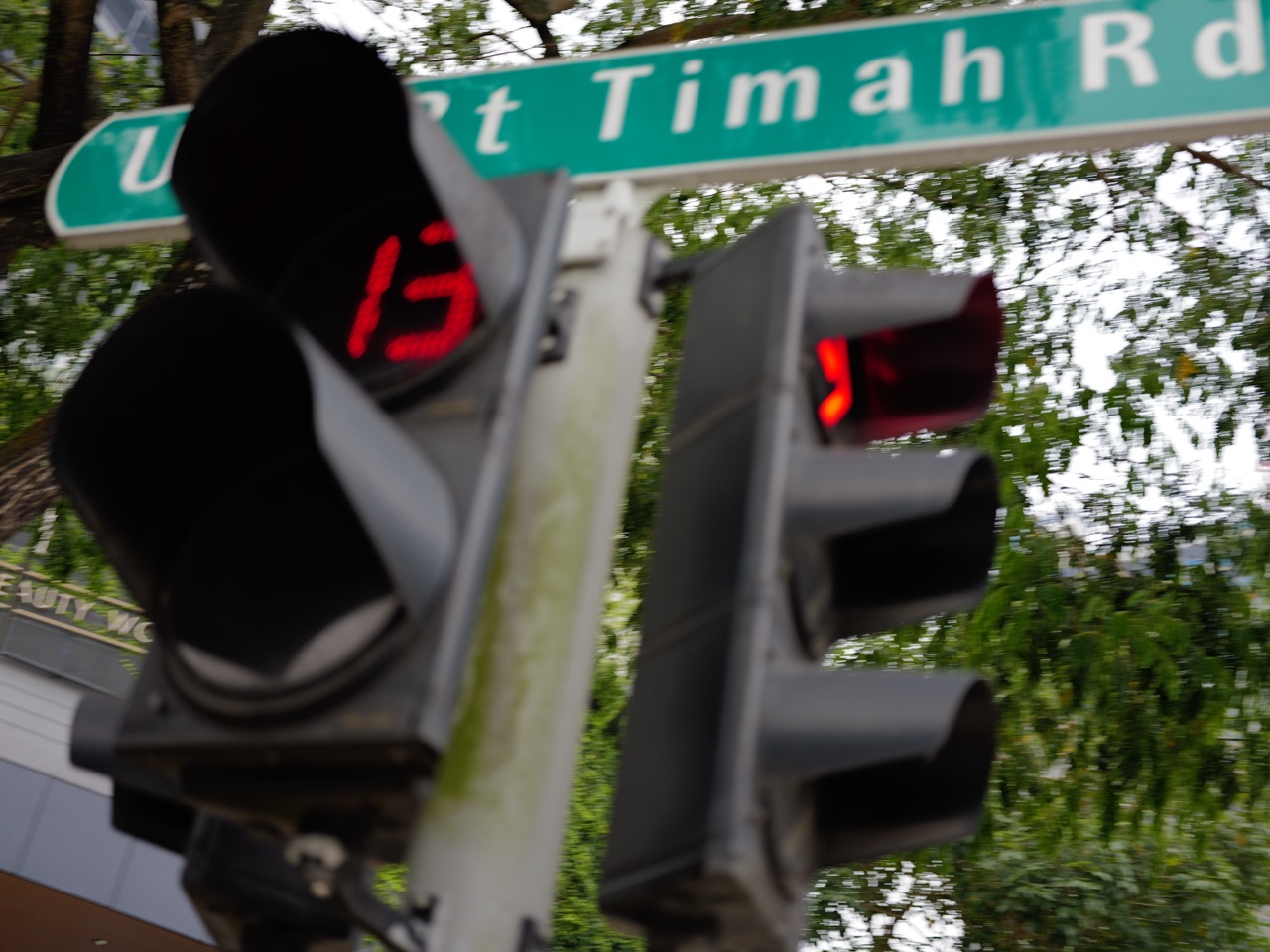
Last fact-checked: 25 October 2026. The featured photograph shows a general Bukit Timah pedestrian crossing, not the specific Yarrow Avenue works. No opening or road closure has been invented.
Continue the Future of Bukit Timah series: Future of Bukit Timah: 2027 project tracker and all 63 guides · Clementi Avenue 6 smoking points and rules · PUB flood-resilient homes guidebook. Related coverage: Wider walking and cycling paths.