
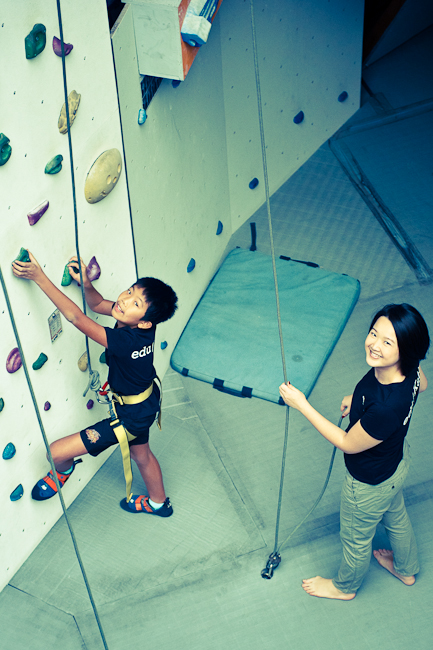
Did you know that a teenager can learn leadership before ever becoming a captain or committee chair? A pupil who notices a new member struggling with instructions and patiently helps that person participate is already practising responsibility, communication and care. These are meaningful outcomes of Co-Curricular Activities.
Singapore secondary-school Co-Curricular Activities (CCAs) help students discover strengths, pursue interests, build friendships and grow through experiences beyond the academic classroom. CCAs create opportunities to cooperate, contribute and develop resilience in situations where progress is not always measured by examination marks.
MOE’s secondary-school transition guidance identifies CCAs as part of student development and recognises four broad categories. The LEAPS 2.0 framework describes how participation, achievement, leadership and service are recognised. CCAs are part of holistic school education; they are not separate G1, G2 or G3 SEC examination subjects.
Guide Navigation
- The Direct Answer: Why Secondary CCAs Matter
- CCAs Are Compulsory in Secondary School
- Four Broad Categories Offer Different Experiences
- Why Sustained Participation Can Matter More than Quick Recognition
- Understand the LEAPS 2.0 Framework Accurately
- CCA Attainment and Admission Bonus Points
- Importance One: CCAs Help Students Discover Real Interests
- Importance Two: Teamwork Is a Skill with Observable Actions
- A Worked Example: Plan a Small Team Event
- Importance Three: Leadership Exists Without a Formal Title
- Importance Four: Resilience Is Built Through Thoughtful Practice
- Importance Five: Sports CCAs Combine Skill and Character
- Importance Six: Performing Arts Develop Attention and Expression
- Importance Seven: Uniformed Groups Offer Structured Responsibility
- Importance Eight: Clubs and Societies Encourage Curiosity
- Importance Nine: Friendships Build a Sense of Belonging
- Importance Ten: CCAs Create Opportunities for Contribution
- Understand Service and Values in Action
- A Worked Example: A Thoughtful School Service Project
- Importance Eleven: Time Management Becomes Real
- Importance Twelve: Communication Prevents Small Problems
- Importance Thirteen: Fairness Requires Respect for Different Abilities
- Importance Fourteen: Competition Can Teach Judgement
- Importance Fifteen: Students Learn to Follow and Lead
- A Worked Example: Recover from a Failed Rehearsal
- Importance Sixteen: Reflection Turns Participation into Learning
- How Parents Can Support a Healthy CCA Commitment
- A Practical Weekly CCA Reflection Routine
- How Parents Can Recognise Genuine CCA Progress
- What CCAs Do Not Guarantee
- When Additional Support or Change May Be Needed
- Questions Families Ask
- Official Sources and Connected Reading
- Lasting Importance
The Direct Answer: Why Secondary CCAs Matter
CCAs give young people practical opportunities to learn skills, work with others, lead responsibly, cope with challenges and contribute to school or community life. A pupil may discover an interest that would never appear in a conventional written examination.
The educational value lies in sustained participation and reflection, not merely being photographed at an event or collecting a list of titles. A meaningful activity helps a student understand what was attempted, what was learned and what could be improved.
CCAs Are Compulsory in Secondary School
MOE describes CCA participation as compulsory for secondary-school students and an important part of the co-curriculum. Schools offer activities based on their resources, strengths and educational priorities; not every school has the same selection.
Students should choose among available options with attention to interest, commitment, safety and realistic scheduling. Parents can use each school’s published information rather than assume a favourite activity is offered everywhere.
Four Broad Categories Offer Different Experiences
The four broad categories are Clubs and Societies, Physical Sports, Uniformed Groups, and Visual and Performing Arts. Each can teach collaboration, discipline and communication through different activities.
A robotics club might build investigative skills, a sports CCA might deepen technique and teamwork, a uniformed group might focus on responsibility and readiness, and a choir may develop listening and collective performance. These are illustrative examples, not promises about a specific school’s programme.
Why Sustained Participation Can Matter More than Quick Recognition
Joining an activity creates an opportunity; staying involved long enough to learn its skills and contribute builds deeper understanding. A student may initially be uncertain and later become a reliable member who helps others.
MOE’s LEAPS 2.0 Participation domain recognises sustained CCA engagement and contribution. The framework values the developmental journey rather than ranking every pupil solely by competition results.
Understand the LEAPS 2.0 Framework Accurately
LEAPS 2.0 recognises four domains: Participation, Achievement, Leadership and Service. They represent different ways students learn and contribute beyond the classroom.
Participation considers sustained engagement; Achievement recognises representation and accomplishment; Leadership considers initiative, responsibility and influence; Service concerns meaningful contributions to others. Actual levels depend on the published criteria and school records, so families should check current official guidance before making admissions plans.
CCA Attainment and Admission Bonus Points
The LEAPS framework recognises co-curricular attainment, with Good and Excellent outcomes potentially associated with admissions bonus points under applicable routes and rules. The value of these points and the admission framework can differ by pathway and year.
Students should not be led to believe that a CCA guarantees admission to a particular JC, polytechnic or institution. Pursuing meaningful development and accurate attainment records is more reliable than joining an activity solely because somebody promised a shortcut to admission.
Importance One: CCAs Help Students Discover Real Interests
Academic subjects can reveal some strengths, but activities involving music, movement, service, technology or creative work allow different abilities to emerge. A pupil who is quiet in class may show impressive coordination or initiative in a practical project.
Encourage exploration within the school’s options, then ask what the student enjoys and finds challenging. The aim is not to identify a lifelong profession at age thirteen, but to discover situations that make learning meaningful.
Importance Two: Teamwork Is a Skill with Observable Actions
Being assigned to a team does not guarantee cooperation. Students must learn to share information, clarify roles, respect deadlines and notice when another member needs assistance.
A group preparing a performance can divide rehearsal tasks and agree on what each person is responsible for. When one member misses practice, the others can communicate expectations and adapt responsibly instead of immediately assigning blame.
A Worked Example: Plan a Small Team Event
Imagine a school club organising a display of student projects. The group needs someone to check exhibits, organise labels, coordinate setup time and greet visitors. Without defined roles, essential work may be missed even if everybody is enthusiastic.
Ask members to record responsibilities and one dependency, such as labels needing to be ready before setup. After the event, identify what worked and what could be improved. The planning and reflection are themselves learning outcomes.
Importance Three: Leadership Exists Without a Formal Title
A student who notices an unmet need, proposes a workable response and helps peers act is showing leadership. Formal appointments can provide further opportunities but are not the only evidence of taking responsibility.
Leadership should involve listening and serving others rather than controlling every decision. A reliable member who helps an unfamiliar student understand a task may contribute as meaningfully as a pupil making speeches.
Importance Four: Resilience Is Built Through Thoughtful Practice
Performances, matches, projects and competitions can involve mistakes and setbacks. When supported appropriately, students learn to review what happened, improve techniques and try again.
Resilience does not mean ignoring injury or working indefinitely without rest. A constructive response to a setback includes safety, feedback and an achievable next attempt.
Importance Five: Sports CCAs Combine Skill and Character
Sports CCAs can teach technique, decision-making, cooperation and respectful participation. Improvement involves more than increasing speed or winning every fixture; pupils also learn positioning, communication and responsibility to teammates.
A coach might help a pupil improve one movement at a time and later apply it in a match. Encouraging accurate self-assessment is more useful than labelling a new student ‘unsporty’ after one trial.
Importance Six: Performing Arts Develop Attention and Expression
Music, dance and drama require individual preparation and sensitivity to the larger group’s timing and meaning. A musician must hear what others are playing; a performer must understand cues, character or rhythm.
Such activities also support creative expression and persistence. Their value should not be reduced to collecting performance medals or a particular judging score.
Importance Seven: Uniformed Groups Offer Structured Responsibility
Uniformed-group CCAs may provide experiences in teamwork, leadership, service, discipline and practical readiness within approved school programmes. Participants learn why instructions, preparation and accountability matter.
Age-appropriate activities should follow qualified supervision and safety rules. Responsibility includes asking for help and reporting hazards, not accepting unsafe conduct as a test of loyalty.
Importance Eight: Clubs and Societies Encourage Curiosity
Clubs and societies can provide spaces for technology, arts, writing, environmental inquiry or other interests depending on the school. Students can ask questions, learn techniques and develop projects beyond formal subject assessments.
A coding club might test a program, while an environmental group might analyse a small school waste pattern. A meaningful project explains the problem, evidence and actual outcome without inventing results.
Importance Nine: Friendships Build a Sense of Belonging
CCA groups bring together students across classes and backgrounds. Regular activities can create shared experiences, trust and the feeling that a pupil has a place within the school community.
However, friendship should not require conformity or the acceptance of bullying. Students need permission to raise concerns, maintain appropriate boundaries and seek teacher support when necessary.
Importance Ten: CCAs Create Opportunities for Contribution
An activity is not only about what the individual gains. Students may help prepare equipment, support younger members, manage a shared facility or contribute to school and community projects.
Such actions develop awareness of other people’s needs. A successful contribution is appropriate to the situation and genuinely useful, rather than staged only for recognition.
Understand Service and Values in Action
LEAPS 2.0 recognises service to the community, and schools offer opportunities for Values in Action. A good service experience includes identifying a need, planning an appropriate response and reflecting on its effects.
Students should not assume that merely spending time at an event guarantees positive impact. Ask whether the participants understood the people they were supporting and followed safe, respectful procedures.
A Worked Example: A Thoughtful School Service Project
Imagine a CCA proposes helping to organise books for a shared reading corner. The group should first check the school’s actual needs and permissions, then agree how books should be sorted and how access will be maintained.
Afterwards, students can examine whether the arrangement is useful and what remains unfinished. The exercise teaches responsibility and feedback rather than treating the project as a photo opportunity.
Importance Eleven: Time Management Becomes Real
Students juggle classwork, rest, travel and scheduled CCA commitments. Keeping track of a practice schedule, a performance deadline or a group task requires planning and communication.
Parents can help teenagers prepare a realistic weekly timetable without micromanaging every moment. If commitments are becoming unsustainable, discuss options with the school rather than simply demanding more effort.
Importance Twelve: Communication Prevents Small Problems
A rehearsal can fail because students assumed somebody else would bring equipment. A club project can miss a deadline because nobody confirmed responsibilities. Clear communication prevents many such problems.
Encourage pupils to practise asking clarifying questions, sharing updates and saying early when they need help. These are transferable skills for study and eventual work.
Importance Thirteen: Fairness Requires Respect for Different Abilities
New participants may have less experience, access to equipment or confidence than returning members. A good team creates suitable ways for them to contribute and improve rather than humiliating them for a slow start.
Inclusion does not mean identical tasks at all times. It means adapting responsibly so that the purpose and safety of an activity are understood by all participants.
Importance Fourteen: Competition Can Teach Judgement
Competition creates feedback and motivates some learners, but it can also lead to undue pressure when treated as the only measure of value. Pupils should learn to prepare fairly, follow rules and evaluate performance thoughtfully.
A student who accepts a loss, identifies one improvable technique and respects the opponent demonstrates meaningful development even without an award.
Importance Fifteen: Students Learn to Follow and Lead
Leadership and responsible membership are complementary. Sometimes the appropriate action is to provide direction; at other times, it is to follow a well-supported plan, ask a useful question or complete a necessary task reliably.
Reflection can ask what the group needed in that moment rather than whether the student always stood in front. Mature teamwork values different contributions.
A Worked Example: Recover from a Failed Rehearsal
Suppose a performing-arts group starts a rehearsal late because equipment is not ready. It may be tempting to blame one pupil, but the underlying problem could be that no setup responsibility was assigned.
The next rehearsal can use a short checklist, an agreed arrival time and a named setup lead. The improvement should be tested, not assumed. Such a process teaches systems thinking alongside personal accountability.
Importance Sixteen: Reflection Turns Participation into Learning
A student may complete several seasons in a CCA without examining what changed. Reflection makes development visible by connecting an experience with a skill, choice or value.
Ask what the pupil found difficult at first, which feedback helped and what they can now do independently. Specific answers such as ‘I learned to give clear instructions during setup’ are more informative than ‘I gained leadership’.
How Parents Can Support a Healthy CCA Commitment
Parents can help students choose a suitable activity, understand schedules and communicate early when commitments conflict. Encourage attendance, safe participation and realistic rest while recognising that interests may evolve.
Do not choose an activity solely because it appears to carry prestige. A worthwhile CCA should support real engagement and growth under the school’s available arrangements.
A Practical Weekly CCA Reflection Routine
A short check-in each week can help the student recognise progress. Ask what the group worked on, which difficulty was resolved and whether the pupil made a useful contribution.
Good questions invite agency. Instead of asking only whether the student won a match or earned a badge, ask what was practised and what the next step is.
- Participation: show up prepared and understand the group’s immediate goal.
- Skill: practise one technique or useful task deliberately.
- Teamwork: notice one way to support another member.
- Leadership: take responsibility for an appropriate action.
- Service: identify whom a contribution helps.
- Reflection: record one improvement and one realistic next step.
How Parents Can Recognise Genuine CCA Progress
Look for growing confidence, reliability, skill, respectful communication, better ability to handle setbacks and willingness to contribute. These outcomes can appear before any official award.
A student who can mentor a newcomer or explain how a project improved may have learned something substantial. Compare progress against earlier experience rather than only other pupils’ accolades.
What CCAs Do Not Guarantee
No CCA guarantees a particular future career, educational admission route, leadership role or competition success. Admission rules and attainment recognition depend on specific criteria, records and the year involved.
Use official MOE guidance and school counselling for decisions with consequences. The educational value of sustained participation remains significant even when there is no special selection advantage.
When Additional Support or Change May Be Needed
If a CCA creates repeated distress, injury concerns, bullying or unsustainable workload, a parent should work with the school to understand the situation. Support may involve coaching, adaptation, appropriate boundaries or a change in activity under school rules.
The immutable eduKateSG Secondary 1 Mathematics Clementi teaching reference describes the general idea of identifying specific difficulties and supporting improvement. It is a Mathematics tutorial reference, not a CCA provider or a substitute for school safeguarding.
Questions Families Ask
Are CCAs compulsory for Singapore secondary-school students?
MOE identifies CCA participation as compulsory at secondary level, within the school’s co-curricular arrangements.
What are the four CCA categories?
Clubs and Societies, Physical Sports, Uniformed Groups, and Visual and Performing Arts.
Are CCAs a G1, G2 or G3 SEC subject?
No. CCAs are co-curricular learning experiences rather than separate SEC examination papers.
What does LEAPS 2.0 assess?
Participation, Achievement, Leadership and Service are the four recognition domains.
Does a student need to be a captain to develop leadership?
No. Responsibility, initiative and service to others can be shown with or without formal titles.
Do competition medals guarantee high CCA attainment?
No. MOE’s LEAPS framework considers multiple domains and specific criteria.
Can a CCA help with educational admission points?
Certain co-curricular attainment grades can be recognised under applicable admissions schemes, but the details depend on the current pathway and rules.
Should parents choose CCAs only for admission benefits?
No. Sustained engagement, genuine interest, social development and a manageable schedule are valuable considerations.
What should a pupil do about unsafe or hostile CCA experiences?
Tell a trusted teacher or school leader and use school safety and support procedures.
Official Sources and Connected Reading
Official resources: MOE’s transition-to-secondary guidance, MOE’s LEAPS 2.0 co-curricular recognition framework and MOE’s CCE 2021 secondary syllabus. These clarify CCA categories, participation, service, leadership and the co-curricular purpose.
Connected eduKateSG articles: Importance of Learning Secondary CCE, Importance of Learning Secondary Physical Education, Importance of Learning Primary Art, and the unchanged Clementi Mathematics learning benchmark.
Lasting Importance
Co-Curricular Activities give secondary-school students practical opportunities to discover interests, work with others and develop responsibility beyond written tests. The learning can be as visible in small acts of service as in a major performance.
The lasting achievement is a student who participates with purpose, develops through feedback and learns to contribute to others. That is why CCAs deserve a meaningful place in secondary education.