
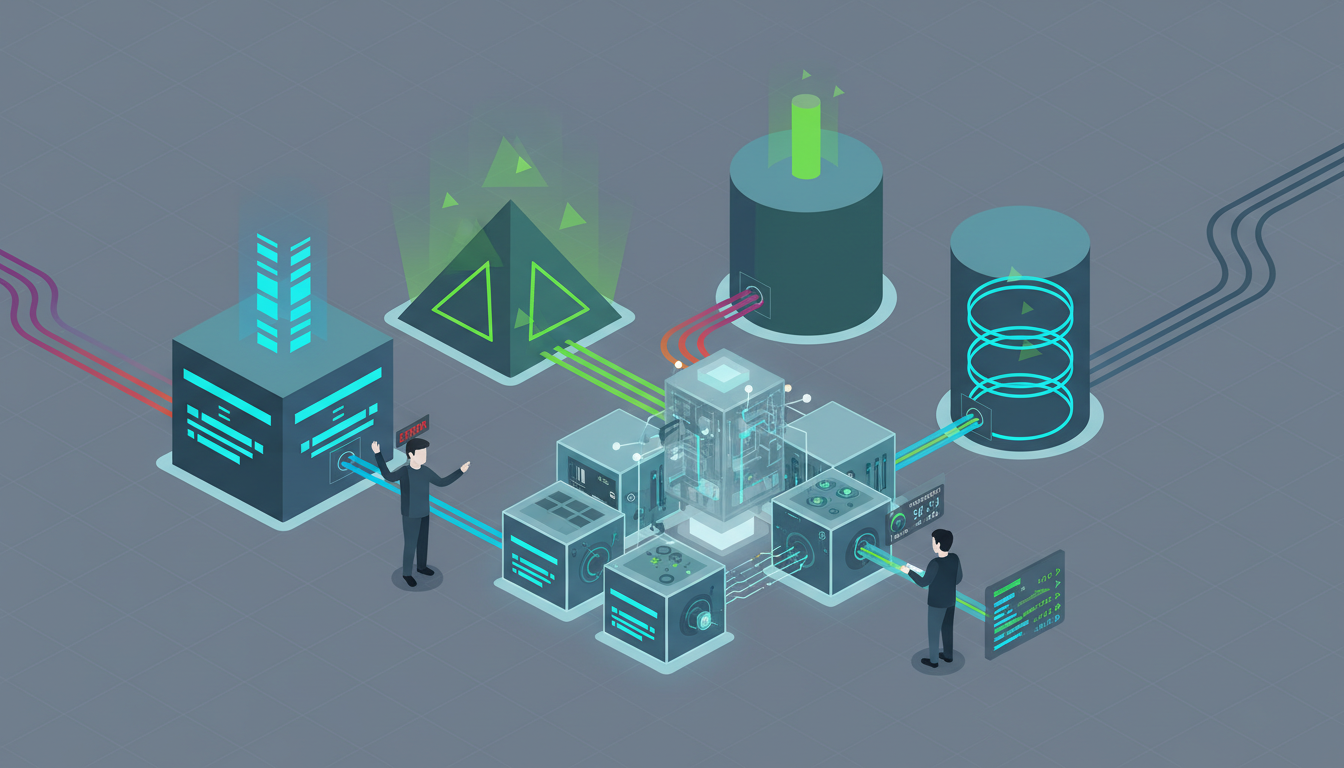
Depot CLI localization means translating the human guidance for remote container builds, project selection, Dockerfile instructions, cache use, output delivery and registry access without changing executable flags or compromising credentials. This world-facing guide explains how to translate depot build, project authentication, –load, –push, –save, build context, multi-platform images and Unicode terminal output for international development teams.
Readers searching how to localize Depot CLI documentation, translate remote Docker build logs, explain Depot project IDs, troubleshoot depot build –push or compare –load and –save need to distinguish where the build happens from where its image ultimately goes. A successful remote build can remain in remote cache. Loading into a local Docker daemon and publishing to an external registry are separate operations with separate evidence.
Depot’s CLI follows many familiar Docker build and Buildx patterns, but exact flags, registry features and authentication options may evolve. Confirm the installed Depot CLI help and the current official reference before copying examples. Keep command options, Dockerfile syntax, repository names, project IDs, platform strings and security-sensitive values literal or clearly redacted; translate the purpose and consequences so that readers can act safely.
Quick checklist for translating a Depot build guide
- Record the Depot CLI version, Dockerfile, source context, project ID and authentication model.
- Separate remote build execution, cache retention, local image loading and registry publication.
- Preserve –project, –load, –push, –save, –platform, image tags and output types literally.
- Specify who can read the source, cache, registry and resulting artifacts.
- Do not put real tokens, secrets, SSH keys or Docker registry credentials in public examples.
- Check multi-platform image metadata, cache assumptions and resulting image digest.
- Test non-ASCII paths, quoting, bidirectional text and reproducible copy-paste in a safe environment.
A remote builder is not the same thing as an image destination
Depot offers remote container building infrastructure and a CLI designed to make that service usable in local development and CI. A developer supplies the source context and build configuration; the remote builder performs the image construction; an output option determines what happens to the result. Understanding that three-part relationship prevents a large share of translation mistakes. The fact that the build uses a remote machine does not automatically mean the image is published in a registry, available in the local Docker daemon or deployed to a live application.
1. The CLI is a client for a remote build
The depot command provides access to remote build capabilities. The CLI runs on the user’s machine or CI runner while the actual container build can execute on remote infrastructure. The reader must know whether a term describes source input, remote execution, an artifact stored for reuse or an explicitly published destination. A translation that merges these states deprives the reader of the information needed to diagnose and verify a build.
An engineer types depot build -t example/app:test . and sees a successful result. The next question is where the output image lives, not merely whether the build succeeded. The explanation should name who initiates the command, which system acts on it and what a successful result would actually look like. Make the boundary visible rather than assuming that every reader shares the writer’s account or environment.
An inaccurate translation of ‘remote build’ as ‘remote deployment’ can cause the team to believe customers can already access a service. This is not a harmless stylistic variation. In distributed workflows, a mistaken word can change the apparent recipient of a file, the scope of authorization or the meaning of an audit result. A good guide distinguishes observed facts from plausible causes.
Explain the distinction among local command invocation, remote build execution and any later image delivery. Identify which environment each action affects. Ask a technical reviewer to compare the literal command and the translated instruction. They should be able to say which resources the operation reads, which it changes, and what independent evidence proves the resulting state. If those answers cannot be supplied, the article should acknowledge the uncertainty.
2. Build context is supplied source
The final dot in a common build command identifies the current directory as build context. The context controls what files can be used by the build, subject to exclusion rules. The reader must know whether a term describes source input, remote execution, an artifact stored for reuse or an explicitly published destination. A translation that merges these states deprives the reader of the information needed to diagnose and verify a build.
A monorepo has several services and a developer runs Depot from the repository root rather than the intended service directory. The explanation should name who initiates the command, which system acts on it and what a successful result would actually look like. Make the boundary visible rather than assuming that every reader shares the writer’s account or environment.
Calling dot punctuation optional may send unexpected files to the builder or cause a missing Dockerfile error. This is not a harmless stylistic variation. In distributed workflows, a mistaken word can change the apparent recipient of a file, the scope of authorization or the meaning of an audit result. A good guide distinguishes observed facts from plausible causes.
Keep context syntax literal, explain the chosen directory and inspect the intended input set before building, especially for confidential repositories. Ask a technical reviewer to compare the literal command and the translated instruction. They should be able to say which resources the operation reads, which it changes, and what independent evidence proves the resulting state. If those answers cannot be supplied, the article should acknowledge the uncertainty.
3. Dockerfile is executable configuration
Dockerfile instructions describe how layers are constructed. Keywords such as FROM, COPY, RUN and CMD are not ordinary text to be translated in a machine-readable file. The reader must know whether a term describes source input, remote execution, an artifact stored for reuse or an explicitly published destination. A translation that merges these states deprives the reader of the information needed to diagnose and verify a build.
A translator is asked to deliver a localized Dockerfile tutorial and changes an instruction name to a natural-language equivalent. The explanation should name who initiates the command, which system acts on it and what a successful result would actually look like. Make the boundary visible rather than assuming that every reader shares the writer’s account or environment.
The resulting file may be rejected or interpreted differently. Fluent prose cannot compensate for altered executable configuration. This is not a harmless stylistic variation. In distributed workflows, a mistaken word can change the apparent recipient of a file, the scope of authorization or the meaning of an audit result. A good guide distinguishes observed facts from plausible causes.
Translate surrounding commentary, not Dockerfile instructions. Validate the example using the actual build tool on a harmless project. Ask a technical reviewer to compare the literal command and the translated instruction. They should be able to say which resources the operation reads, which it changes, and what independent evidence proves the resulting state. If those answers cannot be supplied, the article should acknowledge the uncertainty.
4. Build project IDs matter
Depot projects determine which configured build infrastructure or policies apply. A project ID is an operational identifier and may be specified with –project. The reader must know whether a term describes source input, remote execution, an artifact stored for reuse or an explicitly published destination. A translation that merges these states deprives the reader of the information needed to diagnose and verify a build.
An organization has separate projects for internal tools and customer services. The local README omits the project reference and users run builds in the wrong context. The explanation should name who initiates the command, which system acts on it and what a successful result would actually look like. Make the boundary visible rather than assuming that every reader shares the writer’s account or environment.
Translating or truncating a project ID makes it unusable; calling it an arbitrary folder name hides billing and authorization boundaries. This is not a harmless stylistic variation. In distributed workflows, a mistaken word can change the apparent recipient of a file, the scope of authorization or the meaning of an audit result. A good guide distinguishes observed facts from plausible causes.
Keep project identifiers exact in private operational instructions and use safe placeholders in public examples. Explain how the user checks the selected project. Ask a technical reviewer to compare the literal command and the translated instruction. They should be able to say which resources the operation reads, which it changes, and what independent evidence proves the resulting state. If those answers cannot be supplied, the article should acknowledge the uncertainty.
5. depot.json is local project association
Depot’s workflow can save a project’s association in depot.json so later builds can select the expected project without repeating every option. The reader must know whether a term describes source input, remote execution, an artifact stored for reuse or an explicitly published destination. A translation that merges these states deprives the reader of the information needed to diagnose and verify a build.
A developer checks out a repository and finds a depot.json created by another engineer. They need to understand whether it is intended for their own account and build context. The explanation should name who initiates the command, which system acts on it and what a successful result would actually look like. Make the boundary visible rather than assuming that every reader shares the writer’s account or environment.
A translation that treats depot.json as a secret token store or a generic prose file misrepresents its role. This is not a harmless stylistic variation. In distributed workflows, a mistaken word can change the apparent recipient of a file, the scope of authorization or the meaning of an audit result. A good guide distinguishes observed facts from plausible causes.
Preserve its filename and machine-readable keys. Explain the relationship to project selection without adding credentials to a public sample. Ask a technical reviewer to compare the literal command and the translated instruction. They should be able to say which resources the operation reads, which it changes, and what independent evidence proves the resulting state. If those answers cannot be supplied, the article should acknowledge the uncertainty.
6. Local authentication versus CI authentication
Depot documents local account login and automation-oriented authentication. The correct mechanism depends on identity, token scope and CI integration. The reader must know whether a term describes source input, remote execution, an artifact stored for reuse or an explicitly published destination. A translation that merges these states deprives the reader of the information needed to diagnose and verify a build.
A support note tells all CI jobs to run an interactive login, even though non-interactive workflows need a suitable approved method. The explanation should name who initiates the command, which system acts on it and what a successful result would actually look like. Make the boundary visible rather than assuming that every reader shares the writer’s account or environment.
That instructions may hang in CI or prompt credentials to be exposed. Treating every token as equally privileged also hides scope. This is not a harmless stylistic variation. In distributed workflows, a mistaken word can change the apparent recipient of a file, the scope of authorization or the meaning of an audit result. A good guide distinguishes observed facts from plausible causes.
Describe local and CI authentication separately, and point readers to the current guidance for tokens or OIDC. Never publish real credentials. Ask a technical reviewer to compare the literal command and the translated instruction. They should be able to say which resources the operation reads, which it changes, and what independent evidence proves the resulting state. If those answers cannot be supplied, the article should acknowledge the uncertainty.
7. Token scope and least privilege
A user, organization or project token may have different access permissions depending on Depot’s current model. The scope should fit the operation being performed. The reader must know whether a term describes source input, remote execution, an artifact stored for reuse or an explicitly published destination. A translation that merges these states deprives the reader of the information needed to diagnose and verify a build.
A release workflow only needs to build one project. An onboarding guide recommends a broad organization token because it is easiest to obtain. The explanation should name who initiates the command, which system acts on it and what a successful result would actually look like. Make the boundary visible rather than assuming that every reader shares the writer’s account or environment.
This increases exposure if the pipeline is compromised, and the translation normalizes a risky practice. This is not a harmless stylistic variation. In distributed workflows, a mistaken word can change the apparent recipient of a file, the scope of authorization or the meaning of an audit result. A good guide distinguishes observed facts from plausible causes.
Explain which operation needs which privilege, use narrowly scoped credentials where possible and keep token material out of logs. Ask a technical reviewer to compare the literal command and the translated instruction. They should be able to say which resources the operation reads, which it changes, and what independent evidence proves the resulting state. If those answers cannot be supplied, the article should acknowledge the uncertainty.
8. Remote cache by default
Depot’s build reference describes how a successful build can leave a result in the remote builder cache by default rather than loading the image into a local daemon. The reader must know whether a term describes source input, remote execution, an artifact stored for reuse or an explicitly published destination. A translation that merges these states deprives the reader of the information needed to diagnose and verify a build.
A developer runs a successful build and then types docker run against the expected local tag. Their Docker daemon has no corresponding image. The explanation should name who initiates the command, which system acts on it and what a successful result would actually look like. Make the boundary visible rather than assuming that every reader shares the writer’s account or environment.
A translated sentence ‘the image is now on your laptop’ overstates where the result resides and leads to confusing troubleshooting. This is not a harmless stylistic variation. In distributed workflows, a mistaken word can change the apparent recipient of a file, the scope of authorization or the meaning of an audit result. A good guide distinguishes observed facts from plausible causes.
State the default output behaviour and the conditions under which a later –load or other output operation makes the image available locally. Ask a technical reviewer to compare the literal command and the translated instruction. They should be able to say which resources the operation reads, which it changes, and what independent evidence proves the resulting state. If those answers cannot be supplied, the article should acknowledge the uncertainty.
9. –load brings output to a local daemon
The –load option requests loading the built image into a local Docker daemon so it can be run or inspected through local Docker tooling, subject to platform and output constraints. The reader must know whether a term describes source input, remote execution, an artifact stored for reuse or an explicitly published destination. A translation that merges these states deprives the reader of the information needed to diagnose and verify a build.
A teammate needs to test a built image on their laptop before a release. The guide introduces –load as a local output operation. The explanation should name who initiates the command, which system acts on it and what a successful result would actually look like. Make the boundary visible rather than assuming that every reader shares the writer’s account or environment.
If the page calls –load a registry push, readers may expect a published image that does not exist outside their workstation. This is not a harmless stylistic variation. In distributed workflows, a mistaken word can change the apparent recipient of a file, the scope of authorization or the meaning of an audit result. A good guide distinguishes observed facts from plausible causes.
Use the phrase local daemon deliberately, check the local image after the command and explain platform limitations when relevant. Ask a technical reviewer to compare the literal command and the translated instruction. They should be able to say which resources the operation reads, which it changes, and what independent evidence proves the resulting state. If those answers cannot be supplied, the article should acknowledge the uncertainty.
10. –push publishes to a registry
The –push option requests that the remote builder push output to a registry destination. It is a remote side effect requiring suitable credentials and a correct image reference. The reader must know whether a term describes source input, remote execution, an artifact stored for reuse or an explicitly published destination. A translation that merges these states deprives the reader of the information needed to diagnose and verify a build.
A CI job builds a release candidate and must publish only after approval. The translation needs to highlight the authorization boundary. The explanation should name who initiates the command, which system acts on it and what a successful result would actually look like. Make the boundary visible rather than assuming that every reader shares the writer’s account or environment.
Describing the command as merely ‘prepare image’ hides an external mutation. A mistyped repository path can publish the wrong artifact location. This is not a harmless stylistic variation. In distributed workflows, a mistaken word can change the apparent recipient of a file, the scope of authorization or the meaning of an audit result. A good guide distinguishes observed facts from plausible causes.
Identify registry host, repository, tag and permission requirements without revealing secrets. Verify the resulting digest and registry visibility. Ask a technical reviewer to compare the literal command and the translated instruction. They should be able to say which resources the operation reads, which it changes, and what independent evidence proves the resulting state. If those answers cannot be supplied, the article should acknowledge the uncertainty.
11. –save targets Depot’s registry feature
Depot documents –save and –save-tag for saving built images through its registry capabilities. This is distinct from –load and from a general external registry push. The reader must know whether a term describes source input, remote execution, an artifact stored for reuse or an explicitly published destination. A translation that merges these states deprives the reader of the information needed to diagnose and verify a build.
A developer wants to share a build artifact among CI steps and assumes that –save means writing a TAR file next to the Dockerfile. The explanation should name who initiates the command, which system acts on it and what a successful result would actually look like. Make the boundary visible rather than assuming that every reader shares the writer’s account or environment.
The natural English word save invites a false local-file interpretation when the actual feature uses a registry destination. This is not a harmless stylistic variation. In distributed workflows, a mistaken word can change the apparent recipient of a file, the scope of authorization or the meaning of an audit result. A good guide distinguishes observed facts from plausible causes.
Explain the exact storage location and retrieval model for the active Depot service. Keep flag names unchanged and confirm retention conditions in current documentation. Ask a technical reviewer to compare the literal command and the translated instruction. They should be able to say which resources the operation reads, which it changes, and what independent evidence proves the resulting state. If those answers cannot be supplied, the article should acknowledge the uncertainty.
12. Tag is not the same as digest
Image tags are human-readable references that may be reassigned. Digests identify content more precisely and support release provenance checks. The reader must know whether a term describes source input, remote execution, an artifact stored for reuse or an explicitly published destination. A translation that merges these states deprives the reader of the information needed to diagnose and verify a build.
A multilingual release note says every image with a certain tag is guaranteed to contain one tested build. The explanation should name who initiates the command, which system acts on it and what a successful result would actually look like. Make the boundary visible rather than assuming that every reader shares the writer’s account or environment.
That statement can fail if the tag later points elsewhere. Even a good translation should not turn an operational convention into an immutable guarantee. This is not a harmless stylistic variation. In distributed workflows, a mistaken word can change the apparent recipient of a file, the scope of authorization or the meaning of an audit result. A good guide distinguishes observed facts from plausible causes.
Record digest evidence for important releases and distinguish it from mutable tags. Preserve both strings exactly when quoting build results. Ask a technical reviewer to compare the literal command and the translated instruction. They should be able to say which resources the operation reads, which it changes, and what independent evidence proves the resulting state. If those answers cannot be supplied, the article should acknowledge the uncertainty.
13. The project and image repository are different
A Depot project selects build resources and configuration, while an image repository names a destination for container artifacts. Their identifiers serve different systems. The reader must know whether a term describes source input, remote execution, an artifact stored for reuse or an explicitly published destination. A translation that merges these states deprives the reader of the information needed to diagnose and verify a build.
A runbook contains both a Depot project ID and an OCI registry path. A translator gives both the same generic word ‘workspace’. The explanation should name who initiates the command, which system acts on it and what a successful result would actually look like. Make the boundary visible rather than assuming that every reader shares the writer’s account or environment.
A colleague may then confuse where the build ran with where its image can be retrieved. This is not a harmless stylistic variation. In distributed workflows, a mistaken word can change the apparent recipient of a file, the scope of authorization or the meaning of an audit result. A good guide distinguishes observed facts from plausible causes.
Name the project as the builder context and the repository as the image destination. Use different explanatory terms even when both are called a project colloquially. Ask a technical reviewer to compare the literal command and the translated instruction. They should be able to say which resources the operation reads, which it changes, and what independent evidence proves the resulting state. If those answers cannot be supplied, the article should acknowledge the uncertainty.
14. Multi-platform images need verification
Depot supports multi-platform build workflows through documented options. Platform strings such as linux/amd64 and linux/arm64 are exact technical coordinates. The reader must know whether a term describes source input, remote execution, an artifact stored for reuse or an explicitly published destination. A translation that merges these states deprives the reader of the information needed to diagnose and verify a build.
A developer builds an image intended for both x86 and ARM servers. A localized guide says ‘works on all devices’ without inspecting manifest metadata. The explanation should name who initiates the command, which system acts on it and what a successful result would actually look like. Make the boundary visible rather than assuming that every reader shares the writer’s account or environment.
That leap is too broad; an OS and architecture pair is not a guarantee of functional compatibility across every runtime. This is not a harmless stylistic variation. In distributed workflows, a mistaken word can change the apparent recipient of a file, the scope of authorization or the meaning of an audit result. A good guide distinguishes observed facts from plausible causes.
Keep platform values literal, inspect the produced manifest and test on representative target environments. Ask a technical reviewer to compare the literal command and the translated instruction. They should be able to say which resources the operation reads, which it changes, and what independent evidence proves the resulting state. If those answers cannot be supplied, the article should acknowledge the uncertainty.
15. Buildx flag familiarity does not remove version checks
Depot’s container build command accepts many Docker Buildx-style options. The precise supported set belongs to a particular CLI release and configuration. The reader must know whether a term describes source input, remote execution, an artifact stored for reuse or an explicitly published destination. A translation that merges these states deprives the reader of the information needed to diagnose and verify a build.
A developer copies a flag from a Docker tutorial into a Depot page. Another reader uses an older client that rejects it. The explanation should name who initiates the command, which system acts on it and what a successful result would actually look like. Make the boundary visible rather than assuming that every reader shares the writer’s account or environment.
Presenting all Docker flags as universally supported invites confusing failures and false expectations. This is not a harmless stylistic variation. In distributed workflows, a mistaken word can change the apparent recipient of a file, the scope of authorization or the meaning of an audit result. A good guide distinguishes observed facts from plausible causes.
Cross-check the actual Depot CLI help and current command reference. Label experimental or version-dependent flags before localization. Ask a technical reviewer to compare the literal command and the translated instruction. They should be able to say which resources the operation reads, which it changes, and what independent evidence proves the resulting state. If those answers cannot be supplied, the article should acknowledge the uncertainty.
16. Remote build log stages
Logs may contain source upload, dependency installation, layer execution, cache reuse and export operations. Those are different stages with different failure modes. The reader must know whether a term describes source input, remote execution, an artifact stored for reuse or an explicitly published destination. A translation that merges these states deprives the reader of the information needed to diagnose and verify a build.
A support agent is translating a report showing a failed layer export. The first proposed fix should not be to change application source. The explanation should name who initiates the command, which system acts on it and what a successful result would actually look like. Make the boundary visible rather than assuming that every reader shares the writer’s account or environment.
The phrase ‘compilation failed’ assigns the wrong cause when compilation completed and the output stage failed later. This is not a harmless stylistic variation. In distributed workflows, a mistaken word can change the apparent recipient of a file, the scope of authorization or the meaning of an audit result. A good guide distinguishes observed facts from plausible causes.
Preserve stage names, status and timing, then translate the explanatory diagnosis. Avoid losing the first failing step. Ask a technical reviewer to compare the literal command and the translated instruction. They should be able to say which resources the operation reads, which it changes, and what independent evidence proves the resulting state. If those answers cannot be supplied, the article should acknowledge the uncertainty.
17. Layer caching as a performance feature
Build caches can reuse earlier layers when inputs match. Reuse affects speed and may reduce work but does not itself prove the current source was freshly tested. The reader must know whether a term describes source input, remote execution, an artifact stored for reuse or an explicitly published destination. A translation that merges these states deprives the reader of the information needed to diagnose and verify a build.
An engineering team notices that a second build completes much faster and asks whether all tests ran again. The explanation should name who initiates the command, which system acts on it and what a successful result would actually look like. Make the boundary visible rather than assuming that every reader shares the writer’s account or environment.
A translation that says cache hit equals successful retest may mislead security or release reviewers. This is not a harmless stylistic variation. In distributed workflows, a mistaken word can change the apparent recipient of a file, the scope of authorization or the meaning of an audit result. A good guide distinguishes observed facts from plausible causes.
Explain which steps were reused and whether the test command actually executed. Where freshness matters, document an intentional verification approach. Ask a technical reviewer to compare the literal command and the translated instruction. They should be able to say which resources the operation reads, which it changes, and what independent evidence proves the resulting state. If those answers cannot be supplied, the article should acknowledge the uncertainty.
18. No-cache and cache filters
Documented cache controls can force some or all stages to rebuild. They affect performance and debugging but should not be presented as universal repair switches. The reader must know whether a term describes source input, remote execution, an artifact stored for reuse or an explicitly published destination. A translation that merges these states deprives the reader of the information needed to diagnose and verify a build.
A build unexpectedly reuses a dependency layer. A teammate considers disabling the cache to test whether the issue is stale state. The explanation should name who initiates the command, which system acts on it and what a successful result would actually look like. Make the boundary visible rather than assuming that every reader shares the writer’s account or environment.
Telling readers to turn off every cache indefinitely can harm time and cost without addressing the cause. This is not a harmless stylistic variation. In distributed workflows, a mistaken word can change the apparent recipient of a file, the scope of authorization or the meaning of an audit result. A good guide distinguishes observed facts from plausible causes.
Use cache controls as explicit diagnostic experiments, identify their scope and compare outcomes. Restore the intended policy after analysis. Ask a technical reviewer to compare the literal command and the translated instruction. They should be able to say which resources the operation reads, which it changes, and what independent evidence proves the resulting state. If those answers cannot be supplied, the article should acknowledge the uncertainty.
19. Build secrets versus build arguments
Build-time arguments and secret mounts have different exposure properties. Build secrets are designed for confidential inputs, while ordinary build arguments may be visible in places where secrets must not appear. The reader must know whether a term describes source input, remote execution, an artifact stored for reuse or an explicitly published destination. A translation that merges these states deprives the reader of the information needed to diagnose and verify a build.
A private package installation needs credentials. A translator copies a token into a –build-arg example because it looks convenient. The explanation should name who initiates the command, which system acts on it and what a successful result would actually look like. Make the boundary visible rather than assuming that every reader shares the writer’s account or environment.
That can leak credentials through logs or image history depending on usage. A friendly sample is not safe merely because it works. This is not a harmless stylistic variation. In distributed workflows, a mistaken word can change the apparent recipient of a file, the scope of authorization or the meaning of an audit result. A good guide distinguishes observed facts from plausible causes.
Use the documented –secret mechanism and safe placeholders, protect source files, and check where values are visible before sharing logs. Ask a technical reviewer to compare the literal command and the translated instruction. They should be able to say which resources the operation reads, which it changes, and what independent evidence proves the resulting state. If those answers cannot be supplied, the article should acknowledge the uncertainty.
20. SSH forwarding also needs boundaries
Build processes may access private repositories through SSH forwarding under supported configurations. The connection is an authorization channel, not just a filename. The reader must know whether a term describes source input, remote execution, an artifact stored for reuse or an explicitly published destination. A translation that merges these states deprives the reader of the information needed to diagnose and verify a build.
A developer wants to fetch a private Git dependency during a remote build and follows a public tutorial. The explanation should name who initiates the command, which system acts on it and what a successful result would actually look like. Make the boundary visible rather than assuming that every reader shares the writer’s account or environment.
Encouraging users to paste a private key into a Dockerfile or article is risky and unnecessary for an explanation. This is not a harmless stylistic variation. In distributed workflows, a mistaken word can change the apparent recipient of a file, the scope of authorization or the meaning of an audit result. A good guide distinguishes observed facts from plausible causes.
Explain secure forwarding at a conceptual level, use no real keys and validate permissions on a non-production repository. Ask a technical reviewer to compare the literal command and the translated instruction. They should be able to say which resources the operation reads, which it changes, and what independent evidence proves the resulting state. If those answers cannot be supplied, the article should acknowledge the uncertainty.
21. Build attestations and provenance
Build systems may produce provenance attestations or SBOM metadata through supported options. These describe aspects of origin and composition rather than replacing functional tests. The reader must know whether a term describes source input, remote execution, an artifact stored for reuse or an explicitly published destination. A translation that merges these states deprives the reader of the information needed to diagnose and verify a build.
An auditor asks what evidence connects a release image to a source revision. The team wants to translate its attestation terminology. The explanation should name who initiates the command, which system acts on it and what a successful result would actually look like. Make the boundary visible rather than assuming that every reader shares the writer’s account or environment.
Calling an attestation a ‘certificate of complete security’ overstates the evidence; likewise, changing structured fields breaks verification. This is not a harmless stylistic variation. In distributed workflows, a mistaken word can change the apparent recipient of a file, the scope of authorization or the meaning of an audit result. A good guide distinguishes observed facts from plausible causes.
Keep signed or structured attestations intact, explain their claims and verify them with the appropriate tool before relying on them. Ask a technical reviewer to compare the literal command and the translated instruction. They should be able to say which resources the operation reads, which it changes, and what independent evidence proves the resulting state. If those answers cannot be supplied, the article should acknowledge the uncertainty.
22. Software bill of materials
An SBOM identifies packages and versions observed in an artifact. It is useful for inventory, vulnerability correlation and license review, but it is not a complete threat assessment. The reader must know whether a term describes source input, remote execution, an artifact stored for reuse or an explicitly published destination. A translation that merges these states deprives the reader of the information needed to diagnose and verify a build.
A supply-chain team shares an SBOM with colleagues in another language and wants readable explanatory notes. The explanation should name who initiates the command, which system acts on it and what a successful result would actually look like. Make the boundary visible rather than assuming that every reader shares the writer’s account or environment.
Translating package coordinates or checksums prevents exact matching to advisory databases. Translating ‘SBOM’ as a guarantee of compliance is also wrong. This is not a harmless stylistic variation. In distributed workflows, a mistaken word can change the apparent recipient of a file, the scope of authorization or the meaning of an audit result. A good guide distinguishes observed facts from plausible causes.
Translate column explanations while preserving machine identities and hashes. Keep the originating image digest with the inventory. Ask a technical reviewer to compare the literal command and the translated instruction. They should be able to say which resources the operation reads, which it changes, and what independent evidence proves the resulting state. If those answers cannot be supplied, the article should acknowledge the uncertainty.
23. Remote source transfer and confidentiality
Using a remote builder can require transferring build context and accessing external dependencies. This introduces data-flow considerations absent from a purely local build. The reader must know whether a term describes source input, remote execution, an artifact stored for reuse or an explicitly published destination. A translation that merges these states deprives the reader of the information needed to diagnose and verify a build.
A company with sensitive source code uses a remote service for its convenience. The localization reviewer should describe what is transmitted and where permissions apply. The explanation should name who initiates the command, which system acts on it and what a successful result would actually look like. Make the boundary visible rather than assuming that every reader shares the writer’s account or environment.
A phrase like ‘everything stays on your laptop’ could be materially false. Conversely, saying all remote builds are publicly readable is unsupported. This is not a harmless stylistic variation. In distributed workflows, a mistaken word can change the apparent recipient of a file, the scope of authorization or the meaning of an audit result. A good guide distinguishes observed facts from plausible causes.
Describe configured transfer, storage and access assumptions clearly and check the provider’s current security documentation rather than guessing. Ask a technical reviewer to compare the literal command and the translated instruction. They should be able to say which resources the operation reads, which it changes, and what independent evidence proves the resulting state. If those answers cannot be supplied, the article should acknowledge the uncertainty.
24. Private registries and authentication failure
Pushing and pulling private images can fail because of identity, scope, network or repository permissions. Those failures occur at a different boundary from Dockerfile syntax. The reader must know whether a term describes source input, remote execution, an artifact stored for reuse or an explicitly published destination. A translation that merges these states deprives the reader of the information needed to diagnose and verify a build.
A developer’s build steps complete but the final registry push receives an authorization error. The explanation should name who initiates the command, which system acts on it and what a successful result would actually look like. Make the boundary visible rather than assuming that every reader shares the writer’s account or environment.
A translation that says the app failed compilation sends the reader to change source code when authorization is the issue. This is not a harmless stylistic variation. In distributed workflows, a mistaken word can change the apparent recipient of a file, the scope of authorization or the meaning of an audit result. A good guide distinguishes observed facts from plausible causes.
Record the failing destination and redacted status, then follow the approved credential troubleshooting path. Never ask users to send tokens in chat. Ask a technical reviewer to compare the literal command and the translated instruction. They should be able to say which resources the operation reads, which it changes, and what independent evidence proves the resulting state. If those answers cannot be supplied, the article should acknowledge the uncertainty.
25. Dockerfile context exclusions
An ignore file can exclude files from the build context. That affects what the builder receives and can prevent sensitive files from entering the build. The reader must know whether a term describes source input, remote execution, an artifact stored for reuse or an explicitly published destination. A translation that merges these states deprives the reader of the information needed to diagnose and verify a build.
A developer expects a documentation asset in the image but the build excludes it, or accidentally includes a private file. The explanation should name who initiates the command, which system acts on it and what a successful result would actually look like. Make the boundary visible rather than assuming that every reader shares the writer’s account or environment.
A localized instruction that translates path patterns or omits ignore-file behaviour can change the source material reaching the builder. This is not a harmless stylistic variation. In distributed workflows, a mistaken word can change the apparent recipient of a file, the scope of authorization or the meaning of an audit result. A good guide distinguishes observed facts from plausible causes.
Preserve pattern syntax and verify the actual file set. Explain why keeping secrets out of build context is a separate control from masking logs. Ask a technical reviewer to compare the literal command and the translated instruction. They should be able to say which resources the operation reads, which it changes, and what independent evidence proves the resulting state. If those answers cannot be supplied, the article should acknowledge the uncertainty.
26. Registry availability versus application health
A pushed image is an artifact in a registry; it is not a running service. Deployment and application health depend on later systems and configuration. The reader must know whether a term describes source input, remote execution, an artifact stored for reuse or an explicitly published destination. A translation that merges these states deprives the reader of the information needed to diagnose and verify a build.
A team publishes an image to a registry and announces ‘the website is now live’ although the deployment job has not run. The explanation should name who initiates the command, which system acts on it and what a successful result would actually look like. Make the boundary visible rather than assuming that every reader shares the writer’s account or environment.
That false progress statement can mislead users and incident responders. An image digest cannot confirm that HTTP requests succeed. This is not a harmless stylistic variation. In distributed workflows, a mistaken word can change the apparent recipient of a file, the scope of authorization or the meaning of an audit result. A good guide distinguishes observed facts from plausible causes.
Describe the release sequence explicitly: built, published, deployed, verified. Require separate evidence for each stage. Ask a technical reviewer to compare the literal command and the translated instruction. They should be able to say which resources the operation reads, which it changes, and what independent evidence proves the resulting state. If those answers cannot be supplied, the article should acknowledge the uncertainty.
27. Unicode paths and build context
Source files and Dockerfile paths can contain Unicode characters. Shell behaviour, filesystem normalization and tooling can affect exact path resolution. The reader must know whether a term describes source input, remote execution, an artifact stored for reuse or an explicitly published destination. A translation that merges these states deprives the reader of the information needed to diagnose and verify a build.
A multilingual project uses accented filenames and includes scripts with non-Latin directory names. The explanation should name who initiates the command, which system acts on it and what a successful result would actually look like. Make the boundary visible rather than assuming that every reader shares the writer’s account or environment.
Rewriting a filename to make it easier to read can cause COPY to fail. Smart quotes and invisible characters in commands create similar problems. This is not a harmless stylistic variation. In distributed workflows, a mistaken word can change the apparent recipient of a file, the scope of authorization or the meaning of an audit result. A good guide distinguishes observed facts from plausible causes.
Keep literal file operands in code spans, validate on supported systems and compare copied bytes where a visually identical path behaves differently. Ask a technical reviewer to compare the literal command and the translated instruction. They should be able to say which resources the operation reads, which it changes, and what independent evidence proves the resulting state. If those answers cannot be supplied, the article should acknowledge the uncertainty.
28. Right-to-left image references
Arabic or Hebrew narrative text can visually reorder colons, slashes and tags in left-to-right registry references. The reader must know whether a term describes source input, remote execution, an artifact stored for reuse or an explicitly published destination. A translation that merges these states deprives the reader of the information needed to diagnose and verify a build.
A reviewer sees repo.example.invalid/team/app:release embedded in right-to-left prose and assumes the punctuation order needs correcting. The explanation should name who initiates the command, which system acts on it and what a successful result would actually look like. Make the boundary visible rather than assuming that every reader shares the writer’s account or environment.
Editing by eye can corrupt the underlying repository name. Hidden direction markers can break copy-paste. This is not a harmless stylistic variation. In distributed workflows, a mistaken word can change the apparent recipient of a file, the scope of authorization or the meaning of an audit result. A good guide distinguishes observed facts from plausible causes.
Isolate references as code, preserve ASCII punctuation and test a harmless copy-and-paste operation before publication. Ask a technical reviewer to compare the literal command and the translated instruction. They should be able to say which resources the operation reads, which it changes, and what independent evidence proves the resulting state. If those answers cannot be supplied, the article should acknowledge the uncertainty.
29. Exit results and duration statements
A successful build or exit code confirms completion of the command’s defined work, not application security or delivery to every destination. The reader must know whether a term describes source input, remote execution, an artifact stored for reuse or an explicitly published destination. A translation that merges these states deprives the reader of the information needed to diagnose and verify a build.
An international status update reports a build duration and a green result but omits which output mode was used. The explanation should name who initiates the command, which system acts on it and what a successful result would actually look like. Make the boundary visible rather than assuming that every reader shares the writer’s account or environment.
Calling this a ‘fully deployed secure release’ turns limited evidence into a false operational promise. This is not a harmless stylistic variation. In distributed workflows, a mistaken word can change the apparent recipient of a file, the scope of authorization or the meaning of an audit result. A good guide distinguishes observed facts from plausible causes.
Name the specific command, time and output type. Verify digest, local image availability or registry publication as relevant before claiming more. Ask a technical reviewer to compare the literal command and the translated instruction. They should be able to say which resources the operation reads, which it changes, and what independent evidence proves the resulting state. If those answers cannot be supplied, the article should acknowledge the uncertainty.
30. Support handover across languages
A useful remote-build runbook includes source revision, project identity, build context, selected options, expected result, redacted logs and escalation contacts. The reader must know whether a term describes source input, remote execution, an artifact stored for reuse or an explicitly published destination. A translation that merges these states deprives the reader of the information needed to diagnose and verify a build.
A new engineer takes over a CI pipeline in a different language. They should not need to infer which operations cost money or publish to a customer-facing registry. The explanation should name who initiates the command, which system acts on it and what a successful result would actually look like. Make the boundary visible rather than assuming that every reader shares the writer’s account or environment.
An idiomatic but vague translation can hide output destinations and permission changes, especially when several services share similar names. This is not a harmless stylistic variation. In distributed workflows, a mistaken word can change the apparent recipient of a file, the scope of authorization or the meaning of an audit result. A good guide distinguishes observed facts from plausible causes.
Keep precise names in code, use plain prose for reasoning and review the guide with a real technical reader who can replay it safely. Ask a technical reviewer to compare the literal command and the translated instruction. They should be able to say which resources the operation reads, which it changes, and what independent evidence proves the resulting state. If those answers cannot be supplied, the article should acknowledge the uncertainty.
Worked example: a remote image build with controlled outputs
Consider a small application stored in a Git repository. A developer prepares a Dockerfile, checks the build context and chooses the appropriate Depot project. For initial learning, the command structure is depot build -t example/app:review .; the name is illustrative and no real repository should be inferred. The CLI can run the build remotely. That says where computation happens, not where an image is distributed. The team examines the build log, checks that required stages completed and records the actual output policy.
A tester now needs the image in their local Docker daemon to run functional checks. The procedure introduces the documented local-load option, then verifies that Docker can inspect the intended image. An unrelated release engineer wants the approved artifact in a registry. Their workflow uses a publication option with authentication and authorization appropriate to that destination. The two engineers should not receive identical instructions merely because both are described as ‘saving the build’ in casual speech.
Next, a CI system runs builds for two processor architectures. A localized release note preserves linux/amd64 and linux/arm64 as exact identifiers and does not promise that every device in the world is supported. The team verifies the image manifest and performs representative runtime tests. If a registry tag is mutable, the record retains a digest as stronger identity evidence. This combination of literal technical identifiers and plain explanations makes the process auditable even when the audience speaks different languages.
Finally, suppose the registry push fails. The translator records that the build itself completed and that the failure occurred during publication. The next step is a controlled review of registry permissions, repository path and credentials. No one should paste an access token into a public support ticket. Once the issue is resolved, the team verifies the registry result separately from the success of the remote build. The language of the runbook now matches the actual sequence of events.
Localization exercises that expose unsafe assumptions
Exercise 1: Remote does not mean published
Have readers identify the image destination of depot build without –load or –push. They should not invent a local or public result. A well-reviewed answer should show the supported claim and the evidence still missing. This turns a vocabulary lesson into a practical quality check for an international engineering workflow.
Exercise 2: The meaning of –load
Ask whether –load writes an image into the local Docker daemon or pushes it to an external registry. The translation must be unambiguous. A well-reviewed answer should show the supported claim and the evidence still missing. This turns a vocabulary lesson into a practical quality check for an international engineering workflow.
Exercise 3: Depot Registry versus public registry
Explain –save without calling it a local TAR export. Confirm the service’s actual retention and retrieval rules. A well-reviewed answer should show the supported claim and the evidence still missing. This turns a vocabulary lesson into a practical quality check for an international engineering workflow.
Exercise 4: Project ID versus image tag
Give a sample project identifier and a sample registry path. Have the reviewer name each role without changing the bytes. A well-reviewed answer should show the supported claim and the evidence still missing. This turns a vocabulary lesson into a practical quality check for an international engineering workflow.
Exercise 5: Multi-architecture manifest
Compare linux/amd64 and linux/arm64 metadata and ask what has been tested rather than declaring every platform compatible. A well-reviewed answer should show the supported claim and the evidence still missing. This turns a vocabulary lesson into a practical quality check for an international engineering workflow.
Exercise 6: Cache result versus fresh test
Show a cache-hit log and ask which build stages actually executed. Do not invent a test run. A well-reviewed answer should show the supported claim and the evidence still missing. This turns a vocabulary lesson into a practical quality check for an international engineering workflow.
Exercise 7: Secret-bearing screenshot
Ask the editor to redact credentials while leaving useful failure stage and error status visible. A well-reviewed answer should show the supported claim and the evidence still missing. This turns a vocabulary lesson into a practical quality check for an international engineering workflow.
Exercise 8: Right-to-left command
Copy an image tag from Arabic prose into a safe terminal and compare its bytes with the source token. A well-reviewed answer should show the supported claim and the evidence still missing. This turns a vocabulary lesson into a practical quality check for an international engineering workflow.
Exercise 9: Failure after compilation
Present an access-denied push error and ask why changing source code is unlikely to be the first remedy. A well-reviewed answer should show the supported claim and the evidence still missing. This turns a vocabulary lesson into a practical quality check for an international engineering workflow.
Exercise 10: Release evidence
Require separate proof for build completion, registry publication, deployment and application health. A well-reviewed answer should show the supported claim and the evidence still missing. This turns a vocabulary lesson into a practical quality check for an international engineering workflow.
Frequently asked questions
What does depot build do?
It submits a container build workflow for execution using Depot’s supported remote build infrastructure, based on the supplied context and configuration. For an operational decision, record exactly what the installed tool showed and what has not been checked. This protects readers from a description that sounds more certain than the evidence allows.
Does a successful depot build mean the image is in Docker locally?
Not necessarily. By default the output may remain on the remote builder side; –load is used for a local daemon output in supported cases. For an operational decision, record exactly what the installed tool showed and what has not been checked. This protects readers from a description that sounds more certain than the evidence allows.
What is the difference between –push and –load?
–push publishes to a registry destination; –load makes the built image available in a local Docker daemon. They have different side effects. For an operational decision, record exactly what the installed tool showed and what has not been checked. This protects readers from a description that sounds more certain than the evidence allows.
What does –save mean?
It relates to saving build output using Depot’s registry capabilities, not simply saving a local file. Follow current documentation. For an operational decision, record exactly what the installed tool showed and what has not been checked. This protects readers from a description that sounds more certain than the evidence allows.
Can I translate a Depot project ID?
No. It is an operational identifier. Preserve it in authorized internal instructions and use placeholders in public examples. For an operational decision, record exactly what the installed tool showed and what has not been checked. This protects readers from a description that sounds more certain than the evidence allows.
Is depot.json a prose translation file?
No. It can hold local project association or configuration. Its machine-readable structure should not be rewritten for stylistic reasons. For an operational decision, record exactly what the installed tool showed and what has not been checked. This protects readers from a description that sounds more certain than the evidence allows.
Can a remote build use private source safely?
It requires an approved data and credential model. Understand what is transferred and who has access before giving assurances. For an operational decision, record exactly what the installed tool showed and what has not been checked. This protects readers from a description that sounds more certain than the evidence allows.
Why does a push fail after a successful build?
Publication has its own registry destination, authentication and network requirements. Inspect the observed push error separately from build stages. For an operational decision, record exactly what the installed tool showed and what has not been checked. This protects readers from a description that sounds more certain than the evidence allows.
Does a cache hit mean tests ran again?
No. It means earlier results were reused under cache rules. Verify actual executed steps before claiming a fresh test. For an operational decision, record exactly what the installed tool showed and what has not been checked. This protects readers from a description that sounds more certain than the evidence allows.
Can I translate an image digest or SBOM package name?
No. Digests, package coordinates, versions and machine-readable fields must remain exact for verification and correlation. For an operational decision, record exactly what the installed tool showed and what has not been checked. This protects readers from a description that sounds more certain than the evidence allows.
How should Arabic explanations show image names?
Use isolated, unchanged left-to-right code tokens and verify copied bytes; do not insert direction marks inside the identifier. For an operational decision, record exactly what the installed tool showed and what has not been checked. This protects readers from a description that sounds more certain than the evidence allows.
Should I put authentication tokens in example commands?
No. Use safe placeholders and explain the approved credential mechanism without revealing secret values. For an operational decision, record exactly what the installed tool showed and what has not been checked. This protects readers from a description that sounds more certain than the evidence allows.
Is a registry push equivalent to deployment?
No. Image publication, deployment and service health are separate checkpoints requiring different evidence. For an operational decision, record exactly what the installed tool showed and what has not been checked. This protects readers from a description that sounds more certain than the evidence allows.
What makes a Depot localization guide ready to publish?
Accurate CLI version and syntax, precise build/output boundaries, no leaked secrets, verified examples and readable multilingual code copying. For an operational decision, record exactly what the installed tool showed and what has not been checked. This protects readers from a description that sounds more certain than the evidence allows.
Official Depot references and further reading
- Depot documentation and CLI overview: https://depot.dev/docs/cli/reference/overview
- Depot container build CLI reference: https://depot.dev/docs/cli/reference/container-builds
- Depot container builds quickstart: https://depot.dev/docs/container-builds/quickstart
- Depot CLI authentication documentation: https://depot.dev/docs/cli/authentication
- Depot Registry quickstart: https://depot.dev/docs/registry/quickstart
Depot changes its CLI and service features over time; check the official reference and the installed client before following a release-critical command. This guide teaches careful meaning, safe communication and output verification, not a shortcut around authorization or production testing.