
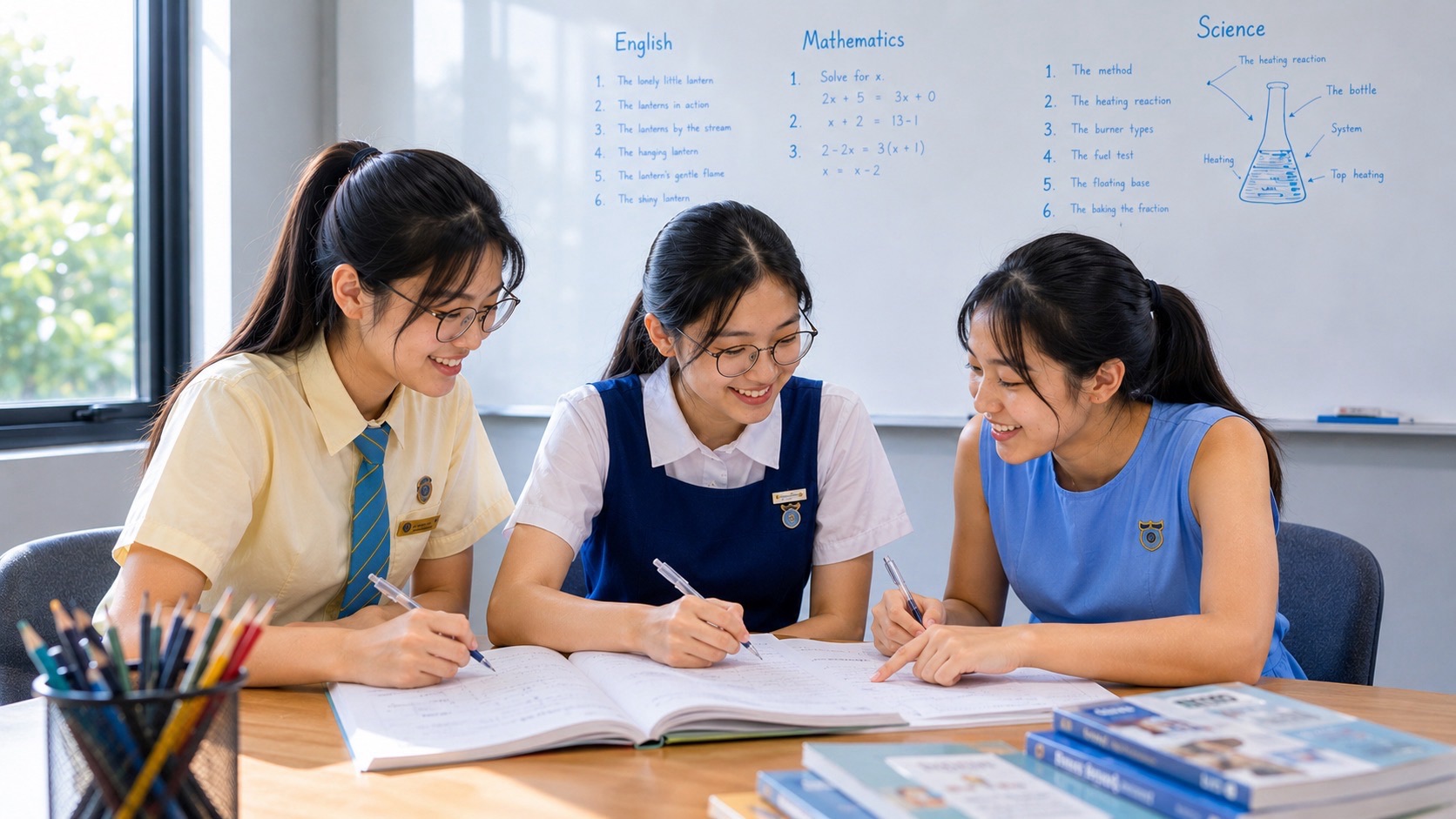
English Tuition for Primary 6 Students
Introduction
Primary 6 is a crucial year for students in Singapore, as it culminates in the Primary School Leaving Examination (PSLE). English, as one of the core subjects, plays a pivotal role in determining a student’s overall PSLE performance. To excel in the PSLE English exam, students need strong language skills, exam techniques, and the confidence to express their ideas clearly. English tuition for Primary 6 students is designed to provide targeted support in all areas of the English exam, helping students achieve their academic goals and gain admission to their preferred secondary schools.
To learn more about the PSLE English exam requirements, visit the SEAB PSLE Examination page for detailed information.
How much for English Tuition for Primary 6 Students?
The cost of English tuition for Primary 6 students in Singapore varies significantly based on the type of tutor you’re considering. Each category of tutors, determined by their experience and qualifications, has a different range of hourly rates. How much for Primary 6 Tuition? Here’s a summary of the information provided earlier:
1. Primary 6 English Tutor Fee Structure
| Tutor Type | P6 |
|---|---|
| Part-Time Tutors | $30-$40/h |
| Full-Time Tutors | $40-$50/h |
| Ex/Current MOE Teachers | $60-$80/h |
| Professional Tutors | $100-$190/h |
Tuition Rates by Type of Tutor:
- Part-Time Tutors:
- Primary 5 & Primary 6: SGD $30-$40 per hour
- Full-Time Tutors:
- Primary 5 & Primary 6: SGD $40-$50 per hour
- Ex/Current MOE Teachers:
- Primary 5 & Primary 6: SGD $60-$80 per hour
- Professional Tutors:
- Primary 6: SGD $100-$190 per hour
Considerations for Parents:
When deciding on tuition, parents should consider not only their budget but also their child’s specific academic needs. For instance, a child who needs extensive help in English may benefit more from a highly experienced tutor, such as an ex/current MOE teacher, who understands the curriculum deeply and can provide insight into effective examination strategies. This could be seen as an investment into the child’s educational foundation, especially leading up to the PSLE.
However, if the child is performing relatively well and needs only occasional guidance to clear doubts or for practice, a part-time tutor might suffice, which also proves to be more economical.
Additionally, it’s essential to consider the frequency of sessions required; some students might need multiple sessions per week, which can significantly increase the monthly tuition cost.
Summary for Parents
- What it is: English Tuition for Primary 6 Students is a targeted educational approach to enhance English proficiency at the primary level.
- Improving it: A variety of methods, from interactive lessons to practice with native speakers, can make tuition more effective.
- How to Learn: Strategies include structured tuition, online resources, and regular practice.
- How to Prepare: Preparation involves setting clear goals, creating a study schedule, and providing supportive materials.
- What Can Be Done: Steps include personal assessments, employing certified tutors, utilizing online platforms, and continuous evaluation.
- Reasons: Improvement in grades, building confidence, global relevance of the English language, and laying the groundwork for future studies.
eduKate Parent’s Review
Review 1: Linda Lim, Mother of Jayden “Our experience with English Tuition for Primary 6 Students was quite enlightening. We first tried a Part-Time Tutor, given our tight budget. It cost us around $35/h, and it was decent for foundational support. Jayden liked the relatability of the tutor, who was a university student. However, we felt as PSLE was nearing, he needed more expert guidance. We later switched to an Ex-MOE teacher, despite the higher rate of $75/h. It made a notable difference in Jayden’s confidence and grasp over the English language. The teacher’s experience with the MOE system was a game-changer.“
Review 2: Mohan Balaji, Father of Riya “When Riya entered Primary 6, the pressure of PSLE was palpable. English being her weaker subject, we sought English Tuition specifically for Primary 6 Students. We invested in a Professional Tutor at $130/h, given her struggle with comprehension and composition. It was certainly an investment, but the results were evident in just a few months. The tutor’s specialized methods and extensive experience in handling challenging areas made Riya’s journey smoother. She started enjoying the language more and her grades reflected the improvement.“
Review 3: Amel Cheong, Mother of Lucas “Lucas has always been a self-motivated student. However, Primary 6 brought about new challenges, especially in English. We opted for a Full-Time Tutor for English Tuition, priced around $45/h. We felt it was a balanced choice in terms of experience and affordability. The tutor had been giving tuitions for over 8 years and was adept at handling the curriculum. Lucas enjoyed the structured lessons and regular feedback. His scores stabilized, and he felt more prepared for the upcoming PSLE.“
Why English Tuition is Essential for Primary 6 Students
1. Comprehensive Preparation for the PSLE
The PSLE English exam tests students on a wide range of skills, including comprehension, composition writing, oral communication, and listening comprehension. English tuition for Primary 6 students covers all these components, ensuring that students are well-prepared for every section of the exam. Through structured lessons, practice papers, and exam-focused strategies, students gain the confidence and proficiency needed to perform well.
2. Focused Support for Individual Needs
Every student has different strengths and weaknesses when it comes to English. English tuition offers personalized lessons that focus on the specific areas where each student needs improvement, whether it’s grammar, writing, comprehension, or speaking. This individualized approach helps students address their weaknesses and build on their strengths, ultimately leading to better performance in the PSLE.
3. Building Confidence for the Exam
For many Primary 6 students, the pressure of the PSLE can be overwhelming, especially in a subject as broad as English. English tuition helps students build confidence in their language skills by providing regular practice, constructive feedback, and encouragement. As students become more familiar with the exam format and improve their abilities, they gain the self-assurance they need to tackle the PSLE English paper with confidence.
Key Areas Covered in English Tuition for Primary 6 Students
A. Composition Writing
Composition writing is a major component of the PSLE English exam. English tuition focuses on helping students develop their writing skills by teaching them how to plan, structure, and write well-organized compositions. Tutors guide students on how to create engaging stories, use varied sentence structures, and include descriptive language to make their compositions more interesting. With regular writing practice and personalized feedback, students improve their storytelling abilities and become more confident writers.
B. Comprehension Techniques
The comprehension section of the PSLE English exam requires students to understand and interpret texts accurately. English tuition provides students with strategies for approaching comprehension questions, such as identifying key ideas, making inferences, and answering questions clearly and concisely. By practicing with a variety of texts, students enhance their reading comprehension skills and learn how to respond effectively to different question types.
C. Grammar and Vocabulary Building
A strong grasp of grammar and vocabulary is essential for success in all areas of the PSLE English exam. English tuition focuses on teaching students key grammar rules, such as subject-verb agreement, tenses, and sentence structure. Tutors also introduce new vocabulary and show students how to use these words effectively in their writing and speaking. By improving their grammar and expanding their vocabulary, students become more precise and articulate in their communication.
D. Oral Communication Practice
The oral component of the PSLE English exam tests students on their ability to express ideas fluently and clearly. English tuition helps students improve their oral communication skills by providing opportunities to practice reading aloud, discussing topics, and giving presentations. Tutors offer feedback on pronunciation, fluency, and the ability to articulate thoughts clearly, ensuring that students are well-prepared for the oral exam.
Success Stories
Many Primary 6 students have achieved excellent results in their PSLE English exams through focused tuition. For example, Rachel, a student who initially struggled with composition writing and comprehension, received personalized guidance from her tutor and practiced regularly. By the time she took the PSLE, Rachel had significantly improved her writing structure and comprehension skills, earning an A in her English exam.
Similarly, Ethan, another Primary 6 student, found the oral communication section challenging. Through targeted tuition, he practiced speaking more fluently and confidently, which helped him excel in the PSLE oral exam.
You can read more success stories from parents and students on our Facebook page.
How to Get Started
Consultation
If your child is preparing for the PSLE and could benefit from English tuition, we recommend starting with a consultation. During this session, we assess the student’s current proficiency and create a personalized learning plan that focuses on their specific needs for PSLE success.
Trial Lessons (Available Upon Request)
Due to our 3-pax-per-class limit, trial lessons are available depending on availability. Please inquire during your consultation to see if a trial lesson is open in our Primary 6 tuition classes.
For more information or to schedule a consultation, visit EduKate Singapore or connect with us on Facebook.
English tuition for Primary 6 students provides comprehensive support in preparing for the PSLE English exam. By focusing on composition writing, comprehension, grammar, vocabulary, and oral communication, tuition equips students with the skills and confidence they need to excel in the exam. With personalized guidance and regular practice, students are well-prepared to achieve their academic goals and secure a strong foundation for secondary school success.
Help your child excel in the PSLE—enrol in Primary 6 English tuition today and set them on the path to success!
Tuition for English Students
English tuition for Primary 6 students, especially those preparing for the PSLE, often focuses on several key areas to enhance their proficiency and exam performance. Here are the core components of such tuition, presented in point form:
- Comprehension Skills Enhancement:
- Targeted strategies to improve understanding of passages.
- Techniques for inferential thinking and critical analysis.
- Practice exercises with various text types and complexities.
- Composition Writing Improvement:
- Guidance on essay structure, paragraphing, and logical flow.
- Enhancement of creative thinking and story development skills.
- Regular writing assignments with personalized feedback.
- Vocabulary Expansion:
- Introduction to new words, phrases, and idiomatic expressions.
- Contextual usage of vocabulary in speaking and writing.
- Vocabulary tests and games to reinforce retention.
- Grammar and Syntax Mastery:
- Detailed lessons on grammatical rules and sentence structure.
- Correction of common grammatical errors.
- Exercises for application of grammar in writing and speech.
- Oral Communication Skills:
- Simulated oral exam scenarios and dialogue sessions.
- Pronunciation, articulation, and fluency exercises.
- Techniques for confident speaking and active listening.
- Listening Comprehension Practice:
- Audio exercises to hone listening skills.
- Strategies for understanding different accents and speech speeds.
- Questions and summaries to ensure comprehensive listening.
- Synthesis and Transformation Drills:
- Exercises focusing on sentence restructuring and joining.
- Techniques for maintaining sentence meaning while altering structure.
- Time Management Strategies:
- Timed practice papers to simulate real exam conditions.
- Guidance on prioritizing questions and managing exam segments efficiently.
- Examination Techniques and Tips:
- Methods for tackling different types of exam questions.
- Mock exams to familiarize students with the PSLE format.
- Review of model answers and discussion of common mistakes.
- Confidence Building and Stress Management:
- Encouragement and positive reinforcement from tutors.
- Techniques for calming nerves and managing exam stress.
- Building a growth mindset and resilience in learning.
These points represent the comprehensive efforts involved in preparing Primary 6 students for the PSLE English examination through tuition, ensuring a holistic approach to mastering the language.
Introduction: English Tuition for Primary 6 Students
In today’s globalized world, English has emerged as a pivotal language in various domains, including education, business, and international communication. For children at the Primary 6 level, mastering English is more than a subject in school; it’s a vital tool that paves the way for future success.
English Tuition for Primary 6 Students is designed to bridge the gap between standard classroom teaching and individual learning needs. It offers personalized guidance, employing methods that are tailored to each student’s unique abilities and interests.In this article, we will explore what English Tuition for Primary 6 Students is, ways to improve it, strategies to learn, prepare, and what can be done to maximize its benefits. The reasons behind opting for such tuition will also be discussed.
Why English tuition for Primary 6 English students?
In the context of educational development, particularly in preparing for crucial examinations like the Primary School Leaving Examination (PSLE) in Singapore, English tuition plays a pivotal role. Leveraging strategic content analysis, especially with advanced tools like ChatGPT, requires a systematic approach to understanding the depth of this impact. Below is an insight into how English tuition for Primary 6 students is beneficial, underpinned by keyword analysis, and a consideration of the pros and cons within the ambit of the PSLE.
Keywords: English tuition, Primary 6, PSLE, academic performance, holistic learning, personalized learning, stress management, ChatGPT, educational technology, critical thinking, language skills, examination strategies.
Pros of English Tuition for Primary 6 Students:
- Personalized Learning:
- Insight: Tuition classes often have fewer students, allowing educators to cater to individual learning styles and needs. This personalized approach helps in addressing specific weaknesses, thus improving overall academic performance, particularly in PSLE preparation.
- ChatGPT Analysis Utility: By using AI-driven platforms like ChatGPT, tutors can develop customized learning interactions based on each student’s proficiency level and learning pace.
- Enhanced Understanding and Performance:
- Insight: Regular and focused sessions help deepen students’ understanding of complex English language concepts required for PSLE, from grammar and vocabulary to comprehension and composition.
- Computational Analysis: Tracking progress through systematic analysis helps in identifying patterns in students’ learning curves, enabling targeted strategy adjustments for optimal performance improvement.
- Stress Reduction:
- Insight: The competitive nature of PSLE can be overwhelming for students. Tuition provides structured learning, reducing uncertainty and anxiety by equipping students with the confidence needed for the exams.
- AI-Powered Support: ChatGPT can offer interactive learning experiences, making study sessions less stressful and more engaging. Its instant feedback mechanism can also help students learn and correct mistakes in real-time.
Cons of English Tuition for Primary 6 Students:
- Over-Reliance on Tuition:
- Insight: There’s a risk that students may become overly dependent on tuition, which could hamper their ability to study independently or manage their time effectively.
- Balanced Approach Requirement: While AI tools like ChatGPT offer interactive solutions, over-dependence on machine-generated responses could reduce creative thinking. Educators need to ensure these tools are used to enhance critical thinking, not replace it.
- Increased Pressure and Burnout:
- Insight: Balancing regular schooling with additional tuition can lead to a packed schedule, potentially resulting in burnout and diminished interest in learning.
- Health Monitor Integration: AI analysis could help monitor students’ stress levels by assessing their engagement, performance, and feedback, helping educators maintain a healthy learning balance.
- Equity in Education:
- Insight: Not all students have access to extra tuition, potentially widening the academic gap between peers. This disparity could have social implications and impact the overall effectiveness of the mainstream education system.
- Technology as an Equalizer: While AI educational tools like ChatGPT are accessible and can somewhat level the playing field, they require internet access, which might still pose a hurdle for underprivileged students.
English tuition for Primary 6 students, especially when enhanced with advanced tools like ChatGPT, can significantly benefit students preparing for their PSLE. However, it’s crucial to balance this with independent learning, manage potential stress, and consider equitable solutions for all students. By integrating smart content analysis and insights from these AI tools, educators can create a more holistic, inclusive, and effective learning environment.
What is English Tuition for Primary 6 Students?
English Tuition for Primary 6 Students is a focused approach to enriching the language skills of children in their final year of primary education. Here’s what it entails:
Personalized Learning
Each student has different learning abilities, strengths, and weaknesses. English Tuition for Primary 6 Students provides a personalized curriculum, enabling tutors to focus on areas where a student may need additional help.
Interactive Lessons
Tuition classes often use interactive teaching methods, like storytelling, games, and visual aids, to make learning more engaging. This helps in the retention of language concepts and grammar rules.
Continuous Assessments
Regular assessments and feedback help in tracking a student’s progress. It aids in recognizing areas that may need more attention and adjusting teaching strategies accordingly.
What is the transition from Primary 5 to Primary 6 English requirements?
The transition from Primary 5 to Primary 6 is a crucial period for students in Singapore as they prepare for the Primary School Leaving Examination (PSLE). Achieving a high level of mastery in English and aiming for an Achievement Level 1 (AL1) requires strategic preparation, consistent practice, and a thorough understanding of the subject’s requirements. Here’s how this can be approached through Primary English Tuition and reinforcement at home:
1. Understanding the PSLE English Format and Criteria:
- Familiarize yourself and the student with the specific components of the PSLE English examination. This includes components such as Paper 1 (Writing), Paper 2 (Language Use and Comprehension), Listening Comprehension, and Oral Communication.
- Understand the criteria for AL1, which typically requires students to exhibit a high level of competency in various aspects of the language, including vocabulary, grammar, synthesis, and transformation, among others.
2. Identifying Areas of Improvement:
- Assess the student’s strengths and weaknesses. A detailed analysis of their Primary 5 results can help identify which areas need more focus.
- Use this analysis to create a tailored approach in tuition classes, concentrating on weaker areas while also regularly practicing sections the student is already proficient in to maintain those skills.
3. Enhancing Writing Skills:
- Develop the student’s ability to write well-structured and coherent essays, and compositions. This can involve practicing different types of writing, expanding vocabulary, and understanding marking rubrics.
- Engage in regular writing practice, with feedback sessions that highlight areas for improvement and showcase model compositions.
4. Building Comprehension Strategies:
- Work on comprehension strategies, such as inferential reading, identifying main ideas, and understanding the writer’s intentions.
- Practice with past-year papers and other comprehension exercises to improve speed and accuracy.
5. Oral and Listening Skills:
- Enhance oral communication skills through practices like reading aloud, speech and drama activities, or impromptu speeches on various topics to build confidence and fluency.
- Improve listening skills by using English in everyday settings, watching English programs, and practicing with listening comprehension tests.
6. Consistent Practice and Review:
- Establish a regular schedule for English practice, ensuring the student is consistently exposed to the language and various exercises.
- Review mistakes and misunderstood concepts immediately after exercises and tests to aid retention.
7. Supportive Learning Environment at Home:
- Encourage reading English books, newspapers, or articles to improve vocabulary and comprehension.
- Create a conducive study environment and establish a routine that includes breaks and leisure reading time.
- Engage in English conversations at home, discussing daily events or stories to encourage thinking and expressing in English.
8. Leverage Technology and Resources:
- Use educational technology, like language apps or online resources, for additional practice.
- Engage with platforms that offer interactive learning, quizzes, and vocabulary games.
9. Emphasis on Mental and Emotional Preparation:
- Prepare students mentally by setting realistic expectations, encouraging a positive mindset, and teaching stress management techniques as the examination approaches.
- Maintain a balanced routine with time for relaxation and hobbies to keep stress levels low.
Achieving mastery and aiming for AL1 in PSLE English is a holistic process that involves not only understanding the subject matter but also developing the confidence to express oneself fluently and accurately. The combination of targeted tuition, consistent practice, and a supportive learning environment can significantly enhance a student’s performance and help them achieve their goals.
What is the difference between an AL1 grade student to and AL4 to and AL5 Grade student in PSLE English for SEAB MOE Syllacbus?
In the context of the PSLE (Primary School Leaving Examination) English exam under the SEAB (Singapore Examinations and Assessment Board) and MOE (Ministry of Education) syllabus, the grading system uses Achievement Levels (AL) to indicate a student’s proficiency. The distinction between an AL1 grade student and those at AL4 or AL5 involves several factors, including depth of skill mastery, consistency in performance, and the ability to apply English language skills in various contexts. Here’s what differentiates students at these levels:
AL1 Grade Student:
- Comprehensive Understanding and Application: These students display a thorough grasp of the English language across all components — writing, comprehension, listening, and oral communication. They can apply language rules adeptly and make few, if any, grammatical or structural errors.
- Critical Thinking and Creativity: They exhibit the ability to think critically, draw inferences, and provide insights during comprehension tasks, often going beyond the surface meaning. Their writing shows a high degree of creativity, organization, and flair.
- Advanced Vocabulary and Expression: AL1 students use a wide range of vocabulary and idiomatic expressions accurately and appropriately. Their language use enhances the clarity, style, and persuasive power of their oral and written communication.
- Fluency and Pronunciation: In oral communication, these students speak fluently, with clear pronunciation and appropriate intonation. They can engage in conversations, provide well-constructed arguments, and respond to questions thoughtfully and confidently.
AL4 and AL5 Grade Students:
- Basic to Moderate Understanding: Students at these levels understand fundamental English concepts but struggle with more complex language applications. They make more frequent errors in grammar, punctuation, and sentence structure, affecting the clarity of their communication.
- Literal Interpretation: These students tend to interpret reading materials more literally and may struggle with inferential questions and understanding implied meanings in texts.
- Limited Vocabulary and Repetition: Their written and oral expressions may be marked by a narrower range of vocabulary, leading to repetitive language and less sophisticated expression of ideas. They might struggle with using new words correctly.
- Inconsistencies in Fluency: While they can communicate their ideas, their oral responses may lack fluency, and they may struggle with pronunciation. Their conversations may reveal less confidence and a lower ability to structure or support their arguments effectively.
- Struggle with Complex Tasks: These students often find it challenging to organize their thoughts coherently in writing, leading to compositions that may lack a clear structure, logical sequencing, or developed characters and plots.
- Less Precision in Comprehension Answers: Their responses in comprehension sections might lack precision, often missing key points or misinterpreting the question. They may struggle to provide complete answers.
In summary, an AL1 student excels in all areas of the English language, showing depth, creativity, and critical thinking in their use of the language. In contrast, students at AL4 and AL5 demonstrate a more basic understanding and comfort with English. They are generally less consistent and less proficient in advanced language skills, often struggling with more complex tasks and nuanced aspects of communication. These differences underscore the need for tailored approaches in teaching to meet each student’s unique needs and help them advance in their language proficiency.
Reaping the Rewards of Primary 6 English Tuition: A Comprehensive Guide
In the complex tapestry of language learning, Primary 6 English Tuition represents a crucial intersection. As students prepare to transition to more advanced stages of education, building a robust foundation in English becomes not just beneficial, but necessary. This critical phase of learning shapes their future academic and professional pathways, and here’s how students can extract the maximum advantage from these classes.
1. Solidifying Foundations: Beyond Rote Learning
As young learners approach the precipice of primary education, there’s an inherent need to move beyond surface-level understanding. Primary 6 English Tuition is not about memorization; it’s about deep comprehension. It fosters a thorough grasp of linguistic principles that are essential for more advanced stages of education1. By emphasizing critical thinking, creative writing, and analytical reading, students are encouraged to delve deeper into the text and context, preparing them for the intellectual challenges ahead.
2. Customized Learning Trajectories
Each child is unique, possessing different strengths and areas requiring improvement. One of the standout features of Primary 6 English Tuition is the personalized attention students receive. This custom-tailored approach ensures that individual learning gaps are addressed, allowing students to progress at their own pace, thus nurturing a more profound understanding and long-lasting retention2.
3. Experiential Learning: The World as a Classroom
Modern pedagogical strategies underscore the importance of real-world connections in education. Primary 6 English Tuition leverages this by incorporating experiential learning elements. Through project-based assignments, interactive sessions, and practical applications, students learn to apply their English skills in real-world scenarios, thereby fostering a holistic understanding of the language’s functionality3.
4. Competence in Assessment: Mastering the Exam Blueprint
Excelling in any curriculum requires strategic exam-taking skills. Primary 6 English Tuition prepares students for various examination formats, offering them insights into effective time management, question analysis, and systematic responses. This strategic preparation is instrumental in building confidence and competence, significantly impacting students’ performance in competitive examinations4.
5. The Confidence Curve: Communication and Self-expression
Confidence in language equates to confidence in self-expression. These classes provide a safe environment for students to express their ideas, debate, and engage in constructive discussions. As they learn the art of communication, students develop the self-esteem necessary for public speaking, presentations, and interactions in diverse social settings5.
A Stepping Stone to Future Success
Primary 6 English Tuition is far more than preparatory classes for the next academic tier. It is an essential building block in a child’s educational journey, laying the groundwork for future academic endeavors and life skills. By cultivating comprehensive language skills, enhancing critical thinking, and boosting self-confidence, it equips young minds to navigate the challenges of the complex, interconnected world they are about to step into.
Footnotes:
Keywords: Primary 6 English Tuition, Personalized learning, Experiential education, Assessment competence, Confidence building, Critical thinking, Communication skills.
It’s important to note that while the strategies and benefits listed are derived from extensive educational research and practices, the ultimate success from Primary 6 English Tuition depends on various factors including the individual student’s dedication, the expertise of the tutor, and the synergy between teaching methods and a student’s learning style.
Footnotes
- Goswami & Bryant, 1990, Phonological Skills and Learning to Read.
- Nation, 2001, Learning Vocabulary in Another Language.
- Ellis, 2006, Current Issues in the Teaching of Grammar: An SLA Perspective.
- Snow, 2002, Reading for Understanding.
- Graham, 2008, Effective Writing Instruction for All Students.
- Rost, 2011, Teaching and Researching Listening.
- Burns & Joyce, 1997, Focus on Speaking.
- Willis & Willis, 2007, Doing Task-based Teaching.
- Black & Wiliam, 1998, Assessment and Classroom Learning.
Errors and Common Problems Primary 6 Students Face
Primary 6 students preparing for their PSLE English examination often encounter several challenges that, if unaddressed, can hinder their performance. Here are common problems faced by students, particularly those at AL4 and AL5 levels, and how dedicated Primary English Tuition can help mitigate these issues:
- Grammatical Errors:
- Problem: Students often make mistakes in grammar, leading to confusion and unclear expressions. These errors can be in verb tenses, subject-verb agreement, sentence structure, etc.
- Solution: Tutors can provide targeted grammar exercises and consistent practice, correcting mistakes in real-time, and offering clearer explanations on confusing grammar rules.
- Limited Vocabulary:
- Problem: A restricted range of vocabulary limits students from expressing their ideas compellingly or accurately, often leading to repetitive and simplistic writing.
- Solution: Through reading comprehension exercises, essay writing, and oral practices, tutors can introduce new words, idioms, and expressions, ensuring students understand and can use them appropriately in various contexts.
- Weak Comprehension Skills:
- Problem: Difficulty in understanding the implied meaning, drawing inferences, or extracting key points from texts affects students’ performance in comprehension sections.
- Solution: Tutors can employ advanced reading strategies, engage in question-and-answer sessions, and use practice tests to enhance students’ critical reading and analytical skills.
- Poor Writing Skills:
- Problem: Students struggle to organize their thoughts, leading to disorganized essays lacking in clear structure, logical argumentation, or compelling narratives.
- Solution: Tuition can focus on structured writing, providing students with templates, guiding them on how to plan essays, develop arguments, and build compelling narratives.
- Difficulty in Oral Expression:
- Problem: Lack of confidence, fluency, or clarity during oral examinations, leading to muddled expressions, weak arguments, or mispronunciations.
- Solution: Tutors can simulate oral examination conditions, offer constructive feedback, work on pronunciation, and boost students’ confidence through consistent practice.
- Time Management Issues:
- Problem: Students often face time pressure during exams, unable to complete sections in allocated times, leading to unfinished answers or essays.
- Solution: Regular timed practice sessions and exams can help students improve their speed and manage time more effectively, ensuring they complete exams comfortably.
- Anxiety and Stress:
- Problem: Examination pressure can cause significant stress, affecting students’ concentration, confidence, and performance.
- Solution: Beyond academic support, tutors can offer encouragement, share stress management techniques, and provide a supportive environment to build students’ confidence.
By offering personalized attention, expert guidance, and targeted practice, Primary English Tuition addresses these common challenges head-on. It helps students reinforce their strengths, work on their weaknesses, and navigate the PSLE English examination with greater competence and confidence. The key is a consistent, structured approach that builds skills incrementally and boosts students’ self-assurance in their language abilities.
How to Improve English Tuition for Primary 6 Students
Improving English tuition is about creating an environment that fosters growth and passion for the language. Here’s how:
Use of Technology
Leveraging technology like interactive whiteboards and online platforms can make lessons more engaging. There are countless resources available online that can be integrated into the teaching plan.
Collaboration with Parents
Parents play a crucial role in their child’s education. Regular communication between the tutor and parents ensures a cohesive effort towards achieving learning goals.
Practice with Native Speakers
Engaging with native English speakers can provide students with real-world language exposure. It can be done through online platforms that connect learners with native speakers worldwide.
Why use ChatGPT in Primary English Tuition?
The integration of advanced technologies like ChatGPT in educational settings, especially in supplemental scenarios such as tuition, marks the dawn of a transformative era in learning. For Primary 6 students preparing for pivotal examinations like the PSLE, the fusion of traditional tutoring methods with innovative tools like ChatGPT can herald significant advantages.
The Strategic Imperative of ChatGPT in Tuition:
- Interactive Learning Environment: ChatGPT creates a dynamic learning atmosphere where students can freely engage in one-on-one conversations. This environment encourages active participation and curiosity, essential for absorbing complex linguistic concepts in English, enhancing both written and oral communication skills vital for PSLE.
- Instant Feedback and Correction: Unlike the conventional tutoring scenario, ChatGPT provides immediate feedback, allowing students to correct mistakes in real-time. This continuous loop of attempting, understanding, and correcting helps solidify learning, fostering a deeper understanding of the subject matter.
- Accessible Expertise Round the Clock: Learning doesn’t stop when the tuition class ends. ChatGPT serves as a 24/7 study companion, ready to assist with homework or answer questions that might arise during self-study periods, ensuring continuous support in the learning journey.
- Personalized Learning Trajectories: ChatGPT can analyze student input to identify individual strengths and weaknesses, allowing for the customization of lessons. By addressing specific gaps in knowledge, students receive a more targeted and efficient learning experience, maximizing their potential.
Early Adoption of Technology in Education:
Embracing innovative educational technology at its nascent stage often positions learners ahead of the curve. Here’s how:
- First-Mover Advantage: Early adopters of technology often develop a familiarity and ease with digital tools, giving them a competitive edge in examinations and future educational pursuits. They become adept at leveraging technology to enhance learning, a skill becoming increasingly essential as digital advancements continue to permeate education.
- Building Technological Fluency: Integrating tools like ChatGPT from the outset helps students become fluent with the digital language and logic. This fluency is invaluable, as technological literacy is as fundamental as traditional literacy in the contemporary world.
- Adaptability to Future Learning Ecosystems: Education systems globally are evolving in sync with technological advancements. Early exposure to these technologies ensures students are adaptable and prepared for future educational environments, which will likely be even more intertwined with technology.
- Enhanced Cognitive Abilities: Early adopters are often more equipped to think critically, adapt, and absorb new information, as the very nature of these technologies requires a degree of cognitive flexibility. This mental agility is crucial, not just in immediate academic contexts but in long-term intellectual and personal development.
In the landscape of education, where every aspect of a learner’s development is crucial, tools like ChatGPT offer a complementary blend of traditional and futuristic learning paradigms. The adoption of such technology in the formative years of a child’s education, especially in preparation for critical examinations like PSLE, could be a game-changer.
It’s not merely about staying updated with the latest educational tools; it’s about fundamentally enhancing the way students learn, interact, and process information. Those who embrace this digital shift early are likely to navigate more effortlessly through the increasingly digital future, both academically and professionally.
How to Learn English for Primary 6 Students
Structured Tuition
A well-structured tuition plan aligns with the school curriculum but also adds value through extra practice, exposure to literature, and comprehension exercises.
Online Resources
Several online platforms provide resources for English learning. BBC Learning English and British Council are examples of reputable sites with free materials suitable for children.
Regular Practice
Like any skill, English requires regular practice. Encourage reading, writing, speaking, and listening in English, both in and out of tuition sessions.
How to Prepare for English Tuition for Primary 6 Students
Preparation is a key element in making English tuition effective. Here’s how to prepare:
Set Clear Goals
Understanding what you want to achieve through tuition helps in selecting the right tutor and curriculum. Goals might include improving grades, enhancing speaking skills, or preparing for a specific exam.
Create a Study Schedule
A well-structured study schedule ensures regular practice and progress. It should balance tuition sessions with self-study and relaxation time.
Provide Supportive Materials
Investing in good quality books, online subscriptions, and other learning materials can complement tuition. Examples include graded readers, vocabulary cards, and educational apps.
A Curriculum for Primary 6 English Students
Designing an English curriculum for Primary 6 students requires a thorough understanding of their academic needs, the goals set by the relevant educational standards (such as those by SEAB MOE in Singapore), and effective teaching strategies. Considering the significant impact of generative AI tools in education, as discussed by Javier and Moorhouse (2023), incorporating modern technology and critical thinking into language learning is essential. This curriculum aims to enhance students’ proficiency in English and prepare them for their upcoming examinations.
January: Diagnostic Assessment and Introduction to Advanced English Concepts
- Week 1-2: Conduct diagnostic tests to assess students’ current English proficiency levels. Use results to identify areas that need focus and customize instruction.
- Week 3-4: Introduce advanced vocabulary and grammar concepts. Start regular reading comprehension exercises using more complex texts.
February: Emphasis on Written Expression
- Week 1-4: Focus on essay writing skills. Teach students how to construct coherent arguments and narratives. Incorporate peer review sessions for them to learn from each other.
March: Oral Communication Skills
- Week 1-2: Introduce activities that promote spoken English, including debates and presentations.
- Week 3-4: Use technology, like AI chatbots (ChatGPT), to improve pronunciation and conversational English, ensuring to address the tool’s limitations as noted by Javier and Moorhouse (2023).
April: Critical Reading and Creative Writing
- Week 1-4: Encourage critical reading habits. Start creative writing exercises to boost their imagination and improve narrative skills.
May: Mid-Year Revision and Assessment
- Week 1-2: Review all topics covered with practice tests.
- Week 3-4: Conduct a mid-year assessment. Provide feedback and strategies for improvement.
June: Introduction to Literature
- Week 1-4: Explore basic literature, covering themes, settings, and character analysis. This month could include reading a short novel.
July: Listening Skills and Summarization
- Week 1-4: Enhance listening skills through various exercises. Practice summarization and note-taking from both spoken and written sources.
August: Mock Exams and Problem Areas
- Week 1-2: Conduct mock exams to simulate the actual examination experience.
- Week 3-4: Identify problem areas from mock exams and focus on them. Provide individual assistance and extra materials for practice.
September: Final Revision and Examination Strategies
- Week 1-3: Final revision period. Revisit challenging areas and conduct summary lessons.
- Week 4: Teach examination strategies, time management, and stress-relief techniques. Conduct relaxation and positive mental preparation sessions.
Throughout this curriculum, it’s crucial to integrate technology effectively in the learning process. For example, using AI like ChatGPT for interactive learning and practice could be beneficial, but it’s essential to educate students on the critical use of such technology, ensuring they understand its scope and limitations (Javier & Moorhouse, 2023). Regular assessments will help track progress and make necessary adjustments to teaching strategies. Additionally, encouraging active participation, critical thinking, and creativity can make learning more enjoyable and memorable, preparing students comprehensively for their examinations.
Reference: Javier, D. R. C., & Moorhouse, B. L. (2023). Developing secondary school English language learners’ productive and critical use of ChatGPT. TESOL Journal, e755. https://doi.org/10.1002/tesj.755
Budget 101
Navigating the educational journey of a child is often a high-stakes, emotionally charged endeavor for parents, especially for those who are new to the system. As your child enters Primary 6, the final year of primary education, the intensity often amplifies, particularly in competitive education systems like Singapore’s. Here, the focus is on preparing students for the Primary School Leaving Examination (PSLE), a critical academic assessment that influences future educational pathways.
Understanding the Life of Primary 6 Students: Primary 6 is a crucial year in a Singaporean student’s life. The curriculum is more challenging, with a greater focus on analytical skills, comprehension, and composition in English. There’s a significant emphasis on problem-solving and creative thinking, preparing students for the type of questions they will face in their assessments. As a result, students often experience increased study loads, more homework, and sometimes, heightened academic stress.
The Need for English Tuition: Given the pivotal nature of Primary 6, parents often consider supplementary tuition to support their children’s learning, especially in core subjects like English. Proficiency in English is not only critical for PSLE but also essential for many aspects of daily life, further education, and future career prospects in a globalized context.
Cost and Budgeting: Considering the tuition rates you’ve shared, the financial commitment is non-trivial. Tuition can be a substantial financial outlay for families, with costs varying significantly based on the tutor’s experience and qualifications:
- Part-Time Tutors: Generally undergraduate students or individuals who are tutoring as a supplementary job. They are affordable but vary in teaching quality.
- Full-Time Tutors: These are individuals who’ve chosen tutoring as their profession but might not necessarily hold teaching certifications. They often have good experience and a track record but are pricier.
- Ex/Current MOE Teachers: They have direct insights into the schooling system, curriculum, and exam formats, contributing to higher fees.
- Professional Tutors: The premium option, often with specialized qualifications or highly esteemed reputations, and accordingly, the highest fees.
For a Primary 6 student, tutoring rates can range from $30 per hour to a substantial $190 per hour, depending on the tutor category. Parents need to balance the perceived benefits of these different tutor types with their budgetary constraints.
Advice for Parents:
- Assess Your Child’s Needs: Before diving into tuition, evaluate your child’s academic strengths and weaknesses. Not all children require tuition; for some, excessive tutoring can lead to burnout and unnecessary stress.
- Budget Wisely: Consider your financial resources and what you’re willing to allocate for tuition. Remember, the most expensive option is not always the best one. Your child needs a tutor who can improve their understanding of the subject matter and learning strategies, irrespective of prestige or price.
- Communicate with Your Child: Understand their struggles and pressures. The best decisions are often made when incorporating the child’s feelings and preferences.
- Explore Group Tuition: If one-on-one tuition is financially stressful, consider group tuition. It’s often more affordable and can encourage peer-to-peer learning.
- Consider School Resources: Schools often provide supplementary classes or study support programs. Explore these as they are already included in your school fees and can be highly effective.
- Monitor Progress: Once tuition starts, it’s essential to track whether it is helping your child or adding undue pressure. Regular feedback sessions with both your child and the tutor can be invaluable.
While the costs of tuition can be daunting, especially in the competitive academic environment in Singapore, the key lies in making informed, balanced decisions that consider both your child’s needs and your financial circumstances. The ultimate goal is to support your child in developing a deep, enduring understanding and mastery of English, rather than just coaching them to pass an exam.
What Can Be Done to Enhance English Tuition for Primary 6 Students
Personal Assessments
Understanding the student’s current level and needs allows the tutor to develop a tailored learning plan.
Employ Certified Tutors
Choosing tutors with proper certifications and experience ensures quality education.
Utilize Online Platforms
Platforms like Khan Academy and Duolingo provide additional resources for practice and learning.
Continuous Evaluation
Regular evaluations help in understanding what’s working and what needs to be changed in the teaching approach.
Reasons to Opt for English Tuition for Primary 6 Students
Improvement in Grades
Targeted tuition often leads to noticeable improvements in grades, as it addresses individual weaknesses.
Building Confidence
Regular practice and success in English build confidence, aiding in overall educational development.
Global Relevance
English’s importance in the global arena makes it a valuable skill, connecting students to opportunities worldwide.
Groundwork for Future Studies
A strong foundation in English at the Primary 6 level lays the groundwork for success in secondary education and beyond.
Conclusion
English Tuition for Primary 6 Students is more than just an educational supplement; it’s a strategic investment in a child’s future. By personalizing the learning experience, employing innovative teaching methods, and creating a supportive learning environment, parents can ensure that their children are well-prepared to thrive in today’s globalized world. With platforms like Cambridge English and Oxford Owl, there’s an array of resources available to complement traditional teaching methods.The journey towards English proficiency is an exciting and rewarding one, and with the right approach, it can be a path filled with success and growth.
Click here to enrol at eduKateSingapore.com
FAQs: Navigating the Path to Success with Primary 6 English Tuition
To supplement your understanding of how Primary 6 English Tuition functions as a pivotal educational tool, we’ve compiled a list of frequently asked questions that address common inquiries and concerns. These insights further elucidate the value of specialized English tuition at this critical stage of a young learner’s journey.
Q1: How does Primary 6 English Tuition adapt to individual learning styles?
A1: Primary 6 English Tuition recognizes that each student is unique, with distinct learning processes. Customized lesson plans, one-on-one mentorship, and continuous assessments help tutors gauge individual progress and learning styles. This approach ensures that teaching methods are aligned with a student’s specific needs, helping them grasp concepts more effectively and confidently1.
Q2: Can Primary 6 English Tuition handle exam pressure and improve performance?
A2: Absolutely. These specialized classes are designed to equip students with effective examination strategies, from time management to understanding question patterns. Regular mock tests, feedback sessions, and focused revision classes help students become more comfortable with the exam format, reducing anxiety and bolstering performance2.
Q3: How does experiential learning feature in Primary 6 English Tuition?
A3: Experiential learning is integral to this educational stage. Tutors often employ real-world scenarios, problem-based learning, and project-oriented tasks, encouraging students to apply their language skills beyond the textbook. This immersive approach fosters deeper understanding and retention, as students learn to connect English with their everyday lives3.
Q4: What role does technology play in Primary 6 English Tuition?
A4: Technology serves as a significant enabler in modern education. Primary 6 English Tuition may incorporate digital tools like interactive e-learning modules, online quizzes, and virtual discussion forums to make learning more engaging. These platforms not only make content easily accessible but also cater to the tech-savvy nature of today’s young learners.
Q5: How does Primary 6 English Tuition boost communication and self-expression?
A5: Confidence in communication is a cornerstone of these classes. Students are encouraged to participate in group discussions, presentations, and creative storytelling sessions, fostering a more expressive character. By engaging in these activities, students overcome the fear of making mistakes and develop more nuanced self-expression and interpersonal skills4.
Q6: Are parents involved in the learning process in Primary 6 English Tuition?
A6: Parental involvement is often encouraged. Regular updates on the child’s progress, parent-teacher meetings, and transparent feedback mechanisms ensure that parents are part of their child’s educational journey. This collaborative approach reinforces learning at home, making it more consistent and effective.
Q7: How does Primary 6 English Tuition prepare students for the transition to secondary education?
A7: The tuition prepares students for this transition by solidifying their foundational knowledge and critical thinking skills. By focusing on comprehensive learning outcomes, students are not just prepared for immediate exams but are also equipped with the analytical, linguistic, and intellectual skills necessary for higher academic levels.
By understanding these aspects, parents and students can make informed decisions, leveraging Primary 6 English Tuition to serve as a springboard for academic success and lifelong learning.
Keywords: Primary 6 English Tuition, Experiential learning, Customized lesson plans, Examination strategies, Communication skills, Technology in learning, Parental involvement, Secondary education transition.
References: