
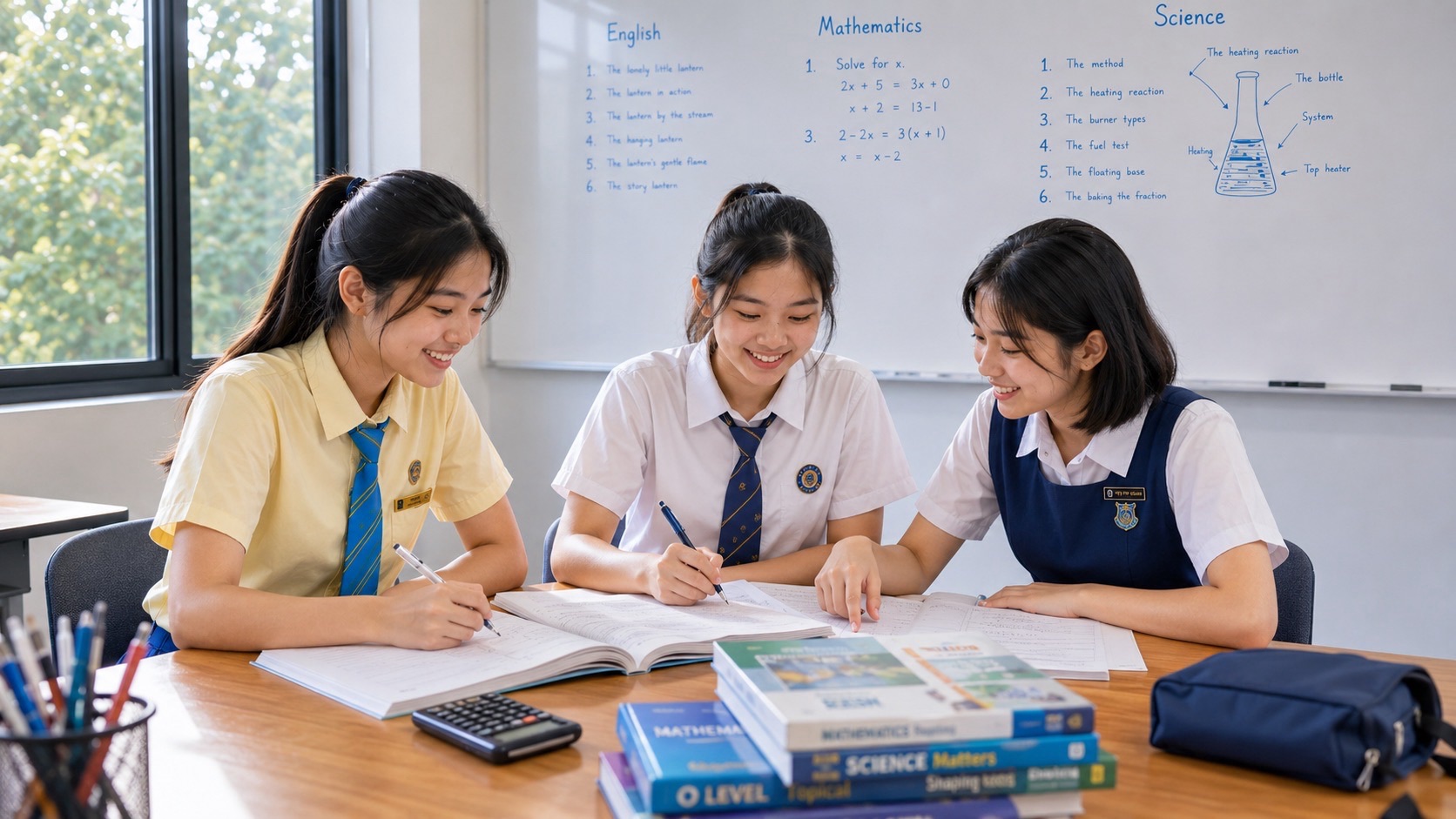
Teacher modelling works when an expert makes the important parts of a task visible enough for a learner to understand, imitate, question, practise and eventually perform without the model. Good modelling is more than demonstrating a polished answer. It reveals the decisions that normally disappear inside expertise: where to begin, what to notice, which alternative to reject, how to check, when to revise and what to do when the first attempt fails. For readers searching for teacher modelling, worked examples, think-alouds, explicit instruction, cognitive apprenticeship or how to model learning, the central mechanism is visible decision → guided reconstruction → faded support → independent transfer.
Experts are often poor models by accident. A teacher can solve an equation, interpret a source or revise a paragraph so fluently that the learner sees only the finished movement. The expert’s attention has compressed years of knowledge into choices that feel obvious. To a novice, they are not obvious. Effective modelling slows the process down without pretending that every tiny action deserves equal emphasis. It selects the decisions that explain why the method works.
This world-facing guide develops modelling across mathematics, science, reading, writing, creative work, discussion, practice, assessment and transfer. Adrian, Jo, Ben, Aisha, Ryan, Mira, Clara and Ethan appear only as fictional eduKateSG residents in invented teaching scenarios. They are not testimonials. Research links support limited claims; the classroom sequences are practical proposals to adapt rather than universal scripts.
Quick Read: do not model only the answer
Adrian writes a perfect paragraph on the board. Students copy it. The model demonstrates what a successful product can look like, but it does not necessarily reveal how to produce one. He tries again. This time he reads the source, identifies the claim, rejects one tempting but unsupported inference, drafts a sentence, notices that the sentence overstates the evidence, and revises it aloud. The model now contains decisions.
The next step is not another teacher performance. Students complete a partial example, explain the decision they made and compare it with the model. Then the cue is reduced. Finally, the surface changes. If learners can act only while Adrian narrates every step, the modelling has not yet become independent capability.
For the wider architecture, begin with How Education Works. Practice owns repeated attempts, Feedback Loops owns correction, and Classroom Discussion owns shared questioning. This article owns the expert-to-novice handoff: how hidden expert judgement becomes learnable without making the learner permanently dependent on the expert.
1. Expertise hides steps
With practice, experts recognise patterns rapidly and organise information into larger chunks. This efficiency is useful for performance but can make teaching difficult. The teacher may skip a decision because it no longer feels like a decision.
Novices need access to selected hidden structure: what feature matters, why this method applies, what alternative would fail and how the result is checked. Modelling reconstructs enough of that structure to make the next attempt possible.
The aim is not to narrate every thought in the expert’s head. That would overload the learner and include irrelevant personal habits. Model the decisions that are causally useful for the target capability.
2. Model the target
Decide what learners should be able to do after the model. A demonstration without a target can become impressive performance rather than instruction.
In the fictional eduKateSG classroom, Adrian pauses the model at the decision point and asks learners to predict what matters next. After revealing his reasoning, he gives a partial version for students to complete. Jo listens for whether they can explain the decision rather than merely reproduce the visible form. The model is therefore immediately converted into learner action.
The next task changes one feature and removes one support. If students fail, the teacher decides whether the model omitted a hidden step, the prerequisite is weak or fading happened too quickly. If they succeed, support reduces again. Modelling is a temporary bridge whose quality is measured by what remains after the bridge is no longer needed.
3. Product models
A finished exemplar shows quality, structure and possibilities. Pair it with analysis so learners can see which decisions created the features they are expected to reproduce or adapt.
In the fictional eduKateSG classroom, Adrian pauses the model at the decision point and asks learners to predict what matters next. After revealing his reasoning, he gives a partial version for students to complete. Jo listens for whether they can explain the decision rather than merely reproduce the visible form. The model is therefore immediately converted into learner action.
The next task changes one feature and removes one support. If students fail, the teacher decides whether the model omitted a hidden step, the prerequisite is weak or fading happened too quickly. If they succeed, support reduces again. Modelling is a temporary bridge whose quality is measured by what remains after the bridge is no longer needed.
4. Process models
A process model shows the sequence of decisions and checks. It is especially useful when the path to the product is not visible from the product itself.
In the fictional eduKateSG classroom, Adrian pauses the model at the decision point and asks learners to predict what matters next. After revealing his reasoning, he gives a partial version for students to complete. Jo listens for whether they can explain the decision rather than merely reproduce the visible form. The model is therefore immediately converted into learner action.
The next task changes one feature and removes one support. If students fail, the teacher decides whether the model omitted a hidden step, the prerequisite is weak or fading happened too quickly. If they succeed, support reduces again. Modelling is a temporary bridge whose quality is measured by what remains after the bridge is no longer needed.
5. Think-alouds
A think-aloud verbalises selected reasoning while the teacher performs a task. Keep it focused on relevant decisions rather than narrating every mental event.
In the fictional eduKateSG classroom, Adrian pauses the model at the decision point and asks learners to predict what matters next. After revealing his reasoning, he gives a partial version for students to complete. Jo listens for whether they can explain the decision rather than merely reproduce the visible form. The model is therefore immediately converted into learner action.
The next task changes one feature and removes one support. If students fail, the teacher decides whether the model omitted a hidden step, the prerequisite is weak or fading happened too quickly. If they succeed, support reduces again. Modelling is a temporary bridge whose quality is measured by what remains after the bridge is no longer needed.
6. Worked examples
Worked examples show a complete solution or response. Ask learners to explain steps, compare alternatives and eventually complete missing portions.
In the fictional eduKateSG classroom, Adrian pauses the model at the decision point and asks learners to predict what matters next. After revealing his reasoning, he gives a partial version for students to complete. Jo listens for whether they can explain the decision rather than merely reproduce the visible form. The model is therefore immediately converted into learner action.
The next task changes one feature and removes one support. If students fail, the teacher decides whether the model omitted a hidden step, the prerequisite is weak or fading happened too quickly. If they succeed, support reduces again. Modelling is a temporary bridge whose quality is measured by what remains after the bridge is no longer needed.
7. Completion problems
Remove selected steps from a worked example and require learners to supply them. This bridges observation and independent performance.
In the fictional eduKateSG classroom, Adrian pauses the model at the decision point and asks learners to predict what matters next. After revealing his reasoning, he gives a partial version for students to complete. Jo listens for whether they can explain the decision rather than merely reproduce the visible form. The model is therefore immediately converted into learner action.
The next task changes one feature and removes one support. If students fail, the teacher decides whether the model omitted a hidden step, the prerequisite is weak or fading happened too quickly. If they succeed, support reduces again. Modelling is a temporary bridge whose quality is measured by what remains after the bridge is no longer needed.
8. Example fading
Fade support as control increases: full model, partial model, cue, independent attempt. See Worked Example Fading.
In the fictional eduKateSG classroom, Adrian pauses the model at the decision point and asks learners to predict what matters next. After revealing his reasoning, he gives a partial version for students to complete. Jo listens for whether they can explain the decision rather than merely reproduce the visible form. The model is therefore immediately converted into learner action.
The next task changes one feature and removes one support. If students fail, the teacher decides whether the model omitted a hidden step, the prerequisite is weak or fading happened too quickly. If they succeed, support reduces again. Modelling is a temporary bridge whose quality is measured by what remains after the bridge is no longer needed.
9. Cognitive apprenticeship
Cognitive apprenticeship makes thinking visible through modelling, coaching, scaffolding, articulation, reflection and increasing independence in meaningful tasks.
In the fictional eduKateSG classroom, Adrian pauses the model at the decision point and asks learners to predict what matters next. After revealing his reasoning, he gives a partial version for students to complete. Jo listens for whether they can explain the decision rather than merely reproduce the visible form. The model is therefore immediately converted into learner action.
The next task changes one feature and removes one support. If students fail, the teacher decides whether the model omitted a hidden step, the prerequisite is weak or fading happened too quickly. If they succeed, support reduces again. Modelling is a temporary bridge whose quality is measured by what remains after the bridge is no longer needed.
10. Attention cues
Tell learners what to watch for before the model begins. “Notice how I decide whether the source supports the claim” is more useful than “watch carefully.”
In the fictional eduKateSG classroom, Adrian pauses the model at the decision point and asks learners to predict what matters next. After revealing his reasoning, he gives a partial version for students to complete. Jo listens for whether they can explain the decision rather than merely reproduce the visible form. The model is therefore immediately converted into learner action.
The next task changes one feature and removes one support. If students fail, the teacher decides whether the model omitted a hidden step, the prerequisite is weak or fading happened too quickly. If they succeed, support reduces again. Modelling is a temporary bridge whose quality is measured by what remains after the bridge is no longer needed.
11. Segmentation
Break a complex model into meaningful phases. Pause at decision points so learners can process the relationship before the next step arrives.
In the fictional eduKateSG classroom, Adrian pauses the model at the decision point and asks learners to predict what matters next. After revealing his reasoning, he gives a partial version for students to complete. Jo listens for whether they can explain the decision rather than merely reproduce the visible form. The model is therefore immediately converted into learner action.
The next task changes one feature and removes one support. If students fail, the teacher decides whether the model omitted a hidden step, the prerequisite is weak or fading happened too quickly. If they succeed, support reduces again. Modelling is a temporary bridge whose quality is measured by what remains after the bridge is no longer needed.
12. Pacing
Expert speed can make a demonstration look effortless and opaque. Slow down at decisions, not necessarily at routine execution.
In the fictional eduKateSG classroom, Adrian pauses the model at the decision point and asks learners to predict what matters next. After revealing his reasoning, he gives a partial version for students to complete. Jo listens for whether they can explain the decision rather than merely reproduce the visible form. The model is therefore immediately converted into learner action.
The next task changes one feature and removes one support. If students fail, the teacher decides whether the model omitted a hidden step, the prerequisite is weak or fading happened too quickly. If they succeed, support reduces again. Modelling is a temporary bridge whose quality is measured by what remains after the bridge is no longer needed.
13. Contrast
Show a strong and weak model or two plausible methods. Contrast reveals which feature matters and prevents students from copying only surface appearance.
In the fictional eduKateSG classroom, Adrian pauses the model at the decision point and asks learners to predict what matters next. After revealing his reasoning, he gives a partial version for students to complete. Jo listens for whether they can explain the decision rather than merely reproduce the visible form. The model is therefore immediately converted into learner action.
The next task changes one feature and removes one support. If students fail, the teacher decides whether the model omitted a hidden step, the prerequisite is weak or fading happened too quickly. If they succeed, support reduces again. Modelling is a temporary bridge whose quality is measured by what remains after the bridge is no longer needed.
14. Non-examples
A non-example clarifies boundaries. Explain why it fails so the learner acquires a discrimination rule rather than a list of forbidden forms.
In the fictional eduKateSG classroom, Adrian pauses the model at the decision point and asks learners to predict what matters next. After revealing his reasoning, he gives a partial version for students to complete. Jo listens for whether they can explain the decision rather than merely reproduce the visible form. The model is therefore immediately converted into learner action.
The next task changes one feature and removes one support. If students fail, the teacher decides whether the model omitted a hidden step, the prerequisite is weak or fading happened too quickly. If they succeed, support reduces again. Modelling is a temporary bridge whose quality is measured by what remains after the bridge is no longer needed.
15. Error modelling
Model a plausible mistake, detect it and repair it. Learners need to see checking and recovery, not only flawless expertise.
In the fictional eduKateSG classroom, Adrian pauses the model at the decision point and asks learners to predict what matters next. After revealing his reasoning, he gives a partial version for students to complete. Jo listens for whether they can explain the decision rather than merely reproduce the visible form. The model is therefore immediately converted into learner action.
The next task changes one feature and removes one support. If students fail, the teacher decides whether the model omitted a hidden step, the prerequisite is weak or fading happened too quickly. If they succeed, support reduces again. Modelling is a temporary bridge whose quality is measured by what remains after the bridge is no longer needed.
16. Uncertainty
Model responsible uncertainty: identify what is not known, what needs checking and which claim would be too strong. Expertise includes boundaries.
In the fictional eduKateSG classroom, Adrian pauses the model at the decision point and asks learners to predict what matters next. After revealing his reasoning, he gives a partial version for students to complete. Jo listens for whether they can explain the decision rather than merely reproduce the visible form. The model is therefore immediately converted into learner action.
The next task changes one feature and removes one support. If students fail, the teacher decides whether the model omitted a hidden step, the prerequisite is weak or fading happened too quickly. If they succeed, support reduces again. Modelling is a temporary bridge whose quality is measured by what remains after the bridge is no longer needed.
17. Checking
Make verification visible. Estimate, reread, test units, trace evidence or compare the answer with the question. Checking should be part of the method, not an afterthought.
In the fictional eduKateSG classroom, Adrian pauses the model at the decision point and asks learners to predict what matters next. After revealing his reasoning, he gives a partial version for students to complete. Jo listens for whether they can explain the decision rather than merely reproduce the visible form. The model is therefore immediately converted into learner action.
The next task changes one feature and removes one support. If students fail, the teacher decides whether the model omitted a hidden step, the prerequisite is weak or fading happened too quickly. If they succeed, support reduces again. Modelling is a temporary bridge whose quality is measured by what remains after the bridge is no longer needed.
18. Self-correction
When a model goes wrong, do not hide the correction. Explain what signal revealed the problem and how the strategy changes.
In the fictional eduKateSG classroom, Adrian pauses the model at the decision point and asks learners to predict what matters next. After revealing his reasoning, he gives a partial version for students to complete. Jo listens for whether they can explain the decision rather than merely reproduce the visible form. The model is therefore immediately converted into learner action.
The next task changes one feature and removes one support. If students fail, the teacher decides whether the model omitted a hidden step, the prerequisite is weak or fading happened too quickly. If they succeed, support reduces again. Modelling is a temporary bridge whose quality is measured by what remains after the bridge is no longer needed.
19. Questioning during models
Pause and ask students to predict the next decision before revealing it. This converts observation into active processing.
In the fictional eduKateSG classroom, Adrian pauses the model at the decision point and asks learners to predict what matters next. After revealing his reasoning, he gives a partial version for students to complete. Jo listens for whether they can explain the decision rather than merely reproduce the visible form. The model is therefore immediately converted into learner action.
The next task changes one feature and removes one support. If students fail, the teacher decides whether the model omitted a hidden step, the prerequisite is weak or fading happened too quickly. If they succeed, support reduces again. Modelling is a temporary bridge whose quality is measured by what remains after the bridge is no longer needed.
20. Prediction
Prediction works when learners possess enough knowledge to make a meaningful attempt. Wrong predictions can become useful contrasts after explanation.
In the fictional eduKateSG classroom, Adrian pauses the model at the decision point and asks learners to predict what matters next. After revealing his reasoning, he gives a partial version for students to complete. Jo listens for whether they can explain the decision rather than merely reproduce the visible form. The model is therefore immediately converted into learner action.
The next task changes one feature and removes one support. If students fail, the teacher decides whether the model omitted a hidden step, the prerequisite is weak or fading happened too quickly. If they succeed, support reduces again. Modelling is a temporary bridge whose quality is measured by what remains after the bridge is no longer needed.
21. Imitation
Imitation is a legitimate early stage when learners understand what feature they are copying. It becomes limiting if surface replication replaces later adaptation.
In the fictional eduKateSG classroom, Adrian pauses the model at the decision point and asks learners to predict what matters next. After revealing his reasoning, he gives a partial version for students to complete. Jo listens for whether they can explain the decision rather than merely reproduce the visible form. The model is therefore immediately converted into learner action.
The next task changes one feature and removes one support. If students fail, the teacher decides whether the model omitted a hidden step, the prerequisite is weak or fading happened too quickly. If they succeed, support reduces again. Modelling is a temporary bridge whose quality is measured by what remains after the bridge is no longer needed.
22. Adaptation
After imitation, change the context or purpose. Ask which parts of the model should remain and which must change.
In the fictional eduKateSG classroom, Adrian pauses the model at the decision point and asks learners to predict what matters next. After revealing his reasoning, he gives a partial version for students to complete. Jo listens for whether they can explain the decision rather than merely reproduce the visible form. The model is therefore immediately converted into learner action.
The next task changes one feature and removes one support. If students fail, the teacher decides whether the model omitted a hidden step, the prerequisite is weak or fading happened too quickly. If they succeed, support reduces again. Modelling is a temporary bridge whose quality is measured by what remains after the bridge is no longer needed.
23. Transfer
A model has succeeded educationally when learners can reconstruct the underlying decisions under changed conditions. See Learning Transfer Distance.
In the fictional eduKateSG classroom, Adrian pauses the model at the decision point and asks learners to predict what matters next. After revealing his reasoning, he gives a partial version for students to complete. Jo listens for whether they can explain the decision rather than merely reproduce the visible form. The model is therefore immediately converted into learner action.
The next task changes one feature and removes one support. If students fail, the teacher decides whether the model omitted a hidden step, the prerequisite is weak or fading happened too quickly. If they succeed, support reduces again. Modelling is a temporary bridge whose quality is measured by what remains after the bridge is no longer needed.
24. Scaffolding
Scaffolds temporarily reduce demands that are not yet manageable while preserving the target thinking. They should have a plan for removal.
In the fictional eduKateSG classroom, Adrian pauses the model at the decision point and asks learners to predict what matters next. After revealing his reasoning, he gives a partial version for students to complete. Jo listens for whether they can explain the decision rather than merely reproduce the visible form. The model is therefore immediately converted into learner action.
The next task changes one feature and removes one support. If students fail, the teacher decides whether the model omitted a hidden step, the prerequisite is weak or fading happened too quickly. If they succeed, support reduces again. Modelling is a temporary bridge whose quality is measured by what remains after the bridge is no longer needed.
25. Prompts
A prompt can direct attention without supplying the answer. Repeated permanent prompts can become hidden dependencies.
In the fictional eduKateSG classroom, Adrian pauses the model at the decision point and asks learners to predict what matters next. After revealing his reasoning, he gives a partial version for students to complete. Jo listens for whether they can explain the decision rather than merely reproduce the visible form. The model is therefore immediately converted into learner action.
The next task changes one feature and removes one support. If students fail, the teacher decides whether the model omitted a hidden step, the prerequisite is weak or fading happened too quickly. If they succeed, support reduces again. Modelling is a temporary bridge whose quality is measured by what remains after the bridge is no longer needed.
26. Checklists
Checklists externalise recurring steps. Fade or compress them when the sequence becomes reliable, while retaining them where real professional practice uses checklists appropriately.
In the fictional eduKateSG classroom, Adrian pauses the model at the decision point and asks learners to predict what matters next. After revealing his reasoning, he gives a partial version for students to complete. Jo listens for whether they can explain the decision rather than merely reproduce the visible form. The model is therefore immediately converted into learner action.
The next task changes one feature and removes one support. If students fail, the teacher decides whether the model omitted a hidden step, the prerequisite is weak or fading happened too quickly. If they succeed, support reduces again. Modelling is a temporary bridge whose quality is measured by what remains after the bridge is no longer needed.
27. Templates
Templates can support structure for novices but should not become the only shape students can produce. Teach what each section does.
In the fictional eduKateSG classroom, Adrian pauses the model at the decision point and asks learners to predict what matters next. After revealing his reasoning, he gives a partial version for students to complete. Jo listens for whether they can explain the decision rather than merely reproduce the visible form. The model is therefore immediately converted into learner action.
The next task changes one feature and removes one support. If students fail, the teacher decides whether the model omitted a hidden step, the prerequisite is weak or fading happened too quickly. If they succeed, support reduces again. Modelling is a temporary bridge whose quality is measured by what remains after the bridge is no longer needed.
28. Sentence frames
Frames can help learners express relationships such as evidence and reasoning. Fade them as language control grows.
In the fictional eduKateSG classroom, Adrian pauses the model at the decision point and asks learners to predict what matters next. After revealing his reasoning, he gives a partial version for students to complete. Jo listens for whether they can explain the decision rather than merely reproduce the visible form. The model is therefore immediately converted into learner action.
The next task changes one feature and removes one support. If students fail, the teacher decides whether the model omitted a hidden step, the prerequisite is weak or fading happened too quickly. If they succeed, support reduces again. Modelling is a temporary bridge whose quality is measured by what remains after the bridge is no longer needed.
29. Graphic organisers
Organisers can make relationships visible, but a completed organiser is not the final capability. Move from representation to explanation and independent selection.
In the fictional eduKateSG classroom, Adrian pauses the model at the decision point and asks learners to predict what matters next. After revealing his reasoning, he gives a partial version for students to complete. Jo listens for whether they can explain the decision rather than merely reproduce the visible form. The model is therefore immediately converted into learner action.
The next task changes one feature and removes one support. If students fail, the teacher decides whether the model omitted a hidden step, the prerequisite is weak or fading happened too quickly. If they succeed, support reduces again. Modelling is a temporary bridge whose quality is measured by what remains after the bridge is no longer needed.
30. Guided practice
After modelling, learners attempt while the teacher observes and intervenes selectively. Guided practice is where hidden misunderstandings become visible.
In the fictional eduKateSG classroom, Adrian pauses the model at the decision point and asks learners to predict what matters next. After revealing his reasoning, he gives a partial version for students to complete. Jo listens for whether they can explain the decision rather than merely reproduce the visible form. The model is therefore immediately converted into learner action.
The next task changes one feature and removes one support. If students fail, the teacher decides whether the model omitted a hidden step, the prerequisite is weak or fading happened too quickly. If they succeed, support reduces again. Modelling is a temporary bridge whose quality is measured by what remains after the bridge is no longer needed.
31. Independent practice
Independence should follow enough successful guided attempts. Sending novices away immediately after watching a model can confuse recognition with ability.
In the fictional eduKateSG classroom, Adrian pauses the model at the decision point and asks learners to predict what matters next. After revealing his reasoning, he gives a partial version for students to complete. Jo listens for whether they can explain the decision rather than merely reproduce the visible form. The model is therefore immediately converted into learner action.
The next task changes one feature and removes one support. If students fail, the teacher decides whether the model omitted a hidden step, the prerequisite is weak or fading happened too quickly. If they succeed, support reduces again. Modelling is a temporary bridge whose quality is measured by what remains after the bridge is no longer needed.
32. Feedback after modelling
Feedback should identify the decision that differs from the model’s underlying logic, not merely the visual difference. See Feedback Loops.
In the fictional eduKateSG classroom, Adrian pauses the model at the decision point and asks learners to predict what matters next. After revealing his reasoning, he gives a partial version for students to complete. Jo listens for whether they can explain the decision rather than merely reproduce the visible form. The model is therefore immediately converted into learner action.
The next task changes one feature and removes one support. If students fail, the teacher decides whether the model omitted a hidden step, the prerequisite is weak or fading happened too quickly. If they succeed, support reduces again. Modelling is a temporary bridge whose quality is measured by what remains after the bridge is no longer needed.
33. Discussion after modelling
Ask learners to explain why the model made a choice, compare it with an alternative and identify where the method would fail. See Classroom Discussion.
In the fictional eduKateSG classroom, Adrian pauses the model at the decision point and asks learners to predict what matters next. After revealing his reasoning, he gives a partial version for students to complete. Jo listens for whether they can explain the decision rather than merely reproduce the visible form. The model is therefore immediately converted into learner action.
The next task changes one feature and removes one support. If students fail, the teacher decides whether the model omitted a hidden step, the prerequisite is weak or fading happened too quickly. If they succeed, support reduces again. Modelling is a temporary bridge whose quality is measured by what remains after the bridge is no longer needed.
34. Collaborative reconstruction
Pairs can reconstruct a model from memory, compare reasoning and correct one another. Finish with individual performance. See Collaborative Learning.
In the fictional eduKateSG classroom, Adrian pauses the model at the decision point and asks learners to predict what matters next. After revealing his reasoning, he gives a partial version for students to complete. Jo listens for whether they can explain the decision rather than merely reproduce the visible form. The model is therefore immediately converted into learner action.
The next task changes one feature and removes one support. If students fail, the teacher decides whether the model omitted a hidden step, the prerequisite is weak or fading happened too quickly. If they succeed, support reduces again. Modelling is a temporary bridge whose quality is measured by what remains after the bridge is no longer needed.
35. Mathematics modelling
Model method selection, representation, transformations, units and checking. Do not model only rapid calculation.
In the fictional eduKateSG classroom, Adrian pauses the model at the decision point and asks learners to predict what matters next. After revealing his reasoning, he gives a partial version for students to complete. Jo listens for whether they can explain the decision rather than merely reproduce the visible form. The model is therefore immediately converted into learner action.
The next task changes one feature and removes one support. If students fail, the teacher decides whether the model omitted a hidden step, the prerequisite is weak or fading happened too quickly. If they succeed, support reduces again. Modelling is a temporary bridge whose quality is measured by what remains after the bridge is no longer needed.
36. Science modelling
Model how observations become bounded claims, how mechanisms are proposed and how evidence limits certainty.
In the fictional eduKateSG classroom, Adrian pauses the model at the decision point and asks learners to predict what matters next. After revealing his reasoning, he gives a partial version for students to complete. Jo listens for whether they can explain the decision rather than merely reproduce the visible form. The model is therefore immediately converted into learner action.
The next task changes one feature and removes one support. If students fail, the teacher decides whether the model omitted a hidden step, the prerequisite is weak or fading happened too quickly. If they succeed, support reduces again. Modelling is a temporary bridge whose quality is measured by what remains after the bridge is no longer needed.
37. History modelling
Model source provenance, contextualisation, comparison and the move from evidence to interpretation without inventing motive.
In the fictional eduKateSG classroom, Adrian pauses the model at the decision point and asks learners to predict what matters next. After revealing his reasoning, he gives a partial version for students to complete. Jo listens for whether they can explain the decision rather than merely reproduce the visible form. The model is therefore immediately converted into learner action.
The next task changes one feature and removes one support. If students fail, the teacher decides whether the model omitted a hidden step, the prerequisite is weak or fading happened too quickly. If they succeed, support reduces again. Modelling is a temporary bridge whose quality is measured by what remains after the bridge is no longer needed.
38. Geography modelling
Model scale, spatial comparison, map interpretation and the distinction between representation and place.
In the fictional eduKateSG classroom, Adrian pauses the model at the decision point and asks learners to predict what matters next. After revealing his reasoning, he gives a partial version for students to complete. Jo listens for whether they can explain the decision rather than merely reproduce the visible form. The model is therefore immediately converted into learner action.
The next task changes one feature and removes one support. If students fail, the teacher decides whether the model omitted a hidden step, the prerequisite is weak or fading happened too quickly. If they succeed, support reduces again. Modelling is a temporary bridge whose quality is measured by what remains after the bridge is no longer needed.
39. Reading modelling
Think aloud selectively while inferring, clarifying vocabulary, tracking argument and checking interpretation against the text.
In the fictional eduKateSG classroom, Adrian pauses the model at the decision point and asks learners to predict what matters next. After revealing his reasoning, he gives a partial version for students to complete. Jo listens for whether they can explain the decision rather than merely reproduce the visible form. The model is therefore immediately converted into learner action.
The next task changes one feature and removes one support. If students fail, the teacher decides whether the model omitted a hidden step, the prerequisite is weak or fading happened too quickly. If they succeed, support reduces again. Modelling is a temporary bridge whose quality is measured by what remains after the bridge is no longer needed.
40. Vocabulary modelling
Model how context, morphology, collocation and contrast narrow word meaning, then require learners to choose words in new contexts.
In the fictional eduKateSG classroom, Adrian pauses the model at the decision point and asks learners to predict what matters next. After revealing his reasoning, he gives a partial version for students to complete. Jo listens for whether they can explain the decision rather than merely reproduce the visible form. The model is therefore immediately converted into learner action.
The next task changes one feature and removes one support. If students fail, the teacher decides whether the model omitted a hidden step, the prerequisite is weak or fading happened too quickly. If they succeed, support reduces again. Modelling is a temporary bridge whose quality is measured by what remains after the bridge is no longer needed.
41. Writing modelling
Show planning, sentence decisions, evidence integration and revision. A polished final paragraph alone hides the writer’s work.
In the fictional eduKateSG classroom, Adrian pauses the model at the decision point and asks learners to predict what matters next. After revealing his reasoning, he gives a partial version for students to complete. Jo listens for whether they can explain the decision rather than merely reproduce the visible form. The model is therefore immediately converted into learner action.
The next task changes one feature and removes one support. If students fail, the teacher decides whether the model omitted a hidden step, the prerequisite is weak or fading happened too quickly. If they succeed, support reduces again. Modelling is a temporary bridge whose quality is measured by what remains after the bridge is no longer needed.
42. Creative-writing modelling
Model craft decisions such as viewpoint, scene entry, detail selection and revision without prescribing one correct story.
In the fictional eduKateSG classroom, Adrian pauses the model at the decision point and asks learners to predict what matters next. After revealing his reasoning, he gives a partial version for students to complete. Jo listens for whether they can explain the decision rather than merely reproduce the visible form. The model is therefore immediately converted into learner action.
The next task changes one feature and removes one support. If students fail, the teacher decides whether the model omitted a hidden step, the prerequisite is weak or fading happened too quickly. If they succeed, support reduces again. Modelling is a temporary bridge whose quality is measured by what remains after the bridge is no longer needed.
43. Oral modelling
Demonstrate how to organise an answer, respond to a changed question and recover when a word or idea is temporarily unavailable.
In the fictional eduKateSG classroom, Adrian pauses the model at the decision point and asks learners to predict what matters next. After revealing his reasoning, he gives a partial version for students to complete. Jo listens for whether they can explain the decision rather than merely reproduce the visible form. The model is therefore immediately converted into learner action.
The next task changes one feature and removes one support. If students fail, the teacher decides whether the model omitted a hidden step, the prerequisite is weak or fading happened too quickly. If they succeed, support reduces again. Modelling is a temporary bridge whose quality is measured by what remains after the bridge is no longer needed.
44. Technical writing
Model from the reader’s perspective: identify required information, sequence actions, test ambiguity and add checking conditions.
In the fictional eduKateSG classroom, Adrian pauses the model at the decision point and asks learners to predict what matters next. After revealing his reasoning, he gives a partial version for students to complete. Jo listens for whether they can explain the decision rather than merely reproduce the visible form. The model is therefore immediately converted into learner action.
The next task changes one feature and removes one support. If students fail, the teacher decides whether the model omitted a hidden step, the prerequisite is weak or fading happened too quickly. If they succeed, support reduces again. Modelling is a temporary bridge whose quality is measured by what remains after the bridge is no longer needed.
45. Argument
Model claim selection, evidence relevance, counterargument and qualification. Show where a strong-sounding claim must be narrowed.
In the fictional eduKateSG classroom, Adrian pauses the model at the decision point and asks learners to predict what matters next. After revealing his reasoning, he gives a partial version for students to complete. Jo listens for whether they can explain the decision rather than merely reproduce the visible form. The model is therefore immediately converted into learner action.
The next task changes one feature and removes one support. If students fail, the teacher decides whether the model omitted a hidden step, the prerequisite is weak or fading happened too quickly. If they succeed, support reduces again. Modelling is a temporary bridge whose quality is measured by what remains after the bridge is no longer needed.
46. Explanation
Model how to move from description to mechanism or reason. Ask what the reader needs to understand the relationship.
In the fictional eduKateSG classroom, Adrian pauses the model at the decision point and asks learners to predict what matters next. After revealing his reasoning, he gives a partial version for students to complete. Jo listens for whether they can explain the decision rather than merely reproduce the visible form. The model is therefore immediately converted into learner action.
The next task changes one feature and removes one support. If students fail, the teacher decides whether the model omitted a hidden step, the prerequisite is weak or fading happened too quickly. If they succeed, support reduces again. Modelling is a temporary bridge whose quality is measured by what remains after the bridge is no longer needed.
47. Problem solving
Model how to represent the problem, identify constraints, select a strategy and monitor progress. Avoid pretending experts always know the answer immediately.
In the fictional eduKateSG classroom, Adrian pauses the model at the decision point and asks learners to predict what matters next. After revealing his reasoning, he gives a partial version for students to complete. Jo listens for whether they can explain the decision rather than merely reproduce the visible form. The model is therefore immediately converted into learner action.
The next task changes one feature and removes one support. If students fail, the teacher decides whether the model omitted a hidden step, the prerequisite is weak or fading happened too quickly. If they succeed, support reduces again. Modelling is a temporary bridge whose quality is measured by what remains after the bridge is no longer needed.
48. Research
Model search terms, source inspection, cross-checking and note-taking. Do not show only the final list of sources.
In the fictional eduKateSG classroom, Adrian pauses the model at the decision point and asks learners to predict what matters next. After revealing his reasoning, he gives a partial version for students to complete. Jo listens for whether they can explain the decision rather than merely reproduce the visible form. The model is therefore immediately converted into learner action.
The next task changes one feature and removes one support. If students fail, the teacher decides whether the model omitted a hidden step, the prerequisite is weak or fading happened too quickly. If they succeed, support reduces again. Modelling is a temporary bridge whose quality is measured by what remains after the bridge is no longer needed.
49. Data interpretation
Model units, denominator, scale, comparison and uncertainty before interpreting a graph or table.
In the fictional eduKateSG classroom, Adrian pauses the model at the decision point and asks learners to predict what matters next. After revealing his reasoning, he gives a partial version for students to complete. Jo listens for whether they can explain the decision rather than merely reproduce the visible form. The model is therefore immediately converted into learner action.
The next task changes one feature and removes one support. If students fail, the teacher decides whether the model omitted a hidden step, the prerequisite is weak or fading happened too quickly. If they succeed, support reduces again. Modelling is a temporary bridge whose quality is measured by what remains after the bridge is no longer needed.
50. Graph construction
Model why a particular graph type represents the question and what visual choices could mislead.
In the fictional eduKateSG classroom, Adrian pauses the model at the decision point and asks learners to predict what matters next. After revealing his reasoning, he gives a partial version for students to complete. Jo listens for whether they can explain the decision rather than merely reproduce the visible form. The model is therefore immediately converted into learner action.
The next task changes one feature and removes one support. If students fail, the teacher decides whether the model omitted a hidden step, the prerequisite is weak or fading happened too quickly. If they succeed, support reduces again. Modelling is a temporary bridge whose quality is measured by what remains after the bridge is no longer needed.
51. Exam questions
Model reading the command, allocating attention, selecting a method and checking against marks or criteria where appropriate.
In the fictional eduKateSG classroom, Adrian pauses the model at the decision point and asks learners to predict what matters next. After revealing his reasoning, he gives a partial version for students to complete. Jo listens for whether they can explain the decision rather than merely reproduce the visible form. The model is therefore immediately converted into learner action.
The next task changes one feature and removes one support. If students fail, the teacher decides whether the model omitted a hidden step, the prerequisite is weak or fading happened too quickly. If they succeed, support reduces again. Modelling is a temporary bridge whose quality is measured by what remains after the bridge is no longer needed.
52. Timed work
Model pacing decisions after core method is secure. Show what to do when a question takes longer than planned.
In the fictional eduKateSG classroom, Adrian pauses the model at the decision point and asks learners to predict what matters next. After revealing his reasoning, he gives a partial version for students to complete. Jo listens for whether they can explain the decision rather than merely reproduce the visible form. The model is therefore immediately converted into learner action.
The next task changes one feature and removes one support. If students fail, the teacher decides whether the model omitted a hidden step, the prerequisite is weak or fading happened too quickly. If they succeed, support reduces again. Modelling is a temporary bridge whose quality is measured by what remains after the bridge is no longer needed.
53. Revision
Model how to diagnose a gap and choose a study method. See Study Skills.
In the fictional eduKateSG classroom, Adrian pauses the model at the decision point and asks learners to predict what matters next. After revealing his reasoning, he gives a partial version for students to complete. Jo listens for whether they can explain the decision rather than merely reproduce the visible form. The model is therefore immediately converted into learner action.
The next task changes one feature and removes one support. If students fail, the teacher decides whether the model omitted a hidden step, the prerequisite is weak or fading happened too quickly. If they succeed, support reduces again. Modelling is a temporary bridge whose quality is measured by what remains after the bridge is no longer needed.
54. Homework handoff
Model the first independent step before assigning work outside class. See Homework.
In the fictional eduKateSG classroom, Adrian pauses the model at the decision point and asks learners to predict what matters next. After revealing his reasoning, he gives a partial version for students to complete. Jo listens for whether they can explain the decision rather than merely reproduce the visible form. The model is therefore immediately converted into learner action.
The next task changes one feature and removes one support. If students fail, the teacher decides whether the model omitted a hidden step, the prerequisite is weak or fading happened too quickly. If they succeed, support reduces again. Modelling is a temporary bridge whose quality is measured by what remains after the bridge is no longer needed.
55. Motivation
A model can increase expectancy by showing a plausible route, but it should not make the task look deceptively effortless. See Student Motivation.
In the fictional eduKateSG classroom, Adrian pauses the model at the decision point and asks learners to predict what matters next. After revealing his reasoning, he gives a partial version for students to complete. Jo listens for whether they can explain the decision rather than merely reproduce the visible form. The model is therefore immediately converted into learner action.
The next task changes one feature and removes one support. If students fail, the teacher decides whether the model omitted a hidden step, the prerequisite is weak or fading happened too quickly. If they succeed, support reduces again. Modelling is a temporary bridge whose quality is measured by what remains after the bridge is no longer needed.
56. Novices
Novices often benefit from more explicit structure because they lack schemas that experts use to organise the task. Reduce irrelevant search while preserving meaningful decisions.
In the fictional eduKateSG classroom, Adrian pauses the model at the decision point and asks learners to predict what matters next. After revealing his reasoning, he gives a partial version for students to complete. Jo listens for whether they can explain the decision rather than merely reproduce the visible form. The model is therefore immediately converted into learner action.
The next task changes one feature and removes one support. If students fail, the teacher decides whether the model omitted a hidden step, the prerequisite is weak or fading happened too quickly. If they succeed, support reduces again. Modelling is a temporary bridge whose quality is measured by what remains after the bridge is no longer needed.
57. Advanced learners
Advanced learners may need models of subtle judgement, alternative strategies and exception handling rather than basic procedures.
In the fictional eduKateSG classroom, Adrian pauses the model at the decision point and asks learners to predict what matters next. After revealing his reasoning, he gives a partial version for students to complete. Jo listens for whether they can explain the decision rather than merely reproduce the visible form. The model is therefore immediately converted into learner action.
The next task changes one feature and removes one support. If students fail, the teacher decides whether the model omitted a hidden step, the prerequisite is weak or fading happened too quickly. If they succeed, support reduces again. Modelling is a temporary bridge whose quality is measured by what remains after the bridge is no longer needed.
58. Primary learners
Use concrete, short models with visible actions and immediate guided reconstruction. Avoid overlong verbal think-alouds.
In the fictional eduKateSG classroom, Adrian pauses the model at the decision point and asks learners to predict what matters next. After revealing his reasoning, he gives a partial version for students to complete. Jo listens for whether they can explain the decision rather than merely reproduce the visible form. The model is therefore immediately converted into learner action.
The next task changes one feature and removes one support. If students fail, the teacher decides whether the model omitted a hidden step, the prerequisite is weak or fading happened too quickly. If they succeed, support reduces again. Modelling is a temporary bridge whose quality is measured by what remains after the bridge is no longer needed.
59. Secondary learners
Increase disciplinary language, alternative methods, source complexity and independence of transfer.
In the fictional eduKateSG classroom, Adrian pauses the model at the decision point and asks learners to predict what matters next. After revealing his reasoning, he gives a partial version for students to complete. Jo listens for whether they can explain the decision rather than merely reproduce the visible form. The model is therefore immediately converted into learner action.
The next task changes one feature and removes one support. If students fail, the teacher decides whether the model omitted a hidden step, the prerequisite is weak or fading happened too quickly. If they succeed, support reduces again. Modelling is a temporary bridge whose quality is measured by what remains after the bridge is no longer needed.
60. Multilingual learners
Models can supply both conceptual and linguistic resources. Separate the language frame from the underlying reasoning so students can eventually express the idea flexibly.
In the fictional eduKateSG classroom, Adrian pauses the model at the decision point and asks learners to predict what matters next. After revealing his reasoning, he gives a partial version for students to complete. Jo listens for whether they can explain the decision rather than merely reproduce the visible form. The model is therefore immediately converted into learner action.
The next task changes one feature and removes one support. If students fail, the teacher decides whether the model omitted a hidden step, the prerequisite is weak or fading happened too quickly. If they succeed, support reduces again. Modelling is a temporary bridge whose quality is measured by what remains after the bridge is no longer needed.
61. Accessibility
Provide models in accessible formats and use agreed accommodations. The model should reduce irrelevant barriers without replacing the target capability.
In the fictional eduKateSG classroom, Adrian pauses the model at the decision point and asks learners to predict what matters next. After revealing his reasoning, he gives a partial version for students to complete. Jo listens for whether they can explain the decision rather than merely reproduce the visible form. The model is therefore immediately converted into learner action.
The next task changes one feature and removes one support. If students fail, the teacher decides whether the model omitted a hidden step, the prerequisite is weak or fading happened too quickly. If they succeed, support reduces again. Modelling is a temporary bridge whose quality is measured by what remains after the bridge is no longer needed.
62. Attention
Signal what matters and remove decorative distraction. Learners cannot inspect every feature of an expert performance at once.
In the fictional eduKateSG classroom, Adrian pauses the model at the decision point and asks learners to predict what matters next. After revealing his reasoning, he gives a partial version for students to complete. Jo listens for whether they can explain the decision rather than merely reproduce the visible form. The model is therefore immediately converted into learner action.
The next task changes one feature and removes one support. If students fail, the teacher decides whether the model omitted a hidden step, the prerequisite is weak or fading happened too quickly. If they succeed, support reduces again. Modelling is a temporary bridge whose quality is measured by what remains after the bridge is no longer needed.
63. Cognitive load
A model should manage information complexity. Segment, preteach essential terms and avoid simultaneous explanations that overload working memory.
In the fictional eduKateSG classroom, Adrian pauses the model at the decision point and asks learners to predict what matters next. After revealing his reasoning, he gives a partial version for students to complete. Jo listens for whether they can explain the decision rather than merely reproduce the visible form. The model is therefore immediately converted into learner action.
The next task changes one feature and removes one support. If students fail, the teacher decides whether the model omitted a hidden step, the prerequisite is weak or fading happened too quickly. If they succeed, support reduces again. Modelling is a temporary bridge whose quality is measured by what remains after the bridge is no longer needed.
64. Prior knowledge
Connect the model to knowledge learners already possess. If prerequisites are missing, repair them before expecting the model to make sense.
In the fictional eduKateSG classroom, Adrian pauses the model at the decision point and asks learners to predict what matters next. After revealing his reasoning, he gives a partial version for students to complete. Jo listens for whether they can explain the decision rather than merely reproduce the visible form. The model is therefore immediately converted into learner action.
The next task changes one feature and removes one support. If students fail, the teacher decides whether the model omitted a hidden step, the prerequisite is weak or fading happened too quickly. If they succeed, support reduces again. Modelling is a temporary bridge whose quality is measured by what remains after the bridge is no longer needed.
65. Misconceptions
Use contrasting models to expose a misconception and show why the tempting method fails under a specific condition.
In the fictional eduKateSG classroom, Adrian pauses the model at the decision point and asks learners to predict what matters next. After revealing his reasoning, he gives a partial version for students to complete. Jo listens for whether they can explain the decision rather than merely reproduce the visible form. The model is therefore immediately converted into learner action.
The next task changes one feature and removes one support. If students fail, the teacher decides whether the model omitted a hidden step, the prerequisite is weak or fading happened too quickly. If they succeed, support reduces again. Modelling is a temporary bridge whose quality is measured by what remains after the bridge is no longer needed.
66. Variation
Model the same underlying principle across different surface forms. Learners begin to see what remains invariant.
In the fictional eduKateSG classroom, Adrian pauses the model at the decision point and asks learners to predict what matters next. After revealing his reasoning, he gives a partial version for students to complete. Jo listens for whether they can explain the decision rather than merely reproduce the visible form. The model is therefore immediately converted into learner action.
The next task changes one feature and removes one support. If students fail, the teacher decides whether the model omitted a hidden step, the prerequisite is weak or fading happened too quickly. If they succeed, support reduces again. Modelling is a temporary bridge whose quality is measured by what remains after the bridge is no longer needed.
67. Multiple models
Several successful models can prevent students from treating one surface form as the only acceptable answer, especially in writing and creative work.
In the fictional eduKateSG classroom, Adrian pauses the model at the decision point and asks learners to predict what matters next. After revealing his reasoning, he gives a partial version for students to complete. Jo listens for whether they can explain the decision rather than merely reproduce the visible form. The model is therefore immediately converted into learner action.
The next task changes one feature and removes one support. If students fail, the teacher decides whether the model omitted a hidden step, the prerequisite is weak or fading happened too quickly. If they succeed, support reduces again. Modelling is a temporary bridge whose quality is measured by what remains after the bridge is no longer needed.
68. Expert blind spots
Teachers should ask what they skipped because it felt obvious. Student errors are useful evidence of hidden steps.
In the fictional eduKateSG classroom, Adrian pauses the model at the decision point and asks learners to predict what matters next. After revealing his reasoning, he gives a partial version for students to complete. Jo listens for whether they can explain the decision rather than merely reproduce the visible form. The model is therefore immediately converted into learner action.
The next task changes one feature and removes one support. If students fail, the teacher decides whether the model omitted a hidden step, the prerequisite is weak or fading happened too quickly. If they succeed, support reduces again. Modelling is a temporary bridge whose quality is measured by what remains after the bridge is no longer needed.
69. Student models
A student solution can become a model when its reasoning is made visible and checked. Avoid turning one student into the permanent exemplar of ability.
In the fictional eduKateSG classroom, Adrian pauses the model at the decision point and asks learners to predict what matters next. After revealing his reasoning, he gives a partial version for students to complete. Jo listens for whether they can explain the decision rather than merely reproduce the visible form. The model is therefore immediately converted into learner action.
The next task changes one feature and removes one support. If students fail, the teacher decides whether the model omitted a hidden step, the prerequisite is weak or fading happened too quickly. If they succeed, support reduces again. Modelling is a temporary bridge whose quality is measured by what remains after the bridge is no longer needed.
70. Peer models
Peer work may feel attainable, but it can contain errors. Use it as material for analysis, not as automatically authoritative.
In the fictional eduKateSG classroom, Adrian pauses the model at the decision point and asks learners to predict what matters next. After revealing his reasoning, he gives a partial version for students to complete. Jo listens for whether they can explain the decision rather than merely reproduce the visible form. The model is therefore immediately converted into learner action.
The next task changes one feature and removes one support. If students fail, the teacher decides whether the model omitted a hidden step, the prerequisite is weak or fading happened too quickly. If they succeed, support reduces again. Modelling is a temporary bridge whose quality is measured by what remains after the bridge is no longer needed.
71. Video models
Video allows pause and replay, but passive watching can create familiarity. Add prediction, annotation and reconstruction.
In the fictional eduKateSG classroom, Adrian pauses the model at the decision point and asks learners to predict what matters next. After revealing his reasoning, he gives a partial version for students to complete. Jo listens for whether they can explain the decision rather than merely reproduce the visible form. The model is therefore immediately converted into learner action.
The next task changes one feature and removes one support. If students fail, the teacher decides whether the model omitted a hidden step, the prerequisite is weak or fading happened too quickly. If they succeed, support reduces again. Modelling is a temporary bridge whose quality is measured by what remains after the bridge is no longer needed.
72. Live models
Live modelling reveals authentic decision-making and correction. It can also become too fast or improvised; keep the target visible.
In the fictional eduKateSG classroom, Adrian pauses the model at the decision point and asks learners to predict what matters next. After revealing his reasoning, he gives a partial version for students to complete. Jo listens for whether they can explain the decision rather than merely reproduce the visible form. The model is therefore immediately converted into learner action.
The next task changes one feature and removes one support. If students fail, the teacher decides whether the model omitted a hidden step, the prerequisite is weak or fading happened too quickly. If they succeed, support reduces again. Modelling is a temporary bridge whose quality is measured by what remains after the bridge is no longer needed.
73. Annotated models
Annotations point to decisions and criteria. Ask learners to generate some annotations themselves so the model is inspected rather than merely decorated.
In the fictional eduKateSG classroom, Adrian pauses the model at the decision point and asks learners to predict what matters next. After revealing his reasoning, he gives a partial version for students to complete. Jo listens for whether they can explain the decision rather than merely reproduce the visible form. The model is therefore immediately converted into learner action.
The next task changes one feature and removes one support. If students fail, the teacher decides whether the model omitted a hidden step, the prerequisite is weak or fading happened too quickly. If they succeed, support reduces again. Modelling is a temporary bridge whose quality is measured by what remains after the bridge is no longer needed.
74. Model libraries
A curated set of examples across quality levels can support comparison. Organise by learning target, not just by topic.
In the fictional eduKateSG classroom, Adrian pauses the model at the decision point and asks learners to predict what matters next. After revealing his reasoning, he gives a partial version for students to complete. Jo listens for whether they can explain the decision rather than merely reproduce the visible form. The model is therefore immediately converted into learner action.
The next task changes one feature and removes one support. If students fail, the teacher decides whether the model omitted a hidden step, the prerequisite is weak or fading happened too quickly. If they succeed, support reduces again. Modelling is a temporary bridge whose quality is measured by what remains after the bridge is no longer needed.
75. AI-generated models
Where permitted, generated examples can provide contrast, but they need verification and may contain plausible errors. Preserve human judgement and follow institutional rules.
In the fictional eduKateSG classroom, Adrian pauses the model at the decision point and asks learners to predict what matters next. After revealing his reasoning, he gives a partial version for students to complete. Jo listens for whether they can explain the decision rather than merely reproduce the visible form. The model is therefore immediately converted into learner action.
The next task changes one feature and removes one support. If students fail, the teacher decides whether the model omitted a hidden step, the prerequisite is weak or fading happened too quickly. If they succeed, support reduces again. Modelling is a temporary bridge whose quality is measured by what remains after the bridge is no longer needed.
76. Model dependency
If learners repeatedly ask for another example before attempting, support may have become a dependency. Use completion tasks and fading.
In the fictional eduKateSG classroom, Adrian pauses the model at the decision point and asks learners to predict what matters next. After revealing his reasoning, he gives a partial version for students to complete. Jo listens for whether they can explain the decision rather than merely reproduce the visible form. The model is therefore immediately converted into learner action.
The next task changes one feature and removes one support. If students fail, the teacher decides whether the model omitted a hidden step, the prerequisite is weak or fading happened too quickly. If they succeed, support reduces again. Modelling is a temporary bridge whose quality is measured by what remains after the bridge is no longer needed.
77. Premature fading
Removing support before the learner controls the relationship creates confusion. Fade based on evidence, not ideology.
In the fictional eduKateSG classroom, Adrian pauses the model at the decision point and asks learners to predict what matters next. After revealing his reasoning, he gives a partial version for students to complete. Jo listens for whether they can explain the decision rather than merely reproduce the visible form. The model is therefore immediately converted into learner action.
The next task changes one feature and removes one support. If students fail, the teacher decides whether the model omitted a hidden step, the prerequisite is weak or fading happened too quickly. If they succeed, support reduces again. Modelling is a temporary bridge whose quality is measured by what remains after the bridge is no longer needed.
78. Over-modelling
Too many examples can consume practice time and encourage passive observation. Shift into learner reconstruction as soon as the model has done its job.
In the fictional eduKateSG classroom, Adrian pauses the model at the decision point and asks learners to predict what matters next. After revealing his reasoning, he gives a partial version for students to complete. Jo listens for whether they can explain the decision rather than merely reproduce the visible form. The model is therefore immediately converted into learner action.
The next task changes one feature and removes one support. If students fail, the teacher decides whether the model omitted a hidden step, the prerequisite is weak or fading happened too quickly. If they succeed, support reduces again. Modelling is a temporary bridge whose quality is measured by what remains after the bridge is no longer needed.
79. Under-modelling
A single unexplained example may leave novices guessing which features matter. Add explanation, contrast or another carefully chosen case.
In the fictional eduKateSG classroom, Adrian pauses the model at the decision point and asks learners to predict what matters next. After revealing his reasoning, he gives a partial version for students to complete. Jo listens for whether they can explain the decision rather than merely reproduce the visible form. The model is therefore immediately converted into learner action.
The next task changes one feature and removes one support. If students fail, the teacher decides whether the model omitted a hidden step, the prerequisite is weak or fading happened too quickly. If they succeed, support reduces again. Modelling is a temporary bridge whose quality is measured by what remains after the bridge is no longer needed.
80. Model fidelity
A classroom model should preserve the important features of the real performance while simplifying irrelevant complexity.
In the fictional eduKateSG classroom, Adrian pauses the model at the decision point and asks learners to predict what matters next. After revealing his reasoning, he gives a partial version for students to complete. Jo listens for whether they can explain the decision rather than merely reproduce the visible form. The model is therefore immediately converted into learner action.
The next task changes one feature and removes one support. If students fail, the teacher decides whether the model omitted a hidden step, the prerequisite is weak or fading happened too quickly. If they succeed, support reduces again. Modelling is a temporary bridge whose quality is measured by what remains after the bridge is no longer needed.
81. Authenticity
Authentic professional work can be too complex for novices. Use simplified models transparently, then increase realism as knowledge grows.
In the fictional eduKateSG classroom, Adrian pauses the model at the decision point and asks learners to predict what matters next. After revealing his reasoning, he gives a partial version for students to complete. Jo listens for whether they can explain the decision rather than merely reproduce the visible form. The model is therefore immediately converted into learner action.
The next task changes one feature and removes one support. If students fail, the teacher decides whether the model omitted a hidden step, the prerequisite is weak or fading happened too quickly. If they succeed, support reduces again. Modelling is a temporary bridge whose quality is measured by what remains after the bridge is no longer needed.
82. Creativity and models
Models do not necessarily reduce creativity. They can provide craft resources if students analyse decisions and later transform them rather than copy content.
In the fictional eduKateSG classroom, Adrian pauses the model at the decision point and asks learners to predict what matters next. After revealing his reasoning, he gives a partial version for students to complete. Jo listens for whether they can explain the decision rather than merely reproduce the visible form. The model is therefore immediately converted into learner action.
The next task changes one feature and removes one support. If students fail, the teacher decides whether the model omitted a hidden step, the prerequisite is weak or fading happened too quickly. If they succeed, support reduces again. Modelling is a temporary bridge whose quality is measured by what remains after the bridge is no longer needed.
83. Originality
Require changed content, purpose or constraints after model analysis. Originality grows from recombination and decision, not from pretending writers have no influences.
In the fictional eduKateSG classroom, Adrian pauses the model at the decision point and asks learners to predict what matters next. After revealing his reasoning, he gives a partial version for students to complete. Jo listens for whether they can explain the decision rather than merely reproduce the visible form. The model is therefore immediately converted into learner action.
The next task changes one feature and removes one support. If students fail, the teacher decides whether the model omitted a hidden step, the prerequisite is weak or fading happened too quickly. If they succeed, support reduces again. Modelling is a temporary bridge whose quality is measured by what remains after the bridge is no longer needed.
84. Assessment models
Exemplars can clarify standards, but learners need to understand why they meet criteria. Avoid teaching only the appearance of high-scoring work.
In the fictional eduKateSG classroom, Adrian pauses the model at the decision point and asks learners to predict what matters next. After revealing his reasoning, he gives a partial version for students to complete. Jo listens for whether they can explain the decision rather than merely reproduce the visible form. The model is therefore immediately converted into learner action.
The next task changes one feature and removes one support. If students fail, the teacher decides whether the model omitted a hidden step, the prerequisite is weak or fading happened too quickly. If they succeed, support reduces again. Modelling is a temporary bridge whose quality is measured by what remains after the bridge is no longer needed.
85. Rubrics and models
Pair criteria with examples showing what the criterion looks like in action. One without the other can remain abstract.
In the fictional eduKateSG classroom, Adrian pauses the model at the decision point and asks learners to predict what matters next. After revealing his reasoning, he gives a partial version for students to complete. Jo listens for whether they can explain the decision rather than merely reproduce the visible form. The model is therefore immediately converted into learner action.
The next task changes one feature and removes one support. If students fail, the teacher decides whether the model omitted a hidden step, the prerequisite is weak or fading happened too quickly. If they succeed, support reduces again. Modelling is a temporary bridge whose quality is measured by what remains after the bridge is no longer needed.
86. Teacher preparation
Before modelling, solve or perform the task and identify the decision points novices are likely to miss. Prepare alternatives and likely errors.
In the fictional eduKateSG classroom, Adrian pauses the model at the decision point and asks learners to predict what matters next. After revealing his reasoning, he gives a partial version for students to complete. Jo listens for whether they can explain the decision rather than merely reproduce the visible form. The model is therefore immediately converted into learner action.
The next task changes one feature and removes one support. If students fail, the teacher decides whether the model omitted a hidden step, the prerequisite is weak or fading happened too quickly. If they succeed, support reduces again. Modelling is a temporary bridge whose quality is measured by what remains after the bridge is no longer needed.
87. Improvised modelling
Improvisation can show authentic thinking, but the teacher should still know the learning target and verify factual claims.
In the fictional eduKateSG classroom, Adrian pauses the model at the decision point and asks learners to predict what matters next. After revealing his reasoning, he gives a partial version for students to complete. Jo listens for whether they can explain the decision rather than merely reproduce the visible form. The model is therefore immediately converted into learner action.
The next task changes one feature and removes one support. If students fail, the teacher decides whether the model omitted a hidden step, the prerequisite is weak or fading happened too quickly. If they succeed, support reduces again. Modelling is a temporary bridge whose quality is measured by what remains after the bridge is no longer needed.
88. Model-observe-practise
A compact cycle is model one decision, ask learners what they noticed, practise a matched decision, then compare. Repeat only as needed.
In the fictional eduKateSG classroom, Adrian pauses the model at the decision point and asks learners to predict what matters next. After revealing his reasoning, he gives a partial version for students to complete. Jo listens for whether they can explain the decision rather than merely reproduce the visible form. The model is therefore immediately converted into learner action.
The next task changes one feature and removes one support. If students fail, the teacher decides whether the model omitted a hidden step, the prerequisite is weak or fading happened too quickly. If they succeed, support reduces again. Modelling is a temporary bridge whose quality is measured by what remains after the bridge is no longer needed.
89. I do, we do, you do
This familiar sequence can be useful shorthand, but phases should not become rigid. Some learners need more guided practice; others can move faster. Evidence should control the handoff.
In the fictional eduKateSG classroom, Adrian pauses the model at the decision point and asks learners to predict what matters next. After revealing his reasoning, he gives a partial version for students to complete. Jo listens for whether they can explain the decision rather than merely reproduce the visible form. The model is therefore immediately converted into learner action.
The next task changes one feature and removes one support. If students fail, the teacher decides whether the model omitted a hidden step, the prerequisite is weak or fading happened too quickly. If they succeed, support reduces again. Modelling is a temporary bridge whose quality is measured by what remains after the bridge is no longer needed.
90. Release of responsibility
Responsibility moves from teacher to learner through modelling, guided practice, collaboration and independent performance. Release is gradual and reversible when evidence reveals a gap.
In the fictional eduKateSG classroom, Adrian pauses the model at the decision point and asks learners to predict what matters next. After revealing his reasoning, he gives a partial version for students to complete. Jo listens for whether they can explain the decision rather than merely reproduce the visible form. The model is therefore immediately converted into learner action.
The next task changes one feature and removes one support. If students fail, the teacher decides whether the model omitted a hidden step, the prerequisite is weak or fading happened too quickly. If they succeed, support reduces again. Modelling is a temporary bridge whose quality is measured by what remains after the bridge is no longer needed.
91. Metacognition
Model how to plan, monitor and evaluate a task. Then ask learners to articulate their own monitoring rather than merely imitate the teacher’s phrases.
In the fictional eduKateSG classroom, Adrian pauses the model at the decision point and asks learners to predict what matters next. After revealing his reasoning, he gives a partial version for students to complete. Jo listens for whether they can explain the decision rather than merely reproduce the visible form. The model is therefore immediately converted into learner action.
The next task changes one feature and removes one support. If students fail, the teacher decides whether the model omitted a hidden step, the prerequisite is weak or fading happened too quickly. If they succeed, support reduces again. Modelling is a temporary bridge whose quality is measured by what remains after the bridge is no longer needed.
92. Self-questioning
Turn teacher prompts into learner questions: What is the goal? What evidence do I have? Does this answer the question? What should I check?
In the fictional eduKateSG classroom, Adrian pauses the model at the decision point and asks learners to predict what matters next. After revealing his reasoning, he gives a partial version for students to complete. Jo listens for whether they can explain the decision rather than merely reproduce the visible form. The model is therefore immediately converted into learner action.
The next task changes one feature and removes one support. If students fail, the teacher decides whether the model omitted a hidden step, the prerequisite is weak or fading happened too quickly. If they succeed, support reduces again. Modelling is a temporary bridge whose quality is measured by what remains after the bridge is no longer needed.
93. Transfer modelling
Sometimes model how to recognise a familiar principle in an unfamiliar context. Experts do not only know methods; they notice when methods apply.
In the fictional eduKateSG classroom, Adrian pauses the model at the decision point and asks learners to predict what matters next. After revealing his reasoning, he gives a partial version for students to complete. Jo listens for whether they can explain the decision rather than merely reproduce the visible form. The model is therefore immediately converted into learner action.
The next task changes one feature and removes one support. If students fail, the teacher decides whether the model omitted a hidden step, the prerequisite is weak or fading happened too quickly. If they succeed, support reduces again. Modelling is a temporary bridge whose quality is measured by what remains after the bridge is no longer needed.
94. A modelling conference
Ask: Which part of the model helped? Which decision can you now explain? Where do you still need the model? What will you attempt without it next?
In the fictional eduKateSG classroom, Adrian pauses the model at the decision point and asks learners to predict what matters next. After revealing his reasoning, he gives a partial version for students to complete. Jo listens for whether they can explain the decision rather than merely reproduce the visible form. The model is therefore immediately converted into learner action.
The next task changes one feature and removes one support. If students fail, the teacher decides whether the model omitted a hidden step, the prerequisite is weak or fading happened too quickly. If they succeed, support reduces again. Modelling is a temporary bridge whose quality is measured by what remains after the bridge is no longer needed.
95. A six-week implementation
Week one identifies hidden decisions. Week two improves think-alouds. Week three adds completion tasks. Week four contrasts models and non-examples. Week five fades support. Week six checks transfer under changed conditions.
In the fictional eduKateSG classroom, Adrian pauses the model at the decision point and asks learners to predict what matters next. After revealing his reasoning, he gives a partial version for students to complete. Jo listens for whether they can explain the decision rather than merely reproduce the visible form. The model is therefore immediately converted into learner action.
The next task changes one feature and removes one support. If students fail, the teacher decides whether the model omitted a hidden step, the prerequisite is weak or fading happened too quickly. If they succeed, support reduces again. Modelling is a temporary bridge whose quality is measured by what remains after the bridge is no longer needed.
96. Measuring modelling
Measure what learners can reconstruct, explain and perform after support is reduced. Student attention during the demonstration is not enough evidence.
In the fictional eduKateSG classroom, Adrian pauses the model at the decision point and asks learners to predict what matters next. After revealing his reasoning, he gives a partial version for students to complete. Jo listens for whether they can explain the decision rather than merely reproduce the visible form. The model is therefore immediately converted into learner action.
The next task changes one feature and removes one support. If students fail, the teacher decides whether the model omitted a hidden step, the prerequisite is weak or fading happened too quickly. If they succeed, support reduces again. Modelling is a temporary bridge whose quality is measured by what remains after the bridge is no longer needed.
97. Failure mode: performance theatre
The teacher performs expertly and students admire it but cannot reproduce the decisions. Slow down and expose the structure.
In the fictional eduKateSG classroom, Adrian pauses the model at the decision point and asks learners to predict what matters next. After revealing his reasoning, he gives a partial version for students to complete. Jo listens for whether they can explain the decision rather than merely reproduce the visible form. The model is therefore immediately converted into learner action.
The next task changes one feature and removes one support. If students fail, the teacher decides whether the model omitted a hidden step, the prerequisite is weak or fading happened too quickly. If they succeed, support reduces again. Modelling is a temporary bridge whose quality is measured by what remains after the bridge is no longer needed.
98. Failure mode: copying
Students reproduce the model’s wording or numbers. Change the surface and require explanation.
In the fictional eduKateSG classroom, Adrian pauses the model at the decision point and asks learners to predict what matters next. After revealing his reasoning, he gives a partial version for students to complete. Jo listens for whether they can explain the decision rather than merely reproduce the visible form. The model is therefore immediately converted into learner action.
The next task changes one feature and removes one support. If students fail, the teacher decides whether the model omitted a hidden step, the prerequisite is weak or fading happened too quickly. If they succeed, support reduces again. Modelling is a temporary bridge whose quality is measured by what remains after the bridge is no longer needed.
99. Failure mode: permanent template
The scaffold becomes the task. Teach its function and fade when possible.
In the fictional eduKateSG classroom, Adrian pauses the model at the decision point and asks learners to predict what matters next. After revealing his reasoning, he gives a partial version for students to complete. Jo listens for whether they can explain the decision rather than merely reproduce the visible form. The model is therefore immediately converted into learner action.
The next task changes one feature and removes one support. If students fail, the teacher decides whether the model omitted a hidden step, the prerequisite is weak or fading happened too quickly. If they succeed, support reduces again. Modelling is a temporary bridge whose quality is measured by what remains after the bridge is no longer needed.
100. Failure mode: hidden checking
The expert silently verifies work, so students never learn the checking routine. Make verification visible.
In the fictional eduKateSG classroom, Adrian pauses the model at the decision point and asks learners to predict what matters next. After revealing his reasoning, he gives a partial version for students to complete. Jo listens for whether they can explain the decision rather than merely reproduce the visible form. The model is therefore immediately converted into learner action.
The next task changes one feature and removes one support. If students fail, the teacher decides whether the model omitted a hidden step, the prerequisite is weak or fading happened too quickly. If they succeed, support reduces again. Modelling is a temporary bridge whose quality is measured by what remains after the bridge is no longer needed.
101. Failure mode: perfect expert
The model never hesitates, compares or corrects. Learners infer that expertise means instant certainty. Show authentic decision and recovery.
In the fictional eduKateSG classroom, Adrian pauses the model at the decision point and asks learners to predict what matters next. After revealing his reasoning, he gives a partial version for students to complete. Jo listens for whether they can explain the decision rather than merely reproduce the visible form. The model is therefore immediately converted into learner action.
The next task changes one feature and removes one support. If students fail, the teacher decides whether the model omitted a hidden step, the prerequisite is weak or fading happened too quickly. If they succeed, support reduces again. Modelling is a temporary bridge whose quality is measured by what remains after the bridge is no longer needed.
102. Failure mode: too much narration
The think-aloud overwhelms the task. Select only useful cognitive moves.
In the fictional eduKateSG classroom, Adrian pauses the model at the decision point and asks learners to predict what matters next. After revealing his reasoning, he gives a partial version for students to complete. Jo listens for whether they can explain the decision rather than merely reproduce the visible form. The model is therefore immediately converted into learner action.
The next task changes one feature and removes one support. If students fail, the teacher decides whether the model omitted a hidden step, the prerequisite is weak or fading happened too quickly. If they succeed, support reduces again. Modelling is a temporary bridge whose quality is measured by what remains after the bridge is no longer needed.
103. Failure mode: no learner attempt
The lesson contains examples but little reconstruction. Shift time from watching to doing.
In the fictional eduKateSG classroom, Adrian pauses the model at the decision point and asks learners to predict what matters next. After revealing his reasoning, he gives a partial version for students to complete. Jo listens for whether they can explain the decision rather than merely reproduce the visible form. The model is therefore immediately converted into learner action.
The next task changes one feature and removes one support. If students fail, the teacher decides whether the model omitted a hidden step, the prerequisite is weak or fading happened too quickly. If they succeed, support reduces again. Modelling is a temporary bridge whose quality is measured by what remains after the bridge is no longer needed.
104. Failure mode: no transfer
Students succeed only on near copies. Change representation, context and purpose.
In the fictional eduKateSG classroom, Adrian pauses the model at the decision point and asks learners to predict what matters next. After revealing his reasoning, he gives a partial version for students to complete. Jo listens for whether they can explain the decision rather than merely reproduce the visible form. The model is therefore immediately converted into learner action.
The next task changes one feature and removes one support. If students fail, the teacher decides whether the model omitted a hidden step, the prerequisite is weak or fading happened too quickly. If they succeed, support reduces again. Modelling is a temporary bridge whose quality is measured by what remains after the bridge is no longer needed.
105. Failure mode: model as law
One example becomes the only acceptable style. Use multiple models where legitimate variation matters.
In the fictional eduKateSG classroom, Adrian pauses the model at the decision point and asks learners to predict what matters next. After revealing his reasoning, he gives a partial version for students to complete. Jo listens for whether they can explain the decision rather than merely reproduce the visible form. The model is therefore immediately converted into learner action.
The next task changes one feature and removes one support. If students fail, the teacher decides whether the model omitted a hidden step, the prerequisite is weak or fading happened too quickly. If they succeed, support reduces again. Modelling is a temporary bridge whose quality is measured by what remains after the bridge is no longer needed.
106. Failure mode: wrong model
A polished model contains an unsupported claim or poor method. Verify before teaching from it and correct transparently if an error appears.
In the fictional eduKateSG classroom, Adrian pauses the model at the decision point and asks learners to predict what matters next. After revealing his reasoning, he gives a partial version for students to complete. Jo listens for whether they can explain the decision rather than merely reproduce the visible form. The model is therefore immediately converted into learner action.
The next task changes one feature and removes one support. If students fail, the teacher decides whether the model omitted a hidden step, the prerequisite is weak or fading happened too quickly. If they succeed, support reduces again. Modelling is a temporary bridge whose quality is measured by what remains after the bridge is no longer needed.
107. Research base
Worked-example research, cognitive-load theory, cognitive apprenticeship and explicit-instruction traditions provide different but overlapping reasons for making expert structure visible. Their findings should not be flattened into one universal script.
In the fictional eduKateSG classroom, Adrian pauses the model at the decision point and asks learners to predict what matters next. After revealing his reasoning, he gives a partial version for students to complete. Jo listens for whether they can explain the decision rather than merely reproduce the visible form. The model is therefore immediately converted into learner action.
The next task changes one feature and removes one support. If students fail, the teacher decides whether the model omitted a hidden step, the prerequisite is weak or fading happened too quickly. If they succeed, support reduces again. Modelling is a temporary bridge whose quality is measured by what remains after the bridge is no longer needed.
108. The final handoff
Teacher modelling succeeds when the learner no longer needs the teacher to perform the decision first. The model disappears, but the structure remains available to the learner.
In the fictional eduKateSG classroom, Adrian pauses the model at the decision point and asks learners to predict what matters next. After revealing his reasoning, he gives a partial version for students to complete. Jo listens for whether they can explain the decision rather than merely reproduce the visible form. The model is therefore immediately converted into learner action.
The next task changes one feature and removes one support. If students fail, the teacher decides whether the model omitted a hidden step, the prerequisite is weak or fading happened too quickly. If they succeed, support reduces again. Modelling is a temporary bridge whose quality is measured by what remains after the bridge is no longer needed.
106. Twenty modelling laboratories
Laboratory 1: Solve an equation
For solve an equation, identify the expert decision that a novice is least likely to see. Model that decision explicitly while keeping routine actions brief. State what you notice, what alternatives you consider and why one route fits the goal. If a check is part of competent performance, include the check inside the model rather than adding it as an optional final step.
Immediately ask learners to reconstruct the decision. They can explain the reason, complete a missing step, choose between two alternatives or annotate the model. This active reconstruction matters because watching creates recognition more easily than independent production. Correct misunderstandings before they become copied procedures.
Next, change one surface feature in solve an equation and remove one support. Do not announce every step. Ask the learner to select the relevant method and explain why. If performance collapses, restore only the support that addresses the gap. This makes fading responsive rather than ceremonial.
Finish with transfer. Change context, representation or purpose enough that the learner cannot copy the model. Ask what remains invariant. A successful response demonstrates that the student acquired a decision structure rather than a picture of the teacher’s page.
Laboratory 2: Choose area or perimeter
For choose area or perimeter, identify the expert decision that a novice is least likely to see. Model that decision explicitly while keeping routine actions brief. State what you notice, what alternatives you consider and why one route fits the goal. If a check is part of competent performance, include the check inside the model rather than adding it as an optional final step.
Immediately ask learners to reconstruct the decision. They can explain the reason, complete a missing step, choose between two alternatives or annotate the model. This active reconstruction matters because watching creates recognition more easily than independent production. Correct misunderstandings before they become copied procedures.
Next, change one surface feature in choose area or perimeter and remove one support. Do not announce every step. Ask the learner to select the relevant method and explain why. If performance collapses, restore only the support that addresses the gap. This makes fading responsive rather than ceremonial.
Finish with transfer. Change context, representation or purpose enough that the learner cannot copy the model. Ask what remains invariant. A successful response demonstrates that the student acquired a decision structure rather than a picture of the teacher’s page.
Laboratory 3: Interpret a science result
For interpret a science result, identify the expert decision that a novice is least likely to see. Model that decision explicitly while keeping routine actions brief. State what you notice, what alternatives you consider and why one route fits the goal. If a check is part of competent performance, include the check inside the model rather than adding it as an optional final step.
Immediately ask learners to reconstruct the decision. They can explain the reason, complete a missing step, choose between two alternatives or annotate the model. This active reconstruction matters because watching creates recognition more easily than independent production. Correct misunderstandings before they become copied procedures.
Next, change one surface feature in interpret a science result and remove one support. Do not announce every step. Ask the learner to select the relevant method and explain why. If performance collapses, restore only the support that addresses the gap. This makes fading responsive rather than ceremonial.
Finish with transfer. Change context, representation or purpose enough that the learner cannot copy the model. Ask what remains invariant. A successful response demonstrates that the student acquired a decision structure rather than a picture of the teacher’s page.
Laboratory 4: Explain a mechanism
For explain a mechanism, identify the expert decision that a novice is least likely to see. Model that decision explicitly while keeping routine actions brief. State what you notice, what alternatives you consider and why one route fits the goal. If a check is part of competent performance, include the check inside the model rather than adding it as an optional final step.
Immediately ask learners to reconstruct the decision. They can explain the reason, complete a missing step, choose between two alternatives or annotate the model. This active reconstruction matters because watching creates recognition more easily than independent production. Correct misunderstandings before they become copied procedures.
Next, change one surface feature in explain a mechanism and remove one support. Do not announce every step. Ask the learner to select the relevant method and explain why. If performance collapses, restore only the support that addresses the gap. This makes fading responsive rather than ceremonial.
Finish with transfer. Change context, representation or purpose enough that the learner cannot copy the model. Ask what remains invariant. A successful response demonstrates that the student acquired a decision structure rather than a picture of the teacher’s page.
Laboratory 5: Evaluate a historical source
For evaluate a historical source, identify the expert decision that a novice is least likely to see. Model that decision explicitly while keeping routine actions brief. State what you notice, what alternatives you consider and why one route fits the goal. If a check is part of competent performance, include the check inside the model rather than adding it as an optional final step.
Immediately ask learners to reconstruct the decision. They can explain the reason, complete a missing step, choose between two alternatives or annotate the model. This active reconstruction matters because watching creates recognition more easily than independent production. Correct misunderstandings before they become copied procedures.
Next, change one surface feature in evaluate a historical source and remove one support. Do not announce every step. Ask the learner to select the relevant method and explain why. If performance collapses, restore only the support that addresses the gap. This makes fading responsive rather than ceremonial.
Finish with transfer. Change context, representation or purpose enough that the learner cannot copy the model. Ask what remains invariant. A successful response demonstrates that the student acquired a decision structure rather than a picture of the teacher’s page.
Laboratory 6: Compare two maps
For compare two maps, identify the expert decision that a novice is least likely to see. Model that decision explicitly while keeping routine actions brief. State what you notice, what alternatives you consider and why one route fits the goal. If a check is part of competent performance, include the check inside the model rather than adding it as an optional final step.
Immediately ask learners to reconstruct the decision. They can explain the reason, complete a missing step, choose between two alternatives or annotate the model. This active reconstruction matters because watching creates recognition more easily than independent production. Correct misunderstandings before they become copied procedures.
Next, change one surface feature in compare two maps and remove one support. Do not announce every step. Ask the learner to select the relevant method and explain why. If performance collapses, restore only the support that addresses the gap. This makes fading responsive rather than ceremonial.
Finish with transfer. Change context, representation or purpose enough that the learner cannot copy the model. Ask what remains invariant. A successful response demonstrates that the student acquired a decision structure rather than a picture of the teacher’s page.
Laboratory 7: Infer from a text
For infer from a text, identify the expert decision that a novice is least likely to see. Model that decision explicitly while keeping routine actions brief. State what you notice, what alternatives you consider and why one route fits the goal. If a check is part of competent performance, include the check inside the model rather than adding it as an optional final step.
Immediately ask learners to reconstruct the decision. They can explain the reason, complete a missing step, choose between two alternatives or annotate the model. This active reconstruction matters because watching creates recognition more easily than independent production. Correct misunderstandings before they become copied procedures.
Next, change one surface feature in infer from a text and remove one support. Do not announce every step. Ask the learner to select the relevant method and explain why. If performance collapses, restore only the support that addresses the gap. This makes fading responsive rather than ceremonial.
Finish with transfer. Change context, representation or purpose enough that the learner cannot copy the model. Ask what remains invariant. A successful response demonstrates that the student acquired a decision structure rather than a picture of the teacher’s page.
Laboratory 8: Choose vocabulary
For choose vocabulary, identify the expert decision that a novice is least likely to see. Model that decision explicitly while keeping routine actions brief. State what you notice, what alternatives you consider and why one route fits the goal. If a check is part of competent performance, include the check inside the model rather than adding it as an optional final step.
Immediately ask learners to reconstruct the decision. They can explain the reason, complete a missing step, choose between two alternatives or annotate the model. This active reconstruction matters because watching creates recognition more easily than independent production. Correct misunderstandings before they become copied procedures.
Next, change one surface feature in choose vocabulary and remove one support. Do not announce every step. Ask the learner to select the relevant method and explain why. If performance collapses, restore only the support that addresses the gap. This makes fading responsive rather than ceremonial.
Finish with transfer. Change context, representation or purpose enough that the learner cannot copy the model. Ask what remains invariant. A successful response demonstrates that the student acquired a decision structure rather than a picture of the teacher’s page.
Laboratory 9: Plan an argument
For plan an argument, identify the expert decision that a novice is least likely to see. Model that decision explicitly while keeping routine actions brief. State what you notice, what alternatives you consider and why one route fits the goal. If a check is part of competent performance, include the check inside the model rather than adding it as an optional final step.
Immediately ask learners to reconstruct the decision. They can explain the reason, complete a missing step, choose between two alternatives or annotate the model. This active reconstruction matters because watching creates recognition more easily than independent production. Correct misunderstandings before they become copied procedures.
Next, change one surface feature in plan an argument and remove one support. Do not announce every step. Ask the learner to select the relevant method and explain why. If performance collapses, restore only the support that addresses the gap. This makes fading responsive rather than ceremonial.
Finish with transfer. Change context, representation or purpose enough that the learner cannot copy the model. Ask what remains invariant. A successful response demonstrates that the student acquired a decision structure rather than a picture of the teacher’s page.
Laboratory 10: Revise a paragraph
For revise a paragraph, identify the expert decision that a novice is least likely to see. Model that decision explicitly while keeping routine actions brief. State what you notice, what alternatives you consider and why one route fits the goal. If a check is part of competent performance, include the check inside the model rather than adding it as an optional final step.
Immediately ask learners to reconstruct the decision. They can explain the reason, complete a missing step, choose between two alternatives or annotate the model. This active reconstruction matters because watching creates recognition more easily than independent production. Correct misunderstandings before they become copied procedures.
Next, change one surface feature in revise a paragraph and remove one support. Do not announce every step. Ask the learner to select the relevant method and explain why. If performance collapses, restore only the support that addresses the gap. This makes fading responsive rather than ceremonial.
Finish with transfer. Change context, representation or purpose enough that the learner cannot copy the model. Ask what remains invariant. A successful response demonstrates that the student acquired a decision structure rather than a picture of the teacher’s page.
Laboratory 11: Open a story
For open a story, identify the expert decision that a novice is least likely to see. Model that decision explicitly while keeping routine actions brief. State what you notice, what alternatives you consider and why one route fits the goal. If a check is part of competent performance, include the check inside the model rather than adding it as an optional final step.
Immediately ask learners to reconstruct the decision. They can explain the reason, complete a missing step, choose between two alternatives or annotate the model. This active reconstruction matters because watching creates recognition more easily than independent production. Correct misunderstandings before they become copied procedures.
Next, change one surface feature in open a story and remove one support. Do not announce every step. Ask the learner to select the relevant method and explain why. If performance collapses, restore only the support that addresses the gap. This makes fading responsive rather than ceremonial.
Finish with transfer. Change context, representation or purpose enough that the learner cannot copy the model. Ask what remains invariant. A successful response demonstrates that the student acquired a decision structure rather than a picture of the teacher’s page.
Laboratory 12: Control viewpoint
For control viewpoint, identify the expert decision that a novice is least likely to see. Model that decision explicitly while keeping routine actions brief. State what you notice, what alternatives you consider and why one route fits the goal. If a check is part of competent performance, include the check inside the model rather than adding it as an optional final step.
Immediately ask learners to reconstruct the decision. They can explain the reason, complete a missing step, choose between two alternatives or annotate the model. This active reconstruction matters because watching creates recognition more easily than independent production. Correct misunderstandings before they become copied procedures.
Next, change one surface feature in control viewpoint and remove one support. Do not announce every step. Ask the learner to select the relevant method and explain why. If performance collapses, restore only the support that addresses the gap. This makes fading responsive rather than ceremonial.
Finish with transfer. Change context, representation or purpose enough that the learner cannot copy the model. Ask what remains invariant. A successful response demonstrates that the student acquired a decision structure rather than a picture of the teacher’s page.
Laboratory 13: Write dialogue
For write dialogue, identify the expert decision that a novice is least likely to see. Model that decision explicitly while keeping routine actions brief. State what you notice, what alternatives you consider and why one route fits the goal. If a check is part of competent performance, include the check inside the model rather than adding it as an optional final step.
Immediately ask learners to reconstruct the decision. They can explain the reason, complete a missing step, choose between two alternatives or annotate the model. This active reconstruction matters because watching creates recognition more easily than independent production. Correct misunderstandings before they become copied procedures.
Next, change one surface feature in write dialogue and remove one support. Do not announce every step. Ask the learner to select the relevant method and explain why. If performance collapses, restore only the support that addresses the gap. This makes fading responsive rather than ceremonial.
Finish with transfer. Change context, representation or purpose enough that the learner cannot copy the model. Ask what remains invariant. A successful response demonstrates that the student acquired a decision structure rather than a picture of the teacher’s page.
Laboratory 14: End a story
For end a story, identify the expert decision that a novice is least likely to see. Model that decision explicitly while keeping routine actions brief. State what you notice, what alternatives you consider and why one route fits the goal. If a check is part of competent performance, include the check inside the model rather than adding it as an optional final step.
Immediately ask learners to reconstruct the decision. They can explain the reason, complete a missing step, choose between two alternatives or annotate the model. This active reconstruction matters because watching creates recognition more easily than independent production. Correct misunderstandings before they become copied procedures.
Next, change one surface feature in end a story and remove one support. Do not announce every step. Ask the learner to select the relevant method and explain why. If performance collapses, restore only the support that addresses the gap. This makes fading responsive rather than ceremonial.
Finish with transfer. Change context, representation or purpose enough that the learner cannot copy the model. Ask what remains invariant. A successful response demonstrates that the student acquired a decision structure rather than a picture of the teacher’s page.
Laboratory 15: Explain a graph
For explain a graph, identify the expert decision that a novice is least likely to see. Model that decision explicitly while keeping routine actions brief. State what you notice, what alternatives you consider and why one route fits the goal. If a check is part of competent performance, include the check inside the model rather than adding it as an optional final step.
Immediately ask learners to reconstruct the decision. They can explain the reason, complete a missing step, choose between two alternatives or annotate the model. This active reconstruction matters because watching creates recognition more easily than independent production. Correct misunderstandings before they become copied procedures.
Next, change one surface feature in explain a graph and remove one support. Do not announce every step. Ask the learner to select the relevant method and explain why. If performance collapses, restore only the support that addresses the gap. This makes fading responsive rather than ceremonial.
Finish with transfer. Change context, representation or purpose enough that the learner cannot copy the model. Ask what remains invariant. A successful response demonstrates that the student acquired a decision structure rather than a picture of the teacher’s page.
Laboratory 16: Write instructions
For write instructions, identify the expert decision that a novice is least likely to see. Model that decision explicitly while keeping routine actions brief. State what you notice, what alternatives you consider and why one route fits the goal. If a check is part of competent performance, include the check inside the model rather than adding it as an optional final step.
Immediately ask learners to reconstruct the decision. They can explain the reason, complete a missing step, choose between two alternatives or annotate the model. This active reconstruction matters because watching creates recognition more easily than independent production. Correct misunderstandings before they become copied procedures.
Next, change one surface feature in write instructions and remove one support. Do not announce every step. Ask the learner to select the relevant method and explain why. If performance collapses, restore only the support that addresses the gap. This makes fading responsive rather than ceremonial.
Finish with transfer. Change context, representation or purpose enough that the learner cannot copy the model. Ask what remains invariant. A successful response demonstrates that the student acquired a decision structure rather than a picture of the teacher’s page.
Laboratory 17: Prepare an oral answer
For prepare an oral answer, identify the expert decision that a novice is least likely to see. Model that decision explicitly while keeping routine actions brief. State what you notice, what alternatives you consider and why one route fits the goal. If a check is part of competent performance, include the check inside the model rather than adding it as an optional final step.
Immediately ask learners to reconstruct the decision. They can explain the reason, complete a missing step, choose between two alternatives or annotate the model. This active reconstruction matters because watching creates recognition more easily than independent production. Correct misunderstandings before they become copied procedures.
Next, change one surface feature in prepare an oral answer and remove one support. Do not announce every step. Ask the learner to select the relevant method and explain why. If performance collapses, restore only the support that addresses the gap. This makes fading responsive rather than ceremonial.
Finish with transfer. Change context, representation or purpose enough that the learner cannot copy the model. Ask what remains invariant. A successful response demonstrates that the student acquired a decision structure rather than a picture of the teacher’s page.
Laboratory 18: Repair an exam response
For repair an exam response, identify the expert decision that a novice is least likely to see. Model that decision explicitly while keeping routine actions brief. State what you notice, what alternatives you consider and why one route fits the goal. If a check is part of competent performance, include the check inside the model rather than adding it as an optional final step.
Immediately ask learners to reconstruct the decision. They can explain the reason, complete a missing step, choose between two alternatives or annotate the model. This active reconstruction matters because watching creates recognition more easily than independent production. Correct misunderstandings before they become copied procedures.
Next, change one surface feature in repair an exam response and remove one support. Do not announce every step. Ask the learner to select the relevant method and explain why. If performance collapses, restore only the support that addresses the gap. This makes fading responsive rather than ceremonial.
Finish with transfer. Change context, representation or purpose enough that the learner cannot copy the model. Ask what remains invariant. A successful response demonstrates that the student acquired a decision structure rather than a picture of the teacher’s page.
Laboratory 19: Plan independent study
For plan independent study, identify the expert decision that a novice is least likely to see. Model that decision explicitly while keeping routine actions brief. State what you notice, what alternatives you consider and why one route fits the goal. If a check is part of competent performance, include the check inside the model rather than adding it as an optional final step.
Immediately ask learners to reconstruct the decision. They can explain the reason, complete a missing step, choose between two alternatives or annotate the model. This active reconstruction matters because watching creates recognition more easily than independent production. Correct misunderstandings before they become copied procedures.
Next, change one surface feature in plan independent study and remove one support. Do not announce every step. Ask the learner to select the relevant method and explain why. If performance collapses, restore only the support that addresses the gap. This makes fading responsive rather than ceremonial.
Finish with transfer. Change context, representation or purpose enough that the learner cannot copy the model. Ask what remains invariant. A successful response demonstrates that the student acquired a decision structure rather than a picture of the teacher’s page.
Laboratory 20: Transfer to an unfamiliar problem
For transfer to an unfamiliar problem, identify the expert decision that a novice is least likely to see. Model that decision explicitly while keeping routine actions brief. State what you notice, what alternatives you consider and why one route fits the goal. If a check is part of competent performance, include the check inside the model rather than adding it as an optional final step.
Immediately ask learners to reconstruct the decision. They can explain the reason, complete a missing step, choose between two alternatives or annotate the model. This active reconstruction matters because watching creates recognition more easily than independent production. Correct misunderstandings before they become copied procedures.
Next, change one surface feature in transfer to an unfamiliar problem and remove one support. Do not announce every step. Ask the learner to select the relevant method and explain why. If performance collapses, restore only the support that addresses the gap. This makes fading responsive rather than ceremonial.
Finish with transfer. Change context, representation or purpose enough that the learner cannot copy the model. Ask what remains invariant. A successful response demonstrates that the student acquired a decision structure rather than a picture of the teacher’s page.
107. Original story: The Crossed-Out Sentence
Mira expected Adrian to write the good sentence first.
Instead he wrote: The old notice proves that the reading room opened every evening from the beginning.
“That sounds strong,” Ben said.
“It does.” Adrian underlined proves. “Now watch what happens when I ask the source to carry it.”
He read the fictional notice again. It listed Tuesday and Thursday evening hours. It had no date.
Adrian crossed out the sentence.
Mira frowned. Teachers usually crossed out student sentences, not their own.
“The notice supports the existence of evening opening at some point,” Adrian said. “It does not tell me when that schedule began.”
He wrote a second sentence, slower this time. Then he covered it.
“Your turn. Same evidence. Different wording.”
Mira began with The notice shows… She stopped before the next word, looked at the missing date and changed the rest of the sentence.
Two days later, a different source packet contained an undated photograph. Mira circled the caption before writing anything.
108. What the story demonstrates
The model begins with a plausible error rather than a polished answer. Adrian exposes the checking operation: ask whether the source can carry the claim. The crossed-out sentence makes revision part of expertise. Covering the final model prevents immediate copying. Mira’s later behaviour with a different source provides transfer evidence.
The story does not imply that teachers should deliberately make errors in every demonstration. Error modelling is useful when the error is plausible, safe to examine and clearly repaired. The broader principle is that learners need to see how quality is produced and checked, not only what quality looks like after the work is finished.
109. Research and professional reading
Worked-example research associated with John Sweller and colleagues examines how studying worked solutions can reduce unnecessary problem-solving search for novices under appropriate conditions. Research on example fading explores transitions from worked examples towards independent problem solving. Cognitive apprenticeship, associated with Allan Collins, John Seely Brown and Susan Newman, describes modelling, coaching, scaffolding, articulation, reflection and exploration in learning complex cognitive skills.
Rosenshine’s Principles of Instruction summarises research-informed classroom practices including presenting new material in small steps, modelling, guided practice, checking responses and independent practice. It should be read as a synthesis of instructional principles rather than a rigid lesson script. The current article’s fictional laboratories are eduKateSG teaching constructions, not interventions validated by that source.
110. A six-week modelling implementation
Week one identifies hidden expert decisions in existing lessons. Week two improves think-alouds and attention cues. Week three introduces completion problems and learner reconstruction. Week four adds contrasting models and plausible non-examples. Week five fades prompts and changes surface features. Week six checks independent transfer and removes modelling that no longer earns its time.
This is an illustrative sequence, not a validated programme. Teachers should adapt it to subject, age and learner knowledge. The implementation should improve existing explanation and practice rather than require every lesson to contain a theatrical think-aloud.
111. Connected routes through eduKate
Use Worked Example Fading for the support-removal mechanism, Practice for repeated learner attempts, Feedback Loops for correction, and Learning Transfer Distance for changed-condition testing.
112. The model should disappear
A good model is designed for its own eventual redundancy. At first, the teacher carries much of the structure. The learner watches selected decisions. Then the learner completes, explains, compares and practises. Prompts shrink. Context changes. The teacher becomes less visible inside the performance.
This is not abandonment. If evidence shows a hidden prerequisite or a misunderstood step, support returns at the narrow point required. Release of responsibility is responsive: forward when capability permits, backward when diagnosis requires, then forward again.
The final evidence is an unfamiliar task in which the learner notices what the expert once pointed out, asks the checking question the teacher once supplied, and makes the decision without needing to watch it happen first.
The deepest modelling question is therefore not “Did they see me do it?” but “What can they now notice, decide, check and repair when I am no longer doing it in front of them?”