
Where can you shorten trousers, alter a dress, repair a zip or arrange a custom suit on Orchard Road in Singapore in 2026? Clancy Boutique at Far East Plaza #04-89, Mohan’s Custom Tailors at Far East Plaza #02-73, Ehkay Corner Tailors at Orchard Plaza #01-57 and #01-01, Perfect Alterations at Orchard Plaza #02-51, A&P Tailors at Orchard Plaza #01-09, and Richie’s Custom Tailors at Orchard Plaza #01-68 are useful verified starting points. They do not all specialise in identical services: simple clothing alterations, bridal changes and made-to-measure tailoring require different skills, budgets and timelines.
An alteration can make clothes more comfortable, extend the useful life of a garment or avoid buying a replacement. But not every problem can be solved by sewing. A trouser hem can often be adjusted more easily than a jacket shoulder. A dress may need a small fit correction, while a heavily structured gown can require extensive work. The best tailor is one who understands what you want, explains what is technically practical and confirms the price before beginning.
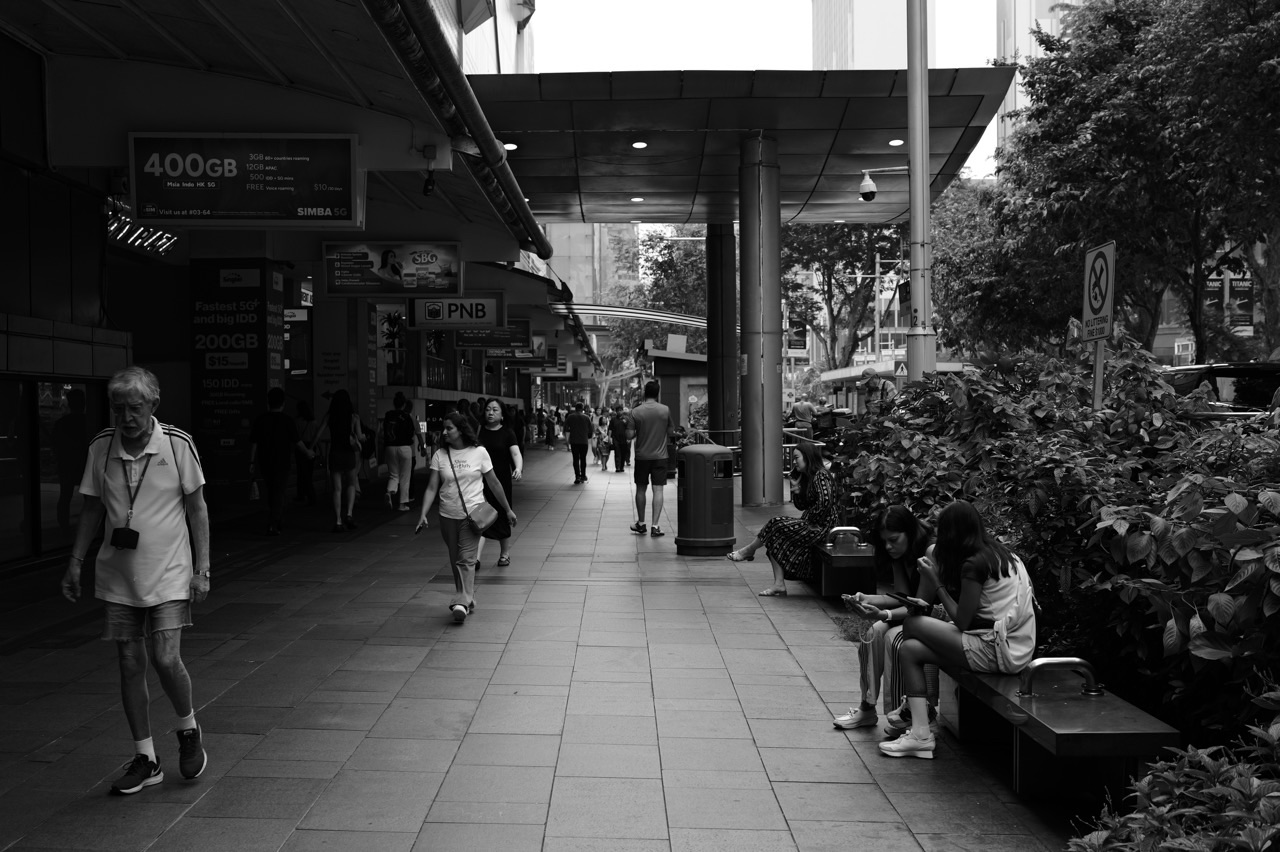
This November 2026 eduKateSG guide combines official tailor websites, current business-record evidence and an independent Orchard Plaza shop directory with original October 2026 photographs. The featured image shows the actual Orchard Plaza walkway, and an in-article retail image shows clothes on a rack. Neither is misleadingly described as a picture inside one of the tailors’ sewing rooms.
Quick answer: where to alter clothes on Orchard Road
- Clancy Boutique — Far East Plaza #04-89, 14 Scotts Road; own site identifies trouser hems, dresses, jackets, bridal wear, zip repairs and restoration
- Mohan’s Custom Tailors — Far East Plaza #02-73, 14 Scotts Road; official website describes bespoke suits and multiple fittings
- Ehkay Corner Tailors — Orchard Plaza #01-57 and #01-01, 150 Orchard Road; official site confirms custom suits, shirts and alterations
- Perfect Alterations — Orchard Plaza #02-51, an independent local retail directory identifies garment adjustments and repair services
- A&P Tailors — Orchard Plaza #01-09, listed for formal tailoring and alterations
- Richie’s Custom Tailors — Orchard Plaza #01-68, current Singapore business records identify a live tailoring business
- Somerset MRT is convenient for Orchard Plaza; Orchard MRT is convenient for Far East Plaza and Scotts Road
- Bring the clothing and, if possible, the shoes or other pieces you will wear with it
- Ask about fitting appointments, turnaround, fabric and construction limitations, full cost and collection terms before leaving your garment

Clancy Boutique at Far East Plaza: clothing alterations
Clancy Boutique’s own official website gives 14 Scotts Road, Far East Plaza #04-89 and publishes ordinary trading hours of 10am–7pm daily, subject to changes.
The site describes dress and gown adjustments, shirts and blouses, trousers, jackets, bridal garments and zip repairs. These are relevant categories for a shopper who already owns the garment and wants its fit improved.
Start by describing the problem rather than demanding one specific technical solution. For example, say that the dress pulls when sitting or that the trousers drag on the floor, then let the tailor assess the seams and construction.
A reputable business listing does not mean every requested modification will be feasible on every garment. Ask for an honest assessment and current quotation.
Clancy and formal-gown alterations
Formal dresses can have linings, zips, embroidery, boning or complex fabric layers.
Changing one area may affect another. Shortening a hem on a plain skirt is not the same job as altering a multi-layered gown.
Clancy’s service categories include gown alterations, but the actual scope and timing depend on the specific garment.
Bring the intended shoes and undergarments where appropriate, and allow time for a proper fitting.
Clancy and garment repair
The business’s official site also describes zip replacement, patching and other garment restoration.
Repair can make sense when the underlying clothing remains useful and the defect is localised.
However, a damaged fabric area may be too weak for an invisible repair or may need reinforcement that changes its appearance.
Ask how the finished repair is likely to look before approving the work.
Mohan’s Custom Tailors at Far East Plaza
Mohan’s official website gives 14 Scotts Road, Far East Plaza #02-73.
The tailor’s own description emphasises bespoke construction, including pattern development, cutting, handwork and staged fittings.
This makes Mohan’s a different option from a service primarily focused on quickly hemming existing trousers.
A new custom suit involves choices about cloth, lining, silhouette and construction. It is usually a larger project than a minor alteration and should be planned accordingly.
Bespoke versus made-to-measure
These terms are sometimes used loosely in marketing, but they can describe different processes.
Bespoke tailoring is commonly associated with a pattern and garment shaped specifically for an individual, with fittings and construction adjustments.
Made-to-measure often begins from an existing pattern adapted to the customer’s measurements.
Ask how the particular shop defines its process, how many fittings are included and what changes are possible.
Why fittings matter for a custom suit
Measurements provide a useful starting point, but the way a garment sits during movement may require adjustments.
A fitting lets the tailor assess shoulder balance, trouser rise, sleeve length and other details.
The number of fittings depends on the service and garment. Do not assume a complex custom suit can be completed in one short visit.
Ask about the full timeline before arranging a suit for a wedding or business trip.
Ehkay Corner Tailors at Orchard Plaza
Ehkay’s official website gives 150 Orchard Road, Orchard Plaza #01-57 and #01-01.
That dual-unit listing resolves an apparent inconsistency in some independent directories, which describe only one of the units.
Ehkay’s site promotes custom and wedding suits, shirts, trousers and other tailoring work, with current contact information and ordinary operating hours.
If you are visiting for a specific service, tell the shop what garment you have and whether the job is an alteration, a new custom order or a fitting.
Ehkay’s two Orchard Plaza units
One directory may list #01-57 and another #01-01. Ehkay’s own current website identifies both.
That is why a careful guide should not declare one location wrong simply because it differs from another listing.
Follow the business’s own directions or current mall signs when you arrive.
If you have a timed appointment, confirm which entrance or unit your tailor wants you to use.
Ehkay and wedding suits
A wedding suit has a fixed event date, and there may also be photography, rehearsals and other commitments.
Discuss the desired style and budget early. Allow enough time for fittings and any changes after the initial try-on.
Bring relevant shoes and accessories where possible, because trouser length and jacket balance are part of the whole outfit.
The final appearance should be comfortable when standing, sitting and walking rather than only in a still photograph.
Perfect Alterations at Orchard Plaza
The independent Orchard Plaza directory identifies Perfect Alterations at #02-51, describing clothing adjustments, repair and fitting services.
This is useful for readers who need an alteration rather than an entire bespoke suit.
The directory is an independent retail information site, not a live appointment system. Verify current opening and service availability with the shop.
When bringing an item, point out the exact problem and ask whether the garment’s construction allows the desired correction.
A&P Tailors at Orchard Plaza
The A&P Tailors directory entry gives #01-09, Orchard Plaza and identifies the business with custom-made clothing and formal tailoring.
For someone interested in shirts, suits or structured garments, it is a possible provider to investigate.
But an independent directory listing cannot guarantee a specific finished price, turnaround or availability on the day you arrive.
Contact the shop directly before leaving valuable clothing or relying on a fixed event deadline.
Richie’s Custom Tailors at Orchard Plaza
Singapore business-registration information identifies Richie’s Custom Tailors at 150 Orchard Road #01-68, with a live registered tailoring business as of the current recorded status.
Registered business information establishes that the business and address are documented; it does not prove that a tailor will accept a particular alteration today.
The local Orchard Plaza guide also identifies Richie’s among the building’s tailoring businesses.
Ask about the actual shop entrance, consultation arrangements and which categories of work it performs before visiting.
Orchard Plaza: why many tailors are clustered together
Orchard Plaza is an older shopping and services building at 150 Orchard Road, close to Somerset MRT.
Unlike some newer luxury malls, it contains many smaller independent shops and service providers.
That can help when you want to compare alterations, fitting services or sewing expertise without travelling across the entire district.
But the existence of several tailors in one building does not mean they all have the same skills or can accept urgent work.
Far East Plaza: another tailoring cluster
Far East Plaza is at 14 Scotts Road, in the wider Orchard shopping district.
It has long accommodated fashion boutiques, tailors, repair services and other small businesses.
Clancy and Mohan’s are separate verified providers on different floors.
Check the correct unit rather than assuming any tailor in the building can do a complex gown alteration or bespoke suit.
Far East Plaza versus Far East Shopping Centre
The two building names are easily confused.
Far East Plaza is at 14 Scotts Road, while Far East Shopping Centre is at 545 Orchard Road.
The Clancy and Mohan’s addresses in this guide refer to Far East Plaza.
If you give a ride-hailing driver only the words Far East, you may arrive at the wrong location.
Hemming trousers: the most familiar alteration
A trouser hem changes the finished leg length, but the correct result depends on the garment’s cut and the shoes you intend to wear.
A straight formal trouser may need a different break from a casual cropped pair.
Wear or bring the intended shoes and stand naturally during the fitting.
Don’t choose a shorter length solely because the trousers looked good pinned up in a mirror for thirty seconds.
How much should trousers touch the shoes?
Some people prefer a slight break at the top of the shoe, while others enjoy a clean cropped length.
There is no universal rule for all trouser styles. Wide-leg trousers, narrow suits and casual chinos create different silhouettes.
Try sitting and walking as well as standing. A leg length that looks excellent while standing may rise when seated.
The correct choice respects both your style and everyday movement.
Original hem versus new hem
Some jeans have a distinctive factory-finished hem with stitching, fading or distressing.
If that appearance matters, ask whether the tailor can preserve it through an original-hem alteration.
The technique may not be possible or appropriate for every fabric and shape.
Confirm how the finished edge will look before approving a costly alteration.
Jeans alterations: more than shortening
Jeans may need waist, seat, taper or hem adjustments.
Denim thickness and seam construction can make some changes more noticeable than others.
A tailor may be able to improve a specific area, but major reshaping can affect the original fit and design.
Before paying, compare the alteration cost with the value and condition of the jeans.
Waist adjustments on trousers
Taking in a waistband can help when the hips and legs fit but the waist is loose.
However, changing the waistband can involve darts, seams, belt loops and other construction details.
A large adjustment may alter pocket positions or the garment’s proportions.
Ask the tailor what is realistic rather than assuming every pair can be reduced by several sizes invisibly.
Taking out a waistband: fabric matters
Making trousers larger is often limited by the seam allowance and available fabric.
A garment that is too small cannot always be enlarged through ordinary alterations.
Ask the tailor to inspect the inside seams before committing to a change.
An honest refusal may save you money and preserve the garment.
Trouser tapering
Tapering reduces width through part of the leg.
A successful change should preserve enough movement and create a silhouette that suits the wearer.
Excessive tapering may make sitting or bending uncomfortable.
Try the pinned shape carefully and ask how the taper will affect the original seams.
Shirt sleeves: shortening versus reshaping
A shirt sleeve can be too long even when the shoulders fit well.
Shortening may be a relatively contained alteration, but the cuff design and button position can make it more involved.
Ask whether the tailor will preserve the original cuff details.
The right sleeve length depends on the intended fit and whether a jacket will be worn over it.
Shirt body alterations
Taking in the sides of a shirt can change its silhouette.
But an overly tight shirt may pull across the chest, restrict arm movement or create tension at buttons.
Test the garment while seated and reaching forward.
A comfortable shirt should suit how you work and move, not only how it looks on a mannequin.
Collars and neck fit
Collar alterations can be more complicated than ordinary waist or sleeve work.
The shirt’s original construction may limit what is possible without replacing components.
If the collar is badly wrong, buying a better-fitting shirt may sometimes be more practical.
Ask for a clear explanation rather than assuming all parts of a garment are equally easy to reshape.
Jacket shoulders: why they are difficult
A tailored jacket shoulder involves shaping, padding, sleeve attachment and other construction.
Changing it can require substantial disassembly and skilled work.
This is one reason a jacket with fundamentally wrong shoulders may not be a good alteration candidate.
If shopping for a suit, prioritise a sound shoulder fit before treating smaller issues such as sleeve length as simple adjustments.
Jacket sleeve length
Sleeves may be shortened from the cuff or by more involved methods depending on buttons and construction.
Functional buttonholes or decorative cuff details can complicate the work.
Ask how the alteration will change the existing design.
Bring a shirt you expect to wear beneath the jacket so the tailor can judge the overall appearance.
Jacket waist and silhouette
A jacket may be taken in at the sides or back for a neater shape when there is sufficient construction allowance.
But narrowing too much can cause pulling, limit movement or distort the front.
Try the jacket buttoned and unbuttoned, standing and seated.
The goal is balance rather than an artificially tight silhouette.
Dress alterations: the whole body matters
A dress may need different adjustments at the bust, waist, hips, shoulders and hem.
Changing one of these areas can affect another, especially when seams, lining or draping are involved.
Tell the tailor what feels wrong before suggesting an exact alteration.
The finished garment should be comfortable through ordinary sitting, walking and reaching.
A dress that is too long
Shortening a simple dress can be straightforward, but multiple layers, pleats or an uneven hem increase the complexity.
A dress worn with heels will sit differently from the same dress worn with flats.
Use the intended footwear for the fitting.
If the event involves stairs or outdoor walking, consider whether the length creates a practical problem.
Bust and bodice adjustments
A formal bodice may contain lining, boning, cups or other structural components.
Alterations can affect support, neckline shape and how the fabric lies.
Choose an experienced provider for complex fitted garments and ask for a realistic explanation of the work.
A dress should not require constant adjustment to remain comfortable and appropriately fitted.
Zip replacements
A damaged zip can sometimes be replaced, but the type, placement and surrounding fabric matter.
A concealed dress zip is a different project from a heavy jacket zip.
Ask whether the new component will match the colour and function of the original.
If the surrounding material is torn, the repair may require more than installing a new zip.
Buttons and buttonholes
Missing buttons are simple to notice but not always easy to match perfectly.
Ask whether a replacement button will closely resemble the original or whether replacing a whole set is more consistent.
A damaged buttonhole can require specialist work.
Small repairs can extend a garment’s useful life when the underlying fabric remains sound.
Broken seams and stitching
A seam that has opened may be repairable when the fabric itself remains strong.
But if fabric has torn away from the seam, simple restitching may not be enough.
Ask whether reinforcing the area will affect the appearance or comfort.
A repaired seam should suit the stresses of ordinary wear.
Fabric tears and patches
Patching can strengthen some damaged areas, but a visible patch may alter the look.
For vintage or sentimental garments, an intentionally visible repair can be part of the design.
For formal wear, you may prefer a less noticeable technique where feasible.
Discuss the expected finished appearance before the work begins.
Delicate silk and satin
Silk and satin can show needle holes, pressure marks or other alterations more readily than robust fabrics.
A tailor should assess the exact material and construction.
Do not assume a complicated garment can be pinned, cut and restitched without visual change.
For expensive pieces, ask about the provider’s relevant experience and the risks involved.
Linen and cotton alterations
Linen and cotton can be comfortable, but fabric behaviour differs by weave and finish.
The garment may crease, shrink or change after washing, which can influence alteration timing.
Follow care labels and tell the tailor whether the garment has already been washed.
A well-measured alteration is more useful when the underlying fabric’s behaviour is understood.
Polyester and blended fabrics
Synthetic and blended fabrics vary in stretch, heat sensitivity and structure.
An alteration method suitable for one fabric may be inappropriate for another.
The tailor should inspect the seam and material rather than relying on a generic fibre label.
Care and ironing instructions remain relevant after the work.
Stretchy dresses and knitwear
Stretch fabrics behave differently when worn than when laid flat.
A garment may look loose off the body but fit closely during movement, or the reverse.
Pinning should be assessed while the garment is worn in an appropriate fitting setting.
Over-tightening a stretchy item can change its drape and comfort.
Wedding gowns require planning
A wedding gown may involve elaborate layers, lace, beads or structural elements.
Alterations often need multiple fittings and coordination with shoes and accessories.
Do not assume an urgent one-day service can safely handle every change.
If the wedding date is fixed, discuss the schedule, costs and contingency options well ahead of time.
Bridesmaid dress alterations
Bridesmaid dresses may share a colour but have different cuts and individual fitting needs.
Each wearer should be measured rather than assuming one standard alteration works for all.
If several dresses are being changed for the same event, allow enough time for collection and final checks.
The goal is a comfortable coordinated result, not identical body shapes.
Prom and graduation dresses
A graduation or formal-event dress should allow comfortable walking, sitting and photographs.
Shortening the hem or adjusting straps may improve usability without changing the whole design.
Bring the intended shoes.
An elaborate change is not necessary if a small correction already solves the problem.
Uniform alterations
School or workplace uniforms may have specific requirements for length, fit and appearance.
An alteration should preserve the relevant rules and safety features.
Do not change a uniform dramatically without confirming the institution’s requirements.
Comfort can often be improved through modest appropriate adjustments.
Clothing alterations for children
Children grow, and their clothing needs may change during the year.
A suitable hem or waistband adjustment can improve comfort, but an expensive extensive change may not be worthwhile on a garment that will soon be outgrown.
Consider safety and movement when fitting active children.
Do not choose tight or restrictive clothing purely for a neat photograph.
Clothing alterations for older adults
Comfort, ease of fastening and mobility can become especially important.
A garment that is difficult to button or too long for safe walking may benefit from appropriate adjustment.
But each person’s preferences differ; do not assume everyone wants looser or simpler clothing.
Good tailoring respects the wearer’s independence and practical routine.
Maternity clothing adjustments
Body changes during and after pregnancy can affect how garments fit.
A temporary alteration or an adjustable design may sometimes make more sense than extensive permanent reshaping.
For complex garments, discuss what changes can be reversed later.
Comfort and safety should guide the decision, with medical questions directed to appropriate professionals.
Altering clothes after a weight change
A change in fit may be addressed through alterations when the underlying garment has sufficient fabric and suitable construction.
But there are limits to how much a garment can be reshaped attractively.
Ask the tailor whether the main proportions will remain balanced.
A new garment may sometimes be more sensible than an expensive reconstruction.
Vintage clothing restoration
Vintage garments can be meaningful because of their construction, history or sentimental value.
Alterations should preserve important details when possible.
Older fabric may also be fragile, so handling and cleaning need care.
Discuss the desired outcome before cutting or permanently changing a treasured item.
A sentimental dress or family garment
A dress worn for a special event may be worth repairing even if the cost is higher than its resale value.
Sentimental worth is not captured by the price of fabric.
Ask whether the garment can be preserved and what risks the work involves.
Sometimes careful repair is preferable to altering its original style substantially.
When not to alter a garment
Do not assume alterations are always cost-effective.
A fundamentally wrong shoulder shape, badly damaged fabric or major size mismatch may require expensive work with uncertain results.
Ask for a candid assessment before approving major changes.
Choosing not to proceed can be an intelligent decision.
Price comparisons for alterations
Hemming a simple pair of trousers and reshaping a structured gown are not equivalent services.
Price reflects labour, difficulty, time, materials and the number of fittings.
Ask for an itemised estimate, including any replacement zip, lining or specialist work.
Do not choose solely by the lowest number without understanding the intended finished result.
Turnaround time and collection
A minor repair may be quicker than a custom suit, but there is no universal promise.
Workload, fabric availability, fitting needs and special dates can change schedules.
Agree on a realistic collection date and ask what happens if adjustments are still needed at the final fitting.
A fixed wedding or interview date deserves a larger time buffer.
Express alterations
Some tailors may offer urgent service, subject to capacity and the task.
But the phrase express does not guarantee that any complicated alteration can be rushed safely.
A last-minute hem might be manageable while major reconstruction may not be.
Ask for honest feasibility rather than pressuring a provider into a risky deadline.
What to bring to the first fitting
Bring the garment itself, properly cleaned or prepared according to the shop’s policy.
Where relevant, carry the shoes, belt, shirt or undergarments that affect the final fit.
A few reference photographs can help explain the intended silhouette.
Also know your approximate budget and the latest date you need the item back.
How to describe a fit problem
Instead of saying “make it nice”, describe what happens when you wear the garment.
For trousers, mention dragging hems, tight thighs or a loose waist.
For shirts, explain pulling across the buttons or restricted shoulders.
Clear examples let the tailor understand the functional issue as well as the visual preference.
Test the pinned result before work begins
When the tailor pins fabric to suggest a new shape, move carefully within the fitting area.
Sit, walk and raise your arms as appropriate for the garment.
If something feels too tight or awkward, say so before the alterations are cut and sewn.
A few minutes of feedback can avoid major disappointment.
The second fitting: inspect comfort
For more involved work, a second fitting provides a chance to confirm the changes.
Check whether seams lie as expected and whether the original functional problem is resolved.
Do not judge only from a front-facing mirror pose.
If changes are still needed, discuss them before final collection.
Alterations and returns
Changing a purchased garment can affect its eligibility for return or exchange.
If you recently bought the piece, review the retailer’s rules before taking it to an independent tailor.
Some clothing shops have their own alteration arrangements, but availability and charges vary.
Keep receipts and understand who is responsible for the work.
Clothing repair and sustainability
Repairing a useful garment can avoid an unnecessary replacement purchase.
But not every repair has an equal environmental impact, and complicated reconstruction may use substantial materials or transport.
The practical principle is to maintain items you genuinely use and avoid wasting good clothing.
A repair that restores regular wear can be more meaningful than purchasing something new purely for novelty.
When replacing clothes is reasonable
A garment may be unsuitable when its fabric is too damaged, its construction is fundamentally wrong or the required work exceeds its practical value.
That does not mean repair is unimportant.
A good tailor can explain options so you decide whether to proceed.
Responsible consumption also means avoiding pointless repair spending when the outcome would not be satisfactory.
Tailoring for professional workwear
A comfortable, well-fitting shirt or pair of trousers can improve everyday wear.
But professional appearance varies by workplace, and no single silhouette is correct for everyone.
Aim for freedom of movement and the actual dress expectations of the role.
The best workwear is clothing you can wear through a full day without constant readjustment.
Tailoring for a job interview
An interview outfit should fit the employer’s context and feel comfortable.
A tidy hem or suitable sleeve length can be useful, but avoid a dramatic last-minute reconstruction that introduces uncertainty.
Prepare the whole outfit and shoes before the interview date.
A simple reliable outfit is often preferable to a fashionable piece that requires constant adjustment.
Custom shirts: collar, shoulders and cuffs
A custom shirt can be designed around measurements and styling preferences.
Ask about the fabric, collar style, cuff choice, fit and how many fittings or alterations are included.
If you want the shirt for formal use, bring the jacket that will be worn over it.
A shirt should be comfortable when seated and moving, not only standing upright.
Custom suits: fabric selection
A custom suit involves more than choosing a colour.
Fabric weight, construction, lining and intended climate influence comfort and appearance.
Singapore’s heat may make some combinations more practical than others, but office air-conditioning and event setting also matter.
Ask the tailor to explain trade-offs honestly rather than choosing solely from a swatch’s colour.
Custom suits: jacket construction
Tailors may discuss full canvas, half canvas, fused construction or other approaches.
These terms refer to aspects of how the jacket is built, but the actual finished garment depends on many choices.
Ask how the proposed method affects cost, structure, maintenance and expected wear.
There is no need to buy the most expensive construction when the intended use does not justify it.
Custom trousers: rise and taper
The rise influences where trousers sit and how they feel while seated.
Taper affects the leg silhouette and movement.
Try different options before making the final decision if the tailor provides them.
A custom garment should fit the individual rather than imitate a trend without consideration.
Shoes and trouser length
A trouser hem worn with flat loafers may look different from the same hem worn with heels.
If you regularly use two very different shoe heights, discuss a practical compromise or separate garments.
The tailor cannot control the final look without knowing how you will wear the trousers.
Bring the intended shoes to the fitting.
Wedding suit timelines
A wedding has an immovable date, and photography or other events may require the suit earlier.
Book the consultation with enough time for fabric selection, construction, fittings and adjustments.
Ask for a clear schedule and what happens if materials or delivery are delayed.
A reasonable plan helps you focus on the celebration rather than last-minute clothing stress.
Travel suits and rushed visitors
Visitors may be tempted by promises of very fast tailoring during a short Singapore trip.
A genuinely well-fitting custom garment can require measurements, fitting and correction.
Ask what is realistically possible during your stay and whether remote shipping is involved.
Do not assume that an unusually short quoted turnaround guarantees the result you want.
How to choose between Orchard Plaza and Far East Plaza
Orchard Plaza sits near the Somerset end of Orchard Road and has several listed independent tailors.
Far East Plaza is on Scotts Road near Orchard MRT and includes Clancy and Mohan’s.
If you have only a small repair, choose a provider whose actual service matches it and whose location fits the route.
If you want an entirely new suit, the process and expertise may matter more than saving a short walk.
Orchard Plaza from Somerset MRT
Start at Somerset MRT and locate 150 Orchard Road, Orchard Plaza.
Ehkay, A&P and Richie’s are listed on Level 1, while Perfect Alterations is identified on Level 2.
Do not confuse Orchard Plaza with Orchard Central or Orchard Gateway.
The older building has smaller independent units, so use the exact shop name and number.
Far East Plaza from Orchard MRT
Far East Plaza is at 14 Scotts Road, near Orchard MRT.
Clancy is at Level 4, #04-89, and Mohan’s is at Level 2, #02-73.
The two businesses are in the same complex but serve different tailoring purposes.
If visiting for a fitting, arrive at the correct shop with enough time to discuss the garment.

Independent directory information: what it proves
Orchard Plaza has an independent community retail directory that identifies tailors by name and unit number.
This is useful practical evidence, but it is not the same as a live appointment or stock system.
For Ehkay and Mohan’s, first-party websites provide stronger confirmation; for Richie’s, current business records support the registered address.
Use the shop’s own contact information to confirm operations before leaving valuable clothing.
The October Orchard Plaza photograph
The featured image shows the public walkway with seating and pedestrians outside the building.
It helps readers recognise the area around 150 Orchard Road.
The photograph does not show the inside of Clancy, Ehkay or any sewing workshop.
Accurate location images and honest captions make a practical guide more trustworthy.
Common alteration mistakes
The first is assuming every garment can be resized substantially.
The second is forgetting to bring the actual shoes for a hem fitting.
The third is approving work without understanding the finished appearance.
The fourth is leaving too little time before a wedding or formal event.
The fifth is treating a bespoke suit as though it were a same-day trouser hem.
The sixth is overlooking whether an alteration cancels a retailer’s return rights.
The seventh is confusing Far East Plaza with Far East Shopping Centre.
The eighth is choosing solely by the cheapest quote without checking the service scope.
Frequently asked questions
Where is Clancy Boutique on Orchard Road?
Clancy’s own site identifies Far East Plaza, 14 Scotts Road #04-89.
Can Clancy alter trousers and dresses?
Its official service list includes trousers, dresses, jackets, gowns and other repairs, subject to the particular garment’s condition.
Where is Mohan’s Custom Tailors?
Far East Plaza #02-73, 14 Scotts Road, according to its official website.
Does Mohan’s specialise in bespoke suits?
Its website describes bespoke garment construction, including pattern work and multiple fitting stages.
Where is Ehkay Corner Tailors?
Its official site lists Orchard Plaza #01-57 and #01-01, 150 Orchard Road.
Where is Perfect Alterations?
The independent Orchard Plaza shop directory lists #02-51, 150 Orchard Road.
Where is A&P Tailors?
The Orchard Plaza directory lists #01-09.
Is Richie’s Custom Tailors in Orchard Plaza?
Current Singapore business records identify #01-68, 150 Orchard Road.
Can trousers be shortened in one day?
It may be possible for some simple jobs, but turnaround depends on the garment and shop workload. Confirm directly.
Can a suit jacket’s shoulders be altered?
Some shoulder changes may be possible, but they can be technically complex and expensive. Ask an experienced tailor to inspect the actual jacket.
Can a wedding dress be altered near Orchard MRT?
Clancy is a confirmed Far East Plaza alterations provider with bridal and evening-gown services. Ask about fitting and lead time.
Is Far East Plaza the same as Far East Shopping Centre?
No. Far East Plaza is at 14 Scotts Road; Far East Shopping Centre is a different building at 545 Orchard Road.
How much do alterations cost?
Prices depend on the job and materials. Obtain a current quote for the specific garment rather than relying on a generic price list.
Should I wash clothes before an alteration?
Follow the tailor’s instructions, particularly for fabrics that may shrink or have specialist care needs.
Tailoring and alteration checklist
- Identify the exact fit or repair problem
- Choose a confirmed tailor with relevant experience
- Bring the garment clean and ready for fitting
- Bring suitable shoes and accessories
- State the occasion and deadline
- Discuss fabric and construction limitations
- Test the pinned fit while moving
- Obtain a clear total price
- Ask whether replacement materials are included
- Confirm collection date and any second fitting
- Understand the alteration’s effect on retailer returns
- Keep receipts and work-order details
- Verify the correct shop building and unit
- Inspect the finished work before leaving
- Choose comfort and usability rather than a rigid fashion rule
Related eduKateSG Orchard Road guides
For clothing purchases, see Where to Buy Women’s Dresses and Workwear and Where to Buy Men’s Clothes.
For nearby shopping, read Orchard Plaza Guide and What to Wear on Orchard Road.
Official and current tailoring sources
- Clancy Boutique official location and service details
- Mohan’s Custom Tailors official address and bespoke process
- Ehkay Corner Tailors official website and dual-unit address
- Independent Orchard Plaza directory — Perfect Alterations
- Independent Orchard Plaza directory — A&P Tailors
- Richie’s Custom Tailors Singapore business information
- Orchard Plaza tailoring and service directory
- Orchard Plaza 2026 practical services guide
Updated 7 November 2026. Shop locations are supported by first-party tailors, current business records and independent district directories. Service availability, fitting charges, tailoring feasibility, opening hours and delivery times must be confirmed with the selected provider. October photos accurately show the actual building and garments rather than unverified tailor interiors.