
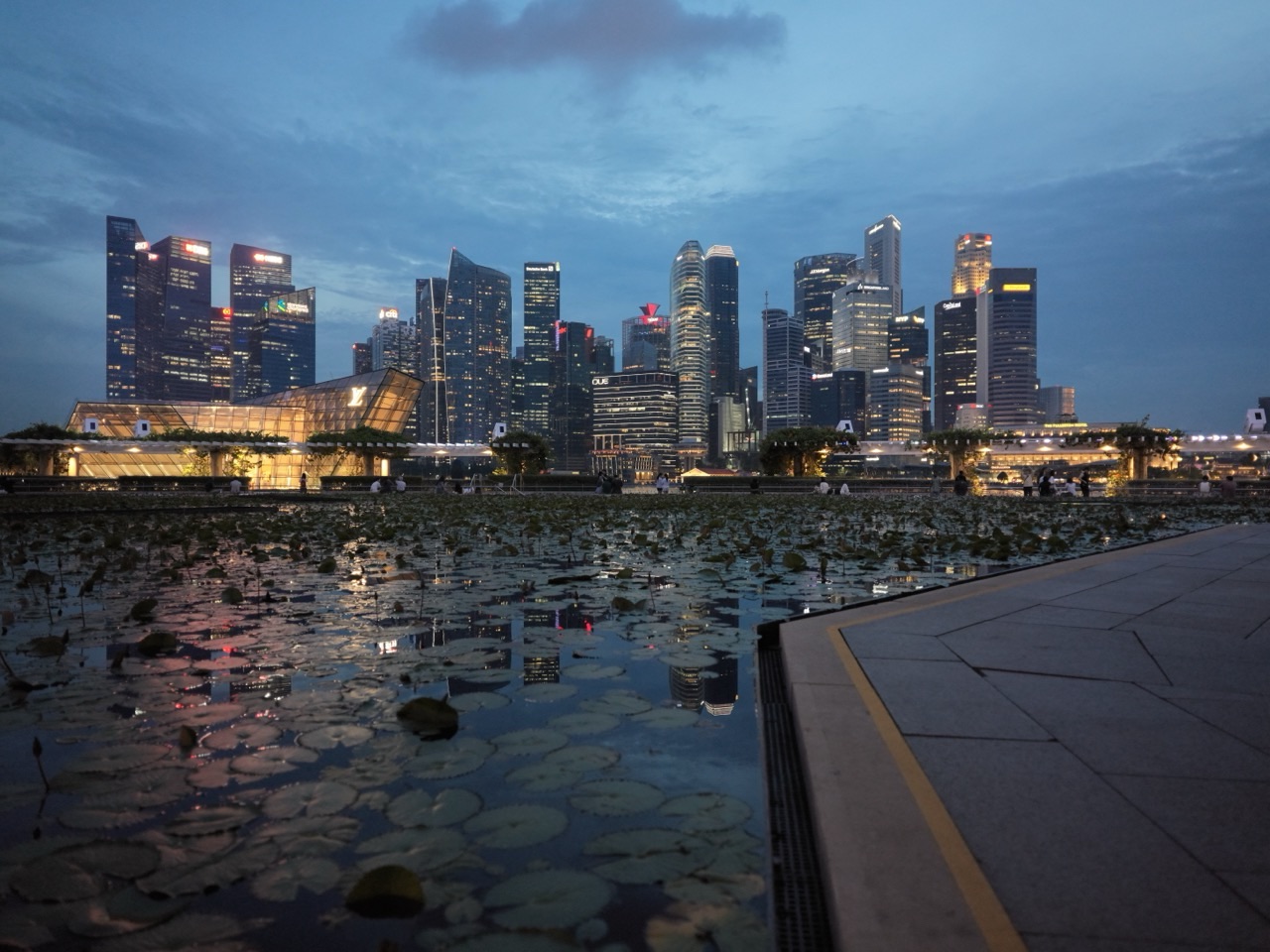
Crazy Rich Thailand | Thailand Weather, Monsoon, Rainy Season, Best Time to Visit and the Climate Economy begins with one of the most searched questions about the country: when is the best time to visit Thailand? The answer looks simple until you remember that Thailand stretches from northern mountains to the Gulf of Thailand and the Andaman Sea, with cities, farms, islands, rainforests and industrial corridors all experiencing weather differently.
Did you know searches for Thailand weather, Thailand rainy season, Thailand monsoon, best time to visit Thailand, Bangkok weather, Phuket weather, Krabi weather, Chiang Mai weather and Thailand climate are really questions about a much larger system linking oceans, winds, mountains, rivers, agriculture, tourism, electricity, transport, public infrastructure and everyday life?
Weather is not background scenery. Rain can fill reservoirs, delay ferries, change rice yields, cool a city, flood a road, move hotel prices, close a national-park trail, improve a waterfall and alter the demand for electricity within the same week. A forecast is therefore information with economic value.
That makes climate one of the richest ways to understand Thailand. The country’s famous sunshine and dramatic downpours are part of a seasonal machine that shapes where people travel, what farmers plant, how cities drain water, when divers enter the sea and how infrastructure is designed.
Did You Know? Thailand Does Not Have One Single Rainy Season
People often talk about “the Thailand rainy season” as though one calendar applies to the whole country. It does not. The southwest monsoon strongly affects much of Thailand from roughly May into October, but the southern peninsula has coast-to-coast differences and the Gulf side can remain especially wet later in the year.
That is why a traveller can encounter sunshine on one coast while another region is receiving heavy rain. Geography turns one national climate into many local travel climates.
The Southwest Monsoon Is a Giant Seasonal Conveyor Belt
During the southwest monsoon, moist air moves from the Indian Ocean toward Thailand and mainland Southeast Asia. As that air rises and cools, water vapour condenses and produces clouds and rain. The exact timing and intensity vary from year to year, so the monsoon is better understood as a seasonal circulation pattern than a switch that flips on one date.
This circulation supports farms, forests and reservoirs while also creating flood and transport risks. One atmospheric system can be both essential and disruptive.
The Northeast Monsoon Changes the Story Again
Later in the year, prevailing winds shift. Cooler and drier continental air influences much of upper Thailand, while the Gulf-facing south can still receive substantial rain as winds cross warm water and pick up moisture.
That is why “dry season” can be a useful shorthand for Bangkok or Chiang Mai while being misleading for parts of the southern Gulf coast. Travel advice improves immediately when a national label is replaced with a regional map.
Thailand’s Tourism Authority Describes Three Broad Seasons
The Tourism Authority of Thailand commonly describes a hot season, a rainy season and a cooler season. This is a practical visitor framework rather than a claim that every province behaves identically. TAT notes that temperatures vary by region and that southern Thailand has a more tropical maritime pattern.
The three-season model is useful for planning, but good planning adds latitude, elevation and coastline. A mountain in the north, central Bangkok and an Andaman island are not the same climate problem.
Temperature Is Only One Part of Comfort
Two days with the same temperature can feel very different if humidity, wind, cloud cover and overnight cooling differ. Tropical humidity reduces the body’s ability to cool itself through evaporation, while breezes and shade can make outdoor conditions more manageable.
That is why travellers often learn to think in combinations: heat plus humidity, rain plus wind, sunshine plus UV, and temperature plus activity level. Weather is a bundle of conditions, not a single number.
Bangkok Turns Weather into Urban Engineering
Bangkok’s dense buildings, roads and concrete surfaces store heat during the day and release it later. Air-conditioning, traffic, shade, drainage and building design all influence how residents experience the same regional weather.
The city therefore has its own microclimates. A tree-lined canal-side street, an elevated rail platform and a sun-exposed intersection can feel very different even when the official weather station reports one temperature.
Urban Heat Is an Infrastructure Question
Cities can be warmer than surrounding rural areas because dark surfaces absorb solar energy, vegetation is reduced and buildings alter airflow. This urban heat-island effect changes electricity demand, walking comfort and the value of shade.
Cooling a city is not only about installing more air-conditioners. Trees, reflective materials, ventilation, covered walkways and water-sensitive design can change the physical environment itself.
Rainfall Makes Bangkok’s Drainage Visible
A dry street hides the drainage network beneath it. A sudden tropical downpour reveals how quickly water can reach canals, drains, pumps and low-lying areas. When rainfall arrives faster than the system can move it, local flooding occurs.
This is a classic capacity problem. The question is not simply how much rain falls in a day, but how intensely it falls over minutes and hours and whether the receiving system already contains water.
The Chao Phraya Connects Weather to the Whole Basin
Bangkok sits near the lower reaches of the Chao Phraya basin, so water conditions upstream matter. Rainfall over northern and central catchments can eventually influence river levels far downstream. Tides and drainage conditions near the Gulf can also affect how quickly water leaves the metropolitan area.
A city’s flood risk is therefore partly determined by weather that may have fallen hundreds of kilometres away. Hydrology turns geography into delayed consequences.
Reservoirs Are Time Machines for Rainfall
A reservoir stores water from wet periods so it can be used later for irrigation, households, industry or power generation. In that sense, a dam moves rainfall through time.
Operators constantly balance competing goals: store enough water for dry months while preserving enough capacity to manage future inflows. Weather forecasting becomes part of water management because tomorrow’s rain affects today’s release decisions.
Rice Farming Turns Monsoon Timing into Food Economics
Thailand’s rice economy depends on water availability, field conditions and seasonal timing. Too little rain can reduce planting opportunities or yields; too much rain at the wrong moment can damage crops, delay harvests or create disease pressure.
Our Thai Jasmine Rice, Hom Mali and Rice Farming economy shows why a weather forecast can eventually influence export volumes and food prices.
Rainfall Does Not Help Every Crop in the Same Way
Different crops have different water needs and different tolerances for waterlogged soil, drought or humidity. Rubber, fruit, coffee, flowers and rice respond differently to the same weather sequence.
Agricultural planning is therefore a matching problem: crop biology, soil, elevation, irrigation and seasonal weather all have to fit together.
Thai Orchids Turn Humidity into a Production Variable
Orchids thrive in carefully managed combinations of moisture, shade, airflow and temperature. Commercial growers cannot simply rely on whatever weather arrives; they use irrigation, shade houses and ventilation to create more stable growing conditions.
The Thai Orchids and Floriculture economy shows how agriculture increasingly modifies microclimate rather than merely accepting it.
Coffee Uses Elevation to Escape Tropical Heat
Northern Thai coffee areas such as Chiang Rai benefit from elevation, which generally lowers temperature compared with nearby lowlands. Slope, cloud, rainfall and night-time cooling influence the conditions in which coffee cherries develop.
The Thai Coffee, Doi Chang and Specialty Coffee economy is therefore partly a climate-and-topography story.
Rubber Farming Needs Rain—but Not Every Day
Natural rubber production depends on tropical conditions, yet heavy rain can interrupt tapping because latex collection works poorly when tree trunks are wet. A rainy region can therefore have weather that is biologically good for trees but operationally difficult for farmers.
This is a useful reminder that climate suitability and daily productivity are not the same thing.
Fruit Seasons Are Weather Calendars You Can Eat
Durian, mango, mangosteen and other fruits reach markets according to biological cycles influenced by rainfall, temperature and farm management. Exceptional weather can move flowering or harvesting dates and change supply.
The Durian, Mango, Mangosteen and Tropical Fruit economy turns seasonal weather into one of Thailand’s tastiest economic graphs.
The Andaman Coast Has Its Own Travel Rhythm
Phuket, Krabi, Khao Lak and the Andaman islands are strongly influenced by the southwest monsoon. Rougher seas and heavy rain can affect ferries, diving, beach days and marine-park access during wetter months.
That does not mean every day is washed out. Tropical rainy seasons often contain bursts of intense rain separated by usable periods, but marine conditions can still make boat planning more consequential.
The Gulf Coast Can Peak at a Different Time
Koh Samui, Koh Phangan and nearby Gulf destinations can experience their wettest period later than many Andaman destinations. This difference is one reason travellers should search by island or coast instead of relying on a generic “Thailand rainy season” answer.
Two beach holidays in the same country can have different ideal calendars because coastlines face different wind and moisture patterns.
Koh Samui Shows Why Local Weather Beats National Averages
A national climate chart smooths out the details that matter to an actual traveller. Koh Samui’s location in the Gulf creates a seasonal pattern distinct from Phuket on the opposite side of the peninsula.
The practical lesson is simple: plan with the nearest reliable local forecast and historical climate pattern, not only a country-wide label.
Koh Tao Diving Depends on More Than Rain
Divers care about wind, wave height, currents and underwater visibility in addition to rainfall. A cloudy day may still offer excellent diving, while a sunny day with rough seas can make boat operations difficult.
Our Koh Tao Diving economy shows how weather becomes an operational safety system for marine tourism.
The Similan Islands Make Seasonality Obvious
Marine parks in the Andaman Sea use seasonal access rules partly because monsoon conditions can make travel more dangerous and ecosystems need management. Tourism there is therefore constrained by both weather and conservation.
The Similan Islands, Scuba Diving and Marine Conservation economy is a good example of natural limits shaping business calendars.
Khao Sok Turns Rain into the Attraction
Rainforest destinations can become especially dramatic during wet periods because vegetation is lush, streams swell and waterfalls strengthen. Visitors who expect only blue-sky tourism may miss how beautiful tropical rain can be.
The Khao Sok National Park and Cheow Lan Lake economy shows how rain can create value as well as inconvenience.
Waterfalls Have a Seasonal Production Function
A waterfall is effectively a visible output of recent rainfall and catchment storage. In dry periods, flow can weaken. After sustained rain, waterfalls can become spectacular but also more dangerous.
Tourism operators therefore need to balance the visual appeal of high water with trail safety, slippery surfaces and flash-flood risk.
Doi Inthanon Uses Altitude to Create Another Thailand
Thailand’s highest mountain can be dramatically cooler than the lowlands. Elevation changes temperature, cloud cover, vegetation and visitor clothing choices.
Our Doi Inthanon National Park economy is a reminder that “tropical country” does not mean every landscape feels tropical in the same way.
Chiang Mai’s Cool Season Is Part of Its Appeal
Northern Thailand can feel pleasantly cool during parts of the year, especially at night and at elevation. This changes outdoor comfort, café culture, festivals and demand for mountain trips.
Seasonal coolness is itself a tourism product because it offers contrast to the hotter lowlands and islands.
But Northern Dry Season Also Has a Smoke Problem
Late dry-season conditions in northern Thailand can coincide with agricultural burning, forest fires and stagnant atmospheric conditions that worsen particulate air pollution. The exact severity varies by year and location.
This complicates the idea of a universally “best” season. Sunshine, temperature, visibility and air quality are separate variables and may not all peak at the same time.
Air Quality Is Weather plus Emissions
Pollution levels depend not only on how much material is emitted but also on wind, atmospheric stability, humidity and rain. Rain can temporarily remove particles from the air, while stagnant conditions can allow pollution to accumulate.
This is a useful systems lesson: environmental quality often emerges from interactions between human activity and meteorology rather than from either one alone.
Weather Forecasting Is a Probability Business
A forecast does not claim certainty. Meteorologists combine observations, satellite data, radar and numerical models to estimate likely future conditions. A percentage chance of rain is information about uncertainty, not a guarantee that one person will get wet.
Learning to read forecasts is therefore statistical literacy. Good users ask about probability, location, timing and intensity rather than treating one icon as the whole forecast.
Radar Shows Rain as Motion
Weather radar helps meteorologists see where precipitation is occurring and how systems are moving. For short-term urban planning, this can be more useful than a daily summary because tropical storms may be highly localised.
A person deciding whether to leave a café in Bangkok cares about the next thirty minutes. A farmer planning irrigation may care about the next week. Different decisions need different forecast horizons.
Satellites Let Thailand See the Larger Atmospheric Machine
Satellite imagery reveals cloud systems over seas and countries far beyond Thailand’s borders. That matters because weather does not respect national boundaries. Moisture and circulation can develop over the Indian Ocean, South China Sea or neighbouring countries before influencing Thailand.
Modern forecasting is therefore international by necessity. Atmosphere is one shared system.
Tropical Cyclones Can Affect Thailand without Making Direct Landfall
Storm systems moving across the western Pacific, South China Sea or mainland Southeast Asia can enhance rainfall over Thailand even when their centres do not cross the country directly.
The key hazard may be prolonged rain rather than extreme wind at one point. This is why meteorological warnings often focus on downstream flood and landslide risk as much as the storm track itself.
Mountains Turn Wind into Rain
When moist air is forced upward over mountains, it cools and can produce additional rainfall on windward slopes. Leeward areas may be drier. This orographic effect helps explain why nearby places can have different rainfall patterns.
Topography is therefore an active participant in climate. A mountain does not merely sit under the weather; it helps shape the weather.
Floodplains Remember Old Rivers
Low-lying land beside rivers has historically stored overflow water. Urban development on floodplains changes the consequences of high water because buildings and roads occupy space that once absorbed or conveyed floods.
Flood risk is therefore partly a memory problem: landscapes remember how water used to move even after people change the surface.
Wetlands Are Natural Infrastructure
Wetlands can store water, slow runoff and support biodiversity. When they are filled or disconnected, cities and farms may lose some natural buffering capacity.
Engineering and ecology are not opposites. The most resilient systems often combine pumps, drains and dams with landscapes that help manage water naturally.
Mangroves Help Coasts Absorb Energy
Mangrove forests can reduce wave energy, trap sediment and support fisheries. Along tropical coasts, they are part of climate resilience as well as biodiversity.
A healthy mangrove can therefore generate value without selling a ticket: it protects shorelines, supports nurseries for marine life and stores carbon.
Sea Level Changes the Baseline for Coastal Weather
Storm surge and high tides become more consequential when the underlying sea level is higher. Coastal planning therefore considers both short-term weather events and long-term changes in the ocean.
For tourism and infrastructure, the problem is cumulative. A centimetre-scale change in baseline conditions can affect how often thresholds are crossed over decades.
Climate Change Is a Risk Multiplier, Not a Daily Forecast
Climate describes long-term statistical patterns; weather describes short-term atmospheric conditions. Climate change does not mean every hot day or flood has one simple cause, but it can alter the background probabilities of heat, rainfall extremes and sea-level conditions.
Good climate literacy separates individual events from long-term trends while still recognising that infrastructure designed for yesterday’s probabilities may need updating.
Extreme Heat Changes Labour Productivity
Construction workers, delivery riders, street vendors, farmers and outdoor tourism staff all experience heat directly. High heat and humidity can reduce safe work intensity and increase the need for shade, hydration and schedule adjustments.
Climate therefore has a labour-economics dimension. The same task can cost more effort at 2 p.m. than at 7 a.m.
Air-Conditioning Is a Weather Adaptation Technology
Thailand’s malls, offices, hotels and homes use cooling to create comfortable indoor environments despite tropical heat. This supports productivity and tourism but increases electricity demand.
The climate economy therefore contains a trade-off: cooling protects comfort and health, while efficient equipment, insulation and building design determine how much energy that comfort requires.
Electricity Demand Follows the Thermometer
On very hot days, air-conditioners run harder and longer. Utilities must plan generation and networks for peaks that may occur during stressful weather.
Weather forecasts can therefore help energy systems anticipate demand. Meteorology becomes an input to grid management.
Solar Power Has Its Own Weather Relationship
Solar panels generate electricity from sunlight, so cloud cover changes short-term output. Yet hot climates also affect panel efficiency and equipment ageing.
Renewable-energy systems do not remove weather dependence; they create new kinds of weather dependence that forecasting and grid balancing must manage.
Hydropower Depends on Water Stored Across Time
Rainfall that enters reservoirs can later become electricity when released through turbines. Hydropower links atmospheric water, river engineering and power markets.
But reservoir operators must consider irrigation, flood control and ecological needs too. One cubic metre of water can have several competing future uses.
Roads Are Weather Infrastructure
Heavy rain reduces visibility, increases braking distance and can hide potholes or standing water. Flooded roads interrupt commuting and freight. Heat also affects pavement materials over time.
Transport resilience is therefore partly a materials-science problem and partly a drainage problem.
Railways Need to Manage Heat and Water
Tracks, embankments, electrical systems and stations are all exposed to weather. Heavy rain can undermine slopes or flood low sections, while heat changes how metal expands.
Reliable rail travel depends on inspection and design standards that make climate stress ordinary rather than exceptional.
Airports Translate Weather into Delay Minutes
Thunderstorms, low visibility, crosswinds and heavy rain can affect aircraft operations and ground handling. Even when an airport itself remains open, weather elsewhere can delay arriving aircraft and crews.
Aviation shows how weather propagates through networks. A storm in another city can reach Bangkok as a late aircraft rather than a raindrop.
Ferries Live Closest to the Forecast
Boat operators need to understand wind, waves and marine warnings because sea conditions can change the safety of a route rapidly.
For island tourism, the weather app is not just a convenience. It is part of the transport operating system.
Telecom Networks Also Have a Monsoon Season
Heavy rain, flooding, lightning and power failures can affect towers, fibre routes and equipment rooms. Operators design redundancy and backup power because communications become especially valuable during disruption.
The Thailand 5G and Digital Infrastructure economy shows why weather resilience is now a digital-infrastructure issue too.
Convenience Stores Become Micro-Resilience Hubs
During storms, people still need water, food, batteries and basic supplies. Dense retail networks can therefore become small neighbourhood support points when transport is disrupted.
The 7-Eleven and CP ALL economy looks ordinary until weather makes proximity valuable.
Hotels Use Weather Forecasts to Manage Experience
Resorts can move events indoors, adjust staffing, communicate ferry changes and offer alternative activities when rain is expected. A good hospitality system does not control the weather; it reduces the cost of surprise.
That is an important service principle: reliability can come from adaptation rather than perfect conditions.
Rainy Season Can Mean Better Prices
Travel demand often softens during wetter periods, so some hotels and airlines discount capacity that would otherwise go unsold. Travellers who tolerate uncertainty may receive better value.
This is seasonal pricing in action. Weather changes not only the experience but the market-clearing price.
The Best Time to Visit Depends on the Activity
There is no single optimal month for every traveller. A diver, hiker, city shopper, festival visitor and budget traveller may choose different seasons.
The better question is not “When is Thailand perfect?” but “Which combination of weather, price, crowds and activities is best for me?”
Rain Changes Photography Rather Than Ending It
Wet streets reflect neon signs. Clouds soften tropical light. Waterfalls strengthen. Forests become saturated green. Bangkok after rain can look cinematic in a way that dry midday sun does not.
Weather changes the visual language of a place. A traveller who treats clouds as failure misses half the climate story.
Monsoon Design Appears in Architecture
Deep roof overhangs, covered walkways, raised floors, shaded courtyards and ventilation strategies reflect centuries of adapting buildings to tropical rain and heat.
Architecture is climate knowledge made solid. Traditional design often contains practical lessons that modern buildings reinterpret with new materials and mechanical systems.
Street Food Adapts to Weather
Vendors use awnings, umbrellas, carts and flexible operating hours to keep serving through heat and rain. Demand changes too: cold drinks rise in value on hot afternoons, while warm soups can feel different during a downpour.
The Thai Food and Street Food economy is also a tiny weather-adaptation economy repeated across thousands of stalls.
Markets Are Microclimate Machines
Covered markets create shade, airflow and rain protection while concentrating commercial activity. Their roofs and narrow passages turn climate control into shared infrastructure.
A market can therefore extend economic activity during weather that would otherwise push people indoors.
Festivals Must Plan for Climate
Outdoor festivals, parades and ceremonies operate under seasonal weather constraints. Organisers think about drainage, shade, water, crowd movement and emergency plans even when the event is culturally rather than meteorologically defined.
Weather planning is part of event planning because a calendar date never guarantees a sky condition.
Songkran Turns the Hot Season into Culture
Songkran arrives during one of the hottest times of the year, and its famous water play feels perfectly matched to the climate. Cultural meaning is deeper than cooling off, but the sensory experience is undeniably shaped by heat.
The Songkran Festival economy shows how season and tradition can reinforce one another.
Loi Krathong Depends on Rivers That Depend on Rain
Loi Krathong’s visual world is inseparable from water. River and canal levels reflect recent rainfall, upstream management and seasonal hydrology.
Culture, climate and water infrastructure meet in one evening of candles and reflection.
Insurance Prices Weather Uncertainty
Farmers, businesses and travellers can sometimes transfer part of weather-related financial risk through insurance. Premiums translate uncertain future losses into a known present cost.
Insurance does not stop a storm. It changes who carries the economic consequences afterward.
Supply Chains Need Weather Buffers
Factories and retailers keep safety stock, alternative routes or backup suppliers because floods and storms can interrupt transport. The cost of resilience may appear inefficient during calm periods until a disruption arrives.
Weather teaches a general systems lesson: spare capacity has value precisely because normal days do not reveal why it exists.
Ports Watch Wind, Waves and Water Levels
Laem Chabang and other ports operate inside weather constraints affecting vessels, cranes, pilots and landside logistics. Marine forecasts help schedule activities safely.
The more integrated global supply chains become, the more local weather can create international delivery consequences.
Construction Has a Weather Calendar
Concrete curing, excavation, roofing and exterior work can all be affected by rain and heat. Contractors plan sequences around seasonal conditions where possible.
A monsoon is therefore partly a project-management variable. Time lost to weather becomes a cost inside buildings and infrastructure.
Schools Also Experience the Climate Economy
Students commute through heat and rain, classrooms need ventilation or cooling, and outdoor activities depend on safe conditions. Weather affects concentration, attendance and scheduling even when lessons themselves are indoors.
Education infrastructure works better when buildings are designed for the climate rather than merely copied from somewhere else.
Weather Vocabulary Builds Scientific Literacy
Words such as humidity, precipitation, monsoon, convection, watershed, drought, storm surge and heat index describe processes that students can observe in everyday life.
Thailand makes climate science tangible because the atmosphere is not abstract. It changes commutes, meals, school days, farms and holidays.
TMD’s August 2026 Summary Shows Why Monthly Averages Need Context
The Thai Meteorological Department’s August 2026 climate summary reported average total rainfall around 17% below normal nationally and an average temperature around 0.4°C above normal, while still describing monsoon troughs and regional heavy-rain events.
A month can therefore be drier than normal overall while some places still experience significant downpours. Averages compress geography and timing; they never replace local detail.
Averages Hide Extremes
Two months can receive the same total rainfall even if one has gentle showers spread across many days and the other receives several extreme bursts. Infrastructure responds differently to those two patterns.
Intensity matters. That is why climate analysis looks at distributions, thresholds and extremes rather than only annual totals.
El Niño and La Niña Shift the Odds
Large-scale Pacific Ocean patterns known as El Niño and La Niña can influence rainfall and temperature tendencies across Southeast Asia, although their effects are not identical every year.
They are best understood as probability shifters, not deterministic scripts. Local monsoon behaviour, ocean temperatures and atmospheric circulation still matter.
Climate Adaptation Is Mostly Ordinary Work Done Early
Cleaning drains, protecting electrical equipment, improving forecasts, planting shade trees, updating building codes, maintaining reservoirs and strengthening emergency communication can look unglamorous.
But resilience is usually built before the storm. The spectacular moment is the flood; the important work is often the maintenance no one photographs.
What Mathematics Lives inside Weather?
Meteorology uses statistics, differential equations, numerical modelling, probability and data assimilation. Hydrology uses flow rates, volumes and return periods. Energy planning uses regression between temperature and demand.
A weather app is the visible tip of an enormous mathematical machine.
What Physics Lives inside the Monsoon?
Solar heating, pressure gradients, rotation of the Earth, evaporation, condensation and latent heat all influence atmospheric circulation. Clouds are not decoration; they are thermodynamic systems.
Thailand’s monsoon makes classroom physics visible across the sky.
What Geography Lives inside Rainfall?
Latitude, coastlines, mountains, river basins, land cover and urban form all influence how weather becomes local experience.
Geography explains why one national forecast is never enough for a country stretching across multiple climatic zones.
What Economics Lives inside a Forecast?
A forecast changes decisions. Farmers may irrigate differently, airlines adjust operations, hotels prepare indoor alternatives, utilities anticipate demand and travellers shift plans.
Information has economic value when it allows people to reduce waste, avoid danger or use scarce capacity more efficiently.
Weather Forecasts Become More Valuable When They Reach the Right Person
A technically excellent forecast has limited value if the warning never reaches a ferry operator, farmer, school, hotel or family in time to change behaviour. Communication channels, language, trust and local interpretation are therefore part of forecasting quality.
This is the difference between information and actionable information. The atmosphere may be predicted by computers, but resilience depends on human networks that can turn a prediction into a sensible decision.
Agricultural Calendars Are Flexible Planning Tools
Farmers build expectations around planting and harvesting seasons, but real weather can arrive early, late or unevenly. Irrigation, seed selection, drainage, storage and crop diversification give producers ways to adapt when the seasonal pattern does not match the historical average.
The best agricultural calendar is therefore not a rigid timetable. It is a decision framework that combines climate knowledge with observations from the actual field.
Tourists Need Weather Literacy More Than Perfect Weather
A flexible itinerary can turn a rainy morning into a museum visit, café session, cooking class or spa appointment and move the beach to another day. Travellers who understand short tropical downpours often experience rainy periods very differently from those expecting continuous sunshine.
Weather literacy reduces disappointment because it replaces a binary good-day/bad-day mindset with realistic planning around timing, location and activity.
Public Warnings Are a Form of Shared Risk Management
When authorities issue heavy-rain, marine or heat warnings, they are trying to coordinate thousands of independent decisions before conditions worsen. Businesses may alter schedules, schools may adjust activities and households may avoid risky routes.
A warning works when many small choices collectively reduce exposure. That makes public communication an invisible layer of disaster prevention.
Data Archives Let Thailand Learn from Previous Seasons
Historical rainfall, temperature, river levels and storm records allow scientists and engineers to compare current conditions with previous years. Long datasets help identify patterns, estimate return periods and test whether infrastructure assumptions still make sense.
Civilisation improves when memory becomes measurement. A past flood is not only a story; recorded carefully, it becomes design information for the next bridge, drain, reservoir and emergency plan.
What Students Can Learn from Thailand’s Climate Economy
The first lesson is that weather connects systems that school subjects often separate: geography, physics, biology, economics, mathematics and engineering.
The second is that uncertainty is not ignorance. Good science can make useful decisions without pretending the future is perfectly known.
Frequently Asked Questions
When is the rainy season in Thailand?
For much of Thailand, the southwest monsoon brings wetter conditions roughly from May into October, but regional patterns vary. Parts of the southern Gulf coast can have their wettest period later in the year.
What is the best time to visit Thailand?
It depends on the destination and activity. Cooler and drier months are popular for Bangkok and northern Thailand, while island conditions differ between the Andaman and Gulf coasts. Prices and crowds also matter.
Does rainy season mean rain all day?
Not necessarily. Tropical rainy seasons often feature intense showers or thunderstorms with usable periods between them, although prolonged rain can occur during active monsoon episodes or storm systems.
Is Phuket’s rainy season the same as Koh Samui’s?
No. Phuket is on the Andaman side and Koh Samui is in the Gulf of Thailand, so their rainfall peaks can occur at different times.
Why is Bangkok prone to flooding?
Bangkok is low-lying and influenced by intense rainfall, river levels, tides, drainage capacity and urban development. Flood risk depends on the interaction of these factors.
Is Chiang Mai cooler than Bangkok?
Generally yes, especially during the cool season and at night, because northern latitude and elevation influence temperature. Mountain areas can be much cooler than city lowlands.
Can weather affect Thailand’s rice exports?
Yes. Rainfall timing, drought, flooding and irrigation availability can influence planting, yields and harvest quality, which can affect supply and prices.
Why do ferries get cancelled when it looks sunny?
Marine safety depends on wind, waves and conditions along the whole route, not only the sky at the pier. Operators may act on marine warnings even when local weather appears pleasant.
What does monsoon actually mean?
A monsoon is a large-scale seasonal shift in prevailing wind and rainfall patterns. It is not simply another word for heavy rain.
How does climate change differ from weather?
Weather describes short-term atmospheric conditions. Climate describes long-term statistical patterns. Climate change alters those longer-term probabilities rather than explaining every individual event by itself.
Where should travellers get Thailand weather warnings?
Use official sources such as the Thai Meteorological Department and follow local transport, park and marine authorities when conditions may affect safety.
Why can national rainfall be below normal when there are floods?
A national monthly average can be low even if a smaller region receives intense rainfall. Total rainfall, rainfall intensity and geographic distribution are different measurements.
Helpful Reading Across the Thailand Graph
- Crazy Rich Thailand | Tourism 2026, Bangkok, Phuket, Wellness, Set-Jetting and the Visitor Economy
- Crazy Rich Thailand | Thai Jasmine Rice, Hom Mali, Rice Farming and the Export Economy
- Crazy Rich Thailand | Thai Orchids, Chiang Mai Farms, Cut Flowers and the Floriculture Export Economy
- Crazy Rich Thailand | Thai Coffee, Doi Chang, Chiang Rai and the Specialty Coffee Economy
- Crazy Rich Thailand | Khao Sok National Park, Cheow Lan Lake, Rainforest and the Nature Tourism Economy
- Crazy Rich Thailand | Similan Islands, Scuba Diving, Snorkelling and the Marine Conservation Economy
- Crazy Rich Thailand | AIS, True, 5G, Fibre, Data Centres and the Digital Infrastructure Economy
- Crazy Rich World | Countries, Culture, Wealth, Travel and How the World Works
References and Current Sources
- Tourism Authority of Thailand — Weather and Seasons
- Thai Meteorological Department — Monthly Climate Summary
- Thai Meteorological Department — Official Weather Information
- World Meteorological Organization — Weather and Climate Information
Crazy Rich Thailand Is Rich in Weather Intelligence
A tourist checks whether to pack an umbrella.
A farmer checks whether to irrigate.
A ferry captain checks wind and waves. A hotel manager moves dinner indoors. A reservoir operator watches inflow. An electricity planner watches the temperature. A city engineer watches drains and river levels.
All of them are looking at the same atmosphere from different economic angles.
Did you know? Weather becomes infrastructure the moment a decision depends on it.
Thailand’s climate is not merely something that happens to the country. It is one of the systems the country continuously learns to read, adapt to and build around.
And that is why the best time to understand Thailand is every season—because each season reveals a different version of how the country works.