
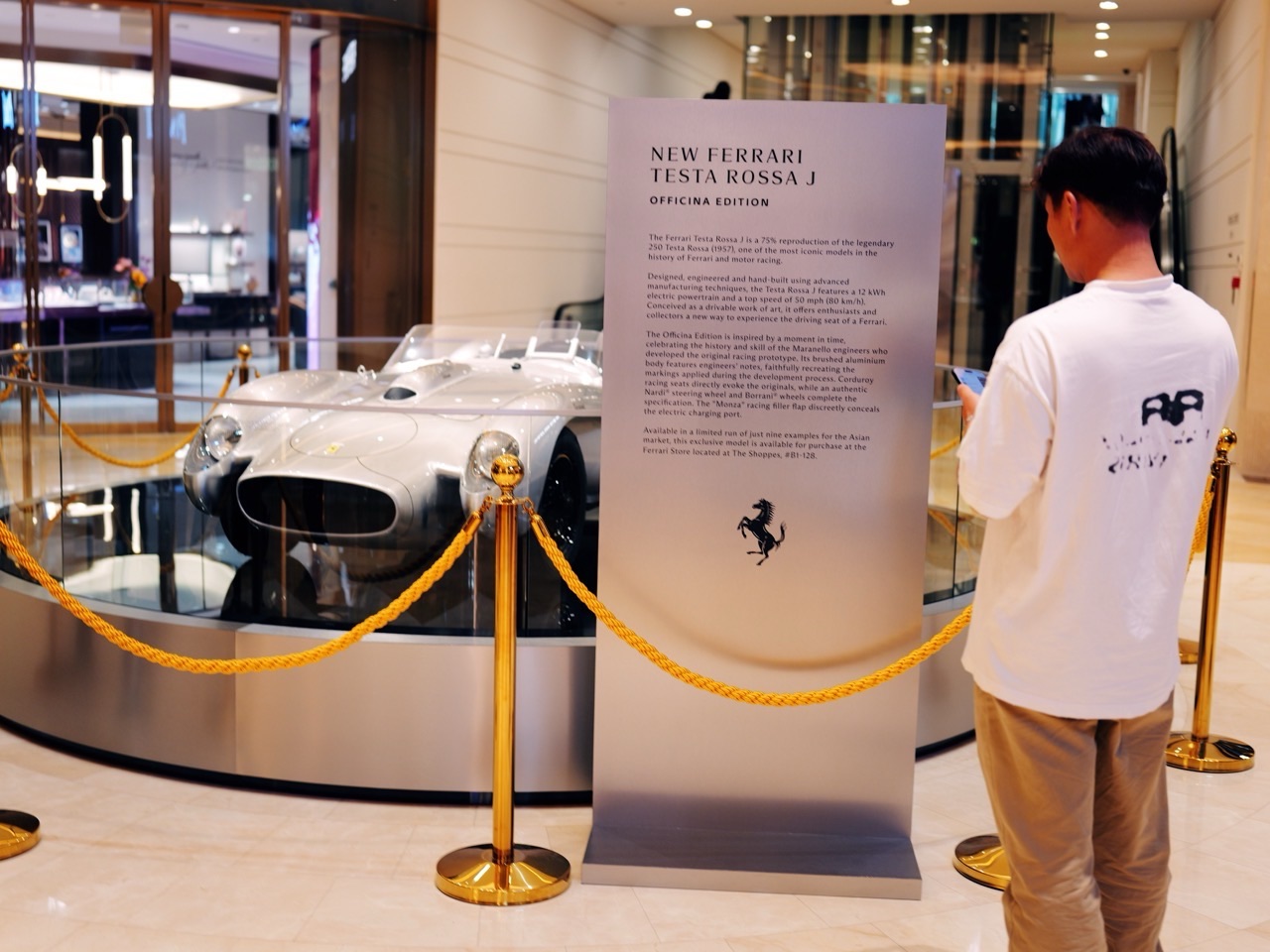
How does a shopping centre stay interesting when customers can buy ordinary products from a phone in seconds? Modern malls increasingly compete through experiences: pop-up stores, exhibitions, entertainment, workshops, product launches, flagship stores, immersive installations, family activities, cinemas, fitness, gaming and events that give people a reason to be physically present. This is the shopping-centre experience economy, where the visit itself becomes part of the value.
This guide explains experiential retail, pop-up stores, mall entertainment, flagship stores, immersive experiences, family entertainment centres, cinemas, gaming, workshops, product demonstrations and temporary activations. We will look at why pop-ups are useful experiments, why entertainment can rescue upper floors, why a flagship can create traffic beyond its own sales, how social media changes event design, why queues need operational planning, and how landlords decide whether an experience is commercially meaningful or simply expensive spectacle.
Did you know that a mall event can function like a temporary anchor tenant? A Formula 1 car display can pull people toward an atrium, create photographs, change traffic and give nearby tenants extra exposure even though the installation sells no permanent shop inventory. That is the core idea of experiential retail: value can be created by attention, participation, memory and social activity as well as by a direct product transaction.
For campaign strategy, read Marketing, Events, Loyalty Programmes and Customer Experience. For tenant strategy, continue with Tenant Mix, Anchor Tenants and Retail Leasing.
The Experience Economy
The Experience Economy helps explain why modern shopping centres are becoming places to do things rather than only places to acquire things. A product can often be delivered, but a shared event, fitting, class, game, performance or social meeting depends on presence. The mall uses that difference to create reasons for a physical trip.
The mechanism is participation. Instead of asking the visitor only to look at merchandise, the experience gives the person a role: try, play, taste, learn, photograph, compete, watch, make or meet. That active role can produce stronger memory and longer dwell time than a conventional display.
The commercial question is what happens around the experience. Does it bring the right audience? Do nearby tenants gain useful traffic? Does the participant return? Does the activation strengthen the centre’s positioning? A large crowd is not automatically valuable if it blocks circulation and buys nothing.
For students, this is a useful lesson in value creation. Not every valuable activity produces a direct ticket sale. A free exhibition can support restaurants, create brand awareness and make a quiet zone discoverable. The task is to identify the pathway from experience to wider system value.
The result should be an experience that is worth attending even before social media amplification. When the physical event is genuinely useful or enjoyable, photographs and sharing extend a strong experience rather than hiding a weak one.
Why Physical Presence Still Matters
Why Physical Presence Still Matters helps explain why modern shopping centres are becoming places to do things rather than only places to acquire things. A product can often be delivered, but a shared event, fitting, class, game, performance or social meeting depends on presence. The mall uses that difference to create reasons for a physical trip.
The mechanism is participation. Instead of asking the visitor only to look at merchandise, the experience gives the person a role: try, play, taste, learn, photograph, compete, watch, make or meet. That active role can produce stronger memory and longer dwell time than a conventional display.
The commercial question is what happens around the experience. Does it bring the right audience? Do nearby tenants gain useful traffic? Does the participant return? Does the activation strengthen the centre’s positioning? A large crowd is not automatically valuable if it blocks circulation and buys nothing.
For students, this is a useful lesson in value creation. Not every valuable activity produces a direct ticket sale. A free exhibition can support restaurants, create brand awareness and make a quiet zone discoverable. The task is to identify the pathway from experience to wider system value.
The result should be an experience that is worth attending even before social media amplification. When the physical event is genuinely useful or enjoyable, photographs and sharing extend a strong experience rather than hiding a weak one.
Pop-Up Stores
Pop-Up Stores helps explain why modern shopping centres are becoming places to do things rather than only places to acquire things. A product can often be delivered, but a shared event, fitting, class, game, performance or social meeting depends on presence. The mall uses that difference to create reasons for a physical trip.
The mechanism is participation. Instead of asking the visitor only to look at merchandise, the experience gives the person a role: try, play, taste, learn, photograph, compete, watch, make or meet. That active role can produce stronger memory and longer dwell time than a conventional display.
The commercial question is what happens around the experience. Does it bring the right audience? Do nearby tenants gain useful traffic? Does the participant return? Does the activation strengthen the centre’s positioning? A large crowd is not automatically valuable if it blocks circulation and buys nothing.
For students, this is a useful lesson in value creation. Not every valuable activity produces a direct ticket sale. A free exhibition can support restaurants, create brand awareness and make a quiet zone discoverable. The task is to identify the pathway from experience to wider system value.
The result should be an experience that is worth attending even before social media amplification. When the physical event is genuinely useful or enjoyable, photographs and sharing extend a strong experience rather than hiding a weak one.
Temporary Leasing
Temporary Leasing helps explain why modern shopping centres are becoming places to do things rather than only places to acquire things. A product can often be delivered, but a shared event, fitting, class, game, performance or social meeting depends on presence. The mall uses that difference to create reasons for a physical trip.
The mechanism is participation. Instead of asking the visitor only to look at merchandise, the experience gives the person a role: try, play, taste, learn, photograph, compete, watch, make or meet. That active role can produce stronger memory and longer dwell time than a conventional display.
The commercial question is what happens around the experience. Does it bring the right audience? Do nearby tenants gain useful traffic? Does the participant return? Does the activation strengthen the centre’s positioning? A large crowd is not automatically valuable if it blocks circulation and buys nothing.
For students, this is a useful lesson in value creation. Not every valuable activity produces a direct ticket sale. A free exhibition can support restaurants, create brand awareness and make a quiet zone discoverable. The task is to identify the pathway from experience to wider system value.
The result should be an experience that is worth attending even before social media amplification. When the physical event is genuinely useful or enjoyable, photographs and sharing extend a strong experience rather than hiding a weak one.
Testing New Brands
Testing New Brands helps explain why modern shopping centres are becoming places to do things rather than only places to acquire things. A product can often be delivered, but a shared event, fitting, class, game, performance or social meeting depends on presence. The mall uses that difference to create reasons for a physical trip.
The mechanism is participation. Instead of asking the visitor only to look at merchandise, the experience gives the person a role: try, play, taste, learn, photograph, compete, watch, make or meet. That active role can produce stronger memory and longer dwell time than a conventional display.
The commercial question is what happens around the experience. Does it bring the right audience? Do nearby tenants gain useful traffic? Does the participant return? Does the activation strengthen the centre’s positioning? A large crowd is not automatically valuable if it blocks circulation and buys nothing.
For students, this is a useful lesson in value creation. Not every valuable activity produces a direct ticket sale. A free exhibition can support restaurants, create brand awareness and make a quiet zone discoverable. The task is to identify the pathway from experience to wider system value.
The result should be an experience that is worth attending even before social media amplification. When the physical event is genuinely useful or enjoyable, photographs and sharing extend a strong experience rather than hiding a weak one.
Testing New Locations
Testing New Locations helps explain why modern shopping centres are becoming places to do things rather than only places to acquire things. A product can often be delivered, but a shared event, fitting, class, game, performance or social meeting depends on presence. The mall uses that difference to create reasons for a physical trip.
The mechanism is participation. Instead of asking the visitor only to look at merchandise, the experience gives the person a role: try, play, taste, learn, photograph, compete, watch, make or meet. That active role can produce stronger memory and longer dwell time than a conventional display.
The commercial question is what happens around the experience. Does it bring the right audience? Do nearby tenants gain useful traffic? Does the participant return? Does the activation strengthen the centre’s positioning? A large crowd is not automatically valuable if it blocks circulation and buys nothing.
For students, this is a useful lesson in value creation. Not every valuable activity produces a direct ticket sale. A free exhibition can support restaurants, create brand awareness and make a quiet zone discoverable. The task is to identify the pathway from experience to wider system value.
The result should be an experience that is worth attending even before social media amplification. When the physical event is genuinely useful or enjoyable, photographs and sharing extend a strong experience rather than hiding a weak one.
Flagship Stores
Flagship Stores helps explain why modern shopping centres are becoming places to do things rather than only places to acquire things. A product can often be delivered, but a shared event, fitting, class, game, performance or social meeting depends on presence. The mall uses that difference to create reasons for a physical trip.
The mechanism is participation. Instead of asking the visitor only to look at merchandise, the experience gives the person a role: try, play, taste, learn, photograph, compete, watch, make or meet. That active role can produce stronger memory and longer dwell time than a conventional display.
The commercial question is what happens around the experience. Does it bring the right audience? Do nearby tenants gain useful traffic? Does the participant return? Does the activation strengthen the centre’s positioning? A large crowd is not automatically valuable if it blocks circulation and buys nothing.
For students, this is a useful lesson in value creation. Not every valuable activity produces a direct ticket sale. A free exhibition can support restaurants, create brand awareness and make a quiet zone discoverable. The task is to identify the pathway from experience to wider system value.
The result should be an experience that is worth attending even before social media amplification. When the physical event is genuinely useful or enjoyable, photographs and sharing extend a strong experience rather than hiding a weak one.
Brand Theatre
Brand Theatre helps explain why modern shopping centres are becoming places to do things rather than only places to acquire things. A product can often be delivered, but a shared event, fitting, class, game, performance or social meeting depends on presence. The mall uses that difference to create reasons for a physical trip.
The mechanism is participation. Instead of asking the visitor only to look at merchandise, the experience gives the person a role: try, play, taste, learn, photograph, compete, watch, make or meet. That active role can produce stronger memory and longer dwell time than a conventional display.
The commercial question is what happens around the experience. Does it bring the right audience? Do nearby tenants gain useful traffic? Does the participant return? Does the activation strengthen the centre’s positioning? A large crowd is not automatically valuable if it blocks circulation and buys nothing.
For students, this is a useful lesson in value creation. Not every valuable activity produces a direct ticket sale. A free exhibition can support restaurants, create brand awareness and make a quiet zone discoverable. The task is to identify the pathway from experience to wider system value.
The result should be an experience that is worth attending even before social media amplification. When the physical event is genuinely useful or enjoyable, photographs and sharing extend a strong experience rather than hiding a weak one.
Product Demonstrations
Product Demonstrations helps explain why modern shopping centres are becoming places to do things rather than only places to acquire things. A product can often be delivered, but a shared event, fitting, class, game, performance or social meeting depends on presence. The mall uses that difference to create reasons for a physical trip.
The mechanism is participation. Instead of asking the visitor only to look at merchandise, the experience gives the person a role: try, play, taste, learn, photograph, compete, watch, make or meet. That active role can produce stronger memory and longer dwell time than a conventional display.
The commercial question is what happens around the experience. Does it bring the right audience? Do nearby tenants gain useful traffic? Does the participant return? Does the activation strengthen the centre’s positioning? A large crowd is not automatically valuable if it blocks circulation and buys nothing.
For students, this is a useful lesson in value creation. Not every valuable activity produces a direct ticket sale. A free exhibition can support restaurants, create brand awareness and make a quiet zone discoverable. The task is to identify the pathway from experience to wider system value.
The result should be an experience that is worth attending even before social media amplification. When the physical event is genuinely useful or enjoyable, photographs and sharing extend a strong experience rather than hiding a weak one.
Workshops
Workshops helps explain why modern shopping centres are becoming places to do things rather than only places to acquire things. A product can often be delivered, but a shared event, fitting, class, game, performance or social meeting depends on presence. The mall uses that difference to create reasons for a physical trip.
The mechanism is participation. Instead of asking the visitor only to look at merchandise, the experience gives the person a role: try, play, taste, learn, photograph, compete, watch, make or meet. That active role can produce stronger memory and longer dwell time than a conventional display.
The commercial question is what happens around the experience. Does it bring the right audience? Do nearby tenants gain useful traffic? Does the participant return? Does the activation strengthen the centre’s positioning? A large crowd is not automatically valuable if it blocks circulation and buys nothing.
For students, this is a useful lesson in value creation. Not every valuable activity produces a direct ticket sale. A free exhibition can support restaurants, create brand awareness and make a quiet zone discoverable. The task is to identify the pathway from experience to wider system value.
The result should be an experience that is worth attending even before social media amplification. When the physical event is genuinely useful or enjoyable, photographs and sharing extend a strong experience rather than hiding a weak one.
Classes
Classes helps explain why modern shopping centres are becoming places to do things rather than only places to acquire things. A product can often be delivered, but a shared event, fitting, class, game, performance or social meeting depends on presence. The mall uses that difference to create reasons for a physical trip.
The mechanism is participation. Instead of asking the visitor only to look at merchandise, the experience gives the person a role: try, play, taste, learn, photograph, compete, watch, make or meet. That active role can produce stronger memory and longer dwell time than a conventional display.
The commercial question is what happens around the experience. Does it bring the right audience? Do nearby tenants gain useful traffic? Does the participant return? Does the activation strengthen the centre’s positioning? A large crowd is not automatically valuable if it blocks circulation and buys nothing.
For students, this is a useful lesson in value creation. Not every valuable activity produces a direct ticket sale. A free exhibition can support restaurants, create brand awareness and make a quiet zone discoverable. The task is to identify the pathway from experience to wider system value.
The result should be an experience that is worth attending even before social media amplification. When the physical event is genuinely useful or enjoyable, photographs and sharing extend a strong experience rather than hiding a weak one.
Tastings
Tastings helps explain why modern shopping centres are becoming places to do things rather than only places to acquire things. A product can often be delivered, but a shared event, fitting, class, game, performance or social meeting depends on presence. The mall uses that difference to create reasons for a physical trip.
The mechanism is participation. Instead of asking the visitor only to look at merchandise, the experience gives the person a role: try, play, taste, learn, photograph, compete, watch, make or meet. That active role can produce stronger memory and longer dwell time than a conventional display.
The commercial question is what happens around the experience. Does it bring the right audience? Do nearby tenants gain useful traffic? Does the participant return? Does the activation strengthen the centre’s positioning? A large crowd is not automatically valuable if it blocks circulation and buys nothing.
For students, this is a useful lesson in value creation. Not every valuable activity produces a direct ticket sale. A free exhibition can support restaurants, create brand awareness and make a quiet zone discoverable. The task is to identify the pathway from experience to wider system value.
The result should be an experience that is worth attending even before social media amplification. When the physical event is genuinely useful or enjoyable, photographs and sharing extend a strong experience rather than hiding a weak one.
Beauty Consultations
Beauty Consultations helps explain why modern shopping centres are becoming places to do things rather than only places to acquire things. A product can often be delivered, but a shared event, fitting, class, game, performance or social meeting depends on presence. The mall uses that difference to create reasons for a physical trip.
The mechanism is participation. Instead of asking the visitor only to look at merchandise, the experience gives the person a role: try, play, taste, learn, photograph, compete, watch, make or meet. That active role can produce stronger memory and longer dwell time than a conventional display.
The commercial question is what happens around the experience. Does it bring the right audience? Do nearby tenants gain useful traffic? Does the participant return? Does the activation strengthen the centre’s positioning? A large crowd is not automatically valuable if it blocks circulation and buys nothing.
For students, this is a useful lesson in value creation. Not every valuable activity produces a direct ticket sale. A free exhibition can support restaurants, create brand awareness and make a quiet zone discoverable. The task is to identify the pathway from experience to wider system value.
The result should be an experience that is worth attending even before social media amplification. When the physical event is genuinely useful or enjoyable, photographs and sharing extend a strong experience rather than hiding a weak one.
Sports Fittings
Sports Fittings helps explain why modern shopping centres are becoming places to do things rather than only places to acquire things. A product can often be delivered, but a shared event, fitting, class, game, performance or social meeting depends on presence. The mall uses that difference to create reasons for a physical trip.
The mechanism is participation. Instead of asking the visitor only to look at merchandise, the experience gives the person a role: try, play, taste, learn, photograph, compete, watch, make or meet. That active role can produce stronger memory and longer dwell time than a conventional display.
The commercial question is what happens around the experience. Does it bring the right audience? Do nearby tenants gain useful traffic? Does the participant return? Does the activation strengthen the centre’s positioning? A large crowd is not automatically valuable if it blocks circulation and buys nothing.
For students, this is a useful lesson in value creation. Not every valuable activity produces a direct ticket sale. A free exhibition can support restaurants, create brand awareness and make a quiet zone discoverable. The task is to identify the pathway from experience to wider system value.
The result should be an experience that is worth attending even before social media amplification. When the physical event is genuinely useful or enjoyable, photographs and sharing extend a strong experience rather than hiding a weak one.
Gaming
Gaming helps explain why modern shopping centres are becoming places to do things rather than only places to acquire things. A product can often be delivered, but a shared event, fitting, class, game, performance or social meeting depends on presence. The mall uses that difference to create reasons for a physical trip.
The mechanism is participation. Instead of asking the visitor only to look at merchandise, the experience gives the person a role: try, play, taste, learn, photograph, compete, watch, make or meet. That active role can produce stronger memory and longer dwell time than a conventional display.
The commercial question is what happens around the experience. Does it bring the right audience? Do nearby tenants gain useful traffic? Does the participant return? Does the activation strengthen the centre’s positioning? A large crowd is not automatically valuable if it blocks circulation and buys nothing.
For students, this is a useful lesson in value creation. Not every valuable activity produces a direct ticket sale. A free exhibition can support restaurants, create brand awareness and make a quiet zone discoverable. The task is to identify the pathway from experience to wider system value.
The result should be an experience that is worth attending even before social media amplification. When the physical event is genuinely useful or enjoyable, photographs and sharing extend a strong experience rather than hiding a weak one.
Family Entertainment Centres
Family Entertainment Centres helps explain why modern shopping centres are becoming places to do things rather than only places to acquire things. A product can often be delivered, but a shared event, fitting, class, game, performance or social meeting depends on presence. The mall uses that difference to create reasons for a physical trip.
The mechanism is participation. Instead of asking the visitor only to look at merchandise, the experience gives the person a role: try, play, taste, learn, photograph, compete, watch, make or meet. That active role can produce stronger memory and longer dwell time than a conventional display.
The commercial question is what happens around the experience. Does it bring the right audience? Do nearby tenants gain useful traffic? Does the participant return? Does the activation strengthen the centre’s positioning? A large crowd is not automatically valuable if it blocks circulation and buys nothing.
For students, this is a useful lesson in value creation. Not every valuable activity produces a direct ticket sale. A free exhibition can support restaurants, create brand awareness and make a quiet zone discoverable. The task is to identify the pathway from experience to wider system value.
The result should be an experience that is worth attending even before social media amplification. When the physical event is genuinely useful or enjoyable, photographs and sharing extend a strong experience rather than hiding a weak one.
Cinemas
Cinemas helps explain why modern shopping centres are becoming places to do things rather than only places to acquire things. A product can often be delivered, but a shared event, fitting, class, game, performance or social meeting depends on presence. The mall uses that difference to create reasons for a physical trip.
The mechanism is participation. Instead of asking the visitor only to look at merchandise, the experience gives the person a role: try, play, taste, learn, photograph, compete, watch, make or meet. That active role can produce stronger memory and longer dwell time than a conventional display.
The commercial question is what happens around the experience. Does it bring the right audience? Do nearby tenants gain useful traffic? Does the participant return? Does the activation strengthen the centre’s positioning? A large crowd is not automatically valuable if it blocks circulation and buys nothing.
For students, this is a useful lesson in value creation. Not every valuable activity produces a direct ticket sale. A free exhibition can support restaurants, create brand awareness and make a quiet zone discoverable. The task is to identify the pathway from experience to wider system value.
The result should be an experience that is worth attending even before social media amplification. When the physical event is genuinely useful or enjoyable, photographs and sharing extend a strong experience rather than hiding a weak one.
Arcades
Arcades helps explain why modern shopping centres are becoming places to do things rather than only places to acquire things. A product can often be delivered, but a shared event, fitting, class, game, performance or social meeting depends on presence. The mall uses that difference to create reasons for a physical trip.
The mechanism is participation. Instead of asking the visitor only to look at merchandise, the experience gives the person a role: try, play, taste, learn, photograph, compete, watch, make or meet. That active role can produce stronger memory and longer dwell time than a conventional display.
The commercial question is what happens around the experience. Does it bring the right audience? Do nearby tenants gain useful traffic? Does the participant return? Does the activation strengthen the centre’s positioning? A large crowd is not automatically valuable if it blocks circulation and buys nothing.
For students, this is a useful lesson in value creation. Not every valuable activity produces a direct ticket sale. A free exhibition can support restaurants, create brand awareness and make a quiet zone discoverable. The task is to identify the pathway from experience to wider system value.
The result should be an experience that is worth attending even before social media amplification. When the physical event is genuinely useful or enjoyable, photographs and sharing extend a strong experience rather than hiding a weak one.
Fitness
Fitness helps explain why modern shopping centres are becoming places to do things rather than only places to acquire things. A product can often be delivered, but a shared event, fitting, class, game, performance or social meeting depends on presence. The mall uses that difference to create reasons for a physical trip.
The mechanism is participation. Instead of asking the visitor only to look at merchandise, the experience gives the person a role: try, play, taste, learn, photograph, compete, watch, make or meet. That active role can produce stronger memory and longer dwell time than a conventional display.
The commercial question is what happens around the experience. Does it bring the right audience? Do nearby tenants gain useful traffic? Does the participant return? Does the activation strengthen the centre’s positioning? A large crowd is not automatically valuable if it blocks circulation and buys nothing.
For students, this is a useful lesson in value creation. Not every valuable activity produces a direct ticket sale. A free exhibition can support restaurants, create brand awareness and make a quiet zone discoverable. The task is to identify the pathway from experience to wider system value.
The result should be an experience that is worth attending even before social media amplification. When the physical event is genuinely useful or enjoyable, photographs and sharing extend a strong experience rather than hiding a weak one.
Wellness
Wellness helps explain why modern shopping centres are becoming places to do things rather than only places to acquire things. A product can often be delivered, but a shared event, fitting, class, game, performance or social meeting depends on presence. The mall uses that difference to create reasons for a physical trip.
The mechanism is participation. Instead of asking the visitor only to look at merchandise, the experience gives the person a role: try, play, taste, learn, photograph, compete, watch, make or meet. That active role can produce stronger memory and longer dwell time than a conventional display.
The commercial question is what happens around the experience. Does it bring the right audience? Do nearby tenants gain useful traffic? Does the participant return? Does the activation strengthen the centre’s positioning? A large crowd is not automatically valuable if it blocks circulation and buys nothing.
For students, this is a useful lesson in value creation. Not every valuable activity produces a direct ticket sale. A free exhibition can support restaurants, create brand awareness and make a quiet zone discoverable. The task is to identify the pathway from experience to wider system value.
The result should be an experience that is worth attending even before social media amplification. When the physical event is genuinely useful or enjoyable, photographs and sharing extend a strong experience rather than hiding a weak one.
Art Exhibitions
Art Exhibitions helps explain why modern shopping centres are becoming places to do things rather than only places to acquire things. A product can often be delivered, but a shared event, fitting, class, game, performance or social meeting depends on presence. The mall uses that difference to create reasons for a physical trip.
The mechanism is participation. Instead of asking the visitor only to look at merchandise, the experience gives the person a role: try, play, taste, learn, photograph, compete, watch, make or meet. That active role can produce stronger memory and longer dwell time than a conventional display.
The commercial question is what happens around the experience. Does it bring the right audience? Do nearby tenants gain useful traffic? Does the participant return? Does the activation strengthen the centre’s positioning? A large crowd is not automatically valuable if it blocks circulation and buys nothing.
For students, this is a useful lesson in value creation. Not every valuable activity produces a direct ticket sale. A free exhibition can support restaurants, create brand awareness and make a quiet zone discoverable. The task is to identify the pathway from experience to wider system value.
The result should be an experience that is worth attending even before social media amplification. When the physical event is genuinely useful or enjoyable, photographs and sharing extend a strong experience rather than hiding a weak one.
Car Displays
Car Displays helps explain why modern shopping centres are becoming places to do things rather than only places to acquire things. A product can often be delivered, but a shared event, fitting, class, game, performance or social meeting depends on presence. The mall uses that difference to create reasons for a physical trip.
The mechanism is participation. Instead of asking the visitor only to look at merchandise, the experience gives the person a role: try, play, taste, learn, photograph, compete, watch, make or meet. That active role can produce stronger memory and longer dwell time than a conventional display.
The commercial question is what happens around the experience. Does it bring the right audience? Do nearby tenants gain useful traffic? Does the participant return? Does the activation strengthen the centre’s positioning? A large crowd is not automatically valuable if it blocks circulation and buys nothing.
For students, this is a useful lesson in value creation. Not every valuable activity produces a direct ticket sale. A free exhibition can support restaurants, create brand awareness and make a quiet zone discoverable. The task is to identify the pathway from experience to wider system value.
The result should be an experience that is worth attending even before social media amplification. When the physical event is genuinely useful or enjoyable, photographs and sharing extend a strong experience rather than hiding a weak one.
Formula 1 Activations
Formula 1 Activations helps explain why modern shopping centres are becoming places to do things rather than only places to acquire things. A product can often be delivered, but a shared event, fitting, class, game, performance or social meeting depends on presence. The mall uses that difference to create reasons for a physical trip.
The mechanism is participation. Instead of asking the visitor only to look at merchandise, the experience gives the person a role: try, play, taste, learn, photograph, compete, watch, make or meet. That active role can produce stronger memory and longer dwell time than a conventional display.
The commercial question is what happens around the experience. Does it bring the right audience? Do nearby tenants gain useful traffic? Does the participant return? Does the activation strengthen the centre’s positioning? A large crowd is not automatically valuable if it blocks circulation and buys nothing.
For students, this is a useful lesson in value creation. Not every valuable activity produces a direct ticket sale. A free exhibition can support restaurants, create brand awareness and make a quiet zone discoverable. The task is to identify the pathway from experience to wider system value.
The result should be an experience that is worth attending even before social media amplification. When the physical event is genuinely useful or enjoyable, photographs and sharing extend a strong experience rather than hiding a weak one.
Fashion Launches
Fashion Launches helps explain why modern shopping centres are becoming places to do things rather than only places to acquire things. A product can often be delivered, but a shared event, fitting, class, game, performance or social meeting depends on presence. The mall uses that difference to create reasons for a physical trip.
The mechanism is participation. Instead of asking the visitor only to look at merchandise, the experience gives the person a role: try, play, taste, learn, photograph, compete, watch, make or meet. That active role can produce stronger memory and longer dwell time than a conventional display.
The commercial question is what happens around the experience. Does it bring the right audience? Do nearby tenants gain useful traffic? Does the participant return? Does the activation strengthen the centre’s positioning? A large crowd is not automatically valuable if it blocks circulation and buys nothing.
For students, this is a useful lesson in value creation. Not every valuable activity produces a direct ticket sale. A free exhibition can support restaurants, create brand awareness and make a quiet zone discoverable. The task is to identify the pathway from experience to wider system value.
The result should be an experience that is worth attending even before social media amplification. When the physical event is genuinely useful or enjoyable, photographs and sharing extend a strong experience rather than hiding a weak one.
Seasonal Installations
Seasonal Installations helps explain why modern shopping centres are becoming places to do things rather than only places to acquire things. A product can often be delivered, but a shared event, fitting, class, game, performance or social meeting depends on presence. The mall uses that difference to create reasons for a physical trip.
The mechanism is participation. Instead of asking the visitor only to look at merchandise, the experience gives the person a role: try, play, taste, learn, photograph, compete, watch, make or meet. That active role can produce stronger memory and longer dwell time than a conventional display.
The commercial question is what happens around the experience. Does it bring the right audience? Do nearby tenants gain useful traffic? Does the participant return? Does the activation strengthen the centre’s positioning? A large crowd is not automatically valuable if it blocks circulation and buys nothing.
For students, this is a useful lesson in value creation. Not every valuable activity produces a direct ticket sale. A free exhibition can support restaurants, create brand awareness and make a quiet zone discoverable. The task is to identify the pathway from experience to wider system value.
The result should be an experience that is worth attending even before social media amplification. When the physical event is genuinely useful or enjoyable, photographs and sharing extend a strong experience rather than hiding a weak one.
Immersive Technology
Immersive Technology helps explain why modern shopping centres are becoming places to do things rather than only places to acquire things. A product can often be delivered, but a shared event, fitting, class, game, performance or social meeting depends on presence. The mall uses that difference to create reasons for a physical trip.
The mechanism is participation. Instead of asking the visitor only to look at merchandise, the experience gives the person a role: try, play, taste, learn, photograph, compete, watch, make or meet. That active role can produce stronger memory and longer dwell time than a conventional display.
The commercial question is what happens around the experience. Does it bring the right audience? Do nearby tenants gain useful traffic? Does the participant return? Does the activation strengthen the centre’s positioning? A large crowd is not automatically valuable if it blocks circulation and buys nothing.
For students, this is a useful lesson in value creation. Not every valuable activity produces a direct ticket sale. A free exhibition can support restaurants, create brand awareness and make a quiet zone discoverable. The task is to identify the pathway from experience to wider system value.
The result should be an experience that is worth attending even before social media amplification. When the physical event is genuinely useful or enjoyable, photographs and sharing extend a strong experience rather than hiding a weak one.
Augmented Reality
Augmented Reality helps explain why modern shopping centres are becoming places to do things rather than only places to acquire things. A product can often be delivered, but a shared event, fitting, class, game, performance or social meeting depends on presence. The mall uses that difference to create reasons for a physical trip.
The mechanism is participation. Instead of asking the visitor only to look at merchandise, the experience gives the person a role: try, play, taste, learn, photograph, compete, watch, make or meet. That active role can produce stronger memory and longer dwell time than a conventional display.
The commercial question is what happens around the experience. Does it bring the right audience? Do nearby tenants gain useful traffic? Does the participant return? Does the activation strengthen the centre’s positioning? A large crowd is not automatically valuable if it blocks circulation and buys nothing.
For students, this is a useful lesson in value creation. Not every valuable activity produces a direct ticket sale. A free exhibition can support restaurants, create brand awareness and make a quiet zone discoverable. The task is to identify the pathway from experience to wider system value.
The result should be an experience that is worth attending even before social media amplification. When the physical event is genuinely useful or enjoyable, photographs and sharing extend a strong experience rather than hiding a weak one.
Interactive Screens
Interactive Screens helps explain why modern shopping centres are becoming places to do things rather than only places to acquire things. A product can often be delivered, but a shared event, fitting, class, game, performance or social meeting depends on presence. The mall uses that difference to create reasons for a physical trip.
The mechanism is participation. Instead of asking the visitor only to look at merchandise, the experience gives the person a role: try, play, taste, learn, photograph, compete, watch, make or meet. That active role can produce stronger memory and longer dwell time than a conventional display.
The commercial question is what happens around the experience. Does it bring the right audience? Do nearby tenants gain useful traffic? Does the participant return? Does the activation strengthen the centre’s positioning? A large crowd is not automatically valuable if it blocks circulation and buys nothing.
For students, this is a useful lesson in value creation. Not every valuable activity produces a direct ticket sale. A free exhibition can support restaurants, create brand awareness and make a quiet zone discoverable. The task is to identify the pathway from experience to wider system value.
The result should be an experience that is worth attending even before social media amplification. When the physical event is genuinely useful or enjoyable, photographs and sharing extend a strong experience rather than hiding a weak one.
Photo Moments
Photo Moments helps explain why modern shopping centres are becoming places to do things rather than only places to acquire things. A product can often be delivered, but a shared event, fitting, class, game, performance or social meeting depends on presence. The mall uses that difference to create reasons for a physical trip.
The mechanism is participation. Instead of asking the visitor only to look at merchandise, the experience gives the person a role: try, play, taste, learn, photograph, compete, watch, make or meet. That active role can produce stronger memory and longer dwell time than a conventional display.
The commercial question is what happens around the experience. Does it bring the right audience? Do nearby tenants gain useful traffic? Does the participant return? Does the activation strengthen the centre’s positioning? A large crowd is not automatically valuable if it blocks circulation and buys nothing.
For students, this is a useful lesson in value creation. Not every valuable activity produces a direct ticket sale. A free exhibition can support restaurants, create brand awareness and make a quiet zone discoverable. The task is to identify the pathway from experience to wider system value.
The result should be an experience that is worth attending even before social media amplification. When the physical event is genuinely useful or enjoyable, photographs and sharing extend a strong experience rather than hiding a weak one.
Social Sharing
Social Sharing helps explain why modern shopping centres are becoming places to do things rather than only places to acquire things. A product can often be delivered, but a shared event, fitting, class, game, performance or social meeting depends on presence. The mall uses that difference to create reasons for a physical trip.
The mechanism is participation. Instead of asking the visitor only to look at merchandise, the experience gives the person a role: try, play, taste, learn, photograph, compete, watch, make or meet. That active role can produce stronger memory and longer dwell time than a conventional display.
The commercial question is what happens around the experience. Does it bring the right audience? Do nearby tenants gain useful traffic? Does the participant return? Does the activation strengthen the centre’s positioning? A large crowd is not automatically valuable if it blocks circulation and buys nothing.
For students, this is a useful lesson in value creation. Not every valuable activity produces a direct ticket sale. A free exhibition can support restaurants, create brand awareness and make a quiet zone discoverable. The task is to identify the pathway from experience to wider system value.
The result should be an experience that is worth attending even before social media amplification. When the physical event is genuinely useful or enjoyable, photographs and sharing extend a strong experience rather than hiding a weak one.
Creator Events
Creator Events helps explain why modern shopping centres are becoming places to do things rather than only places to acquire things. A product can often be delivered, but a shared event, fitting, class, game, performance or social meeting depends on presence. The mall uses that difference to create reasons for a physical trip.
The mechanism is participation. Instead of asking the visitor only to look at merchandise, the experience gives the person a role: try, play, taste, learn, photograph, compete, watch, make or meet. That active role can produce stronger memory and longer dwell time than a conventional display.
The commercial question is what happens around the experience. Does it bring the right audience? Do nearby tenants gain useful traffic? Does the participant return? Does the activation strengthen the centre’s positioning? A large crowd is not automatically valuable if it blocks circulation and buys nothing.
For students, this is a useful lesson in value creation. Not every valuable activity produces a direct ticket sale. A free exhibition can support restaurants, create brand awareness and make a quiet zone discoverable. The task is to identify the pathway from experience to wider system value.
The result should be an experience that is worth attending even before social media amplification. When the physical event is genuinely useful or enjoyable, photographs and sharing extend a strong experience rather than hiding a weak one.
Fan Communities
Fan Communities helps explain why modern shopping centres are becoming places to do things rather than only places to acquire things. A product can often be delivered, but a shared event, fitting, class, game, performance or social meeting depends on presence. The mall uses that difference to create reasons for a physical trip.
The mechanism is participation. Instead of asking the visitor only to look at merchandise, the experience gives the person a role: try, play, taste, learn, photograph, compete, watch, make or meet. That active role can produce stronger memory and longer dwell time than a conventional display.
The commercial question is what happens around the experience. Does it bring the right audience? Do nearby tenants gain useful traffic? Does the participant return? Does the activation strengthen the centre’s positioning? A large crowd is not automatically valuable if it blocks circulation and buys nothing.
For students, this is a useful lesson in value creation. Not every valuable activity produces a direct ticket sale. A free exhibition can support restaurants, create brand awareness and make a quiet zone discoverable. The task is to identify the pathway from experience to wider system value.
The result should be an experience that is worth attending even before social media amplification. When the physical event is genuinely useful or enjoyable, photographs and sharing extend a strong experience rather than hiding a weak one.
Queues
Queues helps explain why modern shopping centres are becoming places to do things rather than only places to acquire things. A product can often be delivered, but a shared event, fitting, class, game, performance or social meeting depends on presence. The mall uses that difference to create reasons for a physical trip.
The mechanism is participation. Instead of asking the visitor only to look at merchandise, the experience gives the person a role: try, play, taste, learn, photograph, compete, watch, make or meet. That active role can produce stronger memory and longer dwell time than a conventional display.
The commercial question is what happens around the experience. Does it bring the right audience? Do nearby tenants gain useful traffic? Does the participant return? Does the activation strengthen the centre’s positioning? A large crowd is not automatically valuable if it blocks circulation and buys nothing.
For students, this is a useful lesson in value creation. Not every valuable activity produces a direct ticket sale. A free exhibition can support restaurants, create brand awareness and make a quiet zone discoverable. The task is to identify the pathway from experience to wider system value.
The result should be an experience that is worth attending even before social media amplification. When the physical event is genuinely useful or enjoyable, photographs and sharing extend a strong experience rather than hiding a weak one.
Ticketing
Ticketing helps explain why modern shopping centres are becoming places to do things rather than only places to acquire things. A product can often be delivered, but a shared event, fitting, class, game, performance or social meeting depends on presence. The mall uses that difference to create reasons for a physical trip.
The mechanism is participation. Instead of asking the visitor only to look at merchandise, the experience gives the person a role: try, play, taste, learn, photograph, compete, watch, make or meet. That active role can produce stronger memory and longer dwell time than a conventional display.
The commercial question is what happens around the experience. Does it bring the right audience? Do nearby tenants gain useful traffic? Does the participant return? Does the activation strengthen the centre’s positioning? A large crowd is not automatically valuable if it blocks circulation and buys nothing.
For students, this is a useful lesson in value creation. Not every valuable activity produces a direct ticket sale. A free exhibition can support restaurants, create brand awareness and make a quiet zone discoverable. The task is to identify the pathway from experience to wider system value.
The result should be an experience that is worth attending even before social media amplification. When the physical event is genuinely useful or enjoyable, photographs and sharing extend a strong experience rather than hiding a weak one.
Reservations
Reservations helps explain why modern shopping centres are becoming places to do things rather than only places to acquire things. A product can often be delivered, but a shared event, fitting, class, game, performance or social meeting depends on presence. The mall uses that difference to create reasons for a physical trip.
The mechanism is participation. Instead of asking the visitor only to look at merchandise, the experience gives the person a role: try, play, taste, learn, photograph, compete, watch, make or meet. That active role can produce stronger memory and longer dwell time than a conventional display.
The commercial question is what happens around the experience. Does it bring the right audience? Do nearby tenants gain useful traffic? Does the participant return? Does the activation strengthen the centre’s positioning? A large crowd is not automatically valuable if it blocks circulation and buys nothing.
For students, this is a useful lesson in value creation. Not every valuable activity produces a direct ticket sale. A free exhibition can support restaurants, create brand awareness and make a quiet zone discoverable. The task is to identify the pathway from experience to wider system value.
The result should be an experience that is worth attending even before social media amplification. When the physical event is genuinely useful or enjoyable, photographs and sharing extend a strong experience rather than hiding a weak one.
Timed Entry
Timed Entry helps explain why modern shopping centres are becoming places to do things rather than only places to acquire things. A product can often be delivered, but a shared event, fitting, class, game, performance or social meeting depends on presence. The mall uses that difference to create reasons for a physical trip.
The mechanism is participation. Instead of asking the visitor only to look at merchandise, the experience gives the person a role: try, play, taste, learn, photograph, compete, watch, make or meet. That active role can produce stronger memory and longer dwell time than a conventional display.
The commercial question is what happens around the experience. Does it bring the right audience? Do nearby tenants gain useful traffic? Does the participant return? Does the activation strengthen the centre’s positioning? A large crowd is not automatically valuable if it blocks circulation and buys nothing.
For students, this is a useful lesson in value creation. Not every valuable activity produces a direct ticket sale. A free exhibition can support restaurants, create brand awareness and make a quiet zone discoverable. The task is to identify the pathway from experience to wider system value.
The result should be an experience that is worth attending even before social media amplification. When the physical event is genuinely useful or enjoyable, photographs and sharing extend a strong experience rather than hiding a weak one.
Crowd Management
Crowd Management helps explain why modern shopping centres are becoming places to do things rather than only places to acquire things. A product can often be delivered, but a shared event, fitting, class, game, performance or social meeting depends on presence. The mall uses that difference to create reasons for a physical trip.
The mechanism is participation. Instead of asking the visitor only to look at merchandise, the experience gives the person a role: try, play, taste, learn, photograph, compete, watch, make or meet. That active role can produce stronger memory and longer dwell time than a conventional display.
The commercial question is what happens around the experience. Does it bring the right audience? Do nearby tenants gain useful traffic? Does the participant return? Does the activation strengthen the centre’s positioning? A large crowd is not automatically valuable if it blocks circulation and buys nothing.
For students, this is a useful lesson in value creation. Not every valuable activity produces a direct ticket sale. A free exhibition can support restaurants, create brand awareness and make a quiet zone discoverable. The task is to identify the pathway from experience to wider system value.
The result should be an experience that is worth attending even before social media amplification. When the physical event is genuinely useful or enjoyable, photographs and sharing extend a strong experience rather than hiding a weak one.
Event Cleaning
Event Cleaning helps explain why modern shopping centres are becoming places to do things rather than only places to acquire things. A product can often be delivered, but a shared event, fitting, class, game, performance or social meeting depends on presence. The mall uses that difference to create reasons for a physical trip.
The mechanism is participation. Instead of asking the visitor only to look at merchandise, the experience gives the person a role: try, play, taste, learn, photograph, compete, watch, make or meet. That active role can produce stronger memory and longer dwell time than a conventional display.
The commercial question is what happens around the experience. Does it bring the right audience? Do nearby tenants gain useful traffic? Does the participant return? Does the activation strengthen the centre’s positioning? A large crowd is not automatically valuable if it blocks circulation and buys nothing.
For students, this is a useful lesson in value creation. Not every valuable activity produces a direct ticket sale. A free exhibition can support restaurants, create brand awareness and make a quiet zone discoverable. The task is to identify the pathway from experience to wider system value.
The result should be an experience that is worth attending even before social media amplification. When the physical event is genuinely useful or enjoyable, photographs and sharing extend a strong experience rather than hiding a weak one.
Security
Security helps explain why modern shopping centres are becoming places to do things rather than only places to acquire things. A product can often be delivered, but a shared event, fitting, class, game, performance or social meeting depends on presence. The mall uses that difference to create reasons for a physical trip.
The mechanism is participation. Instead of asking the visitor only to look at merchandise, the experience gives the person a role: try, play, taste, learn, photograph, compete, watch, make or meet. That active role can produce stronger memory and longer dwell time than a conventional display.
The commercial question is what happens around the experience. Does it bring the right audience? Do nearby tenants gain useful traffic? Does the participant return? Does the activation strengthen the centre’s positioning? A large crowd is not automatically valuable if it blocks circulation and buys nothing.
For students, this is a useful lesson in value creation. Not every valuable activity produces a direct ticket sale. A free exhibition can support restaurants, create brand awareness and make a quiet zone discoverable. The task is to identify the pathway from experience to wider system value.
The result should be an experience that is worth attending even before social media amplification. When the physical event is genuinely useful or enjoyable, photographs and sharing extend a strong experience rather than hiding a weak one.
Power and Technical Needs
Power and Technical Needs helps explain why modern shopping centres are becoming places to do things rather than only places to acquire things. A product can often be delivered, but a shared event, fitting, class, game, performance or social meeting depends on presence. The mall uses that difference to create reasons for a physical trip.
The mechanism is participation. Instead of asking the visitor only to look at merchandise, the experience gives the person a role: try, play, taste, learn, photograph, compete, watch, make or meet. That active role can produce stronger memory and longer dwell time than a conventional display.
The commercial question is what happens around the experience. Does it bring the right audience? Do nearby tenants gain useful traffic? Does the participant return? Does the activation strengthen the centre’s positioning? A large crowd is not automatically valuable if it blocks circulation and buys nothing.
For students, this is a useful lesson in value creation. Not every valuable activity produces a direct ticket sale. A free exhibition can support restaurants, create brand awareness and make a quiet zone discoverable. The task is to identify the pathway from experience to wider system value.
The result should be an experience that is worth attending even before social media amplification. When the physical event is genuinely useful or enjoyable, photographs and sharing extend a strong experience rather than hiding a weak one.
Loading and Installation
Loading and Installation helps explain why modern shopping centres are becoming places to do things rather than only places to acquire things. A product can often be delivered, but a shared event, fitting, class, game, performance or social meeting depends on presence. The mall uses that difference to create reasons for a physical trip.
The mechanism is participation. Instead of asking the visitor only to look at merchandise, the experience gives the person a role: try, play, taste, learn, photograph, compete, watch, make or meet. That active role can produce stronger memory and longer dwell time than a conventional display.
The commercial question is what happens around the experience. Does it bring the right audience? Do nearby tenants gain useful traffic? Does the participant return? Does the activation strengthen the centre’s positioning? A large crowd is not automatically valuable if it blocks circulation and buys nothing.
For students, this is a useful lesson in value creation. Not every valuable activity produces a direct ticket sale. A free exhibition can support restaurants, create brand awareness and make a quiet zone discoverable. The task is to identify the pathway from experience to wider system value.
The result should be an experience that is worth attending even before social media amplification. When the physical event is genuinely useful or enjoyable, photographs and sharing extend a strong experience rather than hiding a weak one.
Temporary Hoardings
Temporary Hoardings helps explain why modern shopping centres are becoming places to do things rather than only places to acquire things. A product can often be delivered, but a shared event, fitting, class, game, performance or social meeting depends on presence. The mall uses that difference to create reasons for a physical trip.
The mechanism is participation. Instead of asking the visitor only to look at merchandise, the experience gives the person a role: try, play, taste, learn, photograph, compete, watch, make or meet. That active role can produce stronger memory and longer dwell time than a conventional display.
The commercial question is what happens around the experience. Does it bring the right audience? Do nearby tenants gain useful traffic? Does the participant return? Does the activation strengthen the centre’s positioning? A large crowd is not automatically valuable if it blocks circulation and buys nothing.
For students, this is a useful lesson in value creation. Not every valuable activity produces a direct ticket sale. A free exhibition can support restaurants, create brand awareness and make a quiet zone discoverable. The task is to identify the pathway from experience to wider system value.
The result should be an experience that is worth attending even before social media amplification. When the physical event is genuinely useful or enjoyable, photographs and sharing extend a strong experience rather than hiding a weak one.
Neighbouring Tenants
Neighbouring Tenants helps explain why modern shopping centres are becoming places to do things rather than only places to acquire things. A product can often be delivered, but a shared event, fitting, class, game, performance or social meeting depends on presence. The mall uses that difference to create reasons for a physical trip.
The mechanism is participation. Instead of asking the visitor only to look at merchandise, the experience gives the person a role: try, play, taste, learn, photograph, compete, watch, make or meet. That active role can produce stronger memory and longer dwell time than a conventional display.
The commercial question is what happens around the experience. Does it bring the right audience? Do nearby tenants gain useful traffic? Does the participant return? Does the activation strengthen the centre’s positioning? A large crowd is not automatically valuable if it blocks circulation and buys nothing.
For students, this is a useful lesson in value creation. Not every valuable activity produces a direct ticket sale. A free exhibition can support restaurants, create brand awareness and make a quiet zone discoverable. The task is to identify the pathway from experience to wider system value.
The result should be an experience that is worth attending even before social media amplification. When the physical event is genuinely useful or enjoyable, photographs and sharing extend a strong experience rather than hiding a weak one.
Upper-Floor Activation
Upper-Floor Activation helps explain why modern shopping centres are becoming places to do things rather than only places to acquire things. A product can often be delivered, but a shared event, fitting, class, game, performance or social meeting depends on presence. The mall uses that difference to create reasons for a physical trip.
The mechanism is participation. Instead of asking the visitor only to look at merchandise, the experience gives the person a role: try, play, taste, learn, photograph, compete, watch, make or meet. That active role can produce stronger memory and longer dwell time than a conventional display.
The commercial question is what happens around the experience. Does it bring the right audience? Do nearby tenants gain useful traffic? Does the participant return? Does the activation strengthen the centre’s positioning? A large crowd is not automatically valuable if it blocks circulation and buys nothing.
For students, this is a useful lesson in value creation. Not every valuable activity produces a direct ticket sale. A free exhibition can support restaurants, create brand awareness and make a quiet zone discoverable. The task is to identify the pathway from experience to wider system value.
The result should be an experience that is worth attending even before social media amplification. When the physical event is genuinely useful or enjoyable, photographs and sharing extend a strong experience rather than hiding a weak one.
Weak-Zone Activation
Weak-Zone Activation helps explain why modern shopping centres are becoming places to do things rather than only places to acquire things. A product can often be delivered, but a shared event, fitting, class, game, performance or social meeting depends on presence. The mall uses that difference to create reasons for a physical trip.
The mechanism is participation. Instead of asking the visitor only to look at merchandise, the experience gives the person a role: try, play, taste, learn, photograph, compete, watch, make or meet. That active role can produce stronger memory and longer dwell time than a conventional display.
The commercial question is what happens around the experience. Does it bring the right audience? Do nearby tenants gain useful traffic? Does the participant return? Does the activation strengthen the centre’s positioning? A large crowd is not automatically valuable if it blocks circulation and buys nothing.
For students, this is a useful lesson in value creation. Not every valuable activity produces a direct ticket sale. A free exhibition can support restaurants, create brand awareness and make a quiet zone discoverable. The task is to identify the pathway from experience to wider system value.
The result should be an experience that is worth attending even before social media amplification. When the physical event is genuinely useful or enjoyable, photographs and sharing extend a strong experience rather than hiding a weak one.
Vacancy Activation
Vacancy Activation helps explain why modern shopping centres are becoming places to do things rather than only places to acquire things. A product can often be delivered, but a shared event, fitting, class, game, performance or social meeting depends on presence. The mall uses that difference to create reasons for a physical trip.
The mechanism is participation. Instead of asking the visitor only to look at merchandise, the experience gives the person a role: try, play, taste, learn, photograph, compete, watch, make or meet. That active role can produce stronger memory and longer dwell time than a conventional display.
The commercial question is what happens around the experience. Does it bring the right audience? Do nearby tenants gain useful traffic? Does the participant return? Does the activation strengthen the centre’s positioning? A large crowd is not automatically valuable if it blocks circulation and buys nothing.
For students, this is a useful lesson in value creation. Not every valuable activity produces a direct ticket sale. A free exhibition can support restaurants, create brand awareness and make a quiet zone discoverable. The task is to identify the pathway from experience to wider system value.
The result should be an experience that is worth attending even before social media amplification. When the physical event is genuinely useful or enjoyable, photographs and sharing extend a strong experience rather than hiding a weak one.
Pop-Up Economics
Pop-Up Economics helps explain why modern shopping centres are becoming places to do things rather than only places to acquire things. A product can often be delivered, but a shared event, fitting, class, game, performance or social meeting depends on presence. The mall uses that difference to create reasons for a physical trip.
The mechanism is participation. Instead of asking the visitor only to look at merchandise, the experience gives the person a role: try, play, taste, learn, photograph, compete, watch, make or meet. That active role can produce stronger memory and longer dwell time than a conventional display.
The commercial question is what happens around the experience. Does it bring the right audience? Do nearby tenants gain useful traffic? Does the participant return? Does the activation strengthen the centre’s positioning? A large crowd is not automatically valuable if it blocks circulation and buys nothing.
For students, this is a useful lesson in value creation. Not every valuable activity produces a direct ticket sale. A free exhibition can support restaurants, create brand awareness and make a quiet zone discoverable. The task is to identify the pathway from experience to wider system value.
The result should be an experience that is worth attending even before social media amplification. When the physical event is genuinely useful or enjoyable, photographs and sharing extend a strong experience rather than hiding a weak one.
Experience versus Sales
Experience versus Sales helps explain why modern shopping centres are becoming places to do things rather than only places to acquire things. A product can often be delivered, but a shared event, fitting, class, game, performance or social meeting depends on presence. The mall uses that difference to create reasons for a physical trip.
The mechanism is participation. Instead of asking the visitor only to look at merchandise, the experience gives the person a role: try, play, taste, learn, photograph, compete, watch, make or meet. That active role can produce stronger memory and longer dwell time than a conventional display.
The commercial question is what happens around the experience. Does it bring the right audience? Do nearby tenants gain useful traffic? Does the participant return? Does the activation strengthen the centre’s positioning? A large crowd is not automatically valuable if it blocks circulation and buys nothing.
For students, this is a useful lesson in value creation. Not every valuable activity produces a direct ticket sale. A free exhibition can support restaurants, create brand awareness and make a quiet zone discoverable. The task is to identify the pathway from experience to wider system value.
The result should be an experience that is worth attending even before social media amplification. When the physical event is genuinely useful or enjoyable, photographs and sharing extend a strong experience rather than hiding a weak one.
Footfall Measurement
Footfall Measurement helps explain why modern shopping centres are becoming places to do things rather than only places to acquire things. A product can often be delivered, but a shared event, fitting, class, game, performance or social meeting depends on presence. The mall uses that difference to create reasons for a physical trip.
The mechanism is participation. Instead of asking the visitor only to look at merchandise, the experience gives the person a role: try, play, taste, learn, photograph, compete, watch, make or meet. That active role can produce stronger memory and longer dwell time than a conventional display.
The commercial question is what happens around the experience. Does it bring the right audience? Do nearby tenants gain useful traffic? Does the participant return? Does the activation strengthen the centre’s positioning? A large crowd is not automatically valuable if it blocks circulation and buys nothing.
For students, this is a useful lesson in value creation. Not every valuable activity produces a direct ticket sale. A free exhibition can support restaurants, create brand awareness and make a quiet zone discoverable. The task is to identify the pathway from experience to wider system value.
The result should be an experience that is worth attending even before social media amplification. When the physical event is genuinely useful or enjoyable, photographs and sharing extend a strong experience rather than hiding a weak one.
Dwell Time
Dwell Time helps explain why modern shopping centres are becoming places to do things rather than only places to acquire things. A product can often be delivered, but a shared event, fitting, class, game, performance or social meeting depends on presence. The mall uses that difference to create reasons for a physical trip.
The mechanism is participation. Instead of asking the visitor only to look at merchandise, the experience gives the person a role: try, play, taste, learn, photograph, compete, watch, make or meet. That active role can produce stronger memory and longer dwell time than a conventional display.
The commercial question is what happens around the experience. Does it bring the right audience? Do nearby tenants gain useful traffic? Does the participant return? Does the activation strengthen the centre’s positioning? A large crowd is not automatically valuable if it blocks circulation and buys nothing.
For students, this is a useful lesson in value creation. Not every valuable activity produces a direct ticket sale. A free exhibition can support restaurants, create brand awareness and make a quiet zone discoverable. The task is to identify the pathway from experience to wider system value.
The result should be an experience that is worth attending even before social media amplification. When the physical event is genuinely useful or enjoyable, photographs and sharing extend a strong experience rather than hiding a weak one.
Tenant Sales Spillover
Tenant Sales Spillover helps explain why modern shopping centres are becoming places to do things rather than only places to acquire things. A product can often be delivered, but a shared event, fitting, class, game, performance or social meeting depends on presence. The mall uses that difference to create reasons for a physical trip.
The mechanism is participation. Instead of asking the visitor only to look at merchandise, the experience gives the person a role: try, play, taste, learn, photograph, compete, watch, make or meet. That active role can produce stronger memory and longer dwell time than a conventional display.
The commercial question is what happens around the experience. Does it bring the right audience? Do nearby tenants gain useful traffic? Does the participant return? Does the activation strengthen the centre’s positioning? A large crowd is not automatically valuable if it blocks circulation and buys nothing.
For students, this is a useful lesson in value creation. Not every valuable activity produces a direct ticket sale. A free exhibition can support restaurants, create brand awareness and make a quiet zone discoverable. The task is to identify the pathway from experience to wider system value.
The result should be an experience that is worth attending even before social media amplification. When the physical event is genuinely useful or enjoyable, photographs and sharing extend a strong experience rather than hiding a weak one.
Repeat Visits
Repeat Visits helps explain why modern shopping centres are becoming places to do things rather than only places to acquire things. A product can often be delivered, but a shared event, fitting, class, game, performance or social meeting depends on presence. The mall uses that difference to create reasons for a physical trip.
The mechanism is participation. Instead of asking the visitor only to look at merchandise, the experience gives the person a role: try, play, taste, learn, photograph, compete, watch, make or meet. That active role can produce stronger memory and longer dwell time than a conventional display.
The commercial question is what happens around the experience. Does it bring the right audience? Do nearby tenants gain useful traffic? Does the participant return? Does the activation strengthen the centre’s positioning? A large crowd is not automatically valuable if it blocks circulation and buys nothing.
For students, this is a useful lesson in value creation. Not every valuable activity produces a direct ticket sale. A free exhibition can support restaurants, create brand awareness and make a quiet zone discoverable. The task is to identify the pathway from experience to wider system value.
The result should be an experience that is worth attending even before social media amplification. When the physical event is genuinely useful or enjoyable, photographs and sharing extend a strong experience rather than hiding a weak one.
Brand Awareness
Brand Awareness helps explain why modern shopping centres are becoming places to do things rather than only places to acquire things. A product can often be delivered, but a shared event, fitting, class, game, performance or social meeting depends on presence. The mall uses that difference to create reasons for a physical trip.
The mechanism is participation. Instead of asking the visitor only to look at merchandise, the experience gives the person a role: try, play, taste, learn, photograph, compete, watch, make or meet. That active role can produce stronger memory and longer dwell time than a conventional display.
The commercial question is what happens around the experience. Does it bring the right audience? Do nearby tenants gain useful traffic? Does the participant return? Does the activation strengthen the centre’s positioning? A large crowd is not automatically valuable if it blocks circulation and buys nothing.
For students, this is a useful lesson in value creation. Not every valuable activity produces a direct ticket sale. A free exhibition can support restaurants, create brand awareness and make a quiet zone discoverable. The task is to identify the pathway from experience to wider system value.
The result should be an experience that is worth attending even before social media amplification. When the physical event is genuinely useful or enjoyable, photographs and sharing extend a strong experience rather than hiding a weak one.
Avoiding Spectacle for Spectacle’s Sake
Avoiding Spectacle for Spectacle’s Sake helps explain why modern shopping centres are becoming places to do things rather than only places to acquire things. A product can often be delivered, but a shared event, fitting, class, game, performance or social meeting depends on presence. The mall uses that difference to create reasons for a physical trip.
The mechanism is participation. Instead of asking the visitor only to look at merchandise, the experience gives the person a role: try, play, taste, learn, photograph, compete, watch, make or meet. That active role can produce stronger memory and longer dwell time than a conventional display.
The commercial question is what happens around the experience. Does it bring the right audience? Do nearby tenants gain useful traffic? Does the participant return? Does the activation strengthen the centre’s positioning? A large crowd is not automatically valuable if it blocks circulation and buys nothing.
For students, this is a useful lesson in value creation. Not every valuable activity produces a direct ticket sale. A free exhibition can support restaurants, create brand awareness and make a quiet zone discoverable. The task is to identify the pathway from experience to wider system value.
The result should be an experience that is worth attending even before social media amplification. When the physical event is genuinely useful or enjoyable, photographs and sharing extend a strong experience rather than hiding a weak one.
Accessibility
Accessibility helps explain why modern shopping centres are becoming places to do things rather than only places to acquire things. A product can often be delivered, but a shared event, fitting, class, game, performance or social meeting depends on presence. The mall uses that difference to create reasons for a physical trip.
The mechanism is participation. Instead of asking the visitor only to look at merchandise, the experience gives the person a role: try, play, taste, learn, photograph, compete, watch, make or meet. That active role can produce stronger memory and longer dwell time than a conventional display.
The commercial question is what happens around the experience. Does it bring the right audience? Do nearby tenants gain useful traffic? Does the participant return? Does the activation strengthen the centre’s positioning? A large crowd is not automatically valuable if it blocks circulation and buys nothing.
For students, this is a useful lesson in value creation. Not every valuable activity produces a direct ticket sale. A free exhibition can support restaurants, create brand awareness and make a quiet zone discoverable. The task is to identify the pathway from experience to wider system value.
The result should be an experience that is worth attending even before social media amplification. When the physical event is genuinely useful or enjoyable, photographs and sharing extend a strong experience rather than hiding a weak one.
Family Comfort
Family Comfort helps explain why modern shopping centres are becoming places to do things rather than only places to acquire things. A product can often be delivered, but a shared event, fitting, class, game, performance or social meeting depends on presence. The mall uses that difference to create reasons for a physical trip.
The mechanism is participation. Instead of asking the visitor only to look at merchandise, the experience gives the person a role: try, play, taste, learn, photograph, compete, watch, make or meet. That active role can produce stronger memory and longer dwell time than a conventional display.
The commercial question is what happens around the experience. Does it bring the right audience? Do nearby tenants gain useful traffic? Does the participant return? Does the activation strengthen the centre’s positioning? A large crowd is not automatically valuable if it blocks circulation and buys nothing.
For students, this is a useful lesson in value creation. Not every valuable activity produces a direct ticket sale. A free exhibition can support restaurants, create brand awareness and make a quiet zone discoverable. The task is to identify the pathway from experience to wider system value.
The result should be an experience that is worth attending even before social media amplification. When the physical event is genuinely useful or enjoyable, photographs and sharing extend a strong experience rather than hiding a weak one.
Weather and Indoor Advantage
Weather and Indoor Advantage helps explain why modern shopping centres are becoming places to do things rather than only places to acquire things. A product can often be delivered, but a shared event, fitting, class, game, performance or social meeting depends on presence. The mall uses that difference to create reasons for a physical trip.
The mechanism is participation. Instead of asking the visitor only to look at merchandise, the experience gives the person a role: try, play, taste, learn, photograph, compete, watch, make or meet. That active role can produce stronger memory and longer dwell time than a conventional display.
The commercial question is what happens around the experience. Does it bring the right audience? Do nearby tenants gain useful traffic? Does the participant return? Does the activation strengthen the centre’s positioning? A large crowd is not automatically valuable if it blocks circulation and buys nothing.
For students, this is a useful lesson in value creation. Not every valuable activity produces a direct ticket sale. A free exhibition can support restaurants, create brand awareness and make a quiet zone discoverable. The task is to identify the pathway from experience to wider system value.
The result should be an experience that is worth attending even before social media amplification. When the physical event is genuinely useful or enjoyable, photographs and sharing extend a strong experience rather than hiding a weak one.
Worked Example: F1 Display
Worked Example: F1 Display helps explain why modern shopping centres are becoming places to do things rather than only places to acquire things. A product can often be delivered, but a shared event, fitting, class, game, performance or social meeting depends on presence. The mall uses that difference to create reasons for a physical trip.
The mechanism is participation. Instead of asking the visitor only to look at merchandise, the experience gives the person a role: try, play, taste, learn, photograph, compete, watch, make or meet. That active role can produce stronger memory and longer dwell time than a conventional display.
The commercial question is what happens around the experience. Does it bring the right audience? Do nearby tenants gain useful traffic? Does the participant return? Does the activation strengthen the centre’s positioning? A large crowd is not automatically valuable if it blocks circulation and buys nothing.
For students, this is a useful lesson in value creation. Not every valuable activity produces a direct ticket sale. A free exhibition can support restaurants, create brand awareness and make a quiet zone discoverable. The task is to identify the pathway from experience to wider system value.
The result should be an experience that is worth attending even before social media amplification. When the physical event is genuinely useful or enjoyable, photographs and sharing extend a strong experience rather than hiding a weak one.
Worked Example: Children’s Workshop
Worked Example: Children’s Workshop helps explain why modern shopping centres are becoming places to do things rather than only places to acquire things. A product can often be delivered, but a shared event, fitting, class, game, performance or social meeting depends on presence. The mall uses that difference to create reasons for a physical trip.
The mechanism is participation. Instead of asking the visitor only to look at merchandise, the experience gives the person a role: try, play, taste, learn, photograph, compete, watch, make or meet. That active role can produce stronger memory and longer dwell time than a conventional display.
The commercial question is what happens around the experience. Does it bring the right audience? Do nearby tenants gain useful traffic? Does the participant return? Does the activation strengthen the centre’s positioning? A large crowd is not automatically valuable if it blocks circulation and buys nothing.
For students, this is a useful lesson in value creation. Not every valuable activity produces a direct ticket sale. A free exhibition can support restaurants, create brand awareness and make a quiet zone discoverable. The task is to identify the pathway from experience to wider system value.
The result should be an experience that is worth attending even before social media amplification. When the physical event is genuinely useful or enjoyable, photographs and sharing extend a strong experience rather than hiding a weak one.
Worked Example: Gaming Venue
Worked Example: Gaming Venue helps explain why modern shopping centres are becoming places to do things rather than only places to acquire things. A product can often be delivered, but a shared event, fitting, class, game, performance or social meeting depends on presence. The mall uses that difference to create reasons for a physical trip.
The mechanism is participation. Instead of asking the visitor only to look at merchandise, the experience gives the person a role: try, play, taste, learn, photograph, compete, watch, make or meet. That active role can produce stronger memory and longer dwell time than a conventional display.
The commercial question is what happens around the experience. Does it bring the right audience? Do nearby tenants gain useful traffic? Does the participant return? Does the activation strengthen the centre’s positioning? A large crowd is not automatically valuable if it blocks circulation and buys nothing.
For students, this is a useful lesson in value creation. Not every valuable activity produces a direct ticket sale. A free exhibition can support restaurants, create brand awareness and make a quiet zone discoverable. The task is to identify the pathway from experience to wider system value.
The result should be an experience that is worth attending even before social media amplification. When the physical event is genuinely useful or enjoyable, photographs and sharing extend a strong experience rather than hiding a weak one.
Worked Example: Flagship Launch
Worked Example: Flagship Launch helps explain why modern shopping centres are becoming places to do things rather than only places to acquire things. A product can often be delivered, but a shared event, fitting, class, game, performance or social meeting depends on presence. The mall uses that difference to create reasons for a physical trip.
The mechanism is participation. Instead of asking the visitor only to look at merchandise, the experience gives the person a role: try, play, taste, learn, photograph, compete, watch, make or meet. That active role can produce stronger memory and longer dwell time than a conventional display.
The commercial question is what happens around the experience. Does it bring the right audience? Do nearby tenants gain useful traffic? Does the participant return? Does the activation strengthen the centre’s positioning? A large crowd is not automatically valuable if it blocks circulation and buys nothing.
For students, this is a useful lesson in value creation. Not every valuable activity produces a direct ticket sale. A free exhibition can support restaurants, create brand awareness and make a quiet zone discoverable. The task is to identify the pathway from experience to wider system value.
The result should be an experience that is worth attending even before social media amplification. When the physical event is genuinely useful or enjoyable, photographs and sharing extend a strong experience rather than hiding a weak one.
The Larger Idea: Presence Is the Product
The Larger Idea: Presence Is the Product helps explain why modern shopping centres are becoming places to do things rather than only places to acquire things. A product can often be delivered, but a shared event, fitting, class, game, performance or social meeting depends on presence. The mall uses that difference to create reasons for a physical trip.
The mechanism is participation. Instead of asking the visitor only to look at merchandise, the experience gives the person a role: try, play, taste, learn, photograph, compete, watch, make or meet. That active role can produce stronger memory and longer dwell time than a conventional display.
The commercial question is what happens around the experience. Does it bring the right audience? Do nearby tenants gain useful traffic? Does the participant return? Does the activation strengthen the centre’s positioning? A large crowd is not automatically valuable if it blocks circulation and buys nothing.
For students, this is a useful lesson in value creation. Not every valuable activity produces a direct ticket sale. A free exhibition can support restaurants, create brand awareness and make a quiet zone discoverable. The task is to identify the pathway from experience to wider system value.
The result should be an experience that is worth attending even before social media amplification. When the physical event is genuinely useful or enjoyable, photographs and sharing extend a strong experience rather than hiding a weak one.
A Practical Learning Activity: Design a Pop-Up
Choose an empty 150-square-metre mall unit and invent a four-week pop-up. Define the audience, activity, opening hours, queue plan, staffing, loading needs and one neighbouring tenant that could benefit. Do not begin with decoration; begin with the reason someone would travel to the mall.
Now decide how you will judge the experiment. Use at least three measures: attendance, conversion or sales, repeat participation, neighbouring traffic, social sharing or customer feedback. Explain what each metric can and cannot prove.
Finally decide what happens after four weeks. Does the concept deserve a permanent lease, another test in a different location or a graceful ending? The exercise shows why pop-ups are useful precisely because they make experimentation reversible.
Official and eduKateSG Reading Route
For the wider Singapore retail context, current mall and tenant announcements should be checked at the time of each activation because events and pop-ups change quickly. For current consumer-data responsibilities where registrations or loyalty systems are involved, use the PDPC Data Protection Obligations.
Within eduKateSG, continue with Marketing and Loyalty, Foot Traffic and Customer Flow, Asset Enhancement and Repositioning, and Omnichannel Retail and Retail Technology.
Current context in this article was checked on 5 October 2026. The durable method is to give people a genuine reason to be present, design the shared-space operations around that reason, measure the spillovers and keep experiments reversible where uncertainty is high. A modern mall earns its physical relevance when the visit can do something a delivery box cannot.