
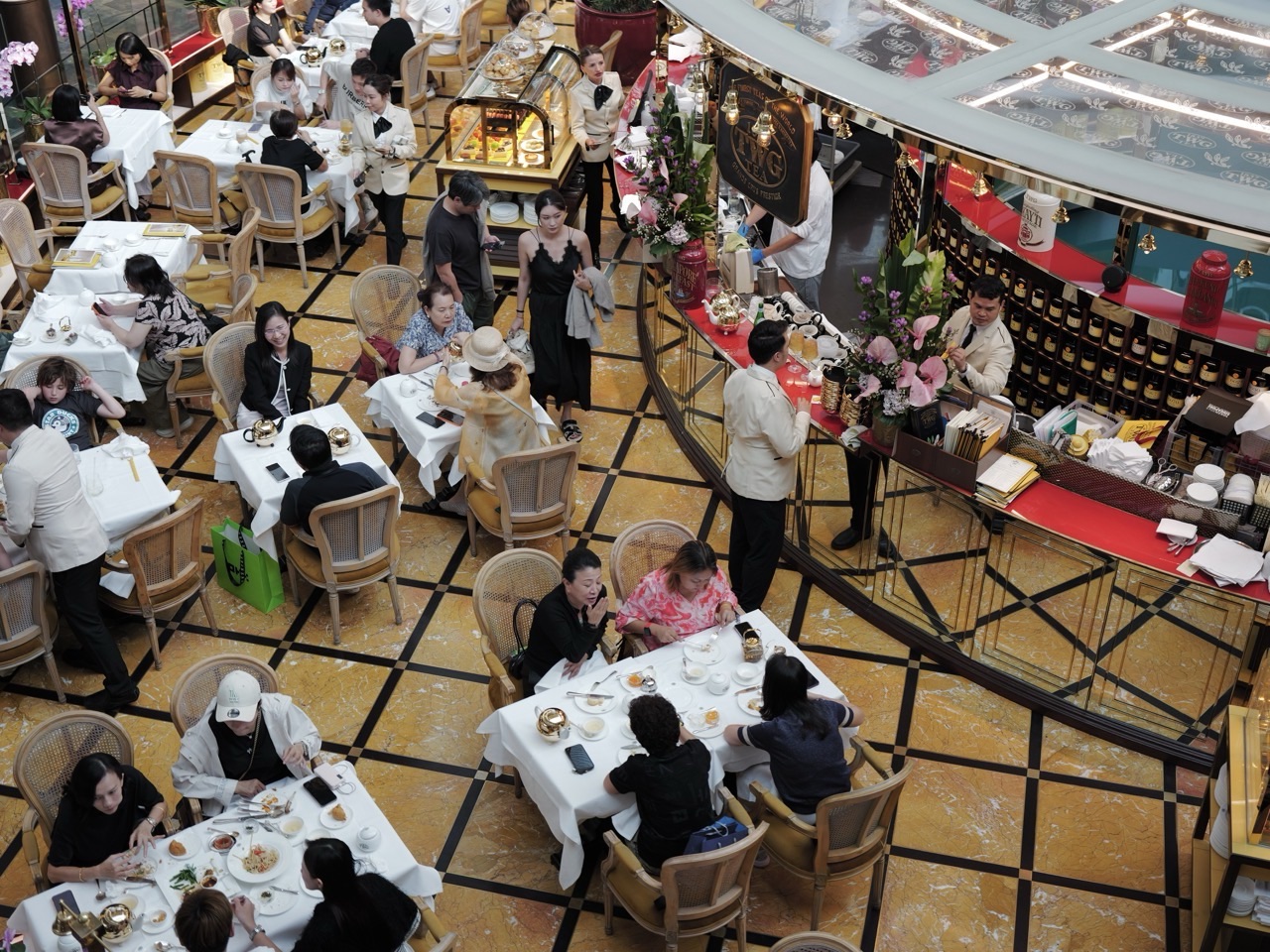
Introduction: The Shared Table Stack
This stack explains Singapore as a shared table: a civilisation surface where everyone has a seat, but every seat carries a function.
The General, the Strategist, the Sky, the Receiver, the Nobody and the Observer all sit at the same table. They may not know one another, but their actions still connect. One person’s effort becomes another person’s convenience. One person’s neglect becomes another person’s burden. The cleaner, taxi driver, teacher, hawker, parent, student, planner, soldier, visitor and worker are not isolated roles. They are civilisation nodes.
From there, the stack moves into the mechanics of the table.
Input / Output shows that the table returns what is placed into it: low effort creates low output, poor maintenance creates slow rot, and strong contribution creates national strength.
Tolerance and Amplification explains how Singapore holds disagreement within a workable band. When people stay within tolerance, their efforts amplify instead of collapsing into conflict.
The Friction Band shows that friction is not always bad. Good friction sharpens the system; too much friction becomes drag, fatigue and decay.
Civilisation Classification System goes deeper than job titles. A cleaner is not only cleaning. A taxi driver is not only transport. A teacher is not only teaching. Each role absorbs pressure, returns output, and keeps part of the table usable.
Finally, The Table brings the whole idea back to its simplest form: everyone has a seat, but Singapore only works when enough people understand what their seat is for.
This is how Singapore works: not as separate lives, but as linked functions sitting at one shared table.
The General, The Strategist, The Sky, The Receiver, The Nobody and The Observer
Singapore is not only an island.
Singapore is a shared table.
Everyone sits at it, whether they built it, planned it, defended it, used it, visited it, inherited it, or ignored it until something broke.
The General, The Strategist, The Sky, The Receiver, The Nobody and The Observer all share the same table.
They may not know one another. They may never meet. They may never speak. But they are all on the same train, moving through the same civilisation machine, receiving the benefits of each other’s work or suffering from the absence of it.
One person builds a road. Another uses it to get to work. One person teaches a child. That child grows up and becomes a doctor, engineer, artist, soldier, coder, parent, civil servant, cleaner, hawker, entrepreneur, nurse, driver, technician, or tutor. One person opens a café and makes it beautiful, warm, efficient and generous. Someone else walks in years later, orders coffee, takes a photograph, posts it online, and the place becomes part of Singapore’s living memory.
One person’s effort becomes everyone else’s shared enjoyment.
One person’s negligence becomes everyone else’s shared burden.
That is the table.
The Same Train
In Singapore, we often think we are living separate lives.
The student goes to school.
The parent goes to work.
The tourist walks through Marina Bay.
The hawker opens early.
The cleaner starts before sunrise.
The officer checks systems.
The planner reads tomorrow’s risk.
The child plays under a block built long before they were born.
They look separate.
But they are not separate.
They are passengers on the same train.
The train is not only the MRT. The MRT is only the visible version of the deeper thing. The real train is the civilisation track underneath Singapore.
It is the system that carries people through time.
Housing. Transport. Education. Healthcare. Security. Food. Water. Ports. Airports. Finance. Law. Cleanliness. Trust. Public order. Digital systems. Schools. Parents. Workers. Memory. Discipline. Culture. Hope.
All of these are tracks.
All of these are linked.
All of these allow a person to move from one station of life to another.
A child enters Primary 1.
A teenager enters Secondary 3.
A young adult enters National Service, polytechnic, junior college, university, ITE, work or apprenticeship.
A worker enters responsibility.
A parent enters sacrifice.
An elder enters memory.
A visitor enters observation.
Everyone boards somewhere.
Everyone alights somewhere.
But the train remains shared.
The Shared Table
A civilisation is not only made of leaders, laws and buildings.
It is made of shared consequence.
The table is shared because the same island carries everyone.
The air is shared.
The water is shared.
The reputation is shared.
The safety is shared.
The inconvenience is shared.
The success is shared.
The failure is shared.
If one part of Singapore becomes excellent, other people benefit from it.
If the airport works, tourists arrive smoothly.
If the port works, goods arrive.
If schools work, companies receive trained people.
If families work, society receives children with roots.
If cleaners work, everyone enjoys dignity in public space.
If hawkers work, everyone eats memory.
If teachers work, the future receives language, mathematics, science and discipline.
If planners work, the present receives fewer shocks.
If the police work, the ordinary person can walk home.
If the transport system works, the worker arrives, the student sits for the exam, the elderly person reaches the clinic, and the parent gets home before the child sleeps.
This is why Singapore is not a private table.
It is a public table.
Everyone places something on it.
Everyone takes something from it.
The General
The General sees pressure.
The General is responsible for survival when pressure becomes visible.
The General thinks in defence, order, enforcement, movement, readiness and consequence.
When things break, people suddenly understand the General.
During calm times, the General can look invisible. Too strict. Too prepared. Too serious. Too heavy.
But the shared table needs the General because peace is not automatic. Safety is not automatic. Trust is not automatic. Food, water, borders, cyber systems, emergency response and public order do not protect themselves.
The General keeps the table from being overturned.
Without the General, the café may still make coffee, the school may still teach, the tourist may still take photographs, but the table becomes fragile. The background security that allowed ordinary life to feel ordinary begins to thin out.
The General protects the condition for normal life to continue.
The Strategist
The Strategist sees corridors.
The Strategist does not only ask what is happening now.
The Strategist asks what this leads to.
What happens if birth rates fall?
What happens if students stop believing effort has reward?
What happens if transport overloads?
What happens if water becomes uncertain?
What happens if skills decay?
What happens if trust weakens?
What happens if another country moves faster?
What happens if technology changes the value of work?
What happens if the present becomes comfortable and stops building the future?
The Strategist sits at the shared table and sees not only the meal but the supply chain, kitchen, weather, workers, money, memory, appetite and tomorrow’s hunger.
The Strategist does not live only in the present.
The Strategist lives across time.
The Strategist understands that the table is inherited from the past, used by the present and judged by the future.
The Sky
The Sky sees above the table.
The Sky is the wide view.
Where the General sees pressure and the Strategist sees corridors, the Sky sees pattern.
The Sky sees how a small action can become national behaviour. How one road changes movement. How one school system changes families. How one port changes trade. How one viral café changes a street. How one mistake in planning can become years of repair. How one generation’s discipline can become another generation’s comfort.
The Sky is not trapped inside one person’s complaint.
The Sky sees the whole weather.
It sees the workers, students, tourists, parents, leaders, machines, buildings, habits, timings and expectations moving together.
The Sky understands that Singapore works not because everyone is the same, but because many different nodes know what to do at the right time.
The bus driver does not need to know the tourist’s whole story.
The student does not need to know the port operator’s shift.
The doctor does not need to know the cleaner’s morning route.
The café owner does not need to know the air traffic controller.
But they are still linked.
The Sky sees the links.
The Receiver
The Receiver is the one who enjoys what has already been built.
Most of us are Receivers most of the time.
We receive roads we did not build.
Schools we did not design.
Safety we did not personally defend.
Clean water we did not pipe.
A passport reputation we did not create alone.
Public housing systems we did not plan from scratch.
MRT lines we did not tunnel.
A functioning city we did not invent.
The Receiver is not wrong.
Every civilisation needs Receivers because the purpose of building is that someone receives.
A child receives education.
A worker receives transport.
A family receives housing.
A tourist receives experience.
A patient receives treatment.
A business receives infrastructure.
A student receives a table to study on.
But the Receiver becomes dangerous when receiving becomes entitlement without maintenance.
When people only take from the table, the table weakens.
The Receiver must eventually become a Contributor.
That is the transition from passenger to builder.
The Nobody
The Nobody is the invisible person.
The cleaner.
The maintenance worker.
The hawker assistant.
The quiet parent.
The night-shift technician.
The bus interchange staff.
The security guard.
The tutor preparing lessons late.
The civil servant checking details nobody praises.
The worker who fixes the thing before anyone notices it was breaking.
The Nobody is not actually nobody.
The Nobody is civilisation’s hidden load-bearing beam.
Singapore works because countless Nobodies do their part before the visible people arrive.
Before the tourist takes the photograph, someone cleaned the place.
Before the student enters the classroom, someone opened the school.
Before the worker taps into the train station, someone checked the system.
Before the café becomes viral, someone wiped the table, stocked the beans, washed the cups, paid the rent, trained the staff, answered the complaint and opened the shutters.
The Nobody is where civilisation is most honest.
If the Nobodies stop, Singapore stops.
The Observer
The Observer is the tourist, visitor, foreigner, investor, student from abroad, traveller, guest or outsider looking in.
The Observer does not carry the full memory of the island.
The Observer sees what is presented.
Clean streets.
Orderly trains.
Food courts.
Airports.
Malls.
Museums.
Schools.
Skylines.
Rules.
Efficiency.
Safety.
Light.
Glass.
Greenery.
Movement.
The Observer may think Singapore is simply well-run.
But what the Observer sees is the surface of accumulated discipline.
The Observer enjoys the table without knowing every hand that built it.
And that is fine.
A civilisation strong enough to host Observers has already created surplus. It has created a place where outsiders can arrive, move, spend, learn, admire, question, compare and remember.
The Observer becomes important because the Observer reflects Singapore back to itself.
Sometimes locals stop seeing what they live inside.
The tourist sees the table and says, “This is remarkable.”
And then the local remembers.
Past, Present and Future Sit Together
The shared table is not only shared among people.
It is shared across time.
The past sits at the table.
The past built the roads, institutions, habits, laws, schools, reservoirs, estates, ports, airports, defence systems, language policies, housing structures, public expectations and national reflexes that the present now uses.
The present sits at the table.
The present eats the meal. It enjoys the air-conditioning, trains, malls, schools, parks, hospitals, cafés, jobs, connectivity, safety and reputation. But the present is also cooking the next meal. It is not only consuming. It is building.
The future sits at the table before it has arrived.
The future is the child in school now. The student preparing for exams now. The worker learning AI tools now. The parent teaching responsibility now. The government planning climate, water, defence, ageing and manpower now. The business deciding whether to train people properly now.
The future is not later.
The future is being installed now.
That is the strange thing about civilisation.
The people who will inherit the table are already sitting at its edge.
They are watching how the present behaves.
The Viral Café
A café becomes viral.
At first, it looks like a small story.
One person had an idea. Another designed the place. Someone chose the menu. Someone trained the staff. Someone made the lighting beautiful. Someone kept the service warm. Someone made the coffee consistent. Someone took a photograph. Someone posted it. Someone else shared it. People arrived.
Then the café becomes part of Singapore’s experience.
Students study there.
Parents rest there.
Tourists visit there.
Couples remember it.
Workers take a break there.
Influencers film there.
The street receives more footfall.
Nearby shops benefit.
Delivery riders receive orders.
Suppliers sell more goods.
The landlord sees value.
The neighbourhood changes slightly.
One person’s effort becomes shared enjoyment.
But this only happens because the deeper table already exists.
The café needs electricity, water, roads, licensing, safety, transport, payment systems, suppliers, schools that taught workers, families that raised them, digital platforms that spread the image, and a city safe enough for strangers to walk in.
The café is not just a café.
It is a flower growing from the table.
Shared Enjoyment, Shared Suffering
The table teaches one hard rule.
Contribution compounds.
Neglect also compounds.
If a teacher teaches well, the student benefits. But the benefit does not stop with the student. The family benefits, the future employer benefits, the future child benefits, the country benefits.
If a worker does a job properly, the next person receives a smoother path.
If a planner prepares early, the next generation receives fewer emergencies.
If a parent builds character, society receives a stronger adult.
But if a system decays, everyone pays.
If students stop learning deeply, workplaces suffer later.
If workers lose pride, quality drops.
If public trust breaks, rules become heavier.
If infrastructure is neglected, repair becomes more expensive.
If families weaken, schools carry more load.
If education becomes only scoring and not formation, the future receives clever but brittle people.
This is the shared table.
No one eats alone.
Even the person who thinks they are alone is using something someone else maintained.
Singapore as a Civilisation Machine
Singapore works because it converts individual effort into shared civilisation value.
That is the machine.
A person does a small thing well.
The small thing connects to another thing.
The connection becomes reliability.
Reliability becomes trust.
Trust becomes speed.
Speed becomes opportunity.
Opportunity becomes confidence.
Confidence becomes investment.
Investment becomes better systems.
Better systems become inheritance.
This is how a small island becomes larger than its geography.
The table expands not by land alone, but by coordination.
Singapore’s real size is not only measured in square kilometres.
It is measured by the number of people who can safely, efficiently and meaningfully share the same table without collapsing it.
The Moral of the Table
The shared table asks a question of everyone.
What are you placing on it?
The General places protection.
The Strategist places foresight.
The Sky places pattern.
The Receiver places gratitude and eventual contribution.
The Nobody places invisible labour.
The Observer places reflection.
The student places effort.
The teacher places clarity.
The parent places sacrifice.
The worker places competence.
The business places value.
The government places structure.
The artist places meaning.
The hawker places memory.
The cleaner places dignity.
The visitor places attention.
Singapore is not only the skyline.
Singapore is the table underneath the skyline.
It is the shared surface where the past leaves its work, the present uses it, and the future waits to inherit what we are building now.
That is why one person’s effort matters.
A good lesson taught today may become a better decision ten years later.
A road planned today may carry a child to work twenty years later.
A café opened with care may become someone’s memory of Singapore.
A cleaner’s quiet discipline may become a visitor’s first impression.
A parent’s patience may become a future citizen’s strength.
A student’s struggle may become tomorrow’s competence.
The table remembers.
Even when people forget who built it, the table carries the work.
And if enough people keep placing something useful on it, Singapore continues to work.
Not because everyone is powerful.
But because everyone is connected.
Not because everyone sees the whole machine.
But because every part of the machine touches the same shared table.
Input / Output: What You Put Into the Shared Table Comes Back
The shared table has one brutal rule.
Input becomes output.
Or in computer terms:
Garbage in, garbage out.
If the input is careless, the output becomes unstable.
If the input is lazy, the output becomes weak.
If the input is dishonest, the output becomes distrust.
If the input is neglected, the output becomes rot.
If the input is high effort, the output becomes strength.
If the input is maintained, the output lasts.
This is the WYSIWYG layer of civilisation.
What You See Is What You Get.
But for civilisation, it becomes:
What You Do Is What You Get Back.
Singapore does not work because the table is magical. Singapore works because enough people, across enough systems, keep putting useful things into the table.
Maintenance in. Reliability out.
Education in. Competence out.
Discipline in. Safety out.
Planning in. Stability out.
Cleanliness in. Dignity out.
Trust in. Speed out.
Training in. Skill out.
Care in. Memory out.
Neglect in. Decay out.
The table does not lie.
If a school inputs shallow learning, the output is weak students.
If a family inputs no structure, the output is fragile habits.
If a workplace inputs poor training, the output is poor quality.
If a transport system inputs no maintenance, the output is delays, breakdowns and frustration.
If a country inputs short-term thinking, the output is long-term weakness.
Civilisation is not only what we build.
Civilisation is what we keep feeding.
A table without maintenance does not remain a table forever. It slowly stains, cracks, weakens, wobbles, rots and eventually collapses. At first, people may not notice. The surface still looks usable. The structure still holds. Everyone continues eating.
But underneath, the screws loosen.
That is slow rot.
Slow rot is dangerous because it does not announce itself immediately. It waits. It accumulates. It hides inside systems that still look normal.
Then one day, something breaks and everyone says, “How did this happen?”
It happened because the input changed long before the output became visible.
This is why the Shared Table is not only about enjoyment. It is about responsibility.
If one generation receives a strong table and only consumes from it, the next generation receives a weaker one.
If one generation maintains it, improves it and adds to it, the next generation receives a better one.
That is the I/O of civilisation.
Past input created present output.
Present input creates future output.
Future output is being written now.
So the question is not only, “What do we get from Singapore?”
The deeper question is:
“What are we putting into Singapore?”
Because the table returns the truth.
Low effort in, low output out.
No maintenance in, slow collapse out.
Poor thinking in, poor decisions out.
No courage in, no future out.
No responsibility in, shared suffering out.
But if the input is strong, the output compounds.
Good teachers create stronger students.
Stronger students become better workers.
Better workers create better systems.
Better systems create more trust.
More trust creates faster coordination.
Faster coordination creates national strength.
National strength creates a better table.
This is how civilisation compounds.
Not through one heroic act, but through repeated input.
Again and again.
Lesson by lesson.
Shift by shift.
Repair by repair.
Decision by decision.
Generation by generation.
The Shared Table is not passive.
It records what is placed on it.
And sooner or later, it serves it back.
The Friction Band
When Friction Helps, and When Friction Destroys
The Shared Table cannot run on zero friction.
A civilisation with no friction becomes soft.
No correction.
No resistance.
No testing.
No disagreement.
No pressure.
No sharpening.
No improvement.
But a civilisation with too much friction becomes unliveable.
Too much complaint.
Too much distrust.
Too much conflict.
Too much inefficiency.
Too much delay.
Too much fear.
Too much drag.
So the question is not whether friction exists.
The question is whether friction stays within the useful band.
That is the Friction Band.
Within the band, friction is good.
Outside the band, friction becomes damage.
Good Friction
Good friction is the resistance that improves the system.
A teacher marking a student’s mistake is friction.
A parent correcting a child’s behaviour is friction.
A coach pushing an athlete harder is friction.
A manager asking for better work is friction.
A citizen questioning a policy is friction.
A planner testing a weak assumption is friction.
A friend telling the truth is friction.
A system audit finding flaws is friction.
This type of friction is uncomfortable, but useful.
It creates heat, but not fire.
It slows people down just enough to make them think. It interrupts careless movement. It stops bad habits from becoming permanent. It prevents weak structures from being accepted as normal.
Good friction says:
“Check this.”
“Improve this.”
“Think again.”
“This is not strong enough.”
“This needs repair.”
“This can be better.”
Good friction is part of civilisation maintenance.
Without it, errors compound quietly.
Bad Friction
Bad friction does not improve the system.
It drains it.
Bad friction appears when resistance becomes excessive, pointless, personal, dishonest, chaotic or corrosive.
A student arguing to avoid work is bad friction.
A parent creating panic instead of structure is bad friction.
A worker refusing responsibility is bad friction.
A department blocking another department for ego is bad friction.
A citizen spreading distrust without building anything is bad friction.
A system demanding unnecessary steps is bad friction.
A rule that creates more damage than order is bad friction.
A person making the table unbearable for everyone else is bad friction.
Bad friction does not sharpen.
It clogs.
It turns energy away from progress and into survival.
Instead of building, people start managing the friction. Instead of teaching, the teacher spends time controlling behaviour. Instead of working, the worker spends time clearing unnecessary obstacles. Instead of planning, the system spends time repairing preventable damage.
Bad friction is civilisation drag.
The Band
Every system has a friction band.
Too little friction, and the system becomes careless.
Too much friction, and the system becomes exhausted.
The healthy zone sits between the two.
In education, too little friction means the student is not challenged. Too much friction means the student gives up.
In parenting, too little friction means the child has no structure. Too much friction means the child feels crushed.
In work, too little friction means standards fall. Too much friction means people burn out.
In government, too little friction means weak accountability. Too much friction means paralysis.
In transport, too little friction means unsafe behaviour. Too much friction means movement becomes slow and painful.
In society, too little friction means anything goes. Too much friction means nobody trusts anyone.
The Friction Band is the range where resistance still produces strength.
Past that range, resistance becomes decay.
Why Friction Is Necessary
Friction is how civilisation feels its own edges.
It tells the system where pressure is increasing.
A long queue is friction. It tells us demand has exceeded flow.
A traffic jam is friction. It tells us movement is blocked.
A student’s mistake is friction. It tells us understanding has not formed.
A parent’s worry is friction. It tells us clarity is missing.
A worker’s frustration is friction. It tells us a process may be broken.
A public complaint is friction. It tells us expectations and reality are not aligned.
Friction is information.
A civilisation that ignores friction becomes blind.
But a civilisation that worships friction becomes trapped.
The skill is to read friction correctly.
Some friction should be removed.
Some friction should be reduced.
Some friction should be endured.
Some friction should be designed into the system.
Some friction should be treated as a warning signal.
Not all friction is equal.
Designed Friction
Some friction is deliberately installed.
Exams are friction.
Training is friction.
Licensing is friction.
Security checks are friction.
Building codes are friction.
National Service is friction.
Medical standards are friction.
Traffic rules are friction.
Financial regulations are friction.
These slow people down.
But they slow people down for a reason.
They prevent collapse. They test readiness. They create discipline. They protect the shared table from careless behaviour.
A pilot should face friction before flying a plane.
A doctor should face friction before treating patients.
An engineer should face friction before building structures.
A student should face friction before claiming mastery.
A country should face friction before trusting a system.
Designed friction is not punishment.
It is a filter.
It separates readiness from assumption.
Undesigned Friction
Undesigned friction is different.
It appears because something is poorly built, poorly explained, poorly maintained or poorly coordinated.
Forms that repeat the same information.
Rules that contradict one another.
Systems that do not talk to each other.
Classes where students do not understand what is happening.
Workplaces where nobody knows who is responsible.
Public spaces where small neglect becomes daily irritation.
Transport gaps that make simple journeys difficult.
Digital systems that make users fight the machine.
This type of friction should not be glorified.
It should be repaired.
A civilisation becomes stronger when it can tell the difference between useful friction and wasteful friction.
Useful friction builds capability.
Wasteful friction consumes capability.
Friction and Amplification
Friction controls amplification.
When friction is healthy, good actions amplify.
A teacher corrects a mistake, and the student improves.
A system receives feedback, and the process becomes better.
A worker faces standards, and quality rises.
A planner detects weakness, and future failure is prevented.
Good friction improves the input.
Better input produces better output.
But when friction becomes too high, amplification reverses.
People stop trying.
People avoid responsibility.
People withdraw effort.
People become cynical.
People do the minimum.
People protect themselves instead of building together.
Then the Shared Table loses energy.
The system does not collapse immediately. It just becomes harder to use.
Everything takes more effort.
Everything needs more explanation.
Everything needs more enforcement.
Everything becomes slower, heavier and more tiring.
That is when friction leaves the useful band and becomes civilisation drag.
The Heat Test
One way to understand friction is heat.
A little heat cooks the food.
Too much heat burns it.
No heat, and nothing changes.
Good friction produces productive heat.
It creates attention, seriousness, discipline and refinement.
Bad friction produces destructive heat.
It creates anger, fatigue, fear and breakdown.
The Shared Table needs enough heat to keep people awake, but not so much heat that everyone stops wanting to sit at it.
That is the heat test.
Is this friction making the system better?
Or is it simply making people tired?
Education as Friction Band
Education shows this clearly.
A student needs friction.
Without challenge, there is no growth.
The child must meet difficult vocabulary.
The child must struggle with mathematics.
The child must receive correction in writing.
The child must learn to sit with confusion.
The child must try again after getting something wrong.
That is good friction.
But if the friction becomes too high, learning turns into fear.
Too much pressure.
Too much scolding.
Too much speed.
Too much comparison.
Too much failure without repair.
Too much work without meaning.
Then the student does not become stronger.
The student becomes defensive.
So the teacher’s job is not to remove friction.
The teacher’s job is to tune friction.
Enough challenge to grow.
Enough support to continue.
That is the educational friction band.
Singapore’s Friction Band
Singapore itself runs on friction.
Rules create friction.
Queues create friction.
Planning creates friction.
Standards create friction.
Exams create friction.
National Service creates friction.
Public order creates friction.
Multicultural tolerance creates friction.
Living close together creates friction.
But much of this friction is what allows Singapore to function.
It keeps movement orderly.
It keeps systems accountable.
It keeps public space usable.
It keeps people aware that the table is shared.
The risk is not friction itself.
The risk is miscalibration.
Too little friction, and standards decay.
Too much friction, and people feel trapped.
Singapore works when friction is tuned carefully enough that people are disciplined but not crushed, corrected but not humiliated, regulated but not frozen, challenged but not abandoned.
That is a narrow band.
And it must be maintained.
When the Band Breaks
When friction breaks out of the useful band, the Shared Table suffers.
If friction is too low, the table gets abused.
People take more than they give.
Systems are not maintained.
Standards drop.
Behaviour worsens.
Trust weakens.
Slow rot begins.
If friction is too high, the table becomes unpleasant.
People stop enjoying the ride.
People stop contributing freely.
People feel watched, blocked, overloaded or exhausted.
Creativity falls.
Initiative falls.
Trust becomes compliance instead of belief.
Both extremes are dangerous.
A strong civilisation does not remove friction.
It governs friction.
It knows where to place resistance, where to reduce resistance, and where to let people move freely.
The Civilisation Rule
The Friction Band gives us a civilisation rule:
Resistance must produce value.
If friction produces learning, safety, trust, quality, discipline, coordination or future strength, it belongs inside the band.
If friction produces only delay, fear, resentment, waste, confusion or decay, it has left the band.
This is how the Shared Table decides whether friction is good or bad.
Not by whether it feels uncomfortable.
Good friction often feels uncomfortable.
The question is whether it builds.
If it builds, keep it.
If it only burns, repair it.
The Shared Ride
Everyone on the train feels friction.
The student feels exam pressure.
The parent feels responsibility.
The worker feels deadlines.
The business owner feels cost.
The visitor feels rules.
The government feels constraint.
The planner feels future risk.
The Nobody feels daily load.
The goal is not to make the ride frictionless.
A frictionless ride has no grip.
The goal is to make the ride grippy enough to move forward, but not so rough that everyone gets thrown off.
That is the Friction Band.
Enough resistance to strengthen.
Not so much resistance that it destroys.
Enough correction to improve.
Not so much correction that it crushes.
Enough rules to coordinate.
Not so many rules that movement dies.
Enough pressure to grow.
Not so much pressure that hope leaves.
The Shared Table works when friction stays within this band.
Inside the band, friction becomes refinement.
Outside the band, friction becomes rot.
And once again, the table returns the truth:
Well-tuned friction in, stronger civilisation out.
Broken friction in, shared suffering out.
How Singapore Works | Civilisation Classification System
Why Job Scope Is Not Civilisation Function
When we classify people wrongly, we misunderstand the nation.
We think we are being accurate because we can name the job.
Cleaner.
Taxi driver.
Teacher.
Translator.
Doctor.
Hawker.
Security guard.
Port worker.
Planner.
Bus captain.
Parent.
Student.
But these are only surface labels.
They are job titles.
They tell us what the person appears to do.
They do not tell us what function the person performs inside civilisation.
That is the mistake.
A cleaner is not only someone who cleans.
That is job scope.
Civilisation classification is different.
A cleaner protects public-space usability. The cleaner maintains hygiene, dignity, comfort, trust and shared access. Without the cleaner, the space does not simply become dirty. It becomes less usable, less safe, less respected and eventually less civilised.
The job title says cleaner.
The civilisation class says runtime hygiene, dignity preservation, public-space maintenance and decay prevention.
That is a different level of understanding.
Job Scope Is Surface
Job scope is the visible task.
It answers:
“What does this person do?”
A cleaner cleans.
A taxi driver drives.
A teacher teaches.
A doctor treats.
A translator translates.
A hawker cooks.
A security guard watches.
A parent raises.
A student studies.
That is true, but incomplete.
It is like looking at a train and saying:
“The train moves.”
Yes, but that does not explain what the train does for civilisation.
The train compresses time.
The train distributes labour.
The train connects homes to schools and workplaces.
The train converts distance into access.
The train allows the island to function at higher density.
The train lets millions of separate lives coordinate without knowing one another.
So the job title is not wrong.
It is just too shallow.
It names the object, not the system effect.
Civilisation Function Is Deeper
Civilisation function asks a different question.
Not:
“What is this person called?”
But:
“What pressure does this person absorb for the nation?”
That is the classification shift.
A taxi driver is not simply transport.
A taxi driver is time compression, route management and energy conversion.
The passenger enters the taxi with a purpose.
Work.
Hospital.
Airport.
School.
Meeting.
Funeral.
Visit.
Interview.
Emergency.
Home.
The taxi driver moves the passenger across the city, but the deeper function is not just movement.
The taxi driver converts location into possibility.
A person in the wrong place cannot do the next thing.
The taxi driver closes the gap between where the person is and where the person must be.
That is time compression.
The driver reads roads, traffic, weather, human urgency, route alternatives, cost, timing and local knowledge.
That is route management.
The driver carries human energy from one node to another, so that the passenger can do work, receive care, give care, spend money, attend school, visit family or continue a journey.
That is energy conversion.
So the job title says taxi driver.
The civilisation class says mobility interface, time compressor, route manager, access provider and human-energy distributor.
That is the real function.
Why Classification Matters
If we classify wrongly, we use the system wrongly.
We underpay the wrong things.
We overvalue the wrong things.
We design policies badly.
We misunderstand failure.
We miss hidden load-bearing roles.
We repair the surface but not the mechanism.
If a cleaner is seen only as a person who removes dirt, then society may treat cleaning as low importance.
But if the cleaner is classified as a public-space runtime operator, then we understand that the cleaner protects the usability of the shared table.
Without that work, the table decays.
If a taxi driver is seen only as a person who drives, then the role looks replaceable by a vehicle.
But if the taxi driver is classified as route intelligence, time compression and human transfer, then we see the wider function. The vehicle moves, but the driver manages uncertainty, urgency, local knowledge and human purpose.
If a teacher is seen only as someone who delivers lessons, then education becomes content transfer.
But if the teacher is classified as cultivation of the next operating layer, then we understand that teaching forms the future worker, parent, citizen, thinker and contributor.
The job title names the task.
The classification reveals the consequence.
The Tumbler Problem
If we cannot classify properly, we cannot use the tumbler effectively.
The tumbler is the civilisation machine in motion.
People, roles, systems, pressures, behaviours, resources and time are constantly turning inside it.
The machine is always mixing.
A student becomes a worker.
A worker becomes a parent.
A parent raises another student.
A teacher shapes the student.
A cleaner maintains the school.
A bus captain brings the student there.
A planner builds the route.
A taxpayer funds the infrastructure.
A doctor keeps the body alive.
A translator keeps meaning moving across difference.
A hawker feeds the worker.
A security officer protects the space.
A visitor observes the system and adds outside attention.
Everything tumbles into everything else.
But if we label the pieces wrongly, we misread the machine.
We think the cleaner is outside the education system.
But the cleaner keeps the school usable.
We think the taxi driver is outside the economy.
But the taxi driver moves people into economic action.
We think the hawker is only food.
But the hawker provides memory, affordability, social mixing, labour fuel and cultural continuity.
We think the translator is only language.
But the translator converts difference into trust.
Wrong classification makes the machine look smaller than it is.
Correct classification shows the lattice.
The Lattice
Civilisation is not a list.
It is a lattice.
A person’s work touches many other systems.
The cleaner touches health, dignity, public trust, education, tourism, workplace comfort and national reputation.
The taxi driver touches transport, time, commerce, caregiving, emergencies, tourism, labour mobility and emotional relief.
The teacher touches future labour, family confidence, national capability, social mobility, language, reasoning, discipline and memory.
The doctor touches biological runtime, family stability, work continuity, ageing, productivity and survival.
The translator touches trade, migration, diplomacy, education, culture, tourism, law, medicine and trust.
The hawker touches food security, affordability, culture, labour energy, neighbourhood memory and social cohesion.
The security guard touches trust, boundaries, safety, order and the quiet permission for ordinary life to continue.
Each role is not a dot.
Each role is a node with lines running through it.
CivOS classification follows the lines.
Classification Is Not Status
This is important.
Civilisation classification is not about status.
It is not saying one person is higher and another is lower.
That is old thinking.
CivOS does not ask:
“Who is more prestigious?”
It asks:
“What function is being performed?”
A cleaner and a minister do not perform the same function.
But both can be load-bearing in different parts of the machine.
A taxi driver and a surgeon do not perform the same function.
But both can become critical depending on the pressure event.
If someone is having a medical emergency, the doctor is critical.
But before the doctor can help, someone may need to move the patient to the hospital.
Then the driver becomes part of the survival corridor.
Classification is not ego.
Classification is function under pressure.
The Pressure Test
To classify a role properly, ask:
What pressure does this role absorb?
The cleaner absorbs decay pressure.
Without cleaning, dirt accumulates, hygiene falls, public dignity drops and shared spaces become harder to use.
The taxi driver absorbs distance and timing pressure.
Without mobility, people lose access to work, care, family, trade and emergency movement.
The teacher absorbs future capability pressure.
Without teaching, the next generation receives weaker language, weaker reasoning, weaker skill and weaker discipline.
The doctor absorbs biological failure pressure.
Without healthcare, the body breaks, the family destabilises and future contribution corridors close.
The translator absorbs meaning-friction pressure.
Without translation, people misunderstand, mistrust, misread and miscoordinate.
The hawker absorbs daily energy pressure.
Without affordable food, workers, students and families lose a simple but essential fuel layer.
The security guard absorbs boundary pressure.
Without boundary protection, spaces become uncertain and ordinary activity becomes less relaxed.
This is classification.
Not by title.
By pressure absorbed.
The Output Test
Then ask:
What output does this role return to the Shared Table?
Cleaner in, usable public space out.
Taxi driver in, compressed time and completed journeys out.
Teacher in, future capability out.
Doctor in, restored biological runtime out.
Translator in, transferred meaning and trust out.
Hawker in, food energy and cultural memory out.
Security in, safe boundaries out.
Planner in, future corridors out.
Parent in, formed human operating system out.
Student effort in, future competence out.
This connects back to Input / Output.
The role is not just what it does.
The role is what output it returns to civilisation.
The Failure Mode Test
Every classification must also ask:
What happens if this role fails?
If cleaners fail, public space decays.
If taxi drivers fail, movement becomes uncertain and time expands.
If teachers fail, future capability weakens.
If doctors fail, biological runtime collapses.
If translators fail, meaning breaks and trust falls.
If hawkers fail, daily food access and cultural memory thin out.
If security fails, people lose confidence in boundaries.
If planners fail, future shocks become present emergencies.
If parents fail, schools and society inherit heavier repair loads.
Failure reveals function.
When the role disappears, the nation suddenly sees what the role was carrying.
That is why classification matters.
The hidden function becomes visible when it breaks.
Surface Label vs Civilisation Class
A surface label is useful for employment.
A civilisation class is useful for understanding the machine.
Surface label:
Cleaner.
Civilisation class:
Runtime hygiene operator.
Public-space usability maintainer.
Decay prevention node.
Dignity preserver.
Surface label:
Taxi driver.
Civilisation class:
Time compressor.
Route manager.
Mobility interface.
Human-energy distributor.
Access corridor operator.
Surface label:
Translator.
Civilisation class:
Meaning bridge.
Trust converter.
Interface operator.
Cultural friction reducer.
Cross-system connector.
Surface label:
Teacher.
Civilisation class:
Cultivation node.
Future operating-layer installer.
Cognitive corridor builder.
Discipline and language transmitter.
Surface label:
Doctor.
Civilisation class:
Biological runtime repair.
Survival corridor protector.
Family-stability stabiliser.
Future contribution restorer.
Once we see this, the whole nation looks different.
Suddenly, Singapore is not a list of occupations.
It is a moving classification system.
Why Nations Misread Themselves
Many nations misread themselves because they classify by prestige, salary, industry or visibility.
Visible roles get attention.
Invisible roles get neglected.
But civilisation does not run only on visibility.
It runs on load-bearing functions.
Some of the most important functions are quiet.
Maintenance.
Cleaning.
Teaching.
Repair.
Translation.
Routing.
Caregiving.
Safety.
Food preparation.
Record keeping.
Coordination.
Boundary protection.
These roles do not always look dramatic.
But they keep the table usable.
When a nation classifies by glamour, it may neglect its real machinery.
When it classifies by function, it sees what must be protected, trained, repaired, upgraded and respected.
Singapore Through Classification
Singapore becomes clearer when read through CivOS classification.
The MRT is not transport only.
It is population distribution, time compression and urban coordination.
The airport is not travel only.
It is global interface, reputation gateway and economic signal.
The port is not shipping only.
It is survival logistics, trade bloodstream and external connection.
Schools are not education only.
They are future capability factories and national operating-system installers.
HDB is not housing only.
It is sanctuary, family formation, density management and social stability.
Hawker centres are not food only.
They are affordability engines, cultural memory banks and shared-table nodes.
Cleaners are not cleaning only.
They are runtime maintenance and decay resistance.
Taxi drivers are not driving only.
They are route intelligence and human-energy movement.
Parents are not private family units only.
They are the first operating system installers of the future citizen.
Students are not exam candidates only.
They are future nodes being prepared for the table.
That is how Singapore works.
Not through isolated parts.
Through classified functions linked together.
The Correct Use of the Tumbler
When we classify properly, the tumbler becomes useful.
We can see where to place pressure.
We can see where to reduce friction.
We can see where to train.
We can see where to repair.
We can see where to protect.
We can see which invisible roles are carrying too much load.
We can see which visible roles are receiving too much attention while other functions quietly decay.
A good civilisation does not only reward the loudest node.
It understands the lattice.
It knows which nodes keep the system alive.
It knows which nodes compress time.
It knows which nodes maintain trust.
It knows which nodes transfer meaning.
It knows which nodes absorb decay.
It knows which nodes build the future.
Then the tumbler can be tuned.
Not by guessing.
By classification.
Classification Changes Respect
When we classify better, respect becomes more accurate.
Not sentimental respect.
Structural respect.
The cleaner is respected because the cleaner preserves the usability of public space.
The taxi driver is respected because the taxi driver compresses time and carries purpose across the island.
The teacher is respected because the teacher forms future capability.
The translator is respected because the translator turns difference into trust.
The hawker is respected because the hawker feeds the working body and preserves cultural memory.
The parent is respected because the parent builds the first human operating system.
The student is respected because the student is a future contributor under construction.
Respect becomes tied to function.
And when respect is tied to function, society sees itself more clearly.
The Civilisation Rule
The rule is simple:
Do not classify people only by what they appear to do.
Classify them by what their role makes possible.
A cleaner makes shared space possible.
A taxi driver makes arrival possible.
A teacher makes future competence possible.
A translator makes understanding possible.
A doctor makes biological continuity possible.
A hawker makes daily energy possible.
A security guard makes ordinary confidence possible.
A planner makes future corridors possible.
A parent makes the next person possible.
A student makes the future possible.
This is the Civilisation Classification System.
It is not a hierarchy of people.
It is a map of functions.
And once we can see the functions, we can see Singapore more clearly.
The Shared Table is no longer just filled with job titles.
It is filled with nodes.
Each node absorbs pressure.
Each node returns output.
Each node has a failure mode.
Each node connects to other nodes.
Each node either strengthens the table or weakens it.
That is why classification matters.
Because if we name the role wrongly, we use the role wrongly.
If we use the role wrongly, we misunderstand the machine.
And if we misunderstand the machine, we cannot maintain the table.
Singapore works when its people are not only seen by occupation, but by civilisation function.
That is how the nation reads itself.
That is how the tumbler becomes visible.
That is how the shared table becomes manageable.
And that is how a small island understands the hidden machinery that keeps it alive.
The Table
Where Everyone Has a Seat, and Everyone Must Figure Out Who Does What
Singapore is a table.
Everyone has a seat.
Not everyone has the same seat.
Not everyone carries the same weight.
Not everyone sees the whole table.
Not everyone understands how the table was built.
Not everyone knows who repaired it before they arrived.
But everyone sits at it.
The child sits at the table.
The parent sits at the table.
The teacher sits at the table.
The cleaner sits at the table.
The hawker sits at the table.
The taxi driver sits at the table.
The tourist sits at the table.
The planner sits at the table.
The soldier sits at the table.
The business owner sits at the table.
The student sits at the table.
The elder sits at the table.
The Nobody sits at the table.
And the first rule of the table is this:
A seat is not only a right.
A seat is also a function.
To sit at the table means to receive from it.
But to remain at the table means to understand what one contributes back.
Who Does What?
The table does not work if everyone grabs, but nobody serves.
It does not work if everyone talks, but nobody listens.
It does not work if everyone enjoys the air-conditioning, but nobody maintains the system.
It does not work if everyone uses the train, but nobody repairs the tracks.
It does not work if everyone wants good students, but nobody teaches properly.
It does not work if everyone wants a safe city, but nobody protects order.
It does not work if everyone wants clean public space, but nobody respects the cleaner’s work.
It does not work if everyone wants a future, but nobody builds it.
So the table needs classification.
Not to rank people.
But to understand who does what.
The cleaner is not lower at the table.
The cleaner is the one preventing decay.
The taxi driver is not only moving people.
The taxi driver is compressing time and transferring human purpose across the island.
The teacher is not only delivering lessons.
The teacher is installing future capability.
The parent is not only raising a child.
The parent is preparing the next operating system of the nation.
The student is not only taking exams.
The student is becoming the future worker, thinker, parent, citizen and builder.
The tourist is not only observing.
The tourist reflects Singapore back to itself and carries the table’s reputation outward.
The planner is not only making policy.
The planner is arranging tomorrow’s corridors before today runs out of road.
The soldier is not only defending borders.
The soldier is protecting the condition that allows everyone else to sit, eat, work, study, travel and sleep.
Everyone has a seat.
But every seat has a function.
The Mistake
The mistake is to think the table is only a place to receive.
Many people arrive and ask:
“What can I get?”
Can I get convenience?
Can I get safety?
Can I get education?
Can I get transport?
Can I get clean streets?
Can I get affordable food?
Can I get opportunity?
Can I get recognition?
Can I get comfort?
These are fair questions.
A civilisation exists so people can receive.
But if everyone only asks what they can receive, the table becomes thin.
The better question is:
“What am I adding back?”
Because the table is not maintained by appetite.
It is maintained by contribution.
The Table Is Alive
The table is not a dead object.
It changes based on what people place on it.
Effort strengthens it.
Neglect weakens it.
Trust smooths it.
Suspicion scratches it.
Maintenance preserves it.
Arrogance damages it.
Discipline stabilises it.
Carelessness stains it.
Good teaching extends it.
Bad teaching hollows it.
Good planning expands it.
Short-term thinking narrows it.
The table remembers input.
Sooner or later, it returns output.
If the table receives rubbish, it returns rubbish.
If it receives care, it returns stability.
If it receives competence, it returns trust.
If it receives laziness, it returns decay.
If it receives courage, it returns future.
That is the table’s law.
The Seat Is Not Equal to the Function
Everyone has a seat, but everyone does not perform the same function.
This matters.
A child’s function is not the same as a parent’s.
A student’s function is not the same as a teacher’s.
A cleaner’s function is not the same as a planner’s.
A soldier’s function is not the same as a tourist’s.
A hawker’s function is not the same as a doctor’s.
But all functions link.
The child needs the teacher.
The teacher needs the cleaner.
The cleaner needs transport.
Transport needs planning.
Planning needs trust.
Trust needs law.
Law needs legitimacy.
Legitimacy needs fairness.
Fairness needs restraint.
Restraint needs education.
Education needs families.
Families need work.
Work needs food.
Food needs supply chains.
Supply chains need ports.
Ports need security.
Security needs national will.
The table is a lattice.
No seat is truly isolated.
When People Forget Their Function
A civilisation weakens when people forget what their seat is for.
The student thinks school is only about marks and forgets learning.
The parent thinks love is only protection and forgets formation.
The teacher thinks teaching is only syllabus delivery and forgets cultivation.
The worker thinks work is only salary and forgets contribution.
The leader thinks leadership is only power and forgets stewardship.
The citizen thinks citizenship is only complaint and forgets maintenance.
The visitor thinks Singapore is only convenience and forgets the discipline behind it.
The table can survive some confusion.
But if too many people forget their function, the table becomes crowded but weak.
Many people sitting.
Few people carrying.
That is dangerous.
A Seat Means Responsibility
A seat means the civilisation has made space for you.
It has given you roads, schools, food, water, safety, language, law, hospitals, transport, memory and possibility.
But a seat also asks something back.
Not everyone must contribute in the same way.
A child contributes by learning.
A student contributes by effort.
A parent contributes by raising well.
A teacher contributes by teaching properly.
A worker contributes by doing the job with competence.
A cleaner contributes by preventing decay.
A driver contributes by moving purpose.
A hawker contributes by feeding the daily machine.
A planner contributes by seeing ahead.
A soldier contributes by protecting the table.
A tourist contributes by observing, respecting and carrying the story outward.
Contribution does not need to be glamorous.
It needs to be real.
The Table Needs Coordination
A table fails when everyone moves without coordination.
If one person pulls too hard, the table tilts.
If one person takes too much, others lose space.
If one person refuses to carry their part, someone else must carry more.
If one group dominates the table, others withdraw.
If nobody listens, friction rises.
If friction rises too much, tolerance breaks.
If tolerance breaks, amplification stops.
Then the ride becomes harder for everyone.
So the table needs more than seats.
It needs coordination.
People must know when to speak, when to listen, when to build, when to repair, when to step forward, when to hold back, when to insist, when to tolerate, when to correct, and when to maintain.
This is not automatic.
It is learned.
It is taught through families, schools, laws, culture, habits, public norms and daily repetition.
The Great CivOS Question
The table asks every person one question:
“What function are you performing?”
Not what title do you hold.
Not how prestigious are you.
Not how visible are you.
But what function are you performing for the shared table?
Are you reducing friction or creating it?
Are you maintaining the table or staining it?
Are you adding competence or draining it?
Are you building trust or weakening it?
Are you preparing the future or consuming the past?
Are you carrying your seat or making others carry it for you?
This is the real classification system.
Every seat is a node.
Every node has input.
Every node produces output.
Every output affects the table.
The Table as Singapore
Singapore works when enough people understand their seat.
The General protects the table.
The Strategist plans the table.
The Sky sees the whole table.
The Receiver enjoys the table and must eventually contribute.
The Nobody maintains the table quietly.
The Observer reflects the table back to itself.
The student prepares for the table.
The parent forms the next person who will sit at it.
The teacher trains the next operating layer.
The cleaner keeps the table usable.
The taxi driver moves people between seats and stations.
The hawker feeds the people sitting there.
The planner makes sure the table still exists tomorrow.
The soldier protects the room the table is in.
This is how Singapore works.
Not because everyone is the same.
But because enough people, in enough seats, perform enough of the right functions at the right time.
The Simple Rule
Everyone has a seat.
But the table survives only when everyone understands that the seat is connected to responsibility.
The past built the table.
The present sits at it.
The future waits to inherit it.
If the present only consumes, the future receives a weaker table.
If the present maintains, improves and contributes, the future receives a stronger one.
So the question is never only:
“Do I have a seat?”
The deeper question is:
“What am I doing with my seat?”
Because Singapore is the shared table.
And the shared table only works when everyone figures out who does what, why it matters, and how their part keeps the whole thing standing.