
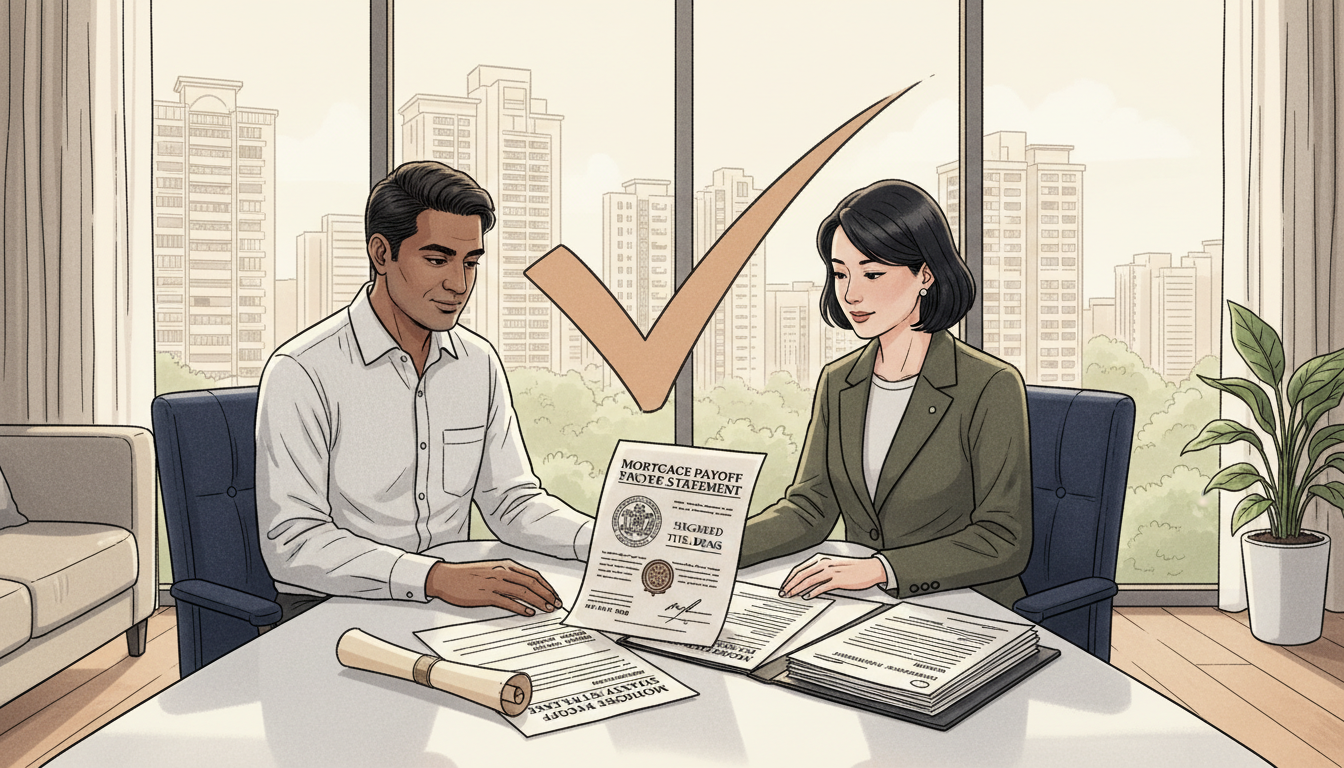
How to prepare to buy your first home: understand the full cost, review your income and debt, compare mortgage options, check eligibility and legal requirements, research locations, inspect the property and keep a cash reserve after completion. Buying a home is not only about being approved for a loan. It is about being able to live with the financial and practical responsibilities that follow.
A lender may approve a mortgage that still feels uncomfortable in your everyday budget. The monthly payment is only one part of ownership. Taxes, insurance, maintenance, repairs, service charges, legal fees, moving costs and changes in interest rates can all affect affordability. Decide what is sustainable for you before viewing homes that stretch your limits.
Property laws, taxes, mortgage rules and buyer eligibility vary by country and scheme. This guide explains the preparation process and uses official Singapore, UK and US sources as examples. Always verify current rules for your location and personal circumstances.
First-Time Homebuyer Checklist
- Define your needs, location priorities and realistic time horizon.
- Review income, spending, debts, savings and credit history.
- Calculate the full upfront cost, not just the deposit.
- Estimate monthly ownership costs under different interest-rate scenarios.
- Compare mortgage products, fees, lock-ins and repayment terms.
- Check eligibility for the property type, buyer scheme and loan.
- Research comparable prices, transport, services, lease or title conditions.
- Arrange independent inspections and legal or conveyancing advice.
- Read the contract and conditions before signing or paying non-refundable sums.
- Keep an emergency reserve for repairs and life changes after moving in.
Step 1: Decide Whether Buying Fits Your Life
Buying can provide stability and a home to adapt over time, but it reduces flexibility and creates ongoing obligations. Consider whether you expect to remain in the area, how secure your income is, whether household needs may change and whether you can manage repairs or unexpected costs. Renting may be more suitable for some people, especially when work or family circumstances are likely to change.
Write down what the home must provide: number of rooms, accessibility, commute, schools, nearby services, outdoor space and building condition. Separate essentials from preferences. This makes it easier to compare properties without being distracted by staging, furniture or a dramatic view.
Step 2: Understand Your Financial Position
Review several months of spending and list regular commitments such as loans, childcare, insurance, transport and family support. Add irregular expenses, including annual premiums, travel, repairs and medical costs. The amount left over after ordinary spending is a more useful guide to affordability than gross salary alone.
Check your credit report or equivalent credit record where applicable. Correct errors before applying for finance. Gather proof of income, employment, savings, debt and identity. Lenders may assess how reliable your income is and whether repayments remain affordable if circumstances or interest rates change.
The US Consumer Financial Protection Bureau’s first-time buyer guidance asks prospective buyers to consider stable income, existing debt, deposit savings and ongoing ownership costs. These are useful questions in any market, even though American mortgage rules do not apply elsewhere.
Step 3: Calculate the Full Cost of Buying
The purchase price is not the entire budget. Depending on the jurisdiction and property type, you may need a deposit or down payment, stamp duty or transfer tax, legal fees, valuation fees, mortgage arrangement charges, inspection costs, agent fees and insurance. After completion, there may be moving costs, renovation, furniture, utilities, property tax and maintenance.
- Upfront deposit or down payment and any required booking fee.
- Stamp duty, transfer tax or other purchase taxes.
- Legal, conveyancing, valuation and inspection fees.
- Mortgage arrangement, insurance and other lender charges.
- Agent or broker fees where applicable.
- Moving, furnishing, repairs and renovation.
- Monthly loan instalments, property tax and insurance.
- Maintenance fees, service charges and utilities.
- Emergency reserve for unexpected repairs or income changes.
Build a conservative budget with a separate reserve. Do not use every available dollar or pound for the purchase. If the water heater fails or income is interrupted, you still need a way to manage the home.
Step 4: Compare Mortgage Options Carefully
A mortgage is a long-term financial commitment. Compare interest rate, fixed or variable period, repayment schedule, fees, lock-in conditions, early repayment charges, refinancing rules and total cost over the period you expect to hold the loan. A lower advertised rate may come with fees or restrictions.
Ask the lender to model repayments if rates rise or income falls. Understand whether the payment can change, how often it can change and what happens at the end of a promotional period. Check whether the loan is tied to insurance or other products, and calculate the effective cost of those conditions.
Pre-approval or an indicative borrowing estimate can help establish a price range, but it is not a guarantee that a specific property or final loan will be approved. Lenders may still assess the property, documents and circumstances before completing the mortgage.
Step 5: Check Buyer Eligibility and Local Schemes
Some housing markets restrict who can buy certain property types, how many homes a person may own, which loans are available and what grants or subsidised schemes apply. Eligibility may depend on citizenship, residency, household composition, age, income, previous ownership and property characteristics.
Singapore example: public and private housing are different pathways
In Singapore, prospective buyers should identify whether they are considering an HDB flat, a resale flat, a Build-To-Order flat or private property. Eligibility, financing, grants, minimum occupation periods and other conditions differ. HDB’s official eligibility tools and guidance should be checked for the buyer’s household and intended flat type. MoneySense explains that affordability involves upfront and ongoing costs and that loan limits depend on relevant rules such as MSR, TDSR and LTV.
Step 6: Research the Area and the Property
Visit the neighbourhood at different times if possible. Check transport, noise, traffic, shops, healthcare, schools, parks, building management and planned works. Consider how the area may suit your life in five or ten years, not only how it feels during a short viewing.
Compare recent transactions and similar property attributes rather than relying only on asking prices. A larger unit, higher floor, newer building or different tenure can make a comparison misleading. Understand the lease or title, remaining lease where applicable, building rules and any restrictions on use or renovation.
Step 7: Inspect Before You Commit
Arrange an independent inspection where suitable and available. Ask about water ingress, structural cracks, roofing, plumbing, wiring, pests, ventilation, fire safety and maintenance history. In a condominium or shared building, review maintenance records and upcoming major works. A cosmetic renovation can hide expensive defects.
If an inspection identifies a problem, obtain qualified advice and a cost estimate before proceeding. Some issues may be repairable; others may make the purchase unsuitable. Do not assume that a seller’s verbal assurance replaces a written disclosure or professional inspection.
Step 8: Understand the Contract and Legal Process
Have a qualified conveyancing professional explain the sale contract, conditions, completion date, deposits, title issues, fixtures, warranties and what happens if either party cannot complete. Read the actual terms. Do not sign because a broker or seller says that everyone else signs the same document.
Check whether the offer is conditional on financing, inspection, title review or other matters, where such conditions are permitted. Understand the consequences of missing a deadline. Non-refundable payments and termination rights depend on local law and the signed agreement.
Step 9: Plan for Moving and the First Year
Before completion, arrange insurance effective from the required date, utilities, internet, keys, parking, moving access and any permitted renovation. Check whether the building requires lift bookings, approved contractors or work permits. Keep receipts and copies of the final transaction documents.
The first year may include expenses that were not obvious during the viewing: appliance replacement, plumbing repairs, maintenance, furniture, curtains, service charges and small improvements. Prioritise safety and essential repairs before cosmetic upgrades. Preserve your emergency fund.
A First-Home Buying Timeline
Three to six months before searching
Review finances, credit record, debt, savings and income stability. Understand local eligibility and research mortgage options. Decide on a realistic payment range and build a cash reserve.
One to three months before making an offer
Shortlist neighbourhoods and property types, compare prices and identify a conveyancing professional. Gather the documents lenders may need and obtain an indicative finance assessment.
Before signing
Review the property, inspection findings, title or lease, contract, financing conditions and complete costs. Obtain independent advice on anything you do not understand. Do not rush a non-refundable commitment.
After offer and before completion
Complete lender checks, legal searches and required payments. Arrange insurance, utilities, moving and any building permissions. Keep the lender and legal professional updated if circumstances change.
First 90 days after moving
Record defects, complete essential repairs, understand building maintenance procedures and reconcile the actual budget with the estimate. Avoid unnecessary large purchases until you know the home’s ongoing costs.
Common First-Time Buyer Mistakes
- Treating the maximum loan offer as a comfortable budget.
- Forgetting taxes, legal fees, insurance, maintenance and repair costs.
- Using all savings for the deposit and leaving no reserve.
- Choosing a mortgage by headline rate alone.
- Skipping inspection or independent legal advice.
- Comparing properties without accounting for location, title and condition.
- Assuming a pre-approval guarantees final financing.
- Signing under pressure without understanding the contract.
- Overlooking building management, lease conditions or renovation rules.
- Underestimating the time and cost of moving and settling in.
Frequently Asked Questions
How much deposit do I need for my first home?
It depends on the country, property type, loan-to-value rules, buyer scheme and lender. Check official rules and lender terms for your exact situation. Also save separately for taxes, fees, moving and emergencies.
Should I get mortgage pre-approval before viewing homes?
An indicative assessment can help establish a realistic price range, but it is not final approval. Confirm what the lender has actually assessed and what remains subject to checks.
Is it better to buy a new or older home?
Neither is always better. Compare total price, remaining lease or tenure, defects, maintenance, layout, location, renovation needs and the rules that apply to each type.
Should I spend all my savings on the down payment?
Usually it is prudent to retain accessible funds for emergencies and repairs. The amount depends on your circumstances, but a home purchase should not leave you unable to meet ordinary or unexpected expenses.
Do I need a property lawyer or conveyancer?
The transaction and local law determine the formal requirements. Independent conveyancing advice is valuable because title, contracts, deadlines and payment obligations have legal consequences.
The Final First-Home Readiness Check
- I know what I need and where I can compromise.
- My budget includes upfront, monthly and irregular ownership costs.
- I understand loan terms and have compared more than one option.
- I have checked eligibility and official housing rules.
- I have researched the area and property condition.
- A qualified professional has explained the contract and title process.
- I will still have an emergency reserve after buying.
Buying your first home should be a decision you can sustain after the excitement of getting the keys. Understand the full cost, verify the rules, inspect carefully and leave room for life to change.
Official Sources and Further Reading
Singapore MoneySense — Buying a Property: How Much Can You Afford?
HDB — Public Housing in Singapore
US Consumer Financial Protection Bureau — Ready to Buy a Home?