
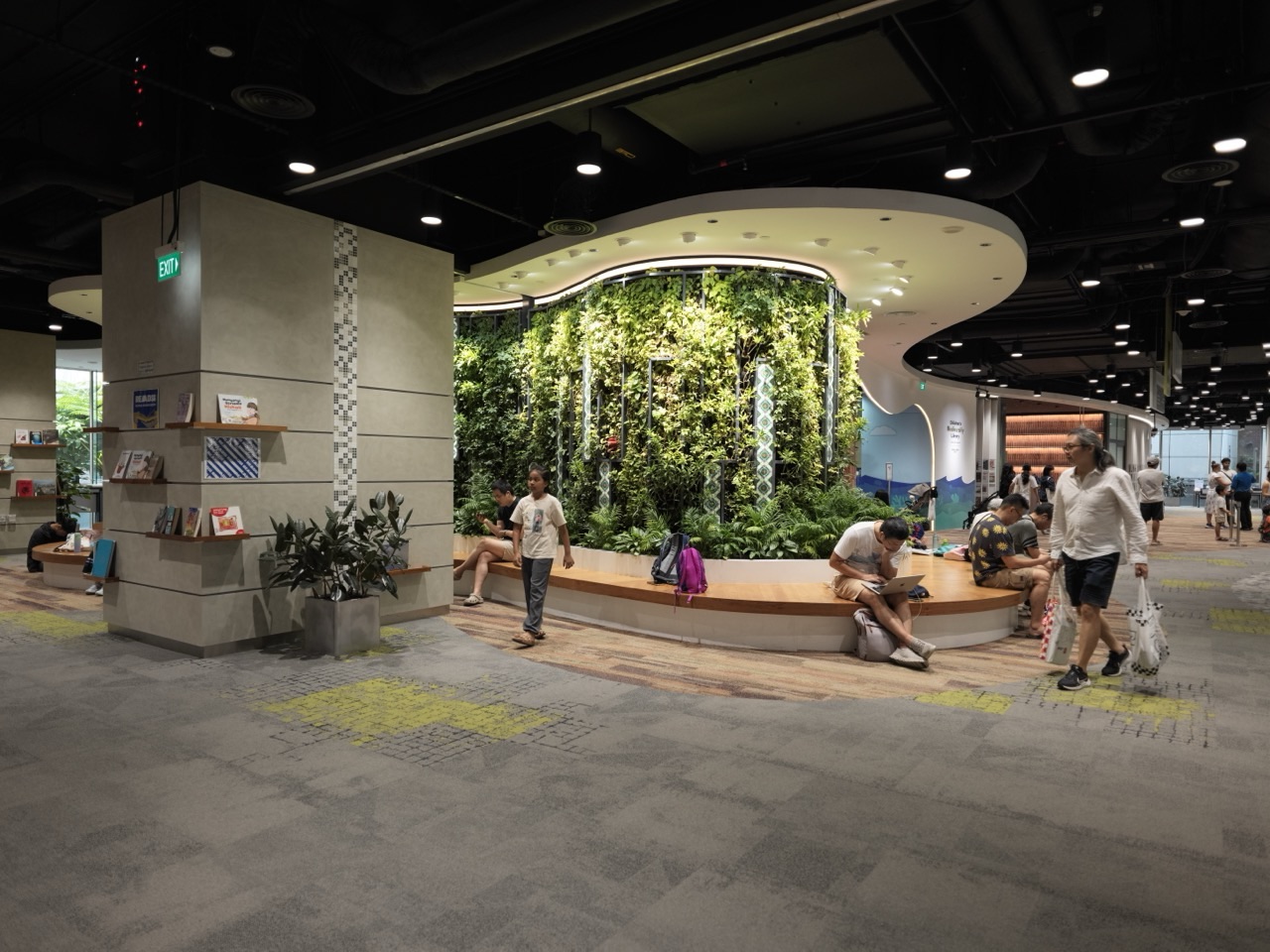
How do you use a library for engineering, design, architecture and the built environment? Begin with a bounded question, identify which source types can answer each part, and use organised library collections alongside appropriate official, scholarly and historical sources. Built-environment research becomes clearer when you separate how something looks, how it works, why it was designed, what standards constrain it and how people actually use it.
Did you know that topical mastery often comes from combining sources that perform different jobs? Wintour organisation keeps those jobs distinct, Rainbolt observation notices names, dates and recurring clues, and CivDJ assembly connects the pieces into a coherent explanation.
Begin with the Exact Question
Apply this step to engineering, design, architecture and the built environment. Write down what you are trying to establish before opening more results. A clear question prevents a convenient source from quietly redefining the project.
Inspect the record and source together. Notice creator, publication date, edition, subject terms, identifiers, geography, population, intended audience and collection notes. These clues help you judge suitability before investing a long reading session.
For a student project, convert the step into one action: locate a relevant source, state what it contributes, identify one limitation and name the next question. Research becomes much easier when every source has a job.
Corroborate important claims. Another independent source may confirm, refine or challenge the first. When sources disagree, compare definitions, dates, methods, population, perspective or purpose before deciding what the disagreement means.
Finish with a retrievable note containing the source, useful claim, evidence, limitation and intended use. That note is the bridge between searching and writing.
Explain the step aloud using engineering, design, architecture and the built environment as the example. If you cannot explain why a source belongs, what it establishes and what it cannot establish, it needs more checking before it becomes evidence.
Define the Scope Before Searching
Apply this step to engineering, design, architecture and the built environment. Write down what you are trying to establish before opening more results. A clear question prevents a convenient source from quietly redefining the project.
Inspect the record and source together. Notice creator, publication date, edition, subject terms, identifiers, geography, population, intended audience and collection notes. These clues help you judge suitability before investing a long reading session.
For a student project, convert the step into one action: locate a relevant source, state what it contributes, identify one limitation and name the next question. Research becomes much easier when every source has a job.
Corroborate important claims. Another independent source may confirm, refine or challenge the first. When sources disagree, compare definitions, dates, methods, population, perspective or purpose before deciding what the disagreement means.
Finish with a retrievable note containing the source, useful claim, evidence, limitation and intended use. That note is the bridge between searching and writing.
Explain the step aloud using engineering, design, architecture and the built environment as the example. If you cannot explain why a source belongs, what it establishes and what it cannot establish, it needs more checking before it becomes evidence.
Choose the Right Source Type
Apply this step to engineering, design, architecture and the built environment. Write down what you are trying to establish before opening more results. A clear question prevents a convenient source from quietly redefining the project.
Inspect the record and source together. Notice creator, publication date, edition, subject terms, identifiers, geography, population, intended audience and collection notes. These clues help you judge suitability before investing a long reading session.
For a student project, convert the step into one action: locate a relevant source, state what it contributes, identify one limitation and name the next question. Research becomes much easier when every source has a job.
Corroborate important claims. Another independent source may confirm, refine or challenge the first. When sources disagree, compare definitions, dates, methods, population, perspective or purpose before deciding what the disagreement means.
Finish with a retrievable note containing the source, useful claim, evidence, limitation and intended use. That note is the bridge between searching and writing.
Explain the step aloud using engineering, design, architecture and the built environment as the example. If you cannot explain why a source belongs, what it establishes and what it cannot establish, it needs more checking before it becomes evidence.
Search the Catalogue and Discovery Layer
Apply this step to engineering, design, architecture and the built environment. Write down what you are trying to establish before opening more results. A clear question prevents a convenient source from quietly redefining the project.
Inspect the record and source together. Notice creator, publication date, edition, subject terms, identifiers, geography, population, intended audience and collection notes. These clues help you judge suitability before investing a long reading session.
For a student project, convert the step into one action: locate a relevant source, state what it contributes, identify one limitation and name the next question. Research becomes much easier when every source has a job.
Corroborate important claims. Another independent source may confirm, refine or challenge the first. When sources disagree, compare definitions, dates, methods, population, perspective or purpose before deciding what the disagreement means.
Finish with a retrievable note containing the source, useful claim, evidence, limitation and intended use. That note is the bridge between searching and writing.
Explain the step aloud using engineering, design, architecture and the built environment as the example. If you cannot explain why a source belongs, what it establishes and what it cannot establish, it needs more checking before it becomes evidence.
Learn the Vocabulary of the Topic
Apply this step to engineering, design, architecture and the built environment. Write down what you are trying to establish before opening more results. A clear question prevents a convenient source from quietly redefining the project.
Inspect the record and source together. Notice creator, publication date, edition, subject terms, identifiers, geography, population, intended audience and collection notes. These clues help you judge suitability before investing a long reading session.
For a student project, convert the step into one action: locate a relevant source, state what it contributes, identify one limitation and name the next question. Research becomes much easier when every source has a job.
Corroborate important claims. Another independent source may confirm, refine or challenge the first. When sources disagree, compare definitions, dates, methods, population, perspective or purpose before deciding what the disagreement means.
Finish with a retrievable note containing the source, useful claim, evidence, limitation and intended use. That note is the bridge between searching and writing.
Explain the step aloud using engineering, design, architecture and the built environment as the example. If you cannot explain why a source belongs, what it establishes and what it cannot establish, it needs more checking before it becomes evidence.
Use Subject Headings and Keywords
Apply this step to engineering, design, architecture and the built environment. Write down what you are trying to establish before opening more results. A clear question prevents a convenient source from quietly redefining the project.
Inspect the record and source together. Notice creator, publication date, edition, subject terms, identifiers, geography, population, intended audience and collection notes. These clues help you judge suitability before investing a long reading session.
For a student project, convert the step into one action: locate a relevant source, state what it contributes, identify one limitation and name the next question. Research becomes much easier when every source has a job.
Corroborate important claims. Another independent source may confirm, refine or challenge the first. When sources disagree, compare definitions, dates, methods, population, perspective or purpose before deciding what the disagreement means.
Finish with a retrievable note containing the source, useful claim, evidence, limitation and intended use. That note is the bridge between searching and writing.
Explain the step aloud using engineering, design, architecture and the built environment as the example. If you cannot explain why a source belongs, what it establishes and what it cannot establish, it needs more checking before it becomes evidence.
Check Creator and Authority
Apply this step to engineering, design, architecture and the built environment. Write down what you are trying to establish before opening more results. A clear question prevents a convenient source from quietly redefining the project.
Inspect the record and source together. Notice creator, publication date, edition, subject terms, identifiers, geography, population, intended audience and collection notes. These clues help you judge suitability before investing a long reading session.
For a student project, convert the step into one action: locate a relevant source, state what it contributes, identify one limitation and name the next question. Research becomes much easier when every source has a job.
Corroborate important claims. Another independent source may confirm, refine or challenge the first. When sources disagree, compare definitions, dates, methods, population, perspective or purpose before deciding what the disagreement means.
Finish with a retrievable note containing the source, useful claim, evidence, limitation and intended use. That note is the bridge between searching and writing.
Explain the step aloud using engineering, design, architecture and the built environment as the example. If you cannot explain why a source belongs, what it establishes and what it cannot establish, it needs more checking before it becomes evidence.
Check Date, Edition and Version
Apply this step to engineering, design, architecture and the built environment. Write down what you are trying to establish before opening more results. A clear question prevents a convenient source from quietly redefining the project.
Inspect the record and source together. Notice creator, publication date, edition, subject terms, identifiers, geography, population, intended audience and collection notes. These clues help you judge suitability before investing a long reading session.
For a student project, convert the step into one action: locate a relevant source, state what it contributes, identify one limitation and name the next question. Research becomes much easier when every source has a job.
Corroborate important claims. Another independent source may confirm, refine or challenge the first. When sources disagree, compare definitions, dates, methods, population, perspective or purpose before deciding what the disagreement means.
Finish with a retrievable note containing the source, useful claim, evidence, limitation and intended use. That note is the bridge between searching and writing.
Explain the step aloud using engineering, design, architecture and the built environment as the example. If you cannot explain why a source belongs, what it establishes and what it cannot establish, it needs more checking before it becomes evidence.
Separate Primary from Secondary Sources
Apply this step to engineering, design, architecture and the built environment. Write down what you are trying to establish before opening more results. A clear question prevents a convenient source from quietly redefining the project.
Inspect the record and source together. Notice creator, publication date, edition, subject terms, identifiers, geography, population, intended audience and collection notes. These clues help you judge suitability before investing a long reading session.
For a student project, convert the step into one action: locate a relevant source, state what it contributes, identify one limitation and name the next question. Research becomes much easier when every source has a job.
Corroborate important claims. Another independent source may confirm, refine or challenge the first. When sources disagree, compare definitions, dates, methods, population, perspective or purpose before deciding what the disagreement means.
Finish with a retrievable note containing the source, useful claim, evidence, limitation and intended use. That note is the bridge between searching and writing.
Explain the step aloud using engineering, design, architecture and the built environment as the example. If you cannot explain why a source belongs, what it establishes and what it cannot establish, it needs more checking before it becomes evidence.
Read Metadata Before the Full Source
Apply this step to engineering, design, architecture and the built environment. Write down what you are trying to establish before opening more results. A clear question prevents a convenient source from quietly redefining the project.
Inspect the record and source together. Notice creator, publication date, edition, subject terms, identifiers, geography, population, intended audience and collection notes. These clues help you judge suitability before investing a long reading session.
For a student project, convert the step into one action: locate a relevant source, state what it contributes, identify one limitation and name the next question. Research becomes much easier when every source has a job.
Corroborate important claims. Another independent source may confirm, refine or challenge the first. When sources disagree, compare definitions, dates, methods, population, perspective or purpose before deciding what the disagreement means.
Finish with a retrievable note containing the source, useful claim, evidence, limitation and intended use. That note is the bridge between searching and writing.
Explain the step aloud using engineering, design, architecture and the built environment as the example. If you cannot explain why a source belongs, what it establishes and what it cannot establish, it needs more checking before it becomes evidence.
Use Official Sources for Official Facts
Apply this step to engineering, design, architecture and the built environment. Write down what you are trying to establish before opening more results. A clear question prevents a convenient source from quietly redefining the project.
Inspect the record and source together. Notice creator, publication date, edition, subject terms, identifiers, geography, population, intended audience and collection notes. These clues help you judge suitability before investing a long reading session.
For a student project, convert the step into one action: locate a relevant source, state what it contributes, identify one limitation and name the next question. Research becomes much easier when every source has a job.
Corroborate important claims. Another independent source may confirm, refine or challenge the first. When sources disagree, compare definitions, dates, methods, population, perspective or purpose before deciding what the disagreement means.
Finish with a retrievable note containing the source, useful claim, evidence, limitation and intended use. That note is the bridge between searching and writing.
Explain the step aloud using engineering, design, architecture and the built environment as the example. If you cannot explain why a source belongs, what it establishes and what it cannot establish, it needs more checking before it becomes evidence.
Use Independent Sources for Evaluation
Apply this step to engineering, design, architecture and the built environment. Write down what you are trying to establish before opening more results. A clear question prevents a convenient source from quietly redefining the project.
Inspect the record and source together. Notice creator, publication date, edition, subject terms, identifiers, geography, population, intended audience and collection notes. These clues help you judge suitability before investing a long reading session.
For a student project, convert the step into one action: locate a relevant source, state what it contributes, identify one limitation and name the next question. Research becomes much easier when every source has a job.
Corroborate important claims. Another independent source may confirm, refine or challenge the first. When sources disagree, compare definitions, dates, methods, population, perspective or purpose before deciding what the disagreement means.
Finish with a retrievable note containing the source, useful claim, evidence, limitation and intended use. That note is the bridge between searching and writing.
Explain the step aloud using engineering, design, architecture and the built environment as the example. If you cannot explain why a source belongs, what it establishes and what it cannot establish, it needs more checking before it becomes evidence.
Compare More Than One Perspective
Apply this step to engineering, design, architecture and the built environment. Write down what you are trying to establish before opening more results. A clear question prevents a convenient source from quietly redefining the project.
Inspect the record and source together. Notice creator, publication date, edition, subject terms, identifiers, geography, population, intended audience and collection notes. These clues help you judge suitability before investing a long reading session.
For a student project, convert the step into one action: locate a relevant source, state what it contributes, identify one limitation and name the next question. Research becomes much easier when every source has a job.
Corroborate important claims. Another independent source may confirm, refine or challenge the first. When sources disagree, compare definitions, dates, methods, population, perspective or purpose before deciding what the disagreement means.
Finish with a retrievable note containing the source, useful claim, evidence, limitation and intended use. That note is the bridge between searching and writing.
Explain the step aloud using engineering, design, architecture and the built environment as the example. If you cannot explain why a source belongs, what it establishes and what it cannot establish, it needs more checking before it becomes evidence.
Trace Important Claims Backward
Apply this step to engineering, design, architecture and the built environment. Write down what you are trying to establish before opening more results. A clear question prevents a convenient source from quietly redefining the project.
Inspect the record and source together. Notice creator, publication date, edition, subject terms, identifiers, geography, population, intended audience and collection notes. These clues help you judge suitability before investing a long reading session.
For a student project, convert the step into one action: locate a relevant source, state what it contributes, identify one limitation and name the next question. Research becomes much easier when every source has a job.
Corroborate important claims. Another independent source may confirm, refine or challenge the first. When sources disagree, compare definitions, dates, methods, population, perspective or purpose before deciding what the disagreement means.
Finish with a retrievable note containing the source, useful claim, evidence, limitation and intended use. That note is the bridge between searching and writing.
Explain the step aloud using engineering, design, architecture and the built environment as the example. If you cannot explain why a source belongs, what it establishes and what it cannot establish, it needs more checking before it becomes evidence.
Keep a Search Log
Apply this step to engineering, design, architecture and the built environment. Write down what you are trying to establish before opening more results. A clear question prevents a convenient source from quietly redefining the project.
Inspect the record and source together. Notice creator, publication date, edition, subject terms, identifiers, geography, population, intended audience and collection notes. These clues help you judge suitability before investing a long reading session.
For a student project, convert the step into one action: locate a relevant source, state what it contributes, identify one limitation and name the next question. Research becomes much easier when every source has a job.
Corroborate important claims. Another independent source may confirm, refine or challenge the first. When sources disagree, compare definitions, dates, methods, population, perspective or purpose before deciding what the disagreement means.
Finish with a retrievable note containing the source, useful claim, evidence, limitation and intended use. That note is the bridge between searching and writing.
Explain the step aloud using engineering, design, architecture and the built environment as the example. If you cannot explain why a source belongs, what it establishes and what it cannot establish, it needs more checking before it becomes evidence.
Build a Source Matrix
Apply this step to engineering, design, architecture and the built environment. Write down what you are trying to establish before opening more results. A clear question prevents a convenient source from quietly redefining the project.
Inspect the record and source together. Notice creator, publication date, edition, subject terms, identifiers, geography, population, intended audience and collection notes. These clues help you judge suitability before investing a long reading session.
For a student project, convert the step into one action: locate a relevant source, state what it contributes, identify one limitation and name the next question. Research becomes much easier when every source has a job.
Corroborate important claims. Another independent source may confirm, refine or challenge the first. When sources disagree, compare definitions, dates, methods, population, perspective or purpose before deciding what the disagreement means.
Finish with a retrievable note containing the source, useful claim, evidence, limitation and intended use. That note is the bridge between searching and writing.
Explain the step aloud using engineering, design, architecture and the built environment as the example. If you cannot explain why a source belongs, what it establishes and what it cannot establish, it needs more checking before it becomes evidence.
Record Definitions Carefully
Apply this step to engineering, design, architecture and the built environment. Write down what you are trying to establish before opening more results. A clear question prevents a convenient source from quietly redefining the project.
Inspect the record and source together. Notice creator, publication date, edition, subject terms, identifiers, geography, population, intended audience and collection notes. These clues help you judge suitability before investing a long reading session.
For a student project, convert the step into one action: locate a relevant source, state what it contributes, identify one limitation and name the next question. Research becomes much easier when every source has a job.
Corroborate important claims. Another independent source may confirm, refine or challenge the first. When sources disagree, compare definitions, dates, methods, population, perspective or purpose before deciding what the disagreement means.
Finish with a retrievable note containing the source, useful claim, evidence, limitation and intended use. That note is the bridge between searching and writing.
Explain the step aloud using engineering, design, architecture and the built environment as the example. If you cannot explain why a source belongs, what it establishes and what it cannot establish, it needs more checking before it becomes evidence.
Record Evidence and Limitations
Apply this step to engineering, design, architecture and the built environment. Write down what you are trying to establish before opening more results. A clear question prevents a convenient source from quietly redefining the project.
Inspect the record and source together. Notice creator, publication date, edition, subject terms, identifiers, geography, population, intended audience and collection notes. These clues help you judge suitability before investing a long reading session.
For a student project, convert the step into one action: locate a relevant source, state what it contributes, identify one limitation and name the next question. Research becomes much easier when every source has a job.
Corroborate important claims. Another independent source may confirm, refine or challenge the first. When sources disagree, compare definitions, dates, methods, population, perspective or purpose before deciding what the disagreement means.
Finish with a retrievable note containing the source, useful claim, evidence, limitation and intended use. That note is the bridge between searching and writing.
Explain the step aloud using engineering, design, architecture and the built environment as the example. If you cannot explain why a source belongs, what it establishes and what it cannot establish, it needs more checking before it becomes evidence.
Use Singapore Library Discovery Routes
Apply this step to engineering, design, architecture and the built environment. Write down what you are trying to establish before opening more results. A clear question prevents a convenient source from quietly redefining the project.
Inspect the record and source together. Notice creator, publication date, edition, subject terms, identifiers, geography, population, intended audience and collection notes. These clues help you judge suitability before investing a long reading session.
For a student project, convert the step into one action: locate a relevant source, state what it contributes, identify one limitation and name the next question. Research becomes much easier when every source has a job.
Corroborate important claims. Another independent source may confirm, refine or challenge the first. When sources disagree, compare definitions, dates, methods, population, perspective or purpose before deciding what the disagreement means.
Finish with a retrievable note containing the source, useful claim, evidence, limitation and intended use. That note is the bridge between searching and writing.
Explain the step aloud using engineering, design, architecture and the built environment as the example. If you cannot explain why a source belongs, what it establishes and what it cannot establish, it needs more checking before it becomes evidence.
Ask a Librarian When Search Terms Fail
Apply this step to engineering, design, architecture and the built environment. Write down what you are trying to establish before opening more results. A clear question prevents a convenient source from quietly redefining the project.
Inspect the record and source together. Notice creator, publication date, edition, subject terms, identifiers, geography, population, intended audience and collection notes. These clues help you judge suitability before investing a long reading session.
For a student project, convert the step into one action: locate a relevant source, state what it contributes, identify one limitation and name the next question. Research becomes much easier when every source has a job.
Corroborate important claims. Another independent source may confirm, refine or challenge the first. When sources disagree, compare definitions, dates, methods, population, perspective or purpose before deciding what the disagreement means.
Finish with a retrievable note containing the source, useful claim, evidence, limitation and intended use. That note is the bridge between searching and writing.
Explain the step aloud using engineering, design, architecture and the built environment as the example. If you cannot explain why a source belongs, what it establishes and what it cannot establish, it needs more checking before it becomes evidence.
Turn Notes into an Outline
Apply this step to engineering, design, architecture and the built environment. Write down what you are trying to establish before opening more results. A clear question prevents a convenient source from quietly redefining the project.
Inspect the record and source together. Notice creator, publication date, edition, subject terms, identifiers, geography, population, intended audience and collection notes. These clues help you judge suitability before investing a long reading session.
For a student project, convert the step into one action: locate a relevant source, state what it contributes, identify one limitation and name the next question. Research becomes much easier when every source has a job.
Corroborate important claims. Another independent source may confirm, refine or challenge the first. When sources disagree, compare definitions, dates, methods, population, perspective or purpose before deciding what the disagreement means.
Finish with a retrievable note containing the source, useful claim, evidence, limitation and intended use. That note is the bridge between searching and writing.
Explain the step aloud using engineering, design, architecture and the built environment as the example. If you cannot explain why a source belongs, what it establishes and what it cannot establish, it needs more checking before it becomes evidence.
Common Mistakes and Repairs
Apply this step to engineering, design, architecture and the built environment. Write down what you are trying to establish before opening more results. A clear question prevents a convenient source from quietly redefining the project.
Inspect the record and source together. Notice creator, publication date, edition, subject terms, identifiers, geography, population, intended audience and collection notes. These clues help you judge suitability before investing a long reading session.
For a student project, convert the step into one action: locate a relevant source, state what it contributes, identify one limitation and name the next question. Research becomes much easier when every source has a job.
Corroborate important claims. Another independent source may confirm, refine or challenge the first. When sources disagree, compare definitions, dates, methods, population, perspective or purpose before deciding what the disagreement means.
Finish with a retrievable note containing the source, useful claim, evidence, limitation and intended use. That note is the bridge between searching and writing.
Explain the step aloud using engineering, design, architecture and the built environment as the example. If you cannot explain why a source belongs, what it establishes and what it cannot establish, it needs more checking before it becomes evidence.
Define the System or Structure
Apply this step to engineering, design, architecture and the built environment. Write down what you are trying to establish before opening more results. A clear question prevents a convenient source from quietly redefining the project.
Inspect the record and source together. Notice creator, publication date, edition, subject terms, identifiers, geography, population, intended audience and collection notes. These clues help you judge suitability before investing a long reading session.
For a student project, convert the step into one action: locate a relevant source, state what it contributes, identify one limitation and name the next question. Research becomes much easier when every source has a job.
Corroborate important claims. Another independent source may confirm, refine or challenge the first. When sources disagree, compare definitions, dates, methods, population, perspective or purpose before deciding what the disagreement means.
Finish with a retrievable note containing the source, useful claim, evidence, limitation and intended use. That note is the bridge between searching and writing.
Explain the step aloud using engineering, design, architecture and the built environment as the example. If you cannot explain why a source belongs, what it establishes and what it cannot establish, it needs more checking before it becomes evidence.
Separate Form from Function
Apply this step to engineering, design, architecture and the built environment. Write down what you are trying to establish before opening more results. A clear question prevents a convenient source from quietly redefining the project.
Inspect the record and source together. Notice creator, publication date, edition, subject terms, identifiers, geography, population, intended audience and collection notes. These clues help you judge suitability before investing a long reading session.
For a student project, convert the step into one action: locate a relevant source, state what it contributes, identify one limitation and name the next question. Research becomes much easier when every source has a job.
Corroborate important claims. Another independent source may confirm, refine or challenge the first. When sources disagree, compare definitions, dates, methods, population, perspective or purpose before deciding what the disagreement means.
Finish with a retrievable note containing the source, useful claim, evidence, limitation and intended use. That note is the bridge between searching and writing.
Explain the step aloud using engineering, design, architecture and the built environment as the example. If you cannot explain why a source belongs, what it establishes and what it cannot establish, it needs more checking before it becomes evidence.
Use Technical Books for Fundamentals
Apply this step to engineering, design, architecture and the built environment. Write down what you are trying to establish before opening more results. A clear question prevents a convenient source from quietly redefining the project.
Inspect the record and source together. Notice creator, publication date, edition, subject terms, identifiers, geography, population, intended audience and collection notes. These clues help you judge suitability before investing a long reading session.
For a student project, convert the step into one action: locate a relevant source, state what it contributes, identify one limitation and name the next question. Research becomes much easier when every source has a job.
Corroborate important claims. Another independent source may confirm, refine or challenge the first. When sources disagree, compare definitions, dates, methods, population, perspective or purpose before deciding what the disagreement means.
Finish with a retrievable note containing the source, useful claim, evidence, limitation and intended use. That note is the bridge between searching and writing.
Explain the step aloud using engineering, design, architecture and the built environment as the example. If you cannot explain why a source belongs, what it establishes and what it cannot establish, it needs more checking before it becomes evidence.
Use Drawings and Plans Carefully
Apply this step to engineering, design, architecture and the built environment. Write down what you are trying to establish before opening more results. A clear question prevents a convenient source from quietly redefining the project.
Inspect the record and source together. Notice creator, publication date, edition, subject terms, identifiers, geography, population, intended audience and collection notes. These clues help you judge suitability before investing a long reading session.
For a student project, convert the step into one action: locate a relevant source, state what it contributes, identify one limitation and name the next question. Research becomes much easier when every source has a job.
Corroborate important claims. Another independent source may confirm, refine or challenge the first. When sources disagree, compare definitions, dates, methods, population, perspective or purpose before deciding what the disagreement means.
Finish with a retrievable note containing the source, useful claim, evidence, limitation and intended use. That note is the bridge between searching and writing.
Explain the step aloud using engineering, design, architecture and the built environment as the example. If you cannot explain why a source belongs, what it establishes and what it cannot establish, it needs more checking before it becomes evidence.
Check Units, Dimensions and Scale
Apply this step to engineering, design, architecture and the built environment. Write down what you are trying to establish before opening more results. A clear question prevents a convenient source from quietly redefining the project.
Inspect the record and source together. Notice creator, publication date, edition, subject terms, identifiers, geography, population, intended audience and collection notes. These clues help you judge suitability before investing a long reading session.
For a student project, convert the step into one action: locate a relevant source, state what it contributes, identify one limitation and name the next question. Research becomes much easier when every source has a job.
Corroborate important claims. Another independent source may confirm, refine or challenge the first. When sources disagree, compare definitions, dates, methods, population, perspective or purpose before deciding what the disagreement means.
Finish with a retrievable note containing the source, useful claim, evidence, limitation and intended use. That note is the bridge between searching and writing.
Explain the step aloud using engineering, design, architecture and the built environment as the example. If you cannot explain why a source belongs, what it establishes and what it cannot establish, it needs more checking before it becomes evidence.
Use Standards Only from Authoritative Sources
Apply this step to engineering, design, architecture and the built environment. Write down what you are trying to establish before opening more results. A clear question prevents a convenient source from quietly redefining the project.
Inspect the record and source together. Notice creator, publication date, edition, subject terms, identifiers, geography, population, intended audience and collection notes. These clues help you judge suitability before investing a long reading session.
For a student project, convert the step into one action: locate a relevant source, state what it contributes, identify one limitation and name the next question. Research becomes much easier when every source has a job.
Corroborate important claims. Another independent source may confirm, refine or challenge the first. When sources disagree, compare definitions, dates, methods, population, perspective or purpose before deciding what the disagreement means.
Finish with a retrievable note containing the source, useful claim, evidence, limitation and intended use. That note is the bridge between searching and writing.
Explain the step aloud using engineering, design, architecture and the built environment as the example. If you cannot explain why a source belongs, what it establishes and what it cannot establish, it needs more checking before it becomes evidence.
Study Case Examples Without Copying Context Blindly
Apply this step to engineering, design, architecture and the built environment. Write down what you are trying to establish before opening more results. A clear question prevents a convenient source from quietly redefining the project.
Inspect the record and source together. Notice creator, publication date, edition, subject terms, identifiers, geography, population, intended audience and collection notes. These clues help you judge suitability before investing a long reading session.
For a student project, convert the step into one action: locate a relevant source, state what it contributes, identify one limitation and name the next question. Research becomes much easier when every source has a job.
Corroborate important claims. Another independent source may confirm, refine or challenge the first. When sources disagree, compare definitions, dates, methods, population, perspective or purpose before deciding what the disagreement means.
Finish with a retrievable note containing the source, useful claim, evidence, limitation and intended use. That note is the bridge between searching and writing.
Explain the step aloud using engineering, design, architecture and the built environment as the example. If you cannot explain why a source belongs, what it establishes and what it cannot establish, it needs more checking before it becomes evidence.
Connect Design Decisions to Constraints
Apply this step to engineering, design, architecture and the built environment. Write down what you are trying to establish before opening more results. A clear question prevents a convenient source from quietly redefining the project.
Inspect the record and source together. Notice creator, publication date, edition, subject terms, identifiers, geography, population, intended audience and collection notes. These clues help you judge suitability before investing a long reading session.
For a student project, convert the step into one action: locate a relevant source, state what it contributes, identify one limitation and name the next question. Research becomes much easier when every source has a job.
Corroborate important claims. Another independent source may confirm, refine or challenge the first. When sources disagree, compare definitions, dates, methods, population, perspective or purpose before deciding what the disagreement means.
Finish with a retrievable note containing the source, useful claim, evidence, limitation and intended use. That note is the bridge between searching and writing.
Explain the step aloud using engineering, design, architecture and the built environment as the example. If you cannot explain why a source belongs, what it establishes and what it cannot establish, it needs more checking before it becomes evidence.
A Worked Singapore Research Example
Imagine a Secondary or JC student using engineering, design, architecture and the built environment for a Singapore-focused assignment. The student begins with one bounded question, checks an appropriate official or library discovery route, records the strongest source and then finds an independent source that performs a different evidential job.
The student writes a provisional answer before searching again. Any unsupported sentence becomes the next search question. This keeps the project moving toward explanation rather than endless collection.
A 60-Minute Practice Session
Use the first ten minutes to define the question and source types. Spend twenty minutes searching and selecting a small candidate set, twenty minutes reading the strongest material closely, and the final ten minutes recording claims, limitations, citations and the next action. These timings are illustrative, not a performance standard.
The session succeeds when the question is clearer and the evidence is better organised, even if the final answer is not complete. A clean next step is a legitimate research result.
Frequently Asked Questions
How many sources do I need? Enough appropriate evidence to answer the question responsibly; relevance matters more than a large count.
Should I use the newest source? Use dates according to the question. Current policy, demographic or nutrition information may require current sources while historical research may need older evidence.
What if I cannot access a source? Check authorised library routes, legitimate alternate versions and eligible request services.
When should I stop searching? When new results mostly repeat what you already know and the important claims have suitable evidence.
What if sources disagree? Compare their definitions, scope, date, method and purpose. The disagreement may be the most informative part of the topic.
Helpful Reading
How to Use a Library: Assemble a Defensible Answer
The library’s strength is not merely access. It gives you structured routes into evidence. Ask the question, choose the source type, notice the metadata, test the claim, record the limitation and assemble complementary sources. That is how a broad topic becomes a clear explanation.