
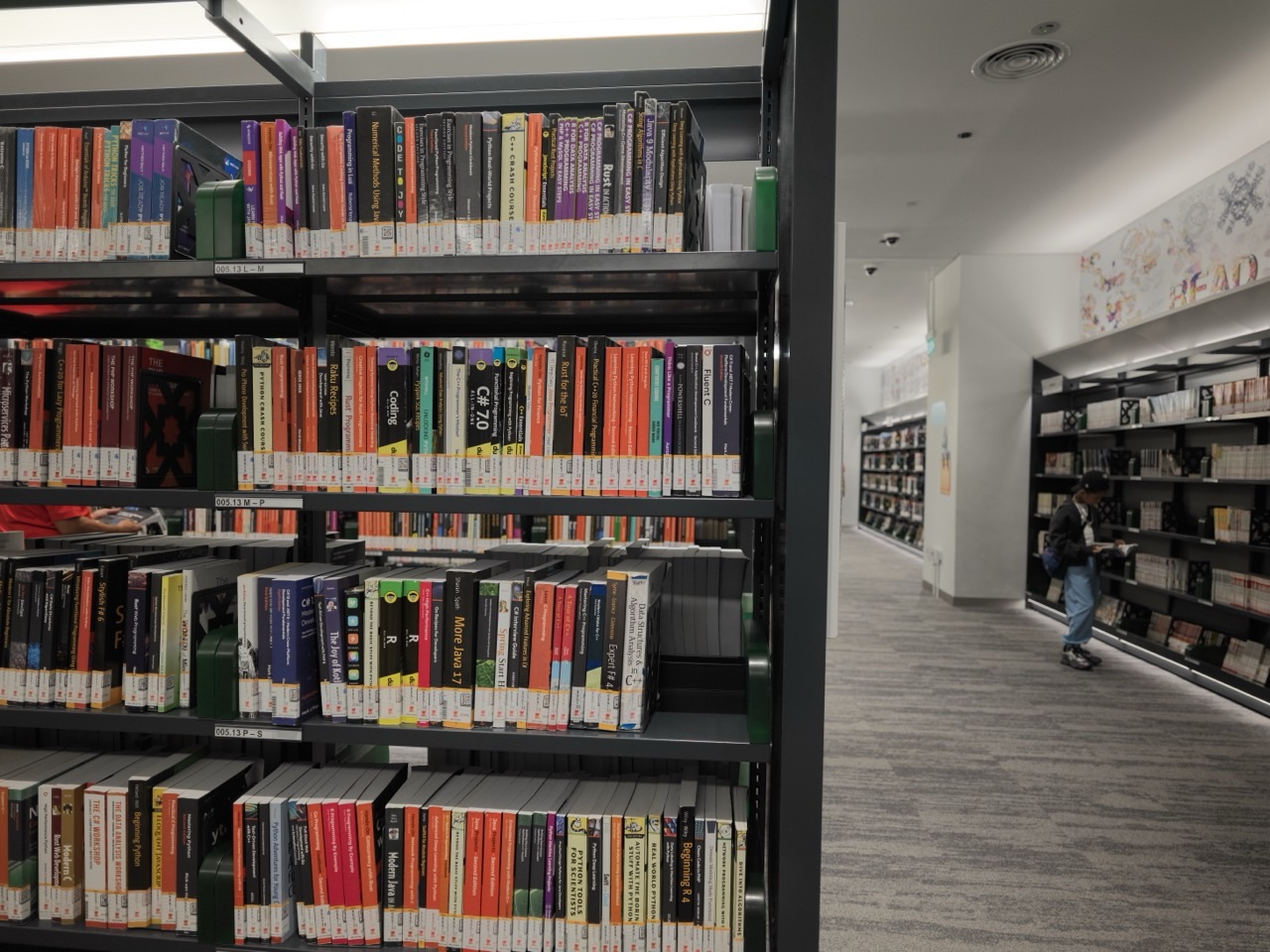
How do you use a library for exam preparation, revision guides, practice questions and authorised past-paper resources? Start with the exact learning or research need, identify the source type that can answer it, and use the catalogue, reference tools and library collections to build a small working set. Exam preparation improves when resources become a feedback system: attempt, check, diagnose, repair and retry. The library can support that loop without turning revision into passive rereading.
Did you know that the fastest route to topical mastery is often not more material but better selection? Wintour organisation keeps the resource set clear, Rainbolt observation notices titles, dates, editions and subject clues, and CivDJ assembly connects those clues into a useful learning sequence.
Begin with the Exact Need
Apply this step to exam preparation, revision guides, practice questions and authorised past-paper resources. Before opening another result, write the question the resource should answer. This keeps the search attached to a purpose and makes it easier to reject attractive but irrelevant material.
Inspect the catalogue record and the resource itself. Notice creator, date, edition, subject terms, intended audience, table of contents and any notes about format. These details tell you whether the item is suitable before you invest a long reading session.
For a student, convert the resource into an action. Read a short section, explain it without looking, answer a question, compare an example or write a small note about what changed in your understanding. Passive possession of a book is not the same as learning from it.
Compare where the claim matters. A second source can clarify a definition, show another perspective or reveal that the first resource is outdated for the purpose. Keep the comparison proportional to the task rather than turning every homework question into a literature review.
Finish with a retrievable note: what the source helped with, one useful detail, one limitation and the next action. That tiny handover makes the next library session much easier to restart.
The happiest version of this workflow is conversational. Ask, “What did this exam preparation, revision guides, practice questions and authorised past-paper resources source actually help me do?” If the answer is vague, narrow the task. If the answer is precise, the resource has earned its place in the project.
Choose the Right Source Type
Apply this step to exam preparation, revision guides, practice questions and authorised past-paper resources. Before opening another result, write the question the resource should answer. This keeps the search attached to a purpose and makes it easier to reject attractive but irrelevant material.
Inspect the catalogue record and the resource itself. Notice creator, date, edition, subject terms, intended audience, table of contents and any notes about format. These details tell you whether the item is suitable before you invest a long reading session.
For a student, convert the resource into an action. Read a short section, explain it without looking, answer a question, compare an example or write a small note about what changed in your understanding. Passive possession of a book is not the same as learning from it.
Compare where the claim matters. A second source can clarify a definition, show another perspective or reveal that the first resource is outdated for the purpose. Keep the comparison proportional to the task rather than turning every homework question into a literature review.
Finish with a retrievable note: what the source helped with, one useful detail, one limitation and the next action. That tiny handover makes the next library session much easier to restart.
The happiest version of this workflow is conversational. Ask, “What did this exam preparation, revision guides, practice questions and authorised past-paper resources source actually help me do?” If the answer is vague, narrow the task. If the answer is precise, the resource has earned its place in the project.
Search the Catalogue by Subject and Keyword
Apply this step to exam preparation, revision guides, practice questions and authorised past-paper resources. Before opening another result, write the question the resource should answer. This keeps the search attached to a purpose and makes it easier to reject attractive but irrelevant material.
Inspect the catalogue record and the resource itself. Notice creator, date, edition, subject terms, intended audience, table of contents and any notes about format. These details tell you whether the item is suitable before you invest a long reading session.
For a student, convert the resource into an action. Read a short section, explain it without looking, answer a question, compare an example or write a small note about what changed in your understanding. Passive possession of a book is not the same as learning from it.
Compare where the claim matters. A second source can clarify a definition, show another perspective or reveal that the first resource is outdated for the purpose. Keep the comparison proportional to the task rather than turning every homework question into a literature review.
Finish with a retrievable note: what the source helped with, one useful detail, one limitation and the next action. That tiny handover makes the next library session much easier to restart.
The happiest version of this workflow is conversational. Ask, “What did this exam preparation, revision guides, practice questions and authorised past-paper resources source actually help me do?” If the answer is vague, narrow the task. If the answer is precise, the resource has earned its place in the project.
Learn the Vocabulary of the Collection
Apply this step to exam preparation, revision guides, practice questions and authorised past-paper resources. Before opening another result, write the question the resource should answer. This keeps the search attached to a purpose and makes it easier to reject attractive but irrelevant material.
Inspect the catalogue record and the resource itself. Notice creator, date, edition, subject terms, intended audience, table of contents and any notes about format. These details tell you whether the item is suitable before you invest a long reading session.
For a student, convert the resource into an action. Read a short section, explain it without looking, answer a question, compare an example or write a small note about what changed in your understanding. Passive possession of a book is not the same as learning from it.
Compare where the claim matters. A second source can clarify a definition, show another perspective or reveal that the first resource is outdated for the purpose. Keep the comparison proportional to the task rather than turning every homework question into a literature review.
Finish with a retrievable note: what the source helped with, one useful detail, one limitation and the next action. That tiny handover makes the next library session much easier to restart.
The happiest version of this workflow is conversational. Ask, “What did this exam preparation, revision guides, practice questions and authorised past-paper resources source actually help me do?” If the answer is vague, narrow the task. If the answer is precise, the resource has earned its place in the project.
Check Edition and Date
Apply this step to exam preparation, revision guides, practice questions and authorised past-paper resources. Before opening another result, write the question the resource should answer. This keeps the search attached to a purpose and makes it easier to reject attractive but irrelevant material.
Inspect the catalogue record and the resource itself. Notice creator, date, edition, subject terms, intended audience, table of contents and any notes about format. These details tell you whether the item is suitable before you invest a long reading session.
For a student, convert the resource into an action. Read a short section, explain it without looking, answer a question, compare an example or write a small note about what changed in your understanding. Passive possession of a book is not the same as learning from it.
Compare where the claim matters. A second source can clarify a definition, show another perspective or reveal that the first resource is outdated for the purpose. Keep the comparison proportional to the task rather than turning every homework question into a literature review.
Finish with a retrievable note: what the source helped with, one useful detail, one limitation and the next action. That tiny handover makes the next library session much easier to restart.
The happiest version of this workflow is conversational. Ask, “What did this exam preparation, revision guides, practice questions and authorised past-paper resources source actually help me do?” If the answer is vague, narrow the task. If the answer is precise, the resource has earned its place in the project.
Read the Record Before the Resource
Apply this step to exam preparation, revision guides, practice questions and authorised past-paper resources. Before opening another result, write the question the resource should answer. This keeps the search attached to a purpose and makes it easier to reject attractive but irrelevant material.
Inspect the catalogue record and the resource itself. Notice creator, date, edition, subject terms, intended audience, table of contents and any notes about format. These details tell you whether the item is suitable before you invest a long reading session.
For a student, convert the resource into an action. Read a short section, explain it without looking, answer a question, compare an example or write a small note about what changed in your understanding. Passive possession of a book is not the same as learning from it.
Compare where the claim matters. A second source can clarify a definition, show another perspective or reveal that the first resource is outdated for the purpose. Keep the comparison proportional to the task rather than turning every homework question into a literature review.
Finish with a retrievable note: what the source helped with, one useful detail, one limitation and the next action. That tiny handover makes the next library session much easier to restart.
The happiest version of this workflow is conversational. Ask, “What did this exam preparation, revision guides, practice questions and authorised past-paper resources source actually help me do?” If the answer is vague, narrow the task. If the answer is precise, the resource has earned its place in the project.
Match Difficulty to the Learner
Apply this step to exam preparation, revision guides, practice questions and authorised past-paper resources. Before opening another result, write the question the resource should answer. This keeps the search attached to a purpose and makes it easier to reject attractive but irrelevant material.
Inspect the catalogue record and the resource itself. Notice creator, date, edition, subject terms, intended audience, table of contents and any notes about format. These details tell you whether the item is suitable before you invest a long reading session.
For a student, convert the resource into an action. Read a short section, explain it without looking, answer a question, compare an example or write a small note about what changed in your understanding. Passive possession of a book is not the same as learning from it.
Compare where the claim matters. A second source can clarify a definition, show another perspective or reveal that the first resource is outdated for the purpose. Keep the comparison proportional to the task rather than turning every homework question into a literature review.
Finish with a retrievable note: what the source helped with, one useful detail, one limitation and the next action. That tiny handover makes the next library session much easier to restart.
The happiest version of this workflow is conversational. Ask, “What did this exam preparation, revision guides, practice questions and authorised past-paper resources source actually help me do?” If the answer is vague, narrow the task. If the answer is precise, the resource has earned its place in the project.
Use Reference Works for Orientation
Apply this step to exam preparation, revision guides, practice questions and authorised past-paper resources. Before opening another result, write the question the resource should answer. This keeps the search attached to a purpose and makes it easier to reject attractive but irrelevant material.
Inspect the catalogue record and the resource itself. Notice creator, date, edition, subject terms, intended audience, table of contents and any notes about format. These details tell you whether the item is suitable before you invest a long reading session.
For a student, convert the resource into an action. Read a short section, explain it without looking, answer a question, compare an example or write a small note about what changed in your understanding. Passive possession of a book is not the same as learning from it.
Compare where the claim matters. A second source can clarify a definition, show another perspective or reveal that the first resource is outdated for the purpose. Keep the comparison proportional to the task rather than turning every homework question into a literature review.
Finish with a retrievable note: what the source helped with, one useful detail, one limitation and the next action. That tiny handover makes the next library session much easier to restart.
The happiest version of this workflow is conversational. Ask, “What did this exam preparation, revision guides, practice questions and authorised past-paper resources source actually help me do?” If the answer is vague, narrow the task. If the answer is precise, the resource has earned its place in the project.
Move from Overview to Depth
Apply this step to exam preparation, revision guides, practice questions and authorised past-paper resources. Before opening another result, write the question the resource should answer. This keeps the search attached to a purpose and makes it easier to reject attractive but irrelevant material.
Inspect the catalogue record and the resource itself. Notice creator, date, edition, subject terms, intended audience, table of contents and any notes about format. These details tell you whether the item is suitable before you invest a long reading session.
For a student, convert the resource into an action. Read a short section, explain it without looking, answer a question, compare an example or write a small note about what changed in your understanding. Passive possession of a book is not the same as learning from it.
Compare where the claim matters. A second source can clarify a definition, show another perspective or reveal that the first resource is outdated for the purpose. Keep the comparison proportional to the task rather than turning every homework question into a literature review.
Finish with a retrievable note: what the source helped with, one useful detail, one limitation and the next action. That tiny handover makes the next library session much easier to restart.
The happiest version of this workflow is conversational. Ask, “What did this exam preparation, revision guides, practice questions and authorised past-paper resources source actually help me do?” If the answer is vague, narrow the task. If the answer is precise, the resource has earned its place in the project.
Compare More Than One Source
Apply this step to exam preparation, revision guides, practice questions and authorised past-paper resources. Before opening another result, write the question the resource should answer. This keeps the search attached to a purpose and makes it easier to reject attractive but irrelevant material.
Inspect the catalogue record and the resource itself. Notice creator, date, edition, subject terms, intended audience, table of contents and any notes about format. These details tell you whether the item is suitable before you invest a long reading session.
For a student, convert the resource into an action. Read a short section, explain it without looking, answer a question, compare an example or write a small note about what changed in your understanding. Passive possession of a book is not the same as learning from it.
Compare where the claim matters. A second source can clarify a definition, show another perspective or reveal that the first resource is outdated for the purpose. Keep the comparison proportional to the task rather than turning every homework question into a literature review.
Finish with a retrievable note: what the source helped with, one useful detail, one limitation and the next action. That tiny handover makes the next library session much easier to restart.
The happiest version of this workflow is conversational. Ask, “What did this exam preparation, revision guides, practice questions and authorised past-paper resources source actually help me do?” If the answer is vague, narrow the task. If the answer is precise, the resource has earned its place in the project.
Check Creator and Purpose
Apply this step to exam preparation, revision guides, practice questions and authorised past-paper resources. Before opening another result, write the question the resource should answer. This keeps the search attached to a purpose and makes it easier to reject attractive but irrelevant material.
Inspect the catalogue record and the resource itself. Notice creator, date, edition, subject terms, intended audience, table of contents and any notes about format. These details tell you whether the item is suitable before you invest a long reading session.
For a student, convert the resource into an action. Read a short section, explain it without looking, answer a question, compare an example or write a small note about what changed in your understanding. Passive possession of a book is not the same as learning from it.
Compare where the claim matters. A second source can clarify a definition, show another perspective or reveal that the first resource is outdated for the purpose. Keep the comparison proportional to the task rather than turning every homework question into a literature review.
Finish with a retrievable note: what the source helped with, one useful detail, one limitation and the next action. That tiny handover makes the next library session much easier to restart.
The happiest version of this workflow is conversational. Ask, “What did this exam preparation, revision guides, practice questions and authorised past-paper resources source actually help me do?” If the answer is vague, narrow the task. If the answer is precise, the resource has earned its place in the project.
Record Useful Evidence
Apply this step to exam preparation, revision guides, practice questions and authorised past-paper resources. Before opening another result, write the question the resource should answer. This keeps the search attached to a purpose and makes it easier to reject attractive but irrelevant material.
Inspect the catalogue record and the resource itself. Notice creator, date, edition, subject terms, intended audience, table of contents and any notes about format. These details tell you whether the item is suitable before you invest a long reading session.
For a student, convert the resource into an action. Read a short section, explain it without looking, answer a question, compare an example or write a small note about what changed in your understanding. Passive possession of a book is not the same as learning from it.
Compare where the claim matters. A second source can clarify a definition, show another perspective or reveal that the first resource is outdated for the purpose. Keep the comparison proportional to the task rather than turning every homework question into a literature review.
Finish with a retrievable note: what the source helped with, one useful detail, one limitation and the next action. That tiny handover makes the next library session much easier to restart.
The happiest version of this workflow is conversational. Ask, “What did this exam preparation, revision guides, practice questions and authorised past-paper resources source actually help me do?” If the answer is vague, narrow the task. If the answer is precise, the resource has earned its place in the project.
Keep Notes Separate from the Source
Apply this step to exam preparation, revision guides, practice questions and authorised past-paper resources. Before opening another result, write the question the resource should answer. This keeps the search attached to a purpose and makes it easier to reject attractive but irrelevant material.
Inspect the catalogue record and the resource itself. Notice creator, date, edition, subject terms, intended audience, table of contents and any notes about format. These details tell you whether the item is suitable before you invest a long reading session.
For a student, convert the resource into an action. Read a short section, explain it without looking, answer a question, compare an example or write a small note about what changed in your understanding. Passive possession of a book is not the same as learning from it.
Compare where the claim matters. A second source can clarify a definition, show another perspective or reveal that the first resource is outdated for the purpose. Keep the comparison proportional to the task rather than turning every homework question into a literature review.
Finish with a retrievable note: what the source helped with, one useful detail, one limitation and the next action. That tiny handover makes the next library session much easier to restart.
The happiest version of this workflow is conversational. Ask, “What did this exam preparation, revision guides, practice questions and authorised past-paper resources source actually help me do?” If the answer is vague, narrow the task. If the answer is precise, the resource has earned its place in the project.
Use the Resource Actively
Apply this step to exam preparation, revision guides, practice questions and authorised past-paper resources. Before opening another result, write the question the resource should answer. This keeps the search attached to a purpose and makes it easier to reject attractive but irrelevant material.
Inspect the catalogue record and the resource itself. Notice creator, date, edition, subject terms, intended audience, table of contents and any notes about format. These details tell you whether the item is suitable before you invest a long reading session.
For a student, convert the resource into an action. Read a short section, explain it without looking, answer a question, compare an example or write a small note about what changed in your understanding. Passive possession of a book is not the same as learning from it.
Compare where the claim matters. A second source can clarify a definition, show another perspective or reveal that the first resource is outdated for the purpose. Keep the comparison proportional to the task rather than turning every homework question into a literature review.
Finish with a retrievable note: what the source helped with, one useful detail, one limitation and the next action. That tiny handover makes the next library session much easier to restart.
The happiest version of this workflow is conversational. Ask, “What did this exam preparation, revision guides, practice questions and authorised past-paper resources source actually help me do?” If the answer is vague, narrow the task. If the answer is precise, the resource has earned its place in the project.
Ask a Librarian When Search Terms Fail
Apply this step to exam preparation, revision guides, practice questions and authorised past-paper resources. Before opening another result, write the question the resource should answer. This keeps the search attached to a purpose and makes it easier to reject attractive but irrelevant material.
Inspect the catalogue record and the resource itself. Notice creator, date, edition, subject terms, intended audience, table of contents and any notes about format. These details tell you whether the item is suitable before you invest a long reading session.
For a student, convert the resource into an action. Read a short section, explain it without looking, answer a question, compare an example or write a small note about what changed in your understanding. Passive possession of a book is not the same as learning from it.
Compare where the claim matters. A second source can clarify a definition, show another perspective or reveal that the first resource is outdated for the purpose. Keep the comparison proportional to the task rather than turning every homework question into a literature review.
Finish with a retrievable note: what the source helped with, one useful detail, one limitation and the next action. That tiny handover makes the next library session much easier to restart.
The happiest version of this workflow is conversational. Ask, “What did this exam preparation, revision guides, practice questions and authorised past-paper resources source actually help me do?” If the answer is vague, narrow the task. If the answer is precise, the resource has earned its place in the project.
Build a Small Working Set
Apply this step to exam preparation, revision guides, practice questions and authorised past-paper resources. Before opening another result, write the question the resource should answer. This keeps the search attached to a purpose and makes it easier to reject attractive but irrelevant material.
Inspect the catalogue record and the resource itself. Notice creator, date, edition, subject terms, intended audience, table of contents and any notes about format. These details tell you whether the item is suitable before you invest a long reading session.
For a student, convert the resource into an action. Read a short section, explain it without looking, answer a question, compare an example or write a small note about what changed in your understanding. Passive possession of a book is not the same as learning from it.
Compare where the claim matters. A second source can clarify a definition, show another perspective or reveal that the first resource is outdated for the purpose. Keep the comparison proportional to the task rather than turning every homework question into a literature review.
Finish with a retrievable note: what the source helped with, one useful detail, one limitation and the next action. That tiny handover makes the next library session much easier to restart.
The happiest version of this workflow is conversational. Ask, “What did this exam preparation, revision guides, practice questions and authorised past-paper resources source actually help me do?” If the answer is vague, narrow the task. If the answer is precise, the resource has earned its place in the project.
Connect the Resource to School Learning
Apply this step to exam preparation, revision guides, practice questions and authorised past-paper resources. Before opening another result, write the question the resource should answer. This keeps the search attached to a purpose and makes it easier to reject attractive but irrelevant material.
Inspect the catalogue record and the resource itself. Notice creator, date, edition, subject terms, intended audience, table of contents and any notes about format. These details tell you whether the item is suitable before you invest a long reading session.
For a student, convert the resource into an action. Read a short section, explain it without looking, answer a question, compare an example or write a small note about what changed in your understanding. Passive possession of a book is not the same as learning from it.
Compare where the claim matters. A second source can clarify a definition, show another perspective or reveal that the first resource is outdated for the purpose. Keep the comparison proportional to the task rather than turning every homework question into a literature review.
Finish with a retrievable note: what the source helped with, one useful detail, one limitation and the next action. That tiny handover makes the next library session much easier to restart.
The happiest version of this workflow is conversational. Ask, “What did this exam preparation, revision guides, practice questions and authorised past-paper resources source actually help me do?” If the answer is vague, narrow the task. If the answer is precise, the resource has earned its place in the project.
Use Singapore Library Discovery Routes
Apply this step to exam preparation, revision guides, practice questions and authorised past-paper resources. Before opening another result, write the question the resource should answer. This keeps the search attached to a purpose and makes it easier to reject attractive but irrelevant material.
Inspect the catalogue record and the resource itself. Notice creator, date, edition, subject terms, intended audience, table of contents and any notes about format. These details tell you whether the item is suitable before you invest a long reading session.
For a student, convert the resource into an action. Read a short section, explain it without looking, answer a question, compare an example or write a small note about what changed in your understanding. Passive possession of a book is not the same as learning from it.
Compare where the claim matters. A second source can clarify a definition, show another perspective or reveal that the first resource is outdated for the purpose. Keep the comparison proportional to the task rather than turning every homework question into a literature review.
Finish with a retrievable note: what the source helped with, one useful detail, one limitation and the next action. That tiny handover makes the next library session much easier to restart.
The happiest version of this workflow is conversational. Ask, “What did this exam preparation, revision guides, practice questions and authorised past-paper resources source actually help me do?” If the answer is vague, narrow the task. If the answer is precise, the resource has earned its place in the project.
Test Understanding Without Looking
Apply this step to exam preparation, revision guides, practice questions and authorised past-paper resources. Before opening another result, write the question the resource should answer. This keeps the search attached to a purpose and makes it easier to reject attractive but irrelevant material.
Inspect the catalogue record and the resource itself. Notice creator, date, edition, subject terms, intended audience, table of contents and any notes about format. These details tell you whether the item is suitable before you invest a long reading session.
For a student, convert the resource into an action. Read a short section, explain it without looking, answer a question, compare an example or write a small note about what changed in your understanding. Passive possession of a book is not the same as learning from it.
Compare where the claim matters. A second source can clarify a definition, show another perspective or reveal that the first resource is outdated for the purpose. Keep the comparison proportional to the task rather than turning every homework question into a literature review.
Finish with a retrievable note: what the source helped with, one useful detail, one limitation and the next action. That tiny handover makes the next library session much easier to restart.
The happiest version of this workflow is conversational. Ask, “What did this exam preparation, revision guides, practice questions and authorised past-paper resources source actually help me do?” If the answer is vague, narrow the task. If the answer is precise, the resource has earned its place in the project.
Turn Mistakes into the Next Search
Apply this step to exam preparation, revision guides, practice questions and authorised past-paper resources. Before opening another result, write the question the resource should answer. This keeps the search attached to a purpose and makes it easier to reject attractive but irrelevant material.
Inspect the catalogue record and the resource itself. Notice creator, date, edition, subject terms, intended audience, table of contents and any notes about format. These details tell you whether the item is suitable before you invest a long reading session.
For a student, convert the resource into an action. Read a short section, explain it without looking, answer a question, compare an example or write a small note about what changed in your understanding. Passive possession of a book is not the same as learning from it.
Compare where the claim matters. A second source can clarify a definition, show another perspective or reveal that the first resource is outdated for the purpose. Keep the comparison proportional to the task rather than turning every homework question into a literature review.
Finish with a retrievable note: what the source helped with, one useful detail, one limitation and the next action. That tiny handover makes the next library session much easier to restart.
The happiest version of this workflow is conversational. Ask, “What did this exam preparation, revision guides, practice questions and authorised past-paper resources source actually help me do?” If the answer is vague, narrow the task. If the answer is precise, the resource has earned its place in the project.
Know When to Stop Collecting
Apply this step to exam preparation, revision guides, practice questions and authorised past-paper resources. Before opening another result, write the question the resource should answer. This keeps the search attached to a purpose and makes it easier to reject attractive but irrelevant material.
Inspect the catalogue record and the resource itself. Notice creator, date, edition, subject terms, intended audience, table of contents and any notes about format. These details tell you whether the item is suitable before you invest a long reading session.
For a student, convert the resource into an action. Read a short section, explain it without looking, answer a question, compare an example or write a small note about what changed in your understanding. Passive possession of a book is not the same as learning from it.
Compare where the claim matters. A second source can clarify a definition, show another perspective or reveal that the first resource is outdated for the purpose. Keep the comparison proportional to the task rather than turning every homework question into a literature review.
Finish with a retrievable note: what the source helped with, one useful detail, one limitation and the next action. That tiny handover makes the next library session much easier to restart.
The happiest version of this workflow is conversational. Ask, “What did this exam preparation, revision guides, practice questions and authorised past-paper resources source actually help me do?” If the answer is vague, narrow the task. If the answer is precise, the resource has earned its place in the project.
Common Mistakes and Repairs
Apply this step to exam preparation, revision guides, practice questions and authorised past-paper resources. Before opening another result, write the question the resource should answer. This keeps the search attached to a purpose and makes it easier to reject attractive but irrelevant material.
Inspect the catalogue record and the resource itself. Notice creator, date, edition, subject terms, intended audience, table of contents and any notes about format. These details tell you whether the item is suitable before you invest a long reading session.
For a student, convert the resource into an action. Read a short section, explain it without looking, answer a question, compare an example or write a small note about what changed in your understanding. Passive possession of a book is not the same as learning from it.
Compare where the claim matters. A second source can clarify a definition, show another perspective or reveal that the first resource is outdated for the purpose. Keep the comparison proportional to the task rather than turning every homework question into a literature review.
Finish with a retrievable note: what the source helped with, one useful detail, one limitation and the next action. That tiny handover makes the next library session much easier to restart.
The happiest version of this workflow is conversational. Ask, “What did this exam preparation, revision guides, practice questions and authorised past-paper resources source actually help me do?” If the answer is vague, narrow the task. If the answer is precise, the resource has earned its place in the project.
A Worked Student Example
Imagine a Secondary student using exam preparation, revision guides, practice questions and authorised past-paper resources for a school assignment. The student begins with one clear outcome, finds a small number of suitable resources and compares their level, date and purpose. The strongest item becomes the anchor; the others fill a specific gap rather than merely increasing the pile.
After studying, the student closes the source and writes a short explanation from memory. Any missing step becomes the next reading question. This loop connects library discovery to retrieval practice and prevents research from ending at the moment a book is found.
A 60-Minute Library Practice
Use the first ten minutes to define the outcome and locate resources. Spend the next twenty reading or working actively with the strongest item. Use another twenty for practice, comparison or note-making. Keep the final ten minutes for correction, saving citations and writing the next action. These timings are illustrative and should be adapted to the learner and task.
Success is not measured by finishing the maximum number of pages. It is measured by a clearer explanation, a corrected error, a better word choice, a stronger source or a more accurate next question.
Frequently Asked Questions
How many resources should I borrow? A small set you can actually use is usually better than a large aspirational pile.
Should I always choose the newest edition? Choose according to the task. Current technical or exam information may require freshness; historical or literary work may need a particular older edition.
What if the catalogue wording is unfamiliar? Reuse useful subject terms from strong records and ask a librarian when the collection’s vocabulary is unclear.
Can digital resources replace print? Sometimes, but format should follow the task. Check edition, usability and access conditions.
When should I stop searching? When you have enough suitable material to do the learning task and new results mostly duplicate what you already have.
Helpful Reading
Study Smarter with Reading, Note-Taking and Retrieval Practice
National Library Board Singapore
How to Use a Library: Turn Resources into Learning
The library’s advantage is not that it gives you an endless pile. It gives you choices, structure and routes into deeper knowledge. Define the need, choose carefully, use the resource actively, test yourself, record what changed and return for the next question. That is how a collection becomes a learning system.