
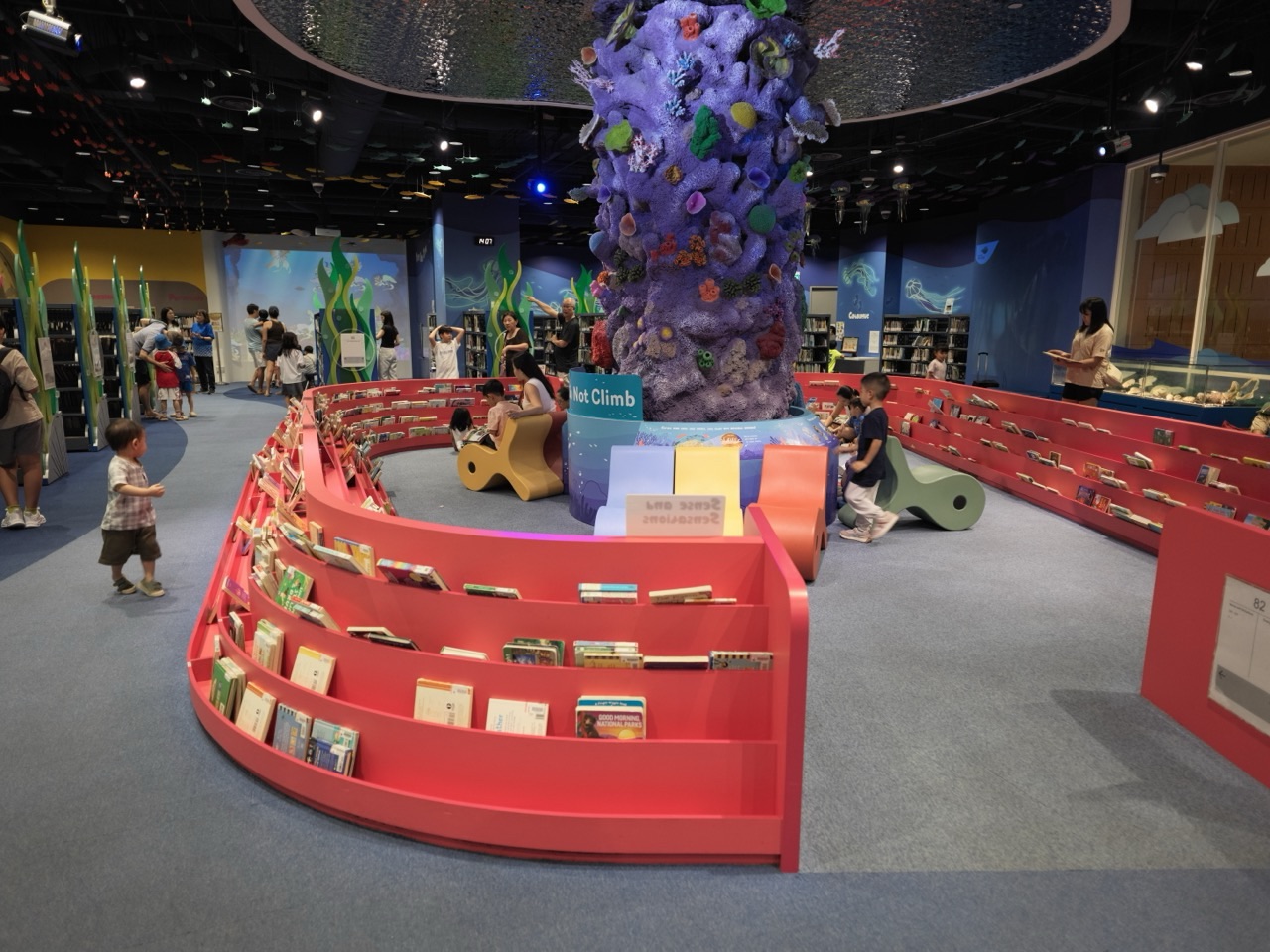
How to use a library with children is less about keeping a child quiet in a building full of books and more about teaching a repeatable relationship with knowledge. A strong family library routine helps children choose books, ask questions, borrow responsibly, read for pleasure, research school topics, use digital resources and gradually find their own way through a large collection. The goal is not to create a child who obediently carries a difficult book. It is to create a child who knows how to find something worth reading and wants to return for more.
This guide is designed for parents, caregivers and students looking for practical ways to visit the library with kids, choose age-appropriate books, build a reading habit, support vocabulary and comprehension, use audiobooks and eBooks, and help children become independent library users. It keeps the happiest part of library life at the centre: curiosity. School performance can improve when reading volume, background knowledge and language grow, but the long game is larger. A child who knows how to use a library has a place to go whenever a new interest appears.
In Singapore, families can use the National Library Board’s network of public libraries, children’s collections, catalogue and digital services as part of this routine. Exact programmes, account features and branch arrangements change, so check current NLB information when planning a specific visit. The operating method below remains useful anywhere: prepare lightly, give the child real choice, teach one library skill at a time, connect the visit to home reading and make returning normal.
The 60-second family library routine
- Decide the main purpose of today’s visit.
- Let the child choose at least one book from genuine interest.
- Use one simple catalogue or shelf-navigation task.
- Sample books before borrowing.
- Borrow a realistic number.
- Choose which book will be opened first at home.
- Keep library books in one known place.
- Read, listen, talk and use the books during the loan period.
- Return finished or abandoned books without guilt.
- Come back and repeat with slightly more independence.
The sequence is deliberately ordinary. Reading habits rarely emerge from one spectacular event. They emerge when choosing, reading and returning become normal family behaviour.
Start with a tiny family goal
Decide whether the visit is mainly for choosing books, reading together, completing school research, attending a programme or simply building a happy routine around books. The useful principle is to make the child an active participant rather than a passenger. Tell the child the goal in one sentence and keep the first visit short enough that leaving still feels pleasant. Keep the move small enough that success is visible on the same visit, because children learn library behaviour through repeated experience more reliably than through long explanations.
Children cooperate better when the purpose is visible and achievable; a library should feel like a place they can master, not an endless test of patience. This also reduces the temptation to measure a successful library trip only by the number of books borrowed. A strong visit may produce one excellent book, one new question, one successful catalogue search and a child who wants to come back. Those outcomes compound across months and years.
When the routine feels awkward, simplify it rather than abandoning it. Remove one decision, shorten the visit, return to a familiar section or ask staff for help. The library is designed for repeated use, so the family does not need to master everything in one afternoon.
Let the child own part of the route
Start from this idea: Give the child one navigational job such as finding the children’s area, reading a shelf sign, checking a catalogue result or carrying the library bag. Then turn it into behaviour. Stand beside rather than in front; offer the next clue only when the child is genuinely stuck. The point is not to create a perfect reading system at home; it is to make the next good reading action easier than the next distracting alternative.
Small acts of navigation convert a public building into familiar territory and gradually replace dependence with confidence. Over time, that gives the child a mental map: I know how to enter, choose, ask, borrow, read and return. Each step becomes less cognitively expensive, leaving more attention for the books themselves.
Parents can model the same behaviour with their own books. Let children see adults sampling, abandoning, asking for recommendations, checking facts and returning materials. A family reading culture is more convincing when children observe it than when they only hear instructions about it.
Choose by interest before difficulty
Begin with subjects, characters, activities or questions the child already cares about, then adjust the reading challenge inside that interest. A common mistake is to turn this into a rule that is stricter than the reading goal requires. Ask what they feel like reading today: funny, factual, mysterious, animal, space, sports, friendship, fantasy or something completely new. Use the child’s response as information: curiosity, confusion, confidence, boredom and questions all tell you something about the current fit.
Interest supplies the energy that helps children tolerate new vocabulary, longer texts and the normal effort of reading. The adult’s job is to protect the conditions in which good choices become more likely, not to make every choice on the child’s behalf. That balance changes with age, but the direction should be toward increasing independence.
If the choice fails, use the failure constructively. Name what did not work, return or replace the item, and try a slightly different route. Libraries make this experimentation unusually forgiving because the collection is shared and the next attempt is nearby.
Use the sample-page test
A cover can attract attention, but one ordinary page tells you far more about sentence length, vocabulary, print density and whether the child can follow the meaning. The useful principle is to make the child an active participant rather than a passenger. Invite the child to read or listen to a page and then tell you what happened or what it explained. Keep the move small enough that success is visible on the same visit, because children learn library behaviour through repeated experience more reliably than through long explanations.
The goal is not perfect decoding; it is enough comprehension and curiosity for the child to want the next page. This also reduces the temptation to measure a successful library trip only by the number of books borrowed. A strong visit may produce one excellent book, one new question, one successful catalogue search and a child who wants to come back. Those outcomes compound across months and years.
When the routine feels awkward, simplify it rather than abandoning it. Remove one decision, shorten the visit, return to a familiar section or ask staff for help. The library is designed for repeated use, so the family does not need to master everything in one afternoon.
Keep easy books in the basket
Start from this idea: Do not remove all easy reading because a child is capable of harder texts; fluency, pleasure and confidence also grow through comfortable books. Then turn it into behaviour. Let one familiar or easy choice sit beside one slightly stretching choice and one surprise. The point is not to create a perfect reading system at home; it is to make the next good reading action easier than the next distracting alternative.
A healthy reading diet has different levels of effort just as a healthy learning week has different kinds of work. Over time, that gives the child a mental map: I know how to enter, choose, ask, borrow, read and return. Each step becomes less cognitively expensive, leaving more attention for the books themselves.
Parents can model the same behaviour with their own books. Let children see adults sampling, abandoning, asking for recommendations, checking facts and returning materials. A family reading culture is more convincing when children observe it than when they only hear instructions about it.
Use picture books beyond preschool
Picture books can carry sophisticated vocabulary, humour, visual inference, history, science and emotional ideas even when the page count is small. A common mistake is to turn this into a rule that is stricter than the reading goal requires. Read the words, then inspect what the illustrations add, contradict or leave unsaid. Use the child’s response as information: curiosity, confusion, confidence, boredom and questions all tell you something about the current fit.
Visual and verbal meaning working together gives children rich comprehension practice without requiring a long chapter book. The adult’s job is to protect the conditions in which good choices become more likely, not to make every choice on the child’s behalf. That balance changes with age, but the direction should be toward increasing independence.
If the choice fails, use the failure constructively. Name what did not work, return or replace the item, and try a slightly different route. Libraries make this experimentation unusually forgiving because the collection is shared and the next attempt is nearby.
Treat graphic novels as real reading
Graphic novels ask readers to follow sequence, dialogue, visual perspective, inference, pacing and the relationship between image and text. The useful principle is to make the child an active participant rather than a passenger. If a child loves the format, use it as a bridge into series, mythology, history, science or longer prose with similar themes. Keep the move small enough that success is visible on the same visit, because children learn library behaviour through repeated experience more reliably than through long explanations.
Reading volume and voluntary return matter; a format that keeps the child reading can become a powerful route into broader literacy. This also reduces the temptation to measure a successful library trip only by the number of books borrowed. A strong visit may produce one excellent book, one new question, one successful catalogue search and a child who wants to come back. Those outcomes compound across months and years.
When the routine feels awkward, simplify it rather than abandoning it. Remove one decision, shorten the visit, return to a familiar section or ask staff for help. The library is designed for repeated use, so the family does not need to master everything in one afternoon.
Use non-fiction for natural curiosity
Start from this idea: Children often arrive with practical questions about animals, machines, weather, bodies, planets, history, money or how everyday things work. Then turn it into behaviour. Turn one spoken question into a catalogue or shelf search and let the child compare two books that answer it differently. The point is not to create a perfect reading system at home; it is to make the next good reading action easier than the next distracting alternative.
Question-led non-fiction shows that reading is not only a school requirement; it is a tool for making the world more understandable. Over time, that gives the child a mental map: I know how to enter, choose, ask, borrow, read and return. Each step becomes less cognitively expensive, leaving more attention for the books themselves.
Parents can model the same behaviour with their own books. Let children see adults sampling, abandoning, asking for recommendations, checking facts and returning materials. A family reading culture is more convincing when children observe it than when they only hear instructions about it.
Build background knowledge before hard stories
A child can struggle with a story because the setting, historical period, profession or cultural context is unfamiliar rather than because the sentences are too hard. A common mistake is to turn this into a rule that is stricter than the reading goal requires. Pair the story with a simple atlas, illustrated history, factual book, map or short video resource from the library. Use the child’s response as information: curiosity, confusion, confidence, boredom and questions all tell you something about the current fit.
Once the world of the story is more familiar, vocabulary and events become easier to interpret because the child has somewhere to attach them. The adult’s job is to protect the conditions in which good choices become more likely, not to make every choice on the child’s behalf. That balance changes with age, but the direction should be toward increasing independence.
If the choice fails, use the failure constructively. Name what did not work, return or replace the item, and try a slightly different route. Libraries make this experimentation unusually forgiving because the collection is shared and the next attempt is nearby.
Read aloud even after children can read alone
Independent reading does not make shared reading obsolete; listening can expose children to language and ideas above their independent decoding level. The useful principle is to make the child an active participant rather than a passenger. Take turns by paragraph, page or character, or let the adult read while the child follows the illustrations and interrupts with questions. Keep the move small enough that success is visible on the same visit, because children learn library behaviour through repeated experience more reliably than through long explanations.
Shared reading keeps difficult books social and enjoyable while modelling phrasing, pronunciation, curiosity and how an experienced reader reacts to text. This also reduces the temptation to measure a successful library trip only by the number of books borrowed. A strong visit may produce one excellent book, one new question, one successful catalogue search and a child who wants to come back. Those outcomes compound across months and years.
When the routine feels awkward, simplify it rather than abandoning it. Remove one decision, shorten the visit, return to a familiar section or ask staff for help. The library is designed for repeated use, so the family does not need to master everything in one afternoon.
Use dialogic reading instead of interrogation
Start from this idea: Conversation during reading should expand meaning rather than turn every page into a comprehension test. Then turn it into behaviour. Ask open prompts such as what do you notice, why do you think that happened, what might happen next, or what reminds you of something else. The point is not to create a perfect reading system at home; it is to make the next good reading action easier than the next distracting alternative.
Children build language when adults respond to their ideas, extend them and return the conversation to the book without making reading feel like an oral examination. Over time, that gives the child a mental map: I know how to enter, choose, ask, borrow, read and return. Each step becomes less cognitively expensive, leaving more attention for the books themselves.
Parents can model the same behaviour with their own books. Let children see adults sampling, abandoning, asking for recommendations, checking facts and returning materials. A family reading culture is more convincing when children observe it than when they only hear instructions about it.
Let children abandon some books
Library borrowing makes experimentation inexpensive, so not every choice has to become a completed book. A common mistake is to turn this into a rule that is stricter than the reading goal requires. Help the child name the reason: too scary, too slow, too difficult, confusing, not interested, or simply not the right mood today. Use the child’s response as information: curiosity, confusion, confidence, boredom and questions all tell you something about the current fit.
Learning to stop thoughtfully is part of becoming an independent reader; the repair is choosing again, not concluding that reading itself is unpleasant. The adult’s job is to protect the conditions in which good choices become more likely, not to make every choice on the child’s behalf. That balance changes with age, but the direction should be toward increasing independence.
If the choice fails, use the failure constructively. Name what did not work, return or replace the item, and try a slightly different route. Libraries make this experimentation unusually forgiving because the collection is shared and the next attempt is nearby.
Create a now-next-later pile
Large borrowing stacks can overwhelm children and parents even when every book looked exciting in the library. The useful principle is to make the child an active participant rather than a passenger. Choose one current read, one or two next books and save other interesting titles for a future visit rather than borrowing everything. Keep the move small enough that success is visible on the same visit, because children learn library behaviour through repeated experience more reliably than through long explanations.
A smaller active stack makes progress visible and preserves anticipation, which is often more motivating than a tower of unfinished obligations. This also reduces the temptation to measure a successful library trip only by the number of books borrowed. A strong visit may produce one excellent book, one new question, one successful catalogue search and a child who wants to come back. Those outcomes compound across months and years.
When the routine feels awkward, simplify it rather than abandoning it. Remove one decision, shorten the visit, return to a familiar section or ask staff for help. The library is designed for repeated use, so the family does not need to master everything in one afternoon.
Use series to build momentum
Start from this idea: Once a child loves one book, the same author, characters or series can reduce the effort of choosing the next read. Then turn it into behaviour. Search the author or series in the catalogue and notice which volumes are available in print, eBook or audiobook formats. The point is not to create a perfect reading system at home; it is to make the next good reading action easier than the next distracting alternative.
Familiar worlds lower cognitive startup costs, allowing the child to spend more energy on reading itself while gradually increasing stamina. Over time, that gives the child a mental map: I know how to enter, choose, ask, borrow, read and return. Each step becomes less cognitively expensive, leaving more attention for the books themselves.
Parents can model the same behaviour with their own books. Let children see adults sampling, abandoning, asking for recommendations, checking facts and returning materials. A family reading culture is more convincing when children observe it than when they only hear instructions about it.
Branch sideways from a favourite
A reading habit becomes broader when familiar preferences are used as bridges rather than cages. A common mistake is to turn this into a rule that is stricter than the reading goal requires. Ask what the child loved about a favourite book—humour, animals, mystery, friendship, adventure, magic, facts—and search for that feature in another genre. Use the child’s response as information: curiosity, confusion, confidence, boredom and questions all tell you something about the current fit.
This preserves the emotional reason for reading while expanding authors, subjects, cultures and text structures. The adult’s job is to protect the conditions in which good choices become more likely, not to make every choice on the child’s behalf. That balance changes with age, but the direction should be toward increasing independence.
If the choice fails, use the failure constructively. Name what did not work, return or replace the item, and try a slightly different route. Libraries make this experimentation unusually forgiving because the collection is shared and the next attempt is nearby.
Make the library card part of the child’s identity
Where age and library rules allow, let the child understand that a membership or family account links them to a shared collection and responsibilities. The useful principle is to make the child an active participant rather than a passenger. Show them where loans appear, what a due date means and why books return so another reader can use them. Keep the move small enough that success is visible on the same visit, because children learn library behaviour through repeated experience more reliably than through long explanations.
Borrowing becomes a lesson in public trust: access is generous because users participate in the return-and-share cycle. This also reduces the temptation to measure a successful library trip only by the number of books borrowed. A strong visit may produce one excellent book, one new question, one successful catalogue search and a child who wants to come back. Those outcomes compound across months and years.
When the routine feels awkward, simplify it rather than abandoning it. Remove one decision, shorten the visit, return to a familiar section or ask staff for help. The library is designed for repeated use, so the family does not need to master everything in one afternoon.
Give the child one borrowing responsibility
Start from this idea: The practical loop is choose, borrow, care for, read and return; children can own one step long before they manage the whole account. Then turn it into behaviour. A young child can carry the library bag; an older child can check the due-date screen or gather finished books before the next visit. The point is not to create a perfect reading system at home; it is to make the next good reading action easier than the next distracting alternative.
Responsibility works best when it is concrete and repeatable, not delivered as a lecture after something goes missing. Over time, that gives the child a mental map: I know how to enter, choose, ask, borrow, read and return. Each step becomes less cognitively expensive, leaving more attention for the books themselves.
Parents can model the same behaviour with their own books. Let children see adults sampling, abandoning, asking for recommendations, checking facts and returning materials. A family reading culture is more convincing when children observe it than when they only hear instructions about it.
Build one return station at home
Borrowed books disappear when they are treated exactly like owned books and migrate into bedrooms, school bags, cars and sofa corners. A common mistake is to turn this into a rule that is stricter than the reading goal requires. Use one basket, shelf or bag as the home base for library materials whenever they are not being read. Use the child’s response as information: curiosity, confusion, confidence, boredom and questions all tell you something about the current fit.
The environment remembers on behalf of the family, reducing overdue stress and making the return trip a simple grab-and-go routine. The adult’s job is to protect the conditions in which good choices become more likely, not to make every choice on the child’s behalf. That balance changes with age, but the direction should be toward increasing independence.
If the choice fails, use the failure constructively. Name what did not work, return or replace the item, and try a slightly different route. Libraries make this experimentation unusually forgiving because the collection is shared and the next attempt is nearby.
Keep the visit predictable
A regular rhythm can be more powerful than occasional huge library trips because habit reduces negotiation. The useful principle is to make the child an active participant rather than a passenger. Choose a realistic cadence such as weekly, fortnightly or monthly and attach it to another family routine when possible. Keep the move small enough that success is visible on the same visit, because children learn library behaviour through repeated experience more reliably than through long explanations.
Children begin to expect that books are replenished, returned and discussed as part of ordinary life rather than as a special academic intervention. This also reduces the temptation to measure a successful library trip only by the number of books borrowed. A strong visit may produce one excellent book, one new question, one successful catalogue search and a child who wants to come back. Those outcomes compound across months and years.
When the routine feels awkward, simplify it rather than abandoning it. Remove one decision, shorten the visit, return to a familiar section or ask staff for help. The library is designed for repeated use, so the family does not need to master everything in one afternoon.
Keep the first ten minutes easy
Start from this idea: Arrival can include transport fatigue, hunger, excitement or sensory overload, especially for younger children. Then turn it into behaviour. Begin with a familiar area or quick browse before asking the child to do a catalogue search, sustained reading or school task. The point is not to create a perfect reading system at home; it is to make the next good reading action easier than the next distracting alternative.
A gentle start protects the emotional tone of the visit and helps attention settle before more demanding choices. Over time, that gives the child a mental map: I know how to enter, choose, ask, borrow, read and return. Each step becomes less cognitively expensive, leaving more attention for the books themselves.
Parents can model the same behaviour with their own books. Let children see adults sampling, abandoning, asking for recommendations, checking facts and returning materials. A family reading culture is more convincing when children observe it than when they only hear instructions about it.
Use programmes as doorways into books
Storytelling, exhibitions, workshops and library programmes can give children a social or hands-on reason to enter subjects they would not search independently. A common mistake is to turn this into a rule that is stricter than the reading goal requires. After a programme, find one related book, author, topic or display and borrow only what genuinely catches the child’s interest. Use the child’s response as information: curiosity, confusion, confidence, boredom and questions all tell you something about the current fit.
The event supplies experience; the book extends it, turning a one-hour activity into a longer knowledge trail. The adult’s job is to protect the conditions in which good choices become more likely, not to make every choice on the child’s behalf. That balance changes with age, but the direction should be toward increasing independence.
If the choice fails, use the failure constructively. Name what did not work, return or replace the item, and try a slightly different route. Libraries make this experimentation unusually forgiving because the collection is shared and the next attempt is nearby.
Let displays create serendipity
Curated tables and themed displays interrupt routine browsing and surface books outside a family’s usual search habits. The useful principle is to make the child an active participant rather than a passenger. Invite each family member to choose one display item they would not have searched for by title. Keep the move small enough that success is visible on the same visit, because children learn library behaviour through repeated experience more reliably than through long explanations.
Serendipity matters because a library is not only a retrieval system for known wants; it is also a discovery system for unknown possibilities. This also reduces the temptation to measure a successful library trip only by the number of books borrowed. A strong visit may produce one excellent book, one new question, one successful catalogue search and a child who wants to come back. Those outcomes compound across months and years.
When the routine feels awkward, simplify it rather than abandoning it. Remove one decision, shorten the visit, return to a familiar section or ask staff for help. The library is designed for repeated use, so the family does not need to master everything in one afternoon.
Use the catalogue together
Start from this idea: Children can learn that searching is a skill rather than magic performed by adults or librarians. Then turn it into behaviour. Start with one author, topic or title and let the child watch how spelling, keywords and filters change the results. The point is not to create a perfect reading system at home; it is to make the next good reading action easier than the next distracting alternative.
Catalogue literacy transfers to wider information literacy: the child learns that better questions and better words produce better routes to information. Over time, that gives the child a mental map: I know how to enter, choose, ask, borrow, read and return. Each step becomes less cognitively expensive, leaving more attention for the books themselves.
Parents can model the same behaviour with their own books. Let children see adults sampling, abandoning, asking for recommendations, checking facts and returning materials. A family reading culture is more convincing when children observe it than when they only hear instructions about it.
Teach shelf logic gradually
Call numbers and alphabetical sequences can be introduced as addresses rather than abstract classification theory. A common mistake is to turn this into a rule that is stricter than the reading goal requires. Find the broad shelf range together, compare labels and let the child locate the final few books independently. Use the child’s response as information: curiosity, confusion, confidence, boredom and questions all tell you something about the current fit.
The aim is not to memorise Dewey or another system; it is to see that large collections become manageable when objects have consistent places. The adult’s job is to protect the conditions in which good choices become more likely, not to make every choice on the child’s behalf. That balance changes with age, but the direction should be toward increasing independence.
If the choice fails, use the failure constructively. Name what did not work, return or replace the item, and try a slightly different route. Libraries make this experimentation unusually forgiving because the collection is shared and the next attempt is nearby.
Ask librarians specific questions
Children often assume a librarian is only there to point toward a shelf, but reference help can improve both search terms and book choices. The useful principle is to make the child an active participant rather than a passenger. Model a question such as we need a funny animal chapter book for an eight-year-old who liked this series, or a clear beginner book about volcanoes. Keep the move small enough that success is visible on the same visit, because children learn library behaviour through repeated experience more reliably than through long explanations.
Watching an adult ask for expert help teaches that good learners use people as well as search boxes when the route is uncertain. This also reduces the temptation to measure a successful library trip only by the number of books borrowed. A strong visit may produce one excellent book, one new question, one successful catalogue search and a child who wants to come back. Those outcomes compound across months and years.
When the routine feels awkward, simplify it rather than abandoning it. Remove one decision, shorten the visit, return to a familiar section or ask staff for help. The library is designed for repeated use, so the family does not need to master everything in one afternoon.
Use audiobooks without apology
Start from this idea: Audiobooks give access to stories and knowledge during travel, rest or periods when decoding effort would otherwise stop reading completely. Then turn it into behaviour. Pair audio with print when useful, or let listening stand alone when the goal is language exposure, story, knowledge or pleasure. The point is not to create a perfect reading system at home; it is to make the next good reading action easier than the next distracting alternative.
Children can hear sophisticated vocabulary, phrasing and narrative structure above their independent print level, which can later support reading and writing. Over time, that gives the child a mental map: I know how to enter, choose, ask, borrow, read and return. Each step becomes less cognitively expensive, leaving more attention for the books themselves.
Parents can model the same behaviour with their own books. Let children see adults sampling, abandoning, asking for recommendations, checking facts and returning materials. A family reading culture is more convincing when children observe it than when they only hear instructions about it.
Use eBooks for flexibility
Digital books can help when the physical title is unavailable, when adjustable text is useful or when the family is away from a branch. A common mistake is to turn this into a rule that is stricter than the reading goal requires. Show older children how to borrow through the official library route, manage the loan and return attention to the actual reading rather than the app. Use the child’s response as information: curiosity, confusion, confidence, boredom and questions all tell you something about the current fit.
The technology is successful when it disappears into the background and gives the child more access to language and ideas. The adult’s job is to protect the conditions in which good choices become more likely, not to make every choice on the child’s behalf. That balance changes with age, but the direction should be toward increasing independence.
If the choice fails, use the failure constructively. Name what did not work, return or replace the item, and try a slightly different route. Libraries make this experimentation unusually forgiving because the collection is shared and the next attempt is nearby.
Connect reading to writing
A library visit can feed composition and school writing without turning every pleasure book into homework. The useful principle is to make the child an active participant rather than a passenger. Notice one interesting word, scene, fact, character choice or sentence move and talk about why it worked; later, invite the child to use the idea in original writing. Keep the move small enough that success is visible on the same visit, because children learn library behaviour through repeated experience more reliably than through long explanations.
Reading supports writing best when children collect techniques and knowledge rather than copy sentences or treat books as templates to imitate mechanically. This also reduces the temptation to measure a successful library trip only by the number of books borrowed. A strong visit may produce one excellent book, one new question, one successful catalogue search and a child who wants to come back. Those outcomes compound across months and years.
When the routine feels awkward, simplify it rather than abandoning it. Remove one decision, shorten the visit, return to a familiar section or ask staff for help. The library is designed for repeated use, so the family does not need to master everything in one afternoon.
Connect reading to vocabulary
Start from this idea: New words become more memorable when they belong to stories, subjects and repeated contexts rather than isolated weekly lists. Then turn it into behaviour. Choose only a few useful unfamiliar words, discuss the meaning in context and revisit them naturally across later conversations or writing. The point is not to create a perfect reading system at home; it is to make the next good reading action easier than the next distracting alternative.
The aim is active language: a child should eventually recognise, explain and use the word, not merely remember that it once appeared on a flashcard. Over time, that gives the child a mental map: I know how to enter, choose, ask, borrow, read and return. Each step becomes less cognitively expensive, leaving more attention for the books themselves.
Parents can model the same behaviour with their own books. Let children see adults sampling, abandoning, asking for recommendations, checking facts and returning materials. A family reading culture is more convincing when children observe it than when they only hear instructions about it.
Use the library for school projects without taking over
Parents can support process while leaving the intellectual work with the child. A common mistake is to turn this into a rule that is stricter than the reading goal requires. Ask what the question is, which source type might help, what keywords they will try and what evidence the book contributes. Use the child’s response as information: curiosity, confusion, confidence, boredom and questions all tell you something about the current fit.
Guided independence teaches a research routine that remains useful after the particular assignment has been submitted. The adult’s job is to protect the conditions in which good choices become more likely, not to make every choice on the child’s behalf. That balance changes with age, but the direction should be toward increasing independence.
If the choice fails, use the failure constructively. Name what did not work, return or replace the item, and try a slightly different route. Libraries make this experimentation unusually forgiving because the collection is shared and the next attempt is nearby.
Protect pleasure during exam-heavy periods
When school reading becomes intensely instrumental, voluntary reading can disappear even though it supports language, rest and identity as a reader. The useful principle is to make the child an active participant rather than a passenger. Keep one low-pressure book, comic, magazine or audiobook available with no worksheet attached. Keep the move small enough that success is visible on the same visit, because children learn library behaviour through repeated experience more reliably than through long explanations.
A small island of choice helps children remember that reading is also a human pleasure, not only a performance demanded by school. This also reduces the temptation to measure a successful library trip only by the number of books borrowed. A strong visit may produce one excellent book, one new question, one successful catalogue search and a child who wants to come back. Those outcomes compound across months and years.
When the routine feels awkward, simplify it rather than abandoning it. Remove one decision, shorten the visit, return to a familiar section or ask staff for help. The library is designed for repeated use, so the family does not need to master everything in one afternoon.
Respect the child’s reading identity
Start from this idea: Children notice quickly when adults praise only difficult, prestigious or traditionally literary choices. Then turn it into behaviour. Celebrate curiosity, persistence, discoveries and the ability to explain why a book was enjoyable or useful. The point is not to create a perfect reading system at home; it is to make the next good reading action easier than the next distracting alternative.
A durable reader identity grows from agency and competence: I can choose books, I can understand them, and reading gives me something I value. Over time, that gives the child a mental map: I know how to enter, choose, ask, borrow, read and return. Each step becomes less cognitively expensive, leaving more attention for the books themselves.
Parents can model the same behaviour with their own books. Let children see adults sampling, abandoning, asking for recommendations, checking facts and returning materials. A family reading culture is more convincing when children observe it than when they only hear instructions about it.
Use the library to learn family history and place
Local history, maps, photographs, neighbourhood books and heritage resources can connect children to the places their family moves through every day. A common mistake is to turn this into a rule that is stricter than the reading goal requires. Search the estate, school, street, landmark or historical period and let older relatives add their memories to the material. Use the child’s response as information: curiosity, confusion, confidence, boredom and questions all tell you something about the current fit.
Reading becomes richer when public records and family stories meet, and children learn that history happened in ordinary places, not only in textbooks. The adult’s job is to protect the conditions in which good choices become more likely, not to make every choice on the child’s behalf. That balance changes with age, but the direction should be toward increasing independence.
If the choice fails, use the failure constructively. Name what did not work, return or replace the item, and try a slightly different route. Libraries make this experimentation unusually forgiving because the collection is shared and the next attempt is nearby.
Build a gentle reading challenge
Challenges work when they widen curiosity rather than turn reading into a race for numbers. The useful principle is to make the child an active participant rather than a passenger. Use categories such as a book from another country, a biography, a science book, a poem, a mystery, a book chosen by a sibling, or a book about Singapore. Keep the move small enough that success is visible on the same visit, because children learn library behaviour through repeated experience more reliably than through long explanations.
Variety creates new discovery paths while avoiding the message that the fastest reader or the child with the thickest stack is automatically the strongest reader. This also reduces the temptation to measure a successful library trip only by the number of books borrowed. A strong visit may produce one excellent book, one new question, one successful catalogue search and a child who wants to come back. Those outcomes compound across months and years.
When the routine feels awkward, simplify it rather than abandoning it. Remove one decision, shorten the visit, return to a familiar section or ask staff for help. The library is designed for repeated use, so the family does not need to master everything in one afternoon.
End every visit with a next step
Start from this idea: The final minutes determine whether the library visit continues at home or dissolves into a pile of forgotten books. Then turn it into behaviour. Ask each child which book they will open first, where it will live at home and when the family expects to return. The point is not to create a perfect reading system at home; it is to make the next good reading action easier than the next distracting alternative.
A tiny handoff turns selection into action and gives the next library visit a natural beginning: return, reflect, choose again. Over time, that gives the child a mental map: I know how to enter, choose, ask, borrow, read and return. Each step becomes less cognitively expensive, leaving more attention for the books themselves.
Parents can model the same behaviour with their own books. Let children see adults sampling, abandoning, asking for recommendations, checking facts and returning materials. A family reading culture is more convincing when children observe it than when they only hear instructions about it.
A simple age progression for library independence
For preschoolers, independence may mean choosing between two books, carrying the library bag and returning books with an adult. For early Primary children, add shelf signs, author letters, simple catalogue searches and remembering which book comes first at home. For older Primary students, add subject searches, due-date awareness, short research tasks and independent browsing inside agreed boundaries. For Secondary students, add source evaluation, databases, citations, reservations and responsibility for the account routine.
Do not move every skill forward at once. Add one layer when the current layer feels easy. The long-term target is a young person who can enter an unfamiliar library, explain what they need, locate useful materials, judge whether those materials fit the task and manage borrowing responsibly.
How this connects to the wider eduKate library graph
For finding physical items, continue to How to use a Library | Find Books Fast with the Catalogue, Call Numbers and Shelves. For borrowing routines, use How to use a Library | Get a Library Card, Borrow Books, Renew Loans, Reserve and Return. For research, use the research workflow. For study sessions, use the study-smarter guide.
The wider eduKate reading and vocabulary work adds the learning layer: books supply repeated language, background knowledge and models of how ideas are organised. The family library habit is the access layer that keeps those inputs arriving.
Frequently asked questions
How often should children visit the library?
Often enough that borrowing and returning feel normal, but not so rigidly that the routine becomes another source of stress. Weekly, fortnightly or monthly can all work depending on family schedule, reading speed and access. Consistency matters more than the exact interval.
How many books should a child borrow?
Borrow a number the family can realistically manage and the child can meaningfully sample before the due dates. Some children thrive with a large exploratory stack; others read more when only a few choices are active. Use your own return routine and the library’s current borrowing rules as boundaries.
Should I stop my child choosing books that seem too easy?
Not automatically. Easy books support fluency, confidence and pleasure. If growth is also a goal, add a slightly more challenging book rather than removing every comfortable choice.
What if my child only wants comics or graphic novels?
Use the enthusiasm. Graphic reading can build vocabulary, inference, narrative understanding and reading volume. Then branch sideways into books with similar themes, characters, history or science rather than treating the preferred format as an enemy.
Should children finish every library book they borrow?
No. Teach them to give a book a fair sample and identify why it is not working. Thoughtful abandonment protects reading motivation and teaches selection. The book can return to the collection for another reader.
Can audiobooks count as reading?
They are a valuable form of language and literature access. Listening develops comprehension, vocabulary and familiarity with narrative or informational structures, although it exercises decoding differently from print. Use print and audio in the combination that serves the child’s goals.
What if the library is too stimulating for my child?
Shorten the visit, use a familiar zone, search titles before arriving, choose quieter times when possible and keep the task small. One successful ten-minute visit is better than a long visit that makes the child dread returning.
The family library checklist
- We know the main purpose of today’s visit.
- The child has real choice.
- We sampled books before borrowing.
- At least one book matches current interests.
- We did not make difficulty the only measure of value.
- The child practised one library skill.
- We borrowed a manageable number.
- We know where library books live at home.
- We know which book will be opened first.
- We understand the return routine.
- We use audiobooks or eBooks when they improve access.
- We ask librarians when our own search stalls.
- We keep pleasure reading alive beside school reading.
- The child is gradually becoming more independent.
Raise a child who knows where knowledge lives
A family library habit can look wonderfully simple from the outside: walk in, browse, borrow, go home. Underneath, the child is learning something profound. Questions have routes. Books have neighbourhoods. Experts can be asked. Information can be checked. Stories can be chosen. Public resources can be shared responsibly. A difficult book can be replaced by a bridge book. A new interest can begin with one shelf.
Keep the atmosphere light enough that curiosity survives. Let the child become competent one small action at a time. Return before the outing becomes exhausting. Celebrate the book that was loved, the question that surprised you and the moment the child found something without adult help. That is how a library becomes more than a building in childhood. It becomes a lifelong place to go when the world gets bigger.