
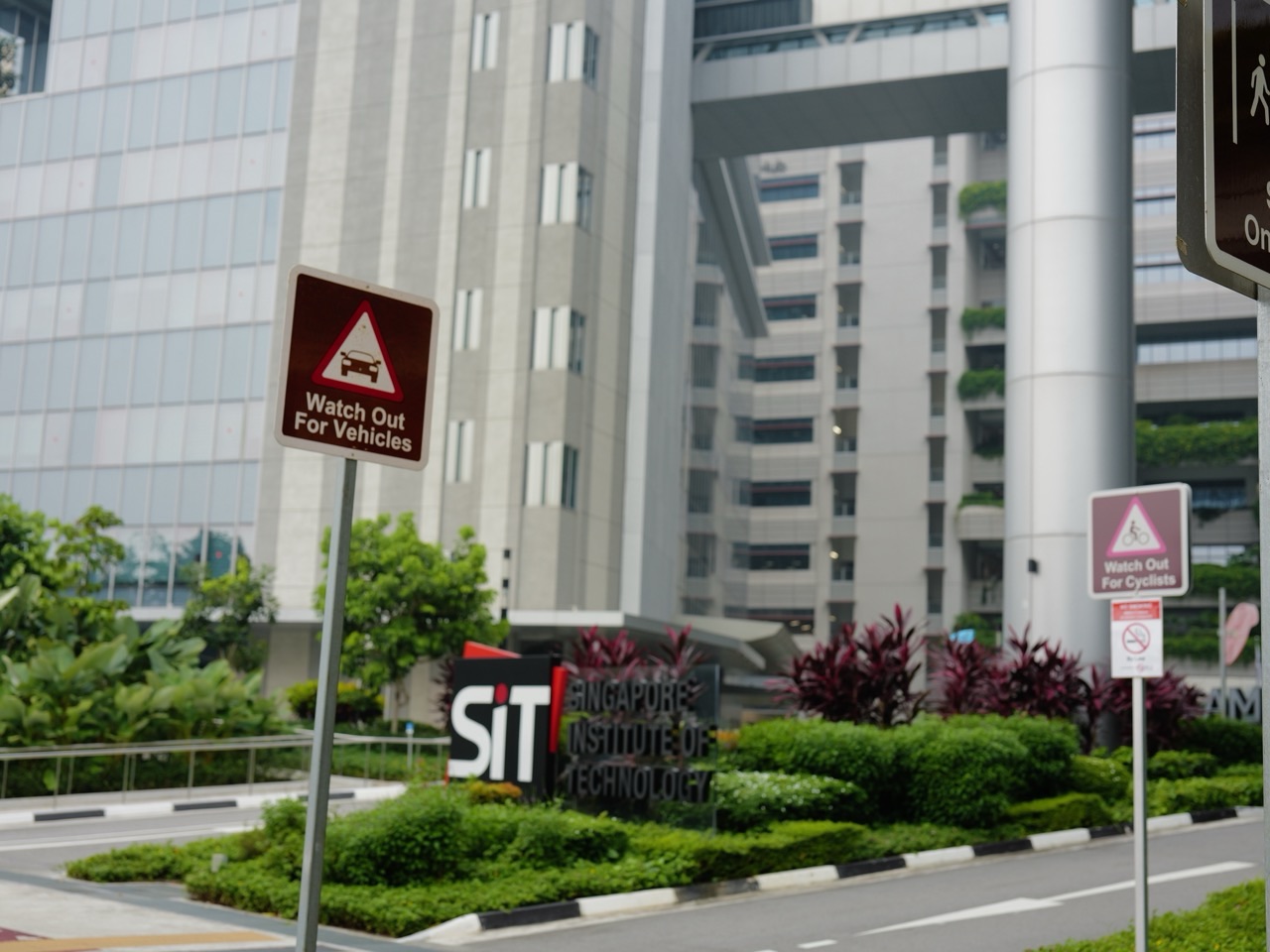
Is Singapore Institute of Technology a good university? SIT can be a strong fit for a student who wants a Singapore university degree with substantial workplace learning. Its clearest attraction is the chance to connect academic knowledge with the demands of a real role, rather than treating career exploration as something to begin only after graduation.
If you are comparing SIT courses, applied university pathways or university internships in Singapore, start with your intended profession. A good university choice should help you discover whether you enjoy the work itself: the problems, the responsibilities and the conversations that come with it. That is where SIT’s approach becomes especially interesting.
Did you know? SIT’s Integrated Work Study Programme normally lasts eight to twelve months and is compulsory for SIT-conferred and SIT joint-degree programmes. Students compete for employer opportunities; the university does not promise direct placement. That combination makes workplace preparation a practical part of the degree decision.
After choosing a university: plan the actual course and next step. For SIT, check the specific degree’s workplace-learning arrangement and the professional tasks it prepares you for. Compare the university course-selection guide, university bursaries, grants and loans, and the Career & Adulthood Hub. Check current course admission conditions, fees and support with the institution before acting.
Find your next step
Understand the distinctive strength · Check your course · Decide whether it fits
SECTION 1 OF 6
1. Why extended workplace learning matters
A longer period at work can give a student time to move beyond being the person who is still learning everyone’s name. There is room to understand a team’s routines, revise an approach after feedback and see how decisions affect other people. For a student who learns by doing, that is a compelling reason to consider SIT.
The fit question is personal: do you enjoy taking knowledge into an unfamiliar setting and finding out what you still need to learn? If the answer is yes, workplace learning may help you build a more informed picture of your future profession.
SECTION 2 OF 6
2. How to judge the opportunity honestly
IWSP is credit-bearing, with workplace-supervisor evaluations and work reports assessed by SIT mentors. The university describes paid, relevant employment with mentorship. These are concrete learning features; they should not be read as a guarantee of a particular employer or permanent job.
Ask how students in your intended degree prepare applications, what kinds of responsibilities they have taken on and how support works when difficulties arise. A useful answer describes the learning process, including the parts that require initiative from the student.
SECTION 3 OF 6
3. Check the model for your cohort
SIT has announced a pilot planned for September 2027 that provides one year and eight months of workplace learning without extending the degree. It concerns selected industry partners and specified programmes in ICT Information Security, ICT Software Engineering, Electrical and Electronic Engineering, and Mechanical Engineering.
Treat that announcement as a cohort-specific development. Before accepting an offer, check the applicable programme, participation conditions and schedule. An attractive new model becomes useful only when you understand whether it actually applies to your own route.
SECTION 4 OF 6
4. Choose the course before the label
A student interested in a particular profession should examine what the degree teaches before deciding that an applied university is automatically the right choice. Look at the modules you will study, the tasks you will practise and any professional requirements relevant to your intended career.
Try describing your preferred working day. Would you enjoy analysing systems, supporting people, designing solutions or working with technical equipment? Use that description to compare courses. It is often more revealing than asking which university sounds most impressive.
SECTION 5 OF 6
5. Make room for adult responsibilities
Workplace learning asks for more than enthusiasm. Being punctual, communicating clearly and responding constructively to feedback are habits a student can start developing before university. The experience may feel rewarding precisely because other people depend on the quality of your contribution.
Discuss practical routines too: travel, rest, project deadlines and the way you recover after a demanding day. A good fit includes a sustainable rhythm. Students do not need to have everything figured out, but they benefit from being willing to improve their habits.
SECTION 6 OF 6
6. So, is SIT a good university for you?
SIT is particularly worth considering if you want your degree choice to include serious exposure to professional work and you are ready to participate actively in that experience. Its specific strength is the connection between study and a sustained workplace-learning period.
Before deciding, ask three questions: does the course lead towards work I want to understand, does the learning model suit how I grow, and have I checked the conditions for my intake? Clear answers can turn a broad university comparison into a confident next step.
Continue your university decision: For SIT, match the specific degree’s applied curriculum and workplace-learning arrangements to the role you hope to develop towards. Use the Singapore university course-choice guide to compare degree requirements, the fees and financial support guide to test affordability, and the Career & Adulthood Hub to connect study with future skills and work.
Sources and further reading
Facts checked on 9 October 2026 against the official sources below. Course structures, intake conditions and programme requirements can change; confirm the information for your intended intake. The fit recommendations are editorial judgements based on those published features.
SIT Integrated Work Study Programme
SIT announcement of the 2+2 workplace-learning pilot
Read the companion Why Go guide · Return to the pathways hub