
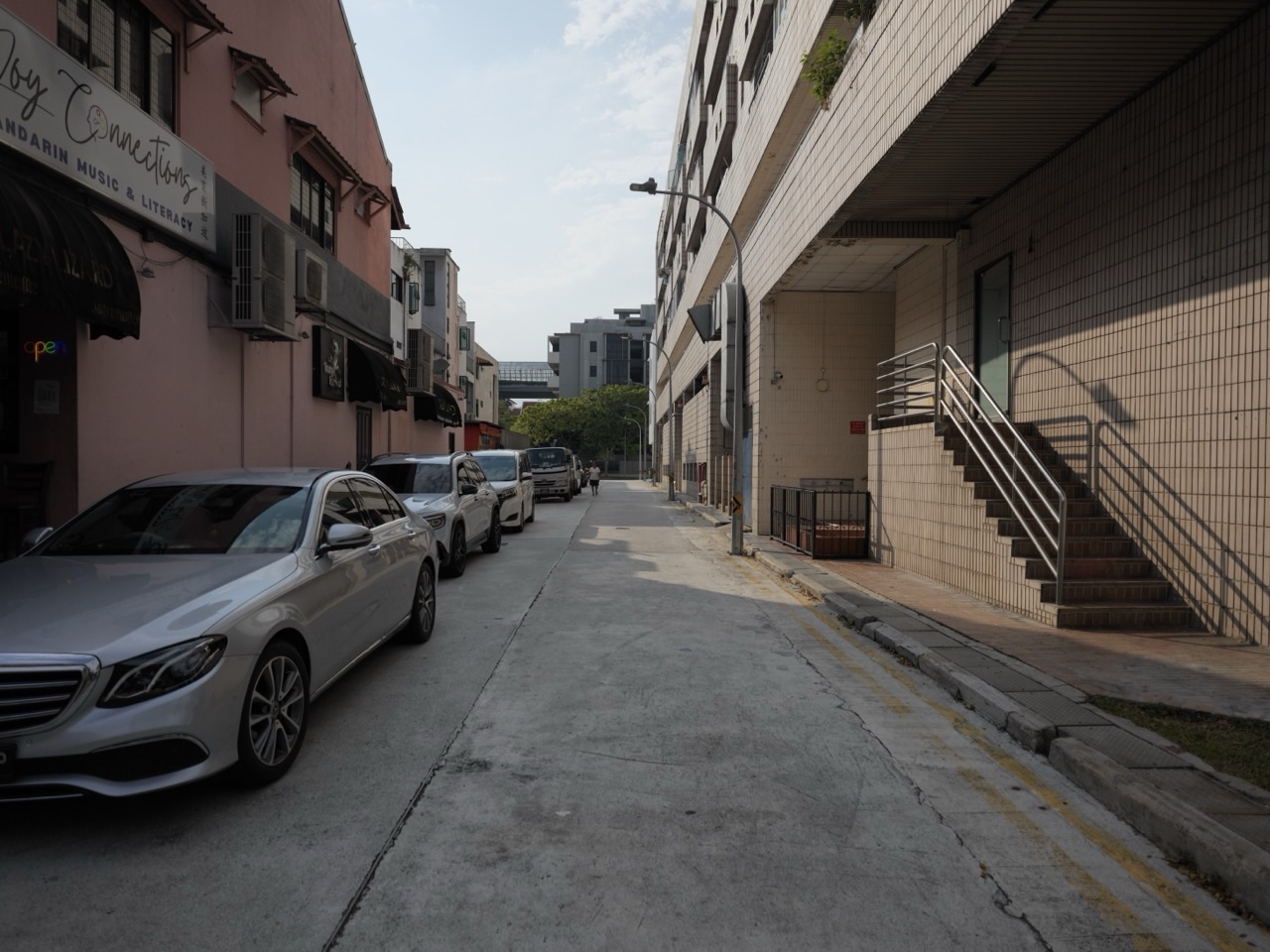
Updated 25 October 2026 | Sunset Way, Bukit Timah Division, Singapore. Did you know? The Town Council’s Bukit Timah plans include a parking deterrent near Clementi Arcade and extra lighting towards Freesia Woods—two separate local improvements affecting how people move around Sunset Way.
Quick answer: In April 2025, the Town Council listed a physical ‘smart sentry’ along Clementi Arcade to deter illegal parking and lights along the nearby footpath to Freesia Woods. Clementi Arcade is at 41 Sunset Way, while Freesia Woods occupies 61–67 Sunset Way. The source does not confirm the technology used, new penalties, exact equipment location or a 2027 completion date.
btarcade-fast
- Place: Clementi Arcade, 41 Sunset Way, and Freesia Woods at numbers 61–67.
- Parking: A physical smart sentry was named as a planned deterrent to illegal parking.
- Walking: Additional footpath lights were separately proposed between the two places.
- Unknown: The source does not specify cameras, automated penalties or exact installed models.
- 2027: Confirm local works status and follow existing lawful parking and pedestrian rules.
btarcade-time
| When | What is known |
|---|---|
| April 2025 | Town Council named a physical smart sentry along Clementi Arcade to discourage illegal parking. |
| April 2025 | The same future-plans booklet listed additional lights along the footpath to Freesia Woods. |
| October 2026 | The dated plan does not by itself establish actual installation, equipment type or commissioning. |
| During 2027 | Watch for local works notices, verified operating rules and completed illumination of the specified walking route. |
| After completion, if confirmed | Assess whether the public route remains clear and whether parking arrangements are being followed. |
btarcade-nav
- Why are Clementi Arcade and Freesia Woods in the same local update?
- Where exactly is Clementi Arcade?
- What is meant by a ‘physical smart sentry’?
- Why can illegal parking become a pedestrian problem?
- What is planned for the path towards Freesia Woods?
- How close are the two places?
- How do lighting and parking measures complement each other?
- Could the lights help families, seniors and mobility-aid users?
- Does ‘smart sentry’ mean permanent video surveillance?
- What about loading, pickup and short shopping trips?
- How is this connected to Bukit Timah’s wider local upgrading programme?
- What should a verified 2027 update include?
- Frequently asked questions
- Primary sources
Why are Clementi Arcade and Freesia Woods in the same local update?
Did you know that two practical improvements can affect almost the same stretch of a residential neighbourhood without being one combined construction project? The Bukit Timah Town Council’s April 2025 future-plans booklet identifies both a physical smart sentry to deter illegal parking along Clementi Arcade and lights for a footpath between Clementi Arcade and Freesia Woods.
They address different everyday needs. A parking deterrent concerns vehicles stopping where they may not be allowed. Lighting concerns visibility and comfort along a walking route used by residents, visitors and people travelling to nearby services.
The names also identify different places. Clementi Arcade is the commercial development at 41 Sunset Way. Freesia Woods is a separate residential condominium complex on Sunset Way, with addresses including numbers 61 to 67.
A useful update should keep the two improvements separate, even while explaining how access, parking and walking connect in everyday life.
Most importantly, the 2025 plans are not themselves 2027 opening notices. There is no verified date in those sources on which a smart sentry began operation or a specific set of footpath lights was commissioned.
Where exactly is Clementi Arcade?
Clementi Arcade is a neighbourhood shopping and services building at 41 Sunset Way, in the Clementi Park and Upper Bukit Timah planning belt. It is different from the large Clementi Mall beside the East-West Line station and from Beauty World Centre on Upper Bukit Timah Road.
The name ‘Clementi Arcade’ sometimes appears in discussions about Sunset Way eateries, groceries and other neighbourhood services. The exact shops and their hours can change, so an old directory from a decade ago should not be treated as a current tenant list.
Parking pressure around small commercial clusters can vary according to delivery periods, school and work routines and whether nearby spaces are occupied. The Town Council’s specific mention of a parking deterrent suggests the location was considered important enough for a targeted improvement.
That does not prove illegal parking occurs at every hour or that all drivers in the neighbourhood disregard traffic rules. It is a practical local project, not a judgement about everyone who visits the shops.
Visitors should follow legal parking instructions and keep entrances and pedestrian paths clear, regardless of whether new equipment has been installed.
What is meant by a ‘physical smart sentry’?
The Town Council’s wording is ‘Physical smart sentry along Clementi Arcade to deter illegal parking’. That is the specific description available from its 2025 future-plans document.
The term suggests a targeted physical deterrence or monitoring arrangement at a road or parking location. However, the document does not specify what device model is intended, whether it uses cameras, number-plate recognition, bollards, automated warning messages or another technology.
Those details should not be invented. A smart-sentry proposal is not automatic evidence of a new statutory speed camera, parking fine, licence-plate database or round-the-clock enforcement programme.
The governing parking and road rules remain the rules made by the relevant authorities and the actual signs on site. Any new enforcement or monitoring mechanism would need an appropriate legal and operational basis.
A trustworthy 2027 report should name the installed equipment and its official purpose only after a later Town Council or responsible-agency notice explains it clearly.
Why can illegal parking become a pedestrian problem?
A parked car can obstruct much more than a single lane. If it blocks a footpath, driveway or turning space, pedestrians may have to step into moving traffic to get around it.
Drivers may find their sightlines reduced near a junction or entrance. Delivery vehicles might struggle to pass, while people using wheelchairs, walkers or strollers could face an especially inconvenient obstruction.
Even a short stop ‘for only a minute’ can become a problem if it occurs at the wrong place. That is why clear parking restrictions matter around small commercial areas with many brief visits.
A deterrent is only one part of the solution. Legal spaces, understandable signs, appropriate loading arrangements and considerate driver behaviour all influence whether the street remains usable.
The aim should be a neighbourhood where deliveries, shopping and everyday movement can happen without forcing other people into unsafe routes.
What is planned for the path towards Freesia Woods?
The same Town Council future-plans list states that lights would be added along the footpath between Clementi Arcade and Freesia Woods.
This is more specific than a generic pledge to brighten the whole district. It identifies a named connection serving the commercial cluster and nearby residences. A small improvement here may be meaningful to people returning from work, going to shops or accompanying children.
The published list does not give the number of lamps, their energy source, lighting level, mounting locations or an exact date of installation. No such details should be presented as already installed unless supported by a later project notice.
A good lighting design gives walkers useful visibility without excessive glare into neighbouring homes or distraction for drivers. Maintenance matters because one failed light on a dark section can affect how comfortable the route feels.
Any change should also preserve a clear walking surface rather than place posts or equipment where they obstruct people with mobility needs.
How close are the two places?
Freesia Woods is a residential condominium development at addresses 61, 63, 65 and 67 Sunset Way. Clementi Arcade is at 41 Sunset Way. Their proximity helps explain why the Town Council treated the footpath between them as a specific route of interest.
But a road address alone does not establish the exact final path alignment or which side of the street new lights will be mounted on. People should use legal, open footpaths and crossings rather than assume an invisible straight line across private land.
Freesia Woods is also private residential property. An upgrade to a public footpath in its vicinity does not make the condominium’s internal grounds public, nor does it authorise people to enter its private carpark or facilities.
This distinction is especially helpful for visitors: the shared neighbourhood route and the private residential compound are different spaces with different access rules.
The 2027 test is whether the public section of the journey is safer and easier to follow, not whether a visitor can cut through private property.
How do lighting and parking measures complement each other?
Consider a pedestrian returning home in the evening. Clear lighting helps them see the pavement and changes in level. It may also make them more visible to others, depending on the actual placement and surrounding environment.
But if a vehicle blocks that pavement, lighting alone does not solve the obstruction. Conversely, a vehicle deterrent that keeps the route clear may still leave an uncomfortable walk if a section remains poorly lit.
Together, better parking discipline and suitable footpath lighting can support a continuous, more predictable journey. That is a useful planning goal even though the two project entries may be managed on different timelines.
A good local report therefore asks both questions: is the walkway physically clear, and is it comfortable to use during its intended hours?
The distinction is practical, not merely technical. Residents judge a route by whether they can complete the whole walk, not by whether one component appears on an improvement list.
Could the lights help families, seniors and mobility-aid users?
Better visibility can be useful for many groups. Children may struggle to recognise changes in pavement level; an older resident can appreciate a clearer view of kerbs and crossings; someone pushing a stroller benefits from a route that is easy to follow.
However, lighting is not a substitute for an accessible path. Steps, narrow clearances, broken surfaces and blocked kerbs still matter. A lamp cannot make an unsuitable slope wheelchair accessible.
Design should also respect nearby homes. Appropriate shielding and placement can reduce light spilling into windows while still supporting public safety.
Parents can teach children to use established crossings, not to run from behind parked vehicles, and to remain alert near vehicle entrances—even when a walkway is brightly lit.
By 2027, the correct claim would be that specified lights have been installed at verified locations, if confirmed, rather than a sweeping promise that all Sunset Way footpaths are now fully accessible.
Does ‘smart sentry’ mean permanent video surveillance?
No such claim is established by the 2025 Town Council publication. The project name alone does not tell a reader whether cameras are present or how, if at all, recorded information would be used.
If the final device involves monitoring or warnings, the operational rules and any privacy notices should come from the body responsible for it. It would be misleading to speculate about automatic fines, personal-data handling or AI identification from the phrase ‘smart sentry’.
The more robust public-interest question is what problem the installation is intended to solve: vehicles stopping illegally and potentially obstructing other users.
Drivers should follow posted traffic and parking requirements with or without technology present. Residents should not attempt to inspect, disable or interfere with an installed road device.
A 2027 status report should differentiate an announced equipment plan, a visible installed device and an actually commissioned operating system.
What about loading, pickup and short shopping trips?
A small shopping arcade needs access for different kinds of visitors. Some people arrive on foot; others bring groceries to a car; delivery riders and service vehicles may be operating nearby.
Good access does not mean vehicles can stop anywhere that happens to be convenient. A few metres of unsuitable parking can block a driveway or leave people with no clear walking route.
If legal loading or parking areas exist, use them under their posted conditions. For a pickup, choose a lawful stopping point and arrange for passengers to wait on an appropriate pavement until the vehicle has arrived.
Roadside arrangements can change over time. A parking guide written years ago may not reflect new markings or restrictions, so confirm actual local signs instead of following assumptions from an old shop directory.
Even after a deterrent is installed, driver courtesy remains important to daily neighbourhood life.
How is this connected to Bukit Timah’s wider local upgrading programme?
The April 2025 booklet lists many other small but useful projects across the Bukit Timah electoral division: footpaths, ramps, playground renewals, road-safety efforts, lighting and estate drainage improvements.
Clementi Arcade’s proposed smart sentry and the Freesia Woods footpath lighting belong to that local portfolio. They should not be confused with the much larger Bukit Timah Turf City housing project or Cross Island Line works.
Another related road-safety proposal is the expansion of ‘Be Kind, Drive Safe’ towards Sunset Way and Kheam Hock Road. That initiative focuses on responsible driving behaviour, not the same physical work as a parking deterrent or new footpath lights.
The benefit of tracking separate initiatives is that residents can know which authority to contact for a particular issue and avoid attributing every new barrier or light to one overarching construction programme.
A mature district changes through many small interventions as well as major developments.
What should a verified 2027 update include?
First, check whether the smart sentry was actually installed and officially placed into operation. A physical object observed near the shops may not be part of this proposal unless the authority identifies it.
Second, confirm the footpath lighting’s exact scope and whether the route to Freesia Woods is open and clear. New lights on one segment do not guarantee full illumination of every alternative path.
Third, look for current traffic and parking instructions. If markings or pickup arrangements change, report the new rules precisely without assuming a specific fine or enforcement mechanism.
Fourth, preserve the distinction between public access around Clementi Arcade and private premises at Freesia Woods. Walking improvements should not be described as new rights of entry into the condominium.
The useful 2027 result will be practical: a clearer, more comfortable walking connection and sensible parking arrangements, with source-backed dates rather than an invented grand opening.
btarcade-faq
Where is Clementi Arcade?
At 41 Sunset Way, in the Clementi Park and Upper Bukit Timah area.
Where is Freesia Woods?
A separate residential development at 61–67 Sunset Way.
What did the Town Council propose at Clementi Arcade?
A physical smart sentry intended to deter illegal parking.
Does the publication specify a camera or automatic fine?
No. The source does not identify the technology or a new fine; those details should not be assumed.
What is planned for the footpath?
Lights along the walking connection between Clementi Arcade and Freesia Woods.
Are the lights definitely installed now?
The 2025 list is a future plan. A later notice or verified onsite status is needed to confirm completion.
Does lighting mean every path becomes wheelchair accessible?
No. Accessibility depends on the whole route, its surface, crossings and obstructions.
Is Freesia Woods part of a public park?
No. It is private residential property; public footpath improvements do not permit entry to private amenities.
Does the smart sentry replace Singapore’s usual parking rules?
No. Drivers must observe current laws and signs regardless of any deterrent.
Is the project related to Be Kind, Drive Safe?
Both concern local streets and safety, but they are distinct programme entries.
Will everything finish in 2027?
The cited 2025 publication does not give an exact commissioning month for either item.
How should residents report a blocked path?
Identify the precise public location and send a factual report through the appropriate Town Council or road authority channel.
btarcade-sources
The 2025 Town Council document is the authoritative announcement for these planned works. Later site-specific approvals, notices and actual signs are needed to establish operations through 2027. Location references are included for orientation, not as current business directories.
- Town Council: Clementi Arcade smart sentry and Freesia Woods footpath lighting plans
- Holland-Bukit Panjang Town Council: Local works and contacts
- Sunset Way community site: Clementi Arcade at 41 Sunset Way (historical location directory)
- Building and postcode reference: Freesia Woods on Sunset Way
- LTA OneMotoring: Current driving and road rules
Continue reading: Sunset Way and Kheam Hock drive-safe plans · Whitley and Merryn sheltered walking links · The full Bukit Timah 2026–2027 series.
More latest Bukit Timah neighbourhood articles
- Hindhede Nature Park trail diversions and access
- Orchid Village Playground and proposed dog run
- Interim Market carpark and Toh Yi sheltered linkway
Explore the Bukit Timah 2026–2027 news collection
Editorial note: The featured photograph is a general Bukit Timah parking streetscape, not a documentary image of a Clementi Arcade smart sentry. No undisclosed surveillance capability, new fine or unverified 2027 installation date is claimed.