
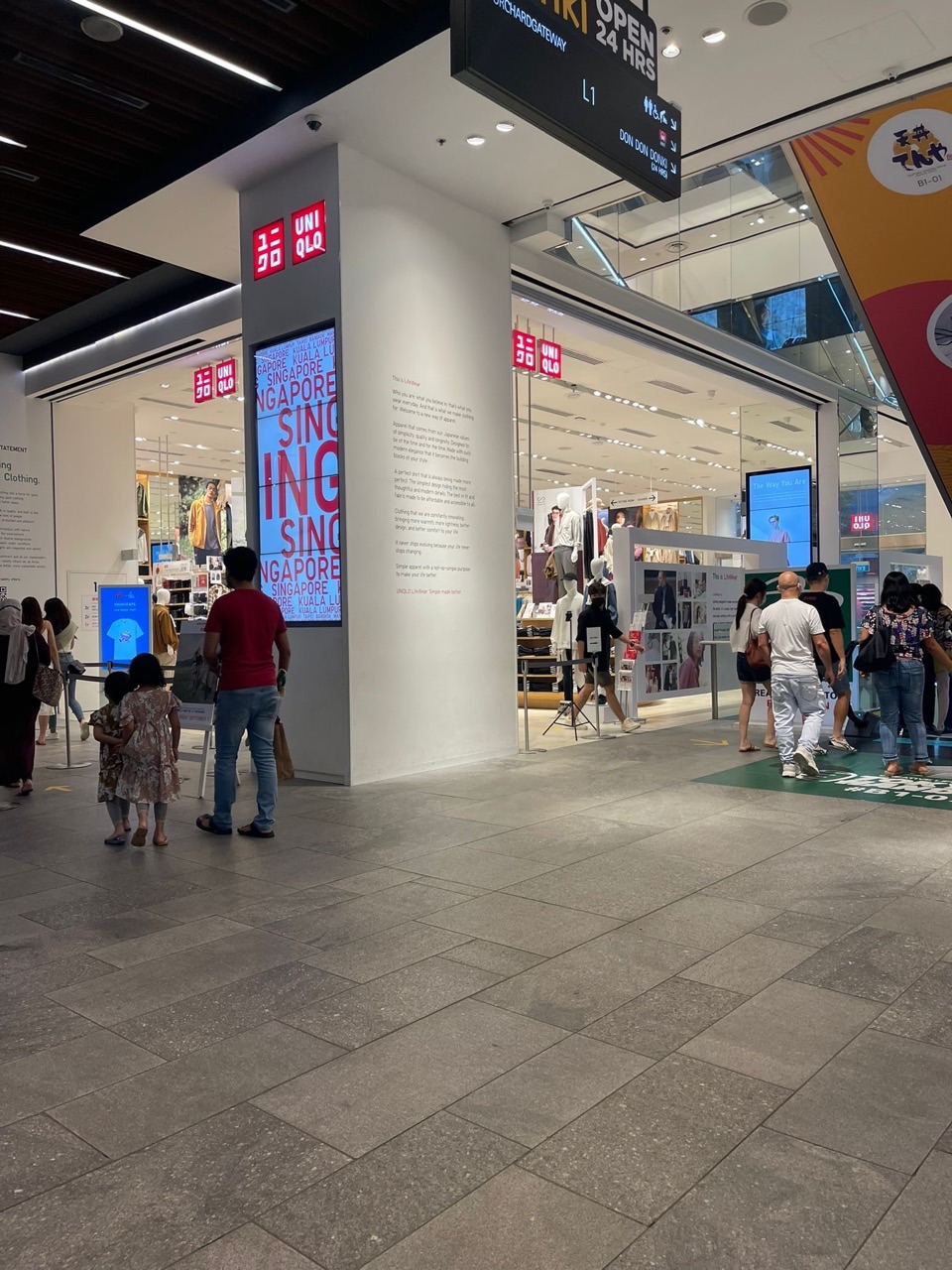
Did you know G1 Elements of Business Skills at the 2027 SEC is partly an authentic investigation of a Singapore service business? The syllabus code is K129. It explains customer needs, basic marketing and customer service in Travel and Tourism, Hospitality and Retail, connecting business decisions with real customer experiences.
Paper 1 is a 90-minute written paper worth 60%, with four compulsory short and structured questions. Paper 2 is a twenty-hour supervised investigation worth 40%, with five equally weighted tasks from gathering evidence to recommending an improvement. This guide explains the four curriculum units and practical ways to build independent business reasoning without fabricating assessed work.
The examination facts follow SEAB’s official 2027 K129 syllabus. All invented enterprises and customer situations here are original educational illustrations, not actual coursework findings. Assessed investigations, privacy and authenticity must follow the school’s supervision.
Find the answer you need
- Did you know Elements of Business Skills is SEC G1 K129?
- Do you know the examination uses a 60/40 split?
- Do you know why the four written questions are compulsory?
- Do you know how the assessment objectives are weighted?
- Do you know what the four units are?
- Do you know why the syllabus focuses on three service industries?
- Do you know what a business’s basic purpose is?
- Do you know how goods and services differ?
- Do you know why needs and wants are not interchangeable?
- Do you know what land, labour, capital and enterprise do?
- Do you know what direct and indirect competition mean?
- Do you know why customer expectations change?
- Do you know why an enterprising mindset matters?
- Do you know why Unit 2 begins with target customers?
- Do you know why segmentation is a tool, not a stereotype?
- Do you know why a market survey needs a clear question?
- Do you know how primary and secondary research differ?
- Do you know why marketing’s 4Ps must work together?
- Do you know why the product includes the service experience?
- Do you know why the cheapest price is not always best?
- Do you know why Place can include online access?
- Do you know why Promotion is not only advertising?
- Do you know why the advertising medium matters?
- Do you know why Customer Relations is its own unit?
- Do you know what verbal and non-verbal communication do?
- Do you know why listening is a business skill?
- Do you know what a service encounter means?
- Do you know why service recovery matters?
- Do you know why return requests need clarity?
- Do you know how digital communication changes customer service?
- Do you know why Paper 2 investigates one actual service business?
- Do you know the 20-hour coursework window?
- Do you know why the five coursework tasks are equally weighted?
- Do you know why the rubric distinguishes primary sources?
- Do you know why customer types must be described from evidence?
- Do you know why the fourth task combines competition and trend?
- Do you know why the final recommendation needs two options?
- Do you know why a recommendation should consider the customer and business?
- Do you know why K129 is not G3 Business K344?
- Do you know why an error log beats repeated memorisation?
- Do you know how an eight-week K129 skills plan could work?
- Do you know the essential parent FAQs about K129?
Did you know Elements of Business Skills is SEC G1 K129?
The 2027 Singapore–Cambridge Secondary Education Certificate lists G1 Elements of Business Skills as K129, formerly reference 7066. The subject explains how service businesses attract customers and provide a helpful experience. It focuses on Travel and Tourism, Hospitality, and Retail, linking business knowledge to practical employability and decisions. K129 is different from G3 Business K344, which has two equally weighted written examinations and a wider syllabus. G1 Elements of Business Skills includes a supervised investigation of an actual business. A parent should check the registered K129 code before choosing a tuition book or comparing marks. The aim is not to memorise business jargon but to explain how an enterprise meets people’s needs and how its marketing and service might improve.
Do you know the examination uses a 60/40 split?
Paper 1 is a compulsory written examination lasting one hour thirty minutes. It has four compulsory questions, 100 raw marks and contributes 60% of the qualification. Paper 2 is supervised coursework involving a business investigation, 80 marks and 40%, completed over 20 hours of curriculum time across about 10–14 weeks. This is not a choice between one written paper and one project. Both are required. A pupil may answer short business questions confidently yet struggle to gather authentic evidence and make a justified recommendation. Another may be curious about shops but need help explaining the marketing mix in writing. Revision should address the distinct assessment objectives while preserving the authenticity of the coursework.
Do you know why the four written questions are compulsory?
The written paper tests Units 1–3: Understanding Business Activities, Basic Marketing, and Customer Relations. All four questions must be answered. The format includes short-response and structured items, sometimes with helping words, true/false selections, matching or sequenced responses. An answer is not always expected to be a lengthy essay. Students should read the instructions carefully, use the specific business context and respond at the appropriate length. A correct term may be enough for one question, while another asks for a reason linked to customers or operations. Writing a general speech about entrepreneurship when asked to identify a customer need wastes time and misses the task. Practice should cover both recognition and explanation of unfamiliar scenarios.
Do you know how the assessment objectives are weighted?
K129 assesses Knowledge and Understanding (AO1), Application (AO2) and Analysis and Evaluation (AO3). The overall approximate weights are 30%, 50% and 20% respectively. The large application share reflects the syllabus goal: students should be able to connect business concepts to real customers and service decisions. For example, defining a target market demonstrates knowledge. Identifying who a particular shop is trying to reach demonstrates application. Comparing two improvements using the shop’s actual constraints demonstrates analysis and evaluation. When marking an answer, ask which level was requested. A learner who can recite the 4Ps may still need help deciding which P to improve in a given situation.
Do you know what the four units are?
Unit 1 is Understanding Business Activities, Unit 2 Basic Marketing, Unit 3 Customer Relations, and Unit 4 Business Investigation. The first three appear in the written paper; the fourth frames the coursework’s investigation and recommendations. The units are connected: a business’s products and customers shape its marketing, while the quality of service affects whether people return. A simple concept map can begin with who the customer is, what they need, how the business reaches them and how it handles the service encounter. The investigation then asks which of those features might be improved based on gathered information. This sequence is more useful than four disconnected sets of definitions.
Do you know why the syllabus focuses on three service industries?
Travel and Tourism, Hospitality and Retail are named industries in K129. They provide familiar settings for customer contact, marketing and service recovery. Travel and Tourism may include visitor attractions and travel services; Hospitality includes accommodation and food-and-beverage activities; Retail includes physical and non-store selling formats. A learner should recognise that each industry meets different customer needs and may have different service expectations. A person booking a tour may require timely information, while someone returning a product may need a clear policy and respectful assistance. Avoid claiming every enterprise in an industry operates identically. The examination uses context to test how business knowledge is applied, not just whether the student can name three sectors.
Do you know what a business’s basic purpose is?
Businesses provide goods or services to meet customers’ needs and wants using available resources. A need is not exactly the same as a preference, and a product can combine tangible and intangible features. A restaurant provides food but also a service experience such as seating, communication and timely delivery. An invented customer might choose one eatery because it can accommodate a tight lunch break, even if another offers a lower price. A good business response identifies what the customer values and why. The purpose is more than saying “businesses make profit”; the syllabus also considers how they add value and contribute to communities. A school answer should connect the service provided with the needs met.
Do you know how goods and services differ?
A good is a tangible item that can be purchased and used, while a service involves an activity or experience provided to a customer. Many enterprises combine the two. A shop may sell a product while also advising on selection, handling payment and providing after-sales help. In an unfamiliar question, classify the specific activity rather than attach one label to an entire organisation. A travel operator may supply printed materials but primarily provide arrangements or related services. Understanding the distinction helps pupils identify customer expectations and possible improvements. Goods and services cannot always be managed identically because waiting time, employee behaviour and experience can strongly influence service quality.
Do you know why needs and wants are not interchangeable?
Needs are essential or important requirements within the given context, while wants describe additional preferences. A traveller may need accurate information and safe arrangements, but want a particular seat or decorative packaging. Businesses can create value by understanding both, yet they should not assume every customer prioritises the same things. For an invented service desk, compare a visitor who needs wheelchair access with one who wants a souvenir recommendation. Both require courteous service, but different information and support. This exercise encourages accurate customer observation without stereotyping. A strong answer identifies the relevant need or want from the supplied case and explains how the business could respond.
Do you know what land, labour, capital and enterprise do?
The syllabus introduces resources used in business activities: land, labour, capital and enterprise. Land can refer to natural resources and sites; labour to people’s work; capital to produced resources; and enterprise to organising the activity and accepting relevant risk. Students should explain the role of the resource in a particular context. In a fictional café, a shop site, trained staff, coffee equipment and the proprietor’s coordination all contribute to the service. Do not classify every monetary amount as physical capital without examining the question’s usage. A useful answer connects each resource with the customer’s experience and the business’s capacity to operate.
Do you know what direct and indirect competition mean?
Direct competitors offer comparable products or services, while indirect competitors may satisfy the same customer need through a different route. A bakery and another bakery could compete directly for a morning purchase, while a convenience store selling ready-to-eat breakfast may be an indirect alternative. The relationship depends on what customers are seeking and the market context. A pupil should not label every business in the same neighbourhood a direct competitor. In coursework, compare actual competing alternatives and explain how pricing, convenience or service influences customer choice. A good analysis recognises that the presence of competition may create both pressure and opportunities for improvement.
Do you know why customer expectations change?
Trends such as technological development, changes in lifestyles and new customer expectations can affect service industries. A retailer may need clearer digital information, while a hospitality business might reconsider booking or payment options. The syllabus asks students to consider how businesses innovate in response to such changes. An invented shop might introduce an online product catalogue to reduce telephone enquiries. That change could help customers, but the business still needs accurate inventory information and staff capable of responding. A trend is not a guarantee that one solution will work for every enterprise. Apply a change to the actual business and explain what evidence would show that it improved the customer’s experience.
Do you know why an enterprising mindset matters?
The course emphasises initiative, resilience, improvement and willingness to keep learning. These are transferable employability qualities, not instructions that every student must open a company. A staff member can demonstrate enterprise by noticing a recurring service problem and proposing a workable improvement. For an original classroom example, imagine customers repeatedly struggle to find a product category. An employee could suggest clearer signs and test whether visitors locate items more easily. The important skill is recognising a problem, gathering appropriate information and evaluating the proposed response. Students should avoid claiming an innovation is successful merely because it uses modern technology or looks impressive.
Do you know why Unit 2 begins with target customers?
Marketing concerns understanding and responding to customers’ needs and wants. A business cannot communicate equally effectively to everyone in every situation. Identifying a relevant target market helps it decide which product features, channels and promotions deserve attention. A fictional travel service aimed at first-time local visitors may need simple instructions and convenient booking; a specialist tour may require different information. Students should use the actual case rather than rely on stereotypes about age or nationality. A target-market description should connect observable needs and behaviour to a suitable business decision. A vague phrase such as “all customers” provides limited guidance for the marketing mix.
Do you know why segmentation is a tool, not a stereotype?
Customers can be grouped according to relevant characteristics, interests or purchasing behaviour when these differences help a business serve them. The purpose is to identify useful patterns and design appropriate offerings, not assert that everyone in a group behaves identically. A retailer might compare customers seeking low prices with those prioritising convenience or product range. A valid marketing recommendation should be grounded in research or supplied case information. A pupil should explain why the particular grouping matters and how it influences a decision. Avoid collecting personal information unnecessarily or making claims about individuals from sensitive characteristics. Responsible customer understanding includes respect for privacy.
Do you know why a market survey needs a clear question?
Surveys can help businesses learn what customers value, but vague or leading questions yield poor information. “Do you agree our service is excellent?” may pressure respondents toward a positive answer, while a neutral question about waiting time or clarity can reveal a more useful pattern. Before a survey, identify the business decision the results should inform. Then choose questions and respondents appropriate to that purpose. In a fictional classroom exercise, customers could rate how easy it was to locate a product. A result from only one enthusiastic friend should not be treated as representative of everyone. The examination rewards reasonable interpretation and decisions based on evidence, not the sheer number of survey pages.
Do you know how primary and secondary research differ?
Primary research is gathered directly for the present investigation, through permitted surveys, observation or interviews. Secondary research uses existing information, such as business websites, brochures, reports or other published material. Both can contribute, but their relevance and reliability need checking. An official shop website may describe its stated services, while a properly obtained customer interview may reveal how visitors experience them. The two sources answer different questions. Students should record where information came from and distinguish a reported company claim from an observed customer experience. In assessed coursework, follow the teacher’s privacy and consent rules and do not fabricate interviews or survey responses to make findings look comprehensive.
Do you know why marketing’s 4Ps must work together?
The basic marketing mix includes Product, Price, Place and Promotion. These are connected decisions. A service offered at an attractive price may be unhelpful if customers cannot access it; a strong promotion can create disappointment when the promised product is not actually available. For a hypothetical food kiosk, consider the menu and service as Product, price choices, location or ordering channel as Place, and signage or offers as Promotion. The student should explain which combination suits the target customer. Memorising four definitions without connecting them to the enterprise provides weak application. A good recommendation identifies one change and why it should improve the actual customer experience.
Do you know why the product includes the service experience?
In service industries, Product can include the core service, related goods and aspects of the experience customers receive. A hotel stay is more than a room; booking clarity, check-in and staff response can influence value. A retailer may offer products alongside assistance and after-sales support. A pupil should identify what the business actually provides and which feature matters to its target customers. Adding decorative extras is not always an improvement; reducing confusion or delays may be more valuable. In a coursework investigation, describe the enterprise’s products and customer types using gathered evidence rather than a generic marketing slogan. The objective is a realistic understanding of what customers receive.
Do you know why the cheapest price is not always best?
Price influences customer decisions, but customers may also consider convenience, reliability, quality and service. A business can lose revenue or undermine service if it cuts prices without considering costs or capacity. Conversely, a higher price may be inappropriate for a customer group with a limited budget. An illustrative retailer could consider a student-friendly bundle, but should ask whether customers actually value the items together. Explain the benefits, costs and possible trade-offs rather than declare that every price cut increases profits. The syllabus’s level demands practical reasoning, not advanced elasticity theory. A good answer fits the decision to the business case.
Do you know why Place can include online access?
Place concerns where and how customers can obtain a product or service. Store location, access, convenience and non-store options can be relevant. The syllabus discusses store retailing and non-store retailing, including e-retailing, vending, pushcarts and pop-up activity. A customer might like a product but abandon a purchase if the store is inconvenient or information is missing online. A proposal to improve Place should identify the particular barrier and whether the business can address it realistically. Adding a web shop may help one retailer but be unnecessary or difficult for another. Application requires understanding the enterprise’s customers, resources and actual selling process.
Do you know why Promotion is not only advertising?
Promotion can include advertising and sales promotion, such as coupons, price offers, samples, loyalty rewards or promotional codes. Different tools have different costs and possible effects. An advertisement builds awareness; a time-limited offer may encourage a trial, but it does not necessarily create lasting satisfaction. Students should recommend a technique suited to the business’s target market and objectives. For a fictional new café, a small trial offer may introduce the product, while clear nearby signs help people locate it. The best decision depends on customer behaviour and resources. Do not claim a promotion guarantees higher profit without evidence or an explanation of cost and operational effects.
Do you know why the advertising medium matters?
Outdoor signs, websites, mobile channels, radio and other media reach people in different contexts. A good recommendation considers where the intended customers are likely to encounter the message, what information they need and what resources the business can afford. A fictional neighbourhood shop might benefit from clear on-site notices more than a large national advertising campaign. But if its customers plan purchases online, accessible digital information may be important. A pupil should state the reason, not merely say “use social media because it is popular.” Marketing is a decision about communication and fit with a real audience.
Do you know why Customer Relations is its own unit?
Unit 3 examines effective communication and quality service in customer interactions. A business might have suitable products and prices yet disappoint people through unclear instructions, poor listening or failure to respond to a problem. Employees help shape how customers experience the organisation. A useful examination answer identifies the service encounter and describes a suitable response. For example, a visitor asks about accessibility, and the staff member should listen, check reliable information and explain options respectfully. A generic smile without answering the question does not complete the service. Good customer relations combine knowledge, communication and willingness to solve practical problems.
Do you know what verbal and non-verbal communication do?
Verbal communication involves speaking and listening, while non-verbal signals include body language and other cues. Written communication also has an important role in confirmations, instructions and service responses. The appropriate combination depends on the customer and the information. A staff member speaking clearly but looking away or appearing distracted may weaken the interaction, yet body language should never be interpreted through one rigid cultural stereotype. Ask whether the customer’s concern has been understood and answered. A useful role play practises asking a clarification question, restating the request and explaining the next step. The aim is accurate, respectful service, not performing an artificial smile without understanding.
Do you know why listening is a business skill?
Employees often need to understand what customers actually ask before proposing a solution. Interrupting quickly can cause a misunderstanding, especially when the customer describes a problem with several details. Active listening includes attention, relevant clarification and accurate summary of the concern. For an invented customer reporting a wrong item, a suitable employee might confirm the product purchased, the problem and what policy applies before promising a resolution. This reduces the chance of giving inaccurate information. Students should distinguish listening from agreeing with every request; professional service also involves explaining legitimate constraints clearly and politely. The examination tests how communication supports the customer experience.
Do you know what a service encounter means?
A service encounter is an interaction between a customer and the business, from initial contact through assistance and possible follow-up. Different points may affect satisfaction: getting information, choosing a product, making payment, receiving service and resolving issues afterward. For an illustrative retail experience, a customer may appreciate helpful product advice but become frustrated by a confusing return process. A complete improvement should consider both stages. Ask which part of the journey the supplied case describes and what action would realistically help. Strong answers do not confuse customer satisfaction with the mere absence of complaints. Evidence about the experience matters.
Do you know why service recovery matters?
Service breakdown occurs when a business fails to meet a relevant service expectation. Service recovery is the response intended to address the problem and restore trust where possible. A good response recognises the concern, listens, checks applicable policy, provides accurate information and proposes an appropriate next step. A staff member should not promise a refund or remedy that the business cannot authorise. In a fictional restaurant complaint about an incorrect order, an employee might apologise, verify what happened and seek the permitted correction. The syllabus evaluates practical customer handling, not a dramatic confrontation. Students should connect each action to the customer’s needs and the business’s actual responsibilities.
Do you know why return requests need clarity?
When a customer seeks to return an unsatisfactory product, staff must understand the reason and apply the business’s appropriate policy and legal obligations. A vague refusal or an invented guarantee can make a problem worse. Clear, respectful explanation is important even when a requested outcome is unavailable. In a school scenario, the student can distinguish a defective item from a change of preference and identify what information staff need. They should not invent Singapore consumer-law details beyond the material supplied. The objective is a reasonable service-recovery approach, not personalised legal advice. Relevant documentation and communication help the business act consistently.
Do you know how digital communication changes customer service?
Customers may contact businesses through websites, messages or online reviews rather than face to face. A useful response still requires accurate information, appropriate tone and respect for privacy. An automated acknowledgement can show that an enquiry was received but may not resolve a complicated issue. Students should consider whether digital tools actually reduce waiting or confusion for the target customer. A fictional retailer could improve its FAQ page while maintaining a clear way to reach staff. A customer with a unique issue may need personal help. The best recommendation is based on the customer experience and business capacity, not simply a claim that using technology is always progress.
Do you know why Paper 2 investigates one actual service business?
For the coursework, the examination question specifies one service industry—Travel and Tourism, Hospitality or Retail. Each student selects one business within that industry that has a physical Singapore location customers can visit. Candidates in the same class must choose different businesses. The investigation examines the enterprise, customers, marketing mix, service and relevant competition or trends. The particular business should be researched through authorised sources rather than imagined from a familiar brand name. The project requires an authentic investigation and a justified recommendation. Parents should not invent interviews or produce the final assessed coursework. School supervision and the published assessment tasks govern what candidates can submit.
Do you know the 20-hour coursework window?
Paper 2 assigns twenty hours of curriculum-time computer-laboratory work over approximately ten to fourteen weeks. During this time, students organise findings, respond to the tasks and have individual review sessions with the coursework supervisor. Gathering primary information outside those hours may be part of the prescribed investigation under the school’s instructions. The distinction matters: school-managed work cannot simply be replaced with a privately produced report. Teachers need to verify authenticity and the evidence’s relevance. Parents can support logistics, safe travel and appropriate consent, but should leave the assessed analysis and recommendations to the pupil. An honest incomplete observation is preferable to a fabricated perfect survey.
Do you know why the five coursework tasks are equally weighted?
Paper 2 has five 16-mark tasks, totalling 80: Information Gathering; Nature of the Business and its Customers; Marketing Mix and Customer Service; Competition and Trend; and Decision-Making and Recommendation. This equal allocation means collecting information and making a reasoned judgement both matter. A pupil who gathers many images but provides no analysis may lose marks later; another who writes imaginative suggestions without genuine primary and secondary evidence may struggle in the earlier tasks. Use the rubric as a planning map. Every finding should have a purpose and the final recommendation should follow logically from what was learned. The school controls the authentic assessed process.
Do you know why the rubric distinguishes primary sources?
Higher coursework levels value relevant information from more than one primary source, alongside a variety of relevant secondary sources. Primary information can include surveys, interviews and appropriate observations; secondary material may include websites, brochures and published reports. Each helps answer different questions. Students should record what the source actually shows and not treat one convenient respondent as representative of every customer. A business website is useful for stated offerings but may not accurately describe every visitor’s experience. The analysis should distinguish business claims from observed or reported customer views. Follow the school’s consent and privacy guidance, avoid collecting unnecessary personal identifiers, and never fabricate a survey to improve the report’s appearance.
Do you know why customer types must be described from evidence?
The second coursework task requires information about the nature of the business, the kinds of customers it attracts and their needs and wants. A weak report may say only that “everyone loves the shop.” A stronger report identifies what can actually be observed or supported by appropriate information. A fictional shop near a transport interchange might serve commuters seeking convenience, but this should be checked against the real location and customer evidence. The pupil should avoid stereotyping groups or claiming precise demographic facts without data. A useful explanation connects the business’s goods or services to relevant customer requirements. The aim is accurate investigation rather than a marketing story invented to fit the desired recommendation.
Do you know why the fourth task combines competition and trend?
The fourth coursework task assesses how at least one competitor and one industry trend affect the investigated business and its customer experience. The candidate should identify the relevant alternative available to customers and explain how the trend changes expectations or operations. For an imaginary retailer, another nearby outlet could compete on range, while online ordering might affect convenience expectations. A vague statement that “competition is bad” does not explain the mechanism. The student should connect each factor to observed features of the business and describe possible consequences. Evidence from the particular investigation, not generic claims about all retailers, is essential to a strong analysis.
Do you know why the final recommendation needs two options?
The highest rubric level for the fifth task expects two relevant suggestions to improve the marketing mix, with reasons linked to findings, followed by a reasoned recommendation considering the effects on the business and its customers. This is not just a list of attractive ideas. A student could compare clearer in-store directions with improved online information, explaining which customer issue each addresses and its practical limits. The selected option should follow from the genuine research and business capacity. Avoid guaranteeing a profit increase without relevant data. Evaluation means asking why one feasible action better improves the specific customer experience. The assessed choice must be made and defended by the candidate.
Do you know why a recommendation should consider the customer and business?
An improvement may be convenient for customers but costly or difficult for the business to implement. Another may be cheap but make little difference to the reported problem. The rubric values reasoning about both sides of the decision. In an invented hospitality case, adding another service counter may reduce queue time but require staffing and space. A cheaper signage change might solve confusion but not capacity constraints. Identify the underlying cause, compare the options and give a conditional judgement. A persuasive recommendation should not merely restate the customer’s complaint or the business owner’s preference; it should use the investigation’s evidence to make a practical case.
Do you know why K129 is not G3 Business K344?
G1 Elements of Business Skills K129 targets foundational marketing and customer relations in selected Singapore service industries, with a 60% written paper and 40% authentic investigation. G3 Business K344 has two equally weighted 90-minute written papers and wider coverage of operations, finance and organisation. Both teach valuable business reasoning but require different revision resources. A detailed liquidity-ratio exercise from G3 may be useful enrichment without being central to K129’s Paper 1. Conversely, K129’s service investigation should not be mistaken for K344’s case-study paper. The actual registered subject and official 2027 syllabus determine examination preparation.
Do you know why an error log beats repeated memorisation?
A wrong answer might result from confusing a need with a want, selecting the wrong 4P, overlooking a case detail or giving an unsupported recommendation. These require different repairs. Record the original misunderstanding, explain the right concept and test it in another fictional business. For example, if a student calls a new ordering website Promotion when the question concerns purchasing access, discuss the Place dimension and any overlap, then test with a different service context. Correct repetition of the same original answer can show memory; independent explanation on a fresh case demonstrates learning. Use short practical examples before assigning another complete 90-minute paper.
Do you know how an eight-week K129 skills plan could work?
Weeks 1–2 can review goods, services, business resources, competition and customer needs. Weeks 3–4 can practise target markets, basic surveys and 4P decisions across Travel and Tourism, Hospitality and Retail. Weeks 5–6 can focus on customer communication, service breakdown and appropriate recovery. Weeks 7–8 can rehearse timed short-answer scenarios and discuss general investigation reasoning using fictitious cases. This is a learning plan, not permission to complete the actual Paper 2 coursework outside authorised arrangements. The school manages the twenty-hour investigation. The goal is that the pupil can explain a new service problem and support a realistic improvement without copying a prepared report.
Do you know the essential parent FAQs about K129?
Is K129 the same as the G1 MOE–ITE Retail Operations applied subject? No. Elements of Business Skills is a regular SEC syllabus K129; the joint MOE–ITE applied courses are separately certified. Does K129 have two papers? Yes: written 60% and business-investigation coursework 40%. Are all four written questions compulsory? Yes. How many coursework tasks are there? Five, each worth sixteen marks. Must the investigated business have a physical location in Singapore? Yes, under the official coursework specifications. Does 2027 use the old code 7066? That is the reference code; K129 is the SEC code. All fictional businesses and figures used in this article are original teaching examples rather than an assessed investigation.
Official K129 syllabus and connected learning resources
- Official SEAB 2027 G1 Elements of Business Skills K129 syllabus
- SEAB 2027 G1 school-candidate syllabus catalogue
- Why Study G1 Elements of Business Skills? Parent guide
- G3 Business K344 comparison
- G1 Music K128 companion
- Immutable Clementi small-group tutorial format
Parent next step: confirm K129 and the school’s business-investigation instructions, then look at one marked marketing case and ask the student to compare two evidence-based service improvements. Preserve the authentic candidate’s role in all real coursework tasks.
Continue exploring the 2027 SEC syllabus series
The guides below cover distinct subjects and grade levels; consult each official registered subject code and syllabus rather than transfer examination formats across them.