
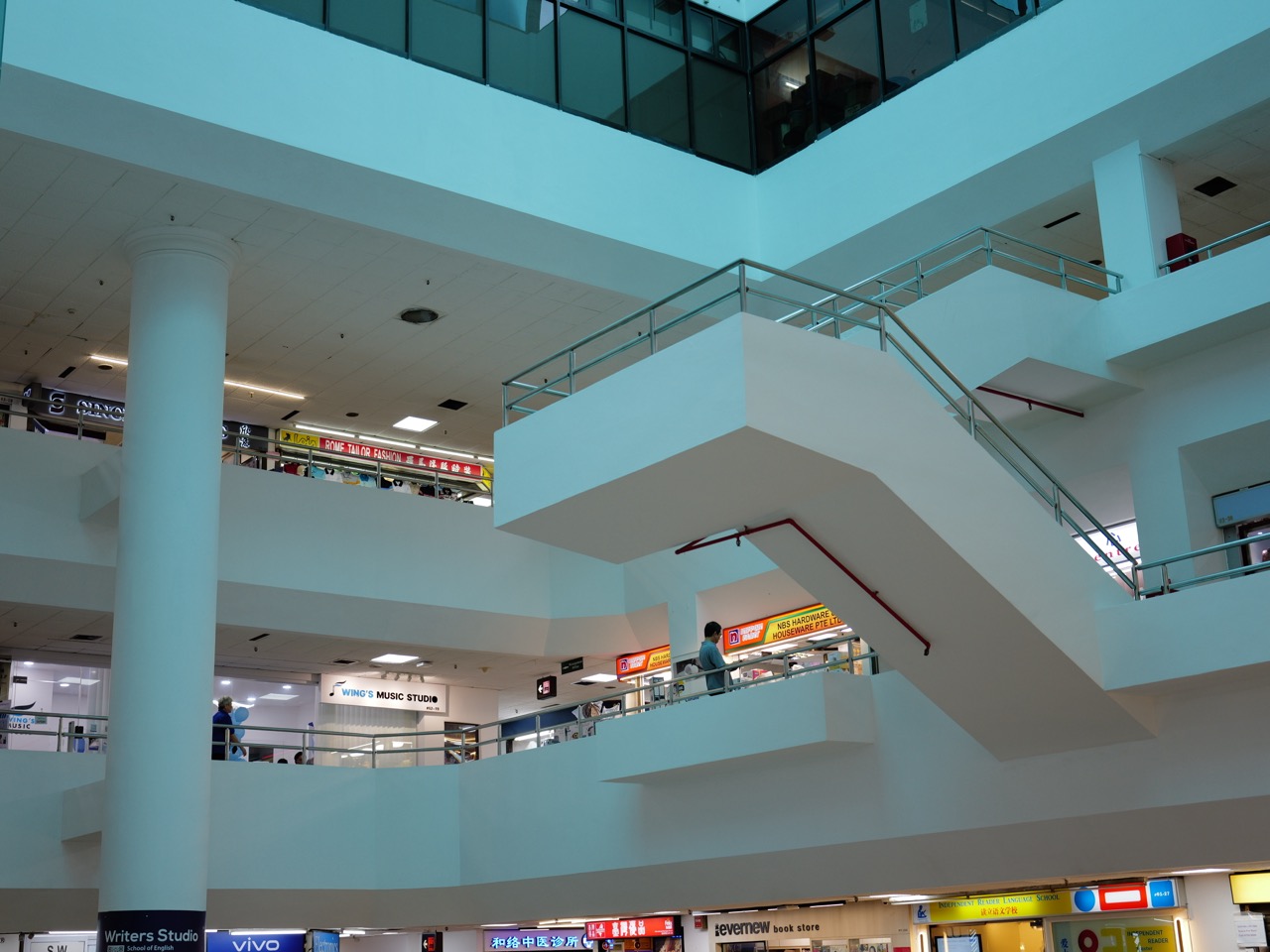
Reference Chapter 220 · A school staircase must safely carry real children, bags and staff between real lessons—not merely satisfy a drawing
Two Secondary 1 classes change rooms at the same time. At the staircase, pupils carrying heavy bags encounter a loose handrail fitting and a stack of chairs waiting for collection. A younger student pauses at the top step because a contrasting edge strip has worn away. When rain arrives, water is tracked onto the landing. The school’s last annual facilities report shows the staircase as checked, but nobody can say whether the present defects are protected or who can approve reopening after repair.
The gold standard is a school stairway, handrail and step-condition assurance system combining competent compliance with current building rules, practical student movement, visible stair-edge condition, reliable lighting, safe storage, prompt defect reporting, appropriate accessibility alternatives, weather-related checks and verified return to use. It distinguishes physical infrastructure from supervision: telling pupils to walk carefully does not repair a loose rail; replacing a handrail does not automatically resolve an impossible timetable.
This chapter concentrates on fixed stairways, landings, handrails, stair nosings, surface condition, lighting and daily occupancy. It complements Chapter 162 on Facility Inspections, Chapter 181 on Student Corridor Movement, Chapter 202 on Step-Free Access and Chapter 171 on Fire-System Readiness.
What should be checked on a busy school staircase?
- The staircase is used consistently with applicable building, fire and accessibility requirements.
- Handrails, landings, steps and protective barriers are sound and free from unsafe alterations.
- Lighting, contrasting cues and any required tactile features are maintained and usable.
- Storage, cleaning equipment, schoolbags and delivery trolleys do not obstruct necessary passages.
- Staff know how to protect pupils and escalate a serious defect without attempting unsafe repairs.
- A safe alternative or adjusted room arrangement is in place when the route cannot be used.
1. Put building regulation and competent inspection first
Schools have specific premises obligations, but a teacher’s corridor duty is not a technical certification. Building design standards depend on the applicable regulations and the actual approved works.
Singapore’s Building Control Regulations 2003, Fifth Schedule set performance principles for safe stair passage, handrails or guides, landings, tread and riser requirements. Competent building professionals must interpret the binding provisions in context rather than guessing a universal stair dimension.
2. Identify all stair routes used by pupils
A school may have a grand main staircase and several lesser-used rear or connecting stairways. The small stair beside a laboratory can matter as much as the main entrance if many classes use it each day.
Maintain a route and asset register of public, pupil, staff and designated exit stairs, with responsible maintenance owners. Include after-school and visitor use where relevant. A neglected rear route should not escape inspection because it appears outside the main school-tour path.
3. Distinguish ordinary access from emergency egress
Some staircases are part of protected emergency escape systems and may have different fire-safety, door and lighting conditions from ordinary internal connections.
Coordinate stair use and repairs with the approved fire-safety design. Do not move storage into a stairwell or alter a fire door to improve daily travel. Chapter 171 governs the connected engineered protection; this article focuses on the condition and occupied use of the stairs.
4. Keep handrails reliable and continuous where required
Pupils use rails for stability, especially when carrying books, recovering from an injury or moving in a crowd. A loose bracket or damaged surface can become a serious hazard.
Report suspected structural looseness promptly, restrict use where competent risk procedures require it and obtain qualified repair. Do not instruct teachers to tighten unknown fittings in a busy lesson transition. Successful repair means safe operation under applicable standards, not an invoice marked complete.
5. Protect step profiles and nosings
Worn edges, damaged tiles and broken contrasting strips may change how students recognise steps. A small defect near the top can have disproportionate consequences.
The BCA Code on Accessibility 2025
6. Review tactile and visual guidance
Some users rely on visible contrast, tactile information or other cues. A layout that looks clear to a fully sighted adult may remain difficult for someone with visual differences.
Have qualified accessibility personnel review the applicable features and the student’s actual route. Do not claim every historical school staircase must have identical tactile signage without checking the Code’s exclusions and scope. Offer appropriate assistance while an authorised repair is pending.
7. Maintain clear, usable landings
A landing allows pupils to change direction and can provide a pause in movement. It stops serving that purpose when cluttered with furniture, bins, project displays or cleaning machines.
Set practical no-storage zones consistent with the approved premises design and inspect during occupied hours. Where a busy turn repeatedly becomes congested, revisit supervision and timetable flow as well as any physical adjustment. A well-lit but blocked landing is still a hazard.
8. Keep the stair width usable
A building may have been designed for a particular circulation load, while increased enrolment or simultaneous room changes create pressure on its passageways.
The proper width and capacity are questions for competent building and fire professionals. The school should observe real peak movement and avoid assuming a timetable can send unlimited classes through any staircase. Repair the schedule or access plan rather than encourage pushing to fit a poorly planned interval.
9. Inspect floor friction and surface wear
A polished or worn surface may become slippery, particularly when water is brought inside during rain. Loose coverings and uneven transitions can create trip hazards independent of pupil behaviour.
The UK Health and Safety Executive’s guidance
10. Manage wet-weather changes
A sheltered staircase may become wet from pupils’ shoes, bags or adjacent openings. Rushing at dismissal can worsen conditions.
Check at predictable rain peaks, coordinate entrance mats and cleaning, and protect necessary routes during work. Chapter 201 governs general wet-weather arrival; this chapter addresses the stair-specific physical condition. Permanent warning cones cannot substitute for fixing recurring water sources.
11. Keep lighting functional
Good light helps pupils perceive each step, landing and change of direction. Failed fixtures can make familiar stairs unexpectedly difficult to use.
Identify lighting asset and fault owner, including required emergency-lighting functions where applicable. A qualified person should determine technical compliance. Staff can report dark areas and organise safe alternatives without attempting electrical repairs or claiming ordinary lighting proves emergency readiness.
12. Plan around younger pupils
Younger children may move more slowly, carry unstable bags or struggle to judge another pupil’s stopping distance. Instructions appropriate for a senior secondary class may not suit Primary 1.
Teach safe movement, give realistic changeover time and provide suitable supervision. Avoid asking older pupils to carry younger students on stairs. A child’s occasional hesitation can signal a visibility or crowd problem that adults should investigate rather than ridicule.
13. Preserve access for pupils with mobility needs
A staircase is not an equivalent alternative to a working lift for every student. An inaccessible staircase can exclude a pupil from lessons or specialist facilities.
Follow the student’s authorised plan and competent premises review. Use suitable step-free routes or relocate the educational activity as necessary. Do not assign untrained staff or students to lift another person or mobility equipment. Chapter 202 governs the wider lift and lesson-continuity response.
14. Coordinate stairs with class timetables
A timetable may require multiple year groups to move between distant floors in a brief changeover, producing a predictable crowd even when no defect is present.
Observe actual arrival and descent peaks, then revise movement windows, room assignments or supervision. The purpose is both safe passage and protected teaching time. A sign saying ‘no running’ is not a complete response to an impossible scheduled journey.
15. Avoid unsafe counterflow rules
One-way circulation may seem attractive when stairways are crowded, but informal signs can conflict with emergency plans, accessibility or normal use.
Have the appropriate responsible officers assess proposed flow changes against approved design and actual behaviour. Clearly brief staff and pupils. If a one-way arrangement moves congestion into a more dangerous landing, change it rather than defend a plan that works only on paper.
16. Manage bags and oversized resources
Art projects, musical instruments and sports equipment can affect balance and available space on stairs. Pupils may try to carry too much because suitable storage is far from the next classroom.
Provide practical authorised storage and transfer arrangements. For heavy or bulky school-owned items, assign appropriately trained support rather than sending children to improvise transport. Chapter 182 governs locker access; stair planning must account for what pupils actually carry.
17. Control repairs and temporary barricades
A contractor replacing a stair tile may temporarily close part of the route. Inadequate barriers or vague signage can direct pupils directly into the work area.
Require authorised isolation, safe temporary access, contractor supervision and clear instructions to affected classes. Do not place an unapproved ramp or unstable board over a removed tread. Reopening follows qualified acceptance under the relevant building and facilities rules.
18. Prevent casual handrail modification
Wall decorations, display brackets, sports equipment or school-event banners may be attached to rails or stair protections for convenience.
Treat modifications affecting handrails, barriers or required clearance as building work needing competent review. Staff should not assume a hook is harmless because the load seems light. Remove or revise unapproved fittings according to the responsible building owner’s safe procedure.
19. Consider visitors and community programmes
Evening community users may be unfamiliar with the layout or lighting. A staircase available in daytime may be restricted or poorly supervised after hours.
Shared-use agreements should define permitted routes, required lighting, maintenance contacts and accessible alternatives. A visiting programme must not independently declare a stair safe after school facilities staff have restricted it. Keep the operational change visible to legitimate users.
20. Use age-appropriate signage
Students need understandable instructions about which staircase leads to their room. Complicated labels, faded arrows or unmarked temporary detours can send newcomers into the wrong wing.
Use Chapter 203’s controlled room and wayfinding system, with clear destinations and floor information. Protect mandated fire and accessibility signs from competing decorative posters. Directions work when an unfamiliar pupil can follow them without unsafe improvisation.
21. Keep cleaning aligned with movement peaks
Mopping during a peak changeover can leave a freshly wet step exactly when pupils rush between lessons.
Schedule ordinary cleaning around suitable occupancy where feasible and use proper protection for urgent work. Coordinate with the designated cleaning supervisor and facilities lead. The school should not require cleaners to abandon necessary hygiene, but should plan routes and timing so both needs are met.
22. Encourage reporting without blame
A pupil noticing a loose handrail may assume an adult already knows, or fear punishment for pointing out something damaged.
Make the location-based report straightforward and respond promptly. Record factual condition and safety action, not an unsupported accusation that a student broke the fixture. A school with credible reporting may show more defects in the log while protecting pupils more effectively.
23. Distinguish observation from technical certification
A teacher can check for obvious obstruction before a class moves, but should not be asked to certify tread dimensions, structural fixings or fire-rated design.
Publish which checks belong to staff, competent facilities workers, qualified designers and regulatory inspectors. A maintenance certificate does not excuse ignoring today’s blocked route; a teacher walk-through does not substitute for legally required specialist inspections.
24. Review recurrent near misses
Several pupils may report almost slipping on one landing without an injury serious enough to trigger formal incident investigation.
Analyse time, weather, surface, light, footwear and traffic patterns through appropriate personnel. Fix the actual cause and repeat observation afterward. Do not use individual pupil names to create public safety rankings. Honest near-miss evidence is valuable prevention data.
25. Make maintenance budgets follow risk
Stair surfaces, handrails, lighting and protective barriers can deteriorate through ordinary use. Postponing necessary repairs because the staircase still looks presentable can impose safety and educational costs.
Prioritise repairs by competent severity and occupancy risk, with clear temporary restrictions. Compare repeat faults across campuses and suppliers. A low-cost cosmetic patch that fails again may provide poorer public value than a verified suitable repair.
26. Worked case: loose handrail during transition
A Secondary 1 class reports that a railing moves when students touch it. The duty teacher prevents further routine use of the affected area as directed by the school’s safety procedure and informs facilities staff. The school checks whether an authorised safe alternative route can carry the affected classes.
A competent specialist assesses the fitting and completes the necessary repair, while the timetable team adjusts room movement for the restricted period. Qualified acceptance and an occupied-time movement check precede reopening. The record shows the pupil report, protective decision, technical work and safe restored journey—not merely a new maintenance-ticket status.
27. Common failure modes and repairs
Defective rails remain under inspection stickers: respond to current faults. Cleaning trolleys obstruct landings: redesign storage and cleaning. Worn step edges are called cosmetic: seek competent assessment. All pupils are told to use stairs during lift faults: provide accessible alternatives.
One-way rules contradict emergency routes: obtain proper approval. Teachers attempt structural repairs: assign qualified professionals. Near misses are ignored: analyse and verify corrections. Success judged by signage count: inspect real school movement.
28. Stairway asset and movement matrix
| Observed risk | Accountable decision | Closure evidence |
|---|---|---|
| Loose rail or barrier | Protect pupils, refer to qualified repair | Competent technical acceptance |
| Worn or damaged step | Assess safe use and required remedial work | Suitable repaired tread and verified route |
| Wet or slippery landing | Cleaning and facilities response | Surface risk corrected in occupied conditions |
| Blocked stair access | Remove obstruction under authorised control | Route clear and repeat checks |
| Accessibility conflict | Appropriate safe step-free/relocation plan | Affected learner reaches intended class |
| Changeover congestion | Timetable and supervision adjustment | Measured safe flow and instructional continuity |
29. The first 180 days
Days 1–30: identify severe current stair defects, high-traffic locations and inaccessible routes, protecting urgent hazards. Days 31–60: reconcile technical owners, current inspection records and actual school flow. Days 61–90: test important staircases in normal occupied conditions, including wet-weather and accessibility considerations.
Days 91–120: coordinate qualified repairs and approved temporary movement plans. Days 121–150: investigate repeat faults, near misses and supplier performance. Days 151–180: verify real restored use, update staff reporting routines and incorporate stair risk into building and curriculum continuity planning.
30. Gold-standard acceptance tests
- Can the school name the competent owner and applicable stair requirements?
- Are rails, landings, step surfaces and lighting inspected at appropriate intervals?
- Can a pupil report a serious defect and receive prompt protection?
- Are necessary routes kept free from stored furniture and cleaning equipment?
- Is actual occupied movement safe at peak lesson transitions?
- Do pupils with mobility needs have a workable authorised alternative?
- Are repair acceptance and ordinary pupil-route verification separate and both completed?
- Have recurrent near misses led to physical or operational corrections?
31. Parent, pupil and school leader FAQ
Can schools use any handrail design as long as it feels sturdy?
No. The applicable building and accessibility rules and competent technical design control the requirements.
Are stairs always acceptable substitutes when a lift is broken?
Not for every student. Appropriate access may require a safe step-free route or relocated teaching under authorised arrangements.
What if water makes the staircase slippery?
Report it immediately. School staff should protect the route and have facilities and cleaning personnel correct the condition under proper procedures.
Can teachers repair a loose stair railing?
Not without appropriate competence and authorisation. Structural or safety-critical repair belongs to qualified personnel.
Are Singapore BCA stair requirements the same for all old and new schools?
Applicability depends on the actual regulations, building and works; competent assessment is necessary.
What if the timetable forces students to rush down crowded stairs?
The school should review room allocation, movement time and supervision rather than blame every child for the systemic schedule.
32. Official sources and connected reference chapters
Primary Singapore sources: Building Control Regulations 2003, Fifth Schedule: Staircase Performance Requirements; BCA Code on Accessibility in the Built Environment 2025 (updated March 2026); BCA Universal Design Guides; BCA, 2025 Accessibility Code Revision Announcement; and UK Health and Safety Executive, Slips and Trips in Education. UK guidance offers comparison, while actual Singapore building requirements must be applied to the specific premises.
Chapter 220 of The Gold Standard of a Ministry of Education Reference Manual. Related: Facility Safety Inspections, Corridor Movement, Step-Free Access and Wet-Weather Movement.
Final principle
A gold-standard school staircase is not a set of steps that looks sound in a photograph. It is a maintained and lawfully suitable route that children can use during a real timetable, with reliable support, legible steps, safe access for those who need alternatives, and verified repairs when conditions change.