
Does every Punggol primary school student have to take SwimSafer, and where should parents enquire about school swimming lessons? The reliable answer is to check your own school’s current Physical Education notices and the official Sport Singapore SwimSafer programme page. SwimSafer 2.0 is Singapore’s national water safety programme, with six progressive stages covering swimming and water survival skills. SportSG identifies two ways to enrol: primary school participants can enquire through their MOE schools, or families can register privately through an accredited SwimSafer instructor. That does not mean every Punggol school offers an identical schedule, assessment or compulsory year level.
Parents living near Punggol Waterway, Northshore, SAFRA Punggol and the Punggol Regional Sport Centre may naturally associate the neighbourhood with water and recreation. Yet water familiarity is not the same as water competency. A child who enjoys a pool still needs supervision, safe entry and exit habits, the ability to recognise danger and practice appropriate to their stage. Do not assume a waterfront path or reservoir is a designated swimming area, and do not enter water except in an authorised, appropriately supervised setting.
This guide explains what SwimSafer actually teaches, how the six stages fit together, how parents can ask about school-based or private swimming, what to bring and check for assessments, and how children can build an intelligent safety mindset. The objective is not simply a badge or certificate. It is a child who understands that water can be enjoyable while deserving serious respect.
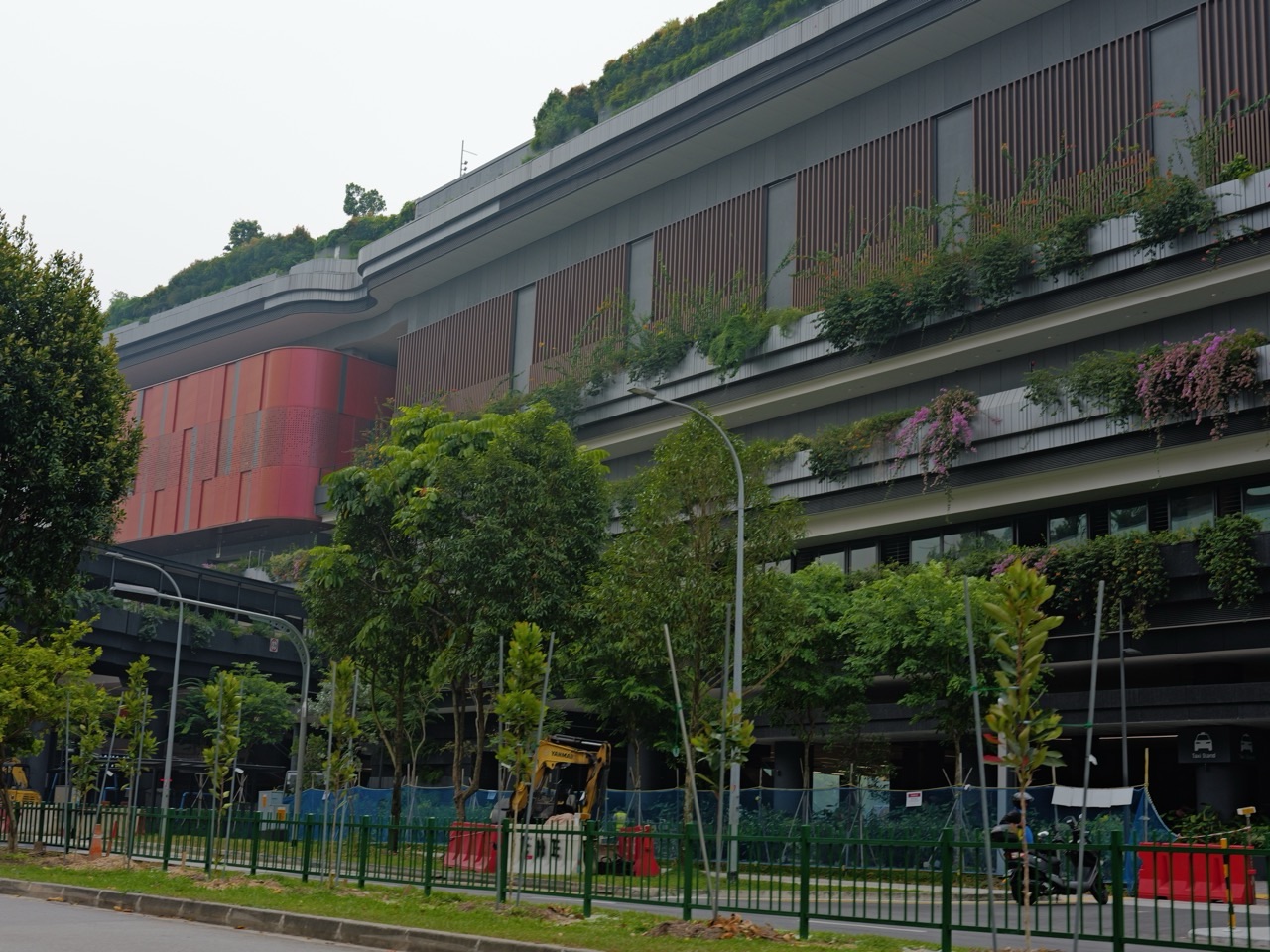
Local photograph: the exterior of Punggol Regional Sport Centre. This exterior image is not confirmation that a particular swimming pool is operating, accepting bookings or hosting a SwimSafer session.
Choose your reading route
Article contents
Sections 1–6
1. What SwimSafer 2.0 teaches beyond staying afloat
2. Six progressive stages, but not six guaranteed lessons
3. School-based enrolment or private instructor: which route applies?
4. Waterfront Punggol needs a different set of rules from the pool
5. What to check before a class, test or certificate collection
SwimSafer was introduced as a national water safety programme and was enhanced in 2018. Sport Singapore’s official description places water survival, aquatic safety knowledge and swimming competence together. That matters because a child who swims a length in calm water has not necessarily learnt how to judge an unfamiliar environment or respond safely to an unexpected problem.
The official SwimSafer information page lists learning elements such as entries and exits, sculling and body orientation, underwater skills, movement and swimming strokes, survival skills, rescue knowledge and safety understanding. These are taught progressively. The appropriate entry level and assessment route should be determined by the recognised programme and instructor, not by a parent guessing from the child’s age.
Swimming lessons can also teach patient practice. A child may initially be nervous about putting their face in water. Another may enjoy gliding but struggle to coordinate breathing. A third may be able to swim but still need to understand safe decisions around deeper water. These are different kinds of readiness, and safe teaching recognises the difference.
Remember that swimming skill is only one layer of safety. Supervision, clear pool rules, appropriate equipment and respect for conditions remain necessary even after a child earns a certificate.
- Water confidence and safe entry or exit.
- Body position, balance, movement and breathing.
- Progressively appropriate swimming skills.
- Water survival and emergency awareness.
- Knowledge about safe choices around pools and other aquatic environments.
SportSG describes six progressive SwimSafer 2.0 stages. Stage 1 emphasises water confidence and basic safety. As learners develop, stages introduce stronger movement and swimming competencies, survival skills and more demanding assessments. Later stages build additional stroke control, rescue knowledge and the ability to cope with more complex tasks. The progression is designed to reflect demonstrated skill, not merely time spent attending.
Avoid treating an informal swimming milestone as a formal qualification. A child who swam 25 metres on holiday may be progressing well, but the appropriate SwimSafer certification depends on the actual programme’s assessment criteria. Likewise, joining a class does not automatically confer a pass. Ask the school or accredited instructor which stage is being taught, how assessment is organised and how feedback is communicated.
The official page explains that an e-certificate can be issued after successful completion of the required stage components. Assessment and online theory procedures differ between MOE-school and private registration routes. Parents should follow the actual current instructions shown in their booking or school notice.
There is no need to rush a child into a higher level for appearance’s sake. Technical readiness, confidence and safety should guide progression. A careful instructor may recommend more practice before the next assessment—and that can be an appropriate outcome.
- Identify the child’s current assessed stage rather than inventing one.
- Ask what new competencies are expected at the next stage.
- Distinguish routine lessons from formal assessments.
- Check the official theory and practical requirements for your route.
- Value safe progress more than collecting certificates quickly.
SportSG states that primary school participants can enquire about SwimSafer through their respective MOE schools or join privately with an accredited instructor. This creates two possible routes, not a promise that both will be equally available, priced or scheduled for every student. A Punggol child may receive information from the school’s PE department, while another family may consider lessons outside school.
Begin with the official school notice. Ask who the teacher-in-charge is, whether your child’s level is included in the school programme, the venue, any transport arrangement, timing, charges if applicable, what equipment is required and how assessments will be handled. When considering private lessons, use the official instructor and registration guidance rather than trusting a webpage that claims affiliation merely because its name contains “SwimSafer”. SportSG specifically identifies its official site and Singapore Aquatics as authoritative sources for this programme.
If the child’s swimming background is uneven, tell the instructor about actual demonstrated skills rather than an assumed stage. SportSG explains that providers and instructors can advise on assessment-stage placement. For a child with an access or support need, discuss appropriate arrangements confidentially with the school or qualified provider before enrolment.
Parents sometimes try to choose by distance alone. Travel matters, but the total experience includes instruction, supervision, safe facilities, appropriate stage placement and the family’s ability to attend regularly. A closer pool is not necessarily the right learning setting if essential requirements are unclear.
- School route: check the current PE communication and teacher-in-charge.
- Private route: verify accreditation and the official programme information.
- Confirm the exact facility and its current operating arrangements.
- Ask how progress, safety procedures and assessment are communicated.
- Do not submit sensitive personal information to unofficial sign-up pages.
A public pool is a managed swimming environment with designated areas and rules. Reservoirs, waterways and other open-water settings are different. The presence of a beautiful promenade, a canoe operator or people enjoying waterfront views does not make an area suitable for casual swimming. Changes in current, visibility, depth, footing and access can make an unfamiliar body of water hazardous.
Singapore’s national water agency PUB lists authorised water activities at selected reservoirs through its water activities page; activities and operators are specific to each site. That information should not be read as permission to swim freely in any Punggol waterway. Follow venue signs, operator instructions and local restrictions. If an activity is not expressly permitted, do not assume it is.
SportSG’s guide to open-water swimming explains how open-water conditions differ from controlled pool conditions. Parents should make the distinction clear to children: doing well in a swimming lesson does not entitle a pupil to enter a canal, reservoir or coastal area unsupervised.
Walks along Punggol Waterway can still be excellent opportunities to teach observation. A child might discuss guardrails, warning signs, rescue equipment and why public facilities have boundaries. But the teaching should be conducted safely from permitted locations, with appropriate adult supervision.
- Keep children away from unattended water access points and follow posted rules.
- Never assume a waterfront, reservoir or canal is a swimming pool.
- Use only approved operators and supervised venues for water activities.
- Explain why open-water conditions differ from pool conditions.
- Seek emergency assistance rather than undertaking an unsafe improvised rescue.
Good preparation begins with the organiser’s current instructions. Confirm the date, arrival time, facility, meeting point, suitable swimming attire, required items and the procedures for guardians. A child attending through school may have arrangements that differ from private registration, including transport or teacher supervision. The official notice takes priority over an old online checklist.
The SwimSafer programme’s 2026 guidance distinguishes assessment routes and online theory requirements. For private assessments, SportSG describes the CAMS platform and its associated steps. For MOE-school assessments, the official page provides a separate theory route. Parents should not substitute the private link for a school-issued instruction or assume that historical e-certificate retrieval directions remain unchanged.
Take changes to booking venues seriously. SportSG published 2026 notices about temporary changes to some centralised assessment venues. That is another reason to check the current confirmation immediately before the assessment rather than travelling to a location remembered from a previous booking.
When the child returns, ask what they learned rather than only whether they passed. Can they describe a safer entry? Explain why they should not swim alone? Identify a decision they would make near deep water? Reflection helps safety knowledge remain usable after the certificate is stored away.
- Read the current venue and time in the official confirmation.
- Follow the school or accredited instructor’s equipment requirements.
- Check the correct assessment and theory process.
- Use official channels for results and e-certificates.
- Discuss one water-safety concept after the session.
Swimming is a physical skill, but it also opens a door to scientific curiosity. Why does body position affect movement? How does breathing change what we can do in water? Why can the same effort feel different in a calm pool and in open water? These questions connect bodily experience with ideas about forces, drag, buoyancy and environments. Children do not have to derive an equation during a lesson to begin recognising such relationships.
A student learning to swim also develops habits useful elsewhere: listen to a safety instruction, attempt an unfamiliar movement, notice feedback and try again with an improved method. The child’s progress may not be linear. A previously easy task can feel difficult in a new pool or under an assessment condition. Helping the learner remain calm and use correct guidance is more valuable than telling them to push through fear at any cost.
Our Punggol Regional Sport Centre and student sport article explores sporting life in the neighbourhood without making a claim that a specific swimming facility is currently available. The waterfront student-life guide offers a broader look at the area, and the neighbourhood science observation guide encourages safe, purposeful curiosity.
At eduKate, learning continuity means keeping what was taught usable across situations. The best outcome from SwimSafer is not an impressive certificate on a shelf. It is a child who remembers how to make safe decisions in and around water, appreciates the limits of their own ability and knows when to seek qualified adult help.
Frequently asked questions
Is SwimSafer compulsory for all Punggol primary school students?
Do not assume a universal year-level requirement or school schedule. SportSG says primary school students can enquire through their MOE schools, or register privately with an accredited instructor. Check your child’s official school programme notices.
How many stages does SwimSafer 2.0 have?
SportSG describes six progressive levels. Appropriate stage placement and progression should be determined by the recognised programme and assessment requirements.
Can a child who swims confidently in a pool swim in Punggol Waterway?
No such conclusion follows. Open waterways are different from managed swimming pools. Do not enter water except where the activity is expressly authorised and appropriately supervised; follow site signs and official operator guidance.
Keep exploring Punggol education
Read Punggol Regional Sport Centre and student sport, Punggol waterfront student life, school transport and rainy-day planning, and neighbourhood Science observation.
Sources and accuracy notes
- Sport Singapore / ActiveSG: Official SwimSafer Programme (2026 programme, registration, six stages and assessment notices).
- Sport Singapore: Enhanced SwimSafer 2.0 (19 February 2018), programme history and aims.
- PUB: Water Activities at Reservoirs and Waterways (current operators and permitted activities vary by site).
- ActiveSG: What Is Open Water Swimming?, differences between pool and open-water conditions.
- Sport Singapore: SwimSafer 2.0 Water Safety Knowledge, background safety concepts.
Independent eduKateSG parent guide. Programme offerings, assessment requirements, locations, availability, staffing and school rules may change. Confirm these details through the child’s current school and the official programme operator. Exterior photographs do not establish current facility operations or individual school practices.