
Students who learn best through building, testing, repairing or practising a skill deserve clear information about the qualifications and opportunities available in Singapore. Hands-on learning is not the opposite of academic learning: effective technical education uses mathematics, language, science, judgement and repeated supervised practice.
This Singapore Education 2027 guide provides general planning information. Programme eligibility, examination dates and school-level arrangements must be confirmed through current official sources for the correct student cohort.
What this guide covers
- First understand the learning preference
- Primary school: make concepts visible
- Secondary school: choose real subjects
- ITE as a technical education route
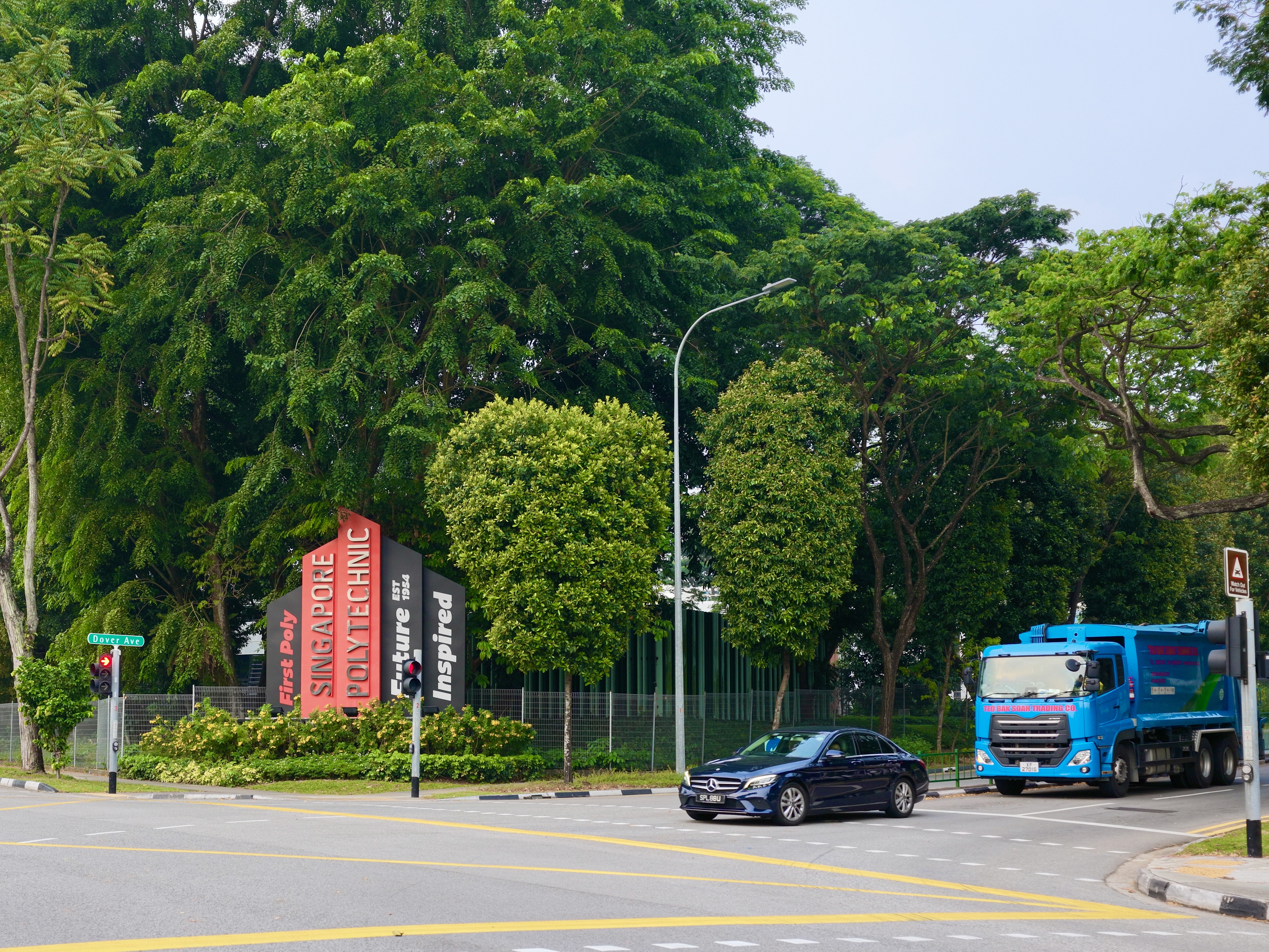
- Polytechnic diplomas and applied study
- Work-study and apprenticeships
- How to compare three options
- An illustrative student decision
- Next steps for 2027
First understand the learning preference
A learner may understand an idea more readily after seeing a demonstration or handling materials. That preference does not establish an immutable ‘learning style’ or mean the student cannot succeed academically. The aim is to connect concrete experiences with abstract explanations.
Primary school: make concepts visible
Use objects, diagrams and measured observations to introduce fractions, forces and scientific relationships. Ask children to explain why the method works and then solve a similar problem without the objects. The transition from concrete to symbolic reasoning is important.
Secondary school: choose real subjects
Design and Technology, Science, Mathematics, computing and CCAs can provide different forms of applied learning. The school decides which subjects and programmes are available. Families should inspect actual syllabuses and course requirements, not assume that every secondary school has the same workshop or programme.
ITE as a technical education route
ITE offers Higher Nitec and other approved programmes involving technical and vocational skills. Courses differ in entry criteria, duration and practical assessment. A learner interested in engineering maintenance should inspect the actual tasks and safety requirements, not choose by course title alone.
Polytechnic diplomas and applied study
Polytechnic diplomas combine theory, projects and course-specific practical or industry work. Engineering may require algebra and physics; health courses may require precise communication and science; media production may demand technical planning and teamwork. Hands-on study still needs disciplined academic foundations.
Work-study and apprenticeships
A structured work-study route should identify the qualification, employer, training plan, supervision and assessment. Ordinary employment without those elements is not automatically an accredited apprenticeship. Check employment obligations and safety before accepting an offer.
How to compare three options
For each course, record the recognised qualification, entry requirements, core modules, practical tasks, duration, cost, commute and progression routes. Ask which activities the learner enjoys enough to repeat when they become difficult.
An illustrative student decision
A student enjoys fixing bicycles and solving mechanical problems. Rather than immediately declare that the child should enter engineering, the family explores relevant school subjects, introductory safe projects, actual engineering diploma modules and other technical careers. The learner discovers whether the interest extends to measurements, physics, documentation and troubleshooting.
Next steps for 2027
Check the student’s current qualifications, identify suitable courses and speak with the school’s Education and Career Guidance staff. Use official admissions instructions for the correct intake, particularly where the 2027 SEC cohort will apply through the new 2028 post-secondary process.
A practical decision checklist
- Identify the learner’s actual stage and the immediate decision.
- Check the current official requirements and relevant year.
- Compare meaningful alternatives and their practical constraints.
- Discuss the decision with the learner and appropriate educators.
- Choose a manageable next action and a review point.
- Preserve privacy, safety, rest and family routines.
Frequently asked questions
Is every 2027 opportunity confirmed? No. Specific intakes and programmes have their own announcements.
Does one route guarantee a future qualification or job? No. Progression and employment depend on actual eligibility, performance and opportunities.
How should families choose? Use genuine interests, prerequisites, learning outcomes and reliable information.
Official sources
- MOE post-secondary pathways
- MOE CourseFinder
- ITE official website
- SkillsFuture
- Singapore Education 2027 national watchlist
Conclusion
Education becomes more useful when learners understand the choices ahead and can connect knowledge with practice. Families can support that process through accurate information, careful discussion and realistic planning.