
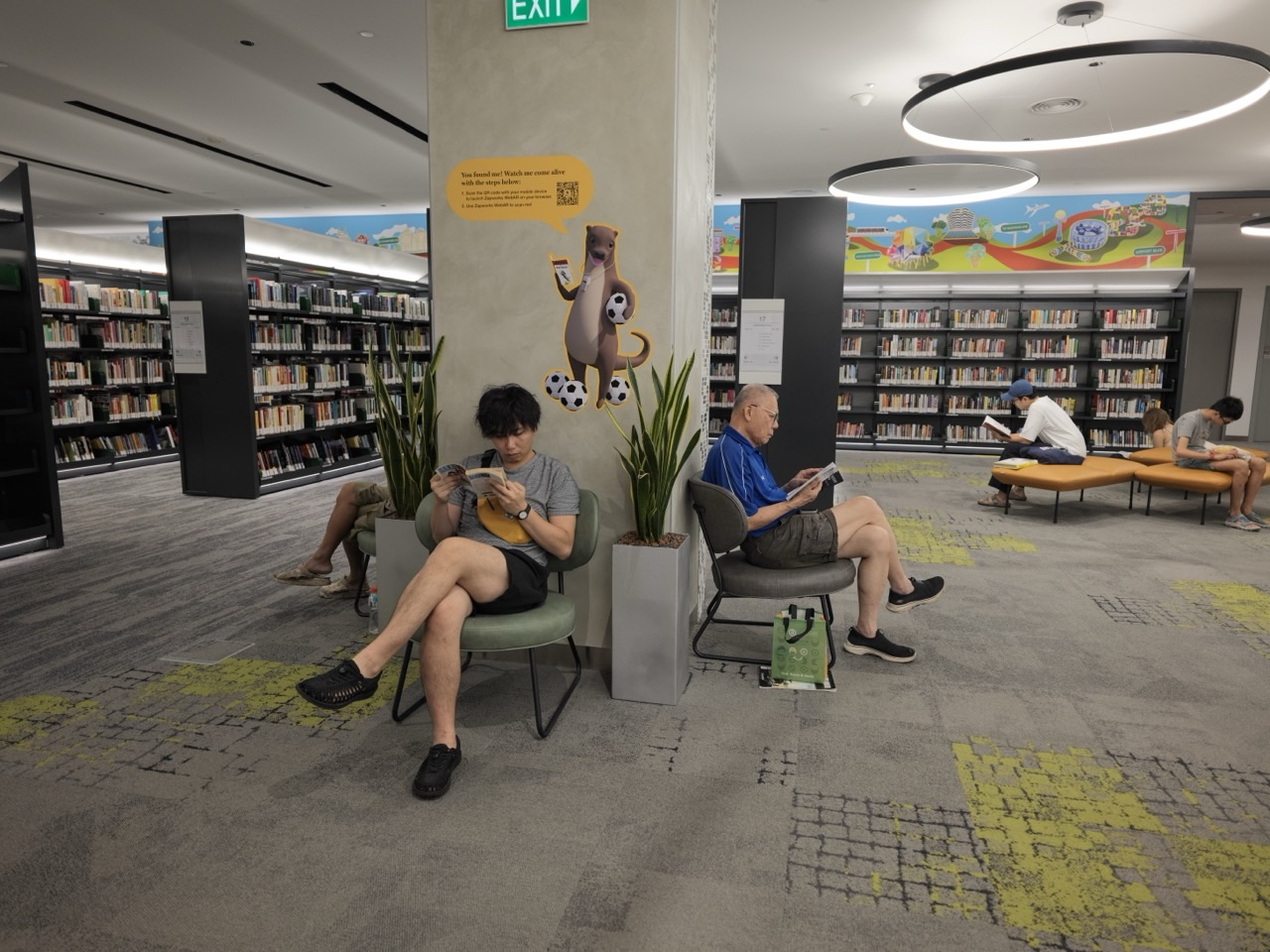
Singapore Education 2027 includes more than classroom Mother Tongue lessons and examination preparation. MOE is expanding language-reading opportunities over several years, widening access to Higher Mother Tongue for students with clear language strengths, and supporting community partners that run cultural learning programmes.
Did you know? A mother tongue is not simply a school subject. It is a way a child can talk with family, understand humour and heritage, compare perspectives, read ideas and participate in community life. A successful 2027 plan should therefore mix useful everyday language with academic practice.
This guide includes specific 2027 activities announced on the Committee to Promote Chinese Language Learning (CPCLL) website, while distinguishing those Chinese-language events from separate Malay and Tamil language programmes. Calendar details are based on official pages available on 27 October 2026 and may change.
What you will learn
- Why Mother Tongue deserves its own 2027 calendar
- MTL SOAR and the long-term reading rollout
- Higher Mother Tongue access for secondary students
- Official Chinese-language events currently listed for 2027
- How to read dates and event eligibility correctly
- What the 2026–2030 language investment is for
- Four habits that make language usable at home
- How different Singapore households can take part
- A practical family example
- Misunderstandings to avoid
Why Mother Tongue deserves its own 2027 calendar
A student can memorise vocabulary for a test yet rarely choose to read, speak or listen in the language after school. That disconnect is one reason genuine language development needs more than additional worksheets.
The classroom provides the structure and feedback. Families can provide the habits: conversations, books, songs, family stories, short messages, library visits and reasons to communicate. Community events provide occasions to see language used with an audience.
MOE’s wider 2026 plans provide additional support for Mother Tongue Language Learning and Promotion Committees, while the CPCLL official site publishes Chinese-language activities and resources. Families should consult the equivalent Malay or Tamil organising programmes separately for their events; a Chinese-calendar listing is not an all-language national calendar.
MTL SOAR and the long-term reading rollout
MOE announced MTL SOAR as a structured programme to encourage positive Mother Tongue reading habits in primary schools. Its rollout is progressive, with the aim of covering all primary levels by 2029—not a claim that every level already has the full programme on 1 January 2027. Read MOE’s 2025 announcement.
Planned supports include age-appropriate readers, reading passports, resources for teachers, parent guidance and recommended reading lists curated with the National Library Board. The purpose is to make reading inviting and repeatable.
A parent can support this at home by asking the child to choose material they actually understand and enjoy. Reading a short comic with comprehension is better than carrying a sophisticated novel around without reading it.
For Chinese-language families, CPCLL’s primary resources page includes a 2026–2027 recommended list of extracurricular Chinese reading materials. It is a useful starting point, not a list of books every pupil is required to purchase.
Higher Mother Tongue access for secondary students
MOE broadened Higher Mother Tongue Language (HMTL) eligibility for Secondary 1 intakes starting in 2026. Students with AL1 or AL2 in PSLE Mother Tongue, or Distinction or Merit in PSLE Higher Mother Tongue, may offer HMTL in secondary school irrespective of their overall PSLE Score, subject to the official and school-level arrangements.
For families with a child entering Secondary 1 in 2027, that means a student’s language achievement should be considered independently of the child’s overall PSLE outcome. Ask the receiving secondary school what subject options are offered and whether the child is ready for the added language workload.
HMTL is not a moral badge and not every strong language learner must take it. The right question is whether it nurtures the child’s motivation, competence and future choices without overwhelming the week.
Official Chinese-language events currently listed for 2027
The CPCLL 2027 Calendar of Events, shown as updated on 20 October 2026, lists several planned events. They are opportunities to watch, not promises that public registration is open or every child can participate.
- 26 January 2027: Cultural Performance Exposure Scheme briefing.
- 17 April 2027: opening ceremony for World Book Day, as shown on the dated CPCLL calendar page.
- 22 May 2027: Chinese Street Dance Competition.
- 28 May 2027: Young Reporter News Challenge award ceremony.
- 3 July 2027: National Secondary Schools Chinese Debate Competition.
- 16 July 2027: Script It Right Chinese Radio Drama Scriptwriting Competition award ceremony.
- 17 July 2027: National Chinese Reading Competition for Primary and Secondary Schools — finals and awards.
- 31 July 2027: National Text Recital Competition — finals and awards.
- 21 August 2027: Seminar for Preschool Chinese Language Teachers.
- 23 October 2027: Cultural Heritage Walk.
Important: the CPCLL homepage’s upcoming-programme preview does not match the dated calendar page on every individual event date. In particular, the home preview and event calendar have shown differing dates for the World Book Day opening and the radio-drama awards. Before buying transport or making participation arrangements, reconfirm the specific event’s date on its organiser page or directly with CPCLL.
Several entries are finals, awards or briefings rather than an open invitation to any learner. A child interested in taking part may need to apply well before the publicised finals date. Ask the school or organiser about categories, eligibility, registration deadlines and supervision.
How to read dates and event eligibility correctly
A school debate final in July is not a national examination. A cultural heritage walk is not necessarily compulsory for all pupils. A seminar aimed at preschool Chinese-language teachers is not automatically a programme for preschool children.
Before placing an event on the family calendar, record its official organiser, eligibility, application method, confirmation status, venue, cost if applicable and whether the child is a participant, audience member or not eligible.
Where information is missing, label it ‘awaiting organiser details’. Treating an announced programme as a secured place creates false confidence. Dates and venues can be revised.
What the 2026–2030 language investment is for
In MOE’s 2026 Committee of Supply announcements, funding for Mother Tongue Language Learning and Promotion Committees rises to S$33 million for FY2026–FY2030, compared with S$30 million for FY2021–FY2025. The goal is to strengthen family partnerships, community programmes and access through digital outreach. See MOE’s original funding announcement.
This is a multi-year programme commitment, not a promise that every family receives cash, a compulsory camp, or an identical language course in 2027. It aims to expand opportunities and strengthen the ecosystem around language learning.
For communities across Singapore, the value is practical: finding accessible ways for children to use language beyond the classroom while preserving links to family and culture.
Four habits that make language usable at home
Read for five to ten purposeful minutes
Let the child choose a short suitable text in the relevant Mother Tongue, then ask what happened, why a character acted and which unfamiliar word matters. The objective is a real conversation, not a number of pages.
Use language in everyday tasks
Write a shopping note, describe the weather, greet a grandparent or explain a recipe step. Words become more memorable when they do real work.
Watch, then retell
Choose age-appropriate approved media, listen together and let the child retell the main event. Ask for one sentence that distinguishes what happened from what the speaker believed.
Create a small shared record
Keep a notebook of interesting new words, short phrases, favourite idioms or different ways of saying an idea. Return to these words in speech. A vocabulary list has greater value when its words become useful tools.
How different Singapore households can take part
A Chinese-speaking family in Ang Mo Kio may wish to explore CPCLL’s reading or cultural programmes. A Malay-speaking family in Tampines may prefer a community activity connected to Malay language and heritage; a Tamil-speaking family in Yishun may seek Tamil literacy and cultural events through the appropriate organisers. These are examples of how to search for relevant opportunities, not specific 2027 event claims for those languages.
For bilingual or multilingual families, children may have different levels of exposure at home. That is not itself a failure. Start with familiar contexts, ask teachers about an appropriate reading level, and distinguish limited speaking practice from a deeper reading or comprehension difficulty.
Estate libraries and school programmes can help where families have limited access to books. Borrowed materials, free reading time and supportive conversation may be more sustainable than repeatedly purchasing advanced test books.
A practical family example
Imagine a Secondary 1 pupil who received a strong PSLE Mother Tongue grade and enjoys telling stories. The family discovers the 2027 Chinese-language radio-drama competition and assumes the awards date is the submission deadline.
The family should first ask the secondary school whether Higher Mother Tongue is appropriate and available. Next it checks the event organiser’s actual competition brief and application deadlines rather than relying on the awards listing. At home, the pupil records a short dialogue, listens back for clarity and revises for meaning. Even without entering the competition, this is meaningful language learning.
The principle extends to Malay and Tamil language learning: a clear purpose, appropriate materials, repeated practice and supportive adults are more important than a crowded achievement calendar.
Misunderstandings to avoid
- Assuming the full MTL SOAR programme is mandatory for every primary level in January 2027 rather than being phased in through 2029.
- Assuming Higher Mother Tongue admission depends only on the overall PSLE Score.
- Confusing the CPCLL Chinese calendar with event schedules for every Mother Tongue.
- Assuming a final or award-ceremony date is the contest registration deadline.
- Treating two differing online event listings as final without checking with the organiser.
- Making language practice entirely about marks and leaving no room for speaking, stories or culture.
Frequently asked questions
Will MTL SOAR reach all primary-school levels in 2027?
MOE describes a progressive rollout aimed at all primary levels by 2029, so school-level provision and timing should be checked rather than presumed.
Can a 2027 Secondary 1 student offer Higher Mother Tongue based on strong PSLE language results?
MOE broadened eligibility from 2026 for students who achieve specified PSLE Mother Tongue or Higher Mother Tongue results regardless of their overall PSLE Score, subject to school arrangements.
Are all the listed cultural events open to parents and children?
No. Some are competition finals, award ceremonies, a briefing or a teacher seminar. Read the organiser’s requirements before making plans.
Are the exact dates final?
The calendar lists dates as of October 2026, but some CPCLL pages have shown differences. Verify each event close to registration or attendance.
What is a simple way to strengthen Mother Tongue at home?
Choose short age-appropriate reading, everyday conversations and repeated useful vocabulary rather than treating all practice as a test.
Continue: Singapore Education 2027
This guide belongs to a four-part companion series on preschool entry, Secondary 1 transition, pre-university planning and mother-tongue cultural learning. The links below lead to the related guides.
- Singapore Education 2027 | MOE Kindergarten Admissions, New Centres and Estate Planning
- Singapore Education 2027 | Secondary 1 Posting, Full SBB and the First Term
- Singapore Education 2027 | JC, Millennia Institute and A-Level Planning Explained
- Current guide: Singapore Education 2027 | Mother Tongue Reading, Language Choices and Official Events
For wider national updates, see Singapore Education 2027 | Confirmed Changes, School Events and the Family Watchlist.
Official sources and further reading
- CPCLL — 2027 Calendar of Events, Updated 20 October 2026
- Committee to Promote Chinese Language Learning — Official Site
- CPCLL — Primary Reading Resources and 2026–2027 Recommended Books
- MOE — 2025 Announcements: MTL SOAR and Higher Mother Tongue
- MOE — 2026 Announcements: Mother Tongue Committee Funding
- eduKateSG — Why Schools Teach English and Mother Tongue
- eduKateSG — Primary School Changes in 2027
A Language Is a Tool for Living
For 2027, the most useful outcome is not the biggest list of events. It is a child who is gradually able to read, speak, understand and connect with people in a language that matters to the family.
Keep official dates separate from registration deadlines, choose culturally meaningful opportunities and give children a reason to use the words they learn.