
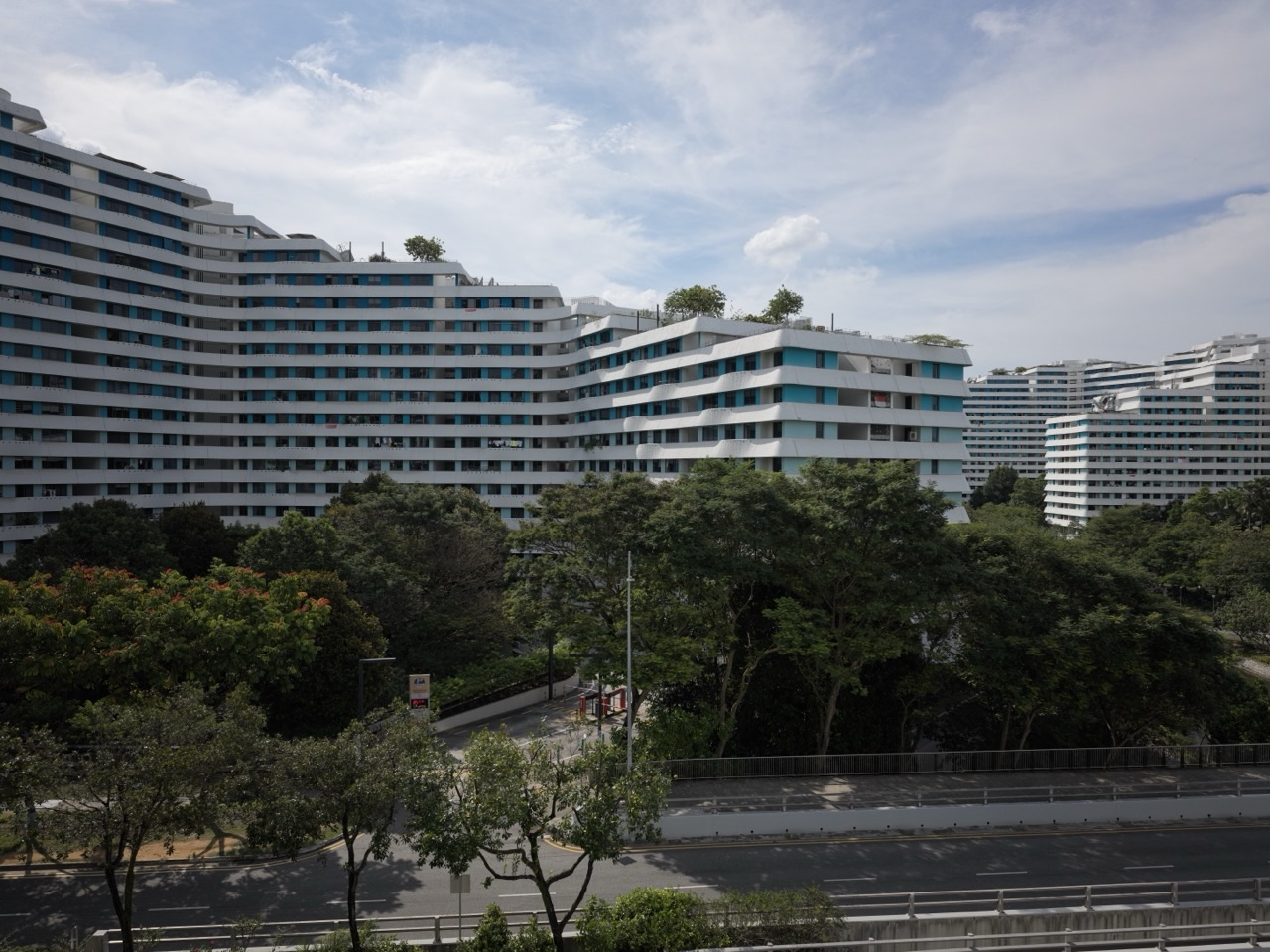
From the February 2027 sales exercise, eligible first-timer families with or expecting children get one additional HDB ballot chance for each qualifying Singapore Citizen child aged 18 or below. The announced change covers all flat types and projects offered in Build-To-Order (BTO) and Sale of Balance Flats (SBF) exercises. Start with your household’s usual allocation, then check the additions that apply to your family and the particular exercise.
A first-timer family ordinarily starts with two chances. Families HDB assesses under the First-Timer (Parents & Married Couples), or FT(PMC), category start with three. A separate addition can apply to a Standard BTO application after repeated unsuccessful Standard BTO applications. Your chance count, eligibility for a priority scheme and the queue number you eventually receive are three different things.
- Confirm your first-timer status and whether HDB assesses you as FT(PMC).
- Check the February 2027 child-related addition and the separate Standard BTO history rule.
- Review your HDB Flat Eligibility letter and any priority scheme before applying.
- Use supply, acceptable units and your move deadline to decide whether to apply or book.
Find the section you need
Chapters 1–3
First-timer is a household assessment
Read the HDB Flat Eligibility letter, usually called HFE, with the names and roles on the application in front of you. People often use first-timer to mean that they personally have never held an HDB lease. HDB assesses the household under its published rules. The modes of sale page explains that a couple with one first-timer and one second-timer is treated as a first-timer family. This detail is worth checking before guessing a starting count from a single person’s past housing history.
Make a list of earlier subsidised purchases, earlier booking invitations and any properties each member has owned. HDB asks about different facts for different decisions. For example, a couple can be assessed as a first-timer family while its prior history prevents it from meeting the more specific FT(PMC) criteria. Record a joint decision only after checking which of the two labels applies.
Check the three starting chances separately
HDB lists FT(PMC) criteria relating to family circumstances, past residential property ownership and earlier chances to book. Its current guidance covers families with at least one qualifying Singapore Citizen child aged 18 or younger or married couples aged 40 or younger, and addresses certified pregnancy. It also checks that applicants have never owned or sold a residential property and have had no opportunity to book a BTO or SBF flat in the preceding five years. HDB assesses this category after a flat application, so use the official outcome to confirm any estimate.
A couple with no children may qualify through the young married couple route if they meet the other conditions. Their starting count can then be three even though their child-related addition is zero. Another couple may qualify as a first-timer family and start with two before the child-related addition. The details in the records, especially past ownership and booking opportunities, explain why households that look similar may start differently.
Back to contents · Next chapter
Use the sales exercise date
The rule was announced in 2026 and begins with the February 2027 exercise. If you are comparing the results of an older application with what you expect in 2027, write down the sales exercise for each. The new addition covers BTO and SBF. It also reaches different project classifications and flat types offered in those exercises, subject to the family being eligible to apply for the particular option.
HDB describes one chance for each Singapore Citizen child aged 18 or below, with no cap on the number of child-related chances. If your family is expecting a child, check HDB’s documentation requirements for that exercise and which information it needs recorded before the deadline. HDB explicitly refers to families with or expecting children in the announcement. A family with a birth, adoption, citizenship update or a birthday close to the application date should verify how HDB will assess the specific case.
Keep evidence of changes to the household
Suppose parents received their HFE before their child was born and hope to apply during a later exercise. They can check whether the recorded household now reflects the change, whether HDB needs a refreshed assessment and how to submit the relevant evidence. Plan this around the deadline on the live exercise page. A family can otherwise spend the opening days comparing locations when its immediate task is to confirm that the application details are ready.
If a child is near the age boundary, record the date of birth and the relevant exercise. If an adoption or citizenship document has just been issued, make sure the relevant record is available in the form requested. A screenshot of an old estimate is useful for spotting a discrepancy. The current portal and any clarification from HDB are the records to use for the application.
Prepare for a change between application and booking
Separate changes that affect the application from changes that affect your housing preference. A new child, revised citizenship status or change in the applicants can affect the information HDB uses. A change in childcare plans may affect the preferred stack or the amount your family can spend. Ask HDB how to update the former and discuss the latter with the people who will live in the flat.
For example, a couple initially plans around one adult commuting from home and expects to need only one regular childcare journey. A change in work hours makes a grandparent’s help more important. The home closer to the grandparent now has greater practical value, even if the couple originally preferred another location. If the BTO application has not yet closed, review the options and follow HDB’s procedures for any change. Once it has closed, check the permitted next steps before assuming that you can switch your project.
An effective record separates dates into four groups. The first is when events actually happened. The second is when you reported them. The third is the deadline HDB uses for the exercise. The fourth is when an official answer arrived. When you ask about eligibility, give the facts and dates clearly. A statement like “the birth was recent” leaves room for misunderstanding. A stated event date and exercise make the question easier to answer.
Check that both applicants can access the application information and know who will follow up. When an answer changes a decision, write down the new instruction and the next action next to the old estimate. Doing so helps when an eligibility question is addressed in one message and the selection appointment arrives separately.
Back to contents · Previous chapter · Next chapter
Identify the applications that count
HDB describes an additional chance for a first-timer family’s subsequent Standard BTO application after two unsuccessful Standard BTO applications. The history addition can increase to two. Track the classification and exercise type of each past attempt, as well as what the result actually said. Losing a Plus BTO ballot and missing out on a Standard BTO can feel identical, but they are different entries in this calculation. The same applies to an earlier SBF application.
Suppose a family made one unsuccessful Standard BTO application, one Plus BTO application that did not lead to a unit and another unsuccessful Standard BTO application. For its next eligible Standard BTO application, the two relevant misses are the Standard attempts. If HDB confirms they count, the family adds one history chance. If it now chooses a Plus project, the Standard history addition does not apply to that application. The base and any applicable child addition are still checked.
Work through the figures in order
An eligible FT(PMC) family with one qualifying child starts with three and adds one for the child. If the family applies for a Standard BTO after two qualifying unsuccessful applications, it can add one more and reach five. If its next choice is an SBF exercise, the example total is four because the Standard BTO history addition applies to a qualifying Standard BTO application. The same family should confirm the classification and current rules for the particular project.
An older table may show a typical maximum of five for an FT(PMC) family based on three base chances plus two history chances. Read that as a description of those two parts. The announced child addition is a separate component and can lift the total higher. Keep the breakdown next to the total so that you know which component could disappear when you change the application.
| Application example | Base | Child addition | Standard history addition | Illustrative total |
|---|---|---|---|---|
| Other first-timer family, one qualifying child, SBF | 2 | 1 | 0 | 3 |
| FT(PMC), two qualifying children, Plus BTO | 3 | 2 | 0 | 5 |
| FT(PMC), one qualifying child, two qualifying prior misses, Standard BTO | 3 | 1 | 1 | 5 |
| FT(PMC), no children or qualifying history, Standard BTO | 3 | 0 | 0 | 3 |
Back to contents · Previous chapter · Next chapter
Compare the job each rule does
The ballot count is one part of the application. A priority scheme may set aside a portion of available flats for eligible applicants or affect the order in which the application is balloted. The Family and Parenthood Priority Scheme, or FPPS, supports qualifying families. HDB gives FT(PMC) applicants first priority within FPPS when they apply for a four-room or smaller BTO flat in a Standard project. A family considering a five-room flat or another project classification should check the effect of that choice on the priority it receives.
When a family plans to live near parents or an adult child, read the Family Care Scheme conditions for the particular option. A family with three or more children can check HDB’s current Third Child Priority Scheme conditions. HDB publishes how compatible schemes are handled. It explains that eligible FPPS buyers may apply for one other priority scheme, subject to its requirements, and gives an example where an application unsuccessful in one scheme can be balloted again under FPPS.
Read the queue position against available units
The computerised ballot establishes a queue order. A queue position can be promising while the flat stacks you would realistically book are scarce. Before the result, write down which floors, prices and parts of the project the household could accept. Revisit the list when the booking schedule and actual availability become clear. The practical question is whether an acceptable unit remains at the appointment.
A family could be happy to book across six stacks if the living room can fit its furniture and the walk to childcare is manageable. Another family may accept only a few layouts because of mobility needs. The same queue position has a different practical meaning for those two families. A priority rule can improve their route through the ballot while their actual booking options still depend on available flats.
Read application rates with the right denominator
HDB’s published application rates can help you see interest in a flat type, but the figure you see during the exercise is a snapshot. Check the labels for the type, applicant group and stage. A project total can obscure the demand for the precise flat type you want. HDB’s final ballot and any applicable quotas or priority routes still shape the result. Treat the rate as an input for comparing options rather than a personal probability.
Suppose the family can live comfortably in either a four-room or a five-room layout. It should compare the two using the live exercise’s supply figures and what its housing budget can support, and then check whether a priority route works differently for the chosen type. If the larger flat would consume most of the cash available for the move, the family has a budget reason to favour the smaller one even if the larger category appears less competitive at that moment. If an extra bedroom is necessary for a live-in relative, the family may decide it would accept a different estate to get the needed space.
Write down the facts you know before trying to forecast the result. You may know how many units are offered, which application you are eligible for and which layouts fit. You will only know your assigned position after the ballot and which units remain when booking opens for you. Recheck the project and eligibility if you see a large swing in demand. Avoid changing the household’s budget or minimum room needs in response to the rate alone.
A compact comparison can use one line for each eligible option and a short reason for retaining it. The reason could be a completion period compatible with the household’s lease or access to a relative who helps on weekdays. This gives the family a better basis for making a decision when the sales exercise is busy.
Back to contents · Previous chapter · Next chapter
Build a one-page application record
Start with names and roles, the HFE expiry date and your first-timer category. Add the children’s eligibility details and any household update to make. Then record the BTO applications that may count, their classifications and whether HDB offered a booking appointment. Set a reminder to look at the exercise page early and check the last date to submit the application.
Next record the chosen flat type, classification, estimated completion period, financing range and the household’s earliest and latest acceptable move dates. A family expecting a child may need to fund several years of rent and childcare before keys are ready. Lay those costs next to the expected flat costs so that the choice of project reflects the whole period. A shorter waiting time matters more to some households than an extra ballot chance.
Compare two projects without treating the ballot as an odds calculator
Imagine a family choosing between a Standard BTO flat close to relatives and a Plus BTO flat with a shorter commute to work. It has two qualifying Standard BTO misses. The family can add the history chance for its Standard application. It should also compare what the actual flats cost, the availability of its preferred type and any occupation conditions attached to the projects. One extra chance is only one difference between the two options.
A useful comparison keeps the same household budget for both columns and changes only the inputs affected by the project. Compare a normal weekday, a week when childcare falls through and the first year after the move. For each scenario, record which trips still work and who can help. That gives the family a reason for choosing an estate even if the published application rate moves before the deadline.
Choose an application the household would actually accept
Before applying, compare several specific stacks or layouts and agree on a minimum set of acceptable choices. Use the indicative plans and prices where available. Look at the number of bedrooms the family needs, the movement between the home and lift, and whether there is space for daily activities such as working from home. Check the connection to childcare and school at the hours when the family would use it.
A couple might choose a project near a grandparent but find that the preferred layout has a narrower living area. One way to decide is to sketch how existing furniture would fit and where a child could study without blocking a passage. This is a reversible check that can save time during booking. It also makes it easier to tell the difference between a minor preference and a feature that makes the home unsuitable.
Add a short note on the cost of waiting. If the family stays in a rental until completion, check the existing lease and model an extension using a realistic monthly figure. Add renovation and moving costs after collection. Compare this with the timing of any other feasible route. The household can then choose to enter the ballot knowing both the kinds of flats it would book and the waiting period it can manage.
Back to contents · Previous chapter · Next chapter
Set booking limits before seeing the remaining list
Give the household a maximum purchase price based on its confirmed financing and cash budget. Write down the minimum acceptable layout and whether any household member needs step-free access or a short walk to the lift. Check actual floor plans and the location of the refuse area, lift lobby and drop-off before the appointment. Where a layout needs work, include a realistic renovation allowance.
It helps to give each feature a category. An essential feature rules a flat out. A preference makes one available unit more attractive. A feature the household can change belongs in the renovation or furniture budget. If both applicants agree on these categories before selection, they can work through the remaining units without reopening every earlier decision.
Check the consequences if you pass on a unit
HDB says that when it invites an applicant to book while units are available and the applicant chooses not to book, the household may incur a non-selection count under the applicable rules. HDB’s modes of sale guidance also describes forfeiture of accumulated Standard BTO history chances in that situation. Check the current sales-exercise FAQ for the full treatment and any exceptions before acting.
If the remaining flats exceed your agreed budget or fail a practical requirement, preserve the evidence behind that decision. Keep the written confirmation of your application result and any record of the booking outcome. For a later attempt, check what HDB now records instead of copying forward an old count. If the family is under a firm move deadline, use a fallback that fits the date, such as investigating resale, another acceptable project or a temporary housing arrangement for which the household qualifies.
Put an unsuccessful result into a concrete next plan
A family that misses a ballot may want to reapply at the next exercise. First, record exactly what happened. A result with no booking opportunity and an invitation the household chose not to take can have different consequences. Save the outcome and check the guidance before using it in any future ballot count. If the next application depends on the Standard history addition, confirm the classification and result of each prior attempt.
Next, update the household’s date plan. A rental lease, a birth, the start of school and the need to care for a family member can make different parts of a move time-sensitive. Put the earliest date the family would want keys and the latest it can manage in the current housing arrangement on the same page. Ask what it would cost to extend the current arrangement and whether that option is actually available.
For a household that could buy either a new or resale flat, compare the timelines on equal terms. Include the waiting period for the new flat, the cost of the current accommodation during that period and the practical lead time for any resale purchase. Include renovation and moving in both columns. If the family has to be housed by a particular month, it may want to examine feasible resale options while deciding whether the next BTO launch is suitable.
The outcome may change over time as a project list is published or a financing decision expires. Keep a review date and decide who will check it. A plan is useful when it tells the family what to do this week and what information would lead to a different choice next month.
Back to contents · Previous chapter · Next chapter
Do first-timer families always get three chances?
The starting count is usually two. HDB lists three for households it assesses as FT(PMC). A child-related addition or the qualifying Standard BTO history addition can increase the relevant total.
Do the child-related chances apply to Plus and Prime projects?
Yes, HDB announced that the new addition applies across flat types and projects offered in BTO and SBF from the February 2027 exercise, subject to your eligibility for that application. The separate history addition is specific to qualifying Standard BTO applications.
Can I add a missed SBF ballot to my Standard BTO history?
Use HDB’s Standard BTO history rule and check your portal record. The published condition refers to unsuccessful Standard BTO applications. Keep your SBF results in a separate part of your notes.
Does FPPS guarantee a flat?
Priority can help within the ballot process. The queue position, available supply and the units left when you are called still determine whether you can book a flat you want.
Should I apply as soon as the exercise opens?
Make sure your HFE and any supporting documents are ready for the exercise deadline. HDB ballots eligible applications after the application period. Use the time you have to verify the project, flat type and priority route you intend to select.
Back to contents · Previous chapter · Official sources and next reading