
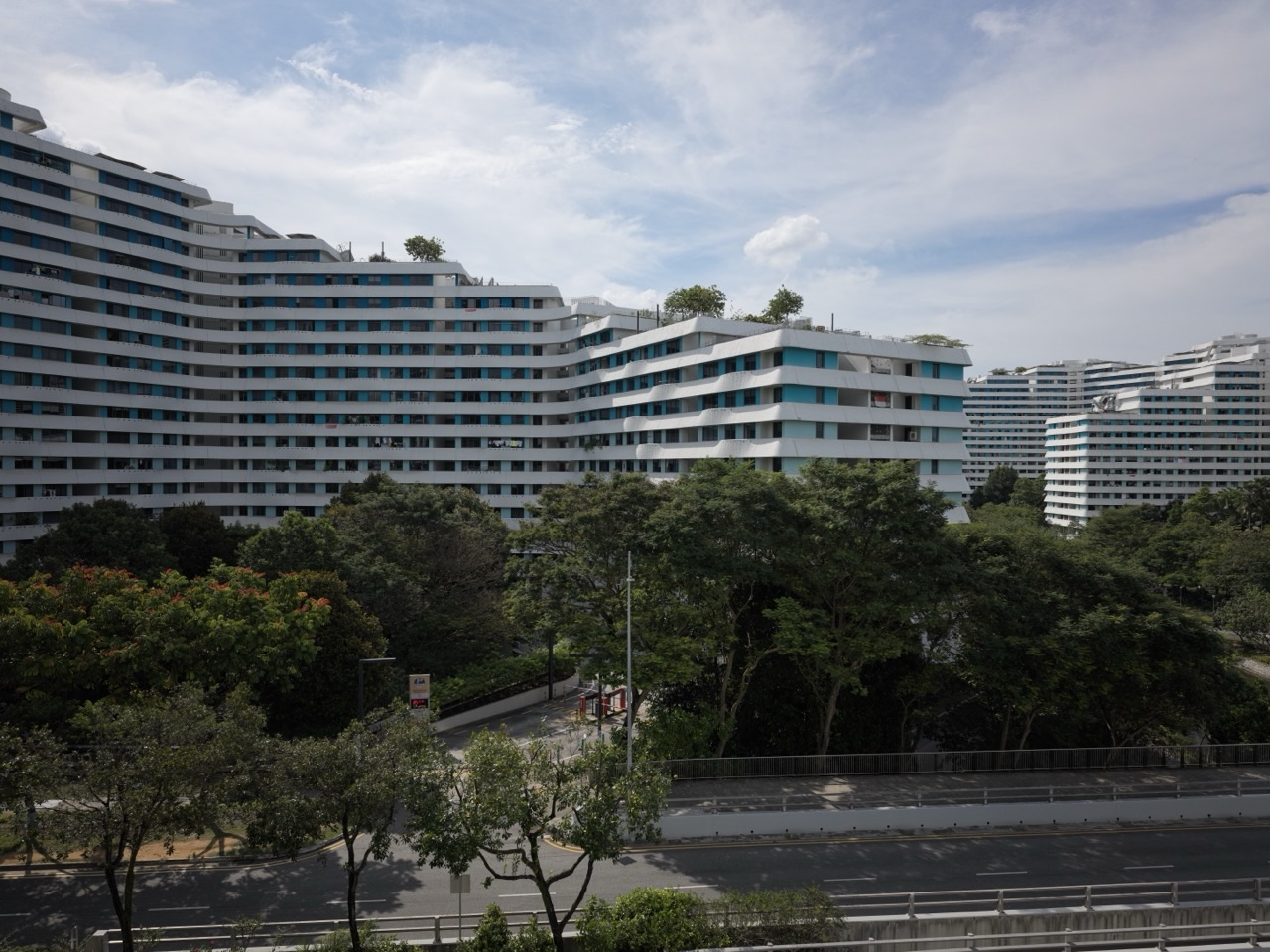
Before buying an HDB resale flat affected by the Home Improvement Programme (HIP), check three dates separately. Find out when the work is expected inside the unit, when the resale will complete and when HDB will bill for the upgrading. HDB says the owner at the date of billing is liable for upgrading costs when billed after precinct works are completed. If a bill is already outstanding, ask how it will be settled before resale completion.
Check the work actually selected for the unit before paying a premium for an upgraded flat or booking your own renovation. An announcement, work in progress and completed works are different states. Compare what was done, what remains and what your household would have to pay for or work around after getting the keys.
- Ask for the exact block, unit status and scope.
- Separate essential, optional and EASE works.
- Check the bill, liability and any outstanding amounts.
- Inspect the installed work and decide what can stay.
- Compare possession, HIP and your renovation on one calendar.
Find the section you need
Start with the unit’s status, the billing date or the move-in comparison.
Chapters 1–3
HIP is HDB’s programme for addressing common maintenance issues in older flats. Begin with the precise block and unit. A neighbourhood may have several work schedules. A block can be involved while the unit you are buying has not yet been worked on. Ask for the project notice or written information and verify it against HDB’s latest information.
Read three different status labels
“Selected” tells you the project is identified. “In progress” tells you some work is occurring. “Completed” needs a location attached to it. The seller might mean their unit, while a billing milestone can relate to work across the precinct. Record what each person means and when the information was last updated.
Ask whether the seller has received a specific appointment, selection form or later notice. If an agent reports that work has already been done, ask what was included. If the works are coming, ask where owners can get current scheduling information. Keep any dates that are only estimates labelled accordingly. An announced window may be enough for shortlisting, while a move with school and contractor dates may need firmer information.
Give every property the same set of questions
When you compare an HIP flat with another older home, check both against the same needs. Do the bathrooms work now? Would a new entrance door meet your plans? Would you have to live elsewhere during essential work? A designation by itself cannot tell you how much work is needed for your first week in the home.
Make the first enquiry specific
Ask for the exact block and unit, the most recent information on the project, and the status of work in the home itself. If the seller cannot immediately produce the notice, find out who can confirm the position and when the answer is likely to arrive. Keep the status as unknown while you wait. It is easy to lose track of an unanswered question when a listing is updated or another agent describes the same block differently.
If the project is underway, ask whether the unit has had its main works and whether anything is pending. Ask about further visits, access or reinstatement where relevant. A seller may accurately say that a new door was fitted even though another item is outstanding. Compare the remaining work with what you need the flat to do from the date you take possession.
HDB describes three components of HIP. Essential improvements address specified maintenance and safety issues. Optional work can include bathroom upgrading, an entrance door, a grille gate and a refuse chute hopper where applicable. Enhancement for Active Seniors (EASE) improvements are a separate component. Review what applies to the actual unit and what was selected.
Check a bathroom you plan to retain
If optional toilet upgrading was not selected, ask about the documentation and its current condition. HDB says toilets must pass a water test for leaks before owners can opt out of optional toilet upgrading. If the bathroom was upgraded, inspect the fittings and finishes you can see and ask for a record of the work. Keep the original programme scope separate from the seller’s own work. An apparently recent bathroom can include changes after the programme.
Look at the entrance and route as well. A seller may have opted for an item you would keep, or retained one you intend to replace. If an older relative will use the home, check the route and fitted features with their needs in mind. Ask which alterations are subject to separate rules if you want to change something after buying.
Compare the flat you see with the flat you would use
Make two lists. One is the work already done that genuinely saves you time or money. The other is the work you would still need, even after HIP. For example, you might keep a usable bathroom but still need a different kitchen or bedroom arrangement. That comparison is a better basis for valuing the work than simply subtracting an assumed renovation budget from the price.
Inspect around the feature you intend to keep
A replacement fixture may meet your needs while its surroundings still require work. Check whether a door opens freely around the furniture you plan to install, whether bathroom fittings are suitable for everyone who will use them and whether work on adjacent surfaces is needed. An item that looks recent can be useful without removing the need for a separate budget. Keep the retained item and the remaining job distinct in the quotation.
Where you cannot tell what caused a condition, describe it and ask for an appropriate assessment. Record what can be seen and which documents support the seller’s description. A dated invoice or project notice can show that particular work occurred, while an inspection can help determine what needs attention now. Neither question should be settled solely by the appearance of a listing photograph.
Use the second viewing to resolve one issue that would affect your budget or move. If the bathroom is the reason you prefer the unit, ask what part of it you can use immediately and what would require work. Take measurements where permitted. A practical check is worth more than trying to estimate the value of every upgrade in isolation.
Contents · Previous chapter · Next chapter
HDB states that an owner has to pay the HIP upgrading cost after the upgrading works in the precinct are completed if they are the owner at the date of billing. HDB publishes subsidy and cost-sharing information for different household situations. Check the actual selections, household treatment, and official bill or estimate for your case. The final amount is determined after the works and can differ from an earlier estimate.
If HDB has already billed
HDB’s general upgrading guidance says an owner must settle outstanding upgrading costs before resale or transfer can be completed. Depending on the circumstances, HDB explains that an outstanding amount may be deducted from sufficient cash proceeds after certain obligations, and that an owner may have to pay in cash where proceeds are insufficient. Ask HDB or your conveyancing lawyer how this will be handled for the flat. Keep the evidence of settlement with the transaction documents.
If billing is still in the future
Ask what HDB can confirm about the status and billing schedule, and record the expected ownership date. If both dates are unsettled, compare the scenarios in which they fall on either side of completion. Agree with your lawyer how any private allocation should be documented if it matters. HDB’s liability rule and the parties’ private arrangement are different questions.
Use a dated worksheet rather than a verbal assurance that upgrading is “paid for” or “included”. Ask whether that means the seller has settled an issued bill, the seller has agreed to a future allocation, or the expected amount is included in the asking price. The words can describe different financial outcomes.
Compare an issued charge with a proposed allowance
An issued charge has a status and amount to verify. A future cost has a timing and estimation question. Keep both in the purchase calculation without combining them. If the seller says they have paid, ask the person handling the transaction what record confirms settlement. If HDB has yet to bill, ask what project and household information is needed to estimate the amount. A statement about what was paid for another block cannot establish what will be charged to the owner of this flat.
Suppose completion is expected in June, and a project contact gives a broad billing window that includes June and July. Do not mark either party as the likely payer without checking the rule and actual dates. Keep a case with billing before completion and one afterward. Ask your lawyer how a private arrangement would be recorded if the cost matters to the price negotiation. The example is hypothetical, and the official bill controls the actual amount.
| Milestone | Question to verify |
|---|---|
| HIP proposed or under way | Which works apply to this unit and when will access be needed? |
| HIP completed in the unit | What was actually installed and when? |
| HDB bills | Who owns the flat on the billing date and what is due? |
| Resale completion | Has an existing balance been dealt with and when can the buyer move in? |
Contents · Previous chapter · Next chapter
Start from the earliest practical move-in date. Work backwards through necessary cleaning, essential renovation, possession and any HIP access. Check which rooms would be affected and ask the project contact what to expect for the actual unit. Confirm how the household would manage if bathroom work or access affects its ordinary routines.
Avoid paying twice for the same result
If the planned private renovation would replace an item due to be installed under HIP, talk to the relevant contractor and project contacts about sequencing and requirements. Give each item an owner and date. Check whether you should wait before measuring or ordering work that depends on the finished dimensions. An updated design can be cheaper than ordering twice.
Some households can carry out work in stages and move after the essential rooms are usable. Others need a reliable temporary address through the whole period. Price the accommodation, storage and repeated deliveries where they are relevant. Keep the costs that arise because of the programme separate from the costs you would have had even without it.
Allow for handover terms
If the seller requests additional time after resale completion, check the official HDB process and the actual possession date. A date for legal ownership can control a bill while a later date controls access for your own contractor. Put both dates on the calendar and confirm how the household would respond if the programme dates move.
Work from the household’s most important routine
A buyer with young children may need at least one usable bathroom from the first night. Someone caring for an older adult may need predictable access and a quiet period for appointments. Put those requirements above optional decorating tasks. Ask what access, preparation and restoration may be needed during works and what programme information is available for the exact unit. If the family cannot remain in the home during a relevant period, price a temporary arrangement before agreeing to the move.
Plan the dates of larger purchases around the state of the property. A supplier may need to measure after earlier work or may charge to reschedule. Check which purchases can wait and which would be needed before the first night. That decision can prevent a small schedule change from creating several new costs. If a possession date remains uncertain, discuss refundable or movable arrangements rather than assuming access will arrive as hoped.
Contents · Previous chapter · Next chapter
Consider two invented four-room flats. One costs $525,000 and has completed bathroom work the buyer intends to retain. The other costs $517,000 and needs immediate work that the buyer estimates at $12,000. Before considering fees, financing or billing, the first looks $4,000 cheaper on the combination of asking price and this work. The arithmetic is illustrative, not an estimate for either flat in the photograph.
The buyer then learns that the first flat’s HIP bill may be issued after completion. They ask for the status, estimated share and treatment of any agreement with the seller. They add any confirmed future cost and compare the move dates. If an item still needs replacing, they remove its assumed saving from the worksheet. If the first flat can be used sooner, they estimate how much rent it could avoid.
Give uncertain items a different status
A written bill and an estimated budget are useful in different ways. Put them on separate lines. If a future bill is likely but the amount remains uncertain, show it as a range or mark it pending confirmation. If the seller agrees to an allocation, have the relevant professional verify what the agreement means and when payment would be made.
A good comparison can be revisited after the second viewing. The household can replace its estimated repair cost with a quote, confirm the billing position and update the move date without starting again. The final offer should reflect the things the family will use and the costs it can support.
Contents · Previous chapter · Next chapter
Bring the unit listing, a plan or room list and a short set of questions. Ask which HIP work applies, which items were selected and whether a bill has been issued. If work is upcoming, ask how to verify the dates and what access is needed. Keep the questions tied to the exact flat so the answer cannot be confused with a neighbouring block.
Record what would make the offer change
One buyer may need a bathroom ready immediately. Another might plan a full renovation and value the move date more than the installed items. Decide which case fits your household. Ask whether the unit can be used without major work and how long a temporary arrangement would last if a programme or contractor date slips.
Before committing, take material billing or legal questions to HDB or your lawyer. Ask for the evidence needed at completion. If you cannot establish an important date yet, run the purchase with a conservative assumption. Set a date to review it. An unresolved item should have a person and next action instead of disappearing into the general negotiation.
Write the answer you need before agreeing to the price
An offer might depend on a particular bathroom being usable, an outstanding bill being settled, or possession arriving before a tenancy expires. Put the most consequential condition in plain language and ask how it can be verified. Keep the market price comparison separate so that the value you assign to an improvement is grounded in what you will actually retain.
Review the result when you receive a bill, written programme update or revised access date. Replace only the affected line on your worksheet and see whether the decision changes. A record of that kind can explain why a higher-priced flat is workable, or why a lower asking price still leaves an unaffordable transition.
Contents · Previous chapter · Next chapter
Does HIP mean the whole flat was renovated?
Check the components and selections for the exact unit. HIP covers specific works. Compare the parts you can verify with the work your household still intends to do.
Who pays if HDB bills after completion?
HDB says the owner at billing is liable for HIP costs. Check the actual dates and any separate agreement between the parties with your lawyer.
Should I wait before booking renovation?
Check what work is scheduled and what your contractor needs to measure or do. Arrange the sequence around actual possession and programme access.
What if an issued bill is unpaid?
Use HDB’s instructions on outstanding upgrading costs before resale completion. Confirm how the amount will be settled and retain the record.
What are the five checks before an offer?
- Exact unit, work and project status.
- Items selected and condition of the work you would retain.
- Billing date, amount and any outstanding charges.
- Possession, work and first practical move-in date.
- Price after essential work and a reserve for uncertainty.
Contents · Previous chapter · Sources and further reading