
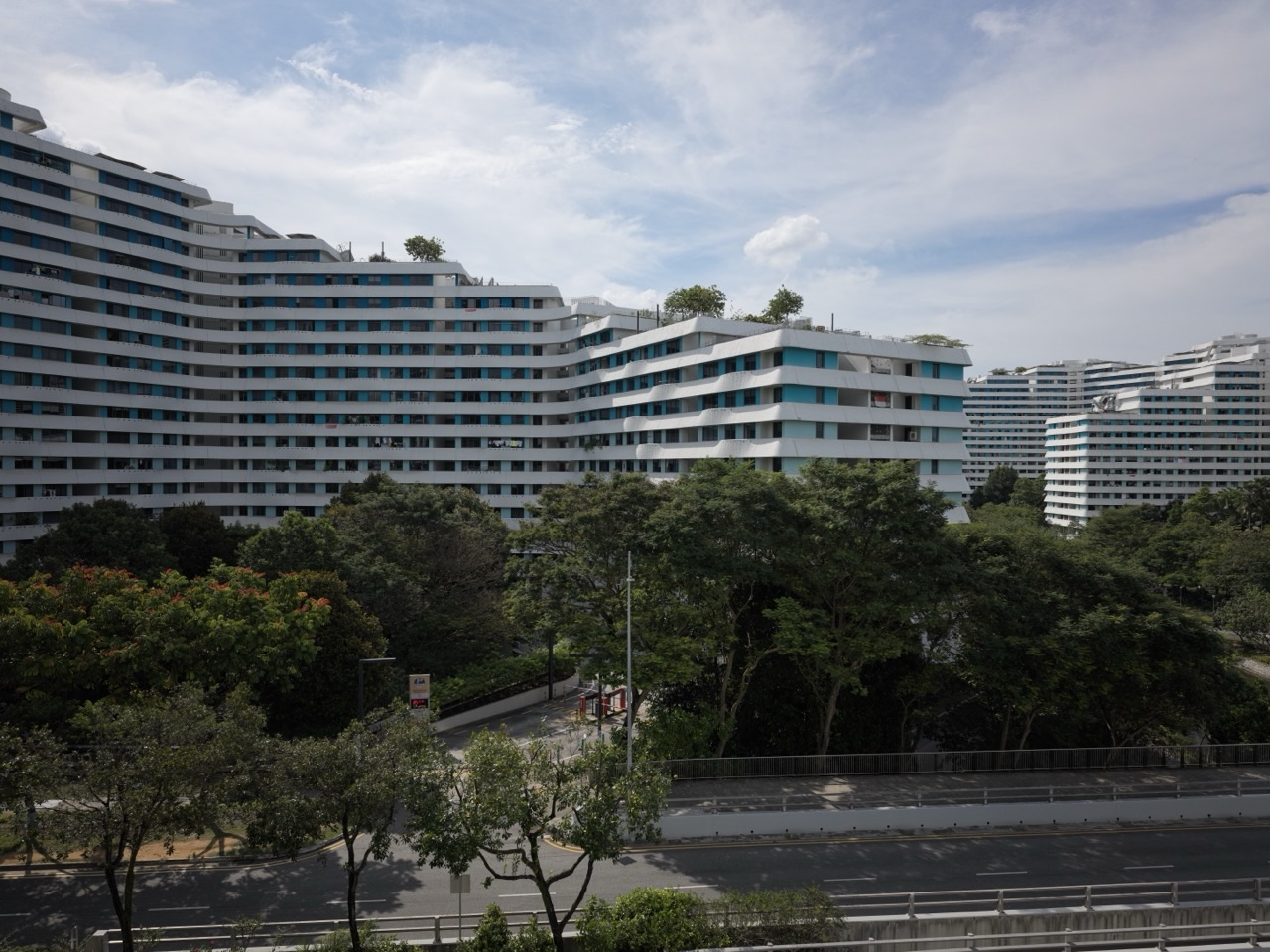
When an HDB flat is held under joint tenancy and one joint owner dies, their interest passes to the surviving joint owner or owners by right of survivorship. HDB still checks whether the remaining household can retain the flat. Where the lease has been issued, lodge a Notice of Death with the Singapore Land Authority (SLA) to update the ownership record.
Start by checking the registered manner of holding and contacting the HDB Branch that manages the flat. If the deceased was a tenant-in-common or the sole owner, the estate process applies to their interest. Handle the mortgage separately. A title update does not establish the Home Protection Scheme payout or the remaining payment schedule.
- Confirm whether the flat was held under joint tenancy or tenancy-in-common.
- Ask HDB to confirm eligibility to retain the flat and the steps for the title record.
- Contact the mortgagee about instalments and any applicable insurance claim.
- Keep copies of the documents and confirmations for each process.
Find the section you need
Chapters 1–3
Check the registered ownership
People often call an HDB flat jointly owned whenever two names appear in the purchase paperwork. For this decision, the precise form matters. Joint tenants hold the whole interest together. Tenants-in-common hold defined shares. HDB has examples of both arrangements in its guidance on manner of holding. Use the title or ask the solicitor or HDB to confirm the entry before selecting the next step.
A purchase record can help identify the original arrangement. Ask whether any later change of ownership or manner of holding has been recorded, particularly if the flat was transferred between family members. If you have a paper title and later correspondence, show both when you seek advice. Give the address and exact names so the adviser can match the records.
Follow the right route for the deceased’s interest
Suppose a married couple were the two registered joint tenants. If one dies, the interest passes to the surviving owner under the right of survivorship, regardless of whether the deceased left a will. If three joint tenants owned the flat, the remaining two take the interest together. The remaining household still needs HDB to confirm the applicable retention rules.
Suppose instead that two co-owners held distinct 60% and 40% shares as tenants-in-common. When the person holding 60% dies, that share is dealt with through the estate. The survivor continues to hold their 40% share. The estate route and the eligibility of any beneficiary to take over the interest require separate checks. Living in the flat or contributing to the mortgage can be relevant to a family’s situation, but the legal ownership should be verified from the records.
Resolve differences between a family description and the title
A parent may describe a flat as belonging to the family, while the paperwork lists the parent and one adult child. Another sibling might have helped with expenses. Start by writing three short lists: registered owners, listed occupiers and people who have paid household costs. One person can appear in more than one list. The lists serve different purposes when you contact HDB, the lender or a solicitor.
If the title appears inconsistent with paperwork from an earlier purchase, ask which document reflects the current position. A later transfer, ownership change or change in the manner of holding may matter. Give your adviser the relevant dates and retain the original documents. This is especially important if somebody remembers signing papers but cannot recall whether the transaction was completed.
Imagine two sisters helping a widowed parent. One can gather documents and make a timeline while the other assists with daily bills. Neither task establishes authority to sign. Agree what each person will do and identify who is entitled to handle the actual transaction. If the parent asks another person to act formally, seek advice on the appropriate authority and required evidence.
Finish this first check with one plain sentence recording the confirmed position and who confirmed it. For example, the family file can say the solicitor confirmed the flat is held in joint tenancy, and give the date of that advice. If the position is still unclear, label it as pending. This avoids carrying an unverified assumption into a mortgage call or a registration application.
Back to contents · Next chapter
Give HDB the remaining household details
HDB’s retention guidance says the remaining family or single occupier may retain the flat if the relevant conditions are met, including being a Singapore Citizen or Permanent Resident and at least 21 years old. Other ownership conditions also apply. Give HDB the details of surviving owners and listed occupiers, any other property interests it asks about and any change to the household that affects the decision.
A surviving spouse who is already a joint owner is in a different position from a family member listed only as an occupier. Identify the role of each person before asking whether they can remain or take over. HDB can tell you which route fits the record and which documents it needs.
Keep retention and registration in separate rows
For a surviving spouse, one row in the case file can record HDB’s answer on retention. A second can record what is required to update the title. A third can record the mortgage contact and next payment. This is useful because a response on one row can arrive while the other two are being processed.
If a family is unsure about retention, ask HDB what interim steps to follow and which information might affect the outcome. Keep the confirmed instructions with the date and contact reference. If the family plans to move or sell, ask which actions can proceed and which depend on finalising ownership or estate matters first. A conversation with a prospective buyer does not resolve who has the authority to sign.
Ask HDB about an unusual household before planning a transfer
A flat may have been bought by a parent and child, with a spouse or another relative living there as a listed occupier. After a death, the household may need to know whether the survivor can keep the flat as currently held or whether a formal change is required. Write down who was on the title before the death, who remains on the title and who intends to stay. If someone is under 21 or there are other housing interests, identify those details when asking about eligibility.
Ask HDB to explain the difference between the steps needed for the title and any steps needed for the occupancy record. For example, a relative can be an important part of the day-to-day household while having no role in lodging the Notice of Death. If the family later wants to add or remove an occupier or owner, check that separately. The rules for a further ownership change can be different from those for reflecting survivorship.
If the family is also in the middle of a BTO application, resale transaction or refinancing, tell HDB and the relevant solicitor what stage it has reached. A booked appointment or payment does not tell you how the application will be treated after the household change. Get instructions on the existing case before making another commitment. Record the last confirmed appointment date and who will notify the other parties.
| Issue | First evidence | Who to contact |
|---|---|---|
| Manner of holding | Title or legal purchase record | HDB or conveyancing solicitor |
| Retention eligibility | Remaining owners and occupants | Managing HDB Branch |
| Notice of Death | Death certificate and title details | HDB Legal Group, SLA or solicitor |
| Mortgage and insurance | Loan statement and cover details | Mortgagee, CPF Board or insurer |
| Estate share | Manner of holding and estate documents | Estate representative or solicitor |
Back to contents · Previous chapter · Next chapter
Choose how you will lodge it
HDB lists three options for a surviving joint owner: deal with SLA personally, appoint a solicitor, or engage HDB legal services through the managing HDB Branch. Ask the chosen provider which documents and fees apply. If the lease has not been issued, ask HDB which steps to follow for the transaction instead of assuming the same registration route applies.
HDB’s published checklist for a Notice of Death includes identification of the surviving joint owners, the original death certificate, and the title document if available. Estate duty clearance evidence can be relevant for deaths before 15 February 2008. Ask about format and requirements before an appointment, including how to submit any document the family only has in digital form.
Track the steps after the first appointment
If using HDB legal services, HDB says its Legal Group prepares the notice and tells the surviving owners when to sign. Record the application reference, who must attend or sign and what must be brought. Request confirmation of lodgement and check the updated record when it is available. Retain the earlier title information so any mismatch can be identified.
Imagine two surviving joint owners, one of whom works overseas. They can give HDB or the solicitor the actual circumstances and ask what signing arrangements are possible before making travel plans. If a separate refinancing or sale is contemplated, tell the solicitor about its timetable. A document prepared for signing is one stage. Ask when the registration itself will be complete and what confirmation to expect.
Make an appointment pack that distinguishes originals and copies
Keep a cover page with the flat address, contact details for the person making the appointment and a list of the papers you have. Follow HDB’s or the solicitor’s instructions about which originals to bring and which documents can be provided electronically. If two people are signing, confirm whether they need to attend together. Store copies securely and avoid using a general family chat to send documents containing personal identification.
Ask the appointment provider what a successful visit should produce. It could be a signed form, a request for one missing document or confirmation that a lodgement has been submitted. Note whether there are registration and conveyancing fees and when they will be collected. If a document is missing, ask who can obtain it and whether the appointment should be rescheduled.
If the remaining household needs to use the updated title for another matter, explain the reason and the relevant date. For example, the mortgagee may want to see ownership evidence before discussing revised arrangements. Ask the mortgagee precisely what evidence it will accept at each stage. Keep the title application, registered result and lender request labelled separately.
After the appointment, write down what was actually completed and any follow-up date. Give the other relevant people the information they need without distributing the whole file. A short note stating the application reference, the task still pending and the next contact can save a second round of calls.
Back to contents · Previous chapter · Next chapter
Check who has authority to act
Where the deceased was the sole owner or held a separate share as a tenant-in-common, HDB sets out an estate process. Depending on the circumstances, the relevant representative may need a Grant of Probate or Letters of Administration and may need to register their authority before an eligible beneficiary takes over the interest. Ask HDB and an estate lawyer how the applicable succession rules and any will affect your case.
For example, a daughter may live in the flat and believe a will gives her the deceased’s share. The family still needs to establish the authority to deal with that share, and HDB must assess whether the proposed owners are eligible to take it over. If there is no will, seek advice on the applicable succession rules. A family agreement should be checked before using it as the basis for a formal transfer.
Preserve the existing owner’s and estate’s records
In a tenancy-in-common case, keep the surviving owner’s existing share visible in the file while tracking what happens to the deceased’s share. Separate the estate documents from the loan statements and from any family notes. If there is a valuation, record its date and purpose. A valuation commissioned for one purpose may not answer another party’s question.
Ask the representative who can request statements, contact HDB and sign for the estate. If more than one person is helping, agree who is authorised to take each action. Where there is disagreement or uncertainty about succession, avoid arranging payments or transfers on the assumption that a proposed outcome has already been approved.
Back to contents · Previous chapter · Next chapter
Ask the lender what is due now
Find the latest loan statement and contact the lender or HDB, depending on who provided the loan. Confirm the balance, next instalment date, and whether the payment method needs to be changed. If the instalment previously came from the deceased’s CPF or bank arrangements, tell the mortgagee that fact. Get clear instructions for the next payment while the claim or title update is pending.
CPF Board says it automatically assesses the death claim where the deceased was insured under the Home Protection Scheme, had an outstanding housing loan and CPF Board is notified by ICA. It informs the co-owners or next-of-kin of the outcome and whether it requires more information. If a private mortgage policy was used, ask the insurer what process applies.
Reconcile the balance after the outcome
An approved HPS benefit is paid directly to the mortgagee up to the insured amount and according to the cover. A household with partial cover can still have a loan balance. The registered form of ownership does not tell you the insured share. Check the actual CPF Board or insurer outcome and request an updated loan statement after the lender applies the payment.
For a simple illustration, a household owes $160,000 when the lender supplies its first statement. If an approved benefit pays $90,000 towards that balance, the principal remaining would be about $70,000 before any other adjustments. Ask the lender for the effective balance, future instalment and whether any other payments or charges affect it. Keep the updated loan statement next to the insurance confirmation.
If a household relied on two incomes, prepare a budget using the amount it can verify today. Include ordinary charges such as utilities, service and conservancy charges and essential repairs. Compare the current budget with one based on the lender’s revised instalment when that figure is confirmed. This helps the remaining owner assess the cost of staying without presuming how the claim will turn out.
Make the next instalment a separate practical task
Suppose the next mortgage payment is due in two weeks, and the surviving owner does not know how much the deceased was insured for. The immediate question for the mortgagee is what amount is due, how to make it and whether the existing arrangement will still operate. The separate question for CPF Board or the private insurer is what information it needs to assess the claim. Write both responses down rather than waiting for one institution to answer the other’s question.
If the lender says an interim payment is needed, retain the receipt and check how it appears after the claim is resolved. Ask when the balance shown on the statement will be updated and whether the remaining instalments will be recalculated. A co-owner using CPF for part of the payment can also ask what instructions are needed to change that arrangement. Use the lender’s confirmed dates to plan cash, particularly if there is a gap before the revised schedule begins.
For a family sharing household costs after the death, record what each person is paying and why. The person helping with the next instalment may be different from the person handling the estate. Keep personal contributions and the mortgagee’s records separate. Ask the solicitor for advice before treating an informal payment as a change to ownership.
Back to contents · Previous chapter · Next chapter
Give each institution one clear question
For the HDB Branch, ask which retention route applies and what the household must submit. For the lawyer or SLA, ask about the record and registration. For the mortgagee, ask about the next payment and how the loan will be serviced. For CPF Board or the insurer, ask whether a claim is being assessed and which records it needs. Use the official channels when sharing identity or estate documents.
Make one note per call or appointment with the date, reference number, next action and the person handling it. A family member can help organise reminders even if they do not have authority to act. Keep a copy of each instruction so the family does not have to recall it from memory later.
Check accounts tied to the address
Ask the providers responsible for utilities, service and conservancy charges, and home insurance what to do if the deceased was the named account holder. The process for paying an account may differ from transferring it or ending it. Check for direct debits that may no longer work and agree who will keep essential bills current.
A family may have to decide whether to stay in the home or find a different one. Put that decision on its own timeline. Keep immediate bills and document requests in the short-term list. Once eligibility, title and loan facts are clearer, use the confirmed information to compare the costs and timing of staying or moving. The household can postpone a large decision while still taking care of a known payment deadline.
Work through three possible housing budgets
A household deciding whether the surviving owner can stay can compare three snapshots. The first uses income and bills it can confirm immediately. The second includes a revised mortgage instalment once the lender has confirmed it. The third considers the cost of moving if that becomes necessary. Use a comparable time period and record which costs are one-off.
The current budget should show who pays for food, utilities, transport and essential home repairs. If the deceased paid any bills from an account that is no longer used, ask the providers how those payments should be made. Avoid counting a pending insurance payment as spending money. HPS benefits for the loan are paid to the mortgagee, and the effect on the household budget depends on the confirmed loan position.
If the family discusses moving, identify what would have to be settled before setting a sale date. Ask the adviser about legal authority and outstanding payments. Consider where the household would live while a sale or transfer is in progress and what that arrangement would cost. The surviving owner may need time to decide whether the flat still works for daily needs.
Give the family one date to review the budget again. By then it may have HDB’s eligibility response or a newer loan statement. Replace the relevant estimates with the confirmed figures and note any question that still needs a reply. This keeps ordinary payments moving while the longer housing decision is being made.
Back to contents · Previous chapter · Next chapter
Does a will override joint tenancy?
HDB explains that survivorship applies to the interest held in joint tenancy even if the deceased left a will. A separate share held as a tenant-in-common goes through the estate.
Can a listed occupier file as a surviving joint owner?
Check whether the person is actually a registered owner. Ask HDB about the applicable estate or retention route if they are listed only as an occupier.
Who updates the title?
A surviving joint owner can check the SLA process, engage a solicitor or ask about HDB legal services. Keep confirmation that the required record has been updated.
Does HPS always clear the mortgage?
The benefit depends on the insured amount, share of cover and claim decision. Ask the mortgagee to confirm any balance and payment arrangements.
Where should I start if the records are unclear?
Contact the managing HDB Branch with the flat details and ask how to verify the manner of holding and current eligibility. A solicitor can help where title or succession questions remain.
Back to contents · Previous chapter · Official sources and next reading