
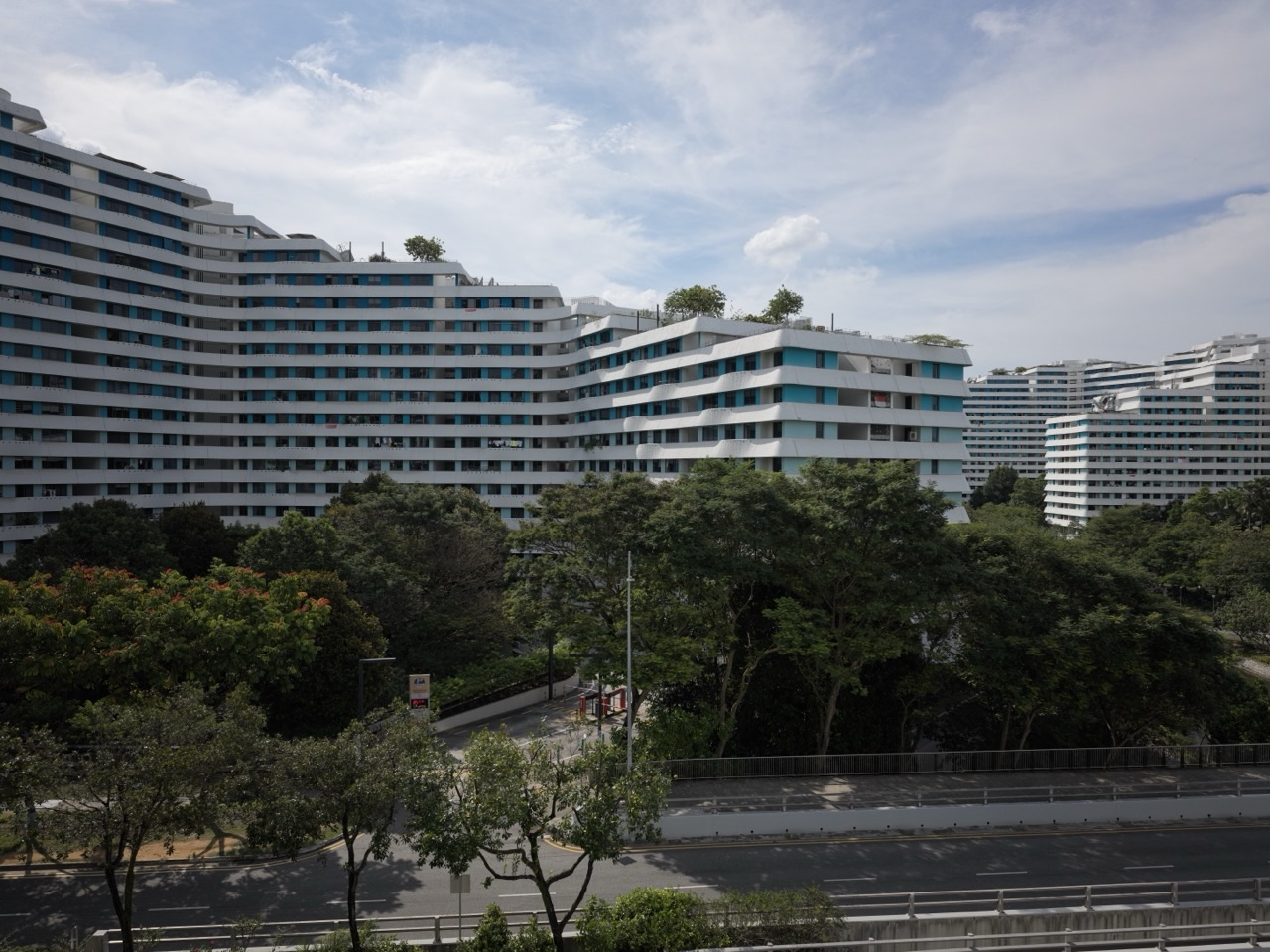
The HDB Non-Citizen Quota applies to whole-flat rentals when any proposed tenant is a non-Malaysian non-citizen, including a Singapore Permanent Resident or foreigner. HDB sets the limit at 8% of flats at the neighbourhood level and 11% at the block level. If either limit is reached, the owner cannot apply to rent the flat to the affected tenant group.
Check the exact block before signing or paying a deposit, and repeat the check if the application moves into a new month. HDB updates the quota figures on the first day of each month. A favourable check is one part of the application. The owner and each tenant must also meet the relevant eligibility rules and the owner must obtain HDB’s approval.
- Check whether the proposal is for the entire flat or a genuine bedroom rental.
- Identify whether any tenant is a non-Malaysian non-citizen.
- Run HDB’s quota check for the exact block and record the date.
- Check eligibility, approval and contract terms separately from the quota.
Find the section you need
Chapters 1–3
Check the arrangement in practice
The non-citizen quota discussed here applies to renting out an entire HDB flat. HDB has separate rules for bedroom rentals. Start by asking who will occupy the flat, which rooms are included and whether the owner and any people required to reside there will continue living there. The description in a listing does not by itself establish that the arrangement is a valid bedroom rental.
For example, an owner might advertise two rooms and leave a third room locked while living elsewhere. The prospective tenant should ask whether the actual arrangement is a whole-flat rental and how HDB approval will be obtained. A genuine bedroom arrangement has its own owner-occupation, room and tenant requirements. Confirm the applicable route with HDB if the circumstances are unclear.
Keep the rental quota separate from the resale quota
The rental checker applies to the proposed tenancy. HDB’s Ethnic Integration Policy and Singapore Permanent Resident quota for resale apply to flat purchases and have their own conditions. A household that recently bought or sold a flat may recognise the words block and neighbourhood in both processes. Use the service designed for the transaction you are about to undertake.
Check that the owner is eligible to rent out the entire flat. HDB requires citizenship and applicable occupation conditions and restricts whole-flat rental for certain flat categories. A favourable quota result does not establish that the owner can rent it out. The owner should verify the specific flat and tenancy route before giving the tenant a date for move-in.
Back to contents · Next chapter
Check each proposed tenant
HDB applies the quota if at least one tenant is a non-Malaysian non-citizen. For example, a Singapore Citizen moving with a non-Malaysian Singapore Permanent Resident should check the quota. So should a group of several tenants with one qualifying non-Malaysian foreign tenant. Listing a citizen as the main point of contact does not remove the need to consider the other tenants.
A Malaysian non-citizen falls outside this quota calculation. That does not remove HDB’s other conditions. If the person relies on an eligible immigration pass, check the applicable pass type and validity requirements in HDB’s current tenant eligibility guidance. The landlord should use the actual particulars in the application rather than a verbal description supplied at viewing.
Confirm who will actually live in the flat
A group may initially view with two people and later plan for a family member to join. Ask how HDB treats the revised arrangement before committing. An adult who plans to live in the flat should not be omitted merely because someone else will pay the rent. Give the owner or agent the actual proposed household and use the official process to resolve unclear cases.
Keep the rules for maximum occupancy and the permitted tenancy period separate. A group might be within the number permitted for the flat type yet still be affected by the quota. It may also face a different maximum rental period because of the tenant mix. Record the intended start and end dates so both sides can check the rules for the actual term.
If there is a change in citizenship, permanent residency or pass status before application, verify what evidence HDB uses and when the change is reflected. Ask the relevant party to correct the application details rather than relying on an earlier result based on different facts.
Work through a mixed-nationality household
Imagine three friends plan to share a flat. One is a Singapore Citizen, one is a Malaysian national holding Singapore PR and one is a non-Malaysian national holding Singapore PR. The third person brings the household within the quota even if the citizen signs the lease as the person responsible for paying rent. Give the owner accurate details of the proposed household and make the check using the actual block.
Now suppose the third person decides to rent elsewhere before the owner applies. Ask the owner to update the proposed household and check the appropriate route. If the third person still intends to live in the flat, report that fact. Do not classify somebody as a visitor to avoid a requirement. The purpose of the application is to tell HDB who will actually occupy the home.
Use the same approach for a family where a spouse’s or relative’s residency status changes. Identify what changed, when it changed and whether the person will live in the flat from the beginning or join later. Ask HDB which application or update it needs. Keep tenancy negotiations and the formal approval tied to the same group of people.
A prospective tenant can also ask when the owner intends to verify pass validity. The requirement may affect how early the tenant can apply or how long the tenancy can run. For an immigration issue, use the appropriate official authority and have the owner confirm HDB’s separate tenancy requirements. Avoid treating eligibility under a work or residence pass as an HDB rental approval.
Before signing anything, compare the spelling and particulars in the draft agreement with the intended application, using appropriate care with identity data. A later discrepancy can take time to resolve and may matter if the tenancy depends on all applicants satisfying the conditions.
| Proposed whole-flat household | Does the quota apply? | What to check next |
|---|---|---|
| All Singapore Citizens | No | Owner and tenant eligibility and approval |
| Only eligible Malaysian non-citizens and Singapore Citizens | No | Pass and other eligibility conditions where relevant |
| One non-Malaysian PR and a Singapore Citizen | Yes | Block and neighbourhood quota |
| One non-Malaysian foreign tenant among several tenants | Yes | Both quota levels and each tenant’s eligibility |
| Genuine bedroom rental | Whole-flat quota does not apply | Bedroom rental and occupation rules |
Back to contents · Previous chapter · Next chapter
Use HDB’s dedicated checker
Find the block number and street name or the exact postal code. Enter the address in HDB’s Non-Citizen Quota for Flat Rental checker. Verify that the result corresponds to the actual block. A neighbouring block in the same precinct can have a different result at block level. Both the neighbourhood and block limits must be considered.
HDB lists limits of 8% at neighbourhood level and 11% at block level. Either limit can stop the affected application. A result for a nearby block does not tell you what will happen at the target address. Save the exact address, date and result so it can be checked again when the owner is ready to apply.
Recheck if the transaction crosses the first of the month
Consider a viewing on 28 February and a planned application in March. HDB updates the figures on the first day of each month. The February check helps assess the listing at viewing. Repeat the check when the March figures are available before relying on it for the application. Do the same if a change to the proposed household means the quota now applies.
The result is a check of published availability and does not stand in for approval. Ask the owner when the application will be submitted and how you will know its outcome. If you are comparing two addresses, keep both options open until you know which arrangements can actually proceed. A more convenient block may be a good first choice while still requiring a fallback.
Ask about an address the system cannot find
Check for a typing mistake, a missing block suffix or a different street entry. Use the official postal code where appropriate. If it still does not appear, contact HDB rather than assuming the address is unrestricted. Tell the owner or agent that the check has not been completed and ask for help verifying the proper entry.
Diagnose a result at the block or neighbourhood level
A household may find that one listing in a neighbourhood can be considered while another cannot. Start by checking the actual result for each block. If a block is at its limit, an open neighbourhood result does not make that block available to an affected tenant. If the neighbourhood has reached its limit, an individual block with apparent room does not resolve the neighbourhood restriction. The official service is the practical way to verify the result.
For example, a tenant views Block A and Block B on the same evening. A friend rented a flat at Block A a few months earlier and remembers a favourable result. Run the current check anyway. A change in recorded rentals may have altered availability, and the earlier tenant’s status may have been different. If the second block is open, check whether the owner is eligible and ready to submit the application. The favourable quota is only one stage.
Keep a dated shortlist with the exact postal codes. Put the quota result in one column and the remaining checks in another. If the rental is for an unaffected tenant group, record why. If the quota applies and the result has yet to be checked for the intended month, mark it as pending. This helps a household compare options without treating every listing as equally ready.
Ask the agent for the full address before paying anything linked to an application. If the agency is reluctant to share enough information for an official check, ask how it proposes to verify the result and establish the owner’s approval. Give yourself time to resolve that before a deadline under your existing tenancy. A result received at viewing is useful as a screening step, while the actual approval remains the relevant milestone.
Back to contents · Previous chapter · Next chapter
Ask how approval affects any payment
If the tenancy is affected by the quota, discuss the approval timetable before signing or paying. Confirm who submits the application, when the outcome is expected and what happens to any payment if the required approval is unavailable. Read the actual document governing any deposit or reservation. Obtain appropriate advice if the terms or refund conditions are unclear.
An owner may say the quota was open the last time the flat was advertised. Ask for a current result for the exact block and the actual tenant group. A tenant with a fixed end date on an existing lease should also ask whether the new start date is realistic. Keep the current lease’s notice date and the new application milestones on the same calendar.
Compare two listings with different risks
Suppose a group wants to move at the end of March. Its preferred flat is still awaiting a quota check for the relevant month. The other flat is less convenient but has an owner ready to apply once the tenant details are confirmed. Compare the rent, location and approval status separately. The group may still prefer the first home, but it needs a date for deciding whether to continue or pursue the alternative.
If the checker shows the relevant limit has been reached, review other eligible properties and the timing of the next update. Do not assume a particular block will become available in a future month. Avoid paying to reserve a flat on the expectation that a quota result will improve unless you understand the terms and can manage the timing risk.
Back to contents · Previous chapter · Next chapter
Use the actual renewal route
The original approval has dates and approved occupants. Before renewing, ask the owner to check HDB’s current renewal process and terms. Use the actual household and new period. A tenant whose pass expires during the proposed period should check what HDB requires. The existing agreement and approved period cannot be extended just by continuing to pay rent.
HDB’s whole-flat rental guidance sets a minimum of six months per application for each tenant and a maximum of two years if at least one tenant is a non-Malaysian non-citizen. Check the current guidance for your exact situation, including the maximum period and any different treatment relevant to renewal. Do not assume that a tenancy clause overrides HDB’s applicable period.
Treat a replacement tenant as a new fact
If someone leaves and another person wants to move in, have the owner check the approval and reporting requirements before the replacement moves. HDB’s conditions require the owner to report changes in authorised occupiers or their particulars within the applicable period, and its published terms refer to seven days for specified changes. Check what approval or update is needed for the proposed replacement.
For instance, the original group may have consisted of Singapore Citizens and eligible Malaysian non-citizens, and the replacement is a non-Malaysian PR. That change can bring the household within the quota. Ask HDB how to handle the actual application. The person who moves out should also be removed from the relevant records following the official instructions.
Build a renewal timeline before deciding whether to stay
HDB’s rental terms state that flat owners can apply for renewal within the two-month window before existing approval expires. Check the current service and instructions. Use the approval expiry date and your contract’s notice deadline to plan backwards. If your notice deadline comes before you can establish the outcome, discuss with the owner what the parties are committing to and when. Ask HDB how it treats the particular renewal and whether the household’s current circumstances affect it.
A tenant may have a new pass expiry date or a different intended end date. Tell the owner in time to verify the requirements. If someone expects to move in halfway through the next term, that is a separate change to check. HDB’s published terms say a proposed change of tenants is subject to the quota where relevant. An approval for one group is not a way to avoid reassessing a proposed replacement.
One practical calendar can show the date to ask the owner about renewal, the period when the application can be submitted, the date you need to know whether you can stay and the last approved day. Add a backup viewing date if a decision remains uncertain. If you are changing flats, confirm the new home’s eligibility rather than assuming that an approval at the old address transfers.
Keep the signed lease and HDB approval in the same file with any renewal correspondence. If rent changes, check that the agreement and approved period still correspond. If the renewal is refused or the owner decides not to proceed, review the contractual notice and handover steps. Do not rely on a verbal promise that a future month will resolve the quota. Ask for the actual approval before planning to remain beyond the existing one.
Back to contents · Previous chapter · Next chapter
Keep four dates in view
Write down when you checked the quota, when the owner applied, the approved start and the approved end date. Add the earliest date by which the household needs a renewal decision and any contractual notice date. This can be done on one page. The aim is to identify which fact is still missing before paying or organising the move.
Keep approval information separate from identity documents and avoid sending more personal information than necessary. Verify who is handling the rental and use the official route when sharing sensitive details. If an agent is involved, verify them independently. Ask how the owner will provide evidence of approval for the relevant tenant group.
Put the same information in both sides’ calendar
Landlords and tenants can avoid confusion by agreeing on when they will verify the approval status and what happens if the intended start moves. Record any proposed arrangement for keys separately from the tenancy application. A paid deposit or a text message about key collection does not establish that HDB has approved the tenancy.
When the tenancy is under way, review the record before making a change. A resident might want a relative to move in or the household may need a different lease end date. Confirm the applicable process in advance and update the agreement where needed. Keep the approved dates and approved household alongside the signed documents so the next check starts with the right facts.
Check the flat and tenant before arranging handover
Ask the landlord to verify whether the flat is eligible for whole-flat rental and whether everyone who will live there appears correctly in the application. If the household falls within the quota, use the result for the actual block and the applicable month. Check that the signed terms identify the same address and tenancy period. If a detail is still unresolved, write down which party will check it and when the answer is needed.
A tenant who has already given notice at the current home can set a decision date several days before moving. By then, ask for the evidence of approval or confirm the alternative arrangement. If the agent says the application is awaiting a response, obtain the reference or other appropriate confirmation from the owner and clarify how any deposit is treated. Avoid interpreting a proposed key date as confirmation of approval.
Once the approval is issued, check the details and retain it with the rental documents. If anything changes, contact the owner so it can be checked through HDB. For a change in the tenant group, use the official instructions rather than waiting for renewal. An accurate record is useful when someone leaves, extends the lease or needs to verify the tenancy later.
Back to contents · Previous chapter · Next chapter
Is a non-Malaysian PR included?
Yes. HDB includes non-Malaysian non-citizens, including PRs and foreigners, when the whole-flat quota applies.
Is it enough for the main tenant to be a citizen?
No. Check whether any proposed tenant is a non-Malaysian non-citizen.
Does the quota apply to renting a bedroom?
The whole-flat quota does not apply to genuine bedroom rental. Check HDB’s separate requirements for that arrangement.
When are the figures updated?
HDB says the figures are updated on the first day of each month. Verify the exact block again when needed.
Can I move in after a successful check?
Wait for the necessary HDB approval and satisfy the other applicable eligibility and contract requirements.
Back to contents · Previous chapter · Official sources and next reading