
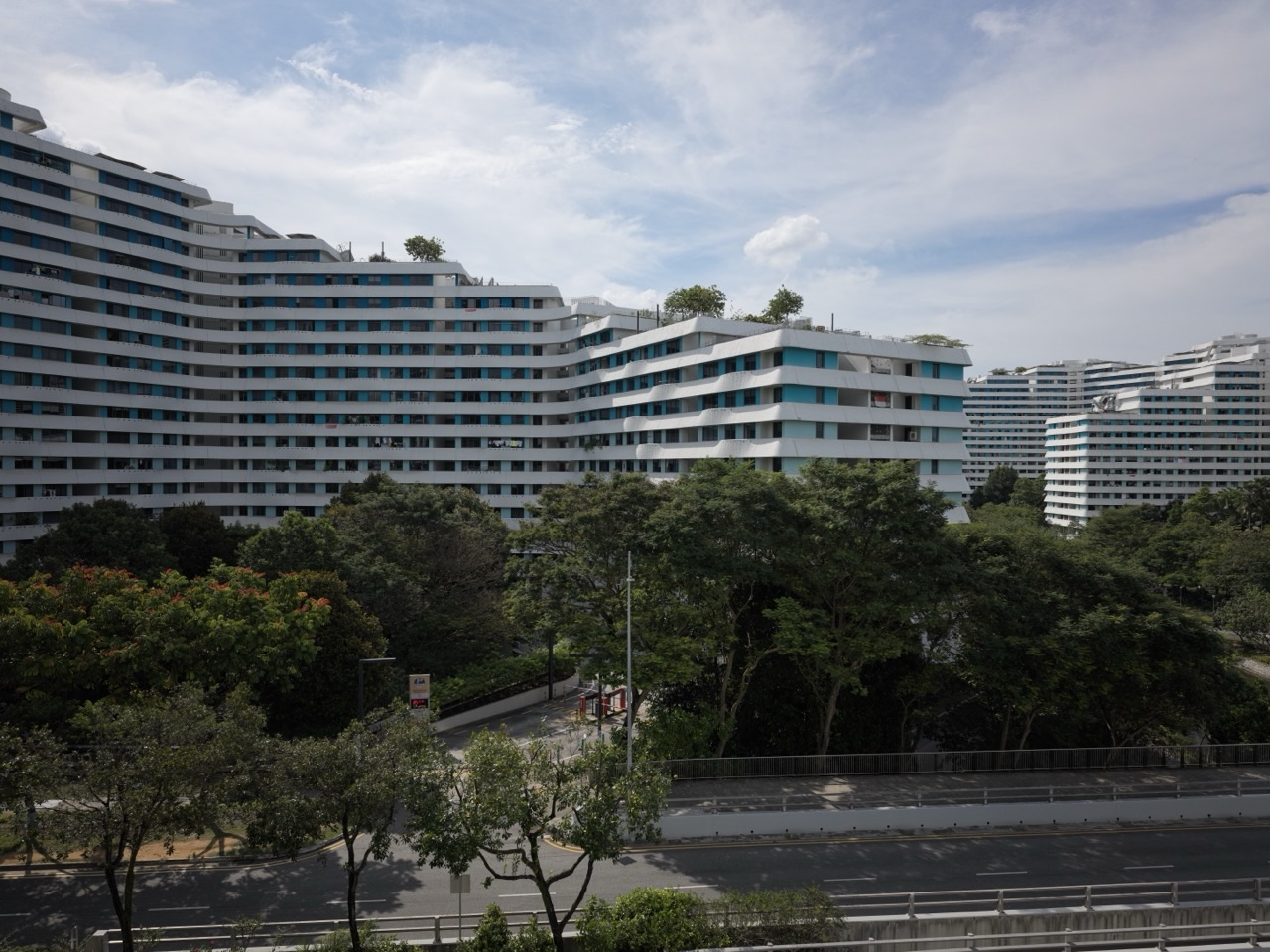
The classification of an HDB resale flat affects who can buy it and what the next owner can do after completion. HDB lists a five-year minimum occupation period (MOP) for ordinary Standard and unclassified resale flats and a ten-year MOP for Plus and Prime resale flats. Whole-flat rental is unavailable for Plus and Prime flats even after their MOP.
Check the official classification of the exact unit before making an offer. Then check the income and property ownership rules for your household, the required HDB Flat Eligibility (HFE) letter and what the restrictions would mean if you later need to move. Older Prime Location Public Housing (PLH) flats are treated as Prime under HDB’s published guidance.
- Confirm the classification from HDB records rather than the neighbourhood name.
- Use the current eligibility rules for your household and HFE date.
- Check the MOP and restrictions that apply after your purchase.
- Confirm any private property wait-out period before taking an option.
- Budget for the actual price and financing as well as future flexibility.
Find the section you need
Start with the classification and eligibility chapters. Go to the scenarios if you are deciding between two shortlisted homes.
Chapters 1–3
Use the official HDB listing and flat records to establish whether the home is Standard, Plus, Prime or unclassified. HDB uses unclassified for flats sold before its October 2024 sales exercise that do not fall into the classification system. It includes earlier PLH projects under Prime. An attractive central location or convenient MRT station does not by itself determine the classification. Check the actual block and unit and retain the result.
Separate the classification from the housing type
A listing can say 4-room, high floor or near town centre. These details describe the home and its setting. Classification answers a different set of questions about purchase eligibility and subsequent use. Ask the seller or agent for the official record if the description is incomplete. Verify it before planning to use a particular HFE result or choosing a sale date years later.
A familiar estate can contain different rules
You might see two flats near the same station. One could be an older unclassified flat and the other a project under the newer framework. Do not assume the same rules apply simply because both homes offer the same commute. Give each one its own record for price, remaining lease, classification and expected occupation period.
Keep a record you can use with HDB
When asking a question, give the exact address and proposed buyers. If you have the seller’s classification record, retain it alongside the HFE and any relevant listing details. If the answer depends on a project or household fact, write that down. It will help you avoid carrying the answer across to a different flat.
| Classification | Typical MOP on open-market resale | Whole-flat rental |
|---|---|---|
| Unclassified or Standard | 5 years | May be available subject to approval and eligibility |
| Plus | 10 years | Unavailable even after MOP |
| Prime, including PLH | 10 years | Unavailable even after MOP |
Back to contents · Next chapter
Start with the HDB eligibility page for your household type. Check citizenship, age, income and family composition for the actual category. Unclassified and Standard resale flats generally do not have an income ceiling for the purchase itself, but income limits can apply to grants and HDB financing. Plus and Prime have additional eligibility conditions. HDB says resale Prime follows the prevailing BTO eligibility criteria.
Use guidance that matches the HFE application date
HDB announced higher income ceilings for eligible HFE applications from 24 August 2026. Do not use the original 2024 announcement as a current income table. For example, HDB’s current singles eligibility page lists a $16,000 household ceiling for Plus resale and an $8,000 ceiling for 2-room resale Prime under the described route. Check the exact family or singles table for your case and confirm how HDB counts income. The same figure need not apply to every household or every flat.
Check the flat type as well as the buyer
A single buyer may be able to consider a wider set of Standard or Plus resale flats than resale Prime flats. Use the eligibility table for the proposed applicants and check the exact flat size and classification. If a household adds another buyer or occupier, ask how the change affects the HFE. Do not take an option using an assessment for a different household.
Keep grant, loan and purchase results separate
A household may qualify to buy but receive less in grants or loan funds than expected. Record each outcome and which home it applies to. Ask HDB about any restriction or condition shown on your assessment. Check a bank loan separately if applicable, and calculate how much eligible cash and CPF must cover before the purchase can complete.
Check the income ceiling without guessing which figure to use
For a household near the limit, ask HDB what period of income it assesses and which listed people count. Bring the employment and income records that support the application. If one applicant recently changed jobs or is paid variable income, give HDB the actual records rather than adding the most recent payslips and treating the total as definitive. Check the ceiling for the flat, then check the separate grant and loan assessments. A household that is eligible to buy may still have to revise its funding plan.
A single buyer comparing two different layouts
Suppose a buyer applying as a single is looking at a 2-room resale Prime flat and a larger resale Plus flat. Check the category and household conditions for each. If both are available, compare the usable space, cost and location rather than assuming the larger flat is the better purchase. Both classifications bring a ten-year MOP and restrictions on whole-flat rental. If the buyer expects to share the home with someone later, ask HDB how any change in ownership or occupation would be handled before treating that plan as settled.
Back to contents · Previous chapter · Next chapter
Tell HDB about private residential interests, including overseas property and interests obtained by inheritance or gift where relevant. The treatment can differ between a non-subsidised Standard resale purchase and a Plus or Prime purchase. HDB’s current grant and loan guidance identifies a 30-month period from legal completion of disposal for routes including Plus and Prime resale. Get the actual date from the disposal record.
Verify the relevant wait-out period
HDB’s October 2026 update says the 15-month wait-out period was removed on 28 July 2026 for eligible private property owners and former owners buying a non-subsidised resale flat without an HDB loan. HDB says buyers under that route who still own private residential property must dispose of it within six months after completion of the HDB purchase. Check the actual HFE and purchase conditions. The removal does not replace the separate 30-month requirements for routes such as Plus or Prime resale, eligible subsidised purchases or use of an HDB loan.
Check non-residential property separately
HDB’s rules can count non-residential interests differently. Give it the type of premises, ownership share and disposal dates. If a property has mixed use, check the classification with HDB before relying on a summary. Write down which rule applies to the purchase, the grant and the loan. These assessments can ask for similar information while leading to different results.
A completed sale and a signed option are different dates
A former private owner might have accepted an offer several months before legal completion. Use the legal completion date when HDB’s rule requires it. If you expect the wait-out to expire close to the HFE application date, ask HDB when you can apply. Build the timeline before taking a resale option so the buyer does not discover an unresolved eligibility question after paying an option fee.
Compare a private owner’s two purchase plans
Imagine a household intends to buy a non-subsidised Standard resale flat with a bank loan. One option is to sell its private home before buying. The other is to apply while still holding it and meet HDB’s disposal requirement after the resale purchase. Ask HDB which documents and timing apply to the actual situation. Also ask the bank to check the household’s obligations while both properties are held. If the same household instead wants a Plus flat, ask about the 30-month requirement before using the first timeline. One label on an earlier HFE should not be reused for a different purchase route.
Test the dates against the financing plan
A six-month disposal deadline after completion does not mean the household can use sale proceeds for money due earlier. Estimate the cash and CPF needed for the HDB purchase and check what the lender will make available before the private sale. Use a second version in which the sale completes later than expected. If the purchase depends on an earlier disbursement, plan the order of the transactions with the people handling them rather than treating the disposal deadline as a funding source.
Back to contents · Previous chapter · Next chapter
HDB’s ordinary open-market resale table gives five years for unclassified and Standard and ten years for Plus and Prime. HDB says the MOP starts from legal completion and excludes applicable periods when the household does not physically reside in the flat. Special schemes can have different rules. Check the MOP for the specific flat rather than measuring from a viewing, application or option date.
Do not borrow the seller’s MOP
The seller’s completion of MOP may be necessary for their sale. Your own purchase has its own occupation requirements. Ask what those requirements mean if you could move for work, caregiving or family reasons. Make a plan for where the household will live rather than assuming you can sell as soon as the home no longer suits you.
Whole-flat rental is a separate restriction
HDB does not permit whole-flat rental for Plus or Prime owners even after their ten-year MOP. For Standard or unclassified flats, check whether the owner and flat qualify for whole-flat rental and whether HDB grants approval. A bedroom rental has different conditions. If future flexibility is important, check the actual rules before choosing between homes.
Check any subsidy recovery that matters to the sale
HDB describes subsidy recovery for Plus and Prime flats when the relevant owners sell. Ask which treatment applies to the current transaction and what would apply if you later sell after buying resale. Do not assume that an amount due from the current seller automatically becomes a separate payment by you, or that rules for an initial subsidised purchase necessarily apply the same way to your resale purchase.
Check what a long occupation period means for a move abroad
If a possible work posting or long stay overseas falls during MOP, ask HDB how it would assess physical residence in your circumstances. Give the dates, who would continue living in the flat and what you intend to do when you return. Do not assume that the same calendar end date still applies after a prolonged period away. Before buying, ask what the household would do if it could not sell or rent the whole flat on its preferred timetable.
Ask about the later sale before pricing in a gain
If the household is comparing future resale possibilities, ask which buyer restrictions may affect the next sale and whether any recovery applies to the particular flat or transaction. Future policy and market conditions cannot be priced with certainty. Use the confirmed current conditions to identify which outcomes you can and cannot assume. A household that plans to stay for a long time may weigh these restrictions differently from one that needs the option to move quickly.
Back to contents · Previous chapter · Next chapter
Suppose a couple is comparing a Standard resale flat for $560,000 with a Plus resale flat for $530,000. Assume both meet the household’s eligibility conditions. The $30,000 difference can help with financing or repairs, while the longer MOP and whole-flat rental restriction affect what the couple can do later. Compare both sets of conditions with the household’s actual plans. If a move in six years is plausible, run that case explicitly.
Compare the commute and the flexibility together
Work out how often each household member would use the location advantage. Then ask what circumstances could require a move or a period elsewhere. Include school, work, care and medical access. A property that is better for daily use may still be unsuitable if the household cannot realistically meet its occupation obligations. Keep those questions visible before deciding which price you can accept.
Use the actual financing for each address
Even if the household is eligible for both, the remaining lease and confirmed financing can affect the cash needed. Ask what CPF and grant amounts are usable for each home. Keep valuation risk, repair costs and any immediate move expenses in separate rows. If the numbers change when the exact unit is assessed, update the comparison before proceeding.
Test an older unclassified home against a newer one
An older home can offer more space or a better location at the same price. Compare remaining lease, building condition, expected repairs and loan or CPF treatment. A shorter MOP does not determine how much of the price can be financed or what it will cost to maintain the home. Evaluate the restrictions and the physical home together.
A family expects to move for caregiving in several years
Suppose both homes are affordable, but the household may need to move closer to a parent in year seven. Ask HDB what sale or occupation options would be available in that scenario. Compare the ordinary five-year period with the ten-year requirement and the ongoing whole-flat rental restriction. Check whether the family could continue to live in the chosen home and travel to provide care. If the issue would change the purchase decision, include it alongside the price difference.
Check likely costs before and after key collection
For each flat, separate the agreed price, estimated cash and CPF contribution, duties and work needed after completion. Record the essential repairs rather than assuming an older flat will cost more in every case. Keep enough cash for the payment dates that matter. Once the numbers are confirmed, revisit the affordability and flexibility together. A lower monthly payment can still leave too little cash for the immediate move, while a higher price may change which property interests must be disposed of first.
Back to contents · Previous chapter · Next chapter
Record the exact flat, classification, remaining lease, HFE outcome and the confirmed buyer eligibility. Put the current quota result and any property disposal dates alongside those facts. Check the restrictions you would accept as an owner. If an item is unclear, ask HDB for an answer for the actual address and applicants. Keep the official response with the purchase file.
Write down what could stop the purchase
Check whether any uncertainty would change the price, the eligibility or the funding. If the income or past ownership result is still unclear, resolve it before paying. If the question instead concerns an optional renovation, check whether it changes your decision about the home. A short list of important open questions makes the buying process easier to follow.
Recheck when the flat or household changes
A new listing in the same neighbourhood may have a different classification or tenure. Recheck the eligibility and financing. If a buyer or occupier changes, ask HDB which assessment applies. Do not rely on earlier records prepared for a different household. Keep the HFE validity and quota checks current through the relevant resale milestones.
Set a review date after moving in
Retain the completion date and the confirmed conditions. If a later job or family change affects where you will live, check the MOP and HDB’s rules before committing to another property or a rental arrangement. The purchase file should make it easy to identify which flat conditions you agreed to and where HDB records them.
Give HDB the facts that could change the answer
Identify who will be listed in the application and provide any income, property ownership or disposal details it needs. If the intended flat is a Prime resale and someone refers you to a different BTO project’s conditions, ask which rules apply to your route. A seller or agent may know the estate well without having the full information needed to assess your household. Keep the official response and check that it covers the correct address.
Back to contents · Previous chapter · Next chapter
Do all flats near the city count as Prime?
Check the official classification of the specific project. Location alone does not settle the answer.
Are older PLH flats treated as Prime?
HDB includes Prime Location Public Housing flats under Prime in its published resale guidance.
Does my MOP start when the seller’s MOP ends?
HDB measures the buyer’s MOP from their own legal completion, subject to the applicable rules.
Is there an income ceiling for Standard resale?
There is generally no income ceiling for the purchase itself. Check separate limits for grants and loans and the rules for your household.
Can I rent out the whole Plus or Prime flat after ten years?
HDB says whole-flat rental is unavailable for those classifications even after MOP.
Which source should I use for a current income limit?
Use HDB’s current eligibility page for your household and the applicable HFE application date. Ask HDB to confirm any borderline case.
Back to contents · Previous chapter · Official sources and next reading
Official sources and next reading
- HDB flat classifications and resale MOP
- HDB announcement on income ceilings from August 2026
- HDB current singles eligibility
- HDB grant eligibility and property disposal rules
- HDB classification framework and resale rules
- HDB July 2026 removal of the 15-month wait-out on the stated route
- HDB October 2026 update confirming the effective date