
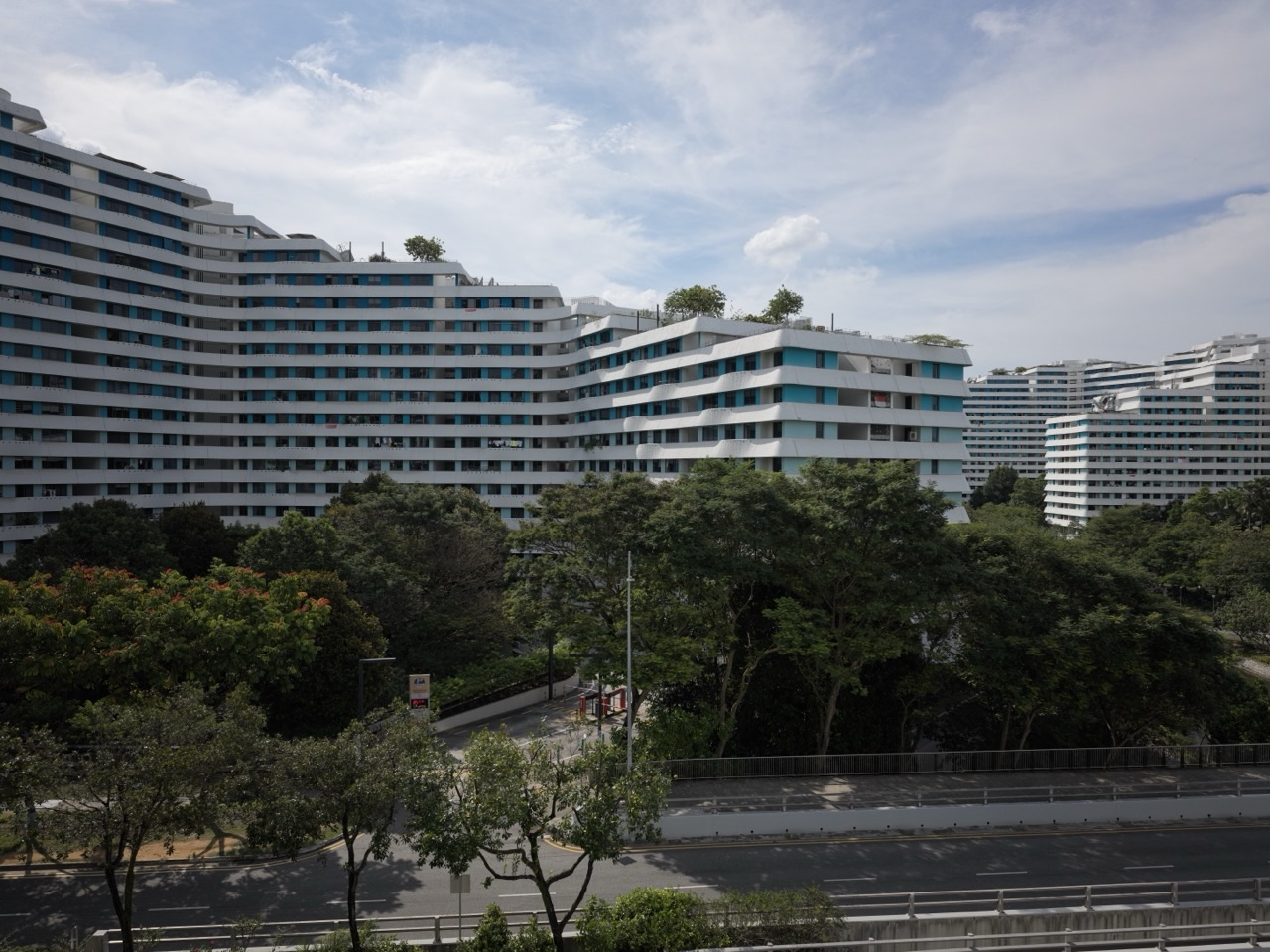
An HDB flat with at least one Singapore Citizen owner is generally protected from seizure and realisation by the Official Assignee for unsecured bankruptcy creditors. That is a specific statutory protection, not a promise that the flat is free of all debts or that its mortgage lender has no rights. The Ministry of Law’s Insolvency Office lists HDB flats with at least one Singapore Citizen owner among assets protected from bankruptcy administration. Where an HDB flat has no Singapore Citizen owner, an undischarged bankrupt seller generally must obtain consent from the Official Assignee or private trustee before selling.
People who are undischarged bankrupt can still face HDB buying and selling requirements. The Insolvency Office says an HDB purchase of five-room or smaller generally does not require Official Assignee consent, but consent is required if the purchase is larger than five-room, is a 3Gen flat, or has a net purchase price of at least S$500,000. HDB eligibility, financing, CPF and declarations remain separate checks. A bankrupt who owns private residential property faces a different situation because ordinary private assets may vest in the bankruptcy estate and a mortgagee’s secured rights can still operate under the loan.
- Identify whether the person is bankrupt or merely struggling with debt
- confirm the official bankruptcy order and whether an Official Assignee or private trustee administers the estate
- check all registered HDB owners and whether any is a Singapore Citizen
- distinguish unsecured creditor claims from a bank’s mortgage security
- obtain the HDB title and loan documents
- verify consent before a sale with no citizen owner
- check the S$500,000, 3Gen and larger-than-five-room purchase triggers
- get the current HFE result
- review actual CPF housing rules
- keep financial records and communicate with the trustee
- and obtain legal help before transferring, gifting or disposing of any property interest.
Contents: From asset protection to lawful housing decisions
- 1. Bankruptcy is a legal status, not simply having debt
- 2. Know the Official Assignee and private trustee roles
- 3. What generally happens to a bankrupt’s assets
- 4. A citizen-owned HDB flat receives special protection
- 5. Why at least one registered citizen owner matters
- 6. Creditor protection is not mortgage cancellation
- 7. Housing debt and bankruptcy debt are different obligations
- 8. Selling when at least one owner is a citizen
- 9. Selling with no Singapore Citizen owner
- 10. Buyer due diligence when a seller is bankrupt
- 11. The five-room-or-smaller buying rule
- 12. The S$500,000 net purchase price trigger
- 13. A 3Gen or larger-than-five-room purchase needs consent
- 14. Who decides whether a purchase is reasonable
- 15. Consent application through official channels
- 16. If bankruptcy arises before resale completion
- 17. HFE eligibility is an independent housing gate
- 18. A bank may decline or restrict lending
- 19. HDB loan eligibility also needs a real assessment
- 20. CPF savings are generally protected but regulated
- 21. Private residential property is different
- 22. CPF use for private property during bankruptcy needs consent
- 23. Secured creditors may enforce their rights
- 24. Selling a protected flat is still a real sale
- 25. Part-share and owner changes may need trustee consent
- 26. Gifts and nominee arrangements are not safe shortcuts
- 27. What if the home is held with a spouse?
- 28. A discharged bankrupt may still need asset clarification
- 29. An insolvency search can confirm the trustee
- 30. Distinguish HDB from former HUDC and EC ownership
- 31. Keep property and bankruptcy records organised
- 32. When the mortgage is already in arrears
- 33. A practical seller decision tree
- 34. A practical buyer decision tree
- 35. Final checklist before any property transfer
- 50 housing and bankruptcy situations
- Frequently asked questions
- Official MinLaw and HDB guidance
1. Bankruptcy is a legal status, not simply having debt
A household may struggle with loans, miss instalments or receive creditor demands without a Bankruptcy Order having been made. The legal rules about the Official Assignee arise when bankruptcy proceedings reach the relevant statutory status.
Ask whether the person is an undischarged bankrupt, discharged bankrupt or subject to a different debt-management arrangement. The answers affect authority over assets and the required consents.
Do not label a neighbour bankrupt based on gossip or unpaid bills. Use formal documents or a legitimate official insolvency search where that information is necessary for a transaction.
2. Know the Official Assignee and private trustee roles
The Official Assignee is the public official who administers relevant bankrupt estates. Some bankruptcy cases are administered by a private trustee-in-bankruptcy appointed through the applicable process.
Official Assignee guidance says references in certain HDB rules include an applicable private trustee, and buyers or sellers must contact the person legally administering their case.
Keep the trustee’s actual name and verified contact details. Do not send sensitive documents or property payments to a person simply claiming trustee authority through a message.
3. What generally happens to a bankrupt’s assets
The Ministry of Law explains that ordinary assets of a bankrupt can vest in the Official Assignee or trustee for administration and distribution to creditors. This includes certain property acquired before or during bankruptcy.
That general rule has statutory exceptions, including particular CPF savings and qualifying HDB flats. The existence of protected property does not remove the person’s wider duties to disclose assets and cooperate with bankruptcy administration.
Ask a qualified adviser to classify each asset rather than assuming everything is either confiscated or permanently immune.
4. A citizen-owned HDB flat receives special protection
MinLaw’s Insolvency Office explicitly lists HDB flats where at least one owner is a Singapore Citizen among assets protected against creditors and not sold or taken over by the Official Assignee under the ordinary bankruptcy estate administration.
That is different from an apartment or landed house held as ordinary private property. The same bankrupt person could own an HDB flat with protection while having other assets that vest in the estate.
Confirm the exact HDB title and every registered owner’s citizenship rather than relying on the occupants’ passports or a family member’s citizenship.
5. Why at least one registered citizen owner matters
The law and HDB’s selling guidance focus on whether one of the actual flat owners is a Singapore Citizen. A Singapore Citizen child living in the property, but not a registered owner, does not automatically satisfy a condition stated for owners.
Likewise, the presence of a Singapore Permanent Resident co-owner is not the same as a registered citizen owner for this particular protection test.
Use title and current legal status, not assumptions from household composition. An ownership change made during bankruptcy can itself require formal consent.
6. Creditor protection is not mortgage cancellation
A flat may be protected from sale by the Official Assignee for ordinary unsecured creditors while remaining subject to a valid mortgage. A bank with security has contractual and legal rights that are different from unsecured creditor recovery.
Mortgage instalments remain due under the loan. A borrower who stops paying may face lender action, so the protection should not be misrepresented as a guarantee that any home can be retained without servicing its debt.
Contact the lender early if repayment becomes difficult and seek qualified advice about the specific mortgage rather than assuming one government protection solves every financial risk.
7. Housing debt and bankruptcy debt are different obligations
A mortgage is typically secured against the home; credit cards or ordinary unsecured loans may not be. The consequences of missed payments and the parties entitled to enforce them can therefore differ.
Create a list of creditors, secured interests, repayment amounts and relevant deadlines. This can help the trustee and advisers identify which debts affect the property’s future.
Do not attempt to transfer the flat to relatives as a quick way to escape creditor or mortgage obligations. Such transactions can create additional legal risks.
8. Selling when at least one owner is a citizen
HDB’s 2026 selling eligibility guidance says that, under the Housing and Development Act, a flat with at least one Singapore Citizen owner does not require Official Assignee consent when the owners wish to sell it, even where an owner is an undischarged bankrupt.
This is a specific HDB sale-consent rule, not a declaration that ordinary HDB resale conditions, the MOP, the mortgage, CPF refunds or title signatures no longer apply.
Check that every legally required owner signs and that the conveyancing transaction meets HDB’s requirements. A sale free of trustee consent can still require substantial other legal work.
9. Selling with no Singapore Citizen owner
HDB says that where none of the flat owners is a Singapore Citizen and an owner is an undischarged bankrupt, consent of the Official Assignee or private trustee must be obtained before the resale application is submitted.
The seller should discuss the proposed price, mortgage redemption, proceeds and eligibility with the person administering the bankruptcy rather than giving an option and hoping to secure permission later.
Ask a conveyancing lawyer to coordinate the appropriate documents and HDB timing. A missing consent can delay or jeopardise an intended transaction.
10. Buyer due diligence when a seller is bankrupt
A buyer discovering that an HDB seller is an undischarged bankrupt should not automatically conclude the deal is invalid or perfectly safe. The correct question is whether the statutory sale conditions and title authority have been met.
Ask the solicitor to verify owners, signatures, mortgage redemption, trustee consent where required and the HDB resale application route.
Do not make direct payments to a supposed trustee or private family member without formal legal instructions. Use the conveyancing process to reconcile completion funds.
11. The five-room-or-smaller buying rule
The Insolvency Office says Official Assignee consent is generally not required when an undischarged bankrupt purchases an HDB flat of five rooms or smaller, subject to the separate stated consent triggers and applicable legal circumstances.
That is not a general guarantee of an HDB housing loan, HFE eligibility or sufficient CPF savings. The purchase still has to satisfy public housing and financing requirements.
Buyers should assess both flat type and purchase price before deciding that no trustee consent is needed.
12. The S$500,000 net purchase price trigger
MinLaw explains that an undischarged bankrupt seeking to purchase an HDB flat with a net purchase price of S$500,000 or more must apply for written trustee consent under the stated criteria.
This can apply even where the flat is a common four- or five-room unit. A buyer should therefore not stop analysis after finding that the property is below six rooms.
Ask how the official net purchase price is determined for the actual transaction, and obtain the appropriate written decision before submitting documents to HDB.
13. A 3Gen or larger-than-five-room purchase needs consent
An undischarged bankrupt seeking an HDB flat larger than five-room or a 3Gen flat generally requires the relevant written consent, independent of the simpler small-flat rule.
MinLaw says the applicant must demonstrate the means and need for the property, and conduct and cooperation in bankruptcy administration can be considered.
Do not use a relative’s private assurance that a larger unit is necessary as a substitute for the trustee’s formal approval.
14. Who decides whether a purchase is reasonable
The Official Assignee or private trustee assesses relevant consent applications under the bankruptcy framework. HDB separately assesses public housing eligibility, loan and flat purchase conditions.
A trustee’s agreement does not turn an ineligible buyer into an eligible HDB applicant, while an HFE letter does not necessarily remove a trustee-consent obligation.
Prepare both sets of documents in parallel and know which body is responsible for each answer. Avoid relying on a single ‘approved’ message with no explanation of its scope.
15. Consent application through official channels
MinLaw directs bankrupt persons whose cases are administered by the Official Assignee to the Insolvent Person’s portal for relevant purchase consent applications.
Applicants may need information about their means, needs and bankruptcy cooperation. Keep a clear budget, proposed property details and the trustee’s request list.
Use official portal authentication and verified trustee contacts. Do not disclose Singpass credentials to a salesperson claiming to arrange consent for a fee.
16. If bankruptcy arises before resale completion
HDB’s resale terms provide for notification and necessary consent when a buyer becomes an undischarged bankrupt before completion and their intended purchase meets the relevant consent trigger.
A transaction that looked straightforward at option exercise may require new steps after a Bankruptcy Order. The buyer should immediately tell HDB, their solicitor and the responsible trustee.
Do not conceal the change. Delaying disclosure can create greater legal and financial consequences than addressing the new status promptly.
17. HFE eligibility is an independent housing gate
An HDB Flat Eligibility letter assesses the buyer’s household, flat eligibility and relevant housing finance and grant position. Bankruptcy status does not automatically replace this process.
An eligible family nucleus, citizenship, property history and the relevant HDB conditions still matter. A property may be legally purchasable with trustee consent yet unaffordable or unavailable under HDB’s own rules.
Apply through the official HDB Flat Portal and obtain a current result before paying an option fee wherever the rules require it.
18. A bank may decline or restrict lending
Bank loan approval depends on borrower creditworthiness, income, existing liabilities, property value and contractual risk. An undischarged bankrupt may find financing particularly difficult even where HDB law permits the property purchase.
Never interpret the absence of a trustee consent requirement as proof that a financial institution must lend. An ordinary loan pre-approval for someone else cannot be transferred.
Separate legal permission, HFE result and actual available funds. A purchase is only realistic when all three work together.
19. HDB loan eligibility also needs a real assessment
HDB housing loans have eligibility and credit assessment criteria, and not every HDB applicant qualifies. A person’s bankruptcy history or repayment capacity can affect the overall financial situation even when other household criteria are satisfied.
Obtain the actual HFE and HDB loan result, not just a broad percentage cap from an online article. The amount may be lower than the agreed purchase price and can be subject to conditions.
Calculate the cash that must be produced at each transaction milestone and protect a reserve for ongoing living expenses.
20. CPF savings are generally protected but regulated
MinLaw lists CPF contributions among assets protected from ordinary bankruptcy creditors. Protection from creditor distribution does not mean CPF may be withdrawn in cash at will or used for every property purpose.
CPF housing usage follows the Board’s property, age, remaining-lease and withdrawal rules. A bankrupt buyer still must use lawful procedures and cannot promise the trustee or lender funds not available under CPF rules.
Ask CPF and the conveyancing adviser to confirm the actual source of down payment and monthly payments before making a binding offer.
21. Private residential property is different
MinLaw says ordinary private property interests of a bankrupt can vest in the Official Assignee or private trustee. A condominium bought before the order may therefore be part of the bankruptcy estate rather than receiving the special protection of an HDB flat with a citizen owner.
Any secured bank mortgage and other legal rights must still be considered. The trustee may need to realise assets for creditor distribution according to law.
Do not assume that moving into the property or declaring it the ‘family home’ automatically creates HDB-style protection for a private condo or landed house.
22. CPF use for private property during bankruptcy needs consent
MinLaw states that since 1 July 2022 a bankrupt requires the Official Assignee’s or private trustee’s consent before applying to CPF Board to use OA savings for a private property purchase during bankruptcy or mortgage servicing of a private property bought before the order.
This is a specific condition for private property and CPF use. It should not be confused with HDB consent thresholds for buying a five-room flat.
Seek both CPF and trustee guidance, with the actual property documents, before assuming protected CPF funds are automatically available for a private condominium mortgage.
23. Secured creditors may enforce their rights
MinLaw’s creditor guidance explains that a secured creditor may realise a mortgaged asset under its rights, with any balance after discharging security potentially dealt with through the bankruptcy estate where relevant.
Do not use the phrase ‘protected from bankruptcy’ to advise a homeowner to stop paying a mortgage or ignore lender letters. Protection against ordinary unsecured creditor execution is not immunity from the mortgage contract.
Ask a qualified lawyer about the actual bank charge, arrears and enforcement options as soon as risk appears. Earlier communication often provides more practical choices.
24. Selling a protected flat is still a real sale
A protected HDB flat can be sold under the appropriate rules, but the seller still needs to meet MOP conditions, obtain lawful signatures and settle mortgages, CPF housing refunds and transaction charges.
Do not assume any sale proceeds are automatically unencumbered or immune from every legal claim merely because the flat itself was protected. The exact treatment can be legally complicated.
Have the trustee, solicitor and CPF involved where relevant so the distribution and timing are correctly assessed before committing to the next home.
25. Part-share and owner changes may need trustee consent
HDB’s terms for changes in flat ownership state that an owner or proposed owner who is an undischarged bankrupt, or has relevant bankruptcy proceedings, may need written Official Assignee consent before applying for a part-share or non-sale ownership change.
That is a different procedure from selling an entire citizen-owned flat. A household should not assume the sale-consent exception allows any transfer of shares to relatives without checks.
Ask HDB and the solicitor to classify the actual transaction, then obtain applicable approvals before creating new legal interests.
26. Gifts and nominee arrangements are not safe shortcuts
Bankruptcy law imposes duties concerning disclosure and transfers of assets. A scheme that quietly moves an interest to a relative to keep it away from creditors can create avoidance, recovery or other legal consequences.
Do not create sham trusts, false sale prices or backdated documents. They may jeopardise the transaction and the person’s cooperation with bankruptcy administration.
If family assistance is genuinely intended, disclose it to qualified advisers and the trustee and use a lawful documented structure.
27. What if the home is held with a spouse?
Joint ownership introduces the rights of both co-owners and their own citizenship, mortgage and title positions. A spouse who is not bankrupt may still need to understand the consequences of joint loan obligations.
For an HDB flat, the registered presence of at least one Singapore Citizen owner is significant to the statutory asset protection rule. The fact that the spouse lives there is not enough without title.
Ask a lawyer to review joint tenancy, shares and financing rather than making assumptions from marital status alone.
28. A discharged bankrupt may still need asset clarification
MinLaw states that assets which vested in the bankruptcy estate do not automatically revest in the individual merely upon discharge. Later cash realisation can still be treated according to the estate’s legal interests.
Someone who has been discharged should therefore not assume every asset previously administered is once again freely disposable without checking.
Retain discharge records and consult the former trustee or legal adviser where the proposed sale or purchase involves assets affected by the bankruptcy.
29. An insolvency search can confirm the trustee
MinLaw explains that a search of official insolvency records can identify a bankrupt’s trustee and that a fee may apply. This can be relevant for conveyancing parties who need to verify authority.
Use the search for a legitimate purpose and handle personal information appropriately. A result is not a licence to publish private financial circumstances for entertainment or gossip.
Ask the solicitor to interpret the record and contact the responsible trustee where written consent or confirmation is needed.
30. Distinguish HDB from former HUDC and EC ownership
MinLaw’s older bankruptcy education notes explain that certain privatised HUDC flats and Executive Condominiums do not receive the same HDB-citizen-flat protection merely because they originated from public housing programmes.
The exact legal property type and current status matter. A fully privatised EC cannot be called an ordinary protected HDB flat simply because it resembles public housing.
Verify the registered title, ownership rules and mortgage rather than inferring the answer from the estate’s history.
31. Keep property and bankruptcy records organised
A helpful file includes the Bankruptcy Order, trustee identity, HDB title, owner citizenship, HFE and transaction documents, mortgage balance, CPF details and written consents.
Where a trustee has requested financial information, respond accurately and preserve submissions and acknowledgements. Incomplete or contradictory records can delay legitimate property decisions.
Do not store unnecessary personal records in shared family chats or send them to unverified intermediaries. Legal and financial privacy remains important.
32. When the mortgage is already in arrears
Contact the secured lender as early as possible and ask about realistic repayment, restructuring or other lawful options. An HDB statutory bankruptcy protection is not a mechanism to cancel mortgage arrears.
Keep a current budget showing income, essential expenses and the actual instalment. If the home cannot be maintained, obtain legal and financial advice rather than ignoring notices.
Do not accept anyone’s guarantee that a bank can never enforce against a property because an owner is a Singapore Citizen.
33. A practical seller decision tree
First confirm whether the flat is HDB and whether at least one registered owner is a Singapore Citizen. Next assess MOP, title signatures, mortgage and CPF requirements.
If no owner is a citizen and an owner is an undischarged bankrupt, obtain the necessary trustee consent before the HDB resale application. In all cases follow the formal conveyancing process.
Where the legal facts are unusual, seek individual advice before accepting an OTP. A correct timing sequence can prevent costly failure at completion.
34. A practical buyer decision tree
Begin with the applicant’s bankruptcy status, the proposed flat type and net purchase price. For a five-room or smaller flat below the relevant S$500,000 threshold, trustee consent may not be required under the published rule, but other HDB and financing conditions still apply.
For a 3Gen, larger-than-five-room or net purchase price of at least S$500,000, confirm trustee consent before submitting the required HDB application. Check the current official wording for the actual case.
Then confirm HFE, bank or HDB funding, CPF, tax, living costs and legal authority. A successful purchase needs more than one permission.
35. Final checklist before any property transfer
Identify property category, registered owners, citizenship, bankruptcy status and administering trustee. Check the applicable HDB protection and consent provisions while preserving secured lender rights.
Get genuine loan and CPF figures, legal title advice and all necessary formal approvals. Do not alter ownership or sign documents based on informal promises that bankruptcy can be ignored.
The goal is lawful housing stability with realistic financial obligations, not an attempt to conceal assets or bypass creditors.
50 situations: How bankruptcy can affect a Singapore home
These examples help identify applicable legal questions, but do not determine any person’s rights, trustee authority or lender obligations. Bankruptcy and property law require professional advice on the actual case.
1. A bankrupt person co-owns an HDB flat with a citizen spouse
MinLaw identifies flats with at least one Singapore Citizen owner as protected from ordinary bankruptcy estate realisation. Confirm title and continue servicing any secured mortgage; protection is not payment cancellation.
2. Both registered HDB owners are PRs and one is bankrupt
The citizen-owner protection does not automatically apply. HDB says trustee consent is needed before a sale where no owner is a Singapore Citizen and a seller is undischarged bankrupt.
3. A Singapore Citizen child lives in the HDB flat but is not an owner
The rule concerns registered owners. A citizen occupier alone does not satisfy a title-based exception; seek professional advice using the actual ownership record.
4. The home has an unpaid bank mortgage
Bank security rights remain distinct from protection against unsecured creditors. Contact the lender promptly rather than relying on a blanket claim of immunity.
5. A bankruptcy order has not yet been made
Debt problems and legal bankruptcy status differ. Obtain accurate advice before assuming the Official Assignee’s asset rules apply to the person.
6. An undischarged bankrupt wants a S$400,000 four-room flat
MinLaw’s consent threshold generally does not require OA approval solely on those size and price facts, but HFE, mortgage and property eligibility remain essential.
7. An undischarged bankrupt wants a S$600,000 four-room flat
A net purchase price at or above S$500,000 triggers the trustee-consent rule despite the flat being smaller than five-room. Obtain written permission first.
8. An undischarged bankrupt wants a 3Gen flat
The published consent rule specifically covers a 3Gen purchase. Approval is not automatic and the applicant must also satisfy HDB eligibility.
9. A buyer wants an HDB Executive flat larger than five-room
The special consent condition can apply because of size. Confirm actual HDB classification and net price with the trustee and conveyancing adviser.
10. A buyer gets an HFE letter but not trustee consent
HFE is an HDB eligibility decision, not a waiver of bankruptcy requirements. Obtain all applicable consent before submitting a transaction that requires it.
11. A trustee gives consent but the bank declines lending
Trustee consent does not force a lender to advance funds. Reassess cash and financing before making a binding commitment.
12. Someone becomes bankrupt after exercising an OTP
Disclose the change immediately to HDB, the solicitor and the trustee; additional consent may be required before completion under the applicable purchase triggers.
13. A seller claims being bankrupt prevents every HDB sale
HDB’s current guidance includes an exception from OA consent when at least one registered seller is a Singapore Citizen, while ordinary sale conditions still apply.
14. An HDB seller has no citizen owner
The relevant bankrupt seller must obtain trustee consent before the resale application. Delaying that step can interfere with completion.
15. A private condo owner declares bankruptcy
Private property may vest in the bankruptcy estate, subject to security and other legal rules. Do not apply the citizen-owned HDB exception to ordinary private apartments.
16. A former HUDC owner believes it is protected like HDB
Legal classification matters. Privatised HUDC and EC properties are not necessarily within the specific protected HDB flat category.
17. A bankrupt wants to use CPF OA for a private mortgage
MinLaw requires trustee consent for applying to CPF Board for this specified private-property use during bankruptcy. Check its post-July 2022 rules.
18. A borrower assumes CPF is ordinary cash
Protected CPF savings remain governed by CPF withdrawal and housing conditions. The existence of OA funds does not mean they can be freely spent.
19. A family member offers to buy the flat through a nominee
Avoid sham arrangements to conceal beneficial ownership or creditors’ rights. Disclose the real proposal to qualified advisers and the trustee.
20. A parent wants to gift a flat share to a child during bankruptcy
HDB ownership changes and bankruptcy consent rules can apply. Do not execute a gift or part-share without formal advice and required approvals.
21. A spouse asks whether joint tenancy protects everything
The legal property category, citizen-owner test, mortgage and bankruptcy obligations determine the result. Joint tenancy is not a universal shield.
22. The mortgage lender threatens enforcement
Seek specific legal and financial advice on secured rights and arrears. Official Assignee asset protection does not negate the bank’s security.
23. A buyer is asked to pay a supposed trustee directly
Verify the trustee and use the solicitor’s proper payment instructions. An unverified bank account message is not authority to handle sale proceeds.
24. An agent says a S$500,000 threshold applies to asking price
Check the official wording referring to net purchase price, and seek the correct calculation for the transaction rather than relying solely on an advertised amount.
25. The buyer is a debtor under another scheme, not bankrupt
Check the legal status and the specific scheme’s restrictions. Do not apply undischarged-bankrupt consent rules indiscriminately to every person with debt.
26. A discharged bankrupt wants to sell a former private asset
MinLaw warns vested assets do not automatically revest on discharge. Confirm trustee or estate interests before assuming free disposal.
27. The bankrupt owns no home but wants one for a large family
A purchase may be possible, but size, price and funding determine required consent and affordability. The trustee assesses means and need under its process.
28. The buyer wants to hide earlier bankruptcy from HDB
Make truthful declarations and obtain actual consent where needed. Concealing status can create legal and contractual consequences.
29. A homeowner stops servicing a mortgage after reading about protection
Correct the misunderstanding immediately. The mortgage remains a secured contractual obligation, and the lender may have enforcement rights.
30. A property-owning couple separate during bankruptcy
Family and title changes can require HDB, court, trustee and mortgage involvement. Do not assume a divorce agreement alone completes transfer.
31. The seller is using an ECF or linked resale transaction
HDB timing, consent, legal title and financial settlement must all be coordinated. A bankruptcy complication can affect more than one household’s completion dates.
32. A bankrupt person wants to buy a 5-room flat priced S$499,000
The formal net price, size and applicable rules must be checked. Do not treat a one-dollar difference as permission to manipulate genuine consideration.
33. A purchase contains side payments to keep the price under S$500,000
False price declarations can have serious tax and legal consequences. The correct legal consideration and net-price assessment must be used.
34. The home is mortgaged by a citizen owner
Ask the bank for actual balance and arrears; do not confuse citizen protection from OA realisation with release of the lender’s mortgage.
35. The applicant has two income earners
The lender and HDB assess actual borrower capacity. Bankruptcy may affect lending even where the combined household income looks high.
36. A person is offered a private condo as a gift while bankrupt
The asset can have bankruptcy-estate consequences. Consult the trustee before acceptance or transfer rather than assuming gifts are free of administration.
37. A child inherits a private property during a parent’s bankruptcy
The exact beneficiary, owner and trustee positions matter. Seek estate and insolvency advice rather than assuming every inheritance is protected.
38. A person receives a threatening creditor letter
Check its legitimacy and seek debt advice. Creditor demand alone does not prove a Bankruptcy Order or give someone authority to seize an HDB home.
39. A buyer is pressured to hand over Singpass details
Do not share credentials. Use official HDB and MinLaw portals and independently verified legal advisers for consent or application.
40. An HDB flat has a noncitizen co-owner and a citizen co-owner
The at-least-one-citizen-owner condition is significant to statutory protection. Confirm each registered owner’s actual status and proper sale signatures.
41. The bankrupt owner plans to return CPF refunds after sale
CPF housing refunds are administered by CPF rules. Ask the solicitor and trustee how net proceeds are properly allocated; do not guess personal cash.
42. The home is near the MOP expiry
MOP, insolvency and mortgage obligations are different tests. Meeting one deadline does not automatically satisfy trustee or bank requirements.
43. The owner wants to transfer title to a sibling to avoid debt
Such a transfer can raise avoidance and consent problems. Obtain qualified advice and do not conceal property or create backdated documents.
44. An estate agent says trustee consent is unnecessary for every HDB sale
That is too broad. HDB distinguishes cases with a registered citizen owner from cases with no citizen owner.
45. A new HDB buyer needs a lender mortgage
Obtain the actual loan offer. The property-purchase legal possibility does not compel bank or HDB financing.
46. The lender agrees to a repayment plan
Document terms and keep paying as required. Trustee or HDB obligations still need checking for any later sale or title change.
47. A bankrupt owner needs to travel overseas for completion
Bankruptcy may impose travel restrictions requiring trustee permission. Coordinate legal signing and any appropriate power of attorney under the actual rules.
48. The buyer discovers that one seller has a bankruptcy order
Ask the conveyancing lawyer to check registered owners, trustee status and HDB sale-consent conditions before proceeding.
49. A person has been discharged and is seeking a new home
Use current HFE, financing and credit information rather than assuming the old bankruptcy creates either automatic ineligibility or guaranteed loan approval.
50. The family needs a secure housing decision
Verify legal status, SC owner protection, mortgages, net price and flat type, trustee consent, HFE and sustainable repayments before any option or transfer.
Frequently asked questions
Can a bankrupt keep an HDB flat in Singapore?
An HDB flat with at least one registered Singapore Citizen owner has statutory protection from ordinary bankruptcy estate realisation, but mortgage obligations remain.
Does that protection stop bank foreclosure?
It does not automatically eliminate a secured mortgagee’s contractual or legal rights.
Can an undischarged bankrupt buy an HDB flat?
Potentially, subject to HDB eligibility and actual funding; trustee consent is required for specified sizes or net prices.
What is the S$500,000 rule?
An intended HDB purchase with net price of S$500,000 or more triggers the published trustee-consent requirement for undischarged bankrupts.
Does a 3Gen purchase need consent?
Yes, under the published specified category for undischarged bankrupt purchasers.
Can a citizen-owned HDB flat be sold without OA consent?
HDB says yes where at least one registered flat owner is a Singapore Citizen, subject to the remaining resale conditions.
What if no owner is a Singapore Citizen?
A bankrupt seller generally needs written trustee consent before submitting the HDB resale application.
Are private condos similarly protected?
No. Ordinary private property can vest in a bankruptcy estate and needs separate legal assessment.
Can a bankrupt use CPF for private housing?
MinLaw describes a trustee-consent requirement for specified private property purchases or mortgage servicing during bankruptcy.
Does discharge automatically return all prior vested assets?
No. MinLaw explains that assets vested in the bankruptcy estate do not simply revest on discharge.
What if bankruptcy happens before resale completion?
Inform HDB, the trustee and solicitors promptly and comply with any relevant consent conditions.
Where should I verify the rules?
HDB for flat purchase and resale, MinLaw Insolvency Office for trustee/asset rules, CPF for housing funds and a solicitor for individual legal implications.
Official sources and next steps
The protection applies to certain HDB assets against unsecured bankruptcy creditor administration. It must not be confused with relief from secured mortgages, HFE eligibility or trustee-consent requirements. Consult HDB, MinLaw, CPF and an appropriately qualified Singapore lawyer for actual decisions.
- MinLaw Insolvency Office: Assets of a Bankrupt
- MinLaw Insolvency Office: Impact of Bankruptcy
- MinLaw Information for Creditors and Protected Assets
- HDB Eligibility for Selling a Flat — Bankruptcy
- HDB Application Process for Sale — Bankruptcy
- HDB Flat Eligibility and HFE Letter
- CPF Home Ownership and Withdrawal Rules
- Singapore Courts Insolvency and Bankruptcy
- MinLaw Insolvent Person’s Portal
Read related Singapore housing guides
- Conveyancing: Title, OTP and Legal Completion
- Mortgage Arrears and Housing Recovery Steps
- Joint Tenancy, Ownership Change and Inheritance
- Housing Agencies and Rules Map
Editorial review 7 November 2026. General educational information, not personal legal, insolvency, conveyancing or financial advice. The immutable Clementi reference has not been edited.