
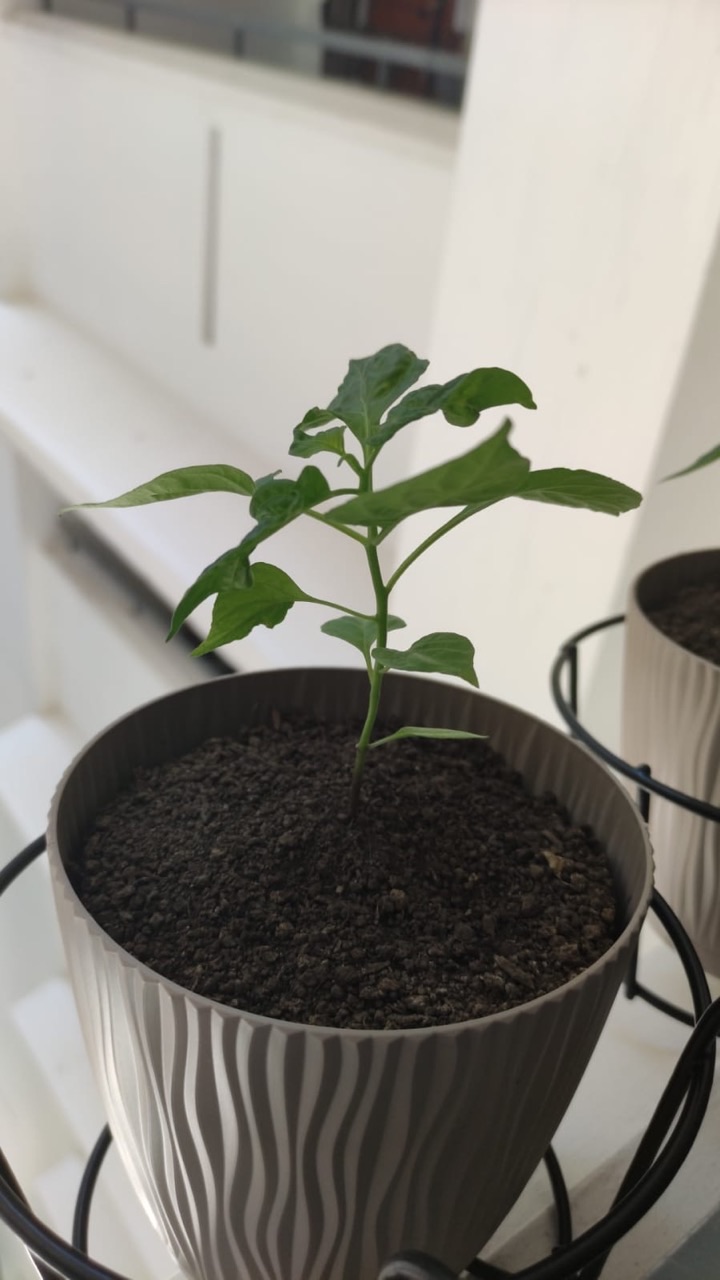
Dengue prevention in Singapore starts with removing stagnant water every week. The National Environment Agency (NEA) advises residents to carry out the five-step Mozzie Wipeout, known as B-L-O-C-K: Break up hardened soil, Lift and empty flowerpot plates, Overturn pails and wipe their rims, Change water in vases, and Keep roof gutters clear with appropriate larvicide measures where needed. Aedes mosquitoes can breed even in a small amount of clean, still water.
If you searched for dengue cluster Singapore, NEA Mozzie Wipeout, Aedes mosquito breeding, Wolbachia mosquito release, dengue symptoms, NEA mosquito inspection or myENV dengue alerts, the most useful distinction is between mosquito presence, confirmed breeding, an active dengue cluster and an individual dengue illness. These are different types of information. One mosquito seen in a home does not prove that a person has dengue, but it is a reason to check for possible breeding habitats.
This Singapore Vocabulary guide explains the language behind mosquito prevention, household inspections, NEA reporting and the Wolbachia programme. For a person with fever or symptoms suggesting dengue, use medical care promptly rather than relying on a word list to diagnose illness. NEA’s official Stop Dengue Now guidance is the authoritative prevention starting point.
Dengue prevention: the immediate action checklist
| What to do | How often or when | Why it matters |
|---|---|---|
| Search for stagnant water | At least weekly | Eliminate breeding opportunities |
| Apply B-L-O-C-K | During your household inspection | Covers frequent hidden containers |
| Use S-A-W for bite prevention | Especially in cluster areas or when dengue is suspected | Helps reduce bites and onward transmission |
| Check myENV/NEA map | When assessing an area or receiving a new alert | Current cluster status changes |
| Verify an NEA inspector | Before allowing someone into your home | Protects residents from impersonation |
| Seek medical care | Promptly if dengue is suspected | Symptoms need professional assessment |
56 Singapore dengue, Aedes and NEA vocabulary terms
Learning these words helps residents distinguish a risk that must be prevented from a disease that requires clinical care. The glossary also separates the physical breeding stage, which can often be controlled at home, from the public-health response to reported infections.
| Term | Meaning in plain English | Practical interpretation |
|---|---|---|
| Dengue | Viral disease spread by infected Aedes mosquitoes | Prevention focuses on reducing breeding and bites |
| NEA | National Environment Agency | Singapore agency managing dengue vector-control programmes |
| MOH | Ministry of Health | Public health authority for clinical disease updates |
| Dengue virus (DENV) | Virus responsible for dengue illness | Several serotypes circulate |
| Serotype | Recognisable dengue virus type | Prior infection does not guarantee lifelong protection against all serotypes |
| Aedes aegypti | Primary local mosquito vector | Especially relevant in urban Singapore |
| Aedes albopictus | Another mosquito species that can transmit dengue | Not directly targeted by male Wolbachia-Aedes aegypti releases |
| Vector | Animal that transmits a pathogen | Dengue usually passes via infected mosquito bites |
| Female mosquito | Sex of mosquito that bites for blood meals | Males do not bite |
| Bite | Event through which a mosquito may transmit virus | A bite alone does not prove infection |
| Transmission cycle | Sequence of virus passing through host and vector | Interrupt by removing breeding habitats and avoiding bites |
| Stagnant water | Still water that can become a breeding site | Clean water in containers may support larvae |
| Breeding site | Place mosquito eggs or young develop | Search for hidden water at least once weekly |
| Larva | Immature mosquito stage living in water | Not the same as an adult mosquito |
| Pupa | Later aquatic stage before adult emerges | May be detected during inspection |
| Egg | Early developmental mosquito stage | Some eggs survive dry conditions for extended periods |
| Mozzie Wipeout | NEA household breeding-prevention routine | Repeat every week |
| B-L-O-C-K | Five-step acronym for removing breeding risks | Break, Lift, Overturn, Change, Keep |
| Break hardened soil | First B-L-O-C-K action | Loosen soil that may trap water |
| Lift and empty plates | L step | Empty plant saucers beneath pots |
| Overturn pails | O step | Empty containers and wipe their rims |
| Change vase water | C step | Replace water and clean vase appropriately |
| Keep gutters clear | K step | Prevent gutter blockages; use appropriate BTI insecticide when required |
| BTI | Bacillus thuringiensis israelensis | Biological larvicide used under product directions |
| Larvicide | Agent targeting mosquito larvae | Not a substitute for removing removable stagnant water |
| S-A-W | Personal bite-prevention acronym | Spray, Apply, Wear |
| Spray | Use insecticide in dark corners where appropriate | Follow product label and safety guidance |
| Apply repellent | Use suitable mosquito repellent | Follow age, skin and label directions |
| Wear long clothing | Long sleeves and trousers | Helps reduce exposed skin |
| Mosquito net | Physical barrier against bites | Can complement household preventive steps |
| Dengue cluster | Area with epidemiologically linked dengue cases | Check NEA current map rather than an old image |
| Active cluster | Currently tracked area of transmission | Does not prove every resident is infected |
| Higher Aedes population | Area with comparatively more detected mosquitoes | Not identical to a confirmed dengue cluster |
| Gravitrap | NEA trap used to monitor Aedes mosquitoes | Data supports surveillance and targeting |
| myENV | NEA mobile information service | Can notify users about dengue clusters and conditions |
| Household inspection | Check of premises for breeding habitats | NEA officers follow identity and permission protocols |
| NEA Authority Card | Credential identifying an inspection officer | Verify through NEA if unsure |
| Officer verification | Independent check of inspector’s identity | Use nea.gov.sg/validate-officer or official phone |
| Sample vial | Container for larval samples | NEA may collect and test sample after detecting breeding |
| Laboratory testing | Examination of collected samples | Used to identify vector breeding |
| Enforcement | Regulatory action for confirmed breaches | No on-the-spot fine payment to an inspector |
| Control of Vectors and Pesticides Act | Law governing vector-control offences | Premises occupiers have responsibilities |
| Fogging | Application of insecticide against adult mosquitoes | Not the main replacement for source reduction |
| Source reduction | Removing places mosquitoes breed | Key long-term prevention measure |
| Wolbachia | Naturally occurring bacterium used in vector-control technique | Not a dengue virus vaccine |
| Project Wolbachia | NEA programme releasing male Wolbachia-Aedes mosquitoes | Targets Aedes aegypti population suppression |
| Male release | Releasing non-biting male mosquitoes | They mate with wild females and reduce viable offspring |
| Population suppression | Reduction in target mosquito numbers | Does not mean zero dengue risk |
| Dawn and dusk | Common Aedes peak biting periods | But bites can occur outside these times |
| Incubation period | Time between infection and symptoms | Dengue commonly develops days after an infective bite |
| Fever | One possible dengue symptom | Medical assessment matters because many illnesses cause fever |
| Warning signs | Symptoms suggesting serious deterioration | Prompt medical evaluation is important |
| Suspected dengue | Symptoms and circumstances raising concern | Seek medical attention rather than self-diagnose |
| Confirmed dengue | Diagnosis made through appropriate clinical assessment/tests | A mosquito bite or rash alone does not confirm it |
| Community responsibility | Shared need to reduce breeding across properties | Check both private and shared areas through responsible channels |
| Holiday home checks | Preparing a home before extended absence | Prevent stagnant water gathering while away |
The B-L-O-C-K steps, explained one by one
| Letter | Official action | Example of what to inspect |
|---|---|---|
| B | Break up hardened soil | Flowerpots with compacted soil that traps water |
| L | Lift and empty flowerpot plates | Water hidden underneath plant pots |
| O | Overturn pails and wipe rims | Containers, empty buckets and stored pails |
| C | Change water in vases | Flower arrangements and decorative containers |
| K | Keep roof gutters clear; place BTI insecticide as directed | Blocked roof gutters and standing water that cannot be drained |
It is easier to remember this acronym when you connect each letter to a physical place at home. The bottom of a pail, a plant saucer and a drain may look different, yet all can hold still water. NEA highlights that Aedes eggs can persist in dry containers and hatch when conditions return. Emptying water without cleaning container rims can therefore leave behind risk.
Why clean water can still be dangerous
Some people associate mosquitoes only with visibly dirty drains. Singapore’s main dengue vector, Aedes aegypti, can breed in clean stagnant water held inside common household containers. The issue is not that the water looks unhygienic; it is that the mosquito has an appropriate place to lay eggs and the immature stages can develop. This is why checking a neat, well-maintained home matters just as much as inspecting an untidy one.
A fictional home inspection
A family checks five places on Sunday morning. The flowerpot plate contains a little water, a vase has stood unchanged for several days, a pail is stored upright on the balcony, a floor trap is blocked, and the roof gutter needs a qualified maintenance inspection. The effective response is not simply to spray the room and forget the containers. It is to remove standing water safely, follow the B-L-O-C-K steps and arrange safe maintenance for inaccessible or elevated areas.
S-A-W: protection against bites
NEA advises the additional personal protection acronym S-A-W: Spray insecticide in dark corners of the house, Apply insect repellent regularly and Wear long-sleeved tops and long pants. These measures are particularly important in an active dengue cluster or when someone in the household is diagnosed with or suspected to have dengue. They reduce the possibility of a mosquito biting an infected person and later transmitting the virus to another person.
An insect repellent should be used according to its label, age suitability and safety instructions. Spraying an insecticide improperly indoors or exposing people to unnecessary chemicals can create a different hazard. The goal is to combine safe personal protection with elimination of breeding sites, not replace every household measure with chemical spraying.
What is a dengue cluster?
A dengue cluster is a public-health surveillance designation for an area with linked dengue cases. NEA’s live cluster information changes as new cases are reported and investigations proceed. It is distinct from a map of higher Aedes aegypti population, which draws on mosquito surveillance such as Gravitrap monitoring. A location without a highlighted cluster is not a guarantee that no mosquitoes or dengue risk exist there.
| NEA information | What it answers | What it does not prove |
|---|---|---|
| Active dengue cluster map | Where current reported local transmission is being tracked | Everyone in highlighted area is infected |
| Higher Aedes population map | Where mosquito surveillance shows comparatively greater vector presence | Each location is a confirmed dengue cluster |
| Weekly case figures | Recent reported disease burden | An individual’s diagnosis |
| myENV location alerts | Relevant area-specific updates | A substitute for medical review |
| Wolbachia release schedule | Where and when male target mosquitoes are released | That dengue-prevention checks can stop |
Older charts may be stale. A map captured in August may not describe a neighbourhood in November. To decide whether an area is currently listed, consult NEA’s official current map or myENV, rather than reposting a dated screenshot as though it were a live feed.
Project Wolbachia: why more visible male mosquitoes do not mean more dengue
Project Wolbachia releases male Aedes aegypti mosquitoes carrying a naturally occurring bacterium. Male mosquitoes do not bite or transmit dengue. When these released males mate with wild female Aedes aegypti, the eggs are unable to hatch successfully, gradually suppressing that species’ population. This is a targeted vector-control measure, not a vaccination programme and not a chemical fogging service.
NEA’s 2026 update describes continued expansion of the programme, including areas such as Bukit Panjang, Little India, Pioneer, Toa Payoh and Ang Mo Kio. A field study reported more than a 70% reduction in dengue risk at study sites and substantial suppression of the target mosquito population. That evidence supports the intervention, but the same outcome cannot simply be promised for every block or every future month.
The programme specifically targets Aedes aegypti, not all mosquito species. Residents may still experience bites from other mosquitoes, including Aedes albopictus. This is why NEA repeatedly reminds residents to continue weekly household checks despite a Wolbachia release programme operating nearby.
Mosquito life stages: why one week matters
Aedes mosquitoes pass through egg, larva, pupa and adult stages. NEA notes that under favourable conditions an Aedes egg can hatch within a day, larvae can develop in several days and adults can emerge shortly afterward. This rapid cycle explains the emphasis on repeating prevention every week. The term breeding habitat is not merely a messy location; it is a site where those development stages can occur.
NEA inspections: how to verify an officer
NEA says its dengue inspection officers identify themselves with an NEA Authority Card, explain the purpose of the visit and enter homes only with consent and accompaniment under its published procedure. If mosquito breeding is found, the officer may show the breeding site, collect larvae or pupae into a sample vial, seal it and send it for laboratory testing. Enforcement follows the relevant process rather than immediate cash collection.
- Ask to see the NEA Authority Card. Do not rely only on a uniform or an urgent claim.
- Verify independently. NEA provides nea.gov.sg/validate-officer and telephone verification via 6225 5632.
- Stay with the officer during any consented inspection under NEA’s instructions.
- Do not destroy suspected larval evidence after an officer has found breeding; follow collection instructions.
- Do not pay a supposed fine on the spot. NEA says officers do not request on-the-spot fine payments.
- Follow official notices. If an enforcement letter arrives, verify it through official NEA channels.
Under the Control of Vectors and Pesticides Act, breeding offences can attract serious enforcement. NEA’s inspection page states penalties may reach a S$5,000 fine, up to three months’ imprisonment or both in applicable court cases. The actual treatment varies with the offence and circumstances, so the maximum penalty must not be described as a fixed charge every homeowner receives.
Dengue symptoms and when to seek help
HealthHub describes symptoms that can include fever, severe headache, pain behind the eyes, muscle and joint aches, rash, nausea, vomiting or unusual bleeding. Dengue can become serious. These symptoms are not unique to dengue, and having one does not establish a diagnosis. If dengue is suspected, seek medical attention promptly; seek urgent care for severe symptoms or signs of deterioration. This article is about vocabulary and prevention, not deciding which medicine or treatment is appropriate.
Dengue is not usually spread directly between people in ordinary social contact. The main cycle involves an infected mosquito. A person with suspected dengue therefore needs medical assessment while the household also reduces mosquito bites and breeding sites, preventing additional transmission.
Common myths about dengue in Singapore
| Misleading statement | Better explanation |
|---|---|
| A tidy home cannot breed mosquitoes. | Small amounts of clean stagnant water can still support Aedes breeding. |
| A single mosquito bite confirms dengue. | Diagnosis requires clinical evaluation and appropriate testing. |
| No highlighted cluster means zero risk. | Clusters are surveillance categories; risk may remain elsewhere. |
| Male Wolbachia mosquitoes increase dengue infections. | The released males do not bite, and the programme suppresses the target mosquito population. |
| Wolbachia removes the need to clear water. | NEA still requires source reduction and bite prevention. |
| Fogging is the same as weekly household prevention. | Adult mosquito control and breeding-site removal address different stages. |
| NEA inspectors collect fines in cash at the door. | NEA says no fine payment is requested on the spot. |
| Dengue and Zika are the same illness. | They are different viral infections that can share mosquito vectors. |
Frequently searched dengue questions
What are the five Mozzie Wipeout steps?
B-L-O-C-K: Break up hardened soil; Lift and empty flowerpot plates; Overturn pails and wipe their rims; Change vase water; Keep roof gutters clear and use BTI where appropriate.
How often should I check for mosquito breeding?
NEA recommends carrying out Mozzie Wipeout at least once weekly, with attention to all containers and hidden water.
Can mosquitoes breed in clean water?
Yes. Aedes mosquitoes can breed in clean, stagnant water in domestic containers, sometimes in very small amounts.
What does S-A-W stand for?
Spray insecticide in dark corners, Apply suitable repellent and Wear long clothing to reduce bites.
Does an Aedes mosquito always carry dengue?
No. Some may be uninfected; the presence of a mosquito is a risk to manage, not an individual diagnosis.
What is a dengue cluster?
An area tracked by NEA for linked local dengue cases, with boundaries and status that can change.
What are Gravitraps used for?
NEA uses them for Aedes mosquito population surveillance, helping identify relative vector abundance.
Do Wolbachia mosquitoes bite?
The released male Wolbachia-Aedes mosquitoes do not bite. Females are the biting sex, and the programme targets population suppression.
How can I confirm whether a dengue inspector is genuine?
Check the NEA Authority Card and verify through NEA’s official officer-validation site or 6225 5632.
Should I see a doctor if I suspect dengue?
Yes. HealthHub advises prompt medical attention for suspected dengue, and urgent attention for serious symptoms.
Four household learning activities
| Practice | Activity | Understanding gained |
|---|---|---|
| 1 | Walk the home and name five possible breeding sites | Turn B-L-O-C-K into physical action |
| 2 | Compare a dengue cluster map with a Gravitrap density map | Distinguish cases from mosquito surveillance |
| 3 | Explain how Wolbachia male release works | Distinguish mosquito control from medical treatment |
| 4 | Role-play verifying an NEA officer | Protect both public health and household safety |
Related eduKateSG guides
- How Singapore Works | NEA Dengue Clusters, Surveillance and Wolbachia — the public-health system.
- How Singapore Works | Community Gardens — good garden and property care.
- Singapore Vocabulary | Healthcare Communication — understanding and reporting symptoms.
- Singapore Vocabulary | HDB Shared Spaces — neighbourhood responsibilities.
- Master Vocabulary — language, meaning and practical action.
Official NEA and healthcare sources
- NEA: Stop Dengue Now — B-L-O-C-K and prevention.
- NEA: prevent Aedes breeding — practical habitat checks.
- NEA: dengue cases and current map links — surveillance and changes.
- NEA: household mosquito inspection — verification, sampling and enforcement.
- NEA: Project Wolbachia — mechanism and 2026 expansion.
- HealthHub: dengue symptoms and care — prompt medical assessment.
Editorial review: 4 November 2026. Maps, cluster status and mosquito-release schedules change; consult NEA’s live information. This page is general educational vocabulary and prevention guidance, not diagnosis or medical treatment advice.