
A worker may be skilled at a practical task but unfamiliar with one specialist English safety term. Another worker may understand a training course in Bengali, Burmese, Hindi, Malay, Mandarin, Tamil or Thai more comfortably than in English. The key question is whether the person understands the hazard, the required procedure and how to raise a concern. An accent or first-language history is not a reliable measure of competence or willingness to work safely.
Singapore’s Ministry of Manpower says Safety Orientation Courses can be provided in English and seven other languages: Bengali, Burmese, Hindi, Malay, Mandarin Chinese, Tamil and Thai, depending on the training provider. For certain Construction, Marine and Metalworking digital assessments, Text-to-Speech may help learners with language or literacy difficulties. MOM advises registering workers in a language they understand best and confirming the available options with the provider. A language option in a policy FAQ does not mean every provider runs every language at every time.
This Singapore Vocabulary chapter teaches 32 terms about hazards, risk, briefing clarity, training comprehension, practical competence, incident reporting and employer responsibility. It is a learning article, not a workplace permit, a training certificate or instructions for operating machinery. Anyone facing a live hazard must follow the applicable trained supervisor, authorised workplace procedure and emergency requirements.
This article joins the eduKateSG Master Vocabulary network, Vocabulary Articles archive and Vocabulary Learning Hub. The teaching method builds vocabulary from real meaning, clear contrasts, independent recall and transfer. It is a supplementary language lesson, not an SOC course, workplace procedure or MOM certification.
The direct answer: first languages and workplace safety communication
| Question | Accurate response |
|---|---|
| Central question | How can safety-critical information be understood and acted upon across different first languages? |
| MOM course-language fact | Safety Orientation Courses can be conducted in English, Bengali, Burmese, Hindi, Malay, Mandarin Chinese, Tamil and Thai; availability varies by provider. |
| Assessment accommodation | Some Construction, Marine and Metalworking SOC digital assessments support Text-to-Speech, subject to provider and language availability. |
| Employer and worker communication | MOM’s heat-stress materials show multilingual channels and pictograms can complement employer training and briefings. |
| Critical boundary | Reading a bilingual handout, speaking fluent English or memorising this glossary is not proof of practical safety competence. |

First language, training language and national language are different facts
Someone may have learned Bengali first but prefer to undertake a technical course in English, or have English as a first language but need extra support with specialist reading. A school Mother Tongue Language is an educational designation; first language is a developmental history; training language should be chosen for relevant comprehension. Under Singapore’s Constitution, Malay is national language and Malay, Mandarin, Tamil and English are the official languages. MOM’s SOC list adds other major languages for training because actual worker needs are not confined to those four official categories.
The appropriate teaching choice should start with the learner’s real comprehension, literacy needs and the requirements of the specific workplace and course. A worker’s accent cannot prove expertise or lack of care. The goal is safe understanding, while the relevant law, training standard and supervisor determine which real procedures must be followed.
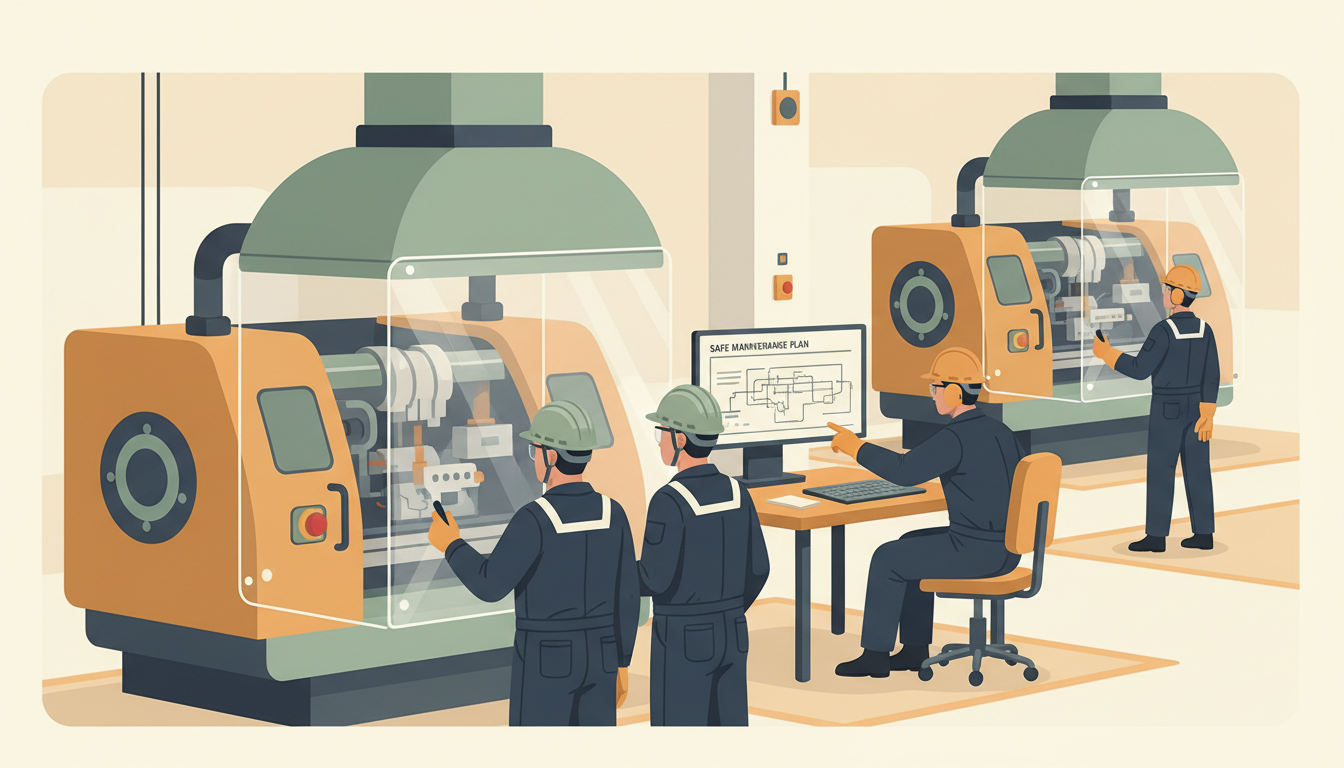
MOM training milestones and limits of the record
| Date or period | Source-supported fact | What not to overstate |
|---|---|---|
| 2017 onward | MOM’s online recognised WSH training-record system holds records completed from 2017 onward. | An absent earlier record does not automatically prove someone never trained. |
| 2023 | MOM answered Parliament on communicating heat-stress measures in multiple languages to migrant workers. | The 2023 app-language list should not be presented as immutable in 2026. |
| 2 June 2025 | MOM’s training-record verification process required Singpass/Corppass login from this date. | An authorised training-record check requires the current access arrangements. |
| 2026 | MOM’s FAQ lists SOC provision in English and seven other major languages, subject to the provider. | An FAQ list is not a live seat or course-language confirmation. |
| 2026 | MOM explains Text-to-Speech support for certain digital assessments. | Text-to-Speech coverage should be confirmed with the chosen provider before registration. |
Six deeper explanations of multilingual safety and cooperation
1. Safety language must identify the hazard and intended control
A safety briefing is not effective simply because it has been delivered. Workers need to identify what the hazard is, which task is affected, what precautions the approved procedure requires, and who should be consulted if the instruction is unclear. That makes terminology precision important: hazard, risk, control and incident are not interchangeable words.
The educational task is to classify a fictional picture or notice without telling anyone how to perform a regulated or hazardous operation. A reader who understands a word but cannot apply it to a practical situation needs more supported learning, not just a longer glossary.
Vocabulary challenge: Extract one term and explain why it matters. State what it does not establish, and identify the official source that would govern a current training or workplace decision. Do not invent a hazard-control procedure for a real machine.
2. First languages and training languages serve different functions
A worker’s first language concerns early acquisition, while the preferred language of safety training concerns current comprehension. MOM lists eight SOC teaching languages but advises employers to confirm availability with the specific provider. Ethnicity, nationality and surname cannot reveal which version of a course will work best for an individual.
A sound enrolment decision begins with the relevant worker’s actual comprehension needs and course requirements. A manager should not choose a class merely because its language seems culturally associated with a worker’s passport. Training access is intended to improve understanding, not assign people a permanent linguistic category.
Vocabulary challenge: Extract one term and explain why it matters. State what it does not establish, and identify the official source that would govern a current training or workplace decision. Do not invent a hazard-control procedure for a real machine.
3. A pictogram is useful only when its meaning is understood
MOM’s 2023 heat-stress response describes multilingual, bite-sized information and simple pictograms delivered through worker communication channels. Pictures can reduce reliance on long paragraphs, but they do not automatically replace practical demonstration or comprehension checks. A symbol may be interpreted differently without context.
A better training exercise pairs a safety term, image and short explanation, then checks whether the worker can describe the relevant concept in their own words. Any actual equipment or safety procedure must be taught and verified by appropriately qualified workplace personnel.
Vocabulary challenge: Extract one term and explain why it matters. State what it does not establish, and identify the official source that would govern a current training or workplace decision. Do not invent a hazard-control procedure for a real machine.
4. Text-to-Speech support is not a blanket training exemption
For Construction, Marine and Metalworking SOC digital assessments, MOM says a Text-to-Speech function is available for certain questions and languages through training providers. This can help people who have difficulty reading the assessment text. It does not mean a digital tool eliminates the need to learn the required safety competencies.
A student should distinguish accommodation from exemption, and completed training from mere attendance. A useful source check asks whether the specific provider offers the needed language and Text-to-Speech option before a worker is enrolled. Do not infer assessment success from use of an accommodation.
Vocabulary challenge: Extract one term and explain why it matters. State what it does not establish, and identify the official source that would govern a current training or workplace decision. Do not invent a hazard-control procedure for a real machine.
5. Workers must be able to clarify and raise concerns
If a word such as isolation, barrier or authorisation is misunderstood, proceeding on a guess can be risky. Safer systems include clear lines of responsibility, suitable channels for questions, recognition of uncertainty and a way to report potential hazards or near misses. A culture where someone is mocked for asking is less likely to surface confusion promptly.
In a classroom, model a non-operational question such as ‘I understand which area you mean, but can you explain the term in the instruction?’ The goal is to show that clarification and respect support compliance with the correct rules—not to create a substitute procedure for a real workplace.
Vocabulary challenge: Extract one term and explain why it matters. State what it does not establish, and identify the official source that would govern a current training or workplace decision. Do not invent a hazard-control procedure for a real machine.
6. Shared safety is practical nation building, not a performance of fluency
Singapore’s workforce includes people with many backgrounds, languages and forms of expertise. A common environment is better served by dependable information, role clarity and fair treatment than by judging workers for accent or limited formal English vocabulary. Employers, training providers, supervisors and workers have different responsibilities within the safety system.
Public trust grows when recognised qualifications are verified, instructions are usable and questions are handled responsibly. This vocabulary chapter explains those distinctions so that students can recognise how multilingual communication supports productive cooperation without disguising the importance of formal professional training.
Vocabulary challenge: Extract one term and explain why it matters. State what it does not establish, and identify the official source that would govern a current training or workplace decision. Do not invent a hazard-control procedure for a real machine.
The 32-term Singapore workplace vocabulary list
| No. | Word | Singapore example |
|---|---|---|
| 1 | workplace safety | A supervisor briefs a team about relevant risks. |
| 2 | Workplace Safety and Health | MOM maintains WSH training resources. |
| 3 | Safety Orientation Course | MOM lists SOC teaching-language options. |
| 4 | training provider | Employers compare approved WSH course providers. |
| 5 | first language | A worker first learned Bengali but can work in English. |
| 6 | training language | A worker attends an SOC in Tamil where offered. |
| 7 | comprehension | A trainee explains a term after a briefing. |
| 8 | clarification | A team member asks what a specialist word means. |
| 9 | hazard | A workplace review identifies a potential hazard. |
| 10 | risk | An assessor considers likelihood and severity. |
| 11 | risk assessment | A trained team reviews workplace conditions. |
| 12 | risk control | A workplace plan identifies suitable controls. |
| 13 | hierarchy of controls | Safety professionals compare different controls. |
| 14 | personal protective equipment | Training materials explain relevant protective gear. |
| 15 | machine guard | A concept illustration shows supervised machine guarding. |
| 16 | permit-to-work | A workplace may require controlled permits for specified tasks. |
| 17 | standard operating procedure | A team follows the applicable workplace SOP. |
| 18 | safety briefing | A supervisor explains approved requirements before a task. |
| 19 | toolbox meeting | A team reviews hazards before starting work. |
| 20 | pictogram | MOM mentions pictograms in multilingual heat-stress materials. |
| 21 | Text-to-Speech | Some SOC assessments offer TTS in selected languages. |
| 22 | assessment accommodation | TTS may assist someone with reading difficulties. |
| 23 | training record | MOM lets authorised users check certain WSH certifications. |
| 24 | competence | An approved assessment checks learning outcomes. |
| 25 | near miss | A worker describes a dangerous incident without injury. |
| 26 | incident report | A team records location and facts in the correct channel. |
| 27 | escalation | Unclear safety-critical instructions are escalated to a supervisor. |
| 28 | communication barrier | Unfamiliar specialist English creates a comprehension gap. |
| 29 | heat stress | MOM has published worker-facing heat-stress communication. |
| 30 | multilingual outreach | MOM’s 2023 channels carried messages for migrant workers. |
| 31 | worker dignity | A supervisor responds without mocking a worker’s accent. |
| 32 | shared responsibility | Employers, trainers, supervisors and workers contribute to safer systems. |
Thirty-two detailed entries: meaning, example, boundary and use
1. workplace safety
Meaning: Practices and systems intended to prevent work-related harm. This term’s precise function matters more than its apparent formality. Readers should identify whether it names a person’s role, an official qualification, a potential danger, a control concept, a communication process or a type of evidence.
Singapore example: A supervisor briefs a team about relevant risks. A teaching example is not an operating instruction, training place guarantee or documented incident. The source named in the official references determines actual course arrangements or requirements.
Accuracy boundary: A vocabulary lesson is not an approved operating procedure. Keeping this limit visible helps prevent exaggerated statements about first languages, actual competence, programme availability or the scope of workplace safety rules.
Independent practice: Explain the term in a non-operational example and distinguish it from a similar workplace word. Write a two-sentence fictional dialogue in which the term leads to a request for appropriate clarification or source checking. A correct use should retain all important qualifications.
2. Workplace Safety and Health
Meaning: Singapore’s regulated field of preventing work-related injuries and illness. This term’s precise function matters more than its apparent formality. Readers should identify whether it names a person’s role, an official qualification, a potential danger, a control concept, a communication process or a type of evidence.
Singapore example: MOM maintains WSH training resources. A teaching example is not an operating instruction, training place guarantee or documented incident. The source named in the official references determines actual course arrangements or requirements.
Accuracy boundary: The term does not imply all jobs have identical course requirements. Keeping this limit visible helps prevent exaggerated statements about first languages, actual competence, programme availability or the scope of workplace safety rules.
Independent practice: Place one example inside its meaning and one outside, then identify what further evidence a real decision would need. Write a two-sentence fictional dialogue in which the term leads to a request for appropriate clarification or source checking. A correct use should retain all important qualifications.
3. Safety Orientation Course
Meaning: A recognised introductory safety course for specified types of work. This term’s precise function matters more than its apparent formality. Readers should identify whether it names a person’s role, an official qualification, a potential danger, a control concept, a communication process or a type of evidence.
Singapore example: MOM lists SOC teaching-language options. A teaching example is not an operating instruction, training place guarantee or documented incident. The source named in the official references determines actual course arrangements or requirements.
Accuracy boundary: Course enrolment is not automatically a record of passing. Keeping this limit visible helps prevent exaggerated statements about first languages, actual competence, programme availability or the scope of workplace safety rules.
Independent practice: Describe the concept in age-appropriate plain English for Primary learners, then adapt it to an evidence-based Secondary explanation. Write a two-sentence fictional dialogue in which the term leads to a request for appropriate clarification or source checking. A correct use should retain all important qualifications.
4. training provider
Meaning: An organisation offering suitable recognised learning. This term’s precise function matters more than its apparent formality. Readers should identify whether it names a person’s role, an official qualification, a potential danger, a control concept, a communication process or a type of evidence.
Singapore example: Employers compare approved WSH course providers. A teaching example is not an operating instruction, training place guarantee or documented incident. The source named in the official references determines actual course arrangements or requirements.
Accuracy boundary: Different providers may offer different languages or places. Keeping this limit visible helps prevent exaggerated statements about first languages, actual competence, programme availability or the scope of workplace safety rules.
Independent practice: Cover this definition and retrieve the word tomorrow, constructing a new fictional example rather than copying the model. Write a two-sentence fictional dialogue in which the term leads to a request for appropriate clarification or source checking. A correct use should retain all important qualifications.
5. first language
Meaning: A language acquired first or among the earliest in childhood. This term’s precise function matters more than its apparent formality. Readers should identify whether it names a person’s role, an official qualification, a potential danger, a control concept, a communication process or a type of evidence.
Singapore example: A worker first learned Bengali but can work in English. A teaching example is not an operating instruction, training place guarantee or documented incident. The source named in the official references determines actual course arrangements or requirements.
Accuracy boundary: First language is not a measure of job competence. Keeping this limit visible helps prevent exaggerated statements about first languages, actual competence, programme availability or the scope of workplace safety rules.
Independent practice: Explain the term in a non-operational example and distinguish it from a similar workplace word. Write a two-sentence fictional dialogue in which the term leads to a request for appropriate clarification or source checking. A correct use should retain all important qualifications.
6. training language
Meaning: The language used to teach or assess a course. This term’s precise function matters more than its apparent formality. Readers should identify whether it names a person’s role, an official qualification, a potential danger, a control concept, a communication process or a type of evidence.
Singapore example: A worker attends an SOC in Tamil where offered. A teaching example is not an operating instruction, training place guarantee or documented incident. The source named in the official references determines actual course arrangements or requirements.
Accuracy boundary: A language appearing in a list is not a guaranteed available session. Keeping this limit visible helps prevent exaggerated statements about first languages, actual competence, programme availability or the scope of workplace safety rules.
Independent practice: Place one example inside its meaning and one outside, then identify what further evidence a real decision would need. Write a two-sentence fictional dialogue in which the term leads to a request for appropriate clarification or source checking. A correct use should retain all important qualifications.
7. comprehension
Meaning: Understanding the essential meaning of communication. This term’s precise function matters more than its apparent formality. Readers should identify whether it names a person’s role, an official qualification, a potential danger, a control concept, a communication process or a type of evidence.
Singapore example: A trainee explains a term after a briefing. A teaching example is not an operating instruction, training place guarantee or documented incident. The source named in the official references determines actual course arrangements or requirements.
Accuracy boundary: Hearing a sentence is not necessarily understanding it. Keeping this limit visible helps prevent exaggerated statements about first languages, actual competence, programme availability or the scope of workplace safety rules.
Independent practice: Describe the concept in age-appropriate plain English for Primary learners, then adapt it to an evidence-based Secondary explanation. Write a two-sentence fictional dialogue in which the term leads to a request for appropriate clarification or source checking. A correct use should retain all important qualifications.
8. clarification
Meaning: A request or explanation that removes uncertainty. This term’s precise function matters more than its apparent formality. Readers should identify whether it names a person’s role, an official qualification, a potential danger, a control concept, a communication process or a type of evidence.
Singapore example: A team member asks what a specialist word means. A teaching example is not an operating instruction, training place guarantee or documented incident. The source named in the official references determines actual course arrangements or requirements.
Accuracy boundary: A clarification request is not proof of insubordination. Keeping this limit visible helps prevent exaggerated statements about first languages, actual competence, programme availability or the scope of workplace safety rules.
Independent practice: Cover this definition and retrieve the word tomorrow, constructing a new fictional example rather than copying the model. Write a two-sentence fictional dialogue in which the term leads to a request for appropriate clarification or source checking. A correct use should retain all important qualifications.
Checkpoint terms 1–8: Recall three terms by meaning without seeing the page. Explain a new workplace-language situation in which each might be relevant, and give one incorrect statement that would be unsafe to assume. The correction must not prescribe a real equipment procedure.
9. hazard
Meaning: A source or situation with potential to cause harm. This term’s precise function matters more than its apparent formality. Readers should identify whether it names a person’s role, an official qualification, a potential danger, a control concept, a communication process or a type of evidence.
Singapore example: A workplace review identifies a potential hazard. A teaching example is not an operating instruction, training place guarantee or documented incident. The source named in the official references determines actual course arrangements or requirements.
Accuracy boundary: A hazard is not the same as a confirmed injury. Keeping this limit visible helps prevent exaggerated statements about first languages, actual competence, programme availability or the scope of workplace safety rules.
Independent practice: Explain the term in a non-operational example and distinguish it from a similar workplace word. Write a two-sentence fictional dialogue in which the term leads to a request for appropriate clarification or source checking. A correct use should retain all important qualifications.
10. risk
Meaning: The possibility and consequences of harm in a context. This term’s precise function matters more than its apparent formality. Readers should identify whether it names a person’s role, an official qualification, a potential danger, a control concept, a communication process or a type of evidence.
Singapore example: An assessor considers likelihood and severity. A teaching example is not an operating instruction, training place guarantee or documented incident. The source named in the official references determines actual course arrangements or requirements.
Accuracy boundary: Risk and hazard are related but different concepts. Keeping this limit visible helps prevent exaggerated statements about first languages, actual competence, programme availability or the scope of workplace safety rules.
Independent practice: Place one example inside its meaning and one outside, then identify what further evidence a real decision would need. Write a two-sentence fictional dialogue in which the term leads to a request for appropriate clarification or source checking. A correct use should retain all important qualifications.
11. risk assessment
Meaning: A structured process of identifying and evaluating risks. This term’s precise function matters more than its apparent formality. Readers should identify whether it names a person’s role, an official qualification, a potential danger, a control concept, a communication process or a type of evidence.
Singapore example: A trained team reviews workplace conditions. A teaching example is not an operating instruction, training place guarantee or documented incident. The source named in the official references determines actual course arrangements or requirements.
Accuracy boundary: A classroom scenario is not a compliant risk assessment. Keeping this limit visible helps prevent exaggerated statements about first languages, actual competence, programme availability or the scope of workplace safety rules.
Independent practice: Describe the concept in age-appropriate plain English for Primary learners, then adapt it to an evidence-based Secondary explanation. Write a two-sentence fictional dialogue in which the term leads to a request for appropriate clarification or source checking. A correct use should retain all important qualifications.
12. risk control
Meaning: A measure intended to reduce or manage risk. This term’s precise function matters more than its apparent formality. Readers should identify whether it names a person’s role, an official qualification, a potential danger, a control concept, a communication process or a type of evidence.
Singapore example: A workplace plan identifies suitable controls. A teaching example is not an operating instruction, training place guarantee or documented incident. The source named in the official references determines actual course arrangements or requirements.
Accuracy boundary: Actual controls must follow competent workplace procedures. Keeping this limit visible helps prevent exaggerated statements about first languages, actual competence, programme availability or the scope of workplace safety rules.
Independent practice: Cover this definition and retrieve the word tomorrow, constructing a new fictional example rather than copying the model. Write a two-sentence fictional dialogue in which the term leads to a request for appropriate clarification or source checking. A correct use should retain all important qualifications.
13. hierarchy of controls
Meaning: A framework for prioritising methods of managing hazards. This term’s precise function matters more than its apparent formality. Readers should identify whether it names a person’s role, an official qualification, a potential danger, a control concept, a communication process or a type of evidence.
Singapore example: Safety professionals compare different controls. A teaching example is not an operating instruction, training place guarantee or documented incident. The source named in the official references determines actual course arrangements or requirements.
Accuracy boundary: It cannot be reduced to handing out equipment. Keeping this limit visible helps prevent exaggerated statements about first languages, actual competence, programme availability or the scope of workplace safety rules.
Independent practice: Explain the term in a non-operational example and distinguish it from a similar workplace word. Write a two-sentence fictional dialogue in which the term leads to a request for appropriate clarification or source checking. A correct use should retain all important qualifications.
14. personal protective equipment
Meaning: Equipment worn to reduce exposure to specified hazards. This term’s precise function matters more than its apparent formality. Readers should identify whether it names a person’s role, an official qualification, a potential danger, a control concept, a communication process or a type of evidence.
Singapore example: Training materials explain relevant protective gear. A teaching example is not an operating instruction, training place guarantee or documented incident. The source named in the official references determines actual course arrangements or requirements.
Accuracy boundary: PPE alone is not a complete control system. Keeping this limit visible helps prevent exaggerated statements about first languages, actual competence, programme availability or the scope of workplace safety rules.
Independent practice: Place one example inside its meaning and one outside, then identify what further evidence a real decision would need. Write a two-sentence fictional dialogue in which the term leads to a request for appropriate clarification or source checking. A correct use should retain all important qualifications.
15. machine guard
Meaning: A physical barrier protecting people from dangerous machinery parts. This term’s precise function matters more than its apparent formality. Readers should identify whether it names a person’s role, an official qualification, a potential danger, a control concept, a communication process or a type of evidence.
Singapore example: A concept illustration shows supervised machine guarding. A teaching example is not an operating instruction, training place guarantee or documented incident. The source named in the official references determines actual course arrangements or requirements.
Accuracy boundary: A drawing is not a substitute for an inspected guard. Keeping this limit visible helps prevent exaggerated statements about first languages, actual competence, programme availability or the scope of workplace safety rules.
Independent practice: Describe the concept in age-appropriate plain English for Primary learners, then adapt it to an evidence-based Secondary explanation. Write a two-sentence fictional dialogue in which the term leads to a request for appropriate clarification or source checking. A correct use should retain all important qualifications.
16. permit-to-work
Meaning: A formal authorisation system for certain hazardous activities. This term’s precise function matters more than its apparent formality. Readers should identify whether it names a person’s role, an official qualification, a potential danger, a control concept, a communication process or a type of evidence.
Singapore example: A workplace may require controlled permits for specified tasks. A teaching example is not an operating instruction, training place guarantee or documented incident. The source named in the official references determines actual course arrangements or requirements.
Accuracy boundary: Knowing the term does not authorise a person to work. Keeping this limit visible helps prevent exaggerated statements about first languages, actual competence, programme availability or the scope of workplace safety rules.
Independent practice: Cover this definition and retrieve the word tomorrow, constructing a new fictional example rather than copying the model. Write a two-sentence fictional dialogue in which the term leads to a request for appropriate clarification or source checking. A correct use should retain all important qualifications.
Checkpoint terms 9–16: Recall three terms by meaning without seeing the page. Explain a new workplace-language situation in which each might be relevant, and give one incorrect statement that would be unsafe to assume. The correction must not prescribe a real equipment procedure.
17. standard operating procedure
Meaning: A documented approved method for a task. This term’s precise function matters more than its apparent formality. Readers should identify whether it names a person’s role, an official qualification, a potential danger, a control concept, a communication process or a type of evidence.
Singapore example: A team follows the applicable workplace SOP. A teaching example is not an operating instruction, training place guarantee or documented incident. The source named in the official references determines actual course arrangements or requirements.
Accuracy boundary: A generic blog paragraph is not a site’s SOP. Keeping this limit visible helps prevent exaggerated statements about first languages, actual competence, programme availability or the scope of workplace safety rules.
Independent practice: Explain the term in a non-operational example and distinguish it from a similar workplace word. Write a two-sentence fictional dialogue in which the term leads to a request for appropriate clarification or source checking. A correct use should retain all important qualifications.
18. safety briefing
Meaning: Communication about relevant hazards, duties and procedures. This term’s precise function matters more than its apparent formality. Readers should identify whether it names a person’s role, an official qualification, a potential danger, a control concept, a communication process or a type of evidence.
Singapore example: A supervisor explains approved requirements before a task. A teaching example is not an operating instruction, training place guarantee or documented incident. The source named in the official references determines actual course arrangements or requirements.
Accuracy boundary: The act of speaking does not prove understanding. Keeping this limit visible helps prevent exaggerated statements about first languages, actual competence, programme availability or the scope of workplace safety rules.
Independent practice: Place one example inside its meaning and one outside, then identify what further evidence a real decision would need. Write a two-sentence fictional dialogue in which the term leads to a request for appropriate clarification or source checking. A correct use should retain all important qualifications.
19. toolbox meeting
Meaning: A short work-related safety discussion. This term’s precise function matters more than its apparent formality. Readers should identify whether it names a person’s role, an official qualification, a potential danger, a control concept, a communication process or a type of evidence.
Singapore example: A team reviews hazards before starting work. A teaching example is not an operating instruction, training place guarantee or documented incident. The source named in the official references determines actual course arrangements or requirements.
Accuracy boundary: A meeting does not replace formal course requirements. Keeping this limit visible helps prevent exaggerated statements about first languages, actual competence, programme availability or the scope of workplace safety rules.
Independent practice: Describe the concept in age-appropriate plain English for Primary learners, then adapt it to an evidence-based Secondary explanation. Write a two-sentence fictional dialogue in which the term leads to a request for appropriate clarification or source checking. A correct use should retain all important qualifications.
20. pictogram
Meaning: A simplified visual symbol used to communicate an idea. This term’s precise function matters more than its apparent formality. Readers should identify whether it names a person’s role, an official qualification, a potential danger, a control concept, a communication process or a type of evidence.
Singapore example: MOM mentions pictograms in multilingual heat-stress materials. A teaching example is not an operating instruction, training place guarantee or documented incident. The source named in the official references determines actual course arrangements or requirements.
Accuracy boundary: Symbols may need explanation or testing. Keeping this limit visible helps prevent exaggerated statements about first languages, actual competence, programme availability or the scope of workplace safety rules.
Independent practice: Cover this definition and retrieve the word tomorrow, constructing a new fictional example rather than copying the model. Write a two-sentence fictional dialogue in which the term leads to a request for appropriate clarification or source checking. A correct use should retain all important qualifications.
21. Text-to-Speech
Meaning: Technology reading digital text aloud. This term’s precise function matters more than its apparent formality. Readers should identify whether it names a person’s role, an official qualification, a potential danger, a control concept, a communication process or a type of evidence.
Singapore example: Some SOC assessments offer TTS in selected languages. A teaching example is not an operating instruction, training place guarantee or documented incident. The source named in the official references determines actual course arrangements or requirements.
Accuracy boundary: Availability and assessment rules vary by provider. Keeping this limit visible helps prevent exaggerated statements about first languages, actual competence, programme availability or the scope of workplace safety rules.
Independent practice: Explain the term in a non-operational example and distinguish it from a similar workplace word. Write a two-sentence fictional dialogue in which the term leads to a request for appropriate clarification or source checking. A correct use should retain all important qualifications.
22. assessment accommodation
Meaning: An adjustment allowing a learner to access an assessment appropriately. This term’s precise function matters more than its apparent formality. Readers should identify whether it names a person’s role, an official qualification, a potential danger, a control concept, a communication process or a type of evidence.
Singapore example: TTS may assist someone with reading difficulties. A teaching example is not an operating instruction, training place guarantee or documented incident. The source named in the official references determines actual course arrangements or requirements.
Accuracy boundary: An accommodation is not an exemption from competence. Keeping this limit visible helps prevent exaggerated statements about first languages, actual competence, programme availability or the scope of workplace safety rules.
Independent practice: Place one example inside its meaning and one outside, then identify what further evidence a real decision would need. Write a two-sentence fictional dialogue in which the term leads to a request for appropriate clarification or source checking. A correct use should retain all important qualifications.
23. training record
Meaning: A document or system entry recording recognised training. This term’s precise function matters more than its apparent formality. Readers should identify whether it names a person’s role, an official qualification, a potential danger, a control concept, a communication process or a type of evidence.
Singapore example: MOM lets authorised users check certain WSH certifications. A teaching example is not an operating instruction, training place guarantee or documented incident. The source named in the official references determines actual course arrangements or requirements.
Accuracy boundary: An old missing electronic record does not settle every historical case. Keeping this limit visible helps prevent exaggerated statements about first languages, actual competence, programme availability or the scope of workplace safety rules.
Independent practice: Describe the concept in age-appropriate plain English for Primary learners, then adapt it to an evidence-based Secondary explanation. Write a two-sentence fictional dialogue in which the term leads to a request for appropriate clarification or source checking. A correct use should retain all important qualifications.
24. competence
Meaning: Demonstrated ability to perform a task to the relevant standard. This term’s precise function matters more than its apparent formality. Readers should identify whether it names a person’s role, an official qualification, a potential danger, a control concept, a communication process or a type of evidence.
Singapore example: An approved assessment checks learning outcomes. A teaching example is not an operating instruction, training place guarantee or documented incident. The source named in the official references determines actual course arrangements or requirements.
Accuracy boundary: Fluent speech does not establish practical competence. Keeping this limit visible helps prevent exaggerated statements about first languages, actual competence, programme availability or the scope of workplace safety rules.
Independent practice: Cover this definition and retrieve the word tomorrow, constructing a new fictional example rather than copying the model. Write a two-sentence fictional dialogue in which the term leads to a request for appropriate clarification or source checking. A correct use should retain all important qualifications.
Checkpoint terms 17–24: Recall three terms by meaning without seeing the page. Explain a new workplace-language situation in which each might be relevant, and give one incorrect statement that would be unsafe to assume. The correction must not prescribe a real equipment procedure.
25. near miss
Meaning: An event that could have caused harm but did not. This term’s precise function matters more than its apparent formality. Readers should identify whether it names a person’s role, an official qualification, a potential danger, a control concept, a communication process or a type of evidence.
Singapore example: A worker describes a dangerous incident without injury. A teaching example is not an operating instruction, training place guarantee or documented incident. The source named in the official references determines actual course arrangements or requirements.
Accuracy boundary: A near miss is not the same as a completed accident. Keeping this limit visible helps prevent exaggerated statements about first languages, actual competence, programme availability or the scope of workplace safety rules.
Independent practice: Explain the term in a non-operational example and distinguish it from a similar workplace word. Write a two-sentence fictional dialogue in which the term leads to a request for appropriate clarification or source checking. A correct use should retain all important qualifications.
26. incident report
Meaning: A record of a safety-related event or concern. This term’s precise function matters more than its apparent formality. Readers should identify whether it names a person’s role, an official qualification, a potential danger, a control concept, a communication process or a type of evidence.
Singapore example: A team records location and facts in the correct channel. A teaching example is not an operating instruction, training place guarantee or documented incident. The source named in the official references determines actual course arrangements or requirements.
Accuracy boundary: A report should avoid invented blame or unfounded causes. Keeping this limit visible helps prevent exaggerated statements about first languages, actual competence, programme availability or the scope of workplace safety rules.
Independent practice: Place one example inside its meaning and one outside, then identify what further evidence a real decision would need. Write a two-sentence fictional dialogue in which the term leads to a request for appropriate clarification or source checking. A correct use should retain all important qualifications.
27. escalation
Meaning: Referral of an issue to an appropriately responsible person. This term’s precise function matters more than its apparent formality. Readers should identify whether it names a person’s role, an official qualification, a potential danger, a control concept, a communication process or a type of evidence.
Singapore example: Unclear safety-critical instructions are escalated to a supervisor. A teaching example is not an operating instruction, training place guarantee or documented incident. The source named in the official references determines actual course arrangements or requirements.
Accuracy boundary: Escalation is not automatically a failure by the reporter. Keeping this limit visible helps prevent exaggerated statements about first languages, actual competence, programme availability or the scope of workplace safety rules.
Independent practice: Describe the concept in age-appropriate plain English for Primary learners, then adapt it to an evidence-based Secondary explanation. Write a two-sentence fictional dialogue in which the term leads to a request for appropriate clarification or source checking. A correct use should retain all important qualifications.
28. communication barrier
Meaning: An obstacle preventing accurate exchange of meaning. This term’s precise function matters more than its apparent formality. Readers should identify whether it names a person’s role, an official qualification, a potential danger, a control concept, a communication process or a type of evidence.
Singapore example: Unfamiliar specialist English creates a comprehension gap. A teaching example is not an operating instruction, training place guarantee or documented incident. The source named in the official references determines actual course arrangements or requirements.
Accuracy boundary: Not every workplace problem is caused by language. Keeping this limit visible helps prevent exaggerated statements about first languages, actual competence, programme availability or the scope of workplace safety rules.
Independent practice: Cover this definition and retrieve the word tomorrow, constructing a new fictional example rather than copying the model. Write a two-sentence fictional dialogue in which the term leads to a request for appropriate clarification or source checking. A correct use should retain all important qualifications.
29. heat stress
Meaning: Physiological strain associated with excessive heat exposure. This term’s precise function matters more than its apparent formality. Readers should identify whether it names a person’s role, an official qualification, a potential danger, a control concept, a communication process or a type of evidence.
Singapore example: MOM has published worker-facing heat-stress communication. A teaching example is not an operating instruction, training place guarantee or documented incident. The source named in the official references determines actual course arrangements or requirements.
Accuracy boundary: The glossary does not diagnose symptoms or specify medical treatment. Keeping this limit visible helps prevent exaggerated statements about first languages, actual competence, programme availability or the scope of workplace safety rules.
Independent practice: Explain the term in a non-operational example and distinguish it from a similar workplace word. Write a two-sentence fictional dialogue in which the term leads to a request for appropriate clarification or source checking. A correct use should retain all important qualifications.
30. multilingual outreach
Meaning: Providing relevant information through multiple languages. This term’s precise function matters more than its apparent formality. Readers should identify whether it names a person’s role, an official qualification, a potential danger, a control concept, a communication process or a type of evidence.
Singapore example: MOM’s 2023 channels carried messages for migrant workers. A teaching example is not an operating instruction, training place guarantee or documented incident. The source named in the official references determines actual course arrangements or requirements.
Accuracy boundary: A translated post is not identical to completed worker training. Keeping this limit visible helps prevent exaggerated statements about first languages, actual competence, programme availability or the scope of workplace safety rules.
Independent practice: Place one example inside its meaning and one outside, then identify what further evidence a real decision would need. Write a two-sentence fictional dialogue in which the term leads to a request for appropriate clarification or source checking. A correct use should retain all important qualifications.
31. worker dignity
Meaning: Respect for workers’ inherent worth and voice. This term’s precise function matters more than its apparent formality. Readers should identify whether it names a person’s role, an official qualification, a potential danger, a control concept, a communication process or a type of evidence.
Singapore example: A supervisor responds without mocking a worker’s accent. A teaching example is not an operating instruction, training place guarantee or documented incident. The source named in the official references determines actual course arrangements or requirements.
Accuracy boundary: Dignity does not mean removing legitimate safety standards. Keeping this limit visible helps prevent exaggerated statements about first languages, actual competence, programme availability or the scope of workplace safety rules.
Independent practice: Describe the concept in age-appropriate plain English for Primary learners, then adapt it to an evidence-based Secondary explanation. Write a two-sentence fictional dialogue in which the term leads to a request for appropriate clarification or source checking. A correct use should retain all important qualifications.
32. shared responsibility
Meaning: Different participants carrying out their appropriate duties toward a common outcome. This term’s precise function matters more than its apparent formality. Readers should identify whether it names a person’s role, an official qualification, a potential danger, a control concept, a communication process or a type of evidence.
Singapore example: Employers, trainers, supervisors and workers contribute to safer systems. A teaching example is not an operating instruction, training place guarantee or documented incident. The source named in the official references determines actual course arrangements or requirements.
Accuracy boundary: Their legal and practical responsibilities are not identical. Keeping this limit visible helps prevent exaggerated statements about first languages, actual competence, programme availability or the scope of workplace safety rules.
Independent practice: Cover this definition and retrieve the word tomorrow, constructing a new fictional example rather than copying the model. Write a two-sentence fictional dialogue in which the term leads to a request for appropriate clarification or source checking. A correct use should retain all important qualifications.
Checkpoint terms 25–32: Recall three terms by meaning without seeing the page. Explain a new workplace-language situation in which each might be relevant, and give one incorrect statement that would be unsafe to assume. The correction must not prescribe a real equipment procedure.
Eight worked workplace-language cases
These examples are fictional exercises, not actual safety investigations, operating instructions or personnel assessments. They teach wording and evidence rather than how to perform regulated work.
Scenario 1: One course language is assumed from nationality
Starting situation: An employer enrols a worker in a course without asking about comprehension.
Weak assumption: The assumed language does not suit the learner.
Responsible repair: Check the worker’s actual learning needs and provider’s available SOC languages.
Why this matters: Nationality and first language are not reliable substitutes for choice. A learner should identify which concept was confused and which official training or workplace source controls the real question.
Transfer: Create a clear, non-operational question for a team member or training provider. Preserve respect for the listener and avoid promising that a course or accommodation is available without direct confirmation.
Scenario 2: A course-list entry becomes a guarantee
Starting situation: A team reads MOM’s eight-language FAQ.
Weak assumption: They tell workers every provider runs every language immediately.
Responsible repair: Explain the official list and confirm sessions with the chosen provider.
Why this matters: Policy availability and local offerings are different. A learner should identify which concept was confused and which official training or workplace source controls the real question.
Transfer: Create a clear, non-operational question for a team member or training provider. Preserve respect for the listener and avoid promising that a course or accommodation is available without direct confirmation.
Scenario 3: A pictogram is assumed to need no explanation
Starting situation: A safety poster uses an unfamiliar symbol.
Weak assumption: A trainee is too embarrassed to ask about it.
Responsible repair: Use suitable explanation and a comprehension check through authorised training.
Why this matters: Visual communication is useful but not automatically universal. A learner should identify which concept was confused and which official training or workplace source controls the real question.
Transfer: Create a clear, non-operational question for a team member or training provider. Preserve respect for the listener and avoid promising that a course or accommodation is available without direct confirmation.
Scenario 4: Training attendance is mistaken for certification
Starting situation: A worker says they attended a course.
Weak assumption: A manager marks them competent without checking the outcome.
Responsible repair: Verify the relevant recognised training record through the appropriate official system.
Why this matters: Attendance and assessed competence differ. A learner should identify which concept was confused and which official training or workplace source controls the real question.
Transfer: Create a clear, non-operational question for a team member or training provider. Preserve respect for the listener and avoid promising that a course or accommodation is available without direct confirmation.
Scenario 5: A 2016 certificate is absent online
Starting situation: An employer checks a record through MOM’s current eService.
Weak assumption: No result is treated as proof the person never trained.
Responsible repair: Note the eService’s 2017-onward data scope and seek the applicable official verification route.
Why this matters: Database coverage determines what nonappearance means. A learner should identify which concept was confused and which official training or workplace source controls the real question.
Transfer: Create a clear, non-operational question for a team member or training provider. Preserve respect for the listener and avoid promising that a course or accommodation is available without direct confirmation.
Scenario 6: A worker asks about a hazard label
Starting situation: An employee does not understand a technical term in a briefing.
Weak assumption: A colleague tells them to guess rather than slow the team.
Responsible repair: Pause the guess, request explanation from a responsible qualified person and follow the approved procedure.
Why this matters: Safety-critical uncertainty should not be hidden. A learner should identify which concept was confused and which official training or workplace source controls the real question.
Transfer: Create a clear, non-operational question for a team member or training provider. Preserve respect for the listener and avoid promising that a course or accommodation is available without direct confirmation.
Scenario 7: A 2023 communication channel is assumed unchanged
Starting situation: A report lists the languages available in a 2023 MOM worker app.
Weak assumption: It describes the list as a guaranteed current 2026 feature.
Responsible repair: Date the evidence and verify current channel availability separately.
Why this matters: Historical programme details are not timeless promises. A learner should identify which concept was confused and which official training or workplace source controls the real question.
Transfer: Create a clear, non-operational question for a team member or training provider. Preserve respect for the listener and avoid promising that a course or accommodation is available without direct confirmation.
Scenario 8: An operational instruction appears in a school blog
Starting situation: A student writes a fictional example about an industrial machine.
Weak assumption: The draft sounds like an approved instruction for operating the equipment.
Responsible repair: Label the case illustrative and direct real operations to trained supervisors and approved site procedures.
Why this matters: Educational vocabulary should not replace practical safety governance. A learner should identify which concept was confused and which official training or workplace source controls the real question.
Transfer: Create a clear, non-operational question for a team member or training provider. Preserve respect for the listener and avoid promising that a course or accommodation is available without direct confirmation.
How to teach workplace vocabulary from the first weak link
1. Diagnose the task
Ask the learner to explain a fictional briefing or course description in their own words. If they understand the concept but cannot name it, repair retrieval; if they use a wrong term, compare its definition; if the course rule is uncertain, check MOM.
2. Model the correct contrast
Use pairs such as hazard and risk, attendance and competence, course list and provider availability, or text-to-speech accommodation and training exemption. The exact distinction helps prevent false confidence.
3. Fence the evidence
An MOM FAQ permits a bounded claim about language options; it does not guarantee a scheduled seat. A pictogram or familiar term cannot certify competence. Ask students to add the missing qualifier to an exaggerated sentence.
4. Retrieve at intervals
Hide the glossary and return after one day, several days and a week. Mix the current terms with earlier National Service, emergency warnings and translation words so the learner must select from meaning.
5. Transfer responsibly
Apply clear instructions to a school project or community volunteer orientation without pretending workplace-specific legal or technical requirements transfer unchanged. Real regulated work belongs to trained and authorised people.
Four-week age and proficiency learning plan
| Week | Practice | Meaningful result |
|---|---|---|
| 1 | Learn eight terms and separate worker first language from course teaching language. | Can describe actual needs without stereotyping. |
| 2 | Learn eight more and distinguish hazard, risk, control and authorisation. | Recognises why words cannot substitute for approved procedures. |
| 3 | Learn eight more and read MOM’s language and Text-to-Speech FAQs. | Explains provider availability and assessment accommodation limits. |
| 4 | Learn final eight, retrieve older terms and repair three fictional briefings. | Uses six words independently and clearly states when to consult authorities. |
Primary learners should focus on respectful communication, listening and the difference between an unclear instruction and guessing; never use hazardous equipment in a vocabulary exercise. Secondary learners can evaluate a fictional message for missing terms and cite MOM’s official guidance. Adult readers can use these words to understand the importance of proper enrolment, training and source checking, while actual work remains subject to approved workplace controls.
Self-check with twelve answer explanations
- 1. What does WSH stand for?
- 2. How many languages does MOM list for SOC courses?
- 3. Name three non-English languages from the list.
- 4. Is every language offered by every training provider?
- 5. What is Text-to-Speech support?
- 6. Does Text-to-Speech automatically exempt someone from competency requirements?
- 7. How does hazard differ from risk?
- 8. Is attendance the same as a verified competent training result?
- 9. How far back do MOM’s online WSH records extend?
- 10. Should a worker guess when a safety-critical instruction is unclear?
- 11. Does a worker’s accent prove workplace competence?
- 12. What is the nation-building lesson?
Answer key
1. Workplace Safety and Health. To demonstrate mastery, give a fresh safe illustration and name the source or condition you would check before applying the statement in a real workplace.
2. Eight in total: English plus seven other major languages. To demonstrate mastery, give a fresh safe illustration and name the source or condition you would check before applying the statement in a real workplace.
3. For example Bengali, Burmese and Tamil; the other listed options are Hindi, Malay, Mandarin Chinese and Thai. To demonstrate mastery, give a fresh safe illustration and name the source or condition you would check before applying the statement in a real workplace.
4. No. Confirm directly with the chosen provider. To demonstrate mastery, give a fresh safe illustration and name the source or condition you would check before applying the statement in a real workplace.
5. A feature reading digital assessment text aloud in supported situations. To demonstrate mastery, give a fresh safe illustration and name the source or condition you would check before applying the statement in a real workplace.
6. No. To demonstrate mastery, give a fresh safe illustration and name the source or condition you would check before applying the statement in a real workplace.
7. Hazard is a possible source of harm; risk addresses the possibility and consequences of that harm. To demonstrate mastery, give a fresh safe illustration and name the source or condition you would check before applying the statement in a real workplace.
8. No. To demonstrate mastery, give a fresh safe illustration and name the source or condition you would check before applying the statement in a real workplace.
9. The relevant system covers records completed from 2017 onward. To demonstrate mastery, give a fresh safe illustration and name the source or condition you would check before applying the statement in a real workplace.
10. No. Seek clarification through authorised qualified channels and follow approved procedures. To demonstrate mastery, give a fresh safe illustration and name the source or condition you would check before applying the statement in a real workplace.
11. No. To demonstrate mastery, give a fresh safe illustration and name the source or condition you would check before applying the statement in a real workplace.
12. Respectful, accurate safety communication supports cooperation across varied languages and roles. To demonstrate mastery, give a fresh safe illustration and name the source or condition you would check before applying the statement in a real workplace.
Ten questions about multilingual WSH education
1. How many language options does MOM describe for Safety Orientation Courses?
English plus seven languages: Bengali, Burmese, Hindi, Malay, Mandarin Chinese, Tamil and Thai. Official training providers and MOM’s current rules control real enrolment, certification and workplace decisions.
2. Does every provider offer all eight languages?
No. MOM says availability varies; contact the chosen provider. Official training providers and MOM’s current rules control real enrolment, certification and workplace decisions.
3. What learning accommodation is described for some SOC digital assessments?
Text-to-Speech for certain Construction, Marine and Metalworking assessments, with provider and language conditions. Official training providers and MOM’s current rules control real enrolment, certification and workplace decisions.
4. Is a course in a learner’s first language always necessary?
Not always. MOM advises selecting a language the worker understands best, which may differ from first language. Official training providers and MOM’s current rules control real enrolment, certification and workplace decisions.
5. Does a training certificate mean a worker knows every safety procedure?
No. Training recognition and site-specific competence or authorisation have different scopes. Official training providers and MOM’s current rules control real enrolment, certification and workplace decisions.
6. What period does MOM’s online training record system cover?
Its guidance says WSH training records completed from 2017 onwards are included. Official training providers and MOM’s current rules control real enrolment, certification and workplace decisions.
7. Can a pictogram replace all practical safety teaching?
No. It can support communication but must be understood and paired with suitable training. Official training providers and MOM’s current rules control real enrolment, certification and workplace decisions.
8. What should happen if a safety-critical term is unclear?
Ask an appropriately responsible and trained person for clarification and follow approved workplace processes rather than guessing. Official training providers and MOM’s current rules control real enrolment, certification and workplace decisions.
9. Does this article provide operational instructions for equipment?
No. It explains vocabulary; real work requires qualified training, supervision and approved procedures. Official training providers and MOM’s current rules control real enrolment, certification and workplace decisions.
10. Why is this a nation-building vocabulary theme?
Reliable multilingual communication can help diverse workers cooperate safely while protecting dignity and clearly defined responsibilities. Official training providers and MOM’s current rules control real enrolment, certification and workplace decisions.
MOM primary sources and verification
- MOM — Safety Orientation Courses available in up to eight languages
- MOM — Language, literacy and Text-to-Speech assistance in SOC assessment
- MOM — Workplace Safety and Health Training overview
- MOM — Recognised WSH courses and training providers
- MOM — Check worker WSH training records
- MOM 2023 — Communicating heat-stress measures to migrant workers
- Singapore Constitution — Article 153A languages
Connected vocabulary hubs and previous chapters
- Master Vocabulary Hub
- Vocabulary Articles Archive
- Vocabulary Learning Hub
- National Service, First Languages and Shared Teamwork
- Emergency Alerts and Clear Public Warnings
- Translation and Public-Service Trust
All four new Singapore Vocabulary nation-building chapters
- Singapore Vocabulary | Wet Markets
- Singapore Vocabulary | Heritage Trades
- Singapore Vocabulary | Household Recycling
- Singapore Vocabulary | Workplace Safety
Editorial integrity: Source-based details on SOC languages, Text-to-Speech and training-record scope were checked against MOM in October 2026. The educational examples are fictional and are not real WSH operating instructions, exemptions or guarantees of enrolment. An individual’s first language, intelligence or safety competence cannot be deduced from ethnicity, occupation or accent.