
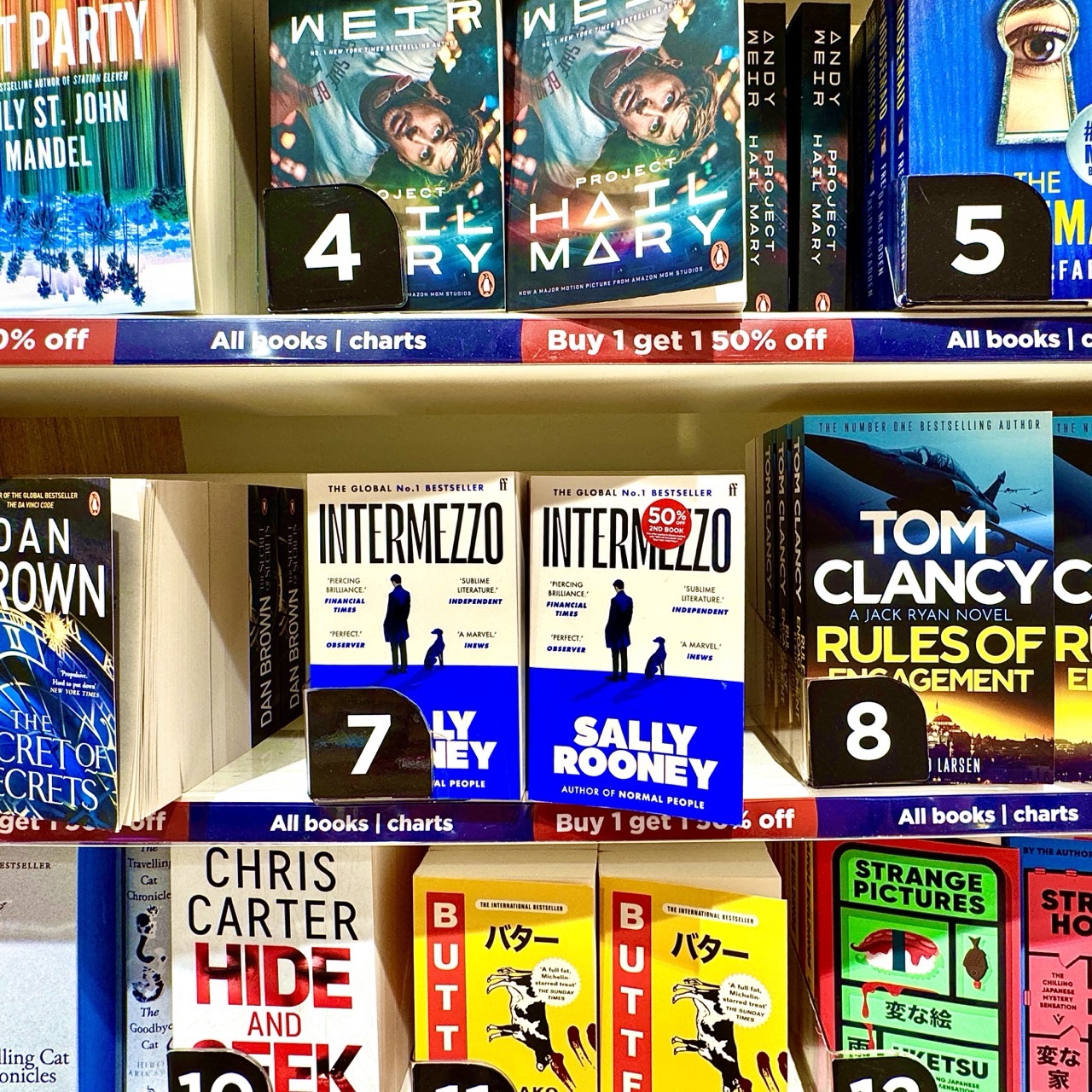
A book publishing company earns trust when it makes an author’s work available in an accurate, legally authorised and properly identified edition—and can account for what it sells. The publisher’s responsibilities start long before a printer produces pages and continue after books have reached shops and libraries. Editorial checking, permissions, version control, distribution, royalties and corrections must fit together.
Imagine Lantern Shore Books, a fictional Singapore publisher preparing an illustrated account of neighbourhood history for young readers. The author has approved the manuscript, but one photograph’s licence permits use only in print, while the sales team has announced a simultaneous e-book. A late factual correction also reaches production after the cover has been approved. The company must establish which rights it owns, which statements it can substantiate and which physical or electronic edition it is ready to issue. Nothing here describes a real author or publication.
The Gold Standard master hub examines dependable company systems. The Printing Companies guide covers authorised physical reproduction, while Media Companies looks at broader editorial governance. Here we follow the publisher’s distinct decisions about authors, manuscripts, editions, intellectual property, booksellers and lasting access.
Choose the publishing decision that matches your situation
Authors can begin with contract rights and royalty terms; commissioning editors with factual evidence and artwork; publishers with edition identity, NLB deposit, distribution and corrections. The chapters follow the fictional book through each stage.
Chapter index
Editorial commissioning and intellectual-property rights · Chapters 1–7
- Decide what kind of publisher the company actually is
- Acquire only the rights the book actually needs
- Protect the author relationship throughout editing
- Check factual material where the book invites reliance
- Clear photographs, illustrations and maps by actual use
- Use editorial and sensitivity review without invented endorsements
- Keep book design, cover and text as one controlled edition
Identifiers, legal deposit and reader experience · Chapters 8–14
- Use ISBNs to identify editions, not to certify contents
- Meet Singapore legal deposit obligations
- Price the book without misleading authors or readers
- Budget a first print run against realistic demand
- Test children’s readability rather than just counting words
- Make the printed book physically usable
- Make e-book accessibility and digital rights meaningful
Distribution, corrections and author accountability · Chapters 15–21
- Deliver correct edition metadata to booksellers
- Measure distribution outcomes after cartons leave the printer
- Correct a factual mistake without concealing the original
- Make royalties and author statements reconcilable
- Respect author and creator relationships during commercial pressure
- Protect reader data and customer orders
- The gold standard survives a revised edition and a new reader
1. Decide what kind of publisher the company actually is
Trade publishers, educational publishers, academic presses, children’s book specialists and self-publishing service providers perform different functions. Some acquire publishing rights and sell books at their risk; others charge authors for defined production services. Customers and authors need to know which business model is involved before discussing royalties and distribution.
Lantern Shore proposes to publish and market its fictional history book under an agreed contract with the author. It defines who pays for editing, photographs, printing, storage and publicity, and who bears the risk of unsold copies. An author who pays a service provider for production should not automatically expect that provider to act like a trade publisher with bookseller relationships. Clear roles make the later contract understandable.
Back to chapter index · Next chapter
2. Acquire only the rights the book actually needs
Copyright in a manuscript does not generally pass to a publisher merely because the work was submitted or commissioned. In Singapore, creators generally own their works subject to employment rules and contractual agreements, and publishers may receive specific licences or assignments. Format, territory, language, duration and adaptation rights can be separate.
The IPOS January 2026 guidance distinguishes assignments from licences and recommends signed terms. Lantern Shore agrees which rights cover English print and e-book editions and whether translation or audio rights remain with the author. It should not assume a print-only contract silently permits a downloadable worldwide audiobook. An honest offer states what the publisher genuinely controls.
Back to chapter index · Next chapter
3. Protect the author relationship throughout editing
Professional editing can strengthen accuracy, structure and readability without erasing the author’s meaning or misrepresenting their views. The contract should explain the review process, responsibilities and what happens when author and editor disagree about an important factual claim. The company needs an editorial record, not a contest between personalities.
Lantern Shore asks the author to review significant narrative changes and preserves an approved manuscript baseline. It can challenge unsupported history statements while respecting creative ownership. When the author supplies a corrected date after approval, the editor determines whether it affects captions, maps or other passages. A good publisher neither prints a likely error to save its schedule nor changes the author’s work invisibly.
Back to chapter index · Next chapter
4. Check factual material where the book invites reliance
Illustrated nonfiction can mix carefully documented facts, anecdote and interpretation. A source citation helps, but the company should assess whether the cited source supports the actual statement. This is particularly important for dates, place names, educational material and people whose reputations may be affected.
Lantern Shore’s book identifies a building’s opening year incorrectly. An editorial check compares the underlying source and the final printed caption. The company distinguishes a supported fact from an oral recollection and credits both appropriately. The correction should flow to every format rather than appear only in an internal spreadsheet. Editorial integrity means readers can trust that important assertions were examined before publication.
Back to chapter index · Next chapter
5. Clear photographs, illustrations and maps by actual use
Rights in images can differ from rights in the manuscript. A photograph might be licensed for 3,000 printed books within Singapore but not for digital downloads, international reprints or promotional merchandise. A credit line does not create permission where the licence does not authorise the use.
Lantern Shore discovers the print-only photograph just before completing the e-book. It should obtain the additional rights, select an authorised replacement or change the plan, while documenting the decision. IPOS copyright guidance covers protected artistic and literary works. The company should also consider consent and privacy when a photograph contains identifiable people. A hurried cover launch cannot override these obligations.
Back to chapter index · Next chapter
6. Use editorial and sensitivity review without invented endorsements
Books for children may discuss difficult histories, social topics or personal experiences. A publisher can arrange appropriate age, accuracy and sensitivity review without claiming that every reviewer or public institution endorses the resulting content. Expert comments also need permission if quoted in advertising.
Lantern Shore asks qualified readers to assess whether the age-level explanations are understandable and whether minority or individual experiences are portrayed responsibly. Their feedback informs, but does not replace, the author’s and publisher’s decisions. A favourable informal comment from a teacher is not proof that Singapore’s Ministry of Education has approved the book as a textbook. Marketing should identify actual professional review and its limitations.
Back to chapter index · Next chapter
7. Keep book design, cover and text as one controlled edition
Page layout, typography, captions, diagrams and cover copy may be produced by different specialists. An editor can correct the manuscript while the page compositor continues using an obsolete file. Publication control needs a named edition, approved source assets and a way to retire earlier production versions.
Lantern Shore has authorised text revision 5 and cover revision 3. If the caption correction is made after that approval, the company must ensure the corresponding print-ready PDF and e-book source are both updated. A file called FINAL-LATEST cannot by itself prove which revision the printer received. The Printing Companies guide explains why a correct-looking press proof and the right textual edition are distinct questions.
Back to chapter index · Next chapter
8. Use ISBNs to identify editions, not to certify contents
International Standard Book Numbers help identify and distribute publications. They are not awards for literary merit, copyright registrations or government approval of facts. A book’s format or edition may need its own suitable identifier under the ISBN system’s actual rules.
The National Library Board serves as Singapore’s ISBN agency, as described in its publishing heritage account. Lantern Shore ensures its printed edition and e-book records accurately identify their corresponding formats, publisher and version. Retailers should not receive two materially different products under one confusing catalogue record. ISBN accuracy improves ordering and traceability; it cannot prove the book was fact-checked.
Back to chapter index · Next chapter
9. Meet Singapore legal deposit obligations
Singapore’s National Library Board Act requires relevant materials published and distributed in Singapore to be deposited with the National Library. Under the current framework, two physical copies and one electronic copy are deposited where the relevant formats are published. Legal deposit preserves the national published record, not permission to copy another author’s work.
The NLB Legal Deposit page describes the current physical and electronic quantities. NLB’s July 2025 account states that qualifying publications are to be deposited within four weeks of publication. Lantern Shore includes deposit preparation in its publishing calendar and preserves the correct versions rather than assume a single copy sent to a bookshop fulfils the statutory function.
Back to chapter index · Next chapter
10. Price the book without misleading authors or readers
Publishers pay for editing, design, illustration, print, distribution and marketing. Retail discounts and bookshop commissions can reduce net receipts well below cover price. An author royalty based on net receipts can differ substantially from a percentage of list price, so contracts should define the calculation explicitly.
Lantern Shore explains the royalty base, reporting periods, permissible deductions, returns and payment timing. A book listed for S$28 does not mean the publisher receives S$28 after bookshop terms. The author should not be asked to trust a percentage without knowing its denominator. Good contracts protect a lasting relationship as much as the publisher’s margin.
Back to chapter index · Next chapter
11. Budget a first print run against realistic demand
Print quantity affects unit cost, storage and the risk of unsold books. A larger run may look cheaper per copy but tie up cash and create waste. Publishers should distinguish preorders, bookstore commitments, stock held by distributors and verified consumer sales.
Lantern Shore forecasts demand conservatively and examines the cost of reprinting against unsold inventory. Its directors avoid counting all copies in a warehouse as earned revenue. If the book’s photograph permissions are unresolved for digital use, the sales forecast should not include imaginary e-book revenue. Publishing success is not a massive stack of printed books; it is readers receiving the right edition on terms that can be sustained.
Back to chapter index · Next chapter
12. Test children’s readability rather than just counting words
Age-appropriate writing involves clarity, prior knowledge, language, visual support and intended reading context. A short sentence can still be confusing if it assumes historical concepts a child has not encountered. Publishers benefit from observing representative readers and educators rather than relying only on automated readability scores.
Lantern Shore asks young readers to explain a passage in their own words and notes where maps, captions or unfamiliar terms obscure meaning. It revises content when evidence suggests readers cannot follow the story, while preserving accuracy. The goal is not to remove every challenging word but to make the book’s ideas discoverable. A child finishing the pages is not conclusive proof of understanding.
Back to chapter index · Next chapter
13. Make the printed book physically usable
Paper opacity, binding, font size, contrast and illustration reproduction affect the reader’s experience. A book that looks polished in a digital preview can have text lost in the fold or illustrations too dark on the chosen substrate. The printer and publisher need agreed acceptance criteria and a genuine sample review.
Lantern Shore reviews a bound copy against its final edition, including page order, credits and essential captions. A printer’s completion notice is not evidence the book is usable. The Bookbinding Services guide covers physical durability. Publishing management ensures that quality and authorised text flow into the final object.
Back to chapter index · Next chapter
14. Make e-book accessibility and digital rights meaningful
E-books may support adjustable text, navigation, screen readers and other useful functions, but these need proper structure and testing. Digital rights restrictions can also affect lending, downloads and accessibility. A publisher should not advertise a universally accessible e-book simply because the PDF opens on a phone.
Lantern Shore tests navigation, caption alternatives, text order and other relevant functions in its chosen e-book format. It explains the actual formats and any access limitations to buyers. The image licence must cover digital use before the file is distributed. An e-book failure should have an accountable correction route without forcing a lawful customer to repurchase an amended edition that the publisher is obliged to support.
Back to chapter index · Next chapter
15. Deliver correct edition metadata to booksellers
Bookshops and online platforms need identifiers, cover images, contributors, price, language, publication date and availability information. Metadata errors can cause orders to be rejected, miscategorised or fulfilled with an old edition. The publisher should maintain one dependable catalogue record for each product.
Lantern Shore corrects its publication date and ensures distributors do not continue displaying the cancelled launch information. The company connects finished stock and actual format rights to metadata sent through partners. A catalogue listing saying ‘in stock’ may reflect a retailer’s estimate, not verified publisher inventory. If a customer orders one edition and receives another, the publisher needs evidence and an appropriate repair with the seller.
Back to chapter index · Next chapter
16. Measure distribution outcomes after cartons leave the printer
Copies can be printed, dispatched, accepted by bookshops, sold to readers, returned or damaged. Each stage matters. A publisher that reports 4,000 copies sold simply because 4,000 were delivered to retail channels can exaggerate both readership and royalties under some commercial arrangements.
Lantern Shore reconciles distributor statements and customer sales under the actual contract, including returns and damaged copies. The company should not use an author’s royalty report as a plug to balance its own incomplete records. Where the publisher sells direct, fulfilment and refund information also need to match the promised edition. A good stock system links physical copies to the correct publication and financial obligation.
Back to chapter index · Next chapter
17. Correct a factual mistake without concealing the original
Errors can be discovered after books have reached readers. A corrected e-book, revised reprint, erratum or more significant withdrawal may be appropriate depending on the issue. Changes should be traceable: readers and libraries may still possess earlier editions, and a correction cannot erase the history of what was originally published.
Lantern Shore discovers the wrong building date in its first physical run. It documents the scope, notifies relevant parties appropriately and corrects later editions with a clear revision record. Management should assess whether the error materially affects the work or individuals, rather than treat all corrections as identical. Quietly replacing a downloadable file without an edition note can make citations and reader trust more difficult.
Back to chapter index · Next chapter
18. Make royalties and author statements reconcilable
An author needs to understand copies sold or licensed, returns, advances, contracted royalty rates, deductions and amounts due. A publisher should preserve underlying source records instead of sending only a final number. Different territories, languages and formats may have different rights and royalty provisions.
Fictional arithmetic: assume 1,000 print copies sell at S$28 list price, the publisher receives S$16 per copy after retail arrangements, and the author earns 10% of actual defined net receipts. That would produce S$16,000 receipts and S$1,600 royalties before any applicable advance or other contract adjustments. Ten per cent of cover price would instead be S$2,800. These are different models, not evidence that one rate is automatically legally correct.
Back to chapter index · Next chapter
19. Respect author and creator relationships during commercial pressure
Editors, illustrators, translators, photographers and authors may have different rights and payment structures. A publishing company should explain scope and licensing arrangements before asking a contributor to produce extra promotional assets or translations. An author’s popularity does not justify hiding their royalty base, while a publisher needs the agreed rights to invest reasonably in the work.
Lantern Shore records commissioned illustrations and whether those rights cover print, promotional excerpts and digital products. It gives contributors an intelligible route to question an attribution or royalty statement. Managers should correct genuine administrative errors rather than insist that creative workers accept every term as a favour for exposure. Fair commercial conduct supports a stable catalogue of distinctive books.
Back to chapter index · Next chapter
20. Protect reader data and customer orders
Direct-to-consumer publishers may handle addresses, payment records, newsletter subscriptions and information about reading interests. Schools and children’s books can involve additional privacy considerations. The company should collect data for appropriate purposes and avoid sharing purchase histories with unrelated marketing partners without a lawful basis.
PDPC’s organisational guidance provides relevant responsibilities for handling personal data in Singapore. Lantern Shore secures its customer orders and limits access by role. A contributor may need aggregate sales information for royalties but not every buyer’s residential address. Clear data roles make it possible to support consumers without exposing sensitive information as a side effect of promotion.
Back to chapter index · Next chapter
21. The gold standard survives a revised edition and a new reader
The fictional publisher’s rights gap and wrong historical date call for separate actions: obtain suitable digital image rights, establish the supported date, approve the correct publication files and deliver accurate metadata and deposit copies. These decisions must remain linked through the next print and e-book edition.
A gold-standard book publishing company protects creators, checks material claims, identifies editions correctly, reports sales and royalties honestly, and keeps publications usable after distribution. Its success is not only a launch event or an impressive stack of books. It is a work that readers and authors can trust for years.
Worked example: royalty rate is meaningless without a defined base
The following commercial values are fictional, not publishing-industry standard contract terms or a recommendation of a particular royalty rate.
| Publication economics | Illustrative amount | Meaning |
|---|---|---|
| Copies sold under fictional arrangement | 1,000 | Sold, not merely printed or delivered to stores |
| Retail list price | S$28 | Not automatically the publisher’s receipt |
| Publisher net receipts per copy | S$16 | Defined hypothetical net revenue base |
| Royalty at 10% of net receipts | 1,000 × S$16 × 0.10 = S$1,600 | Before contractual advances and other adjustments |
| Royalty at 10% of list price | 1,000 × S$28 × 0.10 = S$2,800 | Different contract definition, not automatically the correct one |
Practical publishing questions readers and authors should ask
Who owns the book if a publisher pays the author? The signed agreement and applicable copyright rules matter. Payment alone does not automatically transfer every copyright right; the parties should document the assignment or licence.
Does an ISBN certify the contents? No. It identifies publication products. Fact-checking, editorial review and suitable reader information are different responsibilities.
How many copies go to Singapore legal deposit? NLB identifies two physical copies and one electronic copy for relevant publications in the respective formats. The qualifying duty is part of the publisher’s own compliance planning.
Can the same image be used in the printed book and e-book? Only if the image permissions cover both actual uses or another lawful basis applies. Printing rights do not always carry digital rights.
What happens after a significant factual correction? The publisher should establish what was wrong, identify affected editions, make suitable corrections and explain material changes rather than silently replace records.
Publisher, author and bookseller audit
- Is the publishing model clear—trade publisher, service provider or another arrangement?
- Do author contracts identify format, territory, duration, language, royalties and reversion terms?
- Are photograph, illustration, map and extract permissions separately recorded?
- Do editors have evidence for consequential historical, educational or factual claims?
- Can each format and edition be traced to the correct approved manuscript and ISBN?
- Have NLB legal-deposit obligations been assessed for each qualifying format?
- Do print and e-book accessibility match the actual reader needs and descriptions?
- Are books delivered to retailers reported separately from consumer sales and returns?
- Can contributors challenge royalty statements and receive a meaningful reconciliation?
- Can a late-discovered mistake be corrected without obscuring what was previously published?
Singapore references and related eduKate reading
- IPOS: Copyright Ownership and Commercialisation — author and publisher licensing and assignment
- IPOS: Introduction to Copyright — rights in literary and artistic works
- NLB: Legal Deposit for Publishers — two physical and one digital copy under relevant requirements
- NLB BiblioAsia: Legal Deposit Legislation — historical and current legal framework
- NLB: Published Heritage and ISBN Agency — identifiers and cataloguing
- PDPC: Data Protection Guidance — reader and purchaser information
- eduKate: Printing Companies — physical production and correct proofs
- eduKate: Media Companies — editorial governance
This educational company-management guide does not determine ownership or royalties under any real publishing contract, settle an alleged copyright infringement or certify the factual accuracy of a publication. Lantern Shore and its numbers are fictional; actual rights and publication obligations require current rules and the parties’ agreements.