
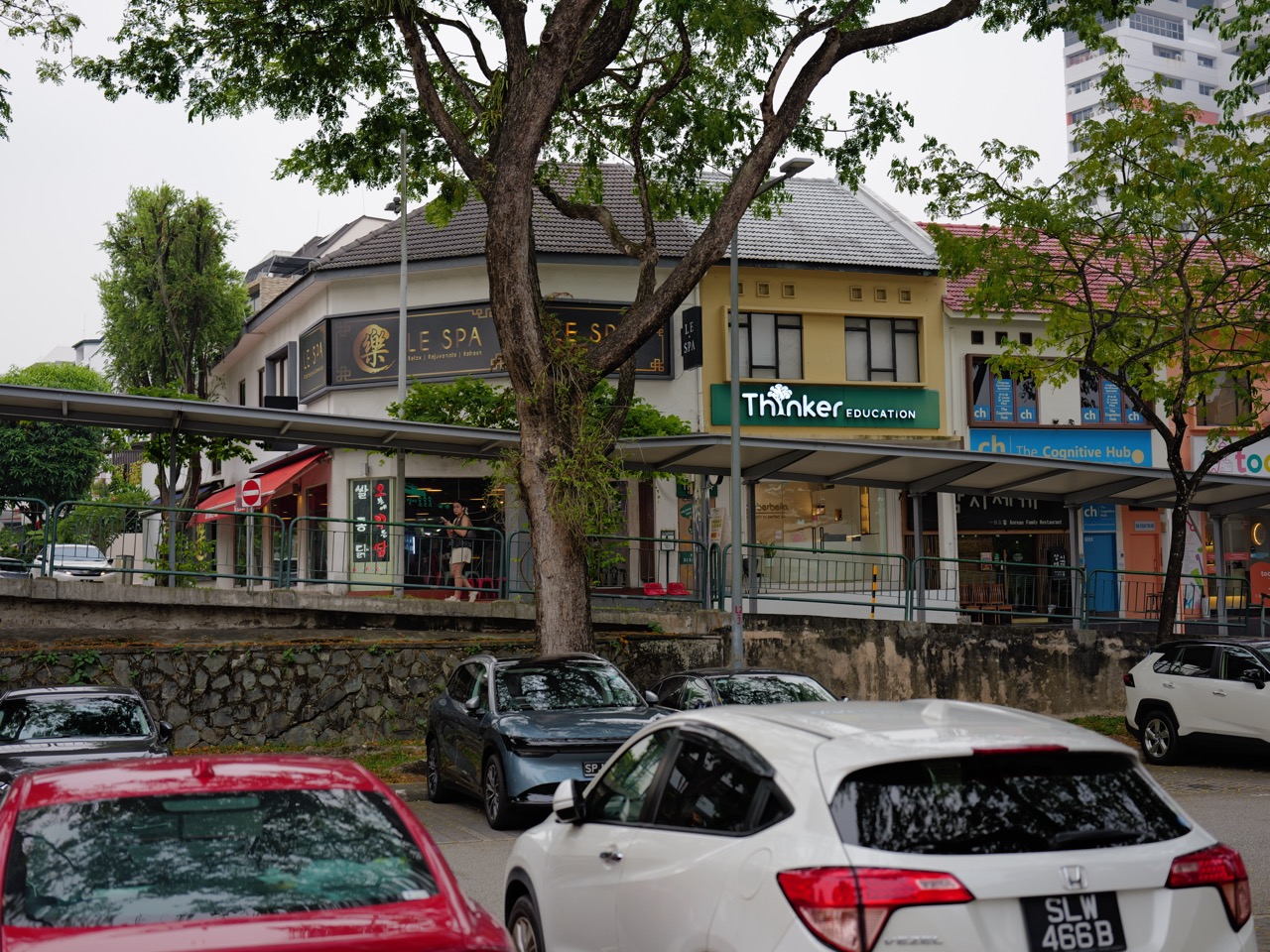
I would rather know why a heritage claim is credible than be told that an experience is “100% authentic.” Real cultural life contains memory, material evidence, changed circumstances and people who keep practising. This guide shows how to examine those relationships without turning culture into a frozen display.
All worked cases are fictional teaching examples. They are not assessments of a particular museum, community or business. Authenticity in formal heritage conservation must be judged through the appropriate professional and legal frameworks.
Five ways to read this guide
Chapter index
Examine the claim · Chapters 1–3
Follow the evidence · Chapters 4–6
Explain real change · Chapters 7–9
Test the public story · Chapters 10–12
Make future claims reliable · Chapters 13–15
1. Authenticity is a question about credible meaning, not perfect sameness
An old street can contain original buildings and contemporary businesses. A family recipe can change ingredients and remain meaningful to its makers. An exhibit can reproduce a historic room in meticulous detail while including furniture that never belonged there. All three invite the word authentic, but it is not one simple test.
I use authenticity to ask whether a particular claim about origin, cultural value, identity or continuity is credibly supported by the relevant evidence and context. The word needs an object: authentic in which respect, according to what sources, at what date, and for whose purpose? Otherwise it becomes a sales label that hides more than it reveals.
The UNESCO World Heritage Centre explanation of authenticity describes truthfully and credibly expressed heritage values through attributes such as material, use, traditions, setting and other factors. That heritage-specific framework does not certify every cultural product or decide all modern artistic questions. It does show why context matters more than a single appearance.
2. Separate original material, faithful reconstruction and living practice
A museum may exhibit an original object, a replica made for handling and a reconstruction that illustrates a possible earlier appearance. These are all legitimate educational tools when clearly distinguished. A visitor should not leave thinking the replica was excavated, nor should a useful reproduction be dismissed merely because it is not the original.
Living cultural practice presents another question. A singer may change arrangements, a maker may adopt safer tools and a language community may develop new expressions. The continuing practice can be meaningful even when its present form differs from an earlier recorded instance. Asking people to preserve only one historical image can remove their freedom to renew the practice.
Begin with a classification and explanation: source object, restoration, reconstruction, public demonstration or contemporary adaptation. Then state what is documented, which decisions were made and why the presentation is useful. An honest label often supplies more cultural value than a theatrical claim that visitors are witnessing the past exactly as it was.
3. Understand why the Nara Document rejects one rigid formula
The 1994 Nara Document on Authenticity connects heritage judgement to credible sources and respect for different cultural contexts. It warns against evaluating the authenticity of cultural properties using one fixed set of criteria detached from the culture concerned.
This does not mean every claim is equally credible or that research can be abandoned. It means materials, craft methods, use, setting, language, memory and continuity may carry different significance across places and practices. The evaluator must understand which attributes matter in the particular cultural context before applying a standard.
Use the document appropriately. It emerged in the context of conservation and the World Heritage Convention, not as an all-purpose legal judgement or a product quality badge. If someone cites it to market a commercial souvenir as UNESCO-certified, they have confused a professional framework with an endorsement the source does not provide.
4. Trace provenance and versions before interpreting an object
An artefact’s story travels through owners, makers, collections, photographs and later labels. A gap in the record can change what is reasonably claimed. Suppose a ceramic vessel is attributed to a specific workshop because its decoration resembles known examples. That may be a scholarly inference, not documented proof of a particular maker.
Record what is known: source, acquisition or custody trail, material, relevant dating evidence, identified interventions, earlier catalogues and unresolved uncertainties. Distinguish the original from copies and later alterations. A conservator may need specialised analysis; an educator should not improvise material authentication from appearance alone.
The Gold Standard of Cultural Documentation develops this source trail. An attractive exhibition label cannot compensate for provenance that the institution has never checked. If evidence is incomplete, a bounded description is more responsible than an invented origin.
5. Learn from the practitioners who keep a tradition viable
When practitioners help decide how a living practice is represented or adapted, the question also becomes one of shared agency. The Gold Standard of Cultural Co-Creation explains how to make those decision rights, source checks and contributor credits explicit instead of demanding that one participant certify an entire community’s authenticity.
The people who maintain a living practice may understand authenticity through its social purpose, teaching relationship, appropriate occasion or skilled judgement rather than through a frozen photograph. A craft worker might change a raw material because the original supply is unavailable. The new choice may preserve a meaningful technique while altering the finished appearance.
Ask what participants consider essential, what can change, who makes the decision and how different practitioners understand the practice. Do not select one convenient elder or performer as the unquestionable voice of a whole community. People may disagree while sharing a meaningful tradition.
UNESCO’s ethical principles for intangible cultural heritage recognise communities and practitioners as central actors and emphasise transparent collaboration and informed consent. This offers ethical guidance; the applicable rights and formal status of a particular practice still require context-specific examination.
6. Distinguish continuity from a commercial claim of purity
A restaurant may claim to serve an unchanged “original” recipe, even though historical records show several versions. A tour might promise an “untouched village” where residents use contemporary technology and work in modern occupations. Such language sells the impression of timeless purity at the expense of actual people.
Check the claim. Which version is being called original? Is there a dated recipe, testimony or other reliable source? Does the marketing description treat present-day residents as less culturally legitimate because their lives have changed? A meaningful adaptation should be described as an adaptation rather than sold under an inaccurate guarantee.
This standard does not require every product to preserve old methods. It requires honesty about what is being offered, who created it and what cultural relationship it has. The term authentic should help the customer understand; it should not be a substitute for evidence or a weapon used to deny living creators’ agency.
7. Treat restoration and reconstruction as documented decisions
A restored building can contain old fabric, new structural work and reconstructions based on drawings or surviving patterns. The visitor needs a credible account of the intervention. A treatment that hides modern additions may make an attractive view but reduce the ability to interpret the actual historical evidence.
Record condition before intervention, the rationale for treatment, material changes, dates, professional responsibility and the sources behind reconstruction. Follow applicable conservation requirements and use qualified specialists; a general guide cannot recommend direct treatment methods for fragile objects or buildings.
Where evidence is missing, consider a clearly labelled illustrative reconstruction instead of presenting a guess as an exact recovery. The important issue is not whether all new work is forbidden. It is whether the treatment respects significance and remains understandable to future stewards and visitors.
8. Handle contested origins without pretending certainty
Some cultural practices, motifs and objects have histories crossing present-day national boundaries. Different groups may claim connection for legitimate reasons. A single plaque naming one “true origin” can oversimplify migration, exchange and changing political boundaries.
Separate documented dates, material evidence, oral traditions and current community claims. Look for the specific question: first surviving written reference, earliest known physical example, history of use, or a present community’s relationship to the practice. These are not interchangeable measures of cultural ownership.
When evidence does not settle a dispute, state that clearly. The institution may explain the sources and differing interpretations without declaring one community inauthentic. Legal ownership and heritage title require the governing law and evidence; an editorial authenticity test cannot determine them by itself.
9. Translate and interpret without changing whose voice is heard
A proverb, festival song or oral-history phrase may be essential to the meaning of a practice. Replacing its words with a convenient foreign-language idiom can help comprehension while changing its imagery or social role. That choice should be made knowingly, not concealed as a literal translation.
Retain original terms where appropriate, explain their use and work with competent reviewers. When presenting a recorded conversation, avoid editing hesitations into confident historical statements. A public exhibition can provide a concise summary and a fuller authorised source record for readers who want to investigate.
See The Gold Standard of Cultural Translation and Cultural Interpretation. Together they help an audience understand what the speaker actually contributed and which parts of the public account are editorial interpretation.
10. Keep tourism and contemporary creativity within the truth
Heritage experiences can be enjoyable while openly using staged demonstrations, modern facilities and adapted performances. The ethical problem appears when marketing promises an untouched past or a practice that everyone in a community supposedly shares. A traveller can value creativity more fully when the modern choices are explained.
Name what is original to the setting, what has been adapted for visitors and what remains an active community practice. Check the rights of performers and residents before filming, and avoid presenting ordinary people’s homes as an open-air museum. A cultural attraction cannot confer unlimited access to living communities.
Creative artists also need freedom to make new work. An original contemporary design inspired by an inherited motif should not be dismissed solely because it is new, and it should not be marketed as an ancient artefact. Credibility depends on clear attribution, rights, context and honest claims.
11. Worked case: a heritage street described as unchanged
In a fictional city, a tourism brochure declares that a century-old shopping street remains exactly as it was in 1920. Its photographs show historic facades, while the text omits renovations, changing businesses, new residents and contemporary cultural activity. Visitors arrive expecting a static reconstruction.
The operator and local heritage team review building records, historic images and present use. The revised account names surviving features, documents alterations and explains how the street continues to serve its community. It no longer implies that current shopkeepers have spoiled the past by living in the present.
The better narrative is more interesting because it shows continuity and change together. Accuracy helps visitors understand why maintenance and living use both matter. It also gives current residents a legitimate place in the description.
12. Worked case: a craft replica is labelled as an original
A fictional museum uses a replica textile in a hands-on display because the original is too fragile. The public label simply says “nineteenth-century textile,” and visitors photograph the replica as if it were the historic object itself.
The museum clarifies the label: replica made for handling, based on a documented textile, with the original held in the collection under specified care conditions. It describes which materials and patterns were reproduced and which choices reflect modern safety or conservation requirements.
The replica remains a good teaching tool. The corrected interpretation allows the visitor to learn from it without inventing provenance. Authenticity in this case belongs to a truthful description of what the object is, not to pretending that learning only happens through original fabric.
13. Worked case: a recipe is called the only genuine version
A fictional food festival advertises one recipe as the sole authentic form of a regional dish. Other practitioners object because households and vendors have used varied ingredients for generations. The organiser initially treats disagreement as proof that the other cooks are less traditional.
The festival reviews documented versions, interviews willing practitioners and distinguishes the showcased method from a claim about an entire culture. The new programme presents a particular cook’s method and explains meaningful variation where evidence is available.
Visitors can still enjoy a focused demonstration. They now understand that living food knowledge is held by different people and can change without becoming fraudulent. A product may make a specific provenance claim, but the evidence has to support that particular claim.
14. Worked case: an AI image becomes a false historical record
A fictional exhibition produces an AI reconstruction of a historic market square. The software inserts a building and a sign that were never documented. A visitor later cites the image as an archival photograph, and the unsupported details begin circulating as historical fact.
The organisers separate the concept illustration from verified photographs, label its hypothetical elements and publish the sources used. They retain a version history and correct misleading social-media copies where reasonably possible.
AI can help visualise a possibility, but an attractive output cannot establish a past event. Source honesty protects both the educational value of reconstruction and the historical record it was intended to illuminate.
15. Audit authenticity as a clear, revisable judgement
Use five questions rather than one vague score. What cultural value or origin is being claimed? Which material, documentary or practitioner evidence supports it? What has changed, been restored or reconstructed? Whose perspectives and permissions matter? Can the public understand the limits and request correction?
Record the answers in a short, source-led note. Some uncertainty will remain; an honest description is not a failure. Seek qualified conservation, legal or cultural advice for disputed ownership, protected sites or technical treatments.
The gold standard is the ability to explain an item’s or practice’s relationship to credible cultural evidence while respecting the people who create and renew its meaning. It is not a demand that communities stop changing, nor a certification automatically applied to businesses that use heritage imagery.
| Question | Useful evidence | Next decision |
|---|---|---|
| What is claimed? | Specific origin, values, use or period | Narrow the claim if necessary |
| What is original? | Provenance and intervention records | Label copies and adaptations |
| Who has agency? | Practitioners, affected people and consent | Review representation and rights |
| Can claims change? | Uncertainty, versions and correction process | Update when evidence improves |
Frequently asked questions
Does authenticity mean unchanged?
Not always. Physical heritage and living practices have different relevant attributes, and cultural values must be examined in context.
Can a replica be used in a museum?
Yes when it is clearly labelled and does not mislead visitors into believing it is the original historical object.
Who decides whether a practice is authentic?
Relevant evidence, context and practitioner perspectives matter. One institution or individual should not claim universal authority without justification.
Is UNESCO inscription a product authenticity certificate?
No. A heritage process does not automatically approve every commercial product or linked service.
Can new technology be part of living heritage?
People may adapt tools and techniques. Explain changes and how practitioners understand continuity.
Can a reconstruction include educated guesses?
It may, if those elements are labelled as interpretations and kept distinct from documented evidence.
What if different groups dispute an origin?
Separate the kinds of claims, review evidence and represent unresolved uncertainty accurately; legal questions need the applicable law.
Are oral histories enough to prove exact dates?
They may be valuable testimony, but externally testable claims may need corroboration from additional sources.
Does this guide certify cultural authenticity?
No. It is an independent educational guide, not a formal authentication, property appraisal or heritage designation.
Connected Gold Standard articles
Use the connected discipline for the precise issue: source provenance, practitioner transmission, heritage interpretation, rightful access or conservation decisions. These editorial links do not endorse or certify any provider.
- The Gold Standard of Culture
- The Gold Standard of Cultural Representation
- The Gold Standard of Living Cultural Heritage
- The Gold Standard of Cultural Documentation
- The Gold Standard of Cultural Interpretation
- The Gold Standard of Cultural Rights
- The Gold Standard of Cultural Revitalisation
- The Gold Standard of Cultural Tourism
- The Gold Standard of Museums
- The Gold Standard of Cultural Heritage
- How Culture Works
- Gold Standard Master Collection
- Deep Reading Index
Primary heritage and ethical references
- UNESCO World Heritage Centre — Authenticity Questions and Answers
- ICOMOS — Nara Document on Authenticity (1994)
- UNESCO — Ethical Principles for Intangible Cultural Heritage
- UNESCO — 2003 Convention for the Safeguarding of Intangible Cultural Heritage
The UNESCO and ICOMOS materials are authoritative references for their stated purposes, not a certificate for these examples. Check applicable professional, conservation and legal requirements in each actual case.