
A fitness company earns trust by making exercise accessible, appropriately supervised and consistent with the membership it sold. A popular instructor, attractive gym photographs or a big class timetable cannot by themselves establish safe equipment, realistic training, competent staff, honest contract terms and actual access when customers turn up.
This article follows MapleMove Fitness, a wholly fictional Singapore business running a neighbourhood studio with instructor-led classes and a basic gym. It sells monthly memberships, but an instructor leaves unexpectedly, class schedules change and billing continues while some members cannot use the sessions they booked. Managers must distinguish sessions advertised, actually delivered, suitably substituted and cancelled, while keeping members safe and treating payments fairly. The business and incidents are hypothetical; this is not medical or personal workout advice.
The Gold Standard master hub describes excellence as management and verified execution. The related Fitness Services guide explores appropriate instruction, Healthcare Companies covers licensed healthcare obligations and Hospitality Companies examines dependable customer services. Here the subject is the fitness enterprise: real qualifications, facilities, memberships, safety, privacy, staffing and the repeatable experience of exercising.
Find the fitness-company question you need
Follow a fictional membership from advertised classes to real instruction, an unexpected schedule change, fair billing and dependable ongoing access.
Chapter index
Service promise, instructors and safe facilities · Chapters 1–5
Classes, pricing and honest customer rights · Chapters 6–10
- Plan emergencies that occur outside the ideal class timetable
- Maintain safe instructional boundaries and respectful consent
- Keep the schedule connected to the actual instructors
- Distinguish booking confirmation from a member actually exercising
- Present memberships as clear, complete commercial agreements
Member protection, staff and operating economics · Chapters 11–15
- Avoid exaggerated urgency and fabricated social proof
- Handle freezes, cancellations and unused packages fairly
- Protect personal information and avoid unnecessary health profiling
- Treat complaints about injuries as serious information, not marketing risk
- Plan trainer rosters and staff welfare as service capacity
Access, handover and long-term service · Chapters 16–20
- Measure sessions delivered without making safety a volume contest
- Explain membership economics without hiding fixed and one-time fees
- Protect people of different ages and abilities
- Keep equipment, premises and service records usable during a handover
- The gold standard is useful exercise with honest access
1. Decide which fitness service the company actually offers
A fitness business can be a gym operator, group-exercise studio, personal-training company, sport-specific academy or digital membership platform. Some provide instruction while others chiefly supply space and equipment. These models have different staffing, insurance, facility and customer support needs.
MapleMove’s contract includes scheduled instructor-led sessions and access to specified gym areas. Managers should name what members can actually book, when qualified trainers are available and what requires extra payment. A large marketing banner should not imply personal coaching is included in every low-cost access plan. Clear service identity lets the company invest in the correct people and controls.
Back to chapter index · Next chapter
2. Define a member outcome beyond weight or appearance
Fitness can support strength, movement, confidence and general wellbeing, but a responsible company should avoid promising medically guaranteed or identical results to everyone. Participants differ in goals, prior activity, abilities and preferences. Progress needs realistic discussion rather than body-shaming or pressure to buy a premium package.
MapleMove welcomes clients looking for consistent physical activity rather than advertising a guaranteed transformation after a fixed number of sessions. Its trainers help customers understand the purpose of a class and their options within the staff’s competence. Marketing should describe the actual experience, not diagnose someone through a website questionnaire or imply that body size alone determines health.
Back to chapter index · Next chapter
3. Verify trainers’ actual competence and any relevant recognition
Fitness instructors may specialise in general exercise, strength training, sport coaching or particular activities. Qualifications, recent practice and first-aid competence matter, but one certificate does not authorise every professional claim. Sport-specific coach recognition should not be misrepresented as a universal statutory personal-trainer licence.
Sport Singapore’s National Registry of Coaches helps the public identify qualified registered sport coaches and includes relevant first aid, CPR/AED and continuing education expectations. CoachSG’s directory also references the National Registry of Exercise Professionals. MapleMove checks credentials appropriate to the actual classes and does not describe every studio employee as government-licensed simply because they hold a training certificate.
Back to chapter index · Next chapter
4. Build initial conversations around suitability, not medical diagnosis
Before an exercise service starts, a customer may share relevant prior experience, accessibility needs and personal preferences. Some concerns require medical assessment outside a trainer’s competence. Fitness businesses should make it possible to seek professional advice and adjust bookings without forcing people to disclose unnecessary sensitive details to reception staff.
HealthHub’s guidance on returning to exercise recommends assessing fitness and relevant health conditions and seeking suitable professional advice when needed. MapleMove trains staff not to diagnose symptoms or promise that a class will cure a condition. This article does not prescribe activities or intensity for any individual.
Back to chapter index · Next chapter
5. Make the premises suitable and the equipment maintained
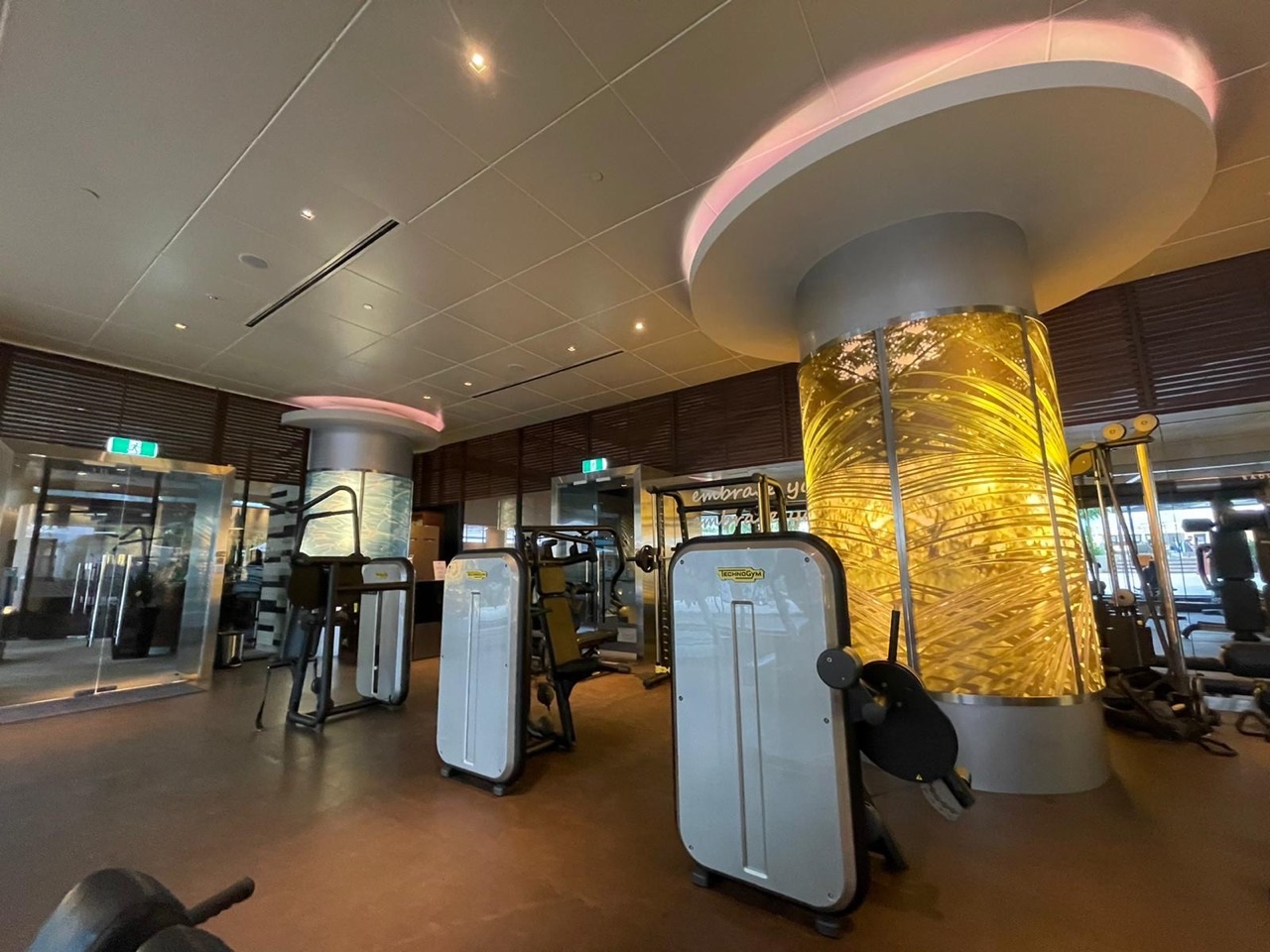
Gyms use moving equipment, weights, flooring, mirrors and shared spaces whose risks vary with design and use. The owner needs appropriate premises permissions, practical accessibility, housekeeping, competent equipment assessment and realistic crowd management. A newly purchased machine is not guaranteed to remain safe without the proper maintenance and instructions.
MapleMove maintains a register of exercise equipment, reported defects and relevant inspection or service work. When a member reports abnormal machine behaviour, reception should be able to take it out of routine use for competent review rather than ask the next person to test it casually. Facilities staff record how the item returned to approved service; a contractor invoice alone cannot establish the concern is resolved.
Back to chapter index · Next chapter
6. Plan emergencies that occur outside the ideal class timetable
An incident may happen in a changing room, during a quiet open-gym period or while an instructor is temporarily away. The company should identify emergency roles, accessible communication, appropriately trained personnel and equipment obligations applying to its premises. A poster on the wall is not proof that the response system works.
MapleMove checks that staff know how to summon the appropriate emergency services and who is responsible for maintaining relevant first aid or AED resources where applicable. The SportSG coaching framework recognises current Standard First Aid including CPR/AED for its registered coaches. Managers plan actual cover rather than assume a qualified person is always present because one trainer’s biography appears on the company website.
Back to chapter index · Next chapter
7. Maintain safe instructional boundaries and respectful consent
Instruction may involve movement demonstration, spotting or physical correction. Customers deserve clear expectations and the ability to decline inappropriate contact. The business needs safeguarding, professional boundaries and a route for confidential concerns, especially when services involve minors or vulnerable participants.
MapleMove explains how coaches communicate changes and obtain appropriate consent in sessions. It should avoid treating an expensive membership as permission for intrusive commentary about personal appearance or medical history. Coaches need supervision and a code of conduct, while serious concerns require a fair and appropriately qualified response rather than informal dismissal by a sales manager.
Back to chapter index · Next chapter
8. Keep the schedule connected to the actual instructors
A timetable promises an instructor, location, duration and type of activity under the accepted terms. If a staff member leaves, the company may offer a suitable substitute or rescheduling, but the actual product and customer rights need to be considered. A class shown as bookable is not necessarily a confirmed and usable class.
MapleMove’s weekend instructor resigns, yet scheduled sessions remain visible in the booking app. Operations should make an accurate roster and notify affected members promptly. It must not silently change an advertised specialised class into a materially different activity while claiming everything was delivered exactly as purchased. Accessible alternatives and fair contract-based remedies are part of the company’s real service.
Back to chapter index · Next chapter
9. Distinguish booking confirmation from a member actually exercising
Apps may report bookings, check-ins, wait-list positions and completed sessions. These are different events. A person might check in and find the intended class cancelled, or a session might take place without the advertised instructor or usable equipment. Business reporting should identify those differences.
MapleMove measures whether members were able to use the relevant service as described, not only whether the app successfully issued a QR code. It investigates repeated access failures and gives support staff the ability to correct records. A high ‘booking confirmation’ rate can be irrelevant when actual usable session capacity is much lower than what was sold.
Back to chapter index · Next chapter
10. Present memberships as clear, complete commercial agreements
Fitness businesses may sell monthly access, prepaid packages, classes, personal-training credits or annual contracts. Customers need the actual start date, total cost, minimum term, renewal, freezes, cancellation and what happens when the provider materially changes the offer. A cheap first-month figure can hide future obligations.
MapleMove makes sign-up charges, recurring fees and access limitations visible before purchase. CCS’s guide to dark patterns describes subscription traps, including making joining easy but cancellation unreasonably difficult. The company should avoid designs that pressure members into unwanted renewals or force an in-person cancellation without having clearly and fairly disclosed its actual process.
Back to chapter index · Next chapter
11. Avoid exaggerated urgency and fabricated social proof
Countdown timers, ‘last membership place’ messages and glowing online reviews can influence purchases. The company should have evidence that its scarcity and discount statements are true and that testimonials reflect genuine customers. Credibility should come from dependable experiences rather than artificial pressure.
CCS’s 9 October 2026 update on fake reviews notes enforcement concerns about purchased or planted recommendations. MapleMove should not procure fake endorsements or present a timed promotion that resets indefinitely as a genuine last opportunity. Its price transparency guidance is also relevant to complete charges.
Back to chapter index · Next chapter
12. Handle freezes, cancellations and unused packages fairly
Some customers become ill, travel or discover the classes no longer meet their needs. Contractual obligations, applicable consumer law and the company’s voluntary policies determine the available options; not every cancellation carries an automatic refund. A responsible company should explain decisions and never obscure what was purchased.
MapleMove receives complaints that membership fees continued after material schedule changes. It checks the accepted terms, what sessions were actually supplied and any agreed freeze or alternative. Support must be able to trace an authorised billing adjustment to the account, not simply say a request was forwarded. A customer should know how to receive a final clear explanation even where the company reasonably disputes a claim.
Back to chapter index · Next chapter
13. Protect personal information and avoid unnecessary health profiling
Fitness services may collect names, contact details, attendance, payment methods, activity records and health-related information shared by customers. Not every employee needs access to all of these. Wearables and tracking integrations may also involve third parties whose role needs to be explained.
Singapore’s PDPC organisational guidance supports careful purposes, access, security, retention and vendor oversight. MapleMove avoids using confidential health notes as sales leads and should not label members according to speculative personal conditions inferred from missed sessions. Appropriate recordkeeping helps with authorised service, but indiscriminate profiling undermines trust.
Back to chapter index · Next chapter
14. Treat complaints about injuries as serious information, not marketing risk
An injury allegation, unsafe equipment report or misconduct complaint may require different routes for professional assessment, incident records or authority involvement. Fitness staff should capture relevant facts without offering medical diagnosis or pre-judging liability. A single report may warrant appropriate attention even if most sessions are problem-free.
MapleMove assigns a responsible manager and competent reviewer to assess an incident and whether a location or machine should remain unavailable pending appropriate checks. It preserves essential records, maintains confidentiality and provides the relevant help route to the member. A business that deletes inconvenient reviews or pressures injured clients to withdraw a complaint loses the information needed to protect future customers.
Back to chapter index · Next chapter
15. Plan trainer rosters and staff welfare as service capacity
Fitness quality depends on instructors who can prepare, coach and recover properly, not merely on a headcount of freelancers. Excessive class volumes, last-minute changes and unclear contractor arrangements can affect both worker wellbeing and the experience. A company should know when a promised schedule cannot be delivered sustainably.
MapleMove examines trainer availability, necessary qualifications, leave, class size and relief arrangements before accepting additional memberships. It does not expect one exhausted instructor to cover every absent colleague without considering actual training and customer needs. Staff must have a route to report unsafe crowding or inadequate equipment. Honest staffing is part of the service price.
Back to chapter index · Next chapter
16. Measure sessions delivered without making safety a volume contest
A studio can report the number of classes scheduled, classes completed exactly as advertised, appropriately substituted sessions and cancellations. Those figures matter, but they do not independently establish coaching quality or the suitability of the activity for every individual.
Illustration: MapleMove advertises 120 sessions in a defined period. It holds 100 as advertised, delivers 12 suitable and accepted substitute sessions, and cancels eight. Original-session delivery is 100 ÷ 120, or 83.3%, while the count of delivered or agreed alternatives is 112 ÷ 120, or 93.3%. Neither percentage proves physical safety, satisfaction or a legally due refund. Management must consider the cause and circumstances of the eight unavailable sessions.
Back to chapter index · Next chapter
17. Explain membership economics without hiding fixed and one-time fees
A fitness studio has premises costs, trainers, equipment, utilities, insurance, bookings and continuing upkeep. Selling long contracts can produce cash before all the future classes are provided; responsible accounting and financial planning must recognise the service owed. Gross sign-ups do not measure customer access or sustained profitability.
Fictional example: a membership costs S$89 per month over 12 months plus a disclosed S$35 enrolment fee. The illustrated total cash cost is 12 × 89 + 35 = S$1,103 before any genuinely optional extras. A headline ‘from S$89 per month’ should not hide the compulsory one-time fee. Directors should budget for supplying those 12 months even if the customer pays much of the money upfront.
Back to chapter index · Next chapter
18. Protect people of different ages and abilities
Facilities and classes should consider different mobility, sensory and experience needs within the actual offering. A trainer’s competence to coach healthy adults does not automatically authorise rehabilitation or treatment of medical conditions. Where a programme serves children or other vulnerable groups, additional safeguarding and appropriate specialist arrangements may apply.
MapleMove describes which classes and facility areas are accessible and what staff can competently support. It avoids promises of cure or medical benefit and directs concerns outside its competence to suitable professionals. The HealthHub guidance provides general starting considerations, but individual suitability needs appropriate personal assessment.
Back to chapter index · Next chapter
19. Keep equipment, premises and service records usable during a handover
A gym may change owner, contractor, booking provider or coaching team while existing members have active commitments. The company needs reliable service records, maintenance history and appropriately managed account and personal data transfers. A platform migration should not erase credits or create unexplained recurring bills.
MapleMove documents member entitlements and unresolved cases before a booking system changes. It maintains evidence of equipment service and any restricted areas. New staff can identify what remains open rather than assume every green ticket represents real resolution. Long-term trust is strengthened when customers do not need to rebuild their service history after every organisational change.
Back to chapter index · Next chapter
20. The gold standard is useful exercise with honest access
MapleMove’s class cancellations expose a mismatch between marketing, instructor capacity and the membership account system. Management corrects the live schedule, establishes fair handling of affected bookings, reviews its staffing and strengthens how customers can challenge billing errors.
A gold-standard fitness company can demonstrate capable instruction, safe maintained facilities, respectful boundaries, understandable membership terms and responsive aftercare. It should be a place people can return to consistently and without unnecessary pressure. The best proof is a usable, well-run service that stands behind the routine experience—not a promise of miraculous results.
Worked fitness business check: booked classes and annual price
These fictional figures describe service availability and membership costs, not physical suitability, medical benefits or automatic compensation rights.
| Illustrative measure | Calculation | What it means |
|---|---|---|
| Sessions originally advertised | 120 | Published offer, not completed delivery |
| Delivered as advertised | 100 ÷ 120 = 83.3% | Original-session availability |
| Suitable agreed substitutions | 12 | Additional delivered options, not identical original sessions |
| Cancelled without delivered alternative | 8 | Need honest communication and applicable case review |
| Total delivered or accepted alternatives | 112 ÷ 120 = 93.3% | Not a safety or satisfaction measure |
| Illustrative annual membership cost | 12 × S$89 + S$35 = S$1,103 | Includes the one-time compulsory enrolment fee |
Fitness company and member audit
- Is the company selling facility access, class sessions or personal coaching, and are inclusions clear?
- Have trainer credentials and relevant sport-coaching or exercise-professional recognition been checked appropriately?
- Can coaches refer health concerns beyond their competence to suitable professionals?
- Are equipment defects, access needs and emergency plans managed throughout opening hours?
- Can customers distinguish a confirmed class from a cancelled or substituted one?
- Are all compulsory costs, membership terms, renewal and cancellation routes clear before payment?
- Does the business avoid subscription traps, fake reviews and unfounded transformation claims?
- Are personal and sensitive activity records handled carefully?
- Can the company measure sessions truly delivered without treating attendance as evidence of safety?
- Does it maintain funds, staff and competent support to meet the commitments it has sold?
Official references and related eduKate reading
- Sport Singapore: National Registry of Coaches — competence, first aid and continuing coaching education
- CoachSG: Find a Coach — active professional listings and NREP information
- HealthHub: Returning to Exercise Safely — general exercise readiness
- CCS: Subscription Traps and Dark Patterns — fair sign-ups and cancellations
- CCS: Fake Online Reviews (9 October 2026) — genuine testimonials
- PDPC: Personal Data Protection Guidance — appropriate member records
- eduKate: Fitness Services — appropriate exercise instruction
- eduKate: Healthcare Companies — distinctions from licensed clinical care
This educational company-management guide is not individual fitness, exercise prescription or medical advice and does not determine a customer’s legal refund entitlement. Fitness activities and medical concerns require relevant professional assessment. The studio, sessions and fees are fictional.