
The gold standard of school infrastructure is not a slogan or a single impressive metric. School infrastructure is the physical and digital environment that allows teaching, learning, safety and care to happen reliably. It includes classrooms, ventilation, laboratories, accessibility, networks, utilities and maintenance—not just attractive buildings.
How do you become the gold standard of school infrastructure? Understand the operating system, map hazards and dependencies, protect the people who rely on it, measure outcomes and build the ability to recover.
The finest systems often appear ordinary. That is because countless decisions have been made in advance so that people can get on with their lives. Excellence is what keeps working when the conditions are less than perfect.
What Does Gold Standard Mean for School Infrastructure?
- Clear purpose: a defined and worthwhile outcome.
- Evidence: decisions grounded in appropriate observation and measurement.
- Safety: foreseeable hazards are identified and controlled.
- Continuity: important handoffs remain dependable.
- Fairness: vulnerable people are not lost inside averages.
- Readiness: staff, equipment and plans can be activated.
- Accountability: responsibilities and decisions are traceable.
- Learning: failures lead to correction rather than concealment.
Here, “gold standard” is an editorial framework, not an official certification or a substitute for current statutory requirements and qualified professional assessment. A gold standard is not the promise that nothing will ever go wrong. It is a practical discipline for making good outcomes more likely and serious failures less damaging.
The Gold Standard Operating Loop
1. Identify learning and safety needs
Start with the school day rather than a room inventory. Ask teachers, students and operations staff where lessons are interrupted, which spaces are difficult to use and which activities need specialist provision. A useful brief connects each reported need to a location, a responsible reviewer and an educational purpose; an attractive new room is not a substitute for resolving an inaccessible everyday route.
2. Plan usable spaces
Translate the brief into actual use: class sizes, lesson changes, equipment storage, preparation time and movement between rooms. For example, a shared project space may look adequate on a floor plan but fail when two classes need to store unfinished work. Test the proposed timetable and storage arrangements with the people who will use them before treating capacity as settled.
3. Design for inclusion
Invite users with different access and learning needs to review proposed journeys and room arrangements, using appropriate support and consent. Examine arrival, lessons, toilets, shared facilities and changes of room as one connected experience. Record unresolved barriers for the design team; statutory accessibility and other building requirements must be assessed by the relevant qualified professionals and authorities, not inferred from this editorial checklist.
4. Build and commission
Plan the handover as carefully as the construction work. School staff need an understandable asset register, operating information, maintenance responsibilities and a route for reporting outstanding defects. Qualified professionals must determine the required engineering checks, approvals and conditions for occupation; the school’s practical review should also establish whether staff can operate the delivered spaces and equipment for their intended lessons.
5. Maintain and monitor
Use a single defect record that distinguishes a reported problem, an interim arrangement, a repair and a verified return to use. A recurring classroom leak, for example, deserves investigation of the cause rather than a series of closed cleaning requests. Agree who updates affected teachers and who obtains any specialist assessment needed before a space or asset is used again.
6. Adapt to changing education
Review infrastructure when curriculum, enrolment or support needs change. Before converting a room to a new purpose, ask what happens to its previous users, storage, timetable and maintenance workload. Have the relevant professionals assess any changed technical requirements. Compare the proposed educational benefit with the disruption and ongoing support needed, then check the experience after implementation.
School Infrastructure in Singapore
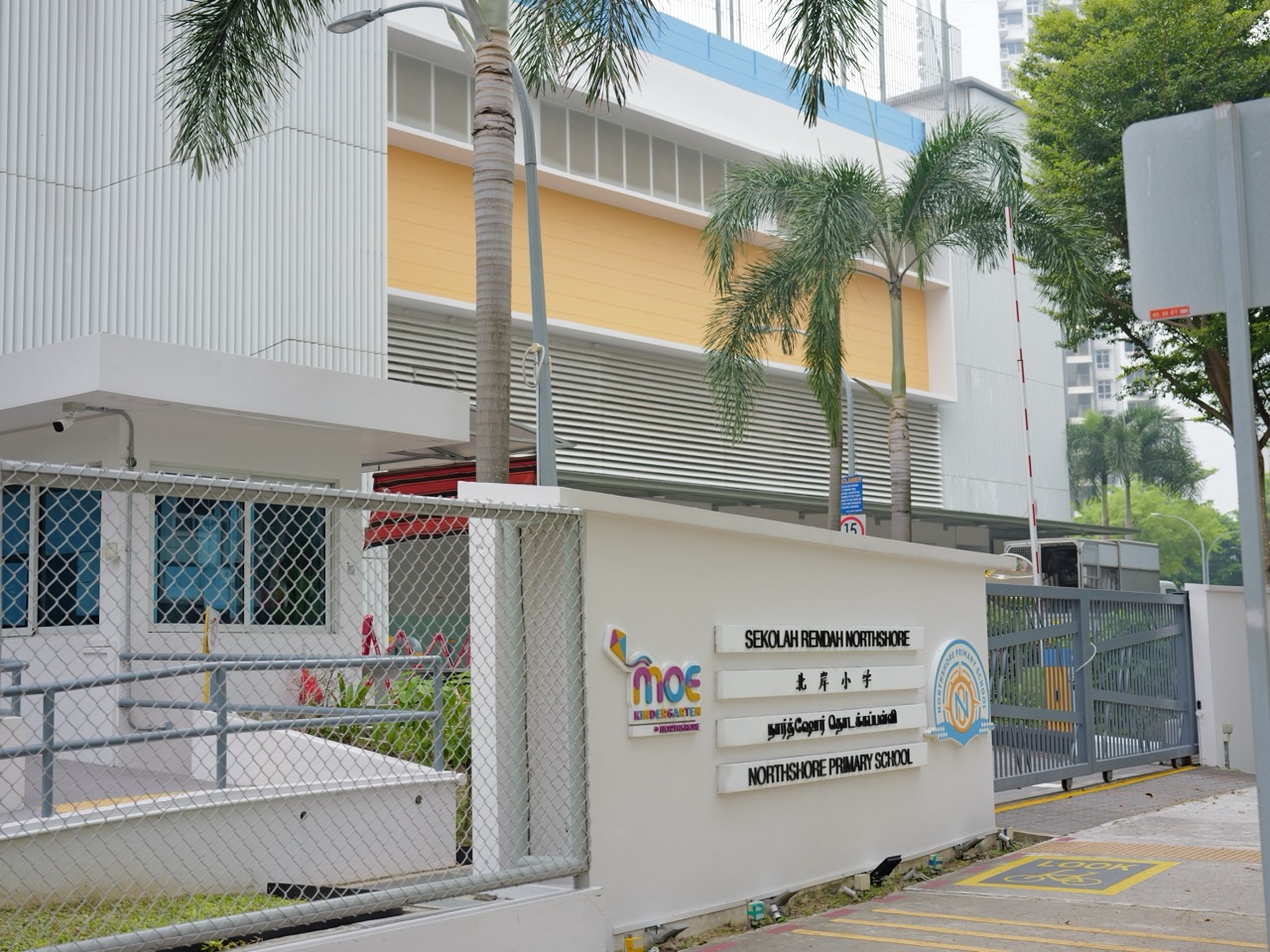
Singapore’s Ministry of Education manages national education policy and school development, while school leaders and operational teams play roles in safe daily use. Infrastructure decisions must support the curriculum and students across different ages and needs.
The Singapore context shows why coordination matters. A single asset or organisation cannot protect the whole system on its own. Policies, operations, maintenance, information and public behaviour must fit together.
A Classroom Is a Learning Tool
Acoustics, lighting, seating, temperature and visibility affect whether students can hear, concentrate and participate. The goal is not architectural spectacle but a room that supports good teaching.
Observe a typical lesson from several seating positions: can students follow the board, hear discussion and reach the materials they need? Pair teacher and student feedback with an appropriate facilities review rather than assuming one complaint identifies the technical cause. For example, moving a display may address visibility while persistent noise calls for a different investigation. Check the same teaching activity again after the change.
Laboratories Need Specific Controls
Science and technical spaces require appropriate equipment, supervision, storage and safety procedures. Their design must match the activities students will actually perform.
Begin with an activity list agreed by the teachers and staff responsible for the laboratory. Record what each activity needs, where preparation and storage occur, and which questions require a competent specialist’s review. A proposed new experiment should trigger that review before the room is assumed suitable. This article does not specify laboratory engineering controls or authorise an activity; use applicable school procedures and professional advice.
Digital Readiness Is Not Just Wi-Fi
Devices, connectivity, access controls, charging, technical support and usable software all affect digital learning. A platform is only helpful when teachers and students can use it reliably.
Test a complete digital lesson rather than just a connection speed: signing in, opening the assigned resource, using the required accessibility features and submitting work. Record whether failures arise from the network, account access, devices or the learning platform so the right support team receives the issue. Teachers also need an agreed alternative activity when the service is unavailable and a clear way to report disruption.
Accessibility and Student Diversity
Routes, toilets, signage, learning spaces and assistance arrangements should account for students with different physical and learning needs. Inclusion must be tested through real journeys.
Trace a typical school-day timetable with users who have different access needs and the people responsible for access support, including the less visible transitions between lessons. A usable classroom is insufficient if the route to the next lesson or the required toilet presents an unresolved barrier. Discuss assistance arrangements privately with the relevant student and family, and have physical alterations reviewed by qualified professionals. Recheck the journey when room assignments change.
Maintenance During the School Year
A broken air-conditioning unit, lift or network connection can interrupt lessons. Preventive maintenance and sensible contingency plans protect learning time.
Coordinate planned work with teaching, examinations and activities that depend on the affected space. A maintenance notice should identify the rooms or services affected, the operational contact and the agreed temporary arrangements. When work finishes, confirm restoration with the users as well as the maintenance team; a closed work order does not establish that the next lesson can proceed as planned.
Break-Test: A Major Utility Failure During Examinations
Who decides whether rooms remain suitable, how are students informed and what alternative arrangements exist? Planning should protect fairness, safety and continuity without improvising under pressure.
Use a tabletop exercise with the school staff responsible for examinations and facilities: a utility service fails and the expected alternative room is unavailable. Test how they obtain a competent assessment, contact the relevant examination authority and communicate authorised arrangements consistently. Do not invent local concessions or assume relocation is permitted; the exercise should reveal where current official examination instructions and decision authority must be consulted.
A School Infrastructure Scorecard That Tells the Truth
- Classroom usability and environmental comfort: record lesson interruptions linked to room conditions, alongside observations and user feedback; distinguish the issue reported from its assessed cause.
- Safety and maintenance defects: review unresolved defects by assessed significance and age, and flag recurrence after a repair; a closed ticket alone is not evidence of restoration.
- Accessibility of learning spaces: review whether agreed student journeys and support arrangements work in practice, keeping unresolved barriers visible rather than averaging them away.
- Digital service reliability: track lesson-disrupting failures by service and duration, separating network, account, device and platform problems so responsibility is clear.
- Repair and restoration times: compare the time from reporting to assessment, interim arrangements and verified restoration; explain delays that affect teaching or access.
- Student and teacher feedback: record recurring concerns, who reviewed them and whether users confirmed an improvement after the response; preserve privacy in reporting.
Do not reward activity merely because it is easy to count. More inspections, more meetings or more reports are not automatically better outcomes. Pair metrics with direct observations and credible case reviews.
The Break-Test: When Two Things Go Wrong Together
Consider a tabletop scenario in which a lift is unavailable and the room identified for an accessible alternative lesson is already occupied. Ask the school team how it identifies affected classes, obtains a competent assessment and agrees a workable teaching arrangement with the relevant users. Do not improvise physical assistance or assume another route is suitable; use established access and safety procedures and qualified advice.
Review whether the timetable, room information and contact list let staff coordinate the change without leaving a student excluded from the lesson. Record who communicates the arrangement, who resolves the room conflict and how restoration is confirmed. The useful finding is a specific dependency to fix, such as an alternative room that was never reserved, rather than simply declaring the exercise successful.
What This Teaches Students and Future Professionals
Give students a fictional school timetable, room plan and set of maintenance reports. Ask them to identify which lessons would be affected by a closed room or unavailable digital service, compare alternative timetables and write a clear notice explaining an approved change. Use invented data rather than pupil records, and keep the exercise on paper instead of testing building systems or hazards.
Mathematics helps compare room use and lost learning time; Science helps frame questions about the learning environment; English helps explain a disruption without ambiguity. Students should distinguish an observation they can report from a technical conclusion that needs a qualified professional. That boundary is central to responsible facilities planning and education management.
Sources and Connected Knowledge
How to Be the Gold Standard of School Infrastructure
Begin with the lessons, journeys and support arrangements the campus must make possible. Translate those needs into usable spaces, obtain competent design and commissioning assessments, hand over operating knowledge and maintain a clear defect-to-restoration record. Review recurring disruption with teachers and students, including those whose access needs may be obscured by school-wide averages.
A dependable school building is one that remains usable across an ordinary timetable and has credible, authorised alternatives when a room, route or service is unavailable. Judge improvement by restored access and learning, alongside the professional assessments required for safe operation, rather than by the appearance of the estate alone.