
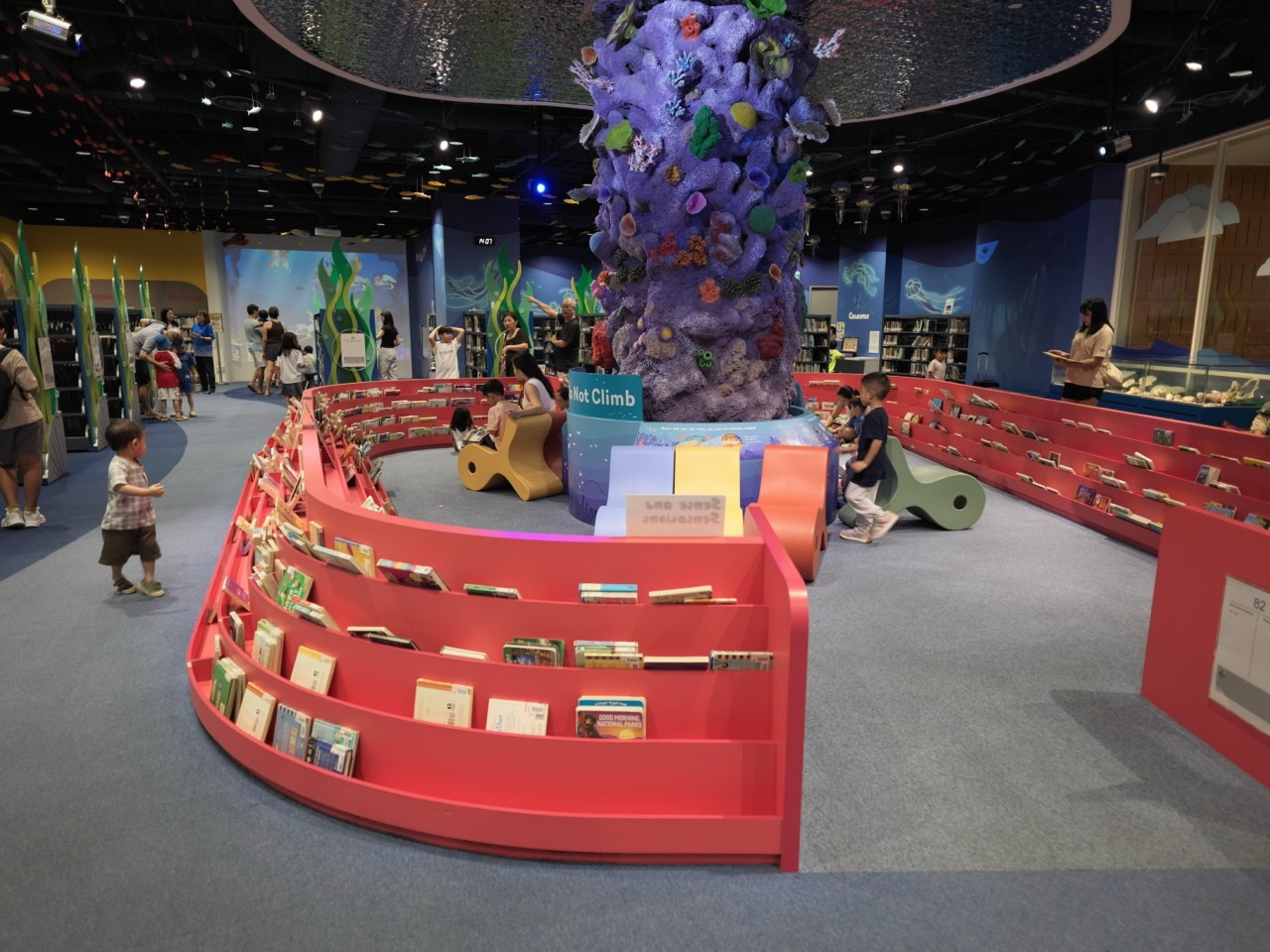
A sensory-friendly event gives people clear expectations, practical options and a respectful way to participate when sound, light, queues, movement or crowded spaces may create barriers. Its gold standard is not a vague ‘autism-friendly’ label; it is an event whose published adjustments work before arrival, during the programme and when conditions change.
This guide uses Lantern Pages, a fictional Singapore library reading festival where an unannounced confetti burst, confusing arrival queue and unavailable quiet room undermine the promise of a relaxed family experience. It explains how to plan specific features, train staff and test real participation without assuming everybody has the same sensory needs.
This sector is distinct from Event Planning Services for general event delivery, Accessible Exhibition Interpretation for museum interpretation, and Live Sound Production for professional sound. Sensory-friendly planning owns predictable access, adjustments and informed personal choice across the whole event.
Four practical decisions to settle first
- **Promise:** Which sensory adjustments are real, tested and published?
- **Choice:** Can visitors prepare, pause, move and re-enter without unnecessary explanation?
- **Operations:** Do venue, stage, ticketing and front-of-house teams share the same access plan?
- **Evidence:** Can attendees complete the event journey, and are known limitations made clear?
Choose your event-planning route
26-chapter practical reading index
Audience and honest access promise · chapters 1–6
- A welcoming invitation is not enough if the event itself overwhelms people
- Understand different sensory needs without inventing one typical attendee
- Define what ‘sensory-friendly’ actually promises
- Plan with participants rather than guessing their preferences
- Use SG Enable’s inclusion resources as practical planning support
- Publish a useful event preview before ticket purchase
Venue, arrival and sensory conditions · chapters 7–14
- Make registration and accommodation requests respectful
- Select a venue with genuine access, not just attractive rooms
- Reduce uncertainty at arrival and in queues
- Offer a quiet space that actually functions as one
- Set sound conditions through a competent event plan
- Manage light, projection and visual effects honestly
- Plan movement, seating and re-entry as legitimate options
- Use predictable scheduling without eliminating artistic choice
Staff, safety and public communication · chapters 15–21
- Train staff to assist without treating adults as children
- Keep communication access separate from sensory adjustments
- Respect smell, touch and food-related uncertainty
- Include children and caregivers without excluding independent attendees
- Maintain dignity in photography, publicity and social media
- Plan safety, capacity and emergency messaging as part of inclusion
- Give presenters and performers a meaningful technical briefing
Digital journey, feedback and continuity · chapters 22–26
1. A welcoming invitation is not enough if the event itself overwhelms people
A fictional neighbourhood library organises a Saturday reading festival called Lantern Pages. The website promises a relaxed family experience. On arrival, visitors encounter a long unpredictable queue, a surprise confetti burst, loud announcement music and no clearly identified place to step away. One family leaves before a storytelling session begins, although their child had been excited to attend. The event crew counts the tickets as admitted, but the promised experience did not work for them.
The gold standard of sensory-friendly event planning is a predictable, honest and flexible experience in which people can participate without unnecessary sensory or communication barriers. It includes information before arrival, venue layout, sound and light choices, crowd management, a genuine quieter alternative, appropriately trained people and respectful permission to take breaks. Lantern Pages and its visitors are fictional. The problem demonstrates why inclusive intentions must be translated into operating decisions rather than advertised as a reassuring label.
Back to chapter index · Continue to chapter 2
2. Understand different sensory needs without inventing one typical attendee
People experience sound, light, crowd movement, touch, smells and unpredictability differently. Autistic people may have particular sensory preferences, but there is no single profile shared by every autistic person; other visitors may also value quieter conditions. Some people seek a low-stimulation environment while others need movement or predictable activity to remain comfortable.
The National Autistic Society’s accessible-environments guidance notes individual differences and describes quiet hours, relaxed performances and appropriate staff preparation. An event should not impose a rigid ‘calm behaviour’ expectation on everyone in the name of accessibility. The service brief should include choices and explain them plainly. A visitor’s preferred access method is not a diagnosis or a reason to stereotype their participation.
Back to chapter index · Continue to chapter 3
3. Define what ‘sensory-friendly’ actually promises
A producer might describe an event as sensory-friendly while leaving ordinary loud sound, flashing lights and strict no-reentry policies unchanged. That is misleading. The term should be accompanied by concrete information: expected lighting and sound, audience movement rules, quiet-space arrangements, predicted queue conditions and any moments that remain intense.
For Lantern Pages, the organiser could commit to no surprise confetti, adjusted amplification, a clearly mapped quiet area and the ability to leave and return where operationally feasible. If one performance contains a sudden bell or dramatic scene, tell visitors before booking and explain relevant alternatives. A defined promise helps the public decide whether the event fits their needs rather than requiring them to discover uncomfortable conditions after travelling.
Back to chapter index · Continue to chapter 4
4. Plan with participants rather than guessing their preferences
Staff may design a calm-looking room from their own ideas and still overlook what attendees need: clear schedules, fewer transitions, permission to move or access to detailed previews. Consulting relevant people can reveal different perspectives, including those of children, adults, carers and people using communication support, without assuming any participant speaks for an entire group.
Invite appropriate feedback early, with clear compensation and consent where relevant. Ask task-based questions: What information would help you decide to come? Where might you need a break? How should changes be communicated? The organisers should use findings to make actual decisions, documenting limitations of their sample. Good participation is not a public-relations photograph beside an accessibility badge; it is evidence that the programme design changed in useful ways.
Back to chapter index · Continue to chapter 5
5. Use SG Enable’s inclusion resources as practical planning support
Singapore organisers have access to disability-inclusion resources that cover invitations, venue suitability, wayfinding, staff training and adjustments. These can inform planning while the actual legal and facility requirements remain dependent on event type and location.
SG Enable’s inclusive initiatives provide a guide to planning inclusive events and other support resources. Its 2026 symposium accessibility information demonstrates concrete provisions such as trained guides, indicated session features, live captions and Singapore Sign Language interpreting in many sessions. These are examples, not a universal mandate that every small reading festival must buy identical services. The lesson is to specify what the actual event provides and make that information discoverable.
Back to chapter index · Continue to chapter 6
6. Publish a useful event preview before ticket purchase
Surprise is enjoyable for some visitors and difficult for others. A programme preview can explain entry, waiting, sound levels, lighting, expected crowd, activities, duration, exits, toilets and quiet spaces. Information should be accurate and available in a format the intended audience can use, including a clear plain-language sequence.
For Lantern Pages, a short visual story or structured webpage might show the library entrance, check-in desk, route to storytelling, quiet room and how to ask for help. The National Autistic Society’s Polka Theatre listing describes relaxed packs that explain venues and scenes, including lighting, sounds and possible haze. That example should inspire accurate disclosure rather than a generic template: visitors need the particular event’s real conditions.
Back to chapter index · Continue to chapter 7
7. Make registration and accommodation requests respectful
Booking forms should explain what accessibility provisions are included and offer a usable route to request additional support. It may help to provide different contact methods rather than require every question through a long online form. Collect only information necessary for planning and follow appropriate privacy rules.
Some visitors may need a quiet arrival period, particular seating or communication accommodations. Let them describe the practical need without requiring an unnecessary medical explanation. The organiser should respond with a clear statement of what can be provided, including any limitation. A check box that accepts all requests while no one reviews them is worse than an honest booking conversation. The service needs an accountable person and a record of commitments made before the event.
Back to chapter index · Continue to chapter 8
8. Select a venue with genuine access, not just attractive rooms
Venue suitability includes routes, entrances, seating, accessible toilets, emergency procedures, acoustics, lighting controls and available rooms for breaks. A beautiful hall can still have narrow passageways, hard surfaces that make sound harsh, or no safe place to step away from a crowded performance.
Walk the visitor route before booking and identify any area likely to create congestion or sensory discomfort. For a library event, consider the foyer, lift, reading room and quiet-space access during actual operating hours. A venue guide should state limitations and alternatives accurately. Do not describe a space as fully accessible simply because one entrance has a ramp; accessibility is the entire journey, including meaningful participation once visitors arrive.
Back to chapter index · Continue to chapter 9
9. Reduce uncertainty at arrival and in queues
An unpredictable queue can be stressful because people cannot tell where it ends, how long it will take or what happens next. Loud check-in announcements and multiple overlapping lines can make a sensory-friendly event difficult before the programme starts. Queue design should support safety, fairness and clear information.
Use appropriately spaced arrival windows where practical, visible guidance and staff who know how to explain delays. A visitor may benefit from waiting in a quieter zone and being called when registration is ready, subject to the event’s real operating plan. Do not invent an exact waiting-time promise that the staffing cannot support. For Lantern Pages, the priority is to stop families from being trapped in an unclear crowded foyer while still providing equitable admission.
Back to chapter index · Continue to chapter 10
10. Offer a quiet space that actually functions as one
A quiet room is not merely an ordinary corner given a different sign. It needs an appropriate location away from loud activities, a suitable level of privacy, comfortable seating options and a clear route in and out. It should be available according to the published arrangement, not taken over by staff storage or an unrelated workshop.
National Autistic Society guidance includes quieter places away from main events, while SG Enable’s resources also illustrate calm areas as part of inclusive planning. Some visitors may need to move rather than sit silently; the quiet-space rules should be respectful and practical. The organiser should not promise supervision, sensory equipment or medical support beyond what its trained staff can provide.
Back to chapter index · Continue to chapter 11
11. Set sound conditions through a competent event plan
Music, spoken introductions, sound effects and sudden applause can differ greatly in level and character. Lowering the overall volume may improve comfort but is not a substitute for identifying a startling cue or a poorly designed amplified announcement. The intended audio should remain intelligible, with any unavoidable intense moments disclosed where appropriate.
For the fictional storytelling session, remove an unannounced explosive sound cue rather than merely tell people to wear headphones. WHO’s Make Listening Safe initiative discusses responsible sound exposure in venues and events; safety limits require qualified context and applicable local rules. This is not a clinical claim that a specific level suits every visitor. The sound team should test the room with a realistic programme and avoid introducing painful peaks or needless surprises.
Back to chapter index · Continue to chapter 12
12. Manage light, projection and visual effects honestly
Flashing, abrupt blackouts, strobes, high-contrast projected movement and unexpected visual transitions may be uncomfortable or unsafe for some attendees. The organiser should identify which effects are essential and whether modified versions can preserve the artistic intent while reducing avoidable barriers.
A relaxed storytelling programme might use steady lighting rather than sudden darkness between scenes. Inform visitors about any significant visual effects still present. Some people have photosensitive seizure risk, which calls for professional assessment and appropriate rules rather than guesswork from event planners. Avoid claiming that a show is medically safe for everyone. A truthful access guide identifies characteristics so visitors can make informed choices.
Back to chapter index · Continue to chapter 13
13. Plan movement, seating and re-entry as legitimate options
Some visitors need to stand, shift position, move about, leave briefly or return without being treated as disruptive. A typical theatre rule requiring complete stillness may not fit a relaxed performance. The event plan can allow suitable movement while maintaining safety, sightlines and the rights of other audience members.
The National Theatre’s relaxed-performance guidance describes adjustments to lighting and sound, acceptance of movement or noise, a chill-out space and re-entry when needed. Those are examples of a particular offering; real venues must manage capacity, emergency exits and programme constraints. Lantern Pages should state where visitors may step out and how they rejoin, ensuring staff understand and do not shame someone for exercising the advertised option.
Back to chapter index · Continue to chapter 14
14. Use predictable scheduling without eliminating artistic choice
A visible event timetable helps people anticipate transitions, breaks and changes of room. Too many unannounced alterations can undermine the accessible promise, especially when visitors planned their energy or transport around the schedule. Yet a programme may still need flexibility because performers or equipment are unavailable.
Publish a clear sequence and a responsible method for communicating material changes. Use consistent language about session length and which activities are optional. If a storytelling performer will introduce an interactive audience exercise, explain that it is voluntary rather than unexpectedly pressure individuals to speak. A predictable event does not need to be monotonous; it needs to distinguish intentional surprises from practical information visitors reasonably require.
Back to chapter index · Continue to chapter 15
15. Train staff to assist without treating adults as children
Frontline workers should know where the quiet room is, how to explain routes, when to request an interpreter and how to respond to an accommodation question. They should not assume that every autistic visitor needs a carer or that a person who communicates differently cannot make decisions.
Use respectful, specific language and ask how assistance can be helpful rather than acting without permission. Practise realistic situations: a visitor needs a calmer entry, a family requests to leave and return, or an attendee reports overwhelming sound. Staff should know their authority and when to escalate a genuine safety issue to the appropriate trained personnel. Kindness is valuable; competent, predictable service is what makes it dependable.
Back to chapter index · Continue to chapter 16
16. Keep communication access separate from sensory adjustments
Lower sound and softer lights can make some programmes more comfortable but do not provide captions, sign-language interpreting or information in a readable format. Different disabilities and language preferences may require additional access routes. The organiser should describe each feature rather than use one inclusive label for all services.
For a public talk at Lantern Pages, English live captions may help Deaf attendees, while a sign-language interpreter would need appropriate language, booking and visibility where provided. SG Enable’s 2026 symposium example lists accessibility features per session rather than pretending all formats are present everywhere. The event planner should do the same. A tactile sign or a braille programme also addresses different access needs from sensory adjustments.
Back to chapter index · Continue to chapter 17
17. Respect smell, touch and food-related uncertainty
Strong fragrances, smoke effects, unfamiliar textures and crowded food stalls can be difficult for some visitors. The organiser may not be able to eliminate every environmental stimulus, especially in a shared public building, but it can control avoidable additions and disclose relevant known features.
At a library festival, reconsider heavily scented decorations and surprise tactile activities that visitors must touch to proceed. Allow people to decline participation without public explanation. Communicate the nature of optional hands-on stations and significant food arrangements without making unsupported medical or allergen guarantees. Qualified food and safety teams must handle relevant legal obligations. The organiser’s role is to create informed choice and reduce unnecessary uncertainty.
Back to chapter index · Continue to chapter 18
18. Include children and caregivers without excluding independent attendees
Family events may serve children, parents, grandparents and people visiting independently. Some children need a familiar support person, while adults may prefer to make their own choices. A sensory-friendly service should avoid designing every policy around one assumed family configuration.
For Lantern Pages, a family may want to sit together near an exit; another visitor may prefer an individual quiet seat away from children. Plan reasonable seating options and explain the booking method without favouring those who can articulate needs through a particular online form. Where childcare or one-to-one supervision is not offered, state that clearly. Safeguarding and consent responsibilities should not be improvised merely because the event is marketed as inclusive.
Back to chapter index · Continue to chapter 19
19. Maintain dignity in photography, publicity and social media
Event organisers often want photographs that demonstrate a welcoming programme. But participants using quiet rooms, movement support or communication accommodations may not want their personal needs publicised. Accessibility should not become an involuntary marketing story about a visitor’s health or identity.
Establish suitable photo and recording permissions and identify areas where photography is restricted, especially quieter spaces. Explain where official images may be taken and provide reasonable alternatives for visitors who do not wish to appear. Staff should not ask people to perform a staged display of their accommodation needs for a promotional post. A respectful event can celebrate inclusion without making personal disclosures the price of participating.
Back to chapter index · Continue to chapter 20
20. Plan safety, capacity and emergency messaging as part of inclusion
Relaxed rules about movement do not remove fire safety, crowd capacity or other lawful venue obligations. The event team needs a coherent plan for exits, trained marshals, significant announcements and assistance during a real incident. Accessibility and safety should be coordinated by competent people rather than treated as competing goals.
Check evacuation routes and meeting arrangements with the venue and relevant authorities, including how information reaches people who cannot hear an announcement or process a rapidly changing crowd. Do not invent a generic emergency procedure for all visitors. For the library, calm explanatory signage and a trained point of contact may help ordinary navigation, but actual emergencies still require official instructions and suitable specialist planning.
Back to chapter index · Continue to chapter 21
21. Give presenters and performers a meaningful technical briefing
A relaxed performance can fail when the stage crew unknowingly triggers the original loud cue, a guest speaker adds unexpected strobe effects to slides or a sound engineer restores default settings between sessions. The access plan must reach the people actually controlling the performance.
Create an approved run sheet identifying modified cues, any retained sensory warnings, alternative route information, session duration and how an incident is handled. Rehearse transitions with the full relevant crew, not only the organiser. For Lantern Pages, the confetti effect should be removed from the actual stage cue list rather than merely mentioned as a concern in an email. Technical implementation is where an accessibility promise becomes a real audience experience.
Back to chapter index · Continue to chapter 22
22. Provide a usable website, ticket and information journey
An attendee may never reach the venue if the registration form is difficult to navigate, event details are presented only inside an image or access requests go unanswered. Sensory-friendly planning includes digital accessibility: clear pages, predictable language, meaningful links, usable forms and accessible maps or pre-visit materials.
WCAG 2.2 provides relevant web accessibility criteria for the published booking journey. A producer should test the actual supported interface rather than assume the ticketing supplier’s logo proves accessibility. Publish the event’s sensory conditions where people can find them before payment and allow a suitable contact method for assistance. A digital barrier that prevents booking is still a participation barrier even when the performance itself is carefully adapted.
Back to chapter index · Continue to chapter 23
23. Measure successful participation instead of tickets alone
Ticket scans, audience counts and positive social-media reviews show some aspects of activity. They do not reveal whether visitors could stay, follow the programme, find the quiet room or return after a break. An event with full attendance may still create an avoidable exclusion that the organisers never notice.
Use respectful voluntary feedback, staff observations and specific task outcomes: Did access information match conditions? Could attendees locate the calmer route? Were announced provisions available? Avoid demanding that visitors disclose diagnoses to explain their satisfaction. Distinguish a person choosing to leave from an operational failure, and investigate complaints without turning a single anecdote into an unsupported claim about an entire community.
Back to chapter index · Continue to chapter 24
24. Respond quickly when the promised conditions change
On the day, unforeseen noise, a crowding problem, broken lift or unavailable quiet room can undermine the access plan. The organiser needs a responsible decision-maker who can communicate accurately and offer realistic alternatives. A plan that exists only as a printed sign cannot recover from changing conditions.
If another group starts loud construction near the quiet area, staff should assess what remains usable and inform affected visitors rather than continue advertising it as quiet. The decision might require relocating the space, changing the timetable or offering an appropriate remedy. Record what actually happened and what actions were possible. Avoid promising a new calm room or exact restoration time until the facility and staff can truly provide it.
Back to chapter index · Continue to chapter 25
25. Preserve learning after the event and improve the next one
A recurring festival should carry forward useful evidence about noise, lighting, queues, movement and communication, not just reuse last year’s glossy brochure. The environment, staff and audience may change, so accessibility needs renewed preparation. A previous successful event is an advantage, not a permanent guarantee.
Record which commitments were fulfilled, what changed and who is responsible for improvements. Consider pre-visit communication, actual quiet-space use, accessible ticketing outcomes and participant feedback together. A recurring programme can gradually improve through practical changes rather than broad promises. When conditions are different at the next venue, reassess rather than copy the old approval blindly.
Back to chapter index · Continue to chapter 26
26. The gold standard is meaningful choice at every stage
Return to the fictional Lantern Pages festival. Families and individual visitors now receive accurate sensory information before booking, a workable arrival route, adjusted performance cues, a genuinely quieter space and permission to leave and return without embarrassment. Staff know what has been promised and can help without requiring personal disclosures. Important remaining limitations are communicated clearly.
Sensory-friendly event planning earns its gold standard when people can decide how to participate with dignity. The achievement is not eliminating every sound, light or surprise for everybody. It is reducing avoidable barriers, providing honest expectations, respecting different preferences and maintaining accountable choices before, during and after the event.
Worked case: the reading festival’s access promise versus reality
Lantern Pages is entirely fictional. The table turns a vague inclusive promise into practical things visitors can rely upon.
| Event stage | Original problem | Verified improvement |
|---|---|---|
| Before booking | No sensory features described | Accessible event preview with accurate details and limits |
| Arrival | Unclear crowded queue | Visible route, trained staff and manageable options |
| Storytelling | Surprise confetti and loud cue | Approved adjusted run sheet and rehearsal |
| Break | Quiet room unavailable | Genuinely usable calm space and clear re-entry route |
| After event | All tickets counted as success | Participant journey findings and accountable fixes |
A supplier and organiser handoff matrix
This matrix can help separate the responsibilities often scattered across a venue, producer, sound contractor and community partner.
| Service component | Accountable role | What must be demonstrated |
|---|---|---|
| Published access features | Event organiser | Honest preview, bookings and response routes |
| Venue and quiet space | Venue and access lead | Usable room, routes, safety and signposting |
| Sound and visual effects | Technical production | Adjusted cues in approved running order |
| Front-of-house operation | Visitor services lead | Movement, re-entry and respectful assistance |
| Incident and follow-up | Named event decision owner | Accurate changes, relevant remedies and learning |
Sensory-friendly event readiness checklist
- Publish actual sound, lighting, movement, queue and quiet-space arrangements.
- Invite practical needs without demanding unnecessary health disclosures.
- Inspect the complete physical and online event journey.
- Agree modifications with performers, stage crew and sound engineers.
- Provide an appropriate calm route and honest re-entry conditions.
- Coordinate captioning, interpreting and other access separately where promised.
- Train staff in respectful, task-specific support.
- Retain competent safety and emergency authority.
- Verify on-the-day conditions and communicate any material changes.
- Evaluate meaningful participation rather than ticket totals alone.
Frequently asked questions
These answers distinguish an honest sensory-access promise from common marketing slogans and explain practical choices for schools, libraries and other venues.
1. What makes an event sensory-friendly?
A sensory-friendly event provides accurate advance information and thoughtful options around sound, lighting, crowds, movement, queues, space for breaks and staff support. The exact adjustments depend on audience and programme. It is not a universal medical certification or a guarantee that no one will experience discomfort. A provider should list real features and limitations so people can decide whether the experience suits them.
2. Is a sensory-friendly event only for autistic people?
No. The service may benefit autistic people, people with other sensory or communication needs, families and many other attendees. Preferences vary among individuals, including within an identified group. Avoid forcing everyone into one low-stimulation format or using an autism diagnosis as a compulsory entry requirement. A good design offers practical choices, while considering each event’s capacity, access and safety obligations.
3. What is the difference between a relaxed performance and an ordinary performance?
A relaxed performance often modifies potentially startling lighting or sound, allows movement or noise, permits re-entry and provides a chill-out space and clear pre-visit information. The National Theatre and other venues describe specific local arrangements. They are not identical across productions. A ticket page should explain the actual adjustments, rather than promise that every aspect of the artistic performance is muted or that no unexpected event can occur.
4. Should every event provide a quiet room?
A quieter or calm space can be a valuable provision, and Singapore inclusion guidance includes this type of option. Whether it can be provided depends on the venue and event, but claims must match the reality. A corner beside loudspeakers is not a meaningful quiet room. When no separate space is available, disclose the limitation and consider other workable choices. Do not advertise a facility as available if staff cannot keep it usable during the programme.
5. Do sensory-friendly events need to lower all sound to one fixed decibel level?
No single sound level is universally comfortable or appropriate. Intensity, suddenness, duration, room acoustics and individual preferences all matter. WHO offers safe-listening standards for specific contexts, while venue and occupational laws may impose relevant constraints. Qualified sound teams should assess actual conditions; organisers should avoid abrupt unnecessary cues and disclose significant effects. Do not use an arbitrary number as evidence that the event is safe for every person.
6. Can people leave and return during a relaxed performance?
Many relaxed performances explicitly allow this, subject to venue safety and the actual ticket conditions. A client should plan the route, seating, crowd flow and staff responses before publishing the promise. An usher who refuses re-entry despite the ticket description can defeat the access feature. Some activities may have temporary safety restrictions, which should be stated clearly and managed by appropriate staff rather than invented when a visitor asks.
7. What information should a sensory event publish before booking?
Describe arrival and check-in, programme duration and sequence, known loud or flashing effects, expected crowds, lighting conditions, quiet-space location, movement or re-entry policies, accessible routes and support contacts. Where useful, provide a visual story or clear location guide. Also state limitations honestly. The aim is informed choice: people should not have to attend first to learn whether a promised adjustment actually exists.
8. How can a school or library include sensory needs without singling anyone out?
Make predictable information and suitable options available to everyone, invite confidential practical requests and train staff to support choices respectfully. Avoid requiring public disclosure of a diagnosis, shaming movement or describing reasonable breaks as special treatment. A school may still need appropriate safeguarding and supervision arrangements. The goal is to let students, families and adults participate with dignity, while keeping responsibility for actual event safety clear.
9. Do captions and sign-language interpreting make an event sensory-friendly?
They can be important access features but are distinct from adjustments to sound, lighting and crowds. Captioning supports people who need spoken content in text, and sign-language interpreting serves those using the relevant language. Sensory-friendly planning should coordinate these services where promised rather than claim that one substitutes for the other. SG Enable’s event guidance lists different access measures explicitly, which is a useful model for honest programme information.
10. How should organisers handle accessibility requests and personal data?
Collect the information needed to arrange support, use an appropriate private communication route and limit staff access according to the task. Ask what practical adjustment is useful rather than insist on an irrelevant diagnostic disclosure. State what is possible and what remains uncertain, and respond before the event when feasible. Photography and publicity should also respect consent; someone using a quiet space has not automatically agreed to become an inclusion case study.
11. What if a quiet room becomes unusable or the sound plan fails?
A named event lead should assess the change, communicate it accurately and provide realistic alternatives or remedies within the organisation’s responsibilities. Continuing to advertise a quiet room while it is occupied or noisy is misleading. Record what happened and which people could be affected, then use lessons for future sessions. Do not invent restoration deadlines or technical solutions before they have been verified.
12. How should a client judge whether the event was successful?
Look beyond ticket numbers. Did the pre-visit guide match the experience? Could people locate the entrance, calm space and programme? Were lighting and sound commitments followed? Did staff support breaks and re-entry? Were material changes communicated? Voluntary participant feedback and suitable operational evidence can help. A small sample is not universal proof, but specific unresolved barriers deserve attention rather than being averaged away by favourable reviews.
Primary sources and connected eduKate guides
- National Autistic Society — Accessible environments and relaxed performances
- National Theatre — Example of relaxed performance arrangements
- SG Enable — Guide to Planning Inclusive Events and related initiatives
- SG Enable — Accessibility Measures at the 2026 Symposium
- National Autistic Society — Relaxed performance packs at Polka Theatre
- WHO — Make Listening Safe
- W3C — WCAG 2.2 for event websites and tickets
- eduKate — Event Planning Services
- eduKate — Accessible Exhibition Interpretation
- eduKate — Live Sound Production
- eduKate — Accessible Online Meeting Services
- Gold Standard Sectors and Services Directory
Standards note, October 2026: sensory-friendly and relaxed-performance arrangements vary by organiser, participants and venue. National Autistic Society and National Theatre material offers examples, while SG Enable supplies Singapore-oriented inclusion resources. None is an automatic medical or safety certificate for every event. Applicable public-entertainment, fire safety, data protection, sound exposure and accessibility requirements need qualified local assessment.