
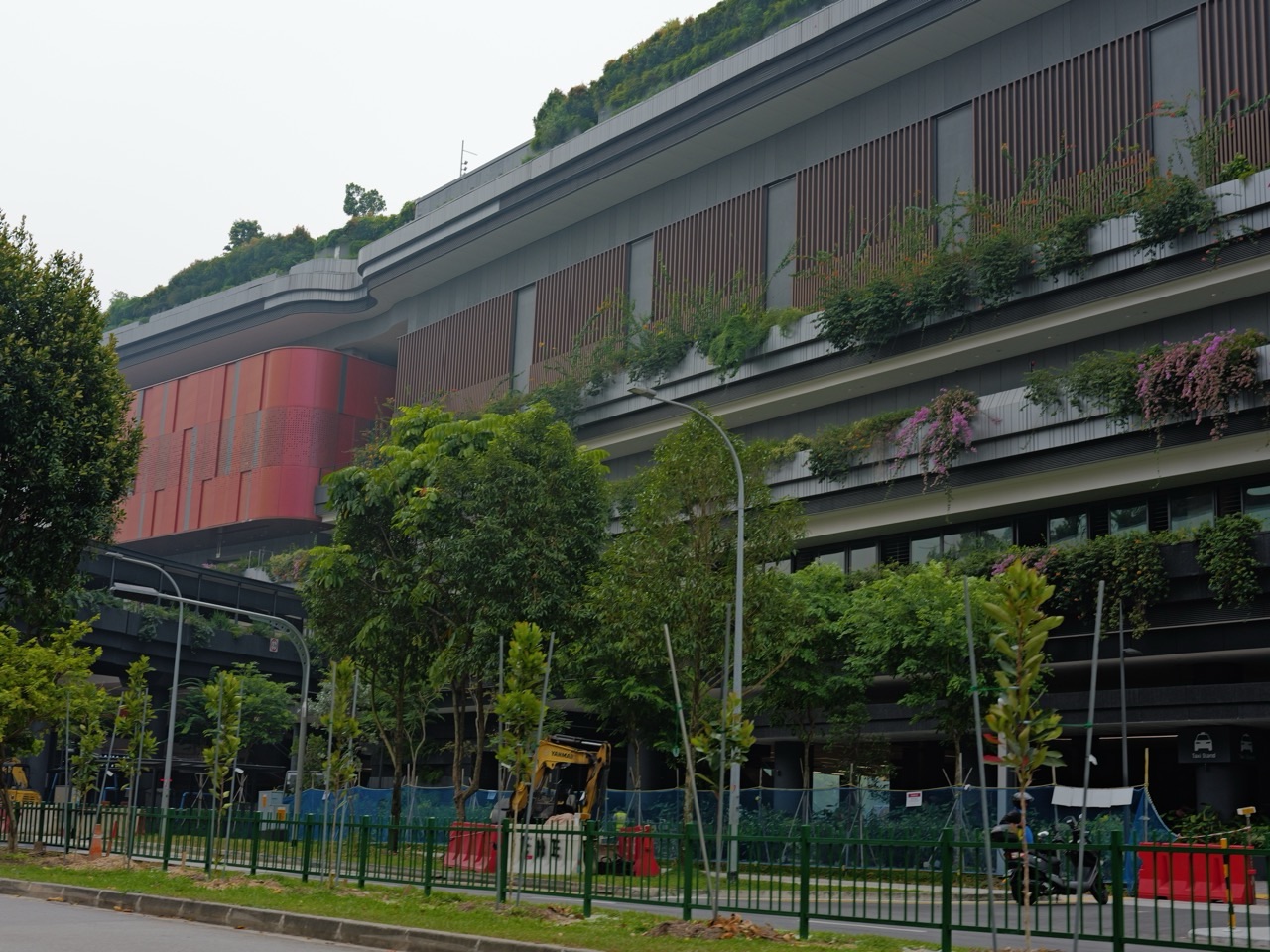
The Gold Standard of Sports Facilities is not a bigger stadium or a shinier booking app. It is a venue people can use as promised, with safe conditions, fair access, suitable activities, reliable maintenance and an understandable response when something goes wrong.
This guide follows a fictional community sports centre through an ordinary busy evening. It connects the architectural, engineering and management decisions behind a game, class or training session. Sport England offers design and planning guidance; Sport Singapore’s ActiveSG illustrates a public participation and booking ecosystem. Specific technical and legal requirements must always be checked for the relevant site.
This sector article belongs to The Gold Standard | EduKate Singapore. It concentrates on premises and operational service. The linked fitness services article addresses personal instruction, while recreation services covers the wider programme experience.
Find the part you need
The routes below cover design, safe operation, the user journey and proof of reliable performance.
Chapter index
Make the promise usable · Chapters 1–4
Fair access and readiness · Chapters 5–7
Safe day-to-day operation · Chapters 8–11
Govern the service · Chapters 12–14
Evidence and improvement · Chapters 15–16
1. The real test begins at the venue door
It is six in the evening at a fictional community sports centre. A badminton court has been booked by two groups because an administrator changed the allocation without updating the public system. One corridor is wet from a leak, and a visitor using a mobility aid cannot identify an accessible route to the changing rooms. The building looks impressive from outside; the sport experience is already breaking down.
Call the centre Northfield, a made-up name. Its managers do not need another slogan about excellence. They need one accurate booking record, a way to make the wet floor safe, clear accessible directions, staff who know whom to call and a repair that prevents the same problem tomorrow. The gold standard of a sports facility is the ability to make safe, fair and usable participation dependable.
2. Design the facility around real programmes
A hall should be designed from the sports and people it intends to serve. Court dimensions, run-off space, lighting, flooring, storage, acoustics and spectator areas need to fit the relevant sport and competition level. A room that can fit multiple painted court lines may not accommodate every game at the same time or allow safe clearance for all of them.
Sport England’s sports hall guidance connects physical design, programmes, operating budgets and sustainability. Operators should use applicable sport governing-body requirements and qualified design advice before building or repurposing facilities. The facility that supports the scheduled activities reliably will deliver more value than one advertised as suitable for everything.
3. Confirm the owner of each operating decision
Sports venues often combine a property owner, facility manager, cleaning contractor, coaching operator, booking platform and security team. Problems emerge where everybody assumes someone else will act. Make responsibility clear for inspection, hazard control, refunds, accessibility, equipment approval, emergency response, maintenance sign-off and user complaints.
When Northfield’s corridor becomes wet, staff should know who can close that area immediately, who investigates the leak, who notifies affected bookings and who authorises reopening. The handover needs a named recipient and a confirmation, not merely an email copied to five departments. Good management converts boundaries between organisations into agreed decisions.
4. Keep an honest asset register and maintenance plan
Each venue contains surfaces, structures, fittings, mechanical systems, sports equipment and safety infrastructure that age at different rates. A dependable register identifies critical assets, their location, inspection needs, known defects, maintenance provider and next action. It also documents which decisions require specialist inspection rather than visual reassurance.
A court may be open while a surface defect makes a particular sport unsuitable. A changing room may be physically present while a faulty door prevents safe access. Planned inspections should lead to explicit actions: continue use, restrict use, repair, or close pending assessment. Do not hide a recurring defect in a maintenance ticket that can be marked complete simply because somebody attended the site.
5. Treat booking fairness as part of public value
Community facilities are scarce at popular times. Booking rules should clearly explain eligibility, priorities, booking windows, cancellations, refunds and limits on transferring allocations. A fast online interface can still be unfair if automation, resale or insider workarounds let one group monopolise access. Transparency matters when schools, clubs, individual users and events compete for the same slots.
Singapore’s ActiveSG supports participation through public facilities and programmes, while Sport Singapore has discussed countermeasures against improper booking resale. A manager should distinguish verified misuse from an ordinary user making multiple legitimate enquiries. Resolve disputes through published rules and accurate records, not ad hoc favouritism.
6. Make access work before the first game
Accessibility is not a tick next to the main entrance. Participants need a usable journey from transport or drop-off to reception, the activity space, toilets, changing facilities, seating and emergency exits. Information must be understandable before arrival, especially when an athlete needs particular equipment or assistance.
Sport England’s accessible and inclusive facilities guidance stresses user-centred design, flexibility and dignified access. In Singapore, the Inclusive Sport portal describes accessible ActiveSG pools and gyms and their available features. The facility operator should state what is actually available at its site rather than promise universal access without checking each area.
7. Make inspection visible to frontline staff
An opening inspection can check whether a venue is ready for its scheduled activity. Look at relevant playing surfaces, clearances, markings, lighting, weather exposure, equipment, crowd routes, signage and the availability of appropriate staff. Records should be proportionate: check the conditions that could prevent safe use, and make a defect easy to report.
A checklist does not replace trained judgement. A member of staff might see a loose fitting that is not on the form. They need the authority to restrict use and get a qualified assessment. A sport facility is ready when the actual conditions are suitable, not when all boxes have been marked by habit.
8. Prepare for emergencies as the activity changes
Venues can host children, older adults, spectators, coaches, competitive teams and people with different accessibility needs. Response plans need to address the risks of the activity, venue layout and local emergency arrangements. Staff should know how to summon emergency services, communicate the location, clear access and follow their training. Life-saving equipment and specialist supervision have use-specific requirements that must be verified.
Do not import one venue’s response plan into another without review. A swimming pool, a climbing wall and an outdoor football field differ fundamentally. Regular exercises, staff briefings, equipment checks and lessons from near misses help ensure arrangements work during real activity. The goal is not a thick emergency binder; it is a response people can carry out.
9. Manage occupancy and transitions between bookings
Time on a booking confirmation is only one part of the operating schedule. Groups need time to enter, change, warm up, store equipment, leave and let the next activity begin. Facility managers should account for setup, cleaning, inspection and safe movement, especially when a popular venue runs several programmes at once.
Northfield resolves its double-booking by offering the affected groups clear options, then examines why the booking data diverged. It should not force both groups to share a court that cannot support the planned games safely. Measure disputed allocations and transition delays; they reveal whether the published schedule matches what users actually experience.
10. Treat weather and environmental conditions as operations
Outdoor facilities may face heavy rain, lightning, extreme heat, wind or poor air quality, while indoor venues depend on ventilation, temperature, lighting and water management. The applicable thresholds and actions depend on local authorities, sport rules and specialist advice. Operators should publish understandable status updates and decide when activities should pause or be cancelled.
When conditions change, responsibility cannot be left to whoever happens to be nearest a court. Clarify who assesses the hazard, authorises a restriction, contacts participants and decides when it is appropriate to reopen. An accurate cancellation with a fair remedy may protect trust better than insisting every planned session proceed.
11. Maintain clean and usable supporting spaces
Participation depends on more than the court. People need toilets, changing areas, water access where provided, seating, paths, waste management and cleaning standards suitable for the venue’s use. Maintenance of these areas affects dignity, especially for families, older users and athletes with disabilities.
Cleaning teams should receive clear schedules and know how to escalate hazards rather than treating every complaint as a housekeeping issue. A drain repeatedly overflowing may require engineering repair, not stronger cleaning products. The relevant test is whether a space can be used safely and comfortably across the day, including after peak sessions.
12. Use clear signs, prices and contact channels
Before booking, users should know what space is being offered, what equipment is included, which restrictions apply, the cost, cancellation terms, check-in process and any special access arrangements. During disruptions, a single reliable source should tell people the current venue status and their next options.
A complex booking platform should not make a simple problem harder. Provide a way to obtain support when an account fails or a payment shows an uncertain status. Staff need approved procedures for checking identity, reconciling bookings and protecting personal information. Digital convenience should reduce administration without excluding people who cannot use the primary channel.
13. Work constructively with clubs, schools and coaches
External operators bring expertise and participation opportunities, but the venue still needs clear boundaries for equipment, safeguarding responsibilities, supervision, access to storage, insurance where applicable and changes to scheduled use. A shared calendar is not a substitute for agreements about how the space will be left and who handles incidents.
A strong partnership helps users understand which party they should contact: coach for programme instruction, facility for a broken door, safeguarding lead for a serious concern under the applicable procedure. Where a club requests a priority slot, the allocation should follow stated rules and a reasoned policy rather than private arrangements.
14. Plan lifecycle costs instead of celebrating a new building
Construction attracts attention, but sports facilities must be maintained for years. Surface replacement, lighting upgrades, energy use, specialist inspections, water systems and accessible repairs all cost money. Capital funding without a credible operating budget can create a beautiful facility that steadily becomes unusable.
Sport England’s design and cost guidance treats operating budgets and sustainable provision as connected to design. Managers should identify critical renewal points and realistic replacement reserves where possible. When funds are tight, prioritise risks and the consequences of closing important community access; never disguise a safety problem as a harmless cosmetic defect.
15. Measure use, reliability and excluded demand
A centre may be fully booked while many residents cannot obtain a suitable time, an accessible facility or a beginner-friendly programme. Occupancy rates alone cannot explain fairness. Combine use by time and activity with cancellations, no-shows, complaints, booking disputes, maintenance closure, accessibility feedback and people unable to participate.
Look at differences between high-demand and low-demand periods. Ask whether a change improves genuine participation, not simply revenue. An attractive dashboard can hide a deteriorating surface or a platform that rejects some users. Quality evidence must include the user journey and the physical condition of the venue.
16. The gold standard is a court people can actually use
At the end of the fictional Northfield evening, the test is simple. One group receives a fair remedy for the booking error. The unsafe corridor is controlled, repaired and checked before reopening. The accessible route is clear. The next booking receives the space promised in suitable condition. Managers use the incident to fix the underlying scheduling and maintenance systems.
A sports facility earns trust when ordinary participants can arrive, play and return without having to negotiate its internal problems. The gold standard is consistent execution: suitable design, safe operation, inclusive access, fair booking, maintenance and learning from failure. The public experiences that standard as sport made possible.
A worked readiness check for the evening shift
A ready-to-open sign needs to represent several conditions at once. Not every venue will use this exact list; activity-specific rules and technical judgement govern decisions about real facilities.
| Check | What staff verify | Action if not ready |
|---|---|---|
| Playing area | Suitable surface, clearances, relevant equipment | Restrict the space and refer to qualified staff |
| Access route | Safe and usable paths, clear signs, necessary facilities | Control hazards; provide a verified alternative if appropriate |
| Booking information | One accurate allocation and user notification | Resolve conflicts under published rules |
| Staff and response | Appropriate supervision, contact and emergency procedures | Adjust or pause the activity until ready |
| Environmental conditions | Local weather or venue-specific operational criteria | Apply authorised suspension and reopening decision |
A sports facility management checklist
- Programmes and relevant sport requirements inform design, equipment and use.
- A named owner receives every safety defect and confirms its resolution.
- Booking priorities, charges, cancellation terms and fair-use rules are understandable.
- Physical and digital access have been tested by different types of users.
- Staff know when to stop activity and how to escalate a serious incident.
- Maintenance has funding, records and a plan for critical assets.
- The venue measures excluded demand and cancellations as well as occupancy.
- A closed ticket means the user’s or facility’s problem was actually checked.
References and connected eduKate reading
- Sport England — Sports halls design and layout guidance
- Sport England — Accessible and inclusive facilities guidance
- Sport Singapore — ActiveSG
- Sport Singapore — Accessible ActiveSG facilities
- eduKate — Fitness services and realistic progress
- eduKate — Recreation services and dependable access
- The Gold Standard master hub
This article explains service management principles. Actual facility safety, structural works, sport-specific rules, emergency arrangements and statutory duties require qualified local assessments.