
Looking for things to do in Serangoon? Start with Serangoon Public Library on level 4R of NEX for a free indoor visit near Serangoon MRT, or head to Serangoon Gardens for food at Chomp Chomp in the evening. If children want outdoor play, Jalan Riang Playground near Lorong Chuan is a compact neighbourhood option. The larger 4.2 km Serangoon Park Connector is a separate riverside route on the Hougang and Buangkok side, not a casual walk directly outside NEX.
Serangoon is a broad area, and the place names can be confusing. Serangoon Central, Serangoon Gardens, Serangoon North and Upper Serangoon each have different transport approaches and local character. The best family day is not the longest itinerary: choose one main experience, a reasonable meal or resting point, and a return journey everyone can manage. This guide also reflects the October 2026 change introducing early self-service access at Serangoon Public Library.
- Free indoor outing: Serangoon Public Library at NEX, level 4R, next to Serangoon MRT and bus interchange.
- Date-sensitive library update: self-service admission from 9am since 5 October 2026, while staff-assisted services begin later.
- Evening hawker visit: Chomp Chomp at 20 Kensington Park Road, Serangoon Gardens, not an all-day breakfast destination.
- Daytime food alternative: Serangoon Garden Market and Food Centre around Serangoon Garden Way.
- Small public playground: Jalan Riang in the Braddell Heights area, near Lorong Chuan and Serangoon MRT.
- Short green pause: Haus Linear Park along Serangoon Garden Way.
- Longer nature and cycling option: Serangoon Park Connector, about 4.2 km in the Hougang/Buangkok reservoir corridor.
- Choose the actual destination and confirm its transport connection before travelling.
The established Things to do in Singapore | Serangoon and Serangoon Gardens introductions provide wider context. This companion is designed to answer practical follow-up questions: what is open, what is near the MRT, what is free, where to eat and how to make an enjoyable day with children or older relatives.
1. Serangoon Central: the simplest place to begin
Serangoon MRT is an interchange between the North East Line and the Circle Line, with an adjacent bus interchange and NEX shopping centre. This combination makes the town centre a convenient place to arrange meetings, eat, read or move between destinations. A first-time visitor should choose a specific exit or public meeting point rather than saying only ‘meet in Serangoon’.
If the outing includes a young child, an older relative or a person using a mobility aid, ease of travel matters more than squeezing in an additional attraction. The town centre can provide a complete indoor visit. A family may spend an hour reading, share a meal and head home without crossing into another neighbourhood.
Serangoon’s value is partly its connection between transport and everyday services. Ask children why a library and food options near a busy interchange might benefit residents. The answer can involve time, convenience and the ability of different generations to participate in community life.
2. Serangoon Public Library: a free rooftop reading destination
Serangoon Public Library is on the rooftop level 4R of NEX, 23 Serangoon Central. NLB describes the branch as having opened in March 2011, providing collections for different reading interests and age groups. Its location above a shopping centre creates an appealing contrast between the busy retail levels and the quieter atmosphere associated with public reading.
Choose an easy purpose for the visit. Younger children can browse picture books, primary pupils may enjoy stories or information books, and teenagers might investigate a hobby or independent reading topic. A comfortable library visit does not require compulsory worksheets. The child should feel that books offer choices, not another examination.
Books can become part of a larger estate outing, but the library also stands alone as a worthwhile destination. If the forecast is poor, select it as the main activity rather than waiting outside for the rain to stop. Check NLB’s library directory for current rules and programmes.
3. The October 2026 9am library-opening change
From 5 October 2026, Serangoon Public Library was among eight additional branches introducing 9am early self-help access. That means some visitors can browse, borrow using self-service arrangements or use eligible facilities before the branch’s usual assisted-service hours. The distinction is important because an opening time is not necessarily the time a staffed counter or particular programme becomes available.
A person travelling specifically for registration, help from a librarian or a workshop should check the relevant service’s operating period. Early entry can require an accepted identity document or library credential at a gantry. Do not treat the earlier entry period as a guarantee of unlimited access to every room or service.
This is a small example of what good practical information looks like. A generic article may repeat an old 11am opening time, while another might say only ‘9am’ and mislead readers who need staff. Both simplify the situation too far. Explain the difference and direct readers to NLB’s current branch notice.
4. NEX is useful even when nobody wants to shop
NEX offers shops, food, the public library and transport-linked shelter. Those facilities are useful for a family seeking an indoor day, but the mall is not a single attraction where everything is included. Browsing at the library and paying for a commercial play experience are different categories of activity.
Plan the day around a clear intention. If the group wants books and lunch, decide where to meet, how long to browse and whether a meal is planned. No one needs to visit every floor or make unplanned purchases to justify a trip to the mall. A predictable schedule is often especially helpful for preschoolers.
Individual shop tenants and promotions can change. Avoid depending on an old list of brands or opening times; use the current venue directory for a specific shop. When weather changes quickly, the mall’s broader role as an indoor hub remains useful even if a particular tenant has closed.
5. Serangoon Gardens is not beside Serangoon MRT
Serangoon Gardens is a distinct neighbourhood around the Garden Circus, with food centres, shops and residential streets. Its name is close to Serangoon Central, but travellers normally need an additional bus or other connection to reach it comfortably. Do not assume that a restaurant recommended in Serangoon Gardens is immediately outside the MRT station.
A family should check the final journey before departure, especially if people are arriving after school or work and may already be tired. A longer walk in hot or rainy weather can make a straightforward meal much less enjoyable. When the group includes young children or older relatives, a simple transport connection matters.
Serangoon Gardens is best appreciated as a neighbourhood rather than a required add-on to NEX. Choose it for a meal, a small shopping errand or an unhurried walk. Save the public library for another trip if combining them would make the day too demanding.
6. Chomp Chomp Food Centre: an evening decision
Chomp Chomp Food Centre is located at 20 Kensington Park Road in Serangoon Gardens. It is known as an evening and supper hawker destination, with individual stalls typically operating later in the day. A visitor arriving at breakfast time after seeing ‘best hawker food Serangoon’ in an undated article may not find the experience they expected.
The centre reopened in January 2026 after renovation and roof-related works that affected its late-2025 operation. That correction matters to readers encountering older closure notices, but the fact that the food centre has reopened does not guarantee that every stall will be operating on a particular evening. Check cleaning schedules, individual stall days and current conditions.
Choose a meal budget before visiting. Hawker centres are excellent places to experience neighbourhood culture, but the purpose is not to consume every famous dish. A family can share a few suitable dishes and enjoy the atmosphere without making the outing expensive or stressful.
7. Serangoon Garden Market is the daytime counterpart
Serangoon Garden Market and Food Centre, around 49A Serangoon Garden Way, has a different daily rhythm from Chomp Chomp. It is more useful to consider for daytime market routines, breakfasts or lunch, while Chomp Chomp is commonly associated with evening meals. The distinction is not absolute for every stall, but it is useful when planning.
Residents use market areas for practical tasks as well as leisure. A visitor should walk considerately, avoid blocking queues and remember that stallholders are working. The best experience can be a simple meal and observing the daily rhythm of a mature neighbourhood rather than a photograph-heavy food tour.
Individual opening days, dietary options and prices should be checked directly. If a particular meal is unavailable, choose another suitable stall rather than turning the day into a long detour. A practical food guide makes it easy to adapt, not harder.
8. Serangoon Garden Circus and the story of a place
The Garden Circus gives Serangoon Gardens a distinctive physical centre. The arrangement of roads, pedestrian links, shops and dining around a recognisable area shapes how the neighbourhood feels. Its interest is not only visual; it is an example of how urban form influences where people gather and how they move.
Families can notice signs, crossings and shopfronts from public paths. Ask older children why a circular traffic feature requires different pedestrian choices from a simple straight street. Safe crossings matter more than obtaining a dramatic photograph. Do not stop in the roadway or encourage unsafe shortcuts for a viewpoint.
Such observations help children understand that a neighbourhood is designed, maintained and used by many different people. The built environment supports everyday decisions about food, transport, convenience and safety. A small walk can create useful questions without any ticketed attraction.
9. Jalan Riang Playground: the small-park alternative
NParks lists Jalan Riang Playground as a 0.17-hectare park in Braddell Heights, along Jalan Riang Road. It is open 24 hours and marked wheelchair accessible, with Lorong Chuan and Serangoon MRT listed as nearby stations. This is a compact playground rather than a large nature reserve, making it suitable for a short outing when children want to move.
Parents should assess equipment and supervise play. A very young child may be content with a modest play session while another needs more active space. The advantage of a small local playground is not that it offers endless activities, but that it allows a manageable visit without exhausting everybody.
The park is surrounded by residential streets and homes. Be considerate of people who live there and keep to proper paths. If the weather is hot or wet, shorten the session. NParks: Jalan Riang Playground provides official information.
10. Haus Linear Park: a quiet green break in the Gardens
Haus Linear Park runs along Serangoon Garden Way and is described by NParks as a short neighbourhood green space open 24 hours. It does not aim to compete with a national park or a long reservoir trail. It gives residents and visitors a place for modest movement and rest within an otherwise built-up environment.
A family already enjoying Serangoon Gardens might appreciate a short walk along a suitable public section. The objective can be as simple as noticing trees, taking a break from traffic or allowing children to talk about what they have seen in the neighbourhood.
Do not turn the park’s name into a promise that an impressive nature attraction lies nearby. Small green spaces are useful precisely because they fit ordinary daily life. The official NParks listing describes the park’s location and status.
11. Upper Serangoon Park: another name to place accurately
Upper Serangoon Park lies along Upper Serangoon Road and Recreation Road. NParks describes a small green space with fitness features and 24-hour access. It is not the same as Serangoon Public Library at NEX or the food-centre area of Serangoon Gardens, even though the names overlap.
A visitor who wants a local green break may find Upper Serangoon Park useful if already nearby. But a family planning one of Serangoon’s main town-centre attractions should not add it automatically. The transport and route must make sense for the purpose of the day.
This illustrates a general problem in estate guides: a shared place name does not mean attractions are geographically adjacent. Check the exact address and choose the route that works for the people travelling with you.
12. Serangoon Park Connector: 4.2 km, but in another part of the wider region
NParks describes Serangoon Park Connector as a 4.2-kilometre route along Serangoon Reservoir and Sungei Pinang. It extends through areas around Tampines Road, Hougang Avenue 7 and Buangkok Drive before meeting the Sengkang East Road and Buangkok Green area. This route is associated with the wider northeast region rather than beginning outside Serangoon MRT.
The connector can be attractive for walkers, cyclists and people observing waterside nature. But it needs its own transport plan. A family seeking a quick NEX library visit and evening food trip should not assume the connector is a few minutes away simply because of the name.
Choose a short section or an out-and-back route when travelling with children. The whole 4.2 kilometres is not a compulsory distance. Verify current access at NParks’ official route page.
13. Birdwatching on the reservoir corridor
NParks highlights species associated with the Serangoon Park Connector, including Grey Heron, Little Egret, Collared Kingfisher and White-throated Kingfisher. They may be seen in suitable conditions, but they are wild animals and their appearance cannot be promised. Even without a sighting, a riverside outing can be rewarding.
Teach children to stand quietly, listen and describe what moves. Is a bird resting by the water, flying low or searching the bank? A description of behaviour is often more scientifically meaningful than guessing a species name from a distant shape.
Remain on designated public paths and give wildlife space. Do not offer food or follow an animal into vegetation. Respect for the environment is part of what makes nature observation possible for future visitors.
14. The place name ‘Serangoon North’ is a separate clue
Serangoon North has its own residential and commercial patterns, and the wider Serangoon ecosystem includes an established eduKateSG guide for it. A visitor should not treat its attractions and services as if they sit on top of the NEX interchange. A short trip to one neighbourhood and a long cross-district itinerary are very different decisions.
Choose the specific location before searching for transport. A family might be looking for food, a community facility, a local park or an educational activity. The relevant route should reflect the actual street and the needs of the group.
Good local writing helps readers understand these distinctions instead of creating a large, misleading list. Serangoon’s variety becomes an advantage when people know which part to visit and why.
15. A family outing with a preschool child
For a preschool child, the best Serangoon day may be a picture-book visit at NEX and a simple meal afterward. Another child may prefer Jalan Riang Playground on a clear morning. Both are complete experiences without adding a second neighbourhood that requires extra travel.
Tell the child the sequence in advance: perhaps ‘we will read, eat and go home.’ Predictability reduces stress, particularly if transport is crowded or the weather changes. A young child may enjoy ten minutes of active play followed by a long pause; the itinerary should make room for that natural rhythm.
A parent can add a gentle observation task such as identifying a colour, explaining where a bus goes or remembering the title of a favourite book. There is no need to turn a leisure visit into additional homework.
16. Teenagers can plan a meaningful independent outing
Teenagers may appreciate being allowed to choose a library, food venue or more active outdoor route. Ask them to prepare the travel plan, confirm opening times and decide on a meeting point and return. These are concrete skills that matter immediately, unlike a vague instruction to ‘be responsible’.
A student who enjoys photography might document the contrast between a transport interchange, public library and mature residential area. Another may research the park connector network and learn why green spaces are not always near the town whose name they share.
If a teenager wants to visit Chomp Chomp with friends, encourage them to check evening travel, budget and dietary needs. Independence works best when the expectations and boundaries are clear before departure.
17. A comfortable plan for older relatives
Older visitors may prefer a library, an affordable meal or a short public path over a long connector walk. Accessible facilities at a transport interchange can be particularly useful when travel effort matters. Ask the individual what is comfortable rather than choosing an itinerary based on age alone.
A family might enjoy sitting together at a food centre during a quieter period, or browsing books before travelling home. The place does not need to be spectacular to make time together worthwhile. A complicated multi-stop route can add fatigue without improving the experience.
For people using mobility aids, check the actual entrance, distance, lift access and route rather than assuming the word ‘accessible’ settles every practical question. A good outing creates options for everyone.
18. Rain, lightning and a proper indoor alternative
Outdoor parks and reservoir paths are not places to remain during lightning. If a thunderstorm approaches, stop recreation and move into a substantial building. A tree or small open shelter is not a reliable substitute. The simplest option in Serangoon Central is to plan around NEX and the public library if the weather looks uncertain.
If the family is already heading to Serangoon Gardens for food, consider whether the dining arrangements will remain comfortable in rain and how the group will return. Do not demand that an outdoor walk happen because it was written in the original plan.
An afternoon of reading and a meal can be a genuinely satisfying visit. The ability to change plans protects both safety and enjoyment, especially for children who tire or become uncomfortable in wet conditions.
19. How to enjoy Serangoon without overspending
Public library browsing and ordinary neighbourhood parks do not require an attraction ticket, but transport, meals and commercial entertainment still cost money. If the family wants a free-first day, make reading or a short playground visit the main experience and decide in advance what, if anything, will be purchased.
A food-centred outing is a different choice. A visit to Chomp Chomp can be enjoyable, but a long list of famous dishes need not become a compulsory shopping basket. Choose suitable foods, share where appropriate and stay within the planned budget.
Children learn more from clear decisions than from being promised a free day and encountering constant unexpected charges. Define the budget and the purpose of the outing before leaving home.
20. What a library and market teach about community
A library brings shared knowledge to people of different ages, while a market and food centre bring daily needs, work and social routines into one place. Serangoon offers examples of both near public transport or within distinct neighbourhoods. The places are interesting partly because they serve ordinary residents, not only visitors.
Ask a child why people might choose to read in a public library rather than buy every book, or why residents return to a familiar food stall. These questions reveal shared services, cost, trust and routine. An outing can build understanding without a formal lesson plan.
With older students, extend the discussion to how transport enables access to those facilities. The connection between MRT, library, housing and shops is a useful way to understand an estate as a functioning system.
21. An observation journal without worksheets
After visiting one Serangoon destination, ask each person to complete three short thoughts: ‘I noticed…’, ‘I wonder…’ and ‘Next time…’. A younger child might remember a book cover or the sound of a bus, while an older one may be interested in the relation between a library and a shopping centre.
The first prompt records evidence, the second identifies a question and the third encourages a future visit. This approach does not require memorising facts or writing a long report. It helps children communicate more precisely about experiences that matter to them.
A family that returns to the same place may notice different activities or changes in services. Repeated observation is how a familiar neighbourhood becomes more understandable over time.
22. Serangoon rewards several different small outings
One visit may be best for books, another for food, another for outdoor play and another for a long river corridor walk. There is no good reason to complete all of these in a single afternoon. The different parts of Serangoon serve different purposes and require different travel plans.
Leave enough energy for the trip home. Families often remember an enjoyable conversation or one new discovery more clearly than a day spent hurrying between places. A practical guide should give readers permission to choose less.
Respect residential privacy, follow park rules and remain considerate of people using shared services. Serangoon is a living town. Its best experiences come from enjoying that life thoughtfully rather than treating the estate as a collection of boxes to tick.
Four simple Serangoon itineraries
A free indoor morning at NEX
Meet at an agreed Serangoon MRT exit, browse books at Serangoon Public Library on level 4R and eat if desired. Check NLB’s current early-entry and staff-service hours.
A Serangoon Gardens food trip
Choose a suitable bus or other route to the Garden Circus. Visit the market in daytime or Chomp Chomp in the evening, allowing time to eat and travel home. Verify stall availability.
A small outdoor family visit
Choose Jalan Riang Playground for appropriate play or Haus Linear Park for a short green pause. Keep the visit manageable and avoid unnecessary travel across the estate.
A separate longer nature visit
Plan a section of the 4.2 km Serangoon Park Connector by the Hougang/Buangkok corridor. Bring water, respect shared paths and decide on a clear turnaround point.
Frequently asked questions about Serangoon
What are the best free things to do in Serangoon?
Browse at Serangoon Public Library or visit a suitable local playground or green space.
Where is Serangoon Public Library?
On level 4R of NEX at 23 Serangoon Central.
Does Serangoon Library open at 9am?
Early self-help access began in October 2026; check NLB’s current staffed-service and entry arrangements.
Is NEX next to Serangoon MRT?
Yes, it is adjacent to the transport interchange.
Are Serangoon Gardens and NEX next to each other?
No, Serangoon Gardens is a separate neighbourhood requiring transport planning.
Where is Chomp Chomp Food Centre?
20 Kensington Park Road in Serangoon Gardens.
Is Chomp Chomp a breakfast market?
It is primarily an evening and supper destination, with stall hours varying.
Did Chomp Chomp reopen after renovation?
It reopened in January 2026; confirm individual stall operations separately.
Where can families eat during the day?
Serangoon Garden Market and nearby town-centre food venues are possibilities, subject to current opening times.
Where is Jalan Riang Playground?
Along Jalan Riang Road in Braddell Heights.
Is Jalan Riang Playground wheelchair accessible?
NParks lists the park as wheelchair accessible.
What is Haus Linear Park?
A small public green space along Serangoon Garden Way, open 24 hours.
Is Serangoon Park Connector beside NEX?
No. The route follows Serangoon Reservoir through the Hougang/Buangkok area.
How long is Serangoon Park Connector?
Approximately 4.2 km according to NParks.
Can we see birds along the connector?
Herons, egrets and kingfishers are possible observations; sightings cannot be guaranteed.
Where should we go if it rains?
NEX and the Serangoon Public Library are practical indoor options.
What is good for toddlers?
A short library or playground visit, with easy transport, toilets and a clear return.
What can teenagers do?
Plan a food outing, independent reading session or a suitable park connector trip with safety arrangements.
How do we keep the day inexpensive?
Choose a public library or free park as the main activity, with transport and food spending planned separately.
Where should we check details before travelling?
NLB for library access, NEA and stall operators for food, NParks for parks and connectors.
More eduKateSG Serangoon reading
- Things to do in Singapore | Serangoon
- Things to do in Singapore | Serangoon Gardens
- Things to do in Singapore | Serangoon North
- History of Singapore | Serangoon
- Interesting Places near Serangoon MRT
Official sources and photo note
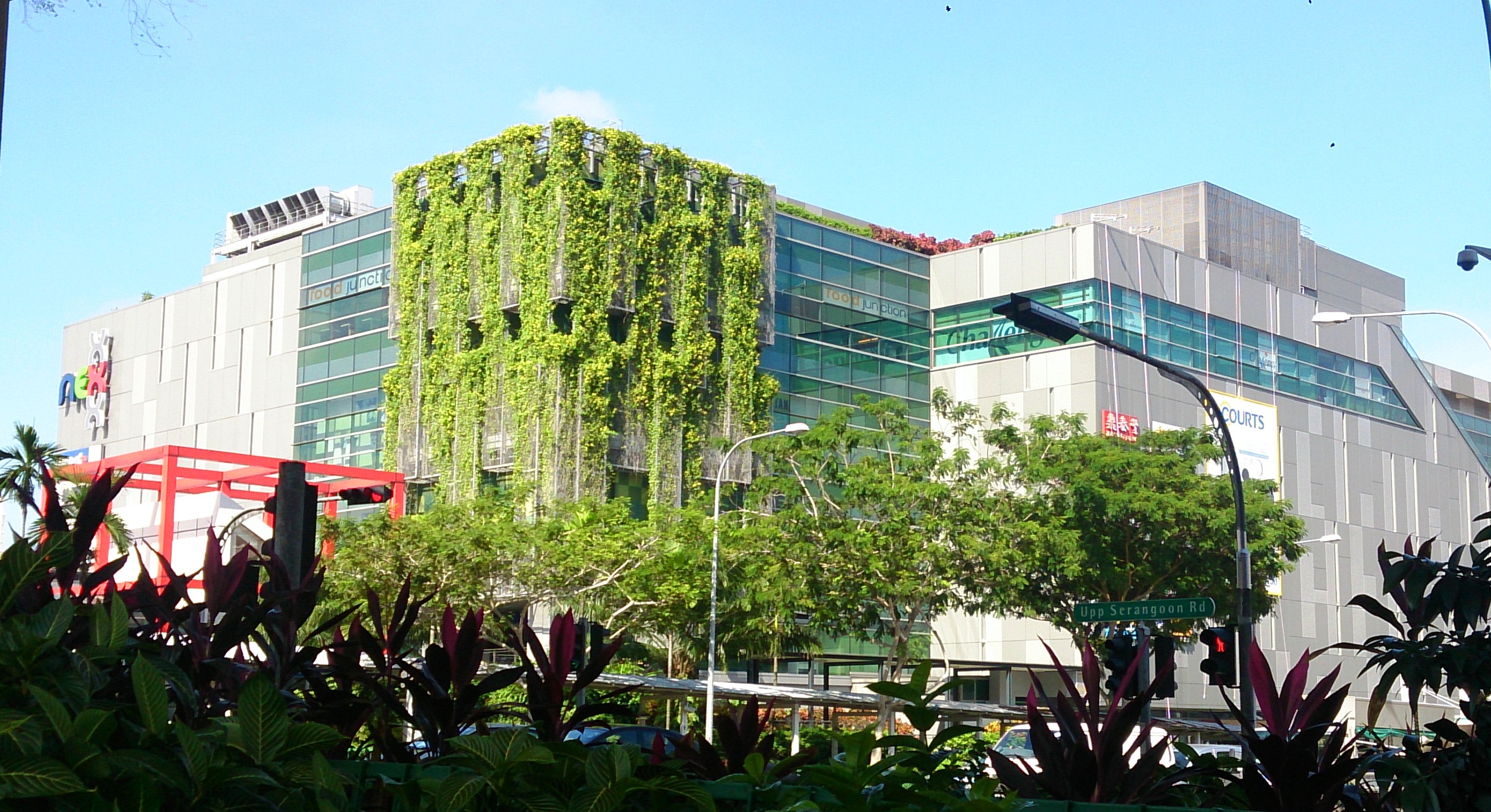
Checked 6 November 2026. The public library is listed by NLB and NEX level-4R directory. Check current services and early access through NLB. Hawker-centre location comes from NEA’s centre list. Outdoor information comes from NParks Jalan Riang Playground, NParks Haus Linear Park and NParks Serangoon Park Connector. Featured photograph shows the exterior of NEX in an archival 2013 image; it does not verify today’s tenant arrangement. Follow current agency and operator notices.