
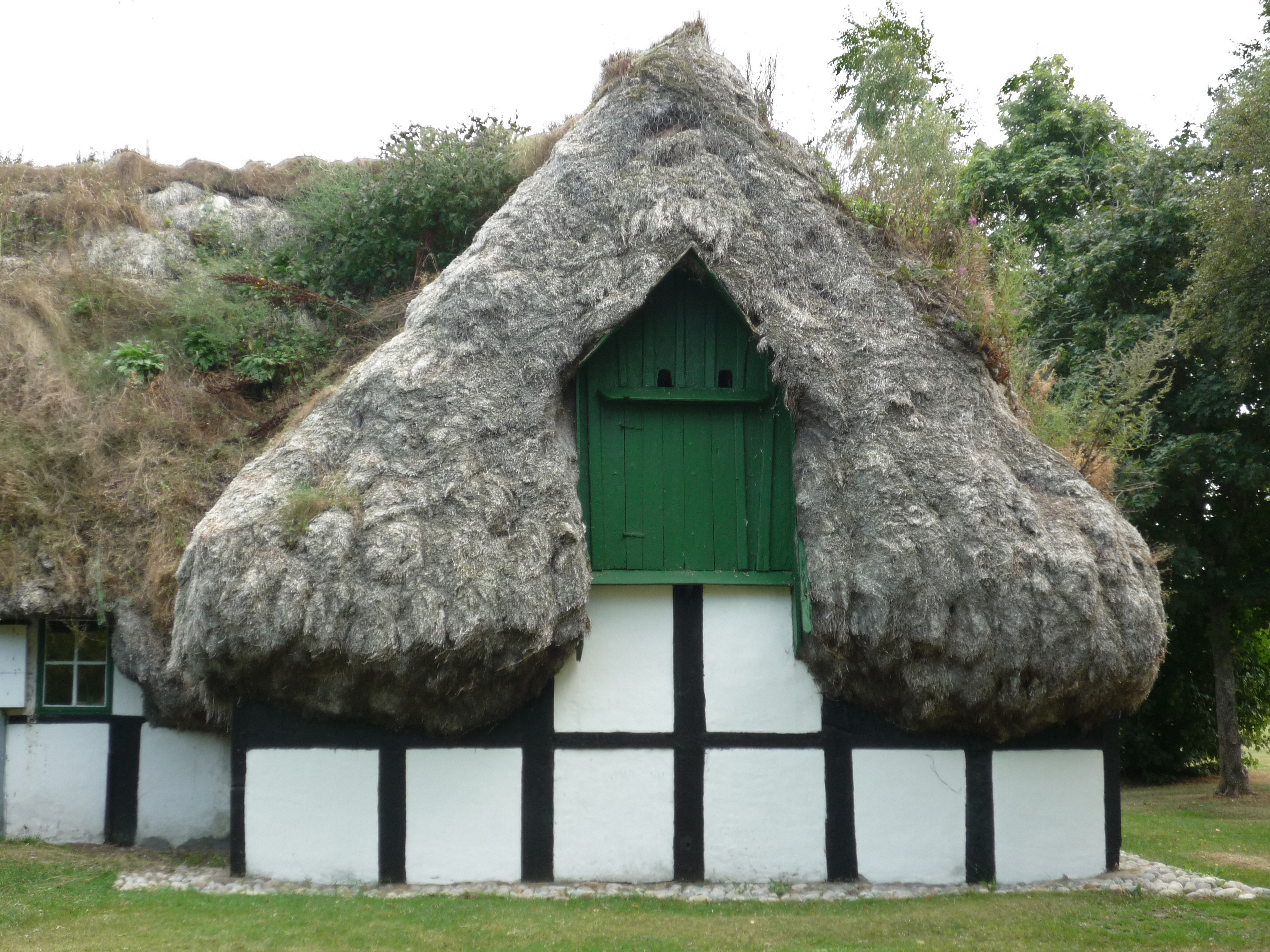
What are the best places to visit on Læsø in Denmark? Start with Vesterø Harbour and its long beach, experience the island’s saline heritage at Læsø Kur and Læsø Saltsyderi, learn how the Rønnerne salt meadows work, and visit Museumsgården and Hedvigs Hus to understand the extraordinary eelgrass-roof houses. Add Østerby fishing harbour, the evolving shore around Bløden Hale, Byrum’s church and Thorvald Hansen’s Tower, and the wooded dunes of Læsø Klitplantage. These ten stops combine island culture, food, science and coastal life.
Læsø lies in the Kattegat, off northern Jutland, and is reached by a regular 90-minute ferry from Frederikshavn to Vesterø Havn. Unlike some smaller Danish islands, it can be visited on a properly planned day trip, although two or three days are better for combining the seaweed houses, salt-making, working harbours and nature walks. Læsø has distinct western, central, northern and eastern sections, so group your attractions geographically instead of racing from one end to the other in a single afternoon.
October 2026 planning note: Læsøfærgen publishes a 2026 sailing list and ticket rules, but times and capacity must be checked again when booking. Demonstrations, museums, cafés, spa sessions and some local services can be seasonal. The island’s seaweed houses and traditional sea-salt huts are on Denmark’s UNESCO World Heritage Tentative List, submitted in 2023; they are not currently an inscribed World Heritage Site. This distinction matters and is explained below.


Quick guide: the ten places at a glance
- 1. Vesterø Harbour and the Long West-Coast Beach — Western Læsø, the ferry arrival harbour.
- 2. Læsø Kur: Salt-Water Wellness in a Reused Church Setting — Vesterø Havn, close to the main ferry port.
- 3. Læsø Saltsyderi: The Historic Saltworks — Near Rønnerne, south of Byrum.
- 4. Rønnerne Salt Meadows and Bird Habitats — Southern Læsø, near the saltworks.
- 5. Museumsgården: The Traditional Seaweed-Roof Farmhouse — Museumsvej, east of Byrum.
- 6. Hedvigs Hus and the Seaweed-House Trail in Old Østerby — Near Østerby and Gl. Østerby, eastern Læsø.
- 7. Østerby Harbour and the Langoustine Fishing Industry — Northeastern Læsø, at Østerby Havn.
- 8. Jegens, Danzigmann and Bløden Hale: Læsø’s Changing Eastern Coast — Far eastern Læsø beyond Østerby.
- 9. Byrum Village, Church and Thorvald Hansen’s Tower — Byrum, near the centre of Læsø.
- 10. Læsø Klitplantage: Dune Forest, Trails and Horneks Odde — Northern and central Læsø, the dune plantation.
These entries are presented as a menu, not a driving sequence to finish in order. The west combines Vesterø Harbour and Læsø Kur. The south and centre contain Saltworks, Rønnerne, Byrum and Museumsgården. Østerby and the seaweed-house trail lie to the east, as does the changing coastline around Bløden Hale. Læsø Klitplantage rewards its own forest-and-beach outing. Choose two or three main experiences per day, not all ten in one sprint.
Best choices for different visitors
- First visit: Saltworks, Museumsgården or Hedvigs Hus, and a relaxed harbour or beach stop.
- History: Saltworks, Rønnerne’s cultural landscape, the seaweed houses and Byrum Church.
- Families: A salt-making demonstration, Vesterø Beach and a manageable forest or village walk.
- Food: Saltworks and Østerby Harbour’s working langoustine traditions, when businesses are open.
- Nature: A guided Rønnerne outing, Klitplantage or an appropriate Bløden Hale coastal walk.
- Relaxation: A confirmed Læsø Kur session and unhurried time at Vesterø.
- Longer stays: Use a separate eastern day for Østerby, historic eelgrass roofs and changing coastal landscapes.
1. Vesterø Harbour and the Long West-Coast Beach
Where: Western Læsø, the ferry arrival harbour. Best for: Island orientation, harbour life, sunsets and accessible beach time.
Vesterø is the best place to begin a first Læsø visit because the ferry from Frederikshavn arrives here. The harbour is both a practical link to mainland Denmark and a lively part of island culture, with fishing, seasonal sailing, shops, accommodation and services gathered around its quays. The harbour was first built in the nineteenth century and has changed with the island’s maritime economy. This is more than a convenient entry point: ferry arrivals make visible how residents, supplies and visitors move between Læsø and the rest of Denmark. Start by understanding that system rather than racing straight from the terminal to the next tourist stop.
Walk the permitted waterfront and take time to notice working boats alongside pleasure craft. The harbour’s southern side leads towards a long sandy beach described by VisitLæsø as particularly well suited to families. You need not swim to enjoy it; a gentle stroll, a safe stretch of sand and a meal near the harbour can be enough after the crossing. The road towards Byrum and Østerby begins here, so it is a sensible place to confirm local bus times, arrange bicycles and identify where your return ferry departs. If travelling with children, do that practical work before promising an island-wide sightseeing day.
A ferry harbour is an operational area. Keep clear of loading ramps, freight movements, mooring lines and any working shipyard or fishing zone. The beach has changing water and wind conditions, so assess local bathing guidance and never assume lifeguard supervision. Shops and restaurants vary by season and can close earlier than visitors expect. If your main attraction requires a specific admission time, allow enough margin after the ferry for disembarking and onward transport. Do not leave the final return sailing to chance simply because Vesterø looks easy to navigate.
Ask why Læsø supports a bus link, ferry terminal and fishing port in a community separated by open water. What must arrive from elsewhere, and what does the island produce or export? The harbour gives you a simple way to introduce supply chains and community infrastructure. It also creates a good comparison with Østerby, where the fisheries-related trades are especially prominent. Two harbours on one island can play different roles, and recognising the difference helps travellers see more than the picturesque buildings in a postcard.
Route tip: Use Vesterø as the arrival and departure anchor; pair with Læsø Kur, a short beach walk or the start of a local cycle route. Confirm current access and weather before setting out.
Back to the ten places · Next place
2. Læsø Kur: Salt-Water Wellness in a Reused Church Setting
Where: Vesterø Havn, close to the main ferry port. Best for: Architecture, local salt traditions and an optional wellness visit.
Læsø Kur links the island’s salt heritage with contemporary health and leisure services in an unexpectedly architectural setting. The spa occupies a building developed around the site of the former Vesterø church. Its church tower remains a landmark above the port, while the newer structure reflects a deliberate change of use. The local tourism authority describes the project as a way to develop wellness associated with the island’s saline resources, including saltwater pools and other treatments. The result is worth understanding even for travellers who are not interested in booking a spa session: it is an example of how a community adapts an older place to a modern economic role.
If you want to use the spa, book through the official operator and check the particular session, age restrictions, treatments and facilities offered on your date. Historic tourism descriptions can remain visible long after a venue changes ownership, service packages or opening hours. The VisitLæsø and package-booking pages list special day-trip experiences that combine ferry transport with a spa visit on selected 2026 dates; those packages are not permanent offers. A visitor may also appreciate the building’s exterior and its church-tower story while walking near the harbour, without claiming that the internal spa is publicly accessible at any time.
Saltwater bathing and hot or cold wellness facilities require the same careful choices as any spa. Follow staff instructions, observe cleanliness rules and choose activities suitable for individual health and mobility needs. Do not infer medical treatment benefits from a promotional page or promise a cure for a particular condition. Children may have age limits depending on the session or package; check these independently. The former church is an architectural story, not a functioning church interior that visitors may enter for worship or sightseeing. Treat private treatment areas and other guests with respect.
The most interesting question is how a place can keep part of its heritage while changing its use. The preserved tower points to the past, the new wellness spaces meet current needs, and the local salt tradition gives the venture a regional identity. Compare the structure with Byrum’s functioning church and with the Saltworks’ historically inspired production building. A single island offers three different relationships between architecture and tradition: preservation, adaptation and reconstruction. Seeing these differences encourages a more nuanced idea of what it means to protect cultural heritage.
Route tip: A useful arrival- or departure-day option when the spa is confirmed open; combine with Vesterø Harbour rather than planning a rushed cross-island detour. Confirm current access and weather before setting out.
Back to the ten places · Next place
3. Læsø Saltsyderi: The Historic Saltworks
Where: Near Rønnerne, south of Byrum. Best for: Living industrial heritage, food science and island economy.
Salt made Læsø important long before it became known for its beaches. At Læsø Saltsyderi, visitors can see a modern revival of a medieval process that used exceptionally saline groundwater from the island’s southern salt-meadow region. The historic process involved drawing brine from shallow wells, heating it in pans and collecting crystals as water evaporated. Salt was valuable because it preserved food and supported trade, so production helped organise the island’s work and economy over many centuries. The saltworks makes an abstract textbook concept—the separation of dissolved minerals from water—visible and tangible.
Look for a public demonstration or guided explanation when operating. In the huts, a salt-maker may explain the brine, fire, pans and changing forms of crystallisation. The buildings are historically inspired reconstructions supported by archaeological interpretation, not original workshops that have stood untouched since the twelfth century. That distinction is useful rather than disappointing. VisitLæsø describes the site as a working heritage attraction, and there may be a shop selling locally produced salt. Check seasonal opening and tour times instead of assuming that boiling will be demonstrated every hour or every day.
The salt-making process involves hot pans, fire and equipment that should not be handled without explicit permission. Keep children away from dangerous working areas and respect any marked route. The nearby salt meadows are a different kind of attraction, subject to their own nature-protection rules. Do not wander towards brine wells or nesting areas simply because you have visited the demonstration hut. Ticket, demonstration and retail arrangements can change; use the saltworks’ own visitor page for current details. A culinary product can be an excellent souvenir, but it should not be advertised as medically superior without adequate evidence.
This is an ideal place to connect chemistry and history. Salt dissolves in water; heating removes water by evaporation; crystals form as conditions change. Why is concentrated groundwater more efficient to use than ordinary seawater? How much fuel would be needed, and where did it come from? The historical use of wood contributed to major changes in the island’s forests, so the answer connects salt manufacture with deforestation and later land management. A good visit leaves you knowing not only how salt is made, but why a local industry can reshape an entire island.
Route tip: Pair with Rønnerne’s protected landscape and a Byrum cultural stop. Reserve a meaningful amount of time if a demonstration is running. Confirm current access and weather before setting out.
Back to the ten places · Next place
4. Rønnerne Salt Meadows and Bird Habitats
Where: Southern Læsø, near the saltworks. Best for: Coastal ecology, birdwatching and the source of Læsø salt.
Rønnerne is the environmental half of the Læsø salt story. The low southern salt meadows, shallow pools and evolving coastal banks create conditions in which saline groundwater can develop and be collected for salt production. VisitLæsø identifies several named sections of this wide wetland, including Færøn, Langerøn, Kringelrøn and Hornfiskrøn. The landscape is relatively flat and exposed, but its apparent simplicity can be deceptive. Birds use its shallow waters and meadows for feeding, breeding or resting, while land uplift and sediment deposition slowly alter the coastline over generations.
Choose an authorised visitor viewpoint, a marked route or a guided nature experience, depending on current access and your interests. Binoculars are valuable, especially during seasonal bird movements. Guided trips can also explain why different parts of the ground have different salt concentrations and vegetation. The wetland is not a paved outdoor museum. It may be waterlogged, muddy or unsuitable for people who struggle on soft terrain, and a map does not necessarily show all fragile areas. Spend enough time to appreciate the openness without wandering into a feeding flock or private working area.
Conservation rules should govern every part of the visit. Respect bird nesting seasons, agricultural uses, signs and any access restrictions on sensitive ground. Do not drive across salt meadows simply because the terrain looks flat, and do not assume wading across tidal pools is safe. Weather, wet ground and changing shorelines create real hazards. If your mobility is limited, seek official information on accessible viewpoints or a guided trip rather than improvising a long walk. Many wildlife photographs are taken with long lenses; they are not evidence that birds can safely be approached closely.
This is a place to ask how salt, water, clay, plants and the sea interact. Seawater periodically reaches the meadows, and evaporation can concentrate salts in certain shallow groundwater layers. What does a more saline environment mean for vegetation? Why might particular wading birds seek shallow water? And how do natural coastal processes change the area where an old industry once operated? These questions help explain why Læsø’s UNESCO Tentative List proposal includes both the seaweed houses and the sea-salt production cultural landscape, rather than listing only a factory building.
Route tip: Combine with the Saltworks; use local guidance to choose safe, legal observation points without crossing sensitive habitats. Confirm current access and weather before setting out.
Back to the ten places · Next place
5. Museumsgården: The Traditional Seaweed-Roof Farmhouse
Where: Museumsvej, east of Byrum. Best for: Historic architecture, rural family life and eelgrass roofs.
Museumsgården is one of the most important places for understanding why Læsø’s houses look unlike those of many other Danish regions. This historic four-winged farm complex has a roof made with eelgrass, a marine flowering plant often described in tourist literature as ‘seaweed’. The deep, heavy thatch is an ingenious response to local materials and circumstances. Eelgrass was gathered, prepared and used in roof construction by island families and skilled workers. The surviving museum building provides a physical connection to a tradition that developed over centuries, rather than a newly invented picturesque feature for modern visitors.
Explore the publicly accessible museum areas when open and take time to observe the enormous roof from a respectful distance. Notice how the material wraps around the building and how weathering affects its appearance. Exhibitions may explain domestic work, farming, salvaged timber and the island’s architectural traditions. VisitLæsø says parts of the building and roof go back to the seventeenth century. If access is allowed inside, pay attention to how the rooms functioned as part of a working farm. An older building can contain uneven floors, low thresholds and restricted spaces, so check suitability for your party in advance.
A remarkable roof is not an invitation to pull out fibres or climb onto the building. Old eelgrass roofs require conservation, careful maintenance and specialist knowledge. Follow museum staff instructions and photograph respectfully, especially if a restoration activity is taking place. Seasonal museum schedules vary; check the institution’s current opening calendar and admissions rather than assuming the grounds and interiors are always accessible. If a farm building is closed, appreciate what is visible from permitted public viewpoints and choose a nearby alternative, rather than attempting to enter through private land.
Consider what a roof must do: shed water, resist wind, insulate a building and remain repairable with available materials. Eelgrass offered one local solution, while mainland communities often used different plants or roof systems. Ask how marine resources travelled from shore to house and how workers transformed loose material into a coherent structure. The answer is both engineering and social history. Museumsgården also helps explain the difference between preserving an original building and reconstructing a historical technique elsewhere. That distinction is central to reading heritage claims accurately.
Route tip: Pair with Byrum and the Saltworks for a concentrated day about architecture, labour and historic resources. Confirm current access and weather before setting out.
Back to the ten places · Next place
6. Hedvigs Hus and the Seaweed-House Trail in Old Østerby
Where: Near Østerby and Gl. Østerby, eastern Læsø. Best for: Eelgrass roofing, restoration craft and a distinctive heritage walk.
Hedvigs Hus is another key landmark in Læsø’s unusual architectural story, and it provides a strong reason to explore the island beyond Museumsgården. The house’s striking roof is constructed with thick bundles of eelgrass and has become a visible symbol of restoration work. The local tourism board identifies a seaweed-house trail, Tanghusruten, through old Østerby that passes several traditional properties and shows how the historic roofing practice has been renewed. Restoration is not merely cosmetic: the structure, weight, sourcing and weathering of eelgrass create technical challenges that require specialist knowledge and community support.
Choose the Tanghusruten distance that suits your group; the official route describes alternatives of roughly four to eight kilometres through the wider area, with other published itineraries combining it with Jegens and the harbour in a longer walk. If Hedvigs Hus has a public visiting arrangement, confirm it with the responsible museum or local heritage group. It is possible to appreciate the remarkable exterior without claiming permission to enter a private or volunteer-managed structure. A good visit includes more than one roof so that you can compare states of preservation and different architectural details.
Respect residents and property boundaries along the trail. A house included in a heritage route does not automatically permit interior photography, entry to a garden or touching fragile roofing material. Keep to public roads and authorised paths, and be cautious around any ongoing restoration site. Historic eelgrass roofs can look almost like shaggy sculptures, but they belong to buildings that people maintain at considerable effort. A dog, bicycle or backpack rubbing against a roof edge can damage something that is not easily repaired. Take photographs from an appropriate position and keep the path clear for others.
There is also an important scientific detail worth teaching correctly: eelgrass, Zostera marina, is a marine flowering plant, not a true seaweed in the botanical sense. The traditional phrase ‘seaweed roof’ is culturally established, but the plant’s identity explains its fibres and use. Ask how saltwater-grown plant material can become a long-lasting roof once carefully processed, and why the craft might decline as other building materials became easier to obtain. These houses are on Denmark’s UNESCO Tentative List as part of a proposed property; they are not yet an inscribed UNESCO World Heritage Site. Being accurate about that status respects the real achievement and the nomination process.
Route tip: Combine the seaweed-house trail with Østerby Harbour or a gentle eastern village day, checking access and route length. Confirm current access and weather before setting out.
Back to the ten places · Next place
7. Østerby Harbour and the Langoustine Fishing Industry
Where: Northeastern Læsø, at Østerby Havn. Best for: Working maritime economy, seafood traditions and harbour town life.
Østerby Harbour has a different emphasis from the ferry terminal at Vesterø. It is a working fishing port and service centre, with shipyard activities, net repair, fishing boats, rescue facilities and the island’s long association with langoustines—small marine crustaceans that are sometimes called Norway lobsters. VisitLæsø describes the harbour as an important centre for this trade, with fishing-related businesses connecting local catches to markets far beyond Denmark. The harbour’s popularity with visitors should not overshadow its practical function. It is a working place where machinery, vessels and people must have room to operate.
Begin with a public harbour walk, enjoy the view of boats and, if a fishmonger or restaurant is open, consider sampling a local seafood dish that suits your preferences. Ask before photographing workers closely. A busy port may be most interesting early in the day when catches are being handled, but you should not promise visitors a particular landing time or access to commercial spaces. Fishing and shipping activity depends on weather, seasons and markets. The harbour also serves as a convenient starting point for eastern beaches and the Tanghusruten route, helping combine several locations without unnecessary driving.
Do not enter active loading areas, step over ropes or approach moving cranes, equipment or vessels. The presence of a public promenade does not make every quay a public attraction. Seafood availability, restaurant hours and prices change. Langoustines and similar shellfish can trigger allergies, so visitors with food restrictions should ask clearly before ordering. The local bus Route 840 has served Østerby, Vesterø and Byrum, but always verify today’s timetable. A connection that is convenient in summer may operate differently in the shoulder season or when schools are on holiday.
This is a useful place to think about the economics of a working island. A fish is caught at sea, processed or packed on shore, kept fresh and sent through a transport network to customers. How does ferry capacity affect such a business? Which specialist jobs are needed to maintain a fleet, from electricians to net makers? And what happens if sea conditions stop boats from operating? Østerby connects a picturesque harbour with supply chains, weather, skilled labour and the global seafood trade. A short conversation about the ordinary work behind the scenery makes the stop far more valuable.
Route tip: Pair with the seaweed-house trail and the eastern coastal landscape around Jegens or Danzigmann. Confirm current access and weather before setting out.
Back to the ten places · Next place
8. Jegens, Danzigmann and Bløden Hale: Læsø’s Changing Eastern Coast
Where: Far eastern Læsø beyond Østerby. Best for: Dunes, coastal land formation, birdwatching and longer walks.
The eastern coastline of Læsø is a dynamic place where sand, wind and sea continually reshape the island. Jegens, Danzigmann and Bløden Hale form a sequence of heath, dunes, beaches and shifting shorelines. VisitLæsø describes Bløden Hale as part of the island’s youngest land, where coastal processes continue to create and alter the shore. This is a striking counterpoint to the centuries-old houses and salt-making traditions elsewhere on Læsø. A coastline can appear steady from a single photograph while actually changing across decades, storms and seasons.
For a manageable outing, the official Læsø destination guide describes a roughly 3.5-kilometre walk around Bløden Hale, with its starting point near the end of Danzigmannvejen. Longer routes also exist and can connect with Østerby Harbour and Tanghusruten, but they require more time and stronger walking ability. Choose the length based on weather, the group and current marked access. Keep an eye out for birds from a respectful distance, and let the shapes of dunes and the beach become the main experience rather than treating the far tip as a compulsory trophy.
Do not assume that a recent-looking land spit is stable underfoot, or that shallow water can safely be crossed. Strong wind, high waves and changing water levels can make outer coastal sections hazardous. Danzigmann’s dunes are fragile; stick to permitted approaches and avoid sliding or climbing across vegetated faces. Birds may be nesting or resting, and wildlife access restrictions should be observed. Amber hunting is sometimes mentioned in destination information, but collecting objects must remain within local rules and should never justify damaging protected areas. Prepare a weather alternative back towards the harbour.
Here, geography is happening rather than merely being described. Waves bring and remove sand, wind shapes dunes, plants help hold parts of the coast in place and storms can change the shore quickly. Ask why some new land appears to grow while other coasts erode. Compare Bløden Hale with the older island terrain, and use a map from another period to see how patterns have changed. The coastline also shows why travellers should not follow an old GPS track blindly into sensitive or unstable ground. Observation and current guidance belong together.
Route tip: A distinct eastern nature day from Østerby, with a shorter walk for families or a longer marked route for prepared walkers. Confirm current access and weather before setting out.
Back to the ten places · Next place
9. Byrum Village, Church and Thorvald Hansen’s Tower
Where: Byrum, near the centre of Læsø. Best for: Community history, unusual architecture and a manageable town visit.
Byrum is a useful central stop that gives the island a community heart between its two main harbours. The village has shops, everyday services, historic buildings and a story of local ingenuity embodied by Thorvald Hansen’s Tower. The 17-metre tower was created after woodcutter Thorvald Hansen began building his own structure in the 1920s, using self-made casting methods and assistance from a mason. The tower is an unusual expression of individual determination; unlike a royal palace or a defensive fortress, it was not commissioned by a government or a large institution. Its modest scale is part of its charm.
If the tower is open, check the current admission arrangements and assess whether climbing its stairs is suitable for your group. Even the exterior can prompt a conversation about craftsmanship and local identity. Byrum Church is another meaningful stop: VisitLæsø describes origins around 1200 linked to the Cistercian monks of Vitskøl, with subsequent architectural additions and preserved ecclesiastical features. The church is a functioning religious place, so visit respectfully and check services. A café or small shop in Byrum can provide a welcome break between the Saltworks and Museumsgården, both connected to the island’s cultural story.
Do not promise that the tower or church interior will be accessible at a specific time without consulting the relevant operator. Narrow stairs, historic thresholds and seasonal arrangements vary. Respect residents’ privacy and ordinary traffic on the village streets. If travelling by bicycle, park so that shops and services remain accessible. Byrum is not a staged heritage town; people live and work here year-round. The visit is best when it combines a few genuine details rather than treating every home with an unusual roof as a building open for inspection.
Byrum brings together two different relationships with history. The medieval church reflects religious networks and the island’s connections with broader Denmark. Thorvald Hansen’s Tower tells a twentieth-century story of personal skill and persistence. Compare who built the structures, what purposes they served and how they are preserved today. Museumsgården and the Saltworks add another comparison: historic architecture can be a place of worship, a working household, a productive industrial facility or a personal landmark. Travelling through one small village can therefore illuminate several ideas about community change.
Route tip: Combine Byrum with Museumsgården and the Saltworks on a cultural and heritage-focused day. Confirm current access and weather before setting out.
Back to the ten places · Next place
10. Læsø Klitplantage: Dune Forest, Trails and Horneks Odde
Where: Northern and central Læsø, the dune plantation. Best for: Forest walks, island ecology, calm cycling and coastal viewpoints.
Læsø Klitplantage provides another important contrast with the open salt marshes and eastern coastal dunes. The plantation developed when parts of the island were planted with trees in the twentieth century, following a history in which earlier woodland had been heavily used for purposes including salt-making fuel. VisitLæsø describes Scots pine and Sitka spruce planting from the 1930s, and the area is now managed with opportunities for walking and suitable cycling. Its story is not simply that people created a forest. It is a more complicated account of extraction, landscape change, restoration and how islanders balance shelter, recreation and habitat.
Choose an approved path rather than attempting to cover every part of the plantation in one visit. Attractions and routes in the area include Højsande, forest tracks, coastal viewpoints such as Horneks Odde and sections of beach. On a clear day, the difference between sheltered woodland and the open Kattegat shore is immediately noticeable. The plantation is also a useful route option for cyclists, although some paths are sandy or intended for walking or riding rather than ordinary bicycles. Follow current Danish Nature Agency maps and notices to identify the correct trail for your group.
The fact that the forest contains recreation areas does not mean that open fires or camping are allowed everywhere. Use only the locations and arrangements designated for those purposes. Respect wildlife, private boundaries, forestry operations and any seasonal restrictions. Along the coast, keep your distance from seals and nesting birds. Trails may include sand, roots and damp areas that require suitable footwear. A route that looks flat on the island map may still be tiring, and the plantation offers a better experience when you choose one or two features rather than trying to tick off every marked point in one afternoon.
Læsø Klitplantage is a useful place to ask whether every forest is ancient or naturally occurring. Here people deliberately planted trees, and management choices continue to affect the landscape. Compare the plantation with the low, exposed salt meadows at Rønnerne and with the coastal heath at Jegens. How does shade change what can grow? Why does wind affect trees differently from grasses? The history of salt fuel links the island’s medieval economy to modern woodland conditions. An island’s ecology is often a record of human choices as well as natural forces.
Route tip: Choose a forest-and-coast half-day, possibly linked to a short verified cycling route from Vesterø or a nature stop near Horneks Odde. Confirm current access and weather before setting out.
How to spend one day on Læsø
A sensible day trip begins with an early ferry from Frederikshavn to Vesterø, having already booked a return service with enough time to be useful. If you are on foot, start with the harbour, then consider a prebooked visit to Læsø Kur or a planned connection to Saltworks and Byrum using public transport or an authorised tour. If travelling with a bicycle or car, a heritage-focused day might include Saltworks, Museumsgården and an easy beach or harbour meal. The precise combination depends on museum opening, demonstration times, transport and the season. It is not advisable to promise the full eastern coast, the entire seaweed-house trail and a full spa session in one day.
Allow time for the ferry itself, which is an important part of island travel. Unlike Anholt’s longer Grenaa crossing and generally unsuitable same-day pattern, Læsøfærgen operates a more frequent Frederikshavn connection in many periods, making a day trip possible if its schedule aligns. The operator lists different fare classes and promotions, and a 2026 offer described discounted day trips through a specific autumn date. Do not assume a promotion remains available after it expires. Check ticket type, check-in, cancellation conditions and whether a car or bicycle space is included.
If your available time is short, choose one big activity and one relaxing one. The island’s signature heritage is worth experiencing carefully, not merely photographing through a car window. Saltworkers and roof-restoration craftspeople preserve complex knowledge, and a rushed stop may leave only a picturesque memory. A trip that includes a thoughtful demonstration, a local meal and a stroll by the sea already provides a meaningful introduction.
Two-day and three-day Læsø itineraries
Two days: salt heritage and coastal villages
On day one, begin in Vesterø and travel towards Saltworks and Rønnerne for a view of how coastal water and land shaped the island’s economic history. Continue to Byrum for the church, shops and Thorvald Hansen’s Tower if open, then reserve time for Museumsgården. These places tell a coherent story: marine resources, the work needed to process them, and historic building traditions. They are close enough to make a useful regional day without criss-crossing the island repeatedly.
On the second day, head towards Østerby Harbour. Spend time watching ordinary harbour life from public areas, explore the seaweed-house trail and appreciate Hedvigs Hus from authorised viewpoints. If weather and walking ability suit, add a shorter coastal route towards Jegens or Danzigmann; Bløden Hale can become a separate walk when you have the time. This day is particularly rewarding for readers interested in architecture, working communities and landscapes still changing in response to the sea.
Three days or longer: add the forest, beaches and a slower pace
On a third day, choose Læsø Klitplantage for a forest walk or manageable cycling route, perhaps including a coastal viewpoint when conditions permit. Alternatively, reserve that day for Læsø Kur and a relaxed beach afternoon. Travellers who prefer longer hikes may investigate individual stages of the Ø-Camino route, but a 15- or 18-kilometre stage needs more preparation than a family town walk. Official VisitLæsø material provides route distances and maps. A longer stay should leave time for unplanned discoveries rather than simply adding more obligations to the checklist.
A useful principle is to limit each day to one geographic cluster and one major focus. It reduces travel time, makes public transport easier and gives seasonal attractions enough room. With children or older companions, a relaxed third day can transform an overly ambitious island trip into a holiday that everyone enjoys.
The Frederikshavn ferry and getting around Læsø
Læsøfærgen connects Frederikshavn and Vesterø Harbour, with a crossing of about ninety minutes. The service carries people and vehicles, although vehicle space and ticket conditions require booking. Læsøfærgen publishes the current schedule, available capacity, price details and 2026 conditions on its official website. Do not copy an old departure time or price from a tourism promotion: an eligible discount, return ticket and ordinary single fare can have different rules. Arrive by the operator’s published check-in deadline, particularly if travelling with a vehicle or bicycle.
Travelling without a car is realistic for selected plans. VisitLæsø’s harbour information refers to the local bus Route 840, connecting Vesterø with Byrum and Østerby, and describes it as free. Verify its current service pattern before depending on a particular connection to a remote attraction or a late ferry. Bicycles are also popular, and the island has various published routes ranging from short local trips to longer loops. A route recommended for cycling on tarmac is not necessarily suitable for a family on sandy forest tracks; check the surface, traffic and wind.
If you choose to bring a car, respect parking restrictions, coastal habitats and working harbours. The fact that a road reaches a wetland does not make off-road driving appropriate. Salt meadows and dunes can be highly sensitive to disturbance, and some routes pass private land or protected wildlife areas. In addition, visiting with a vehicle should not encourage a rushed tour of the whole island. It is often more satisfying to park and walk for a while at a single place than to view every attraction through the windscreen.
At the end of the trip, plan your return to Vesterø in time for check-in. Østerby is not the ferry terminal for the Frederikshavn connection, despite being an important harbour. This distinction sounds obvious until a traveller treats both harbours as interchangeable on a map. The normal crossings are manageable, but weather and vessel operations can still change them. Current operator instructions should always take precedence over an itinerary written in advance.
Are Læsø’s seaweed houses UNESCO World Heritage?
Not yet. As of October 2026, UNESCO lists the proposed property Seaweed Houses and Sea-salt Huts, Laesoe Island on Denmark’s Tentative List, submitted on 6 September 2023. A Tentative List entry expresses a country’s intention to consider a property for nomination. It is not the same as the World Heritage Committee inscribing a site on the World Heritage List. Any guide calling Museumsgården or the Læsø saltworks an already inscribed World Heritage attraction would therefore be inaccurate.
The tentative proposal is compelling because it joins two uses of marine resources. In one, Læsø residents gathered eelgrass to build roofs that protected homes. In the other, highly saline groundwater was processed into valuable salt in the Rønnerne landscape. Each required labour, skill, local knowledge and ways of organising materials. Museumsgården and Hedvigs Hus are named in the proposal alongside the salt-production cultural landscape. The heritage significance is therefore more than one photogenic roof or one salt-making demonstration. It is an island-wide relationship between people, the sea and resources.
Visitors can support that living heritage by using official museums and interpretation, buying locally made products when appropriate and treating historic roofs with care. Restoration specialists and residents need to maintain techniques that are difficult to replace. The most useful travel article does not exaggerate UNESCO status; it explains why the island’s work deserves serious attention, while keeping the nomination process distinct from an awarded inscription.
Responsible nature travel: salt marshes, dunes and wildlife
Læsø’s protected natural areas deserve as much attention as its museums. Rønnerne’s salt meadows support birds and fragile wetland ecology. The eastern coast around Danzigmann and Bløden Hale is dynamic, with dunes that can be damaged by repeated shortcuts. In Læsø Klitplantage, forestry and recreation facilities operate under management rules, and not every open space is a place where camping or fires are permitted. Follow the relevant signs, use legitimate walking or cycling routes and keep wildlife encounters at a respectful distance.
For birdwatching, binoculars are generally better than an attempt to approach a flock. Seasonal movements can be impressive, but wildlife sightings are not guaranteed. Salt-meadow ground can be muddy or periodically covered by water; respect advice about where to walk. At Bløden Hale, erosion and deposition mean that the coast can change from the version seen in an older photograph. A path that appears usable online may need reassessment after a storm. At the dune plantation, avoid removing plants, damaging nests or lighting a fire outside designated facilities.
The key is to let an island remain alive rather than treating it as a collection of attractions for visitors to control. Communities depend on working harbours, conservation groups maintain sensitive sites, and heritage associations care for traditional buildings. Spending some money locally, leaving gates and paths as required, and taking rubbish away are small actions that keep Læsø rewarding for everyone.
Best season, families and accessibility
Late spring through early autumn generally provides the easiest balance of visitor services and longer daylight. Salt-making demonstrations, museums, cafés and guided heritage walks may be more frequent in the principal visitor season. Spring and autumn can also appeal to birdwatchers, but coastal weather and opening times can be less predictable. Winter changes the nature of the trip: rather than assuming every indoor attraction operates daily, confirm visits directly and build around shorter, weather-aware outings. A day on a windy north-coast beach is very different from a quiet afternoon inside a reconstructed salt hut.
Families can combine one clear learning activity with an open-air break. Saltworks and Museumsgården provide the educational anchor, while Vesterø Beach, a gentle forest walk or a short permitted coastal path offers movement and relaxation. The full Ø-Camino stages and longer coastal routes require appropriate fitness. For visitors with limited mobility, ask the venue about thresholds, toilets, steps and accessible routes rather than relying on a general label of ‘family-friendly’. Some historic houses have restrictions for structural reasons, while wetlands and dunes can be challenging in a way that a flat road map does not reveal.
If accommodation and food reservations matter, organise them alongside the ferry. Smaller islands may have fewer restaurants and services outside summer. Ask about allergy information when trying shellfish or other local foods. If you are visiting Læsø Kur, check individual health needs and the operator’s participation rules. A comfortable holiday does not need to become a high-pressure programme. The right pace is the one that allows visitors to enjoy the island’s distinct character without losing time to avoidable transport and booking mistakes.
What students and curious adults can learn on Læsø
Læsø is an excellent place to connect school subjects with ordinary experiences. At the Saltworks, chemistry becomes the evaporation of brine. At Rønnerne, geography explains shallow groundwater, salt meadows and coastal change. At Museumsgården, materials science and history meet in the design of an eelgrass roof. At Østerby, economics appears through fishing, processing and shipping. At Bløden Hale, natural processes are actively shaping land. Each stop gives the learner a reason to ask how a system works and who depends on it.
Use a simple routine: first describe something visible, then suggest a possible explanation, and finally check the idea against interpretation or a reliable primary source. At a seaweed roof, observe the texture and ask what material might make it practical. At the salt hut, observe crystals and discuss what happens when water evaporates. At a fishing harbour, notice different businesses and ask how they fit together. The same method transfers to subjects outside travel: careful observation supports more accurate reasoning, while verification keeps interesting guesses from becoming false facts.
Another valuable lesson is about claims. A site on UNESCO’s Tentative List is not the same as a site on the World Heritage List. A seasonal guided demonstration is not a guaranteed year-round attraction. A quiet beach in a photograph is not evidence of calm water on your travel date. Teaching people to notice these distinctions makes them better readers and travellers. Accuracy does not make a holiday less interesting; it helps the story of Læsø remain connected to reality.
Useful English–Chinese vocabulary for Læsø
- island — 岛屿 — dǎoyǔ
- ferry — 渡轮 — dùlún
- harbour — 港口 — gǎngkǒu
- salt — 盐 — yán
- brine — 盐水 — yánshuǐ
- evaporation — 蒸发 — zhēngfā
- crystallisation — 结晶 — jiéjīng
- eelgrass — 大叶藻 — dàyèzǎo
- roof thatch — 屋顶茅草层 — wūdǐng máocǎo céng
- museum — 博物馆 — bówùguǎn
- salt meadow — 盐沼草甸 — yánzhǎo cǎodiàn
- dune — 沙丘 — shāqiū
- fishing harbour — 渔港 — yúgǎng
- seafood — 海鲜 — hǎixiān
- cultural heritage — 文化遗产 — wénhuà yíchǎn
Practise a word where it belongs. Use ‘brine’ at the Saltworks, ‘eelgrass’ by Museumsgården and ‘fishing harbour’ at Østerby. Young learners often remember words that have been connected to a real sight or action more easily than words repeated without context. A short conversation is enough; let the actual island remain the centre of the experience.
Frequently asked questions about touring Læsø
Where is Læsø and how do I get there?
Læsø is a Danish island in the Kattegat off northern Jutland. Læsøfærgen connects Frederikshavn with Vesterø Harbour in approximately 90 minutes. The ferry takes passengers and vehicles under its booking rules. Check the current timetable for your dates.
Can I visit Læsø in one day?
Yes, a day trip can work when the return ferry schedule gives sufficient time. Choose one heritage experience and a nearby harbour or beach visit rather than attempting all ten locations. Two or three days allow a more relaxed combination of seaweed houses, saltworks and nature.
What is Læsø best known for?
The island is famous for historic eelgrass-roof houses, traditional salt production, the Rønnerne wetlands, working fishing harbours and coastal scenery. These features connect architecture, marine resources and daily community life.
Are the seaweed houses UNESCO World Heritage Sites?
No. The Seaweed Houses and Sea-salt Huts property is on Denmark’s UNESCO Tentative List, submitted in 2023. It is not yet inscribed on the World Heritage List. Museumsgården, Hedvigs Hus and the Rønnerne cultural landscape are important components of the proposal.
Are the roofs made from true seaweed?
The traditional roofing material is eelgrass, particularly Zostera marina, which is a marine flowering plant. ‘Seaweed roofs’ is the established common description, but botanically eelgrass is not a true alga.
Where can I watch salt being made?
Læsø Saltsyderi demonstrates salt-making in historically inspired huts using saline groundwater from the Rønnerne area. Check opening and demonstration times directly because operations and public interpretation can be seasonal.
Can I walk in Rønnerne?
Access depends on the current nature-protection and land-use rules. Guided trips and authorised viewing points are good ways to learn about the wetland. Avoid fragile ground, nesting birds and unverified routes across waterlogged areas.
What is the difference between Vesterø and Østerby?
Vesterø is the island’s Frederikshavn ferry arrival port with a marina and nearby beach. Østerby is an important working fishing and service harbour in the northeast, associated particularly with langoustine fishing and related trades.
Is there public transport on Læsø?
A local bus service, Route 840, connects Vesterø, Byrum and Østerby and has been advertised as free, but check the present timetable. Cycling and driving are also options, subject to the ferry and local road rules. Remote nature stops may still be difficult without planning.
What can families do on Læsø?
A salt-making demonstration, Museumsgården or the seaweed-house trail, Vesterø Beach and a shorter forest or coastal walk can suit families. Historic buildings, dunes and wetland ground have different accessibility constraints, so select activities for the ages and abilities of the group.
Is Læsø Kur a former church?
The current spa was developed around the site of the former Vesterø church, retaining the tower as an architectural landmark. Spa facilities and participation requirements change; book directly rather than assuming a permanent offer.
What are good walking routes on Læsø?
VisitLæsø publishes a seaweed-house route of roughly four to eight kilometres, a shorter Bløden Hale loop of about 3.5 kilometres and longer Ø-Camino stages. Check official route information, walking conditions and conservation restrictions before setting out.
Official sources and connected eduKate travel guides
The principal destination, ferry, museum and UNESCO references below were reviewed in October 2026. The island’s salt and eelgrass heritage is durable, but ferry times, demonstrations, spa admission and nature access may change. Recheck the primary source for your travel date rather than treating a published itinerary as an operator’s notice.
- Læsøfærgen — official ferry site and 2026 sailing information
- Læsøfærgen — fares and booking rules
- VisitLæsø — Vesterø Harbour and island connections
- VisitLæsø — Læsø Kur salt-water wellness and building history
- VisitLæsø — Saltsyderi saltmaking, brine and history
- VisitLæsø — Rønnerne protected salt meadows
- VisitLæsø — Museumsgården historic eelgrass-roof farm
- VisitLæsø — Tanghusruten seaweed-roof trail
- VisitLæsø — Østerby Harbour and fishing industry
- VisitLæsø — Bløden Hale walking route
- VisitLæsø — Byrum Church history
- VisitLæsø — Thorvald Hansen’s Tower
- VisitLæsø — Læsø Klitplantage nature and forest routes
- UNESCO — Seaweed Houses and Sea-salt Huts, Læsø Island, Tentative List
- VisitLæsø — Ø-Camino route planning
- eduKate — Top 10 Places to Visit When Touring Denmark
- eduKate — Top 10 Places to Visit When Touring Bornholm
- eduKate — Top 10 Places to Visit When Touring Anholt
- eduKate — Top 10 Places to Visit When Touring Fårö
- eduKate — World Travel and Luxury Hub
Featured photo: Hedvigs Hus seaweed roof, Læsø, photograph by Hartmut Schmidt Heidelberg (Foeniz), dated 21 August 2013; Wikimedia Commons original, CC BY-SA 4.0, used unmodified. The historic photograph does not establish present-day visiting arrangements.
Læsø makes an exceptional trip because its stories fit together. Salty groundwater supported trade; eelgrass became roofing material; fishing supported island families; carefully restored houses carry the knowledge of earlier generations; and coastal landscapes continue to change. Plan enough time to see those connections. Whether you spend a day at the Saltworks and a beach, or several days exploring the entire island, the best journey is the one that treats Læsø as a living community with an extraordinary relationship to the sea.